Cash Management
A business can have an excellent product, an enthusiastic team, and millions of dollars in paper sales. Yet, it can still close its doors overnight. Why does this happen? The answer lies in a classic corporate reality: cash is king. According to a widely cited study by U.S. Bank, a staggering 82% of small businesses fail due to poor cash flow management. This means that companies are not failing because they lack great ideas or hard-working founders. Instead, they fail simply because they run out of money at the wrong time.
Managing your cash effectively ensures that your organization remains stable during economic shifts and can seize growth opportunities the moment they appear. Whether you are running a growing startup or overseeing a large corporate treasury, mastering your cash flows is non-negotiable. This comprehensive guide breaks down everything you need to know about cash management, why it matters, and the top strategies to keep your company financially healthy.
Understanding Cash Management: The Core Meaning
To put it simply, cash management is the corporate process of collecting, managing, and optimizing a company's cash flows. This includes tracking money coming into the business (inflows), money going out of the business (outflows), and the overall cash balance remaining in bank accounts at any given second. It involves short-term financial planning and asset liability coordination to guarantee that the business can meet all of its immediate financial obligations without delay.
Many people confuse cash flow with profitability, but they are fundamentally different concepts. Profit is an accounting metric that shows total revenue minus expenses over a specific period. Cash, on the other hand, represents the actual liquid funds available in your bank accounts right now. A business can look highly profitable on paper because it logged several large sales. However, if those clients take 60 or 90 days to pay their invoices, the business may not have enough immediate cash to pay its employees or vendors. Cash management focuses entirely on keeping the actual money moving smoothly so that paper profits match physical liquidity.
The Critical Importance of Cash Management for Modern Businesses
Why should your finance team spend so much energy tracking cash? Recent market data shows that financial environments are increasingly volatile. A study by the Kaplan Group found that 88% of small businesses experienced cash flow disruptions in the past year. Furthermore, nearly 39% of businesses admit they do not have enough cash on hand to cover a single month of operating expenses in an unexpected emergency.
Proper cash management offers stability and helps businesses build a protective cushion against these unexpected disruptions.
Maintaining Liquidity and Operational Continuity
Every business has daily expenses. You need to pay salaries, settle utility bills, buy raw materials, and pay office rent. If your cash cycle is out of alignment, you risk missing payroll or delaying vendor payments. When you maintain a clear view of your available funds, you ensure your business keeps running smoothly without any operational stops.
Avoiding High-Interest Debt and Insolvency
When a cash crunch hits, many companies resort to high-interest short-term loans, lines of credit, or expensive merchant cash advances just to stay afloat. While these options solve the immediate crisis, the interest rates can quickly eat away at your long-term profits. In severe cases, a prolonged cash shortage leads directly to insolvency and bankruptcy. Proactive cash management prevents these emergency borrowing scenarios by warning you of upcoming shortages weeks before they happen.
Fueling Business Growth and Strategic Investments
Growth requires capital. If an opportunity arises to expand into a new market, hire elite talent, or buy inventory at a heavy discount, you need liquid cash to move quickly. Businesses with weak cash management often miss out on these golden opportunities because their funds are tied up in unpaid invoices or excessive inventory.
Core Components of the Cash Management Cycle
To optimize your cash, you must first understand the three core elements that make up the cash management cycle. Each element must be carefully monitored to keep the financial engine running.
Cash Inflows (Accounts Receivable)
Inflows are all the funds flowing into your company. This includes revenue from sales, investment returns, asset sales, and any loans or capital injections. The primary goal here is acceleration. The faster you can collect payment after delivering a product or service, the healthier your cash position will be.
Cash Outflows (Accounts Payable and Operating Expenses)
Outflows represent all the money leaving your organization. This includes payroll, vendor invoices, taxes, debt servicing, and marketing spend. The strategy here is control. You want to manage your payment schedules so that you hold onto your cash for as long as possible without damaging your relationships with vendors or incurring late fees.
Cash Forecasting and Liquidity Analysis
Forecasting is the practice of predicting your future inflows and outflows based on historical patterns, current sales pipelines, and upcoming bills. A reliable forecast allows finance leaders to see exactly how much cash they will have next week, next month, or next quarter, transforming financial planning from reactive to proactive.
Major Cash Management Challenges Faced by Companies Today
Even with the best intentions, managing cash manually comes with massive hurdles. As organizations scale, tracking transactions across multiple bank accounts and legal entities becomes complex.
- Manual Data Entry Errors: Relying on manual spreadsheets to track cash counts and bank statements frequently leads to mistakes. A single typo can distort your financial reports, leaving you with less visibility into your actual cash position.
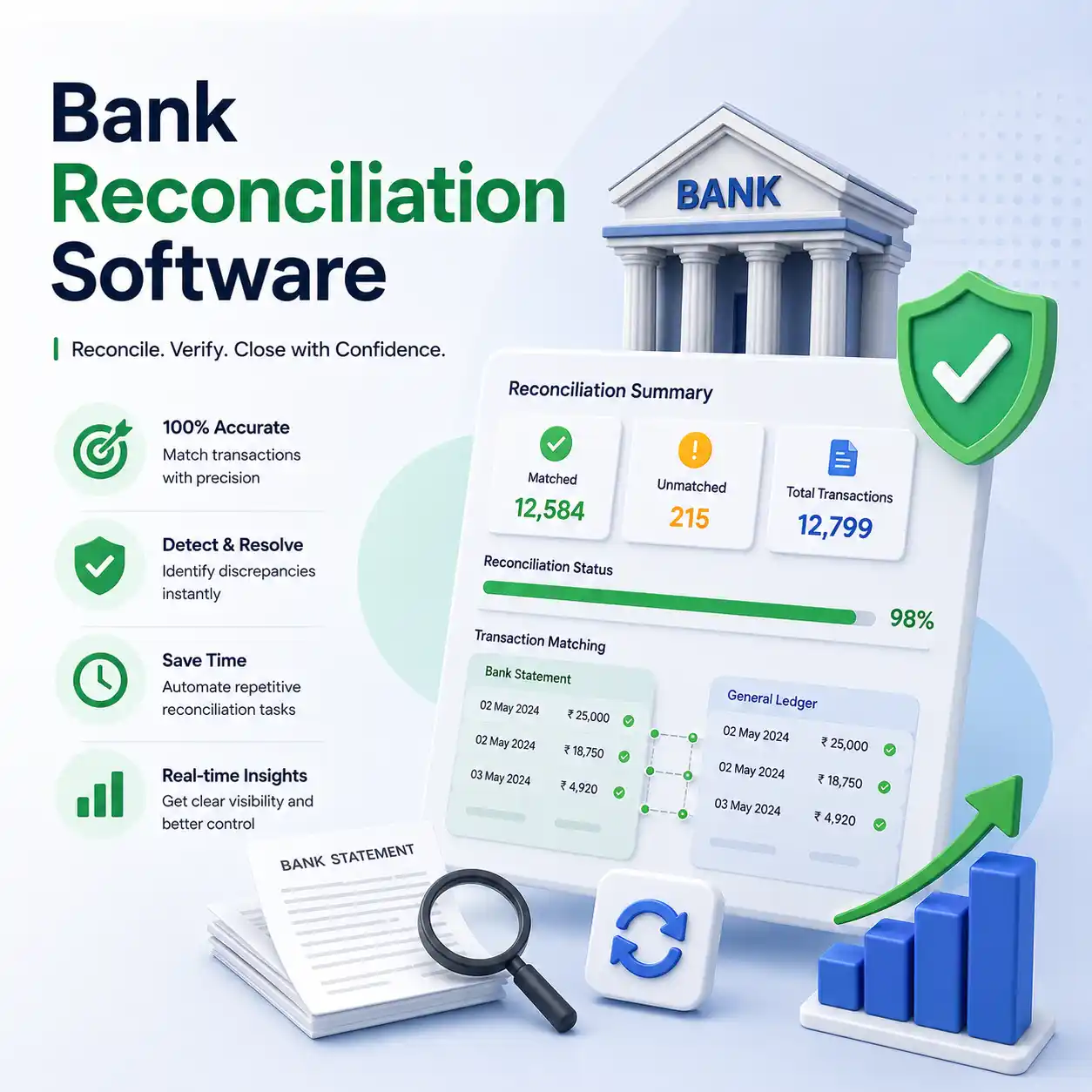
- Delayed Bank Reconciliations: To know your true cash position, you must reconcile your internal ledgers with your bank balances. Doing this manually takes hours, meaning your data is often outdated by the time it is reviewed. To solve this, companies look for the best bank reconciliation software to clear discrepancies instantly and maintain accurate records.
- Slow Collection Cycles: Long payment terms or delayed invoicing create wide cash gaps, where you are forced to cover operating costs while waiting for your customers to pay.
- Internal Fraud and Cash Leakage: Without strict oversight and automated tracking, physical cash and digital balances are vulnerable to internal mismatches or unauthorized transactions.
Key Strategies to Optimize Cash Management
Improving your financial health does not happen by accident. It requires a mix of smart policies and the right digital tools. Here are the most effective strategies you can deploy today.
Implement a Rolling 13-Week Cash Flow Forecast
Instead of looking at your finances once a month, adopt a rolling 13-week cash flow forecast. This approach gives you a dynamic, three-month view of your cash inflows and outflows. Every week, you drop the past week and add a new one to the end. This structure helps you identify potential cash crunches early enough to delay non-essential expenses or arrange for low-cost financing.
Accelerate Your Receivables
Do not wait to send out your bills. Invoice your clients the exact day a project is completed or a product is shipped. You should also offer multiple convenient payment options, such as digital wallets or credit cards, to make it as easy as possible for customers to pay you. Additionally, consider offering small discounts for early payments, and set up automatic reminders for late accounts.
Negotiate Better Vendor Terms
While you want your clients to pay you quickly, you should aim to extend your own payment windows with suppliers. Work to move your vendor payment terms from 15 days to 30 or 45 days. This allows you to retain cash in your bank account longer, giving you extra flexibility to fund operations or earn short-term interest.
Embrace Financial Automation
The most impactful way to modernize your cash ecosystem is through automation. Handling reconciliations and tracking payments across various bank portals manually kills productivity.
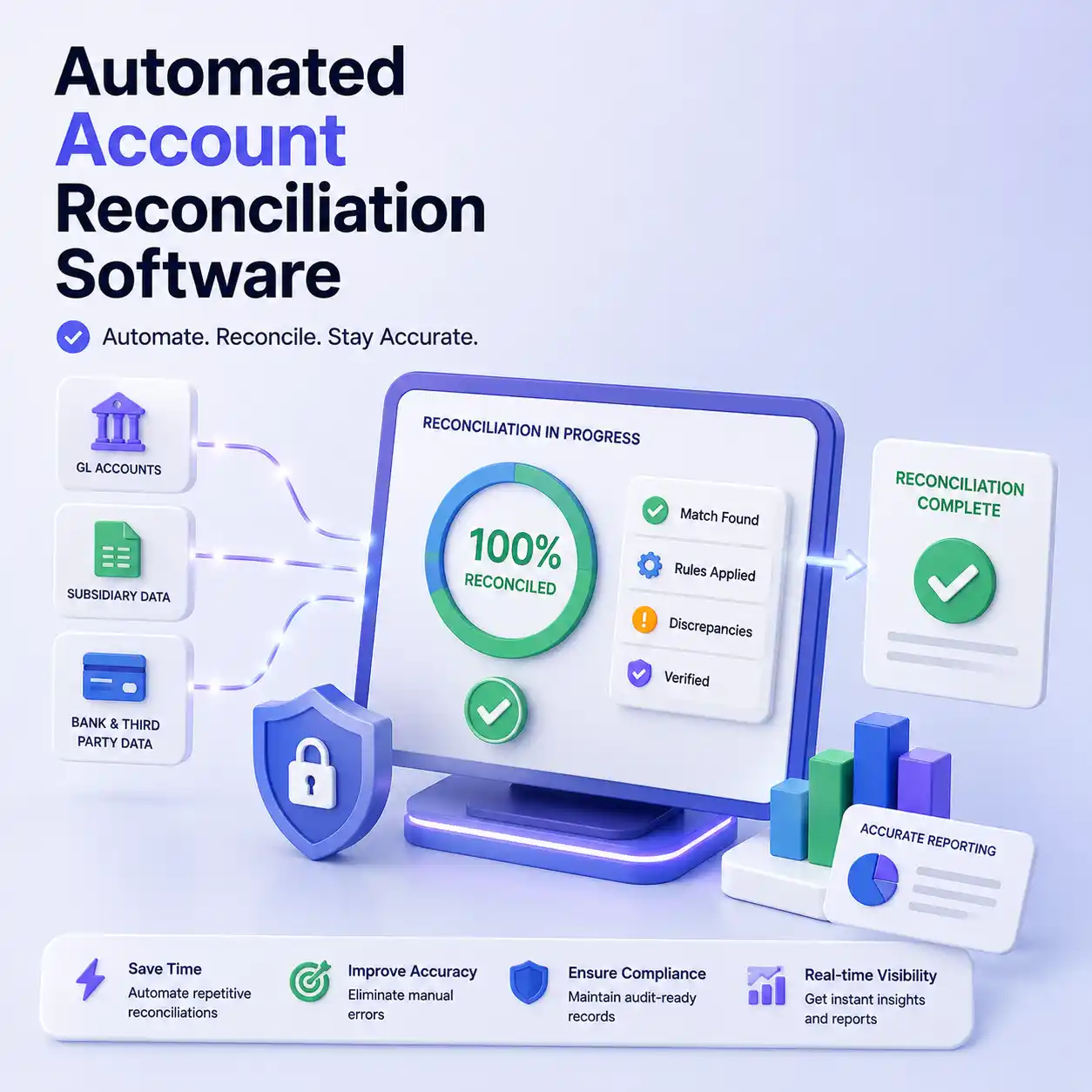
By integrating modern automated reconciliation software, your finance team can eliminate tedious spreadsheet work. This technology automatically pulls data from your bank statements, ERP systems, and point-of-sale terminals to match transactions instantly.
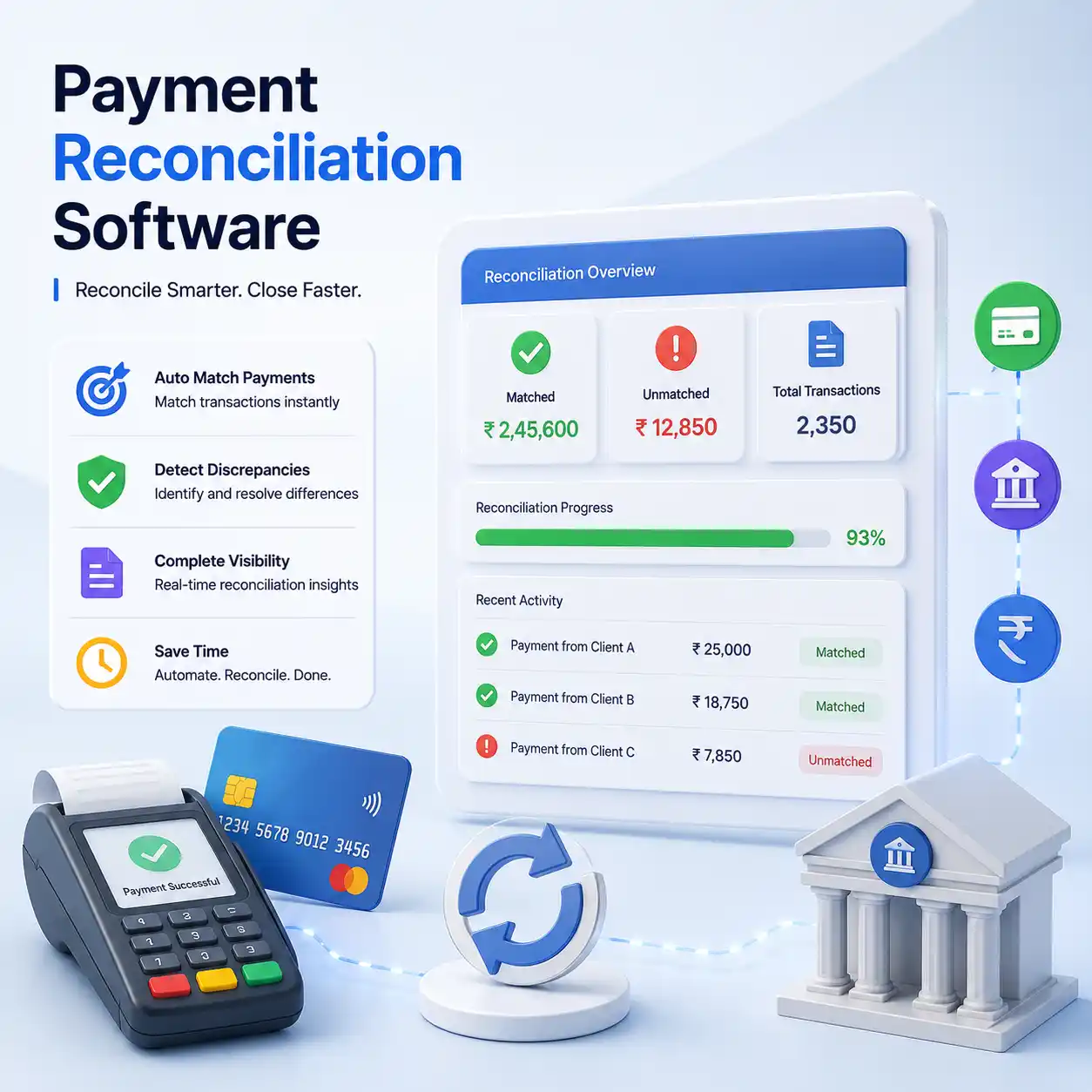
For businesses processing thousands of daily transactions, speed is crucial. Implementing an automated cash reconciliation platform ensures that your actual cash on hand matches your internal books in real-time, instantly highlighting any errors or hidden fees. Furthermore, utilizing tools designed for fast payment reconciliation enables your team to verify customer payments as they happen. This means your accounts receivable records stay perfectly updated, allowing you to confidently manage your working capital and make data-driven decisions.
Conclusion
Cash management is much more than just keeping an eye on your bank balance. It is a strategic practice that directly determines your business's survival, stability, and future growth. By understanding your cash cycle, addressing manual bottlenecks, and utilizing cutting-edge financial technology, you can easily turn a messy financial process into a powerful competitive advantage. Protecting your liquidity ensures that your company remains resilient, profitable, and ready for whatever the market brings next.
Frequently Asked Questions
1. What is the main objective of cash management?
The main objective of cash management is to ensure that a company maintains an optimal level of liquidity. This means having enough cash on hand to fulfill daily operational obligations, like payroll and vendor bills, while ensuring that excess funds are invested wisely to generate additional returns rather than sitting idle.
2. How does profit differ from cash flow?
Profit is an accounting figure that shows total revenue minus expenses over a period, often including non-cash items like depreciation or accounts receivable that have not been paid yet. Cash flow is the physical movement of money into and out of your bank accounts. A company can be profitable on paper but still run out of physical cash if its customers take too long to settle their bills.
3. What are the major consequences of poor cash management?
Poor cash management can lead to severe operational disruptions, missed growth opportunities, damaged vendor relationships due to late payments, and heavy reliance on high-interest emergency loans. In the worst-case scenario, chronic cash shortages lead to business insolvency and bankruptcy.
4. What is a 13-week rolling cash flow forecast?
A 13-week rolling cash flow forecast is a dynamic financial tool that projects a company’s cash inflows and outflows over the next three months. It is continuously updated every single week by removing the week that just passed and adding a new week to the end of the projection, providing a constant, accurate look at near-term liquidity.
5. How does automation improve the cash management process?
Automation eliminates time-consuming manual data entry and spreadsheet errors. It connects directly with your bank accounts and ERP systems to aggregate financial data, run instant reconciliations, detect transactional anomalies, and provide real-time visibility into your true cash positions so you can make informed decisions.
6. Why is bank reconciliation critical for cash management?
Bank reconciliation is critical because it compares your internal financial logs with your actual bank statements to ensure they match perfectly. Regular reconciliation catches bank errors, unauthorized transactions, double payments, and fees immediately, giving you a completely accurate picture of the funds available for your business operations.
See How Kosh AI Can Transform Financial Close
Contact us now