Let Kosh AI Pull Every Bank, Investment, and Debt Position Into One Reconciled View of Treasury
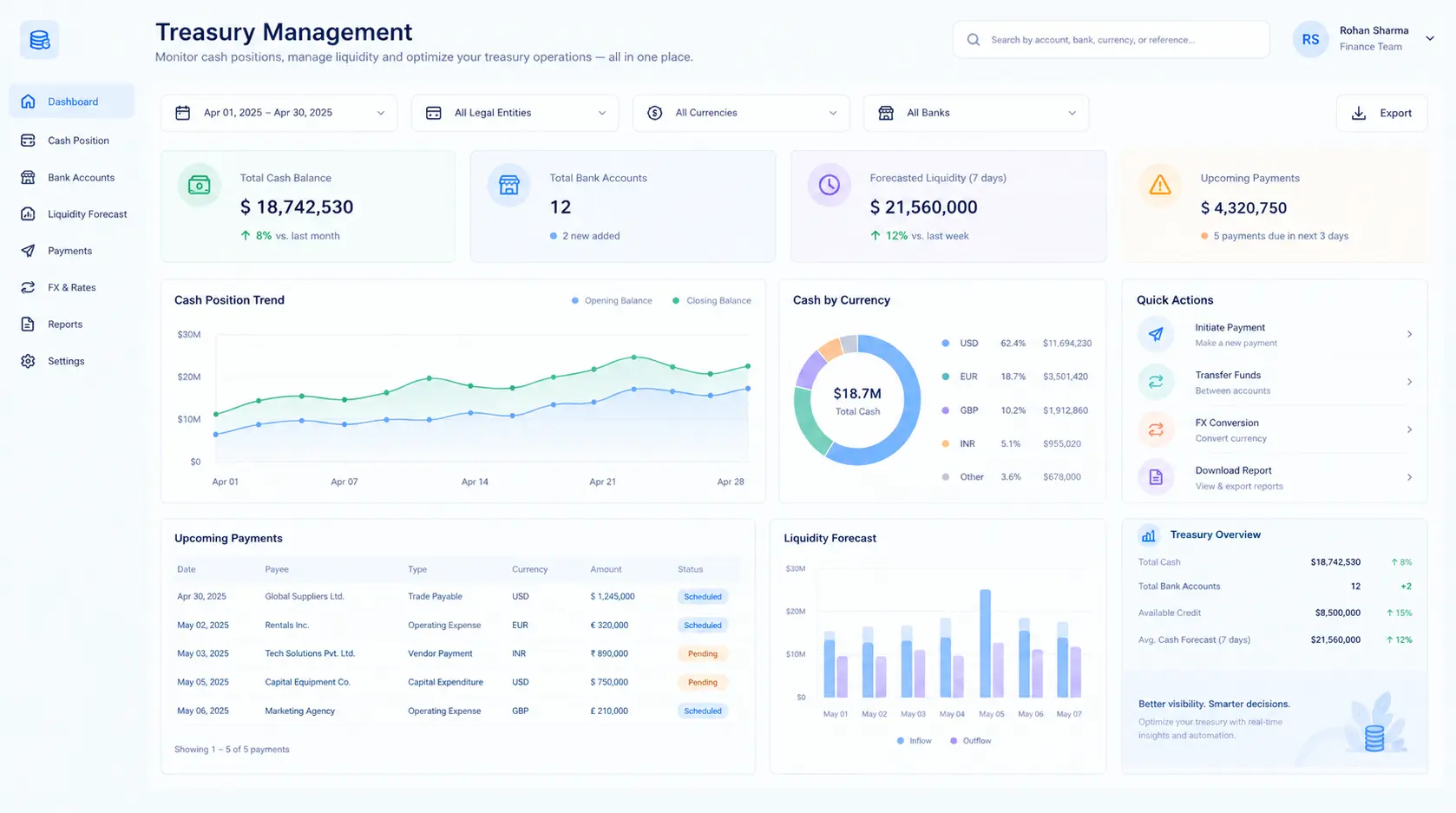
A treasury team's day usually starts with pulling balances from several banks, an investment platform, and a debt schedule, then reconciling all of it against the ledger before anyone can trust the number. Kosh AI pulls that data in automatically and keeps the reconciled position current all day.
You don't need to change banks, move investments, or restructure debt to get started. Kosh AI reads what's already there and keeps the consolidated, reconciled position current.
No two treasury functions look the same. Kosh AI fits the number of banks you hold, the industry you work in, and how your treasury team is structured.
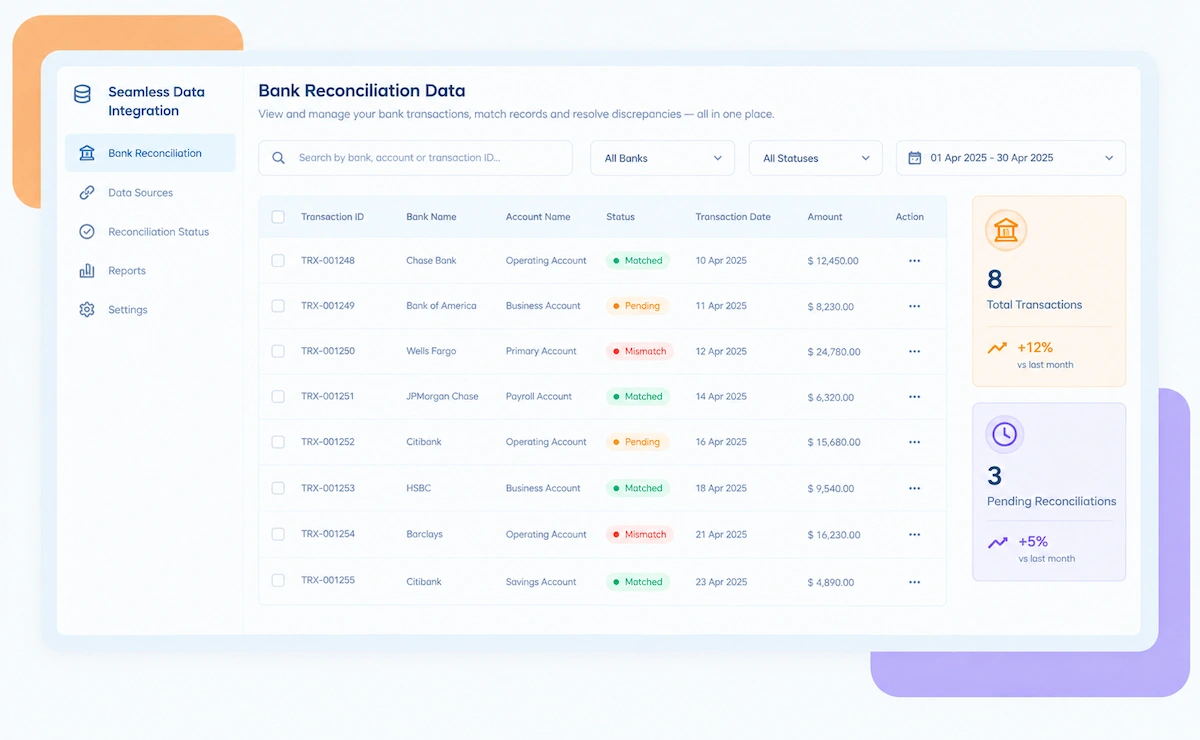
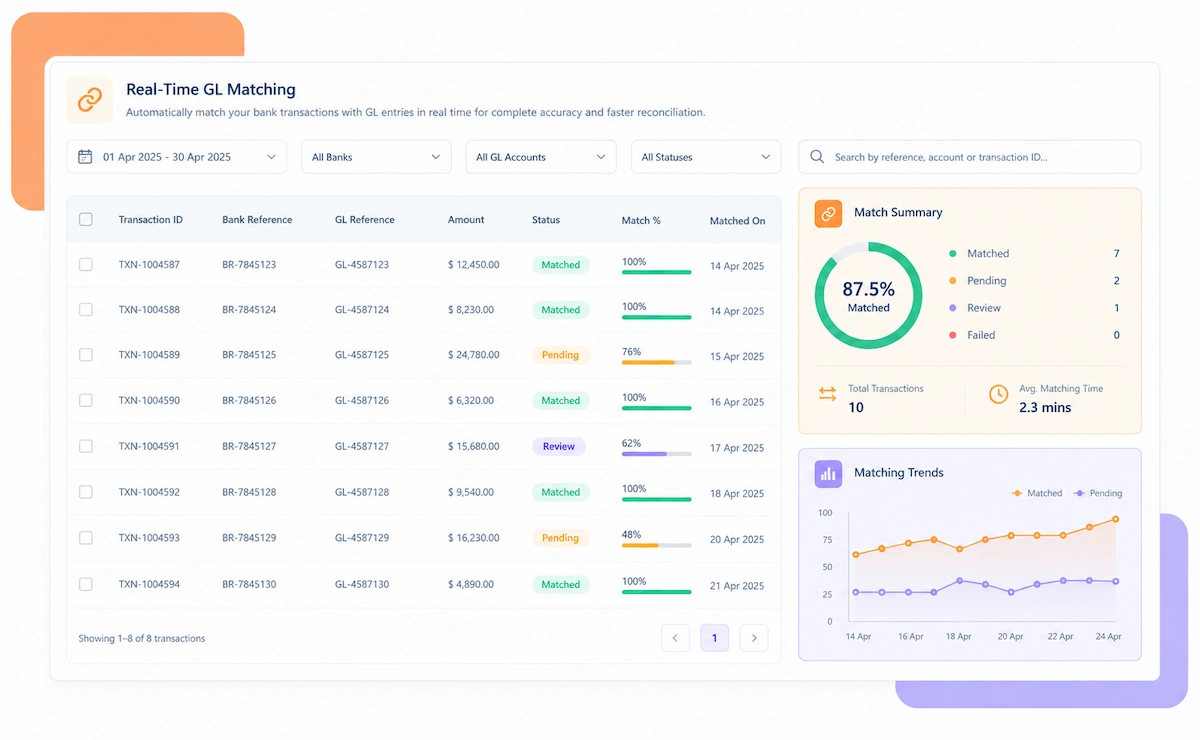
Bank balances across every operating account are consolidated and reconciled against the ledger daily.
Investment maturities and yields are tracked against plan and reconciled to the ledger automatically.
Debt schedules and covenant headroom are monitored without a manual compliance spreadsheet.
Intercompany loans and transfers are reconciled alongside external cash and debt in one view.
Multi-entity cash and debt positions across regions are consolidated without a manual rollup.
Investment and cash positions are tracked together as treasury balances grow with fundraising.
Seasonal cash positions and short-term borrowing are reconciled and forecast through peak periods.
Consolidated treasury visibility across portfolio companies supports faster reporting to investors.
Kosh AI centralizes cash, investment, and debt reconciliation for large treasury teams, giving real-time visibility across every entity.
Kosh AI gives smaller treasury teams automated consolidation and reconciliation without the headcount a manual process usually needs.
Rebuilding the cash position from five different sources every morning ties up your treasury team and leaves the CFO waiting for a number. Kosh AI takes that load off your team and gives you a position you can trust the moment you open it.

Consolidated, reconciled balances are ready every morning instead of rebuilt from scratch.
Forecasts update automatically, so a shortfall is visible days before it's a crisis.
Instead of consolidating spreadsheets, your team spends its time on funding and investment decisions.
Covenant headroom is tracked automatically, giving treasury time to act before a breach happens.
A reconciled, documented position is easier to defend in board and investor conversations.
New banks, entities, and accounts can be added without a proportional increase in manual work.
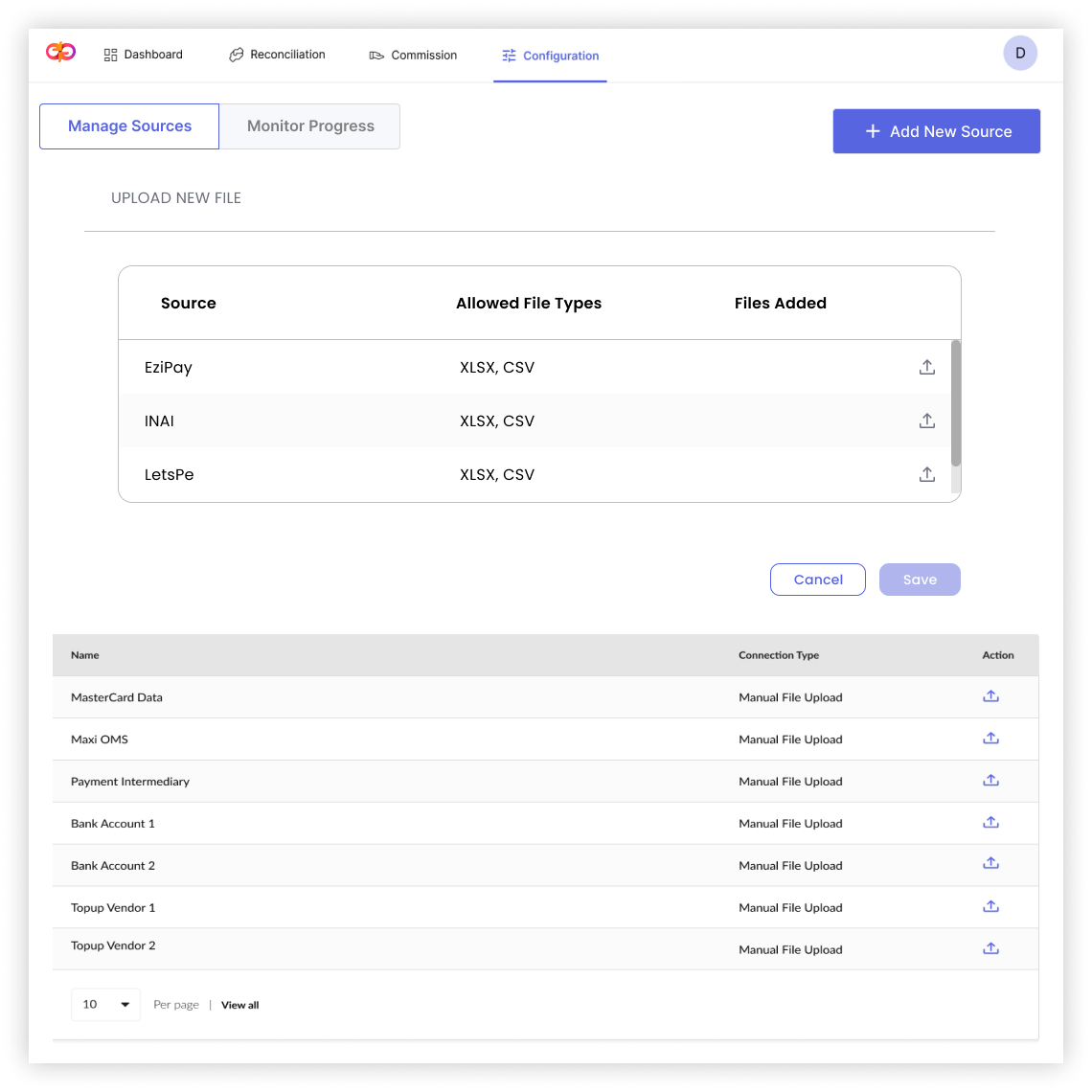
Kosh AI connects directly with all major banks and ERPs, enabling real-time data sync for faster, more accurate reconciliations—no manual uploads, no delays.


A shared spreadsheet breaks down the moment a new bank account, investment, or entity gets added to the mix. Kosh AI is built for how treasury actually tracks a growing set of positions.
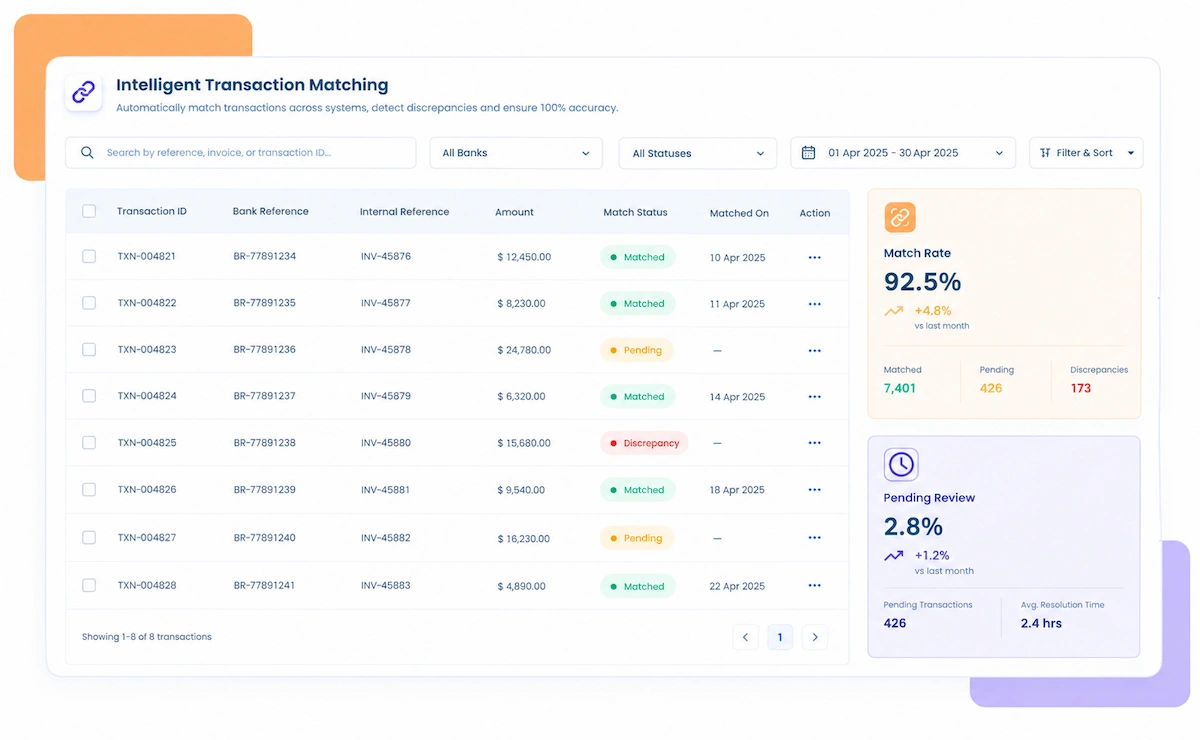
Kosh AI applies logic suited to cash, investments, and debt separately, not one rigid rule forced onto every position.
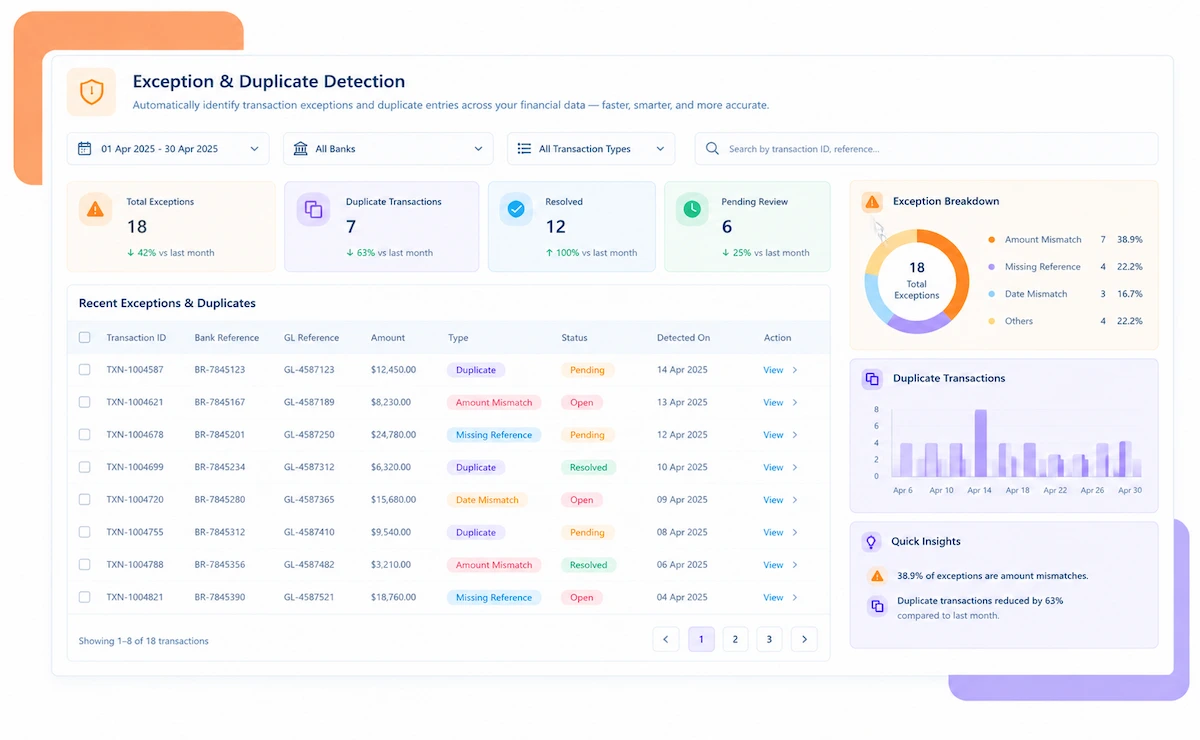
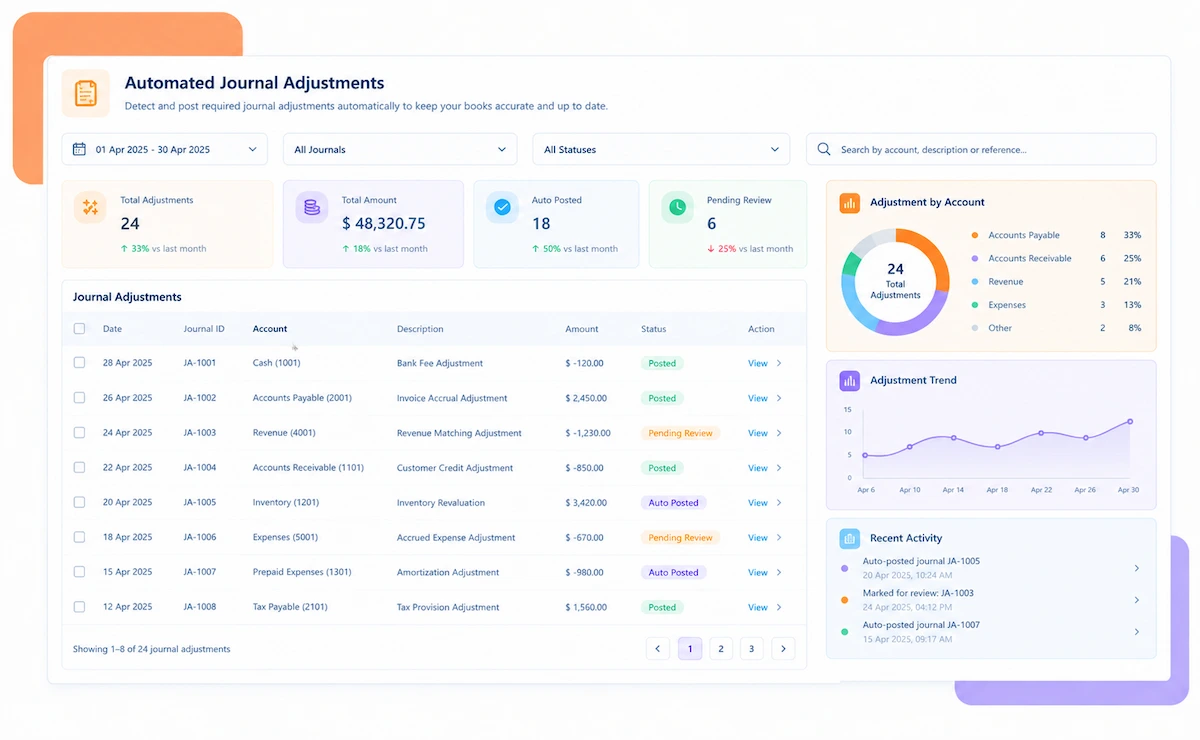
An unreconciled balance comes with the account and likely cause attached, not just a variance number.
Every resolved exception feeds back into how Kosh AI reconciles that account going forward.
From a single operating account to a complex multi-entity treasury, Kosh AI handles the reconciliation logic each one needs.
Treasury management software consolidates and reconciles a business's cash, investment, and debt positions across every bank and entity, giving treasury one live number to work from instead of several disconnected reports. It pulls balances from your banks, investment platforms, and debt schedules, matches them against your ledger, and flags anything that doesn't tie out. Kosh AI takes it further by combining that reconciled position with liquidity forecasting and covenant tracking, so treasury isn't just seeing the numbers but understanding what they mean for upcoming decisions. The result is a treasury function that reports with confidence instead of reconstructing its position every morning.

Here's what actually changes when treasury management moves off spreadsheets and onto software built for consolidated, reconciled positions.
| What You're Comparing | Automated Treasury Management | Doing It Manually |
|---|---|---|
| Building the Cash Position | Consolidated, reconciled balances are ready automatically every day. | Someone pulls balances from every bank and platform and consolidates them by hand. |
| Reconciling Against the Ledger | Bank, investment, and debt activity is matched to the ledger automatically. | Reconciliation is often a separate, manual step done after the position is built. |
| Tracking Covenant Headroom | Covenant positions are calculated automatically from reconciled data. | Covenant tracking usually lives in a separate spreadsheet, updated manually. |
| Forecasting Liquidity | Forecasts update automatically as reconciled positions and flows change. | Liquidity forecasts are often rebuilt from scratch each planning cycle. |
| Scaling With New Accounts | Adding a new bank, entity, or investment doesn't require more manual staff. | Each new account usually adds its own manual reconciliation and reporting step. |
| Reporting to Leadership | A documented, reconciled position is ready to report at any time. | Reports are built under deadline pressure from data that may not yet be reconciled. |
Set up Kosh AI, start reconciling cash, investments, and debt automatically, and walk into every treasury meeting with a position you already trust.
Schedule a Quick DemoA treasury team's cash position should be a known number at any point in the day, but for most businesses it's something rebuilt from scratch each morning: log into each bank, pull investment statements from a separate platform, check the debt schedule against whatever was last updated, and reconcile all of it against the ledger before anyone can trust it. Treasury management software exists because that rebuild stops being realistic the moment a business holds more than a couple of bank accounts.
The case for using it goes beyond saving time, although a treasury analyst who's been doing this manually certainly feels that part first. It's about the decisions that depend on having an accurate position in real time: a funding decision that assumes cash is available that actually isn't yet reconciled, a covenant breach that goes unnoticed because nobody rechecked the calculation this week, an investment opportunity missed because nobody could confirm excess cash quickly enough. Each of these has a real cost, and each becomes more likely the more manual the treasury process stays.
There's also a complexity problem specific to treasury. A single-entity, single-bank business can often track its position informally without much risk. The moment a business adds entities, currencies, or investment vehicles, informal tracking starts missing real gaps, simply because there's too much to hold in one spreadsheet reliably. Treasury management software is built to keep pace with that complexity instead of forcing treasury to oversimplify its own reporting just to keep up.
It's not only for large corporate treasury departments. Here's who tends to benefit most.
Anyone responsible for the cash position benefits from a consolidated, reconciled view instead of rebuilding it manually.
Each additional bank account adds manual consolidation work, which is exactly where automation pays off.
Consolidating positions across entities and currencies is repetitive work that automation handles reliably.
Automatic covenant tracking gives treasury time to act before a breach, not just notice one after the fact.
Fundraising often means managing investments alongside cash for the first time, which benefits from automation early.
A reconciled, real-time position matters for funding, investment, and board-level decisions.
No tool is a perfect fit for every treasury function. Here's an honest look at what treasury management software gets right, and what's worth planning around before you adopt it.
Treasury management software consolidates and reconciles a business's cash, investment, and debt positions across every bank and entity into one live view. Kosh AI does this automatically, combining reconciliation with liquidity forecasting and covenant tracking.
It connects to your banks, investment platforms, and debt schedules, pulls in balances and activity, and reconciles them against your ledger. Unreconciled items are flagged automatically, and the consolidated position updates as new data arrives.
Rebuilding the cash position manually every day is slow and error-prone, and the risk compounds as a business adds banks, entities, and investment vehicles. Treasury management software keeps that position accurate and available in real time.
Yes, a complete treasury management platform tracks investments and debt alongside cash, since all three affect the overall liquidity picture. Kosh AI reconciles and monitors all three together rather than treating them as separate systems.
Bank statement reconciliation software focuses specifically on matching statement lines to the ledger. Treasury management software includes that reconciliation but also consolidates investments, debt, and liquidity forecasting into one broader view. Kosh AI supports both under one platform.
Yes, that's one of its core functions. Kosh AI connects to banks, investment platforms, and ERPs like SAP, Oracle, NetSuite, and QuickBooks, so positions consolidate automatically without manual exports.
No, but it takes most of the manual consolidation and reconciliation work off their plate. Kosh AI handles routine matching automatically, so your treasury team can focus on funding decisions, investment strategy, and risk management.
It gets flagged as an exception immediately, usually with the account and a likely cause already attached. From there, it's routed for review instead of being reported as a clean number that isn't actually reconciled.
Most businesses can have core bank and ledger reconciliation running automatically within a few weeks, since the software connects to accounts you already use. Kosh AI follows a similar timeline, with complex, multi-entity treasury rollouts typically taking 2 to 4 months to fully configure.
Start with how many banks, entities, and investment or debt instruments you manage today. From there, compare options on bank connectivity, reconciliation accuracy, and how well liquidity forecasting and covenant tracking fit your reporting needs. Kosh AI is built around exactly that checklist, but it applies to any software you're comparing.
Book a demo and watch Kosh AI reconcile your own cash, investment, and debt data.
Book a Demo