Data integrity
In our fast paced digital economy, data is the foundation of every major business decision. Companies rely heavily on metrics, financial reports, and transaction logs to plan their growth strategies. However, the value of this information depends entirely on its accuracy and trustworthiness. If your data is corrupted, altered, or incomplete, the decisions based on it will naturally be flawed. This is where the concept of data integrity becomes critical for operational survival.
Data integrity is not just a technical buzzword for IT departments. It is a vital business requirement that directly impacts financial health, regulatory compliance, and consumer trust. When information moves across multiple applications, cloud environments, and internal tracking systems, keeping it secure and accurate is a major challenge. Let us look deep into the meaning of data integrity, why it matters so much, and the best practices to maintain it in your company.
Understanding Data Integrity: The Core Meaning
To understand data integrity, it helps to look at the word integrity itself, which means honesty, completeness, and being undivided. In the context of business technology, data integrity refers to the overall accuracy, completeness, consistency, and reliability of data throughout its entire lifecycle. It means ensuring that your information remains completely unchanged and uncorrupted from the moment it is created, through every process of storage and retrieval, until its final deletion.
Many people confuse data integrity with data security, but they are quite different. Data security focuses on protecting information from unauthorized external access, cyberattacks, and malicious data breaches. Data integrity is much broader. While it includes security, it also focuses on the correctness of the data itself. For instance, if an internal employee accidentally enters an extra zero in a financial spreadsheet, your data security tools will not stop it because the user is authorized. However, your data integrity has been compromised.
Maintaining perfect data integrity requires a strong mix of well-planned business processes, structural rules, and dedicated software tools. When these elements work together, they ensure that the physical files stored on servers and the logical relationships between different data sets remain perfectly accurate over time.
The Two Pillars: Physical vs. Logical Integrity
To properly implement data integrity across your enterprise systems, you must understand its two main categories. Both categories require different types of control mechanisms and technologies to succeed.
The first pillar is physical integrity. This deals with the safe storage and error-free transmission of the actual physical data bits on your servers, hard drives, or cloud networks. Physical integrity is threatened by hardware failures, power outages, natural disasters, and physical wear and tear on storage equipment. Companies protect physical integrity by using redundant power supplies, using state of the art cloud storage, and setting up real time backup systems to prevent permanent data loss during a hardware crisis.
The second pillar is logical integrity. This focuses on the correctness and rationality of the data itself within a specific context or database structure. Logical integrity ensures that information makes sense and adheres to pre-defined business logic. It is maintained through four specific types of database constraints:
- Entity Integrity: This relies on unique identifiers, known as primary keys, to ensure that no duplicate rows exist within a database table. For example, every customer must have one unique account number.
- Referential Integrity: This ensures that relationships between different database tables remain consistent. It uses foreign keys to guarantee that a transaction cannot be recorded for an account number that does not actually exist in the master system.
- Domain Integrity: This restricts the type, format, and range of values that can be entered into a specific data field. For instance, a date of birth field must only accept valid dates, and a monetary column must only accept numbers.
- User-Defined Integrity: This includes custom rules designed by business managers to match specific organizational policies. For example, a validation rule might state that an invoice amount cannot be negative or that an approval checkbox must be ticked before a payment is released.
Why Data Integrity Matters: The Business Impact
Operating a modern enterprise with compromised data is like sailing a large ship with a broken compass. You might be moving fast, but you are very likely heading in the wrong direction. The consequences of poor data reliability are widespread and highly expensive.
According to recent data management studies, companies lose an average of 25% of their potential annual revenue due to operational inefficiencies and poor decisions caused by bad data quality. Furthermore, industry research shows that poor data quality costs organizations an average of $12.9 million every single year. When your data is full of errors, your teams waste valuable hours manually cross-checking reports instead of focusing on growth.
Beyond the clear financial losses, data integrity directly affects your corporate reputation. If a bank sends an incorrect account statement to a client due to a processing error, or if an e-commerce site charges a customer twice for the same order, brand loyalty drops instantly. In a hyper-competitive market, consumers will quickly leave a company that cannot manage its internal records properly.
Compliance and Regulatory Pressures
In today's corporate world, maintaining pristine data integrity is also a strict legal obligation. Government bodies and financial regulators globally have established strict laws to protect consumer information and ensure transparent corporate reporting.
If your company operates in the financial or healthcare space, you face intense scrutiny under frameworks like Sarbanes-Oxley (SOX), the General Data Protection Regulation (GDPR), and HIPAA. These regulations demand that financial statements and patient records be completely accurate, fully traceable, and protected against unauthorized alterations.
Failing an internal or external regulatory audit due to poor data controls can lead to catastrophic fines and legal penalties. Additionally, data breach statistics indicate that the average cost of a data breach has reached $4.44 million globally, with the United States setting a record high average of $10.22 million per incident. Many of these costly breaches stem directly from poor data governance and weak data validation systems.
Common Threats to Data Integrity
Data can be compromised in many different ways as it moves through an organization. Identifying these entry points of corruption is the first step toward building a strong defense system.
Human Error
Despite the rise of sophisticated enterprise automation, human error remains one of the largest threats to data reliability. Studies show that roughly 60% of data compromises and operational errors involve a human element. This happens when employees manually type incorrect values into an ERP system, accidentally delete critical database rows, or misinterpret data entry instructions. Without automated verification controls, a simple typo by a tired employee can quietly alter high-level corporate financial statements.
Integration Gaps and Data Silos
Modern businesses use an average of nearly 900 different software applications across their departments. However, only about 29% of these applications are properly integrated with one another. This creates deep data silos, where different teams use different versions of the same information. When data is moved manually or through poorly built pipelines between these disconnected tools, records frequently get dropped, misaligned, or formatted incorrectly.
Software Glitches and Bugs
Even if your employees are perfectly trained, the software applications running your business can fail. Undetected source code bugs, database update errors, or unexpected crashes during large-scale data migrations can corrupt files mid-process. If a database server crashes right in the middle of processing a batch of financial transactions, the system can be left in an unstable state where some tables are updated and others are not.
Cyber Threats and Malicious Changes
Cybercriminals are no longer just focused on stealing data; they also look to alter it maliciously. Ransomware attacks, which were present in 44% of documented breaches recently, can encrypt or partially corrupt vital organizational files. Sophisticated hackers can also alter inventory counts, change banking routing numbers, or edit user permissions within your systems to commit financial fraud without being noticed immediately.
Best Practices to Ensure Data Integrity
Protecting your company's data requires a proactive approach that combines clear operational rules with modern, automated technology solutions. Here are the most effective best practices you can implement today to safeguard your information asset.
1. Eliminate Manual Work via Automation
The most reliable way to reduce human data entry errors is to remove manual touchpoints entirely. Relying on spreadsheets and manual data entry for high-stakes business processes is a major operational risk.
For example, companies that handle high volumes of financial transactions should implement specialized reconciliation automation software to handle data matching. By automating the collection and verification of incoming files, you ensure that information remains uncorrupted and perfectly accurate across all business units.
2. Standardize Your Account Verification Processes
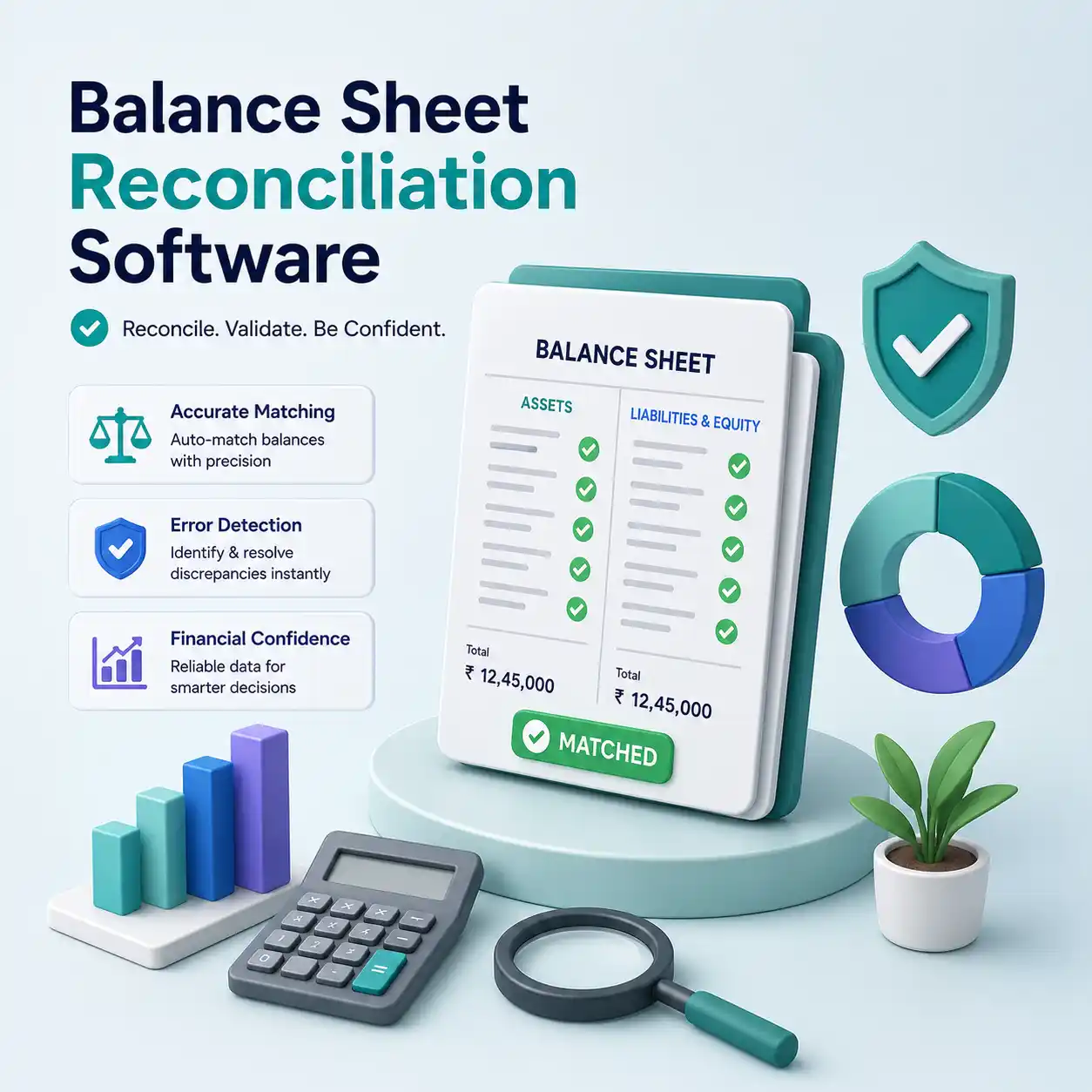
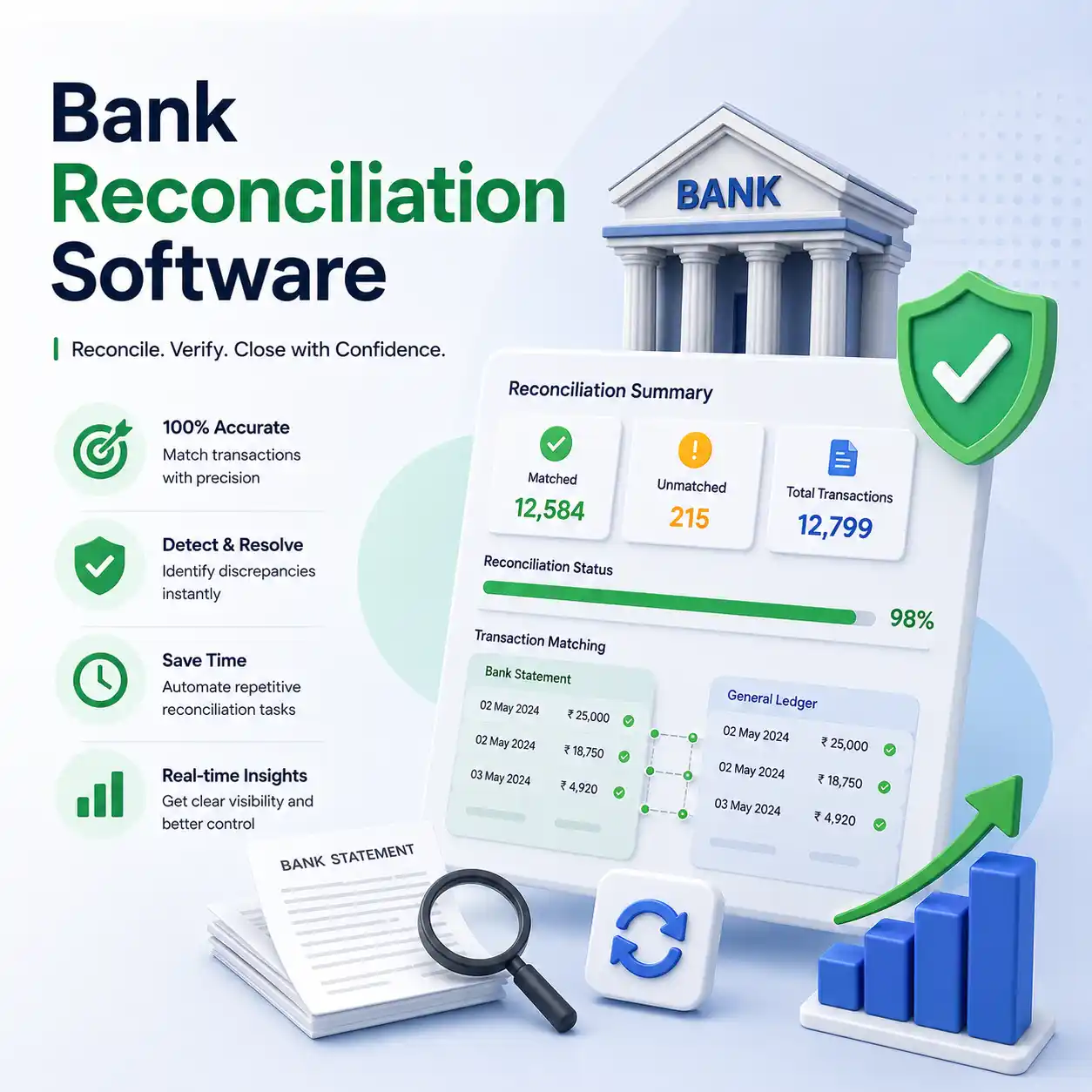
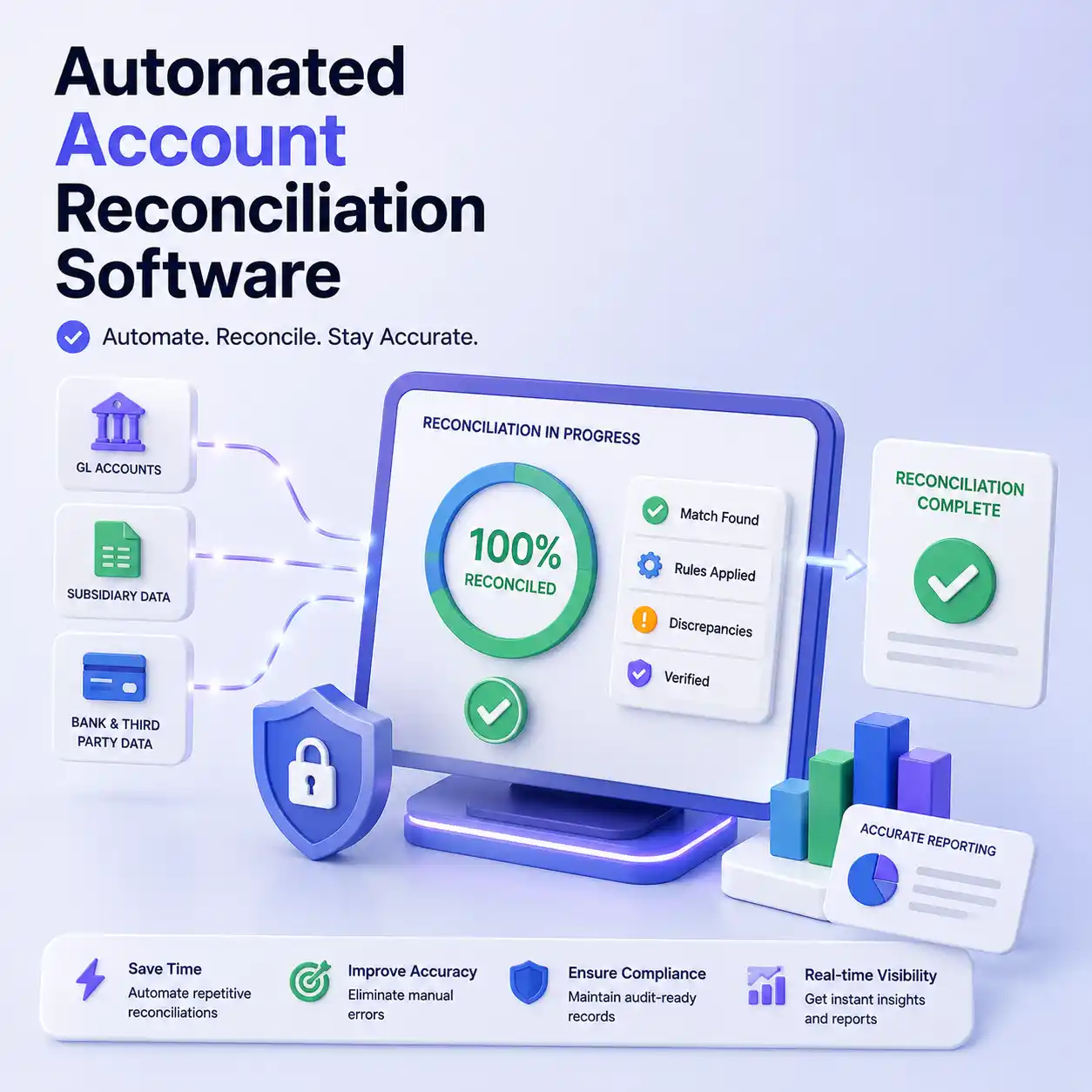
Financial teams often struggle with data discrepancies when closing their books at the end of the month. To solve this, enterprises must adopt dedicated account reconciliation software to automatically cross-examine bank records, general ledgers, and sub-accounts. This specific practice ensures that your financial data maintains strict logical integrity and that any data mismatch is flagged for review within minutes rather than weeks.
3. Implement Strict Data Validation Rules
You must set up automated gatekeepers at every data entry point. Data validation rules ensure that incoming data satisfies your strict quality guidelines before it is saved into your systems. You should configure your applications to check for proper data formats, enforce character limits, prevent blank entries in critical fields, and reject values that fall outside reasonable business parameters.
4. Optimize High Volume Transaction Matching
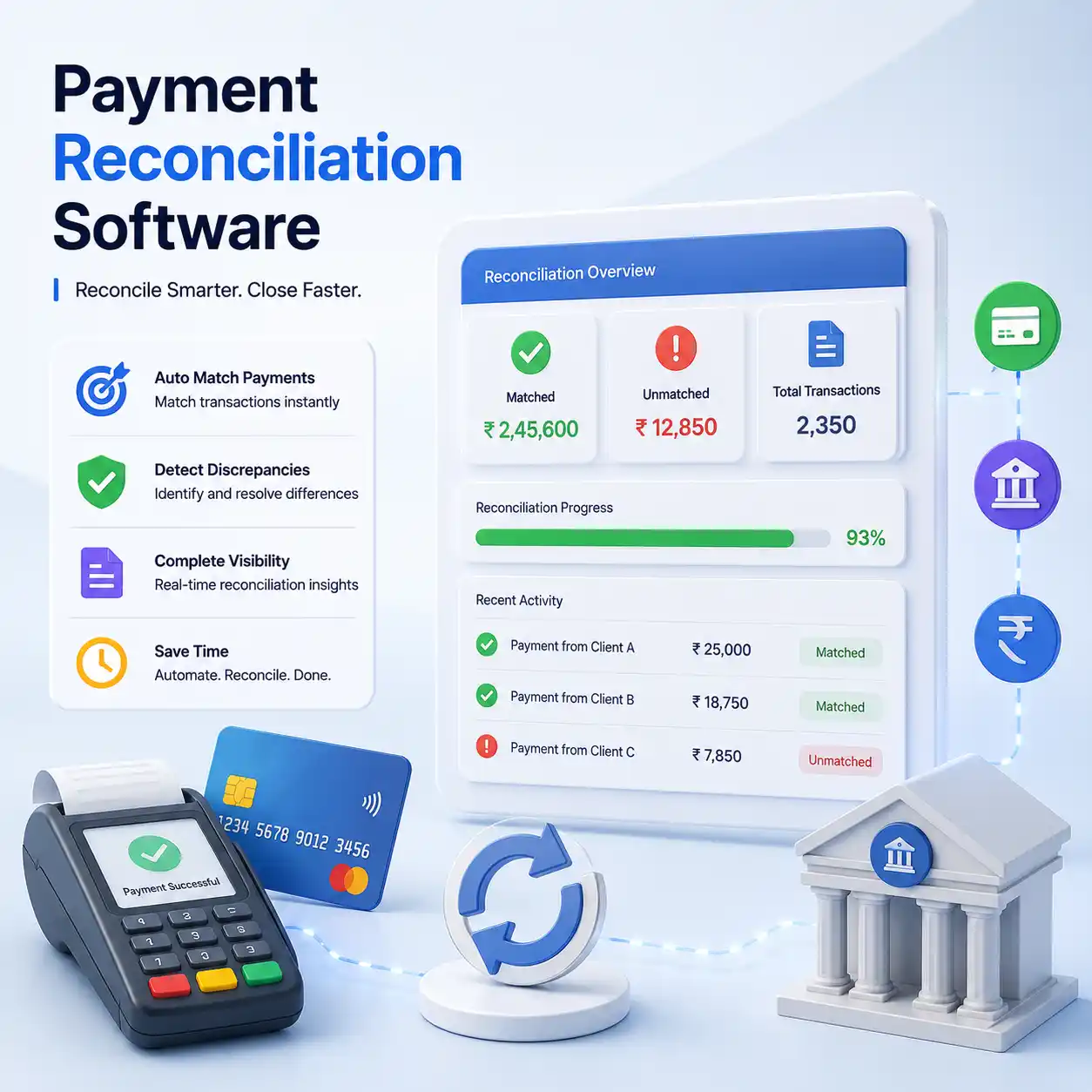
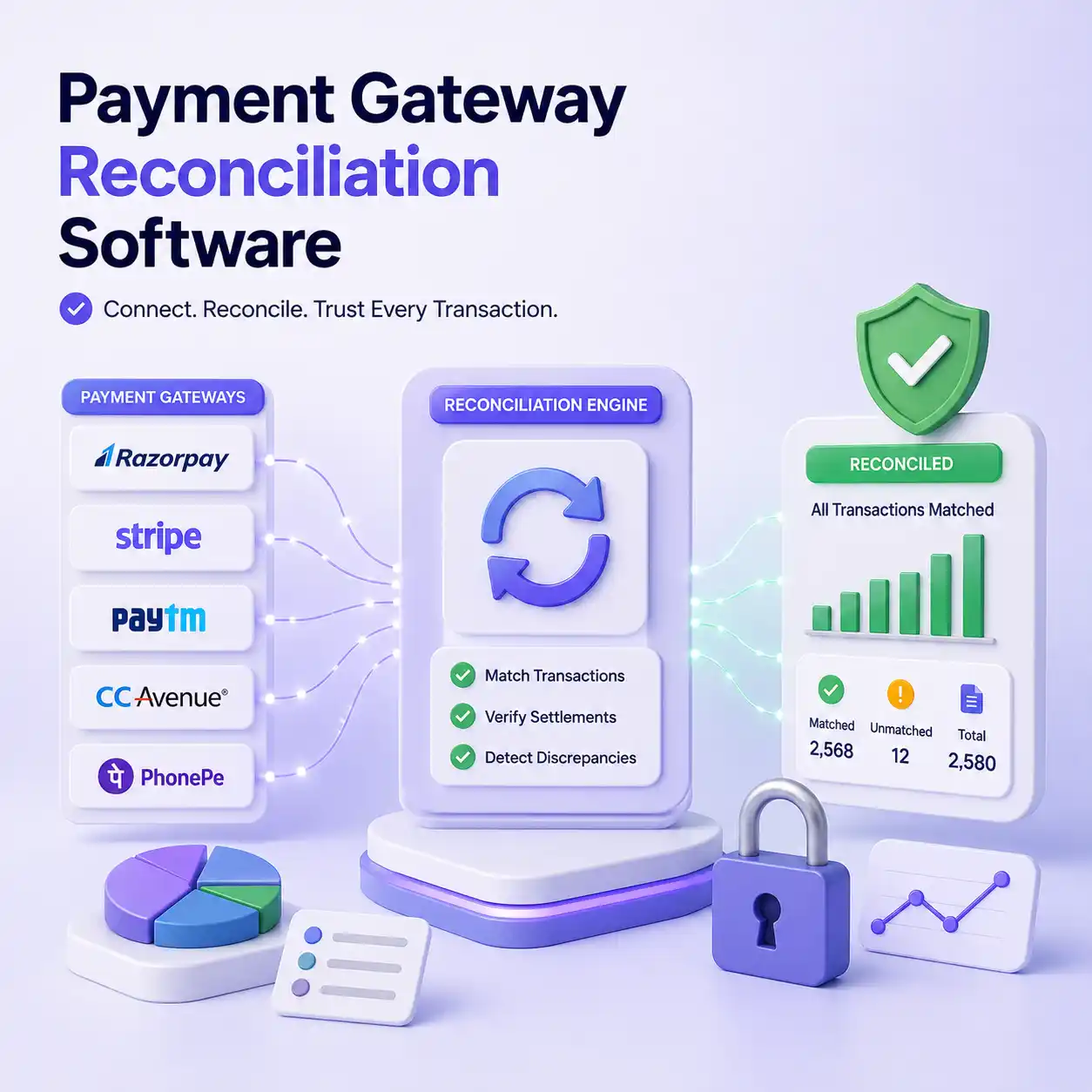
For consumer facing companies handling thousands of daily digital transactions, data discrepancies can multiply very quickly. Deploying advanced payment reconciliation software allows businesses to instantly match sales receipts against actual bank deposits and payment gateway reports. This automated tracking keeps your revenue records completely accurate and prevents data corruption caused by payment timeouts or systemic processing glitches.
5. Control User Access and Maintain Audit Trails
Not every employee needs access to every piece of data in your corporate ecosystem. You should implement the principle of least privilege, ensuring workers only have access to the specific data required to perform their daily jobs. Furthermore, you must enable comprehensive, immutable audit logs across all enterprise applications. This allows data managers to see exactly who created, edited, or deleted a piece of data, providing total accountability.
6. Harmonize Corporate Subsidiaries
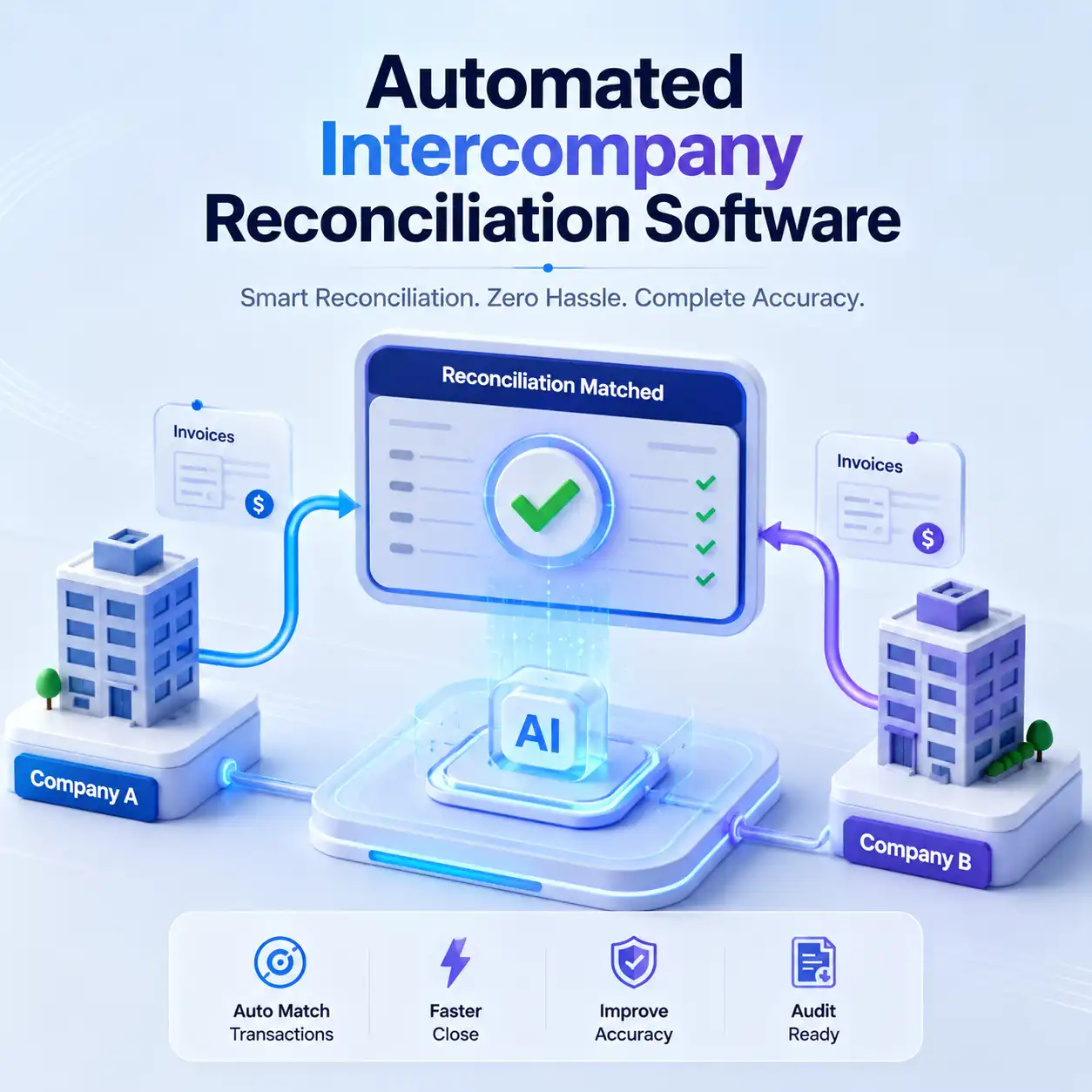
For large, multi-entity enterprises, data integrity frequently breaks down during transactions between parent companies and subsidiaries. To maintain absolute data consistency across different geographic locations and business units, management teams must employ centralized tools for intercompany reconciliation. This ensures that balancing entries match perfectly on both sides of the corporate ledger, eliminating costly reporting differences.
The Role of Automated Reconciliation in Data Integrity
As data volumes continue to double every few years, managing data integrity manually becomes an impossible task. Automated reconciliation serves as the ultimate safety net for enterprise data quality. Instead of waiting for a regulatory auditor or an angry customer to discover an error, automated validation systems constantly scan your pipelines to find and fix discrepancies in real time.
By shifting from slow, error-prone manual workflows to intelligent, automated matching systems, your business can significantly lower its operational risk profile. Automation ensures that your data remains complete, reliable, and compliant, giving your leadership team the accurate insights needed to scale operations confidently.
Frequently Asked Questions
What is the difference between data integrity and data quality?
Data integrity focuses on the overall reliability, accuracy, and consistency of data across its whole lifecycle, ensuring it complies with strict structural business rules and remains unaltered. Data quality is a subset of integrity that measures how useful and fit a specific dataset is for a particular business purpose, focusing on traits like age, relevance, and completeness.
How does human error affect data integrity?
Human error hurts data integrity when employees enter incorrect numbers, delete important files, or misconfigure database options. Because these errors are made by authorized users, security tools do not block them, allowing incorrect data to spread quietly through corporate reports and analytics dashboards.
Why is data integrity critical for regulatory compliance?
Regulators require businesses to prove that their financial statements and consumer records are completely accurate and untampered with. Strong data integrity practices provide clear audit trails and validation checks, helping companies pass audits, avoid massive compliance penalties, and protect consumer privacy.
Can data security alone guarantee data integrity?
No, data security cannot guarantee data integrity on its own. Data security stops hackers from stealing or accessing your data without permission. However, it cannot prevent an authorized worker from making a typo, stop a software bug from corrupting a file, or fix a data matching error during a system migration.
What are the main signs that a business has poor data integrity?
Common signs of poor data integrity include matching errors during monthly financial closings, conflicting reports from different departments, frequent customer complaints about billing mistakes, and data teams spending too many hours manually fixing broken spreadsheets.
How does automated software help maintain data integrity?
Automated software maintains data integrity by removing manual entry risks, creating instant validation rules, and matching thousands of transaction rows in real time. It flags discrepancies immediately, creates clear audit logs, and ensures that data remains consistent across all integrated company systems.
See How Kosh AI Can Transform Financial Close
Contact us now