Expense Reporting Automation
Managing business expenses is often one of the most frustrating parts of running a company. For decades, employees had to save paper receipts, fill out complex spreadsheets, and submit them to finance teams who then had to verify every single transaction manually. This traditional process is slow, expensive, and highly prone to human error.
As businesses grow, tracking corporate spend manually becomes completely unsustainable. This is where expense reporting automation steps in to change how organizations manage their finances. By replacing outdated paper-based tasks with modern software, companies can track spending in real time, eliminate manual errors, and give finance teams their time back.
With advanced reconciliation automation software leading the charge, corporate financial management has shifted from a chaotic paper chase into a streamlined digital process.
Understanding Expense Reporting Automation
Expense reporting automation refers to the use of specialized software to digitize, track, and manage employee expenses from the exact moment a purchase happens until it is fully reconciled in the company accounting books.
Instead of waiting until the end of the month for employees to submit a batch of physical receipts, automated platforms capture data instantly. The software automatically extracts key transaction details, categorizes the expenditure, runs it through company policy rules, and routes it to the correct manager for fast approval.
At its core, this technology uses Optical Character Recognition or OCR to read receipts. When an employee takes a photo of a receipt using a mobile app, the system instantly identifies the merchant name, transaction date, currency, and final amount. This means employees do not have to type numbers manually, reducing data entry errors completely.
Beyond just reading receipts, corporate automation platforms integrate deeply with corporate credit cards and internal banking channels. Every time a card is swiped, the system matches the transaction with the uploaded receipt automatically. This creates an ongoing digital paper trail that keeps your business audit-ready at any given point in time.
The True Cost of Manual Expense Reports
To appreciate the value of automation, it helps to look at the financial strain of manual workflows. Research by the Global Business Travel Association highlights that processing a single manual expense report costs an average of $58 and takes around 20 minutes of employee time.
Furthermore, roughly 19% of all manual expense reports contain errors or mistakes. Correcting just one of these flawed reports takes an additional 18 minutes and incurs a hidden cost of $52 in administrative labor. For a business processing hundreds of reports a month, these inefficiencies drain thousands of dollars every single year.
Key Features of Automated Expense Management Software
Modern automation systems offer a wide array of intelligent features that work together to simplify financial operations. These platforms are built to handle complex enterprise requirements while keeping the front-end user experience simple for everyday employees.
Real-Time Receipt Capture and Data Extraction
The foundation of any strong automated system is mobile data capture. Employees can snap a picture of a receipt immediately after a business meal or travel purchase. The AI-driven OCR engine reads the image, extracts the relevant text, and fills out the digital expense line automatically. This completely eliminates the issue of faded, lost, or forgotten paper receipts.
Smart Expense Policy Enforcement
Enforcing spending limits manually puts finance managers in an uncomfortable position of constant policing. Automation builds company policies directly into the system workflow. You can set specific spending rules based on employee roles, specific vendors, or maximum daily allowances.
If an employee tries to submit a dinner expense that exceeds the daily limit, the software flags it instantly before submission, allowing the employee to correct it or provide an explicit justification.
Automated Approval Workflows
In a manual system, expense claims often get stuck in crowded email chains or sit forgotten on a manager desk. Automated software allows organizations to design custom approval paths based on department, project, or cost thresholds.
For instance, expenses under $50 can be set to auto-approve, while larger transactions are instantly routed to department heads or directors with automated reminders to ensure timely review.
Seamless Financial Software Integrations
A standalone expense tracker creates data silos. True automation systems link directly with enterprise resource planning tools, HR payroll platforms, and accounting systems. When an expense report is approved, all line items are automatically exported to your general ledger without requiring manual data entry from your accounting staff.
The Financial Benefits of Automating Corporate Expenses
Investing in financial automation yields a clear and highly measurable return on investment. By eliminating administrative bottlenecks, companies achieve direct cost savings and secure far better visibility over cash flow.
Massive Reduction in Processing Costs
By cutting out manual data entry, physical printing, and prolonged correction cycles, companies drastically drop their per-report processing costs. Shifting from manual workflows to a dedicated automated pipeline can lower report handling expenses by over 50%, transforming financial operations into a highly cost-efficient department.
Faster Reimbursement Timelines
Waiting weeks to get reimbursed for business travel damages employee morale. Automated systems streamline the validation pipeline so quickly that typical employee reimbursement times drop from weeks down to just a few business days. Happy employees can focus entirely on core business growth rather than worrying about personal credit card cycles.
Eradicating Expense Fraud and Compliance Leakage
Manual oversight often misses duplicate submissions or unauthorized out-of-pocket transactions. Expense automation systems scan every historical entry to catch duplicate receipts instantly. By ensuring every line item accurately maps back to a verifiable transaction, companies eliminate the risk of accidental overpayments and internal fraud.
How Automation Transforms Financial Reconciliation
The ultimate destination for every single corporate expense is the reconciliation process. This is where finance teams verify that bank statement transactions match up perfectly with internal accounting entries.
When done manually, matching thousands of monthly line items is an absolute nightmare. Expense reporting automation serves as the vital bridge that makes final reconciliation quick and painless.
Streamlining Internal Card Matches
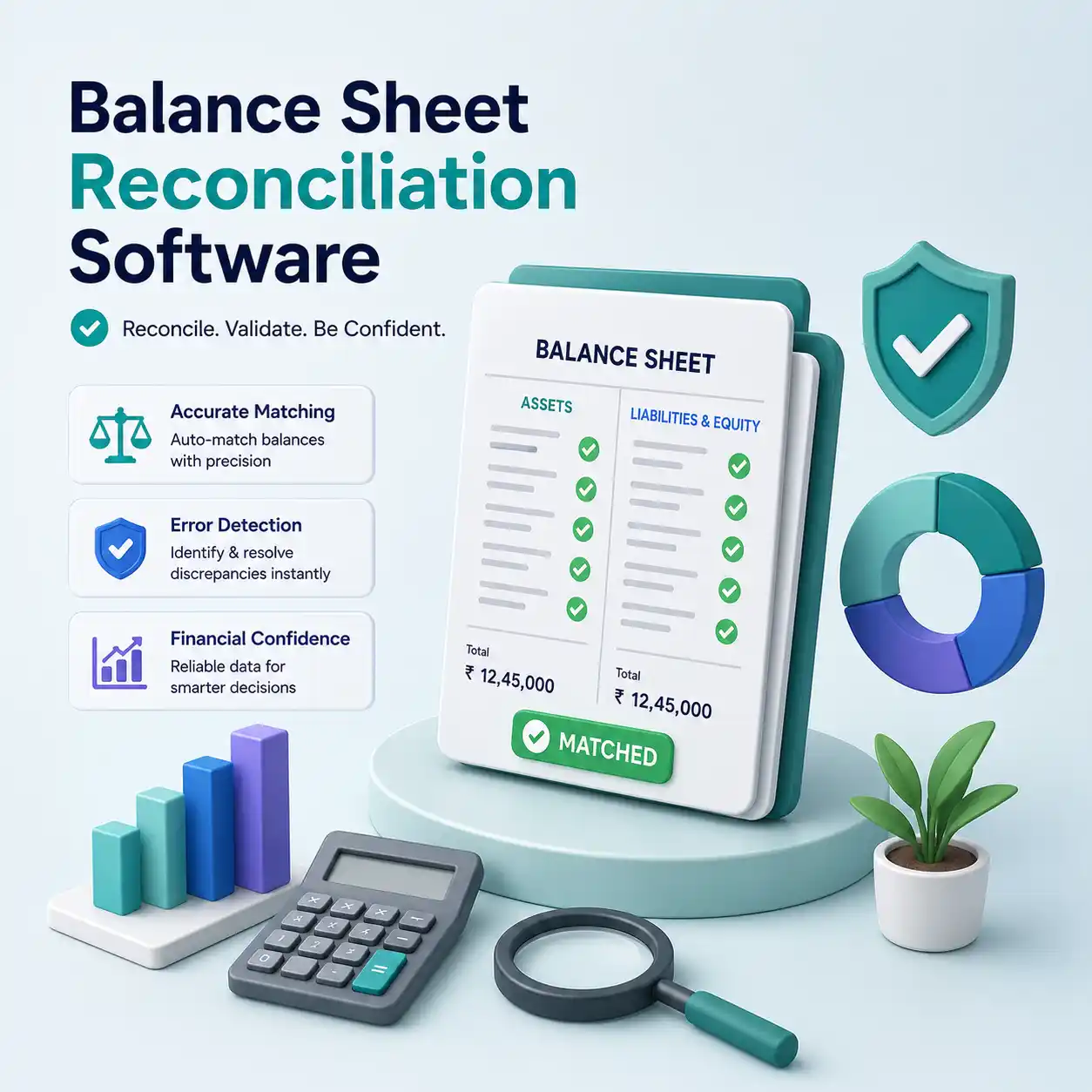
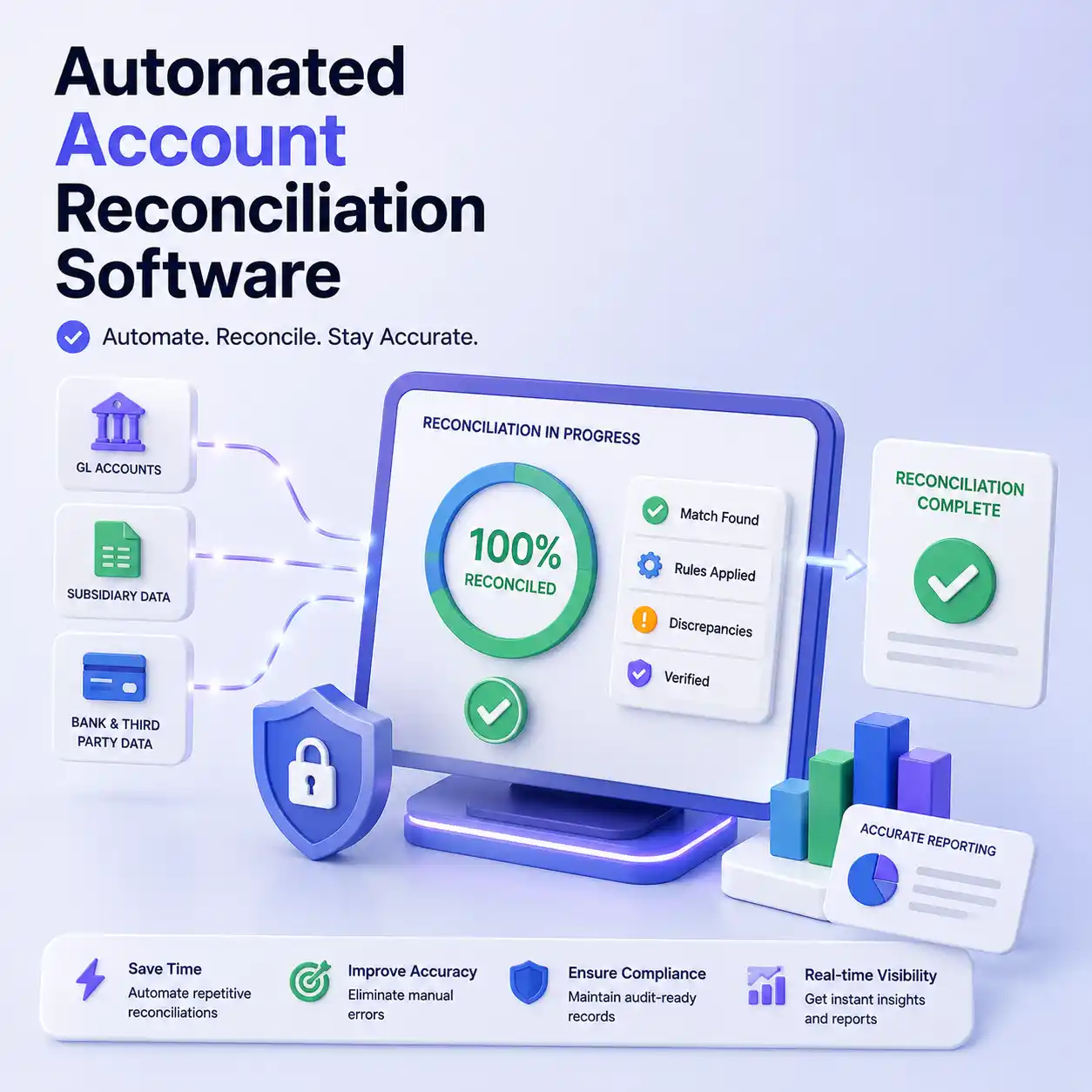
When your business implements advanced card management paired with modern account reconciliation software, the heavy lifting is handled instantly.
The software automatically fetches statement records and matches them directly with employee-submitted digital receipts. Instead of spending hours cross-checking bank sheets against spreadsheets, your accounting team only needs to review the minor exceptions that the system flags for manual review.
Eliminating Payment Discrepancies
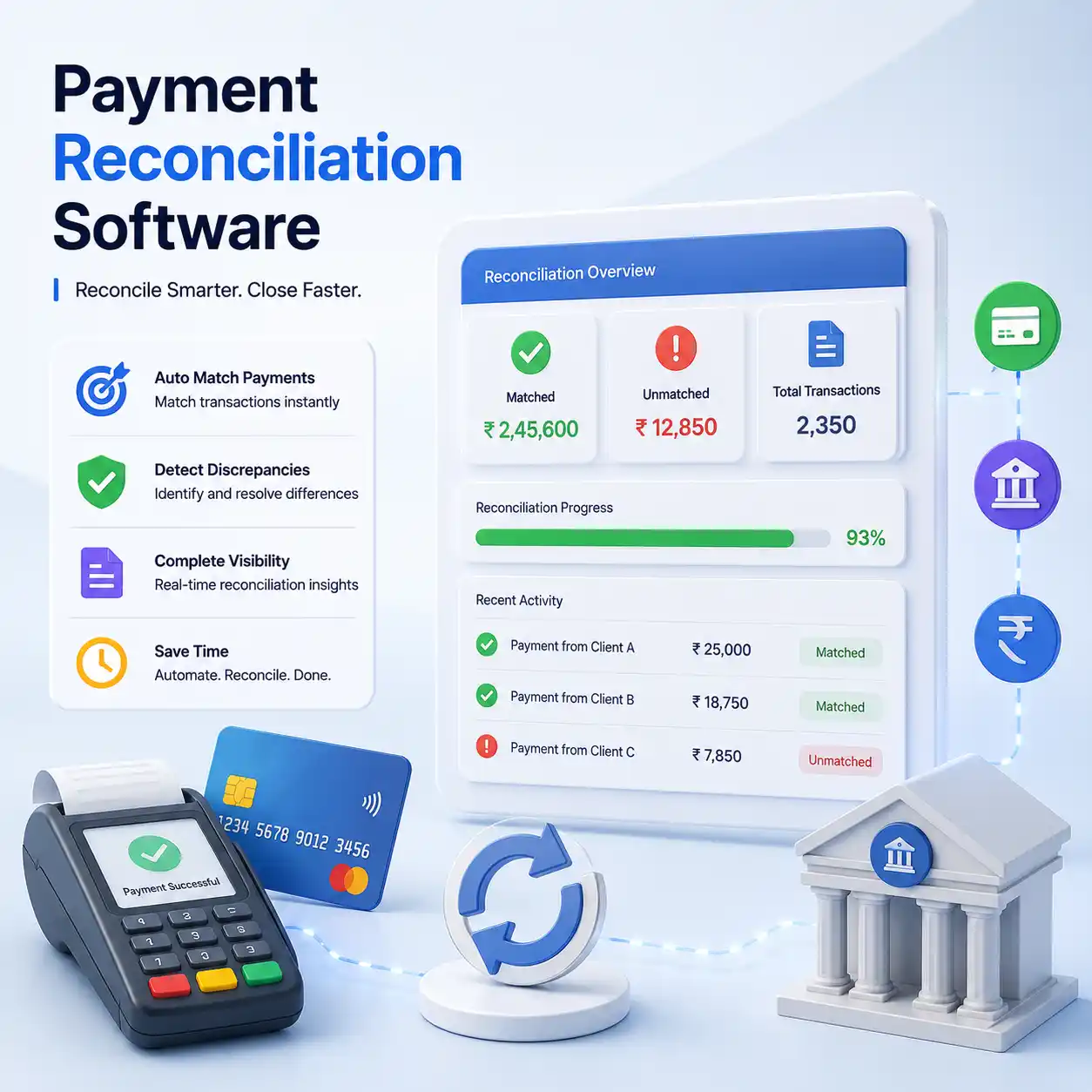
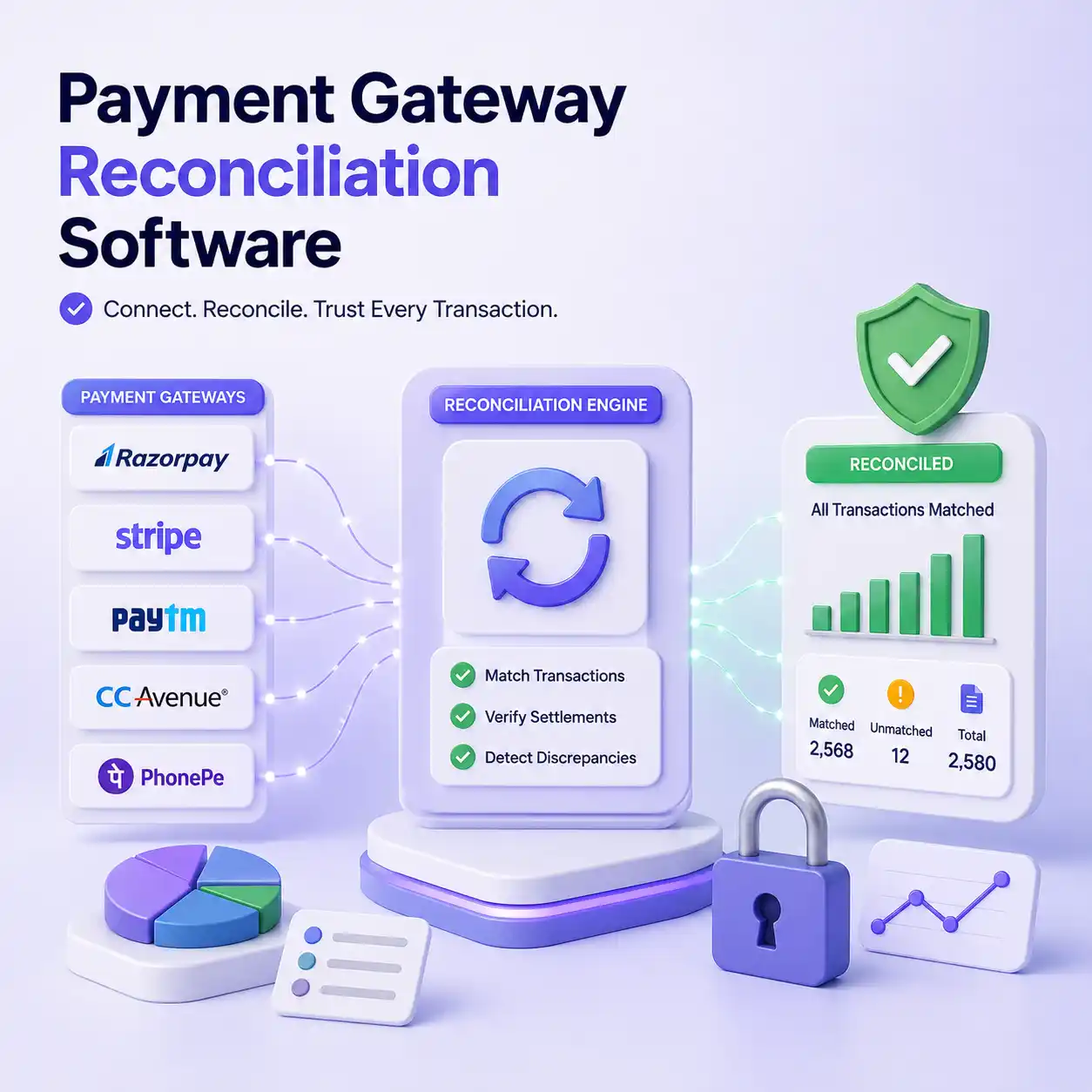
For organizations dealing with massive volumes of vendor invoices or B2B payments, utilizing high-quality payment reconciliation software ensures that outgoing funds align perfectly with internal cash commitments.
Automating this layer ensures that variations in transaction fees, foreign exchange rates, or localized processing taxes are calculated correctly, removing any guessing games from your daily or monthly ledger closings.
Maintaining a Clean General Ledger
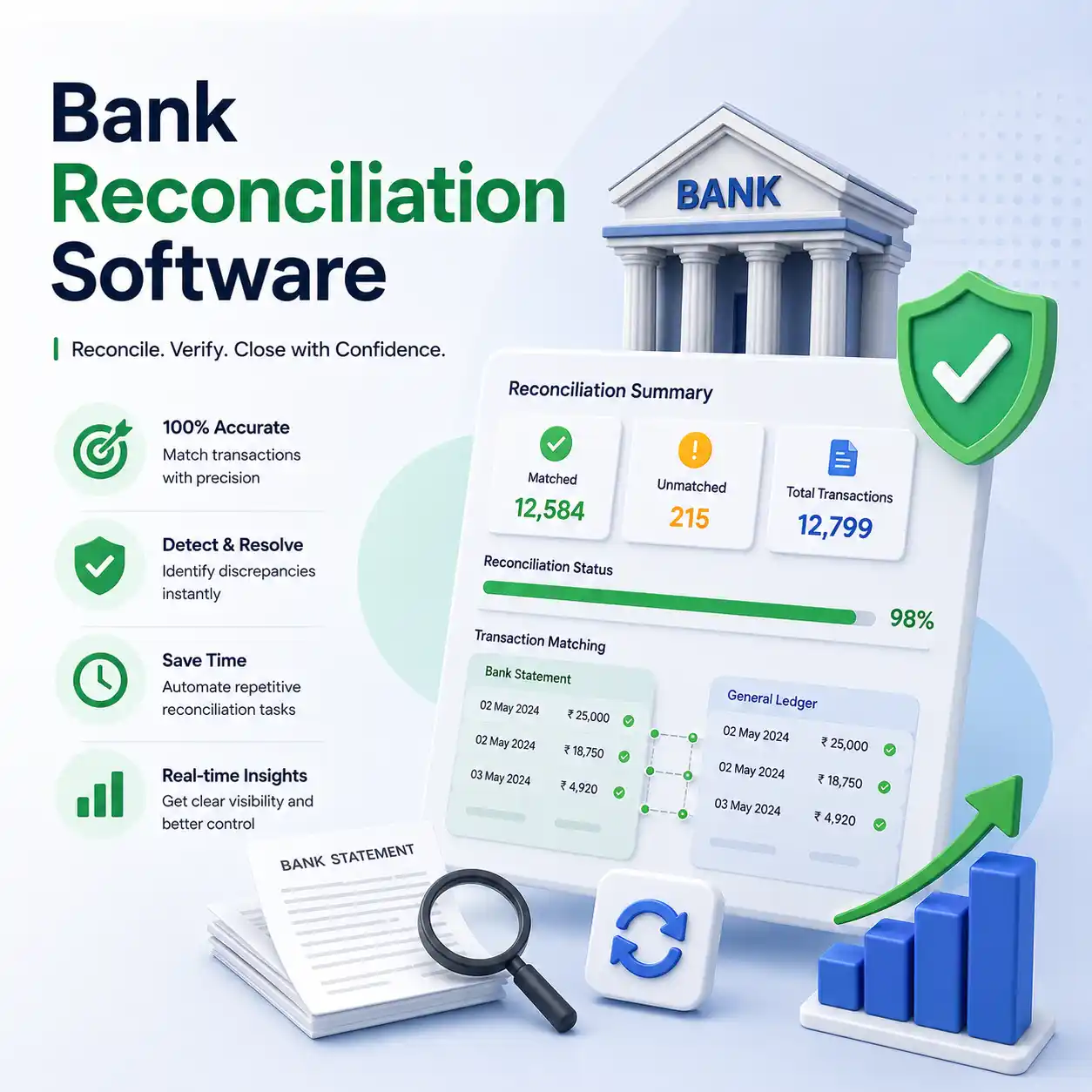
At the final layer of business accounting, matching cash balances against institutional records is crucial. Deploying intelligent bank reconciliation software ensures that every dollar leaving your company bank account balances perfectly with your internal financial records.
This tight integration drastically shortens the month-end close cycle, allowing CFOs to view real-time cash positions and make data-driven decisions with absolute confidence.
Best Practices for Transitioning to Automated Reporting
Moving away from legacy processes requires a deliberate approach to guarantee high adoption rates across your organization. Here are the core steps to ensure a smooth implementation process.
- Review and Refine Your Spend Policies First: Before configuring software, audit your current expense rules. Clean up outdated categories and ensure rules are completely unambiguous so they can be easily coded into the automation software.
- Prioritize Intuitive Mobile Interfaces: Employees will only adopt a new platform if it is easier than their previous method. Choose platforms with strong mobile app reviews and effortless receipt-capturing capabilities.
- Involve Your IT and Finance Stakeholders Early: Ensure the platform you choose integrates smoothly with your existing accounting tools and complies fully with data security and corporate privacy standards.
- Roll Out the System in Controlled Phases: Start by onboarding a single department or a specific group of frequent business travelers. Gather their initial feedback, adjust your workflow rules, and then launch the system company-wide.
The Future of Expense Management Is AI-Driven
As we move through 2026 and look toward the future, the global market for AI-driven expense automation is growing incredibly fast. Projections show it expanding rapidly at a compound annual growth rate of over 14% as companies recognize the immense value of intelligent financial data.
The future belongs to context-aware systems that do not just record what happened, but actively help businesses optimize how they spend. Modern AI tools can analyze complex historical corporate spend patterns, identify unusual price surges across vendors, and suggest cost-saving alternatives for corporate travel.
By removing the administrative burden of manual data processing, financial professionals can step into strategic advisory roles, driving long-term profitability and sustainable corporate scale.
Frequently Asked Questions
What does expense reporting automation mean?
Expense reporting automation means using specialized cloud software to replace manual financial tasks like saving paper receipts, typing expense details into spreadsheets, and executing manual approval loops. The software captures transaction data digitally using mobile scans, checks compliance automatically, and populates your accounting records without manual human data entry.
How does automated receipt scanning work?
Automated receipt scanning utilizes Optical Character Recognition technology to scan uploaded digital images or PDF invoices. The system instantly reads the image text to extract the essential financial data points including the vendor name, transaction date, total amount paid, and localized tax breakdowns, filling out the expense form automatically.
Can automated software detect internal fraud?
Yes, automated expense platforms are incredibly effective at preventing financial fraud. The software uses intelligent tracking algorithms to analyze submissions in real time, instantly flagging duplicate receipt uploads, out-of-policy purchases, cross-vendor inflation, or unauthorized weekend spending before any corporate funds are disbursed or reimbursed.
How does automation help with month-end financial closing?
Automation speeds up month-end closing by capturing and matching expenses continuously throughout the month rather than waiting for a chaotic end-of-month rush. By integrating directly with your accounting platforms and corporate cards, transactions are pre-categorized and pre-approved, allowing finance teams to finalize ledgers in a fraction of the usual time.
Is automated expense tracking suitable for small businesses?
Absolutely. While enterprise companies save massive administrative hours, small businesses benefit significantly by reducing errors and freeing founders or lean finance teams to focus on growth. Many modern automation tools offer highly flexible tiers that scale affordably alongside your growing business headcount.
How do automated platforms handle multiple currencies?
Modern expense management systems are built to support global business travel. When an employee uploads a receipt in a foreign currency, the system automatically fetches the historical exchange rate matching the exact date of the transaction. It logs both the original foreign spend and the converted home-currency value, ensuring completely accurate cross-border ledger entries.
See How Kosh AI Can Transform Financial Close
Contact us now