Global Cash Management
Operating a business across international borders brings incredible growth opportunities. However, it also introduces a highly complex corporate puzzle: managing money in multiple currencies, multiple time zones, and multiple banking systems. For any expanding enterprise, keeping track of every single cent becomes a massive operational challenge.
This is exactly where global cash management enters the picture. It is the financial discipline that allows multinational corporations to optimize their cash positioning, mitigate financial vulnerabilities, and maintain strict corporate governance. According to market research data, the global cash management system market is projected to grow from 20.35 billion USD in 2025 to 21.78 billion USD in 2026, eventually reaching over 30 billion USD by 2031. This rapid growth emphasizes how critical corporate cash visibility has become in our modern, fast-moving economic landscape.
To master this environment, corporate finance departments look at global cash management through three distinct lenses: liquidity, risk, and control. When these three pillars are completely aligned, an enterprise can unlock hidden capital, shield itself from sudden market shocks, and stop internal financial leaks before they happen.
Understanding the Core Framework of Global Cash Management
At its simplest level, global cash management is the strategic process of collecting, managing, and utilizing corporate cash flows across a global network. It transforms the treasury department from a simple administrative function into a strategic asset. Instead of letting money sit idle in fragmented bank accounts across the globe, companies utilize automated software platforms to pool funds, fund urgent projects, and maximize interest earnings.
The daily operations of a global treasury department involve tracking cross-border collections, making supplier disbursements, and verifying transaction data. When transactions are recorded in different formats across multiple international banking portals, doing this manually is virtually impossible.
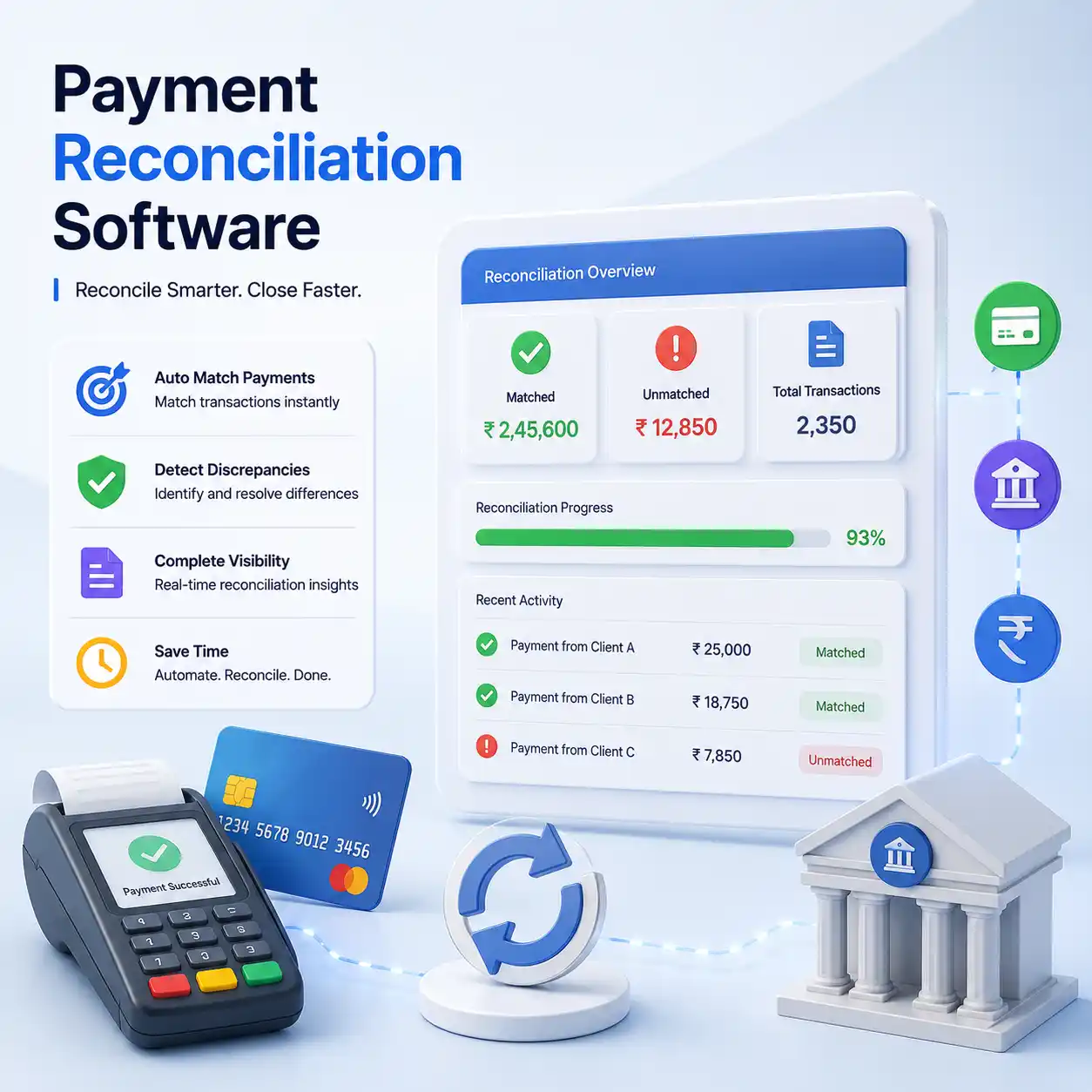
Modern enterprises rely heavily on sophisticated digital platforms to create a single, unified view of their cash positions. These specialized platforms aggregate information directly from clearing houses, credit card processors, and regional banking hubs. By combining all financial reporting into a single dashboard, corporations can transition away from backward-looking financial analysis and embrace proactive, strategic capital allocation.
The Pillars of Global Cash Management
To properly manage international corporate finance, companies must implement a structured framework built on three essential pillars. Each pillar addresses a specific operational pain point that international corporations face every single day.
Liquidity: Maximizing Cash Availability and Efficiency
Liquidity is the lifeblood of any active business entity. In a localized company, tracking liquidity is relatively straightforward. In contrast, an international enterprise might have millions of dollars trapped in an Asian bank account while simultaneously taking out high-interest short-term loans in Europe to cover immediate operational payroll.
Global cash management solves this issue by optimizing internal working capital. It ensures that cash is always available in the right place, in the correct currency, and at the exact moment it is required. Treasurers use specialized strategies like cash pooling and netting to reduce unnecessary external borrowing costs.
For instance, notional pooling allows a company to calculate total interest based on the net balance of multiple accounts, without actually transferring the physical funds between different subsidiaries. This strategy minimizes transaction fees and leaves money right where local managers need it.
Risk: Mitigating FX Volatility and Fraudulent Activities
Operating on a global scale exposes corporate cash to an array of financial and operational risks. The most prominent of these is foreign exchange volatility. Currency values fluctuate constantly due to changing central bank policies, geopolitical developments, and shifting macroeconomic factors. A sudden drop in a specific foreign currency can instantly erase the profit margins of an entire overseas regional branch.
Beyond currency fluctuations, operational risk and financial fraud present major dangers to international organizations. Cybercriminals often target cross-border transactions because the payments are large and navigate through multiple intermediary banks.
Without deep visibility into payment processing channels, companies are highly vulnerable to payment discrepancies and internal errors. Mitigating these risks requires real-time monitoring tools, structured internal approval workflows, and continuous transaction matching across all corporate accounts.
Control: Establishing Centralized Financial Oversight
Control is the operational foundation that keeps liquidity secure and keeps risk within safe corporate boundaries. When a corporation operates dozens of legal entities across multiple continents, maintaining central financial oversight becomes extremely difficult. Local teams often use their own separate spreadsheets, follow distinct accounting schedules, and utilize regional banking platforms that do not communicate well with headquarters.
Establishing true centralized control means implementing standardized financial protocols across the entire organization. Corporate treasury leaders must be able to view every single transaction, authorize large payments from a central dashboard, and enforce universal compliance rules.
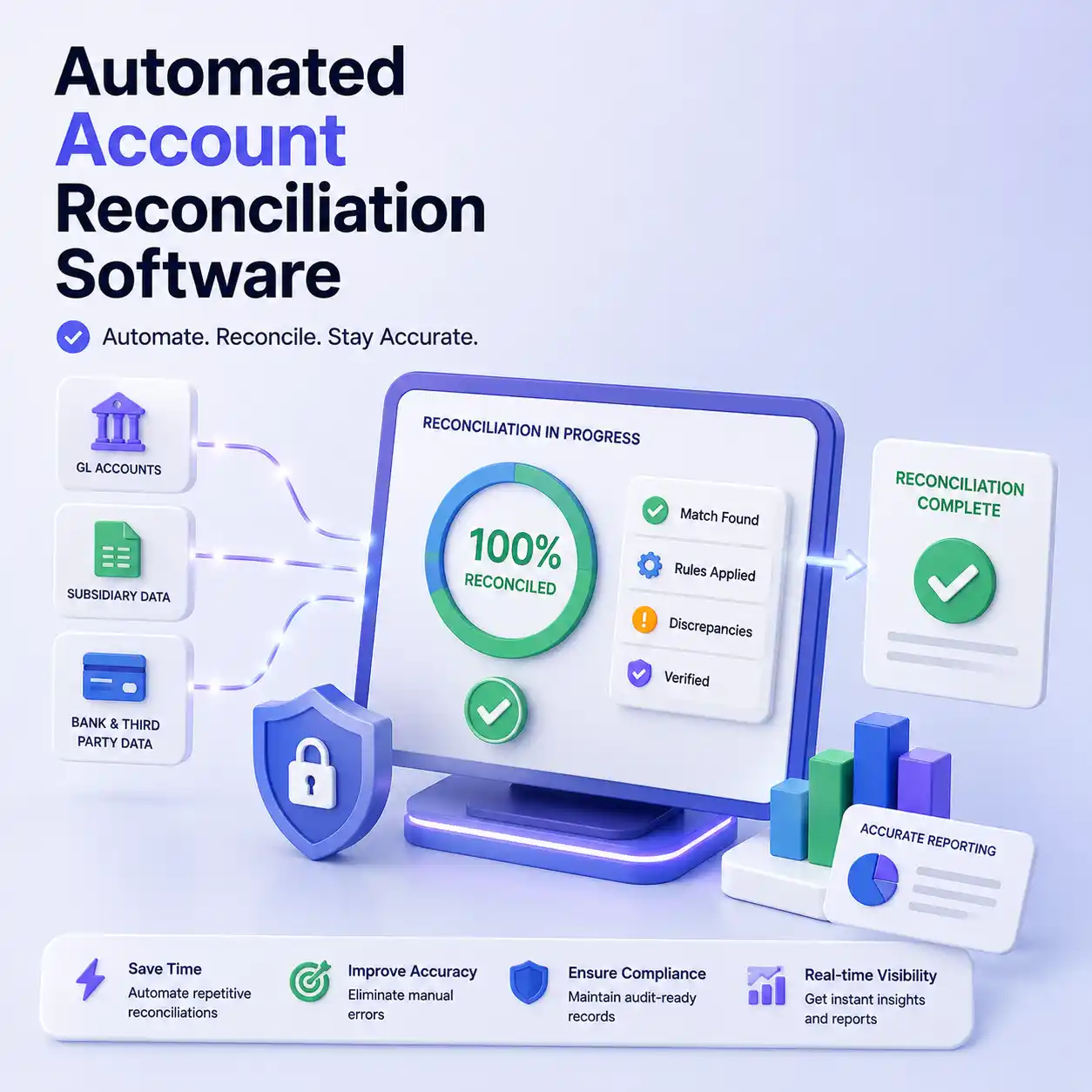
Centralized control also means standardizing how accounts are balanced at the end of the day. By using an advanced automated reconciliation tool, a centralized finance team can systematically verify all internal ledger entries against external bank statements, completely eliminating operational blind spots.
Operational Challenges in Managing Cross Border Cash Flows
Managing cash flows across international boundaries introduces unique obstacles that localized companies never have to deal with. These operational hurdles can significantly slow down business velocity if they are not handled with the right technology.
Banking Fragmentation and Data Silos
One of the biggest roadblocks to successful global cash management is the shear fragmentation of the global banking ecosystem. A multinational corporation may need to maintain separate banking relationships with ten or twenty different financial institutions across different continents.
Each independent bank utilizes its own proprietary electronic platform, exports data in custom file formats, and delivers statements on its own unique schedule. This variance creates deeply isolated financial data silos.
Corporate treasury teams are often forced to spend hours logging into various banking portals, manually downloading CSV files, and pasting data into master spreadsheets. This manual effort delays vital decision-making and leaves companies completely unaware of their true global cash position until days after transactions occur.
Diverse Payment Infrastructures
Different countries utilize wildly different payment mechanisms and localized clearing networks. While one country might rely on real-time instant payment rails, another might still heavily utilize traditional paper checks or batch-processed electronic transfers.
Furthermore, the explosive rise of international e-commerce has forced modern businesses to accept a wide variety of digital payment methods, including digital wallets, localized credit card networks, and alternative payment solutions.
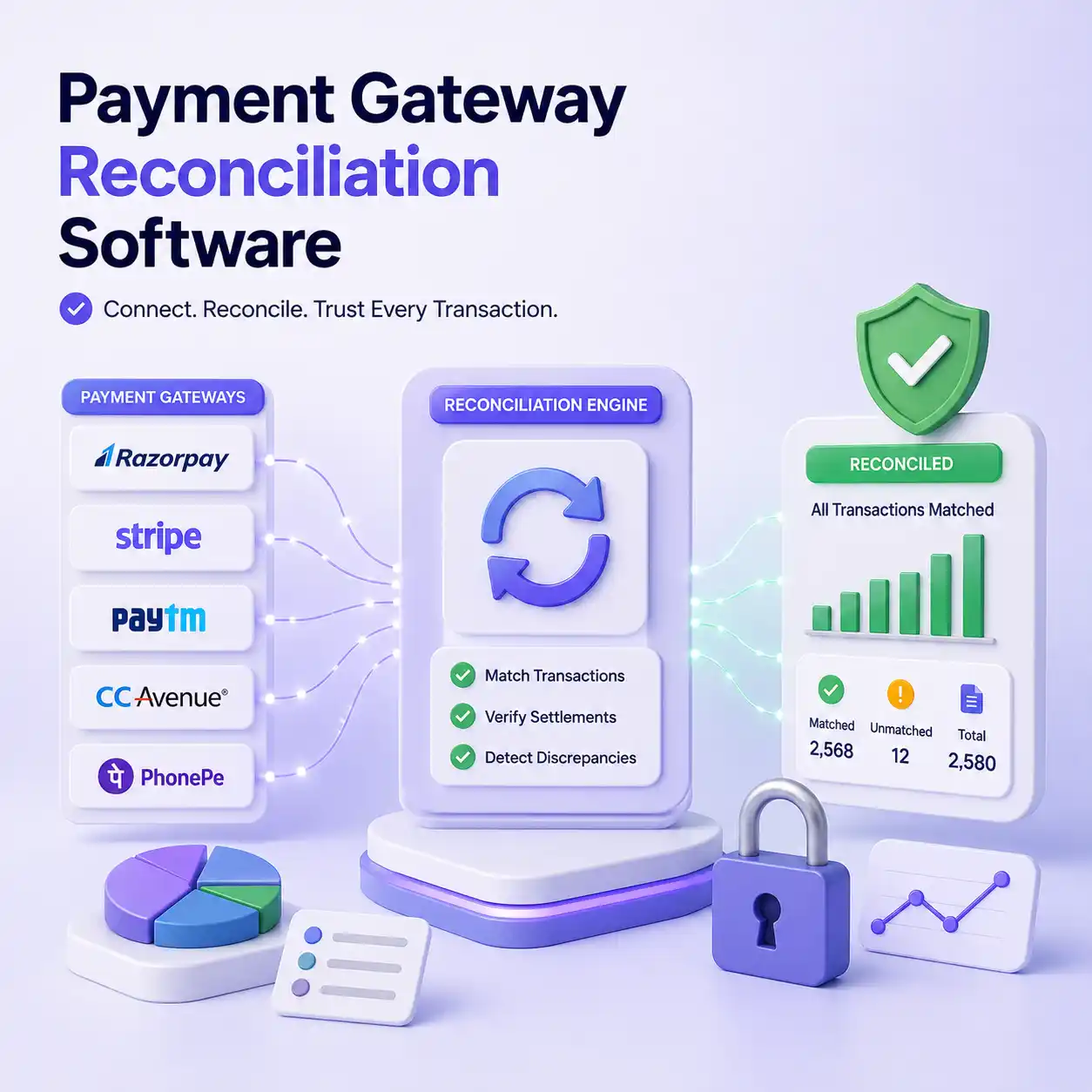
Tracking these incoming flows requires direct integration with numerous external processing entities. To maintain accurate financial tracking without slowing down sales, companies must adopt a specialized payment gateway reconciliation platform. This type of software ensures that every consumer transaction captured by an online storefront matches the actual cash deposits arriving in the corporate bank account.
Regulatory Compliance and Tax Complexities
Every single jurisdiction has its own unique set of legal rules regarding cash movements, corporate taxation, and capital mobility. Certain nations enforce strict exchange controls that prevent companies from easily moving profits out of the local country.
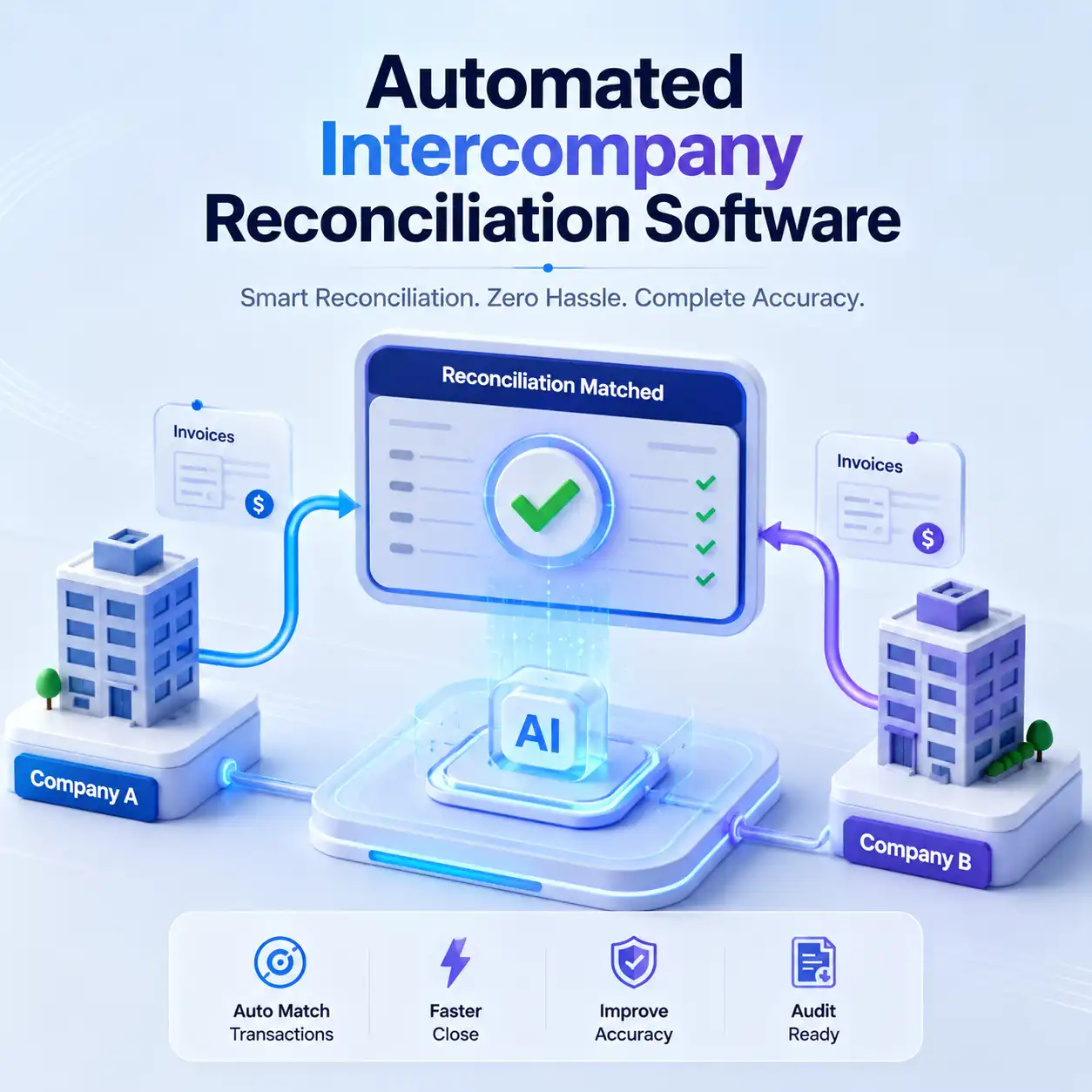
Additionally, base erosion rules and complex transfer pricing laws require meticulous documentation for every single intercompany loan and cash transfer. Failing to comply with these local regulations can lead to costly legal penalties, severe audits, and damaged banking relationships. Corporate finance teams must keep highly detailed audit trails to prove to global regulators that all cash movements are completely legitimate and accurately accounted for.
Technology Driven Solutions for Modern Cash Management
To successfully navigate these operational hurdles, modern financial leaders are retiring manual processes and spreadsheets. They are turning to advanced, automated software architectures designed specifically to handle large-scale financial operations.
Automated Bank Reconciliation Systems
Manually matching thousands of daily bank line items against internal enterprise resource planning records is highly inefficient and prone to human error. It distracts finance teams from higher-value strategic planning.
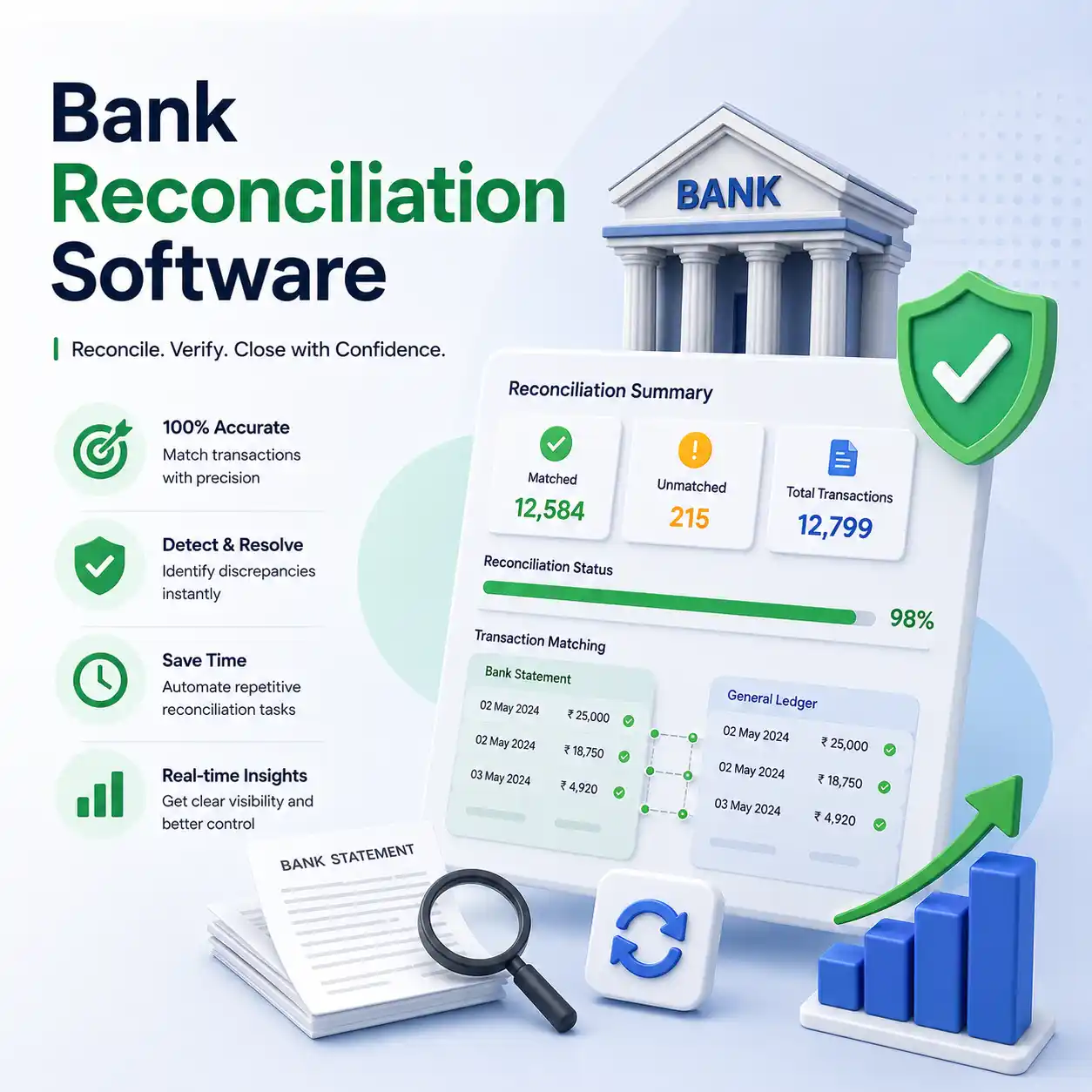
To overcome this bottleneck, forward-thinking enterprises deploy enterprise-grade bank reconciliation software to automate the entire data matching lifecycle. These platforms automatically pull statements from every banking partner, interpret the underlying transaction data, and immediately pair matching items using smart rules. This automation ensures that discrepancies are identified and resolved within hours instead of weeks, keeping the corporate general ledger continuously accurate.
Real Time Liquidity Dashboards
In a fast-paced business environment, waiting for end-of-month statements is no longer an option. Executives need up-to-the-minute data to manage short-term investments and fund immediate operational obligations.
Modern cash management platforms offer real-time liquidity dashboards that display consolidated cash positions across all active currencies and subsidiaries. By integrating data through modern application programming interfaces, these dashboards provide immediate updates on exactly how much cash is available right now. This continuous visibility helps treasurers confidently deploy excess capital into overnight yield-bearing instruments, completely avoiding the financial waste of letting cash sit idle.
Automated Cash Matching Mechanisms
For companies that handle a massive volume of daily incoming customer transactions, manual data verification can completely paralyze accounting workflows. Deploying an advanced automated cash reconciliation engine allows businesses to automate the verification of high-volume transaction data streams.
These smart systems automatically compare internal sales records, external payment processing reports, and incoming bank deposits. If an e-commerce platform reports a sale but the corresponding cash fails to arrive in the bank account, the automated system immediately flags the specific item for investigation. This automated oversight protects corporate margins and guarantees total financial clarity.
Best Practices for Optimizing Global Cash Management
Achieving world-class cash management requires a deliberate combination of the right corporate strategies and the right underlying technology. Companies looking to optimize their global treasury performance should implement several key strategies.
- Establish a Single Source of Financial Truth: Eliminate localized data tracking spreadsheets and migrate all corporate entities onto a single, integrated digital treasury platform.
- Automate All Routine Financial Workflows: Eradicate manual data entry by automating bank data retrieval, transaction matching, and data entry into the core accounting ledger.
- Implement Strict Group Netting Policies: Minimize international transfer fees and currency conversion losses by systematically netting intercompany balances before moving physical cash across borders.
- Enforce Universal Information Security Controls: Secure cross-border transactions by implementing multi-factor authentication, single sign-on tools, and strict segregation of duties for all payment approvals.
- Conduct Continuous Cash Flow Forecasting: Use historical transaction data and automated forecasting software to create rolling cash projections, helping the business plan for future capital needs.
The Future of Global Cash Management
The global cash management landscape is evolving rapidly, driven by major advancements in artificial intelligence and machine learning. Industry data indicates that cash-flow forecasting solutions accounted for over 33% of the total cash management market share in 2025, and this segment is expanding rapidly at an annual growth rate of nearly 19%.
Traditional cash management was largely backward-looking, focused primarily on reporting what had already occurred. The next generation of cash management tools is highly predictive.
Tomorrow's financial systems will automatically analyze historical payment patterns, detect macro-level economic shifts, and warn financial managers about potential liquidity shortages weeks before they happen. Companies that proactively adopt these automated, data-driven tools will achieve a massive competitive advantage, ensuring their global operations remain secure, highly liquid, and completely under control.
Frequently Asked Questions
What is the main difference between domestic and global cash management?
Domestic cash management focuses on handling cash within a single country using a single currency and a uniform banking infrastructure. Global cash management involves managing cash across multiple countries, dealing with foreign exchange volatility, navigating diverse regional payment rails, and complying with different international tax laws and regulatory frameworks.
How does cash pooling help a multinational corporation?
Cash pooling combines the balances of multiple bank accounts held by different corporate subsidiaries into a single virtual pool. This strategy allows a company to optimize its total interest calculations, use surplus cash from one entity to cover shortages in another, and significantly reduce the need for expensive external bank loans.
Why is manual data reconciliation risky for global businesses?
Manual data reconciliation relies on employees downloading files, typing figures, and matching transactions inside spreadsheets. This process is highly vulnerable to human errors, delays critical data visibility, and makes it very difficult to spot transaction discrepancies or fraudulent activities in a timely manner.
What role do APIs play in modern corporate treasury management?
APIs create a continuous, direct digital connection between an enterprise's internal accounting systems and its external banking partners. This eliminates the need for manual file uploads and allows the treasury department to view real-time balances, receive instant payment notifications, and automate data reconciliation.
How can a business protect its cash from foreign exchange risk?
Companies protect their cash from foreign exchange risk by utilizing structured hedging strategies, such as forward contracts and currency options, to lock in exchange rates for future transactions. Additionally, centralizing global cash management allows firms to match incoming and outgoing foreign currency flows, naturally neutralizing their total exposure.
See How Kosh AI Can Transform Financial Close
Contact us now