Hedge Accounting
Corporate financial landscapes change quickly. Businesses constantly face unpredictable market movements, shifting exchange rates, and fluctuating interest rates. In this environment, protecting cash flows and maintaining balance sheet stability is a top priority for corporate treasurers and CFOs. Companies often use derivative instruments like forwards, swaps, and options to shield themselves from these volatile market forces.
While derivatives are excellent for managing economic risk, they create a unique challenge on the balance sheet. Standard accounting rules require all derivatives to be recorded at fair value, with any price changes passing directly through the profit and loss statement every month. This approach creates artificial earnings volatility because the derivative shifts in value before the actual business asset or transaction occurs.
Hedge accounting solves this exact matching problem. It is a specialized accounting framework that aligns the timing of financial statements so that gains or losses on the derivative instrument show up at the exact same time as the gains or losses on the underlying risk exposure. This structural alignment provides a realistic view of corporate financial health and plays a central role in long-term risk management and financial stability.
Understanding the Core Concepts of Hedging
To understand how hedge accounting works, it helps to break down the core components of a traditional hedge relationship. A standard strategy involves matching a real-world financial risk with a custom financial contract designed to move in the opposite direction.
The first component is the hedged item. This is the specific asset, liability, highly probable forecasted transaction, or firm commitment that exposes the company to market risk. Examples include a manufacturing company buying raw aluminum, an exporter expecting a large payment in Euros, or a firm holding variable-rate corporate debt.
The second component is the hedging instrument. This is almost always a derivative contract chosen because its value moves opposite to the hedged item. If an exporter expects the Euro to drop, they might purchase a foreign currency forward contract that gains value if the currency weakens.
Under ordinary financial accounting standards, a mismatch occurs. The forward contract is revalued daily, causing immediate paper profits or losses in the earnings report. However, the actual export sale might not happen for another six months. Hedge accounting repairs this disconnect by adjusting standard accounting schedules. It allows companies to match the income statement recognition of both pieces, neutralizing artificial volatility and presenting an accurate picture of actual business performance.
The Different Types of Hedge Accounting Models
Accounting frameworks like International Financial Reporting Standards (IFRS 9) and the Financial Accounting Standards Board rules (ASC 815) outline three primary types of hedge accounting models. Each model serves a distinct business purpose based on the specific flavor of risk being managed.
Fair Value Hedges
A fair value hedge protects a company against changes in the overall valuation of an asset or liability already recorded on the balance sheet, or an unrecognized firm commitment. The main objective here is to lock in the current dollar value of a fixed asset or obligation.
For instance, consider a company holding $100,000 worth of raw material inventory. If market prices plunge, the value of that inventory drops, creating a direct loss. To neutralize this, the firm can enter a futures contract to sell that material at a locked price. In a fair value hedge model, any drop in the inventory value is recorded in current earnings, but it is directly offset by the gain from the futures contract in that same period.
Cash Flow Hedges
A cash flow hedge protects a company from variability in future cash flows that are tied to a particular asset, liability, or a highly probable forecasted transaction. Instead of protecting a static balance sheet value, this model locks in future cash collections or upcoming payments.
A classic example is a multinational business planning to purchase machinery from an overseas vendor in nine months, with the contract priced in Japanese Yen. If the Yen strengthens, the machinery becomes much more expensive in the company's local currency. By purchasing a currency forward contract, the firm locks in the exchange rate. Because the machine has not been bought yet, the monthly price changes of the forward contract are temporarily stored in a balance sheet account called Accumulated Other Comprehensive Income (AOCI). When the machine is finally purchased and hits the books, those stored gains or losses are moved into the main income statement to match the depreciation of the asset.
Net Investment Hedges
A net investment hedge applies specifically to parent companies that hold foreign subsidiaries operating in different currencies. When currency values swing, translating the foreign subsidiary's financial balance sheet back into the parent firm's reporting currency can cause massive fluctuations in shareholder equity.
To counteract this, the parent company can issue debt in the subsidiary's local currency or buy long-term currency derivatives. The gains or losses on these instruments are recorded directly within the cumulative translation adjustment section of shareholder equity. This successfully offsets the valuation changes of the foreign business entity, preserving long-term financial stability.
Strict Qualifying Criteria and Compliance Requirements
Hedge accounting provides massive benefits for smoothing out corporate earnings reports, but it is not a default treatment. Regulatory bodies do not allow businesses to apply these models retroactively to fix a bad quarter. To qualify, companies must satisfy strict compliance rules from day one.
Formal Designation at Inception
On the exact day a hedge relationship begins, a company must officially complete its formal designation documentation. This legal paperwork must explicitly name the specific risk management objective, the precise strategy, the exact item being hedged, and the specific derivative instrument being used. Backdating this documentation is strictly forbidden. If a company fails to create this paperwork on day one, the derivative must be accounted for using standard mark-to-market accounting, which forces all valuation swings directly through the profit and loss statement.
Ongoing Effectiveness Testing
A hedge relationship cannot be a guessing game. It must be highly effective at offsetting the targeted risk. Under historical accounting rules like IAS 39, companies were bound to a rigid quantitative window, requiring the hedge to be between 80% and 125% effective. While modern IFRS 9 rules have removed that strict mathematical window in favor of a clear economic relationship, U.S. GAAP under ASC 815 still relies heavily on tight statistical thresholds. Treasurers must perform regular prospective testing to prove the hedge will work in the future, alongside retrospective testing to show it actually performed as expected during the past reporting period.
The Role of Modern Financial Software in Automation
Fulfilling the data demands of hedge accounting manually is a monumental challenge for corporate finance teams. Every single hedge requires tracking market data feeds, managing complex math, and verifying that the internal accounting ledger matches external banking records down to the penny. This is where automation software transforms treasury operations.
Modern corporate treasury departments rely heavily on specialized reconciliation software to manage the high volume of ledger entries required for hedge compliance. Without these digital platforms, accountants spend hundreds of hours manually building spreadsheets, a practice that introduces significant operational risk and potential audit failures.
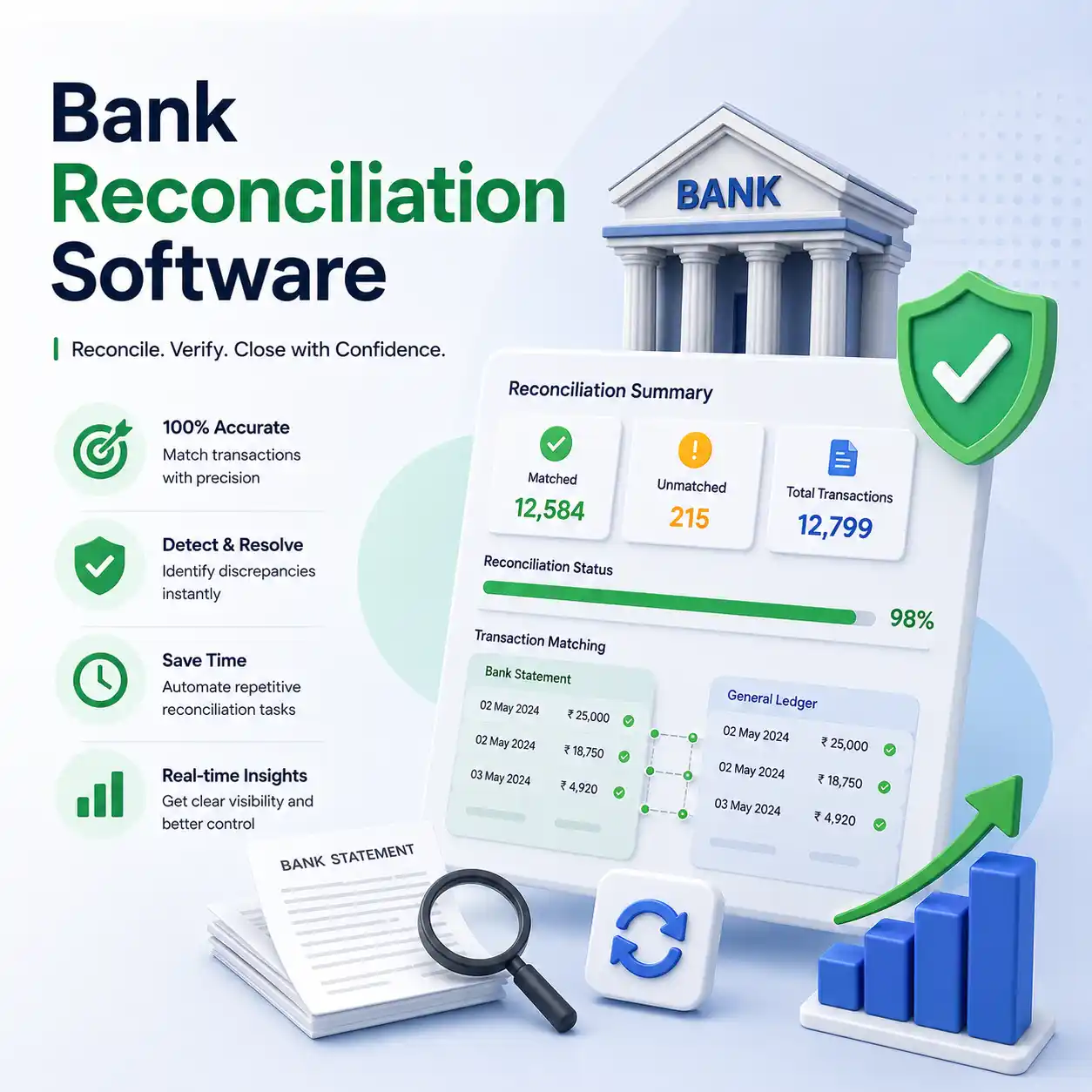
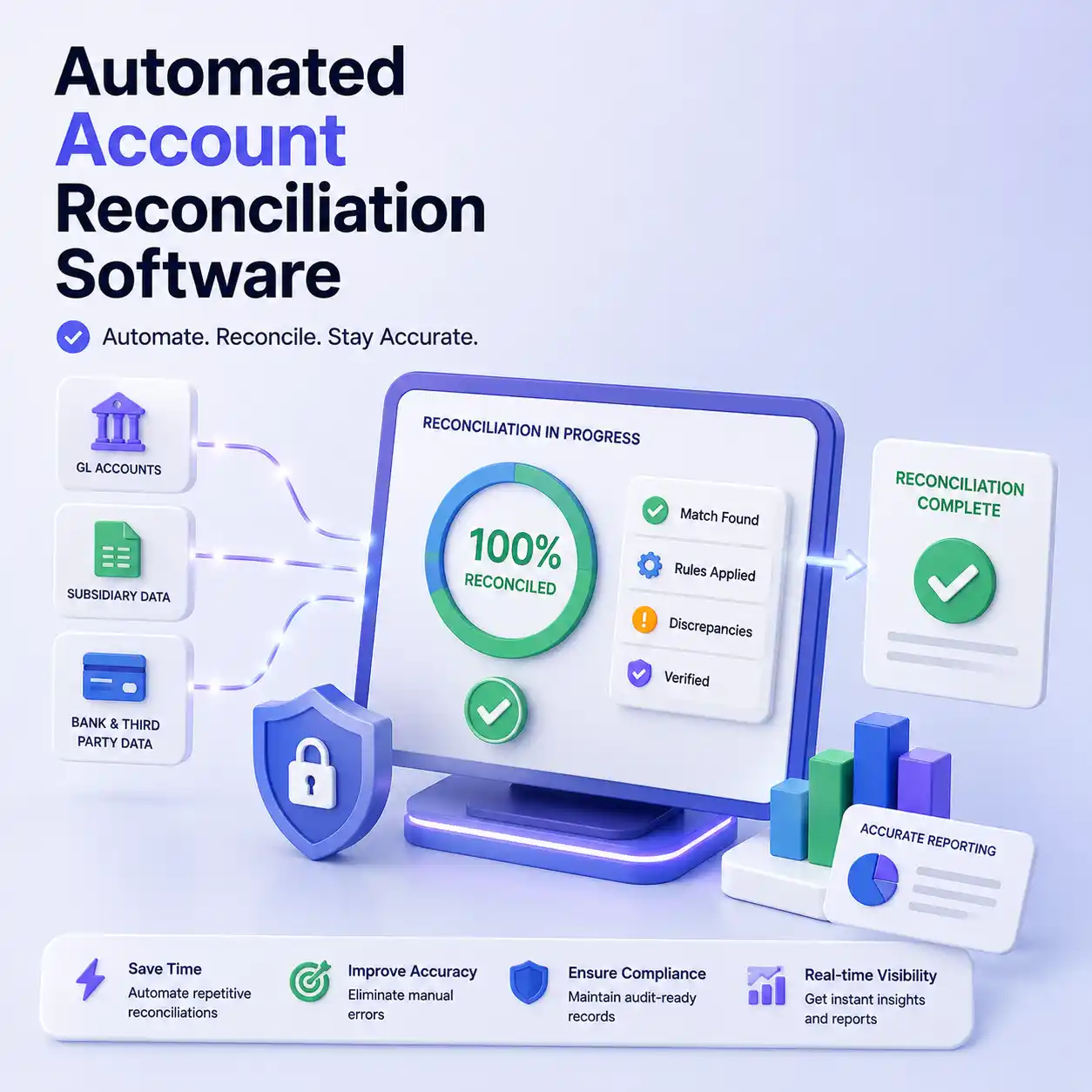
Because derivatives are executed directly through global financial institutions, transaction records must match internal ledger allocations perfectly. Utilizing dedicated bank reconciliation software allows corporate finance teams to clear validation bottlenecks instantly. This software connects straight to banking data streams, automatically verifying that every option premium or forward contract settlement matches internal general ledger records.
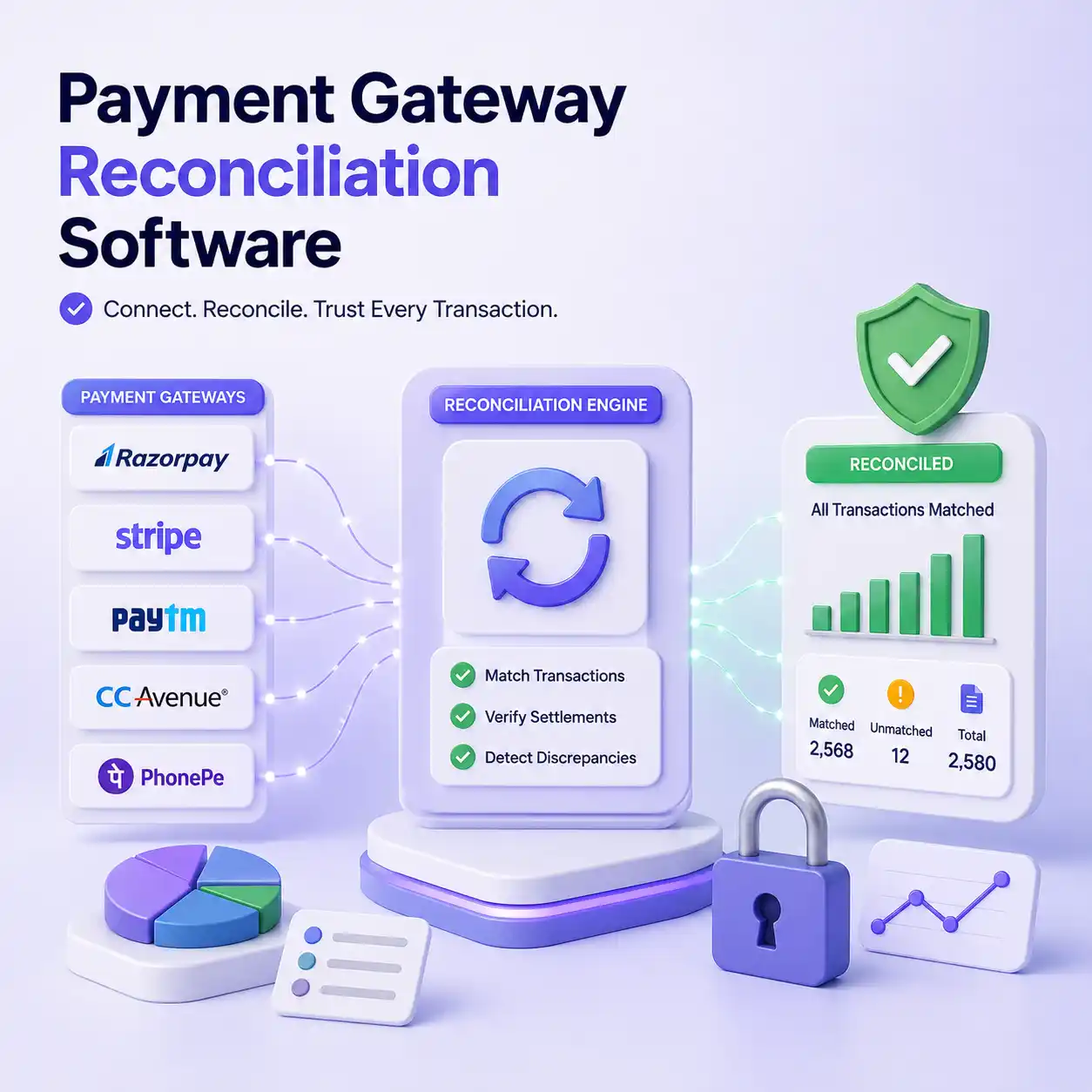
Furthermore, the fast-moving nature of volatile markets makes speed a vital asset. By implementing an automated cash reconciliation platform, treasurers maintain a clear, real-time view of their liquid assets. This clear visibility ensures that funds allocated for margin calls or derivative settlements are tracked instantly without manual delays.
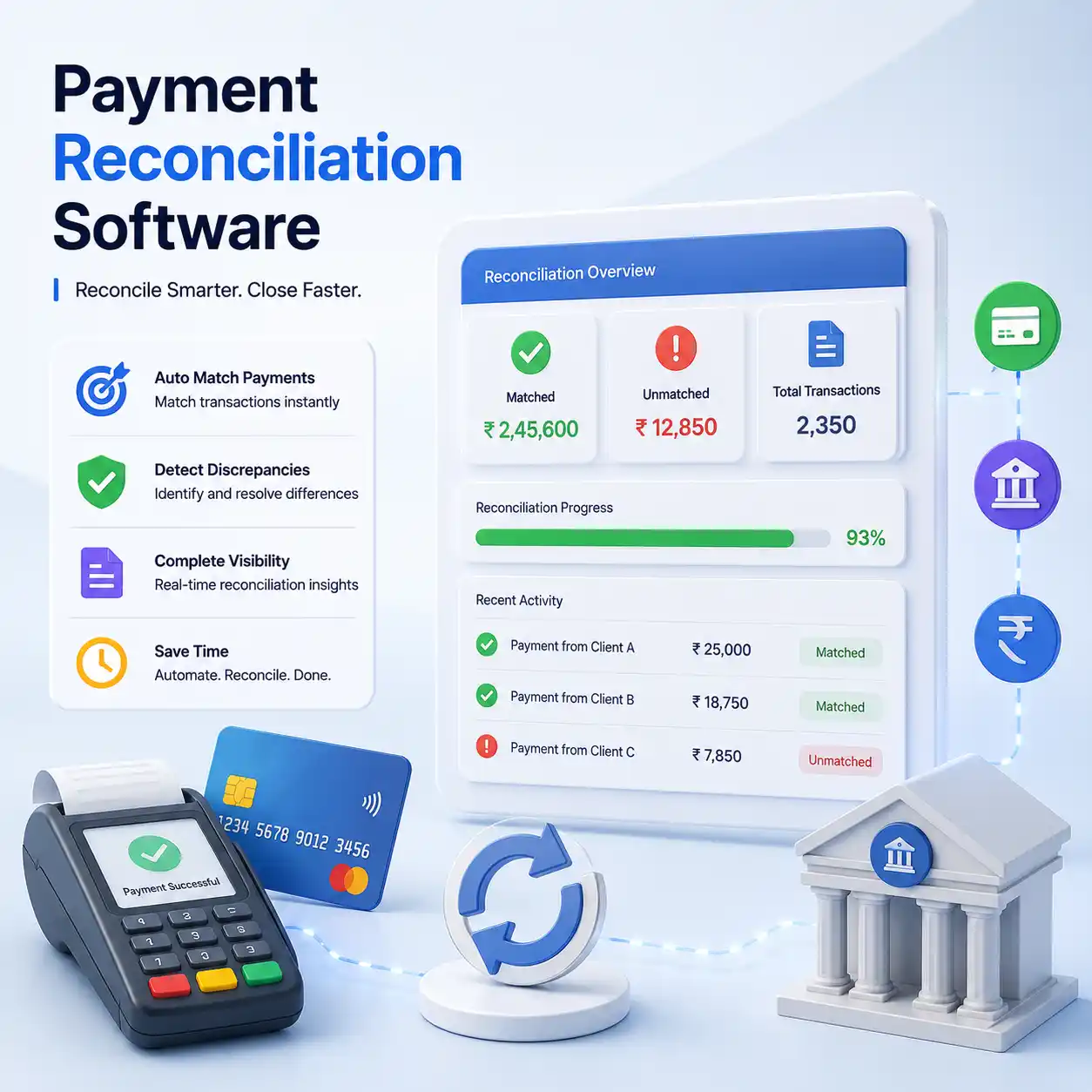
When those contracts mature or trigger settlements, an automated payment reconciliation engine ensures all outgoing cash flows align exactly with corresponding derivative contracts, creating a transparent audit trail that satisfies strict corporate auditors.
Global Market Statistics and Financial Trends
Recent macroeconomic shifts have turned hedge accounting into a necessity rather than an optional accounting luxury. Global market data highlights how volatile interest rates and shifting supply chains have driven companies to prioritize balance sheet protection.
According to global financial industry data, the total global hedge fund market valuation reached approximately $5,063.76 billion in 2025. This market is projected to expand from $5,252.18 billion in 2026 to over $7,281.15 billion by 2034, moving at a steady compound annual growth rate of 4.20%. This massive volume of risk-mitigating capital highlights how deeply corporate and institutional entities rely on derivative instruments to safeguard their assets.
In tandem, corporate surveys indicate that over 80% of corporate treasurers face persistent hurdles with currency forecasting and commodity volatility. This struggle direct impacts corporate earnings when risk programs are unhedged or accounted for incorrectly. Data from corporate earnings reports shows that firms using modern, automated tools to support their hedge positions experience up to 60% lower earnings volatility compared to peer companies that rely on manual ledger tracking or skip hedge designations entirely.
Practical Advantages of Applying Hedge Accounting
The time and effort required to establish a compliant hedge framework provide significant long-term business advantages. For enterprise organizations, these benefits go far beyond basic bookkeeping compliance.
- Neutralizing Income Statement Volatility: By matching the timing of gains and losses, the corporate profit and loss statement shows the true economic reality of business operations, removing artificial spikes caused by market swings.
- Protecting Core Financial Ratios: Many corporate loan agreements require companies to maintain strict financial health metrics, such as a minimum debt-to-equity ratio. Unhedged derivative swings can accidentally break these covenants, while hedge accounting keeps them steady.
- Improving Financial Forecasts: Clear, non-volatile numbers allow corporate planning teams to predict future revenue, cash positions, and capital expenditure needs with high accuracy.
- Strengthening Investor Confidence: Shareholders look favorably on reliable, predictable earnings growth. Eliminating unpredictable, non-operational swings makes a company far more attractive to Wall Street and institutional investors.
Common Obstacles in Strategy Execution
Even with advanced software tools, executing a hedge program contains operational risks that teams must manage carefully. The most common pitfall is hedge ineffectiveness. This happens when the underlying derivative does not move in a perfect, identical opposite path to the asset being protected. Differences in contract timing, geographic locations, or credit profiles can create small gaps. Any ineffective portion of a hedge cannot be deferred on the balance sheet and must be recognized immediately in current earnings.
Another major risk is over-hedging a forecasted transaction. If a manufacturer purchases a derivative to hedge the purchase of 10,000 tons of steel, but a sudden economic slowdown drops production needs down to 5,000 tons, the excess portion of the derivative contract loses its qualified status. That excess contract immediately turns into a standard speculative instrument, exposing the firm's earnings statement to direct market volatility.
Frequently Asked Questions
What happens if a hedge fails its effectiveness test?
If a hedge relationship fails its prospective or retrospective effectiveness test, the company must immediately discontinue hedge accounting for that specific position. This process is called de-designation. From that exact date forward, any changes in the fair value of the derivative contract must be booked directly into current earnings, which can cause increased income statement volatility until the contract matures.
Can a company use hedge accounting for any type of business risk?
No, accounting frameworks explicitly limit the types of risks that qualify for hedge accounting. Eligible risks include foreign exchange rates, interest rates, commodity price shifts, and credit risks. General operational challenges such as business liquidity issues, hardware theft, weather patterns, or shifts in regional market competition do not qualify for hedge accounting treatment.
How does IFRS 9 differ from U.S. GAAP regarding hedge accounting?
While both frameworks aim to match risk and reward timing, IFRS 9 is generally considered more principle-based and flexible. It eliminates the historical 80% to 125% numerical test and allows businesses to rebalance hedge ratios if risk parameters shift. U.S. GAAP under ASC 815 is typically more rule-based, maintaining strict documentation guidelines and more rigid qualification boundaries for specific corporate portfolios.
Why do companies choose not to use hedge accounting?
The primary reason companies avoid hedge accounting is the sheer complexity and administrative burden. Setting up compliance documentation at inception, keeping up with regular effectiveness testing, and running dual-entry ledger allocations demand substantial software infrastructure and specialized accounting expertise.
Where are the deferred gains or losses of cash flow hedges stored?
The effective portion of a derivative's value shift in a cash flow hedge is recorded on the balance sheet under a specific equity account called Accumulated Other Comprehensive Income (AOCI). These values remain parked safely in equity until the underlying forecasted transaction occurs, at which point the totals are moved into the main income statement.
See How Kosh AI Can Transform Financial Close
Contact us now