Intelligent Automation
The financial world is changing faster than ever. Every day, businesses manage millions of transactions through bank transfers, credit cards, and digital wallets. Trying to handle all of this data using traditional methods like manual spreadsheets is no longer sustainable. It is slow, highly prone to errors, and places a heavy burden on finance teams.
To stay ahead, forward thinking companies are moving toward a modern solution: AI-powered intelligent automation. This advanced technology combines robotic process automation with artificial intelligence and machine learning. Instead of just following basic instructions, intelligent automation can read unstructured data, learn from patterns, make smart decisions, and manage complex financial workflows with minimal human intervention.
According to global research from KPMG, active AI use within finance functions has more than doubled in recent years, with over seventy percent of organizations reporting that AI meets or exceeds their expectations. By adopting these smart systems, finance teams can shift their focus away from repetitive data entry and spend more time on strategic growth.
Understanding Intelligent Automation in Finance
To understand intelligent automation, it helps to look at how financial technology has evolved. Years ago, companies used standard automation to handle simple, repetitive tasks. If you gave the software a clear rule, it would follow it perfectly. However, if any data looked slightly different or contained an unexpected formatting issue, the system would stop working.
Intelligent automation solves this problem by adding artificial intelligence to the mix. It can process unstructured data such as scanned invoices, PDFs, and mixed text files. Machine learning algorithms allow the system to continuously improve by observing how human experts handle unique financial exceptions.
Today, intelligent automation acts as a reliable digital assistant that monitors financial operations around the clock. Research shows that the global intelligent automation market is valued at over twelve billion dollars, with the banking and financial services sector holding a dominant thirty-five percent share of this market. Finance leaders are using these tools because they provide a scalable way to manage the massive explosion of digital transaction volumes.
The Key Benefits of AI-Powered Intelligent Automation in Finance
Implementing intelligent automation offers massive advantages that directly impact a company's financial health and operational speed.
Dramatic Cost Reduction and Operational Efficiency
Manual data processing is expensive. When accounting teams spend hours copying transaction numbers from one sheet to another, operational costs rise quickly. Industry data from McKinsey indicates that businesses can achieve up to a forty percent reduction in operational costs over a three-year window by adopting intelligent automation.
By automating high-volume financial workflows, companies can complete tasks in minutes that used to take days. This allows businesses to scale their transaction volumes up without needing to hire a massive team of data entry clerks.
Enhanced Data Accuracy and Reduced Human Error
Even the most careful professional can make a mistake when looking at endless rows of numbers on a spreadsheet. In financial accounting, a single misplaced decimal point or a duplicated entry can lead to massive compliance issues and incorrect financial reporting.
AI systems do not suffer from fatigue. They check every line item with absolute precision. A recent industry report revealed that the number of enterprise companies needing to correct and reissue their financial statements due to accounting errors reached a record high. Automated tools directly protect businesses from this risk by flagging anomalies and keeping financial records completely accurate.
Real-Time Financial Visibility and Faster Closing
Waiting until the end of the month to understand your financial position is dangerous in a fast-moving market. Intelligent automation processes financial data continuously. This means business leaders can look at their cash flow, expenses, and revenue figures in real time.
With continuous data processing, the stressful month-end close process becomes simple and fast. Finance teams no longer have to deal with a mountain of unorganized paperwork at the end of every month.
Stronger Fraud Detection and Risk Management
Financial fraud is becoming more sophisticated, making manual detection incredibly difficult. Intelligent automation software scans millions of data points continuously to identify unusual patterns, unauthorized transactions, or weird behavioral shifts.
If an invoice is altered or a payment looks suspicious, the AI flags it immediately for review. This proactive approach saves companies from severe financial losses and ensures their risk management systems are always alert.
Top Use Cases of Intelligent Automation in Financial Operations
Intelligent automation can be applied across many different areas of financial management, bringing speed and clarity to complex operations.
High-Volume Financial Reconciliation
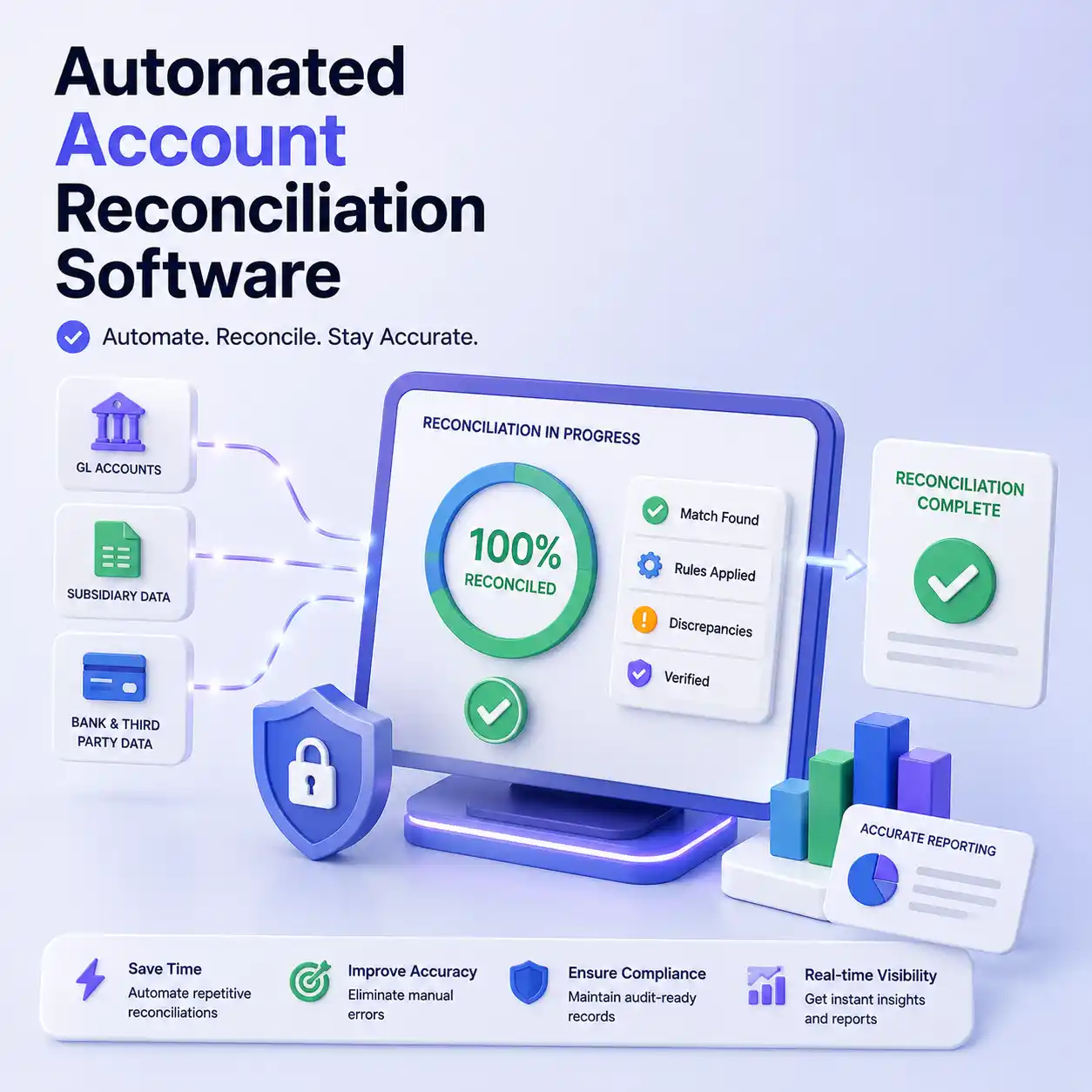
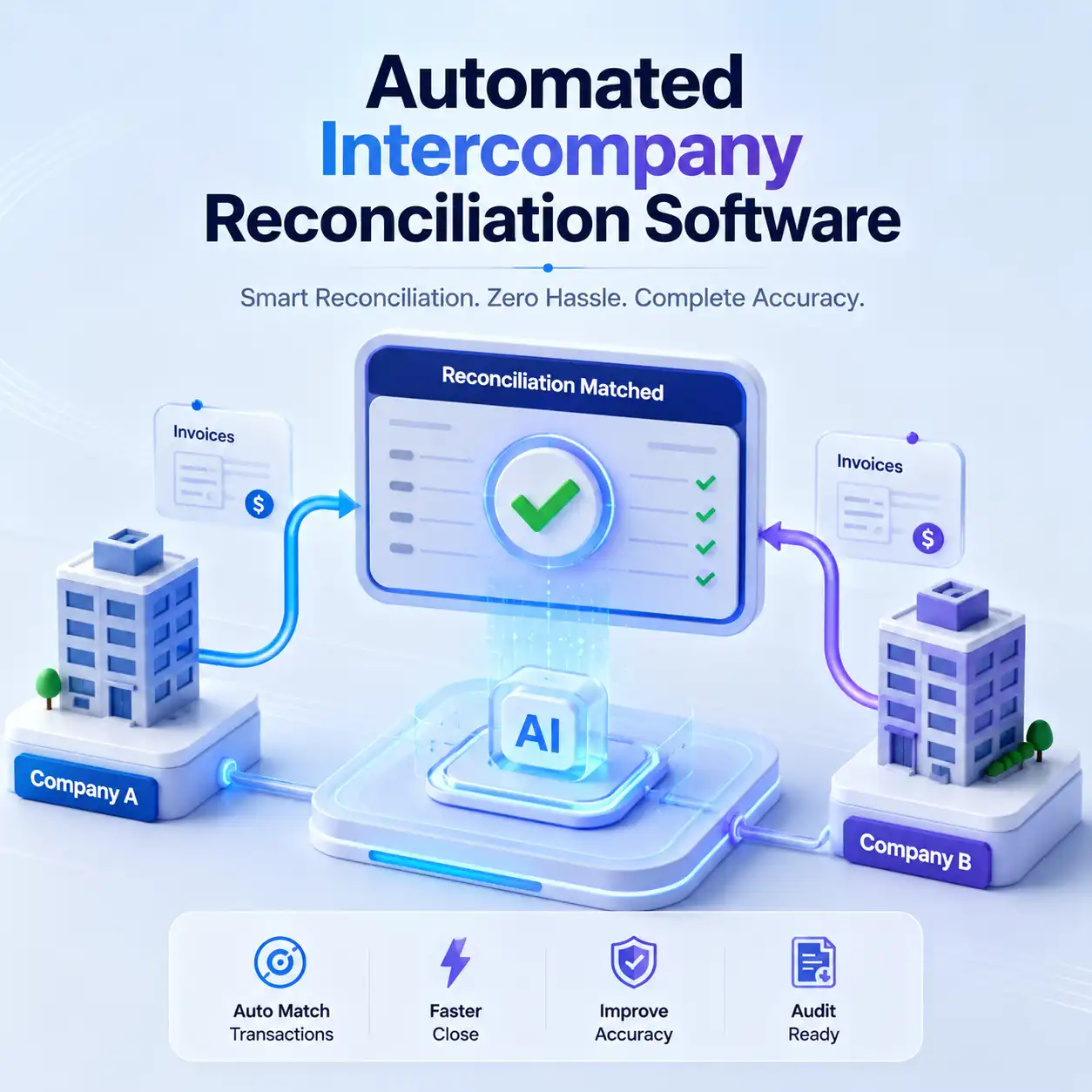
Reconciliation is the process of comparing two sets of records to ensure the figures match and are correct. When done manually, it is one of the most tedious tasks in accounting. Modern financial teams now deploy AI reconciliation software to automate this entire process from start to finish. The software automatically fetches files, extracts data, and matches thousands of transactions within seconds.
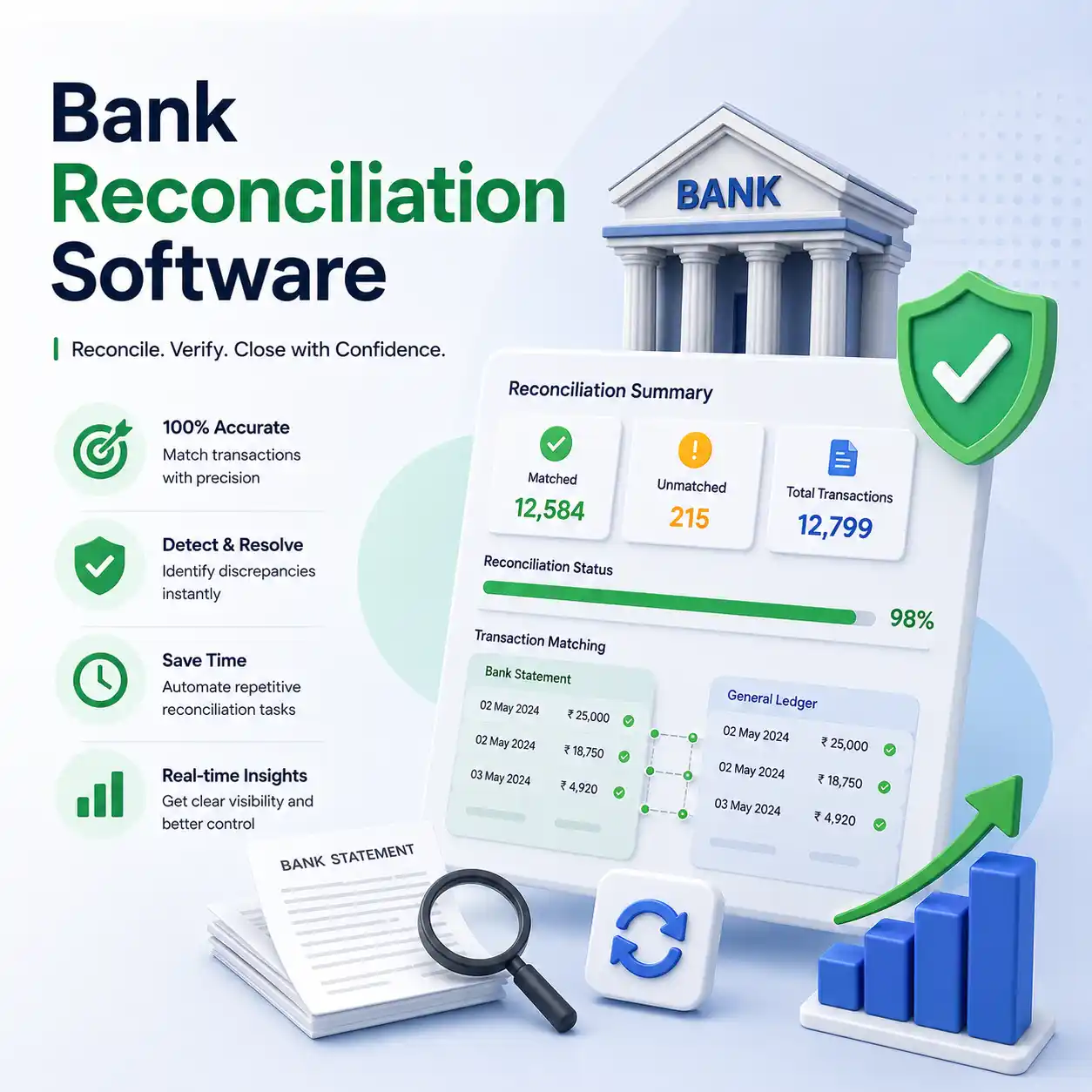
A major part of this process involves matching internal ledgers with bank records. Utilizing a specialized bank reconciliation tool allows companies to connect directly to their banking partners via secure APIs. The system matches deposits, withdrawals, and bank fees instantly, highlighting missing entries or minor discrepancies so human accountants can resolve them right away.
Payment and Digital Wallet Processing
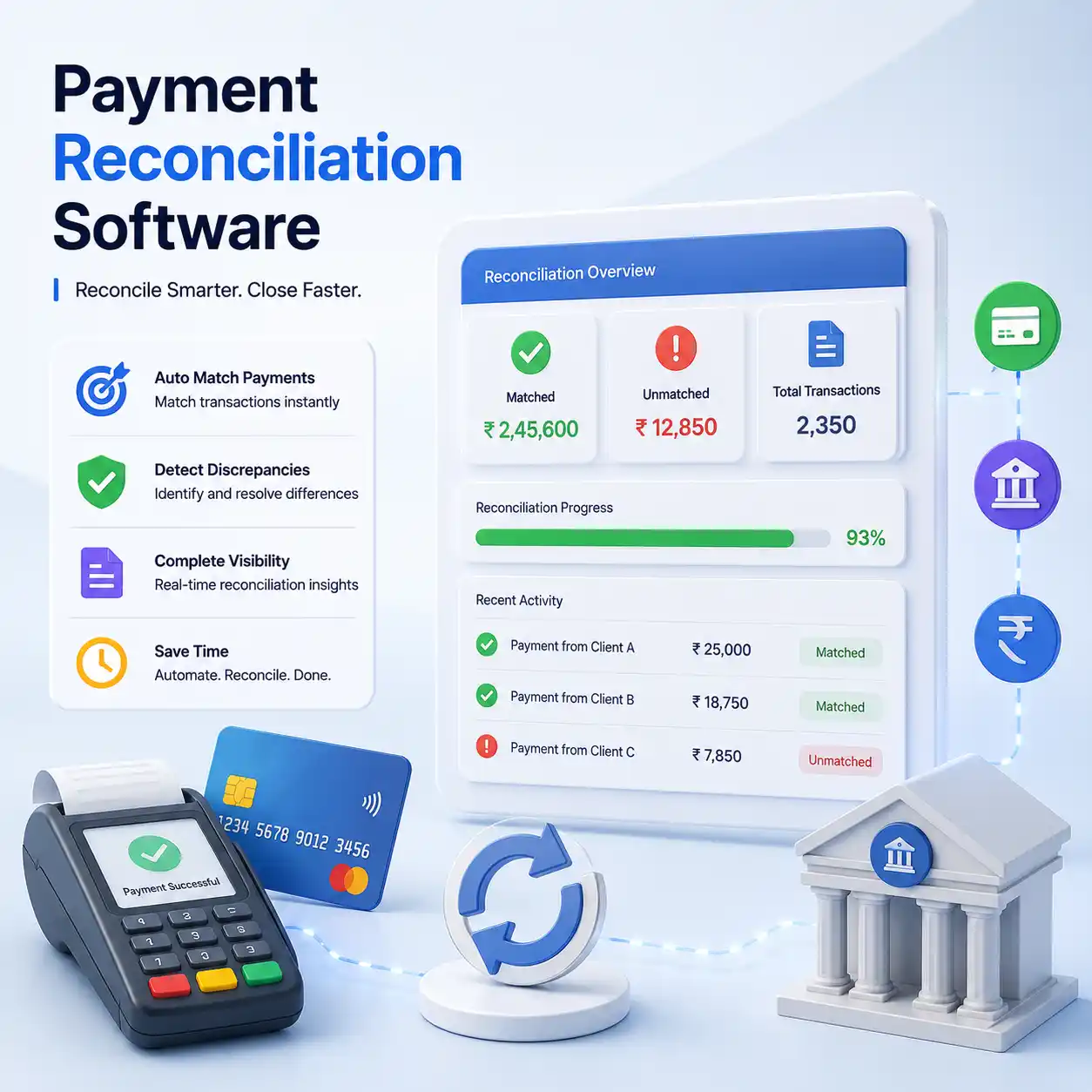
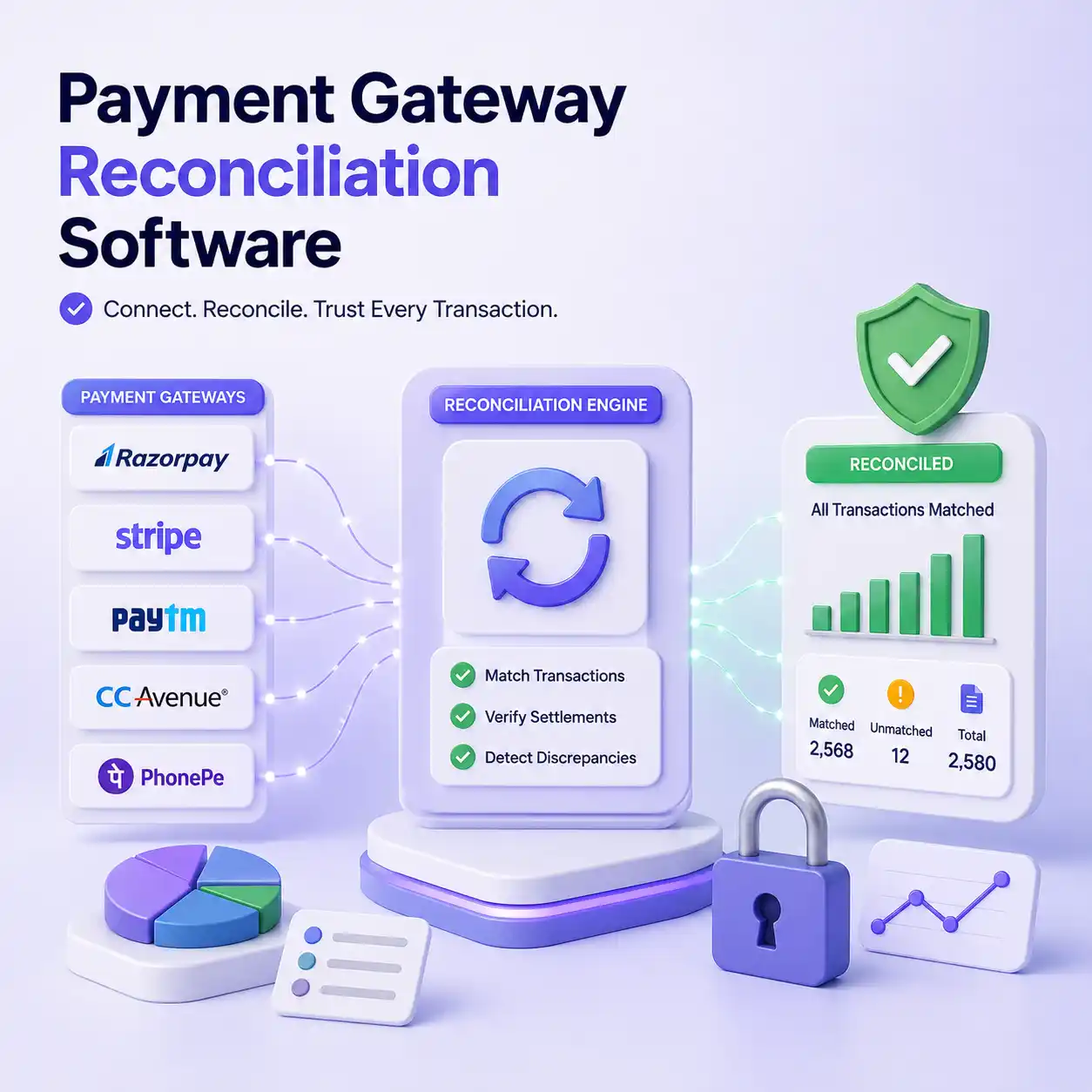
With the global explosion of e-commerce and digital payments, businesses have to handle multiple payment gateways, credit card networks, and settlement reports. Managing this data stream requires an advanced payment reconciliation tool that can handle diverse file types and multi-currency formats. The tool ensures that every customer payment recorded on the website matches the actual cash received in the company account.
In regions experiencing a massive boom in instant mobile payments, tracking transactions can get overwhelming. For instance, digital transactions are projected to grow three-fold in major digital economies over the next few years. To handle this specific scale, businesses use UPI reconciliation software to manage thousands of instant, micro-value payments per minute. This keeps payment tracking flawless and prevents revenue leakage.
Accounts Payable and Invoice Automation
Processing vendor invoices manually involves a lot of friction. Staff must open emails, download invoices, type details into the ERP system, and route them to managers for approval.
Intelligent automation uses advanced computer vision to read invoices, extract the vendor name, tax details, and amounts, and compare them against purchase orders. If everything matches, the system schedules the payment automatically, ensuring vendors are paid on time while capturing early-payment discounts.
Predictive Financial Forecasting and Analytics
Traditional financial forecasting relies on historical data and basic spreadsheets. AI changes this by combining historical accounting records with real-time market trends, consumer behavior signals, and broader economic indicators.
This allows machine learning models to generate highly accurate cash flow forecasts and scenario simulations. Finance leaders can see how potential market shifts might affect their liquidity, helping them make smarter choices regarding investments and budgeting.
Why Kosh Ai is the Ideal Partner for Your Financial Automation Journey
Moving away from manual financial workflows requires a technology partner that understands the deep complexities of modern enterprise data. Kosh Ai offers an enterprise-grade financial automation platform designed to simplify high-volume transaction matching, data extraction, and exception handling.
The platform integrates smoothly with your existing ERP systems, internal databases, and external banking interfaces. By using smart machine learning models, Kosh Ai helps companies eliminate the operational bottlenecks that slow down finance teams. Whether you are dealing with millions of instant UPI payments, complex bank statements, or messy multi-currency vendor reports, Kosh Ai provides the transparency and speed required to maintain a clear, mistake-free financial operation.
Frequently Asked Questions
What is the difference between traditional RPA and intelligent automation?
Traditional robotic process automation follows fixed, strict rules and can only process highly structured data. If a file format changes slightly, traditional RPA tools will often fail. Intelligent automation includes artificial intelligence and machine learning, which allows the system to read unstructured data like scanned invoices, handle complex errors, and adapt to changing data formats on its own.
Can AI-powered financial automation completely replace human accountants?
No, intelligent automation is not designed to replace human accountants. Instead, it takes away the boring, repetitive tasks like manual data entry and basic transaction matching. This frees up financial professionals so they can focus on high-value work, including financial strategy, compliance audits, detailed risk analysis, and business growth planning.
How does intelligent automation help a company stay compliant with financial regulations?
Intelligent automation systems create an unchangeable, clear digital audit trail for every single financial transaction they process. They ensure that all accounting rules are applied consistently across all data sets, which dramatically reduces manual reporting errors. This clear organization makes it much easier for companies to provide accurate proof of compliance during internal and external financial audits.
Is it difficult to connect intelligent automation software with older financial systems?
Modern automation platforms like Kosh Ai use secure Application Programming Interfaces, commonly known as APIs, and flexible data connectors to link up with your current setups. This allows the smart automation layer to read and process data from older legacy systems and ERP software without requiring a complete or expensive rewrite of your company's existing IT infrastructure.
How quickly can a business expect to see a return on investment after adopting AI automation?
Many businesses see a noticeable improvement in their operational efficiency within the first few months of implementation. Enterprise data shows that organizations utilizing structured AI platforms often achieve a significant reduction in transaction processing costs and see a full return on their technology investment in under a year due to major time savings and fewer manual errors.
See How Kosh AI Can Transform Financial Close
Contact us now