Invoice Automation
Managing finance operations manually can feel like an endless uphill battle. Among all the routine financial tasks, accounts payable operations are often the most time consuming and prone to human error. For growing organizations, handling piles of physical and digital invoices, typing line items into spreadsheets, chasing managers for approvals, and matching payments can quickly overwhelm a finance department.
This is where invoice automation steps in. By replacing slow, error prone manual tasks with digital workflows, businesses can dramatically lower operational costs, eliminate data entry mistakes, and give financial leaders clear visibility into their cash flow.
Here is an in depth look at what invoice automation is, how the process works, the tangible benefits it brings, and the best practices for adopting it in your organization.
Understanding Invoice Automation
Invoice automation is the practice of using software to capture, extract, validate, and process vendor invoices without requiring continuous human intervention. Instead of an accounts payable clerk manually reviewing every document, typing numbers into an ERP, and sending emails for payment approval, an automated system handles the life cycle of an invoice from the moment it arrives.
Modern automated solutions rely on optical character recognition, artificial intelligence, and machine learning to read different invoice formats, whether they are structured PDFs, scanned paper documents, or electronic invoices. The technology understands contexts, flags exceptions, and routes documents to the correct department automatically.
Why Digital Invoicing Is Rising
According to recent industry data, the global invoice processing software market is experiencing massive growth, expanding from $40.52 billion in 2025 to $49.04 billion in 2026 at an impressive compound annual growth rate of 21%. This shift is fueled by widespread corporate digital transformation and strict real time e-invoicing compliance mandates across regions like North America, Europe, and Asia Pacific. Companies are moving away from traditional setups because legacy systems simply cannot keep up with modern transaction speeds.
The Costly Reality of Manual Invoice Processing
To truly understand the value of automated workflows, it helps to look closely at the true financial and operational strain of traditional paper based or semi manual workflows.
High Processing Costs
Many finance leaders underestimate how much they spend to process a single vendor document. Industry benchmarks from reports show that manual invoice processing costs an average of $15 to $16 per invoice, and can soar up to $40 for complex transactions or highly fragmented teams. When you factor in the loaded labor costs of clerks, managers, and executives who handle an invoice, plus overhead items like paper, printing, and physical storage, the bills add up fast.
Human Error and Exception Handling
Manual data entry carries an inherent risk of mistakes. Research shows that manual workflows suffer from an average error rate of 1.6% per invoice. These mistakes include duplicate entries, missing approval signatures, incorrect account coding, and wrong payment amounts.
The Institute of Finance and Management reports that resolving a single data entry mistake costs an average of $53 when accounting for employee time, system corrections, and vendor communication. Furthermore, about 63% of accounts payable teams spend more than 10 hours every week just processing invoices and chasing down errors, diverting valuable talent away from strategic planning.
Key Benefits of Invoice Automation
Transitioning to an automated accounts payable model transforms finance departments from slow cost centers into strategic assets. Here are the core advantages that organizations realize immediately after implementation.
1. Drastic Reduction in Operational Costs
The most immediate benefit of automation is financial savings. Best in class accounts payable teams utilizing automated software reduce processing expenses down to $2 to $5 per invoice. For an enterprise handling 1,000 invoices per month, moving from manual entry to a modern platform can save approximately $120,000 annually.
2. Rapid Cycle Times and Touchless Processing
Manual approvals and data entry can leave invoices sitting on desks or buried in email inboxes for days. Automated systems can process a single invoice in under 10 seconds, and lower overall approval cycles dramatically. Top tier organizations achieve touchless processing rates exceeding 70%, meaning the vast majority of invoices flow from receipt to payment scheduling without a human ever needing to click a button.
3. Capture Early Payment Discounts
Many B2B suppliers offer a 1% to 2% discount if a bill is settled within 10 days rather than the standard 30 day window. Manual bottlenecks often cause businesses to miss these deadlines, resulting in lost savings and occasional late fees. Automation ensures bills are verified and approved in days, allowing finance teams to capitalize on early payment incentives consistently.
4. Seamless Financial Matching and Reconciliation
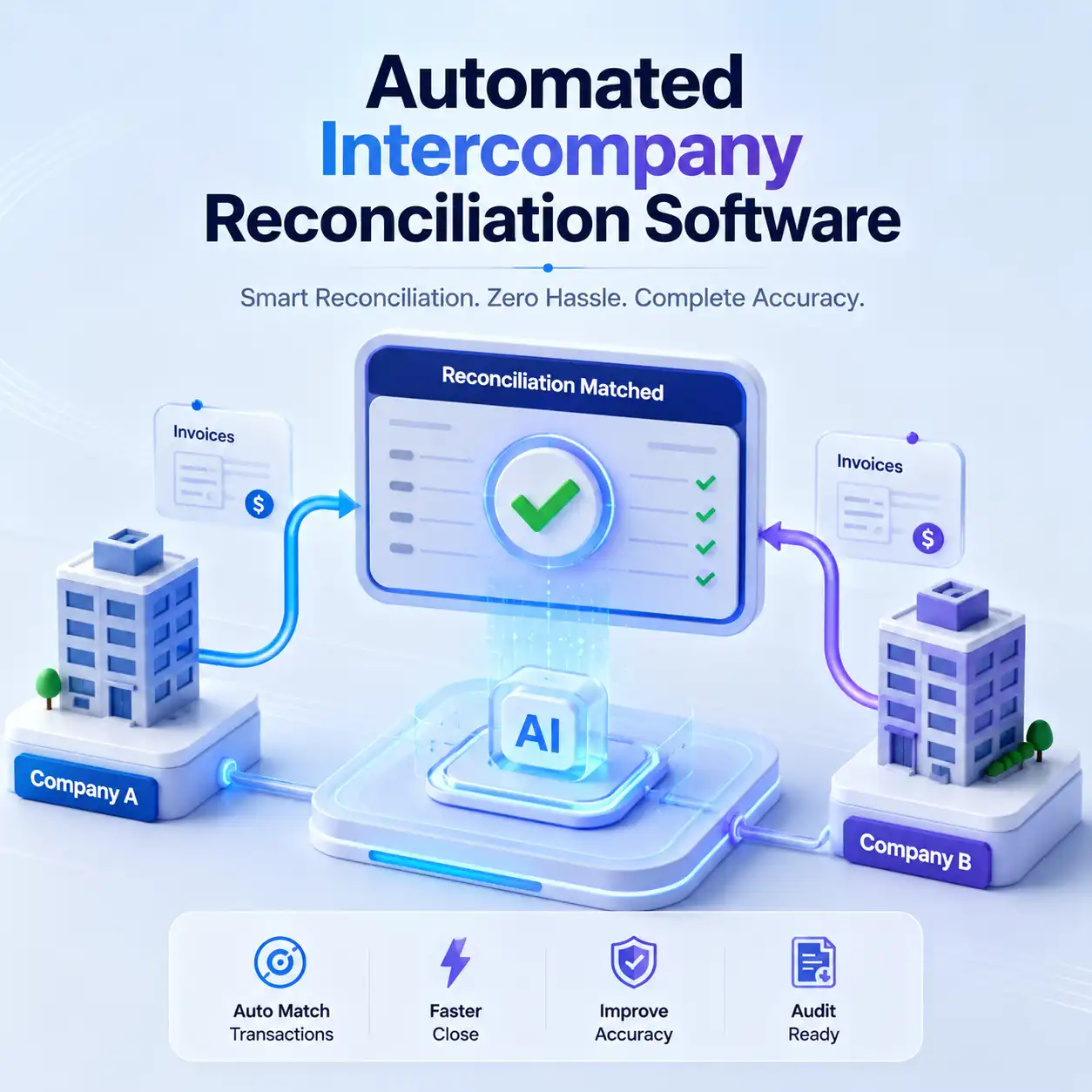
An invoice is only one piece of the transaction puzzle. True financial accuracy requires verifying that the invoice matches the purchase order and the receiving report. Automated software cross references these data points in real time.
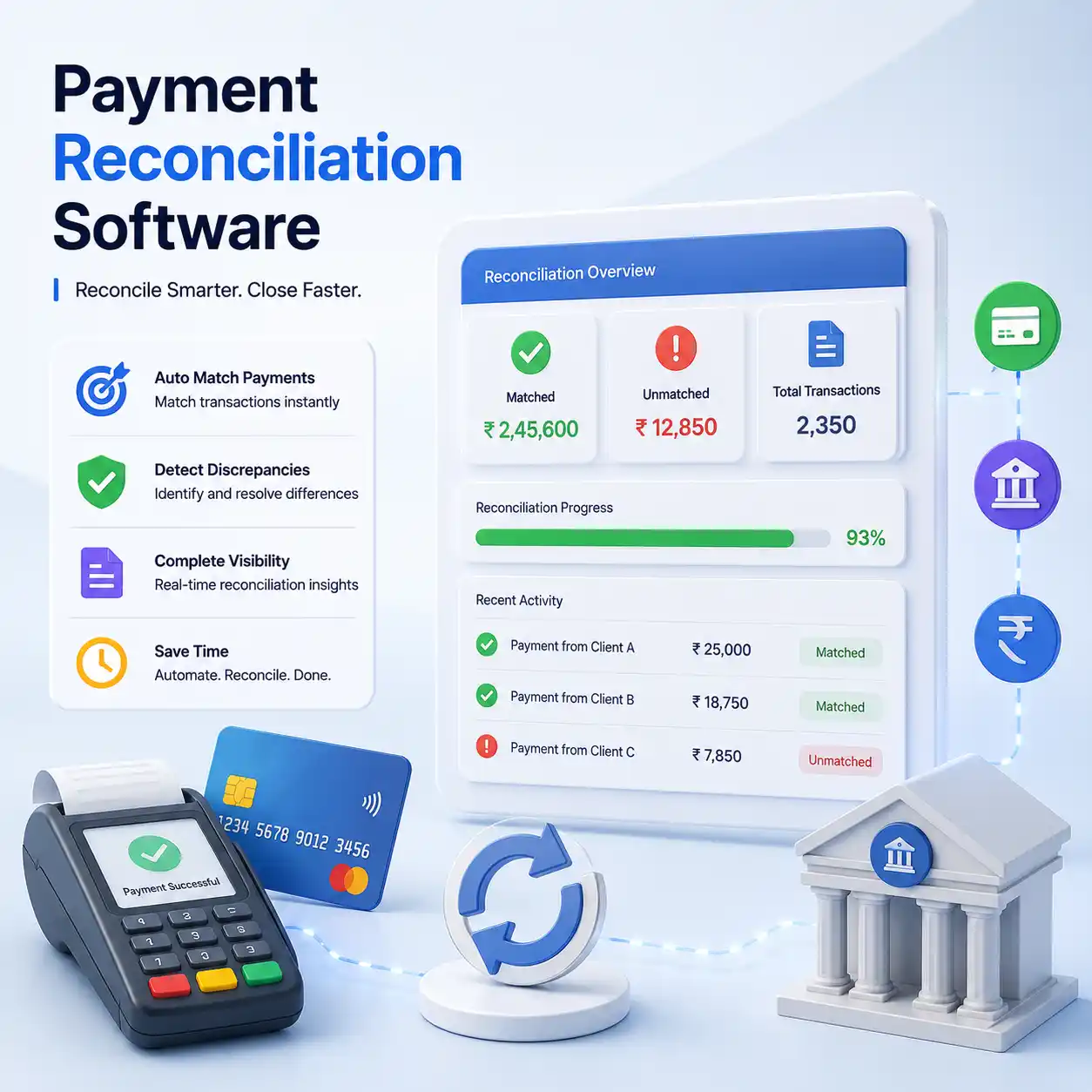
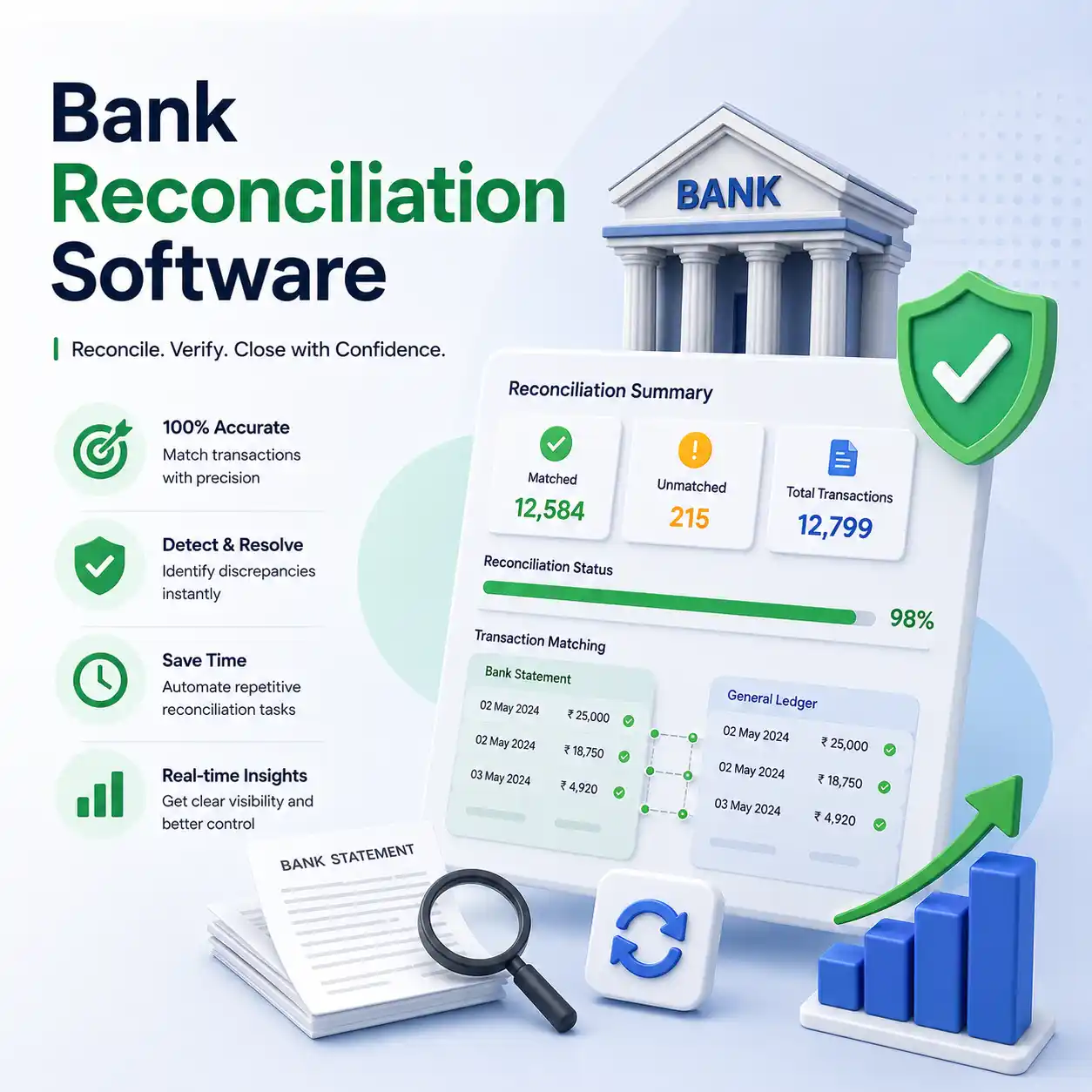
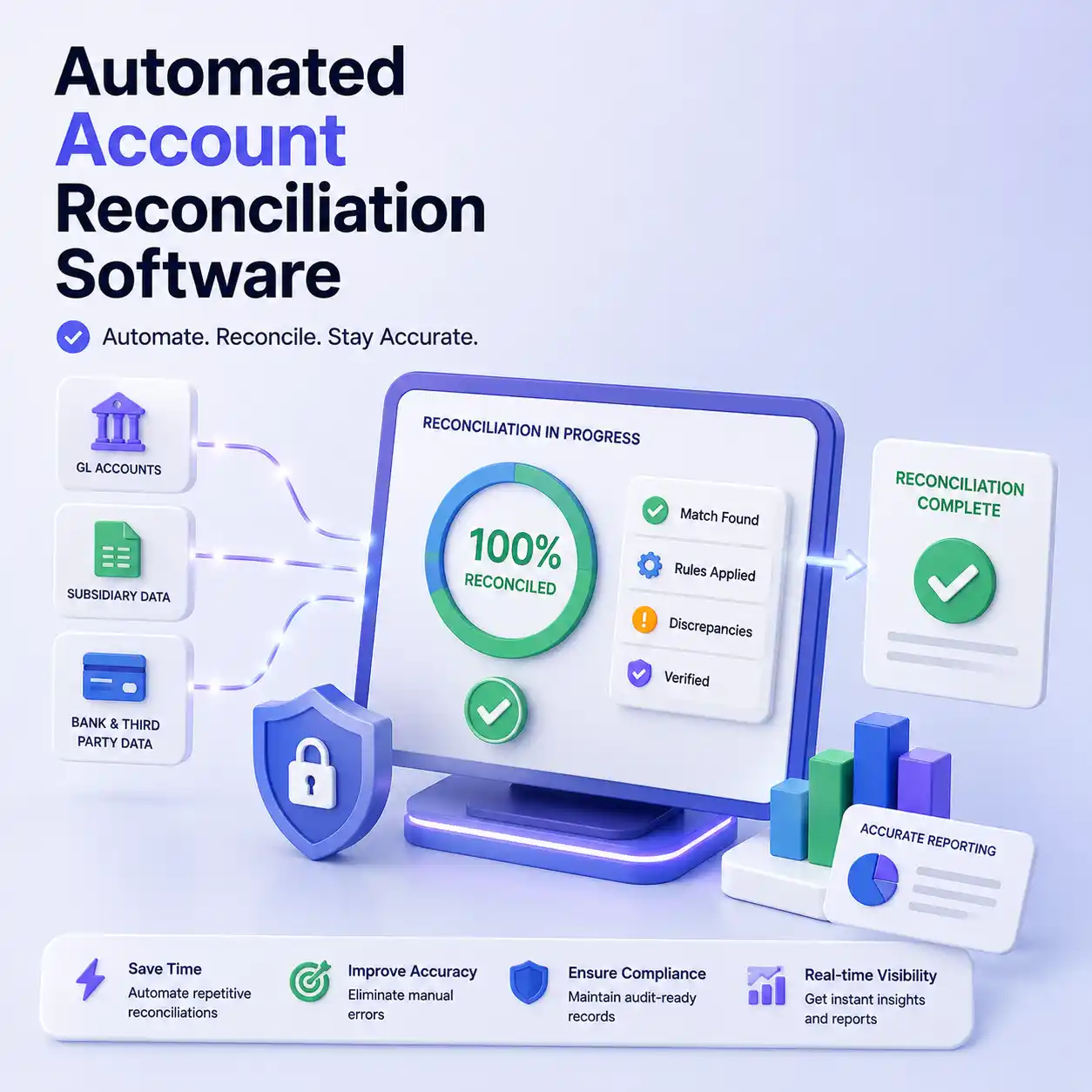
For organizations dealing with massive volumes of daily financial data, specialized systems like a dedicated reconciliation software ensure that external vendor bills match internal cash records. Similarly, utilizing a modern bank reconciliation software lets teams instantly clear paid automated invoices against live bank statements.
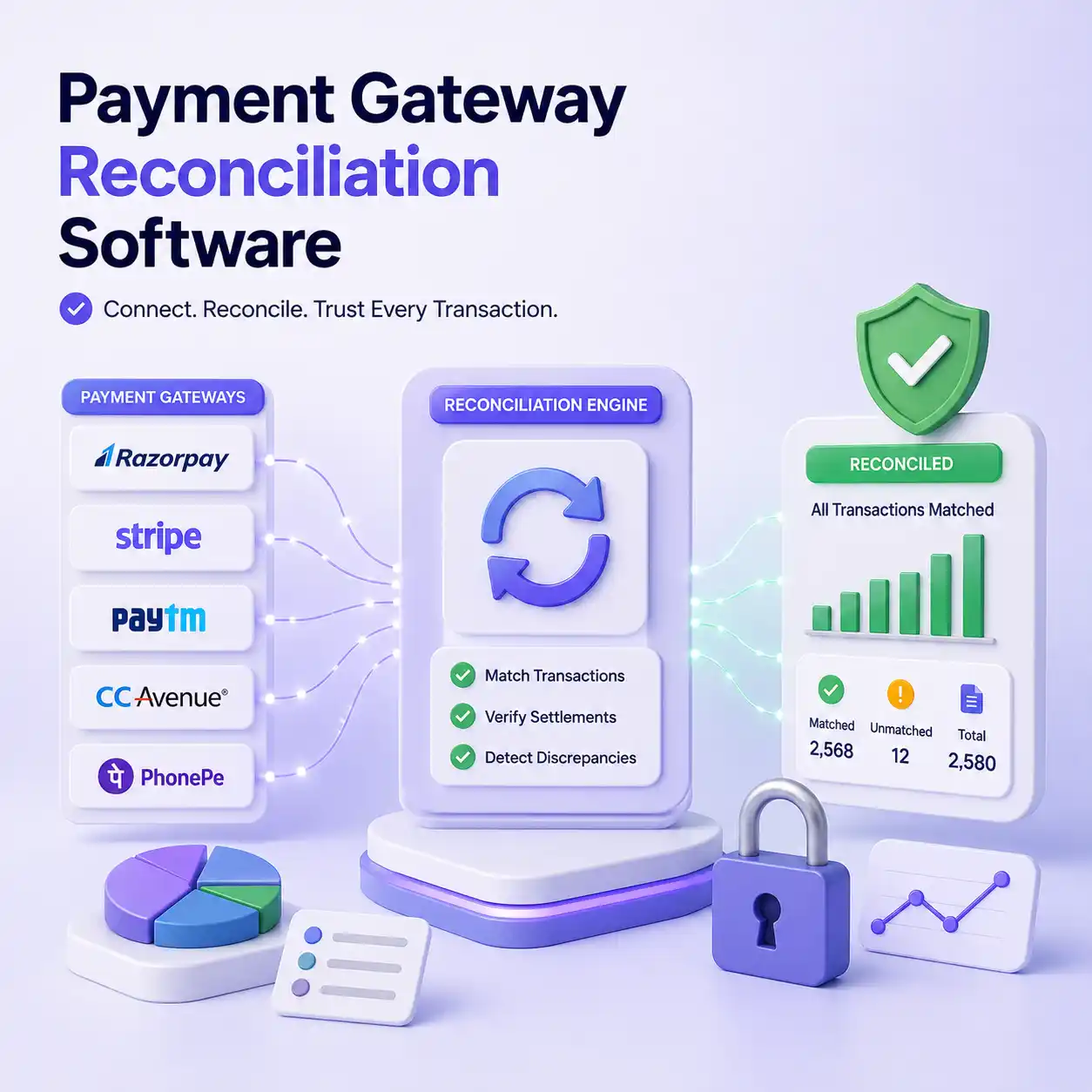
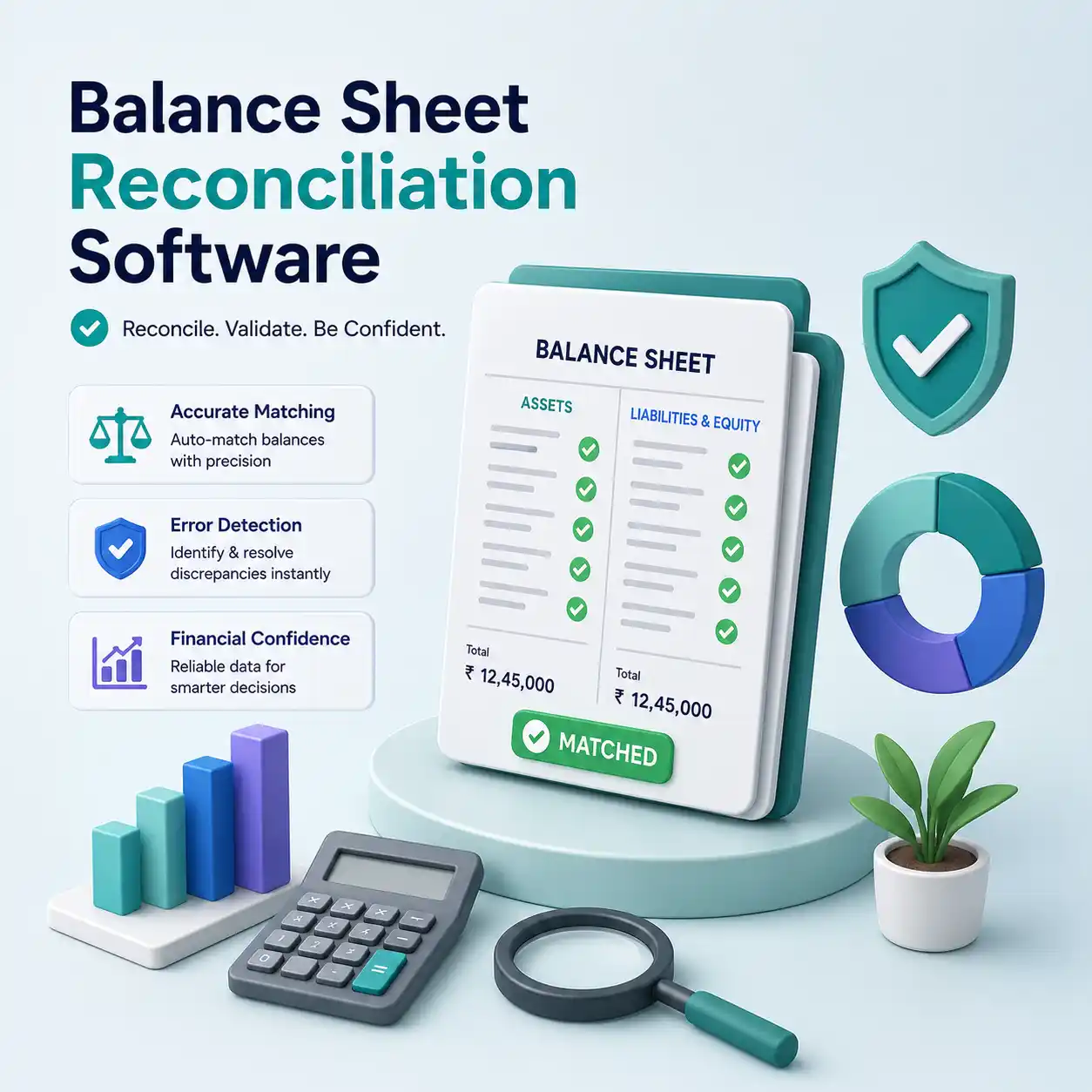
When businesses experience high volumes of digital retail transactions, integrating a robust UPI reconciliation software prevents payment mismatches between instant consumer transfers and corporate ledgers. Ultimately, this clean financial data flows smoothly into a balance sheet reconciliation software, which shortens the month end closing window from weeks to days.
5. Enhanced Fraud Prevention and Audit Readiness
Manual systems are highly vulnerable to billing fraud, business email compromise, and duplicate payments. Automated platforms use artificial intelligence to detect anomalies, such as an altered bank account number on a recurring vendor invoice, mismatched line items, or duplicate invoice numbers. Additionally, digital systems maintain a clear, immutable audit trail showing exactly who received, reviewed, approved, and paid every bill.
The Invoice Automation Process Step by Step
A modern automated invoice workflow follows a streamlined path that eliminates repetitive administrative tasks while preserving corporate control over cash outflows.
Step 1: Invoice Receipt and Multi Channel Capture
Invoices enter a business through multiple paths, including physical mail, email attachments, supplier portals, and electronic data interchange networks. The automation system acts as a centralized hub, automatically pulling attachments from dedicated AP email accounts or scanning physical documents.
Step 2: Intelligent Data Extraction
Once the system captures a document, it reads the data fields using advanced optical character recognition backed by artificial intelligence. The software extracts essential data points such as the vendor name, invoice date, total amount due, tax identifiers, and individual line item details.
Step 3: Three Way Matching and Validation
The software compares the extracted data against internal purchase orders and goods received notes stored within your ERP platform. If the line items, quantities, and prices align perfectly within an acceptable tolerance threshold, the invoice passes validation. If a mismatch occurs, the platform automatically flags the invoice as an exception and alerts an administrator.
Step 4: Automated Routing and Approvals
For invoices that require manual sign off, the platform routes the digital document to the designated manager based on predefined rules, such as department, project, or dollar value. Approvers receive automated notifications via email or a mobile app, where they can review and approve the payment with a single click.
Step 5: ERP Integration and Final Payment
Once approved, the system automatically posts the invoice data directly into the corporate accounting software or ERP without any manual rekeying. The transaction is marked ready for payment execution via ACH, wire transfer, or corporate virtual cards according to the agreed vendor payment terms.
Best Practices for Implementing Invoice Automation
Adopting automated software requires more than simply installing a new application. To maximize return on investment, organizations should adhere to these industry best practices.
Establish Standard Internal Workflows First
Before turning on automation tools, document your existing approval hierarchies and spend limits clearly. Software can easily mimic and accelerate efficient processes, but it will only magnify the flaws of a messy, poorly structured internal workflow.
Prioritize Deep ERP and Reconciliation Integration
An accounts payable tool should never operate in an isolated silo. Choose a platform that integrates natively with your core ERP and your broader financial ecosystem. This connection ensures that as soon as an invoice is processed, your general ledger, inventory tracking, and reconciliation software update simultaneously.
Clean and Update Vendor Master Data
The success of automated matching relies heavily on the quality of your underlying data. Inaccurate supplier addresses, outdated tax numbers, or duplicate vendor profiles inside your ERP will cause automated systems to trigger frequent exceptions, slowing down processing speeds. Clean your database thoroughly before launching the automation platform.
Foster Supplier Adoption
Encourage your vendors to submit digital, text based PDFs or structured electronic invoices rather than scanned, low resolution images or paper documents. The cleaner the format arriving from your suppliers, the higher your touchless processing rates will be.
Monitor Key AP Performance Metrics
Track operational metrics continuously to evaluate the success of your new system. Keep a close eye on your average cost per invoice, the percentage of touchless processing, exception rates, and the average days required to move an invoice from receipt to final approval. Use this data to continually refine your routing logic and automated matching rules.
Frequently Asked Questions
What is the difference between OCR and AI invoice automation?
Traditional OCR simply turns printed text on an invoice into digital text, but it requires strict templates to know where the invoice number or total cost sits on the page. AI driven invoice automation goes much further by reading the context of the document, allowing it to accurately find and extract information from any vendor format without relying on rigid templates.
Can invoice automation eliminate all human intervention?
No, it does not eliminate human interaction entirely, nor should it. While automation can achieve touchless processing for up to 70% or more of standard, matching invoices, human oversight remains vital for handling complex exceptions, managing vendor relations, and approving large, high value corporate expenditures.
How does automation help reduce payment fraud?
Automated systems constantly cross reference incoming bills against existing purchase orders and vendor master data. If a bad actor submits a fake invoice, alters a bank routing number, or sends a duplicate bill, the software instantly flags the mismatch as an anomaly and pauses the payment until a manager reviews it.
Will our business need to change our existing ERP or accounting system?
Generally, no. Modern accounts payable automation platforms are designed to integrate seamlessly via APIs or data connectors with popular ERP environments and accounting suites, allowing you to upgrade your workflows without abandoning your core accounting infrastructure.
How long does it typically take to see a return on investment after automating?
Most businesses see measurable financial returns within 6 to 12 months. The combination of an 80% reduction in direct invoice processing fees, the elimination of costly data errors, and the ability to capture early payment discounts allows companies to recoup their software implementation costs rapidly.
See How Kosh AI Can Transform Financial Close
Contact us now