Joint Venture Accounting
When two or more distinct businesses decide to pool their resources, knowledge, and capital to achieve a specific commercial goal, they establish a joint venture. Joint ventures allow companies to enter new markets, share operational costs, and develop cutting edge technologies faster and more reliably than working alone (Beamish, 2009). However, combining corporate ecosystems introduces a unique layer of operational complexity, particularly in the finance department.
Joint venture accounting is the specialized process of tracking, recording, and reporting the financial transactions of a shared business arrangement. Unlike standard corporate bookkeeping, where a single entity holds absolute control, joint venture accounting must satisfy multiple parent companies, distinct regulatory bodies, and complex legal agreements. If the financial foundation is weak, the entire partnership can collapse. Academic studies highlight that joint ventures suffer from a historically high dissolution rate of approximately 50% due to corporate disagreements, operational difficulties, and poor financial alignment (Park, 1988).
To prevent these pitfalls, finance teams must build highly transparent, standardized, and accurate accounting frameworks. This comprehensive guide breaks down the core processes, persistent challenges, and strategic benefits of joint venture accounting, while demonstrating how modern financial automation helps partnerships thrive.
The Core Process of Joint Venture Accounting
The accounting process for a joint venture depends heavily on how the partnership is legally structured and how much influence each parent company maintains. According to international financial guidelines like IFRS 11 and US GAAP, joint arrangements are generally categorized into two main types: joint operations or joint ventures (Leitner-Hanetseder, 2014). Managing these variations requires a systematic financial workflow.
Determining the Legal and Accounting Structure
Before a single transaction is recorded, the parent companies must decide on the vehicle of cooperation. If the venture is a joint operation, the parties have direct rights to the assets and obligations for the liabilities. In this case, each parent company records its specific share of assets, liabilities, revenues, and expenses directly on its own balance sheet.
If the partnership is classified as a distinct legal entity, it is treated as a joint venture. Under modern accounting standards such as IFRS 11, the proportionate consolidation method has been eliminated to improve financial comparability (Leitner-Hanetseder, 2014). Instead, companies must use the equity method of accounting. Under the equity method, the investing parent company records its initial investment as a single line item on the balance sheet. As the joint venture generates profits or losses, the parent company adjusts this investment value proportionally and recognizes its share of net income in the statement of comprehensive income (Leitner-Hanetseder, 2014).
Establishing the Joint Venture Operating Agreement
The joint venture operating agreement acts as the ultimate rulebook for the partnership. From an accounting perspective, this document defines the exact equity stakes, funding mechanisms, profit distribution ratios, and cash call procedures. It also establishes the accounting policies that the venture will follow, such as depreciation methods, revenue recognition timelines, and inventory valuation practices. Standardizing these metrics early ensures that both parent companies interpret financial statements identically (Yi et al., 2021).
Managing Capital Contributions and Cash Calls
Joint ventures require capital to launch and operate. The accounting team is responsible for tracking cash injections and non-monetary asset contributions from each partner. When the venture needs additional working capital for a specific project phase, the operator issues a cash call to the parent companies. The accounting department must verify that these funds are requested, received, and recorded in strict accordance with each partner’s ownership percentage.
Recording Revenues, Expenses, and Intercompany Transactions
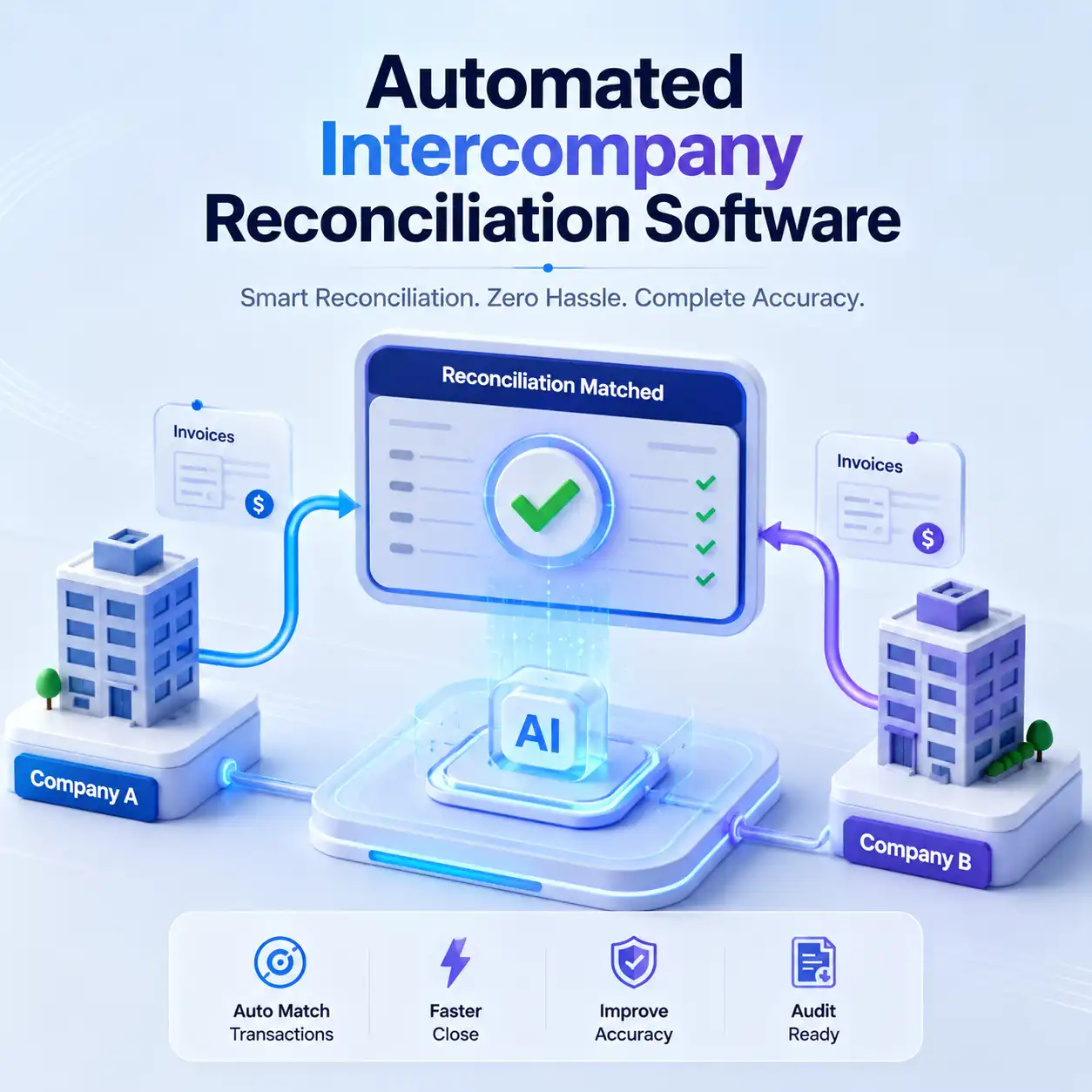
On a day to day basis, the joint venture incurs operational expenses and generates revenue. The accounting team records these flows while carefully tracking upstream and downstream transactions. Upstream transactions occur when the joint venture sells assets or services to a parent company, while downstream transactions happen when a parent company sells to the venture. To maintain absolute compliance, any intercompany profits or losses arising from these transactions must be eliminated proportionally during financial consolidation (Leitner-Hanetseder, 2014).
Conducting Rigorous Financial Reconciliation
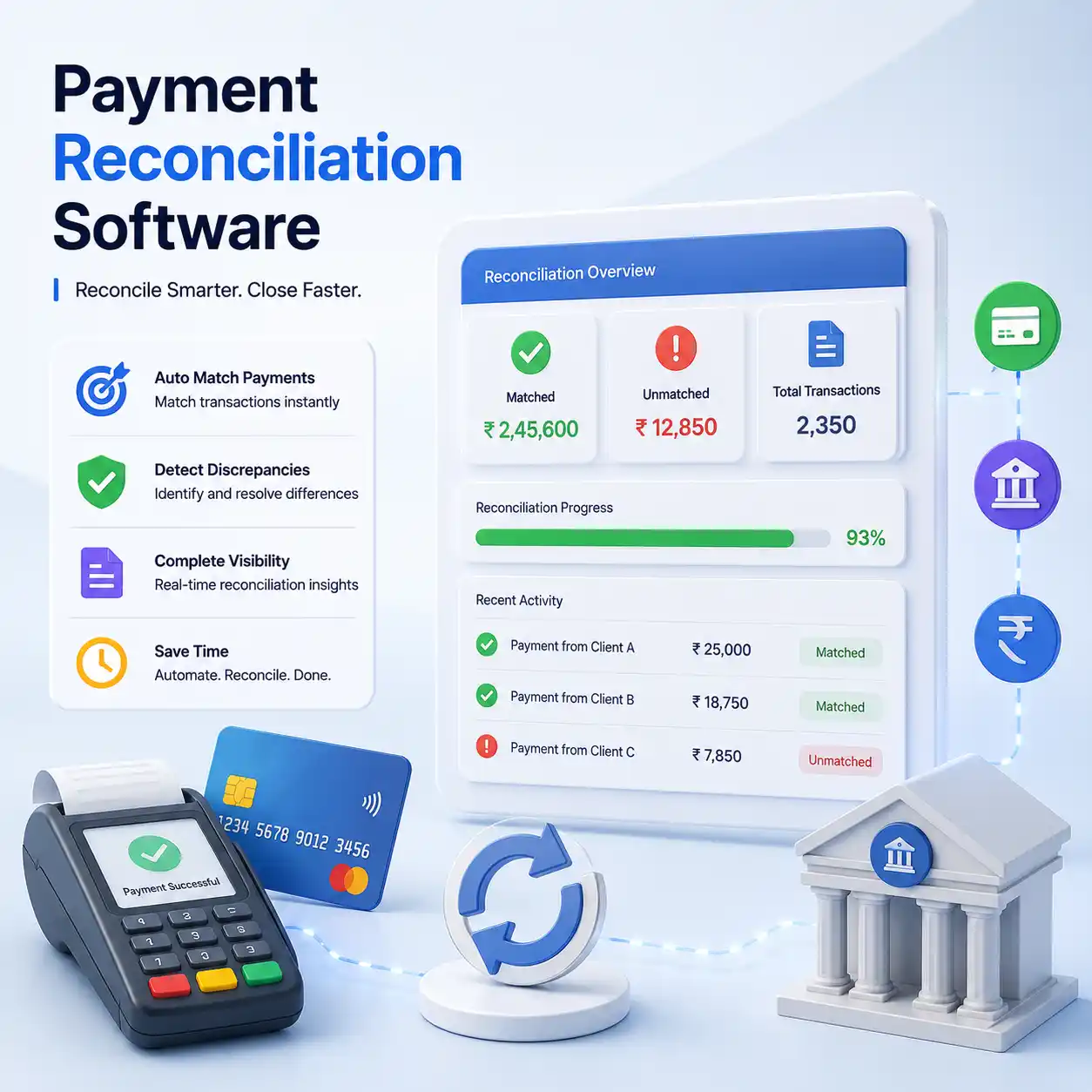
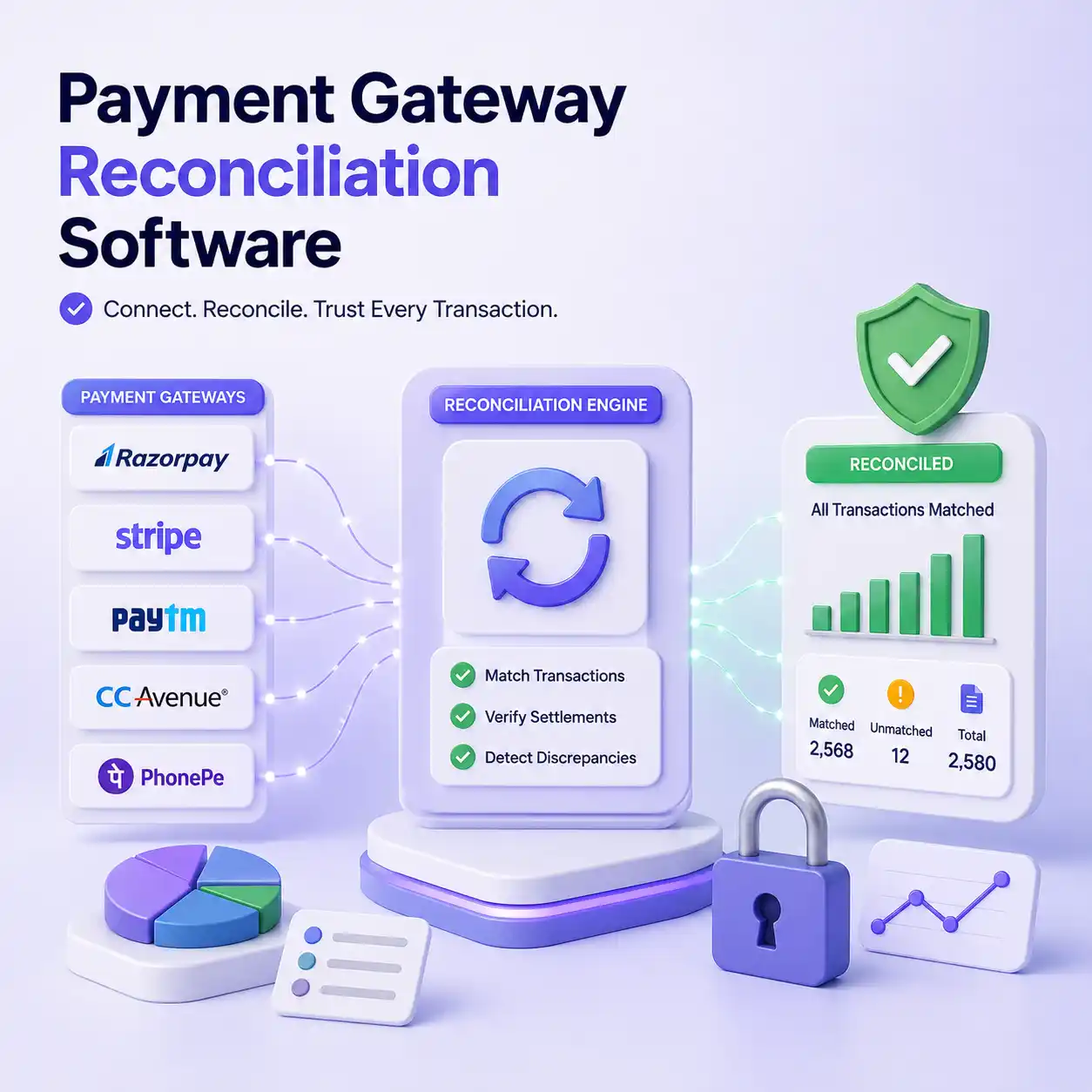
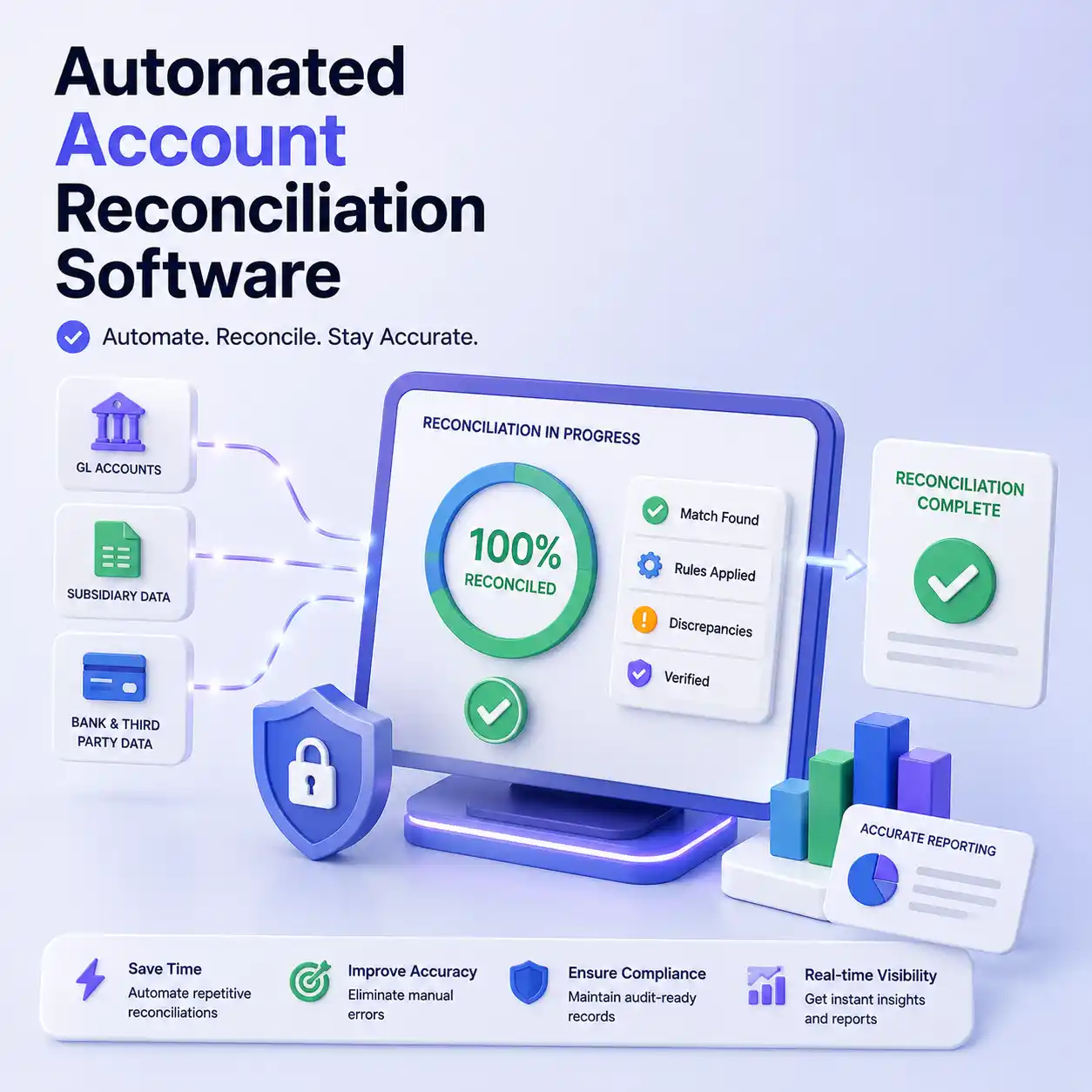
Reconciliation is the heartbeat of joint venture accounting. Because a joint venture interacts with different banking systems, vendor platforms, and parent company ERP networks, data mismatches happen constantly. Finance teams must cross-verify internal general ledgers against bank statements, processing gateways, and partner invoices. Utilizing advanced tools like AI reconciliation software allows businesses to scan thousands of transactions simultaneously, identifying errors before they distort the venture's monthly financial reports.
Major Challenges in Joint Venture Accounting
While the strategic goals of a joint venture are often clear, the underlying financial execution is filled with operational obstacles. Managing money between separate corporate entities creates natural friction points that can disrupt data accuracy.
Disparate ERP Systems and Data Silos
It is rare for joint venture partners to use the exact same Enterprise Resource Planning platform. One parent company might rely on SAP, another on Oracle, while the joint venture entity itself uses NetSuite. This technology mismatch creates massive data silos. Manually pulling data from different systems, converting currencies, and matching ledger formats is incredibly slow and highly susceptible to human error.
Complex Cash and Bank Tracking
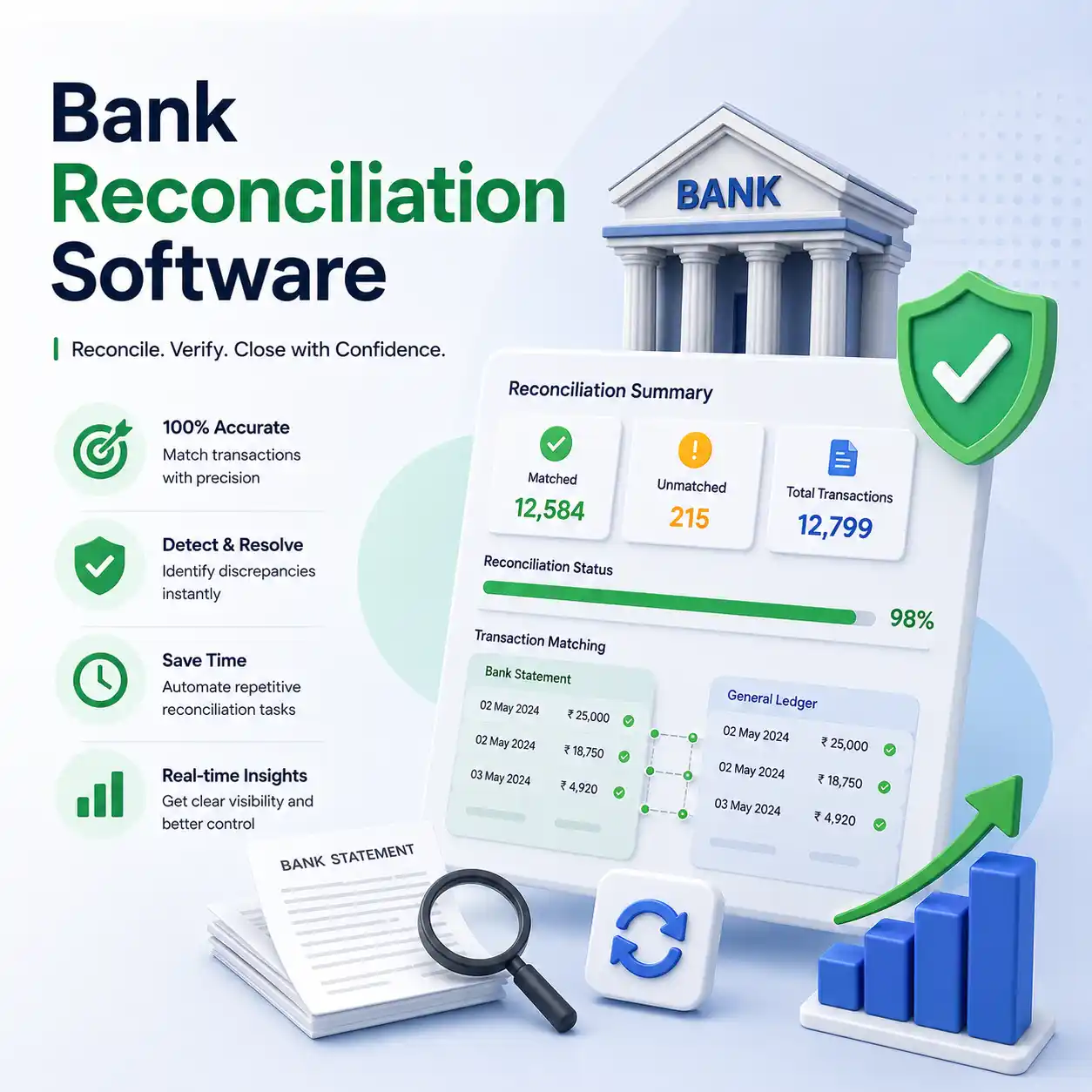
Joint ventures frequently maintain multiple bank accounts across various regions to handle local operational costs and vendor payments. Tracking these cash movements manually is an operational nightmare. Without automated bank reconciliation software, accounting teams spend days checking bank lines against internal transaction logs, causing delayed visibility into actual cash balances. This lack of real-time insight can stall project momentum when emergency funds are needed.
Dispute Resolution in Transaction Matching
When parent companies contribute resources, equipment, or staff hours to a joint venture, disagreements regarding costs are bound to occur. Research indicates that resolution of disagreements is one of the most critical governance aspects that impacts partner satisfaction (Bener et al., 2020). If a parent company bills the venture for engineering support, the accounting team must perform granular payment reconciliation to ensure the hours billed match the actual work delivered. If the records do not match, the payment stalls, leading to internal operational tension.
Regulatory and Multi-Currency Compliance
International joint ventures must navigate a web of varying tax laws, legal regulations, and accounting standards (Tang, 2013). Fluctuating exchange rates add another layer of complexity. An asset purchased in Euros must be accounted for accurately on a balance sheet reported in US Dollars, all while adhering to local tax compliance rules. Calculating these adjustments manually often results in minor errors that can lead to costly regulatory compliance audits later on.
High Operational Volume and Closing Delays
Because joint ventures involve multiple stakeholders, the month-end closing process is notoriously lengthy. Waiting for partners to submit their expense reports, verifying cash calls, and running legacy reconciliation loops can push financial closing timelines out by weeks. This delay frustrates stakeholders who need timely financial statements to make time-sensitive strategic decisions.
Strategic Benefits of Effective Joint Venture Accounting
When a company overcomes these operational challenges and implements a robust accounting framework, the venture unlocks significant operational and strategic advantages.
Complete Financial Transparency and Trust
The primary cause of joint venture failure is a breakdown of trust between partners (Bener et al., 2020). Transparent accounting practices ensure that every dollar invested, spent, or earned is completely visible to all parties involved. When financial data is clean, audit-ready, and verifiable, it eliminates suspicion and fosters a highly collaborative working environment.
Accelerated Closing Cycles with Modern Automation
By shifting away from legacy spreadsheets and implementing automated cash reconciliation software, joint ventures can shrink their month-end closing timelines from weeks down to a matter of days. Automation processes transaction matches instantly, highlights discrepancies immediately, and allows finance leaders to deliver fast, highly accurate reports to parent company boards.
Optimized Cost Control and Asset Utilization
Accurate financial reporting gives managers clear visibility into where cash is being spent. It highlights operational inefficiencies, tracks vendor performance, and ensures that the venture is operating well within its budget. Studies confirm that successful cost control directly correlates with joint ventures meeting their initial financial expectations (Bener et al., 2020).
Seamless Audit Readiness and Regulatory Compliance
A properly accounted joint venture is always prepared for an internal or external audit. With standardized ledger entries, automated reconciliation trails, and clear documentation of intercompany eliminations, satisfying tax authorities and independent auditors becomes a stress-free process rather than an administrative burden.
Streamlining Joint Venture Financial Workflows with Automation
To eliminate the manual errors that plague shared business arrangements, modern enterprise joint ventures are turning to automation. Software platforms built specifically for complex financial workflows change how data is processed across corporate boundaries.
By integrating automated financial software into a joint venture framework, companies can link disparate ERP networks together. These platforms automatically ingest banking files, transactional feeds, and ledger entries, executing deep matching routines without human intervention. This shift not only protects data integrity but also frees up senior accounting professionals to focus on strategic financial analysis, tax optimization, and partner relationship management.
Conclusion
Joint venture accounting is far more than a basic bookkeeping requirement; it is a critical strategic function that can determine the success or failure of a corporate partnership. By establishing clear structures, standardizing processes, and deploying advanced automated financial software, businesses can transform a complex operational headache into a competitive business advantage. True visibility drives alignment, protects investments, and ensures that both parent companies achieve the commercial growth they set out to capture.
Frequently Asked Questions
What is the difference between the equity method and proportionate consolidation?
The equity method records a parent company's investment in a joint venture as a single asset on the balance sheet, adjusting its value based on proportional net profits or losses. Proportionate consolidation, which has been largely eliminated under modern IFRS rules, required the parent company to integrate its percentage share of every single asset, liability, revenue, and expense line item directly into its own financial statements.
Why is reconciliation so difficult in joint venture arrangements?
Reconciliation is highly complex because joint ventures involve multiple independent corporate entities that often use different ERP platforms, banking institutions, and accounting policies. This technology and process variance creates significant data silos, mismatches in transactional records, and formatting discrepancies that take considerable manual effort to resolve.
How does automated software improve joint venture finance operations?
Automated financial software connects directly to varying ERP systems and bank networks to instantly match data lines, identify transaction errors, and eliminate manual entry mistakes. This significantly accelerates the month-end closing process, reduces administrative costs, and provides both parent organizations with transparent, real-time visibility into shared cash movements.
What are upstream and downstream transactions in a joint venture?
An upstream transaction occurs when the joint venture entity sells assets, products, or services up to one of its parent companies. A downstream transaction occurs when a parent company sells assets, inventory, or services down to the joint venture entity. Both types require careful accounting adjustments to eliminate intercompany profits before final financial consolidation.
How do cash calls work within a joint venture accounting process?
A cash call is a formal financial request made by the joint venture operator to the parent companies to provide working capital for upcoming project expenditures. The joint venture accounting team must calculate each partner's required contribution based on their exact equity stake, track the incoming funds, and record them properly within the equity accounts.
See How Kosh AI Can Transform Financial Close
Contact us now