Online Payment Processing
The modern digital economy moves at an incredible speed. For businesses handling hundreds or thousands of transactions every day, managing cash flow effectively is no longer just about accepting payments. It is about how those payments are tracked, verified, and settled within internal systems. Recent global market data shows that the global digital payments market is projected to reach 112.15 billion dollars in 2026. This massive volume of digital money changing hands means that companies must rely on highly sophisticated systems to maintain financial accuracy.
Choosing the right online payment processing software for businesses is critical for operational success. However, many organizations quickly realize that processing a payment is only the first part of a much larger puzzle. The real challenge begins after the customer clicks the buy button. Finance teams have to ensure that every dollar authorized on the website matches what enters the corporate bank account. This guide explores the deep operational mechanics of payment infrastructure, the systemic risks of manual financial tracking, and how automated software solutions from Kosh Ai help modern enterprises protect their bottom line.
Understanding the Role of Online Payment Processing Software for Businesses
Online payment processing software acts as the invisible bridge between a customer, a merchant, and the global financial network. When a business opens an online storefront or handles business-to-business transactions digitally, the software manages the secure movement of transaction data. It captures the payment details, checks for sufficient funds, protects against fraudulent activities, and authorizes the transfer of money.
Without robust payment software, modern commerce would collapse under operational friction. Today, consumers demand an omnichannel payment experience where they can use credit cards, debit cards, mobile wallets, and instant bank transfers seamlessly. According to financial industry research, card payments and e-wallets dominate the payment landscape, with credit cards alone expected to command over 31 percent of the total payment method segment in 2026. Managing this diversity of payment methods requires software that can integrate with multiple payment gateways and banking APIs simultaneously.
For large enterprises, the payment system must be highly scalable. It must handle high transaction volumes during peak sales periods without dropping data or suffering system downtime. More importantly, it must generate clean, structured data logs for every transaction. These logs are essential for the next critical phase of business operations, which is the internal verification of financial records.
The Hidden Complexity of the Post Payment Lifecycle
While processing payments smoothly is vital for customer satisfaction, what happens after the sale is what keeps financial controllers awake at night. A single online purchase creates multiple data records across independent platforms. The payment gateway generates a sales report, the acquiring bank creates a settlement log, and the internal enterprise resource planning system records an invoice.
In a perfect world, these three records would match down to the exact penny. In reality, multiple variables cause persistent mismatches. Payment gateways deduct processing fees before depositing funds into the business account. Chargebacks, currency conversion fluctuations, timing delays, and processing cutoffs mean that the amount authorized on day one rarely equals the cash settled on day three.
When a business grows, this data gap expands exponentially. A company processing ten transactions a day can easily spot a minor data mismatch. A business handling ten thousand transactions a day across multiple regions faces a data nightmare. Without advanced software tools to automatically track these variations, hidden leaks will quietly drain business revenue over time.
Why Relying on Manual Financial Verification Is Dangerous
Despite the availability of advanced financial technology, an incredibly high number of organizations still rely on manual labor to verify their financial records. Industry statistics show that roughly 58 percent of companies continue to perform manual financial checks using basic spreadsheets. This heavy reliance on manual spreadsheets poses a massive operational risk for scaling businesses.
The Problem of High Human Error Rates
Human beings are not built to compare thousands of rows of data across complex spreadsheets day after day. Financial studies show that over 90 percent of complex corporate spreadsheets contain significant errors. These are not always massive mistakes, they are often simple typos, misplaced decimals, or transposed digits.
According to financial accounting surveys, 18 percent of corporate accountants admit to making financial data entry errors at least daily, and over half make multiple errors every single month. When your finance team is under pressure to close the books at the end of the month, the chance of overlooking an unauthorized transaction or a duplicate posting increases dramatically.
Severe Operational Inefficiencies and Staff Burnout
Manual financial tracking is a massive waste of human talent. Financial analysts spend up to 30 percent of their working hours manually exporting files from bank portals, copying and pasting data into master sheets, and trying to trace missing funds. This repetitive loop slows down financial reporting and leaves zero time for strategic financial planning.
Furthermore, manual workflows do not scale. If a business doubles its sales volume, it cannot simply double the size of its accounting department overnight. The resulting operational backlog delays cash flow visibility, making it difficult for executive leaders to make fast, data-driven business decisions.
Increased Vulnerability to Fraud and Costly Penalties
When financial verification is delayed by days or weeks, fraudulent activities can easily go unnoticed. The Association of Certified Fraud Examiners reports that businesses lose an estimated 5 to 7 percent of their annual revenue to internal and external fraud. Automated tracking tools flag transaction discrepancies instantly, whereas manual audits might discover a billing scheme months after the cash has left the bank account.
In addition to fraud losses, poor data tracking creates compliance vulnerabilities. Regulatory scrutiny around transaction monitoring is at an all-time high. Global financial penalties for compliance failures reached billions of dollars recently, with transaction monitoring breaches accounting for a vast majority of those fines. A business that cannot provide a clean, automated audit trail faces severe financial and reputational damage.
Transforming Operations with Automated Financial Tracking
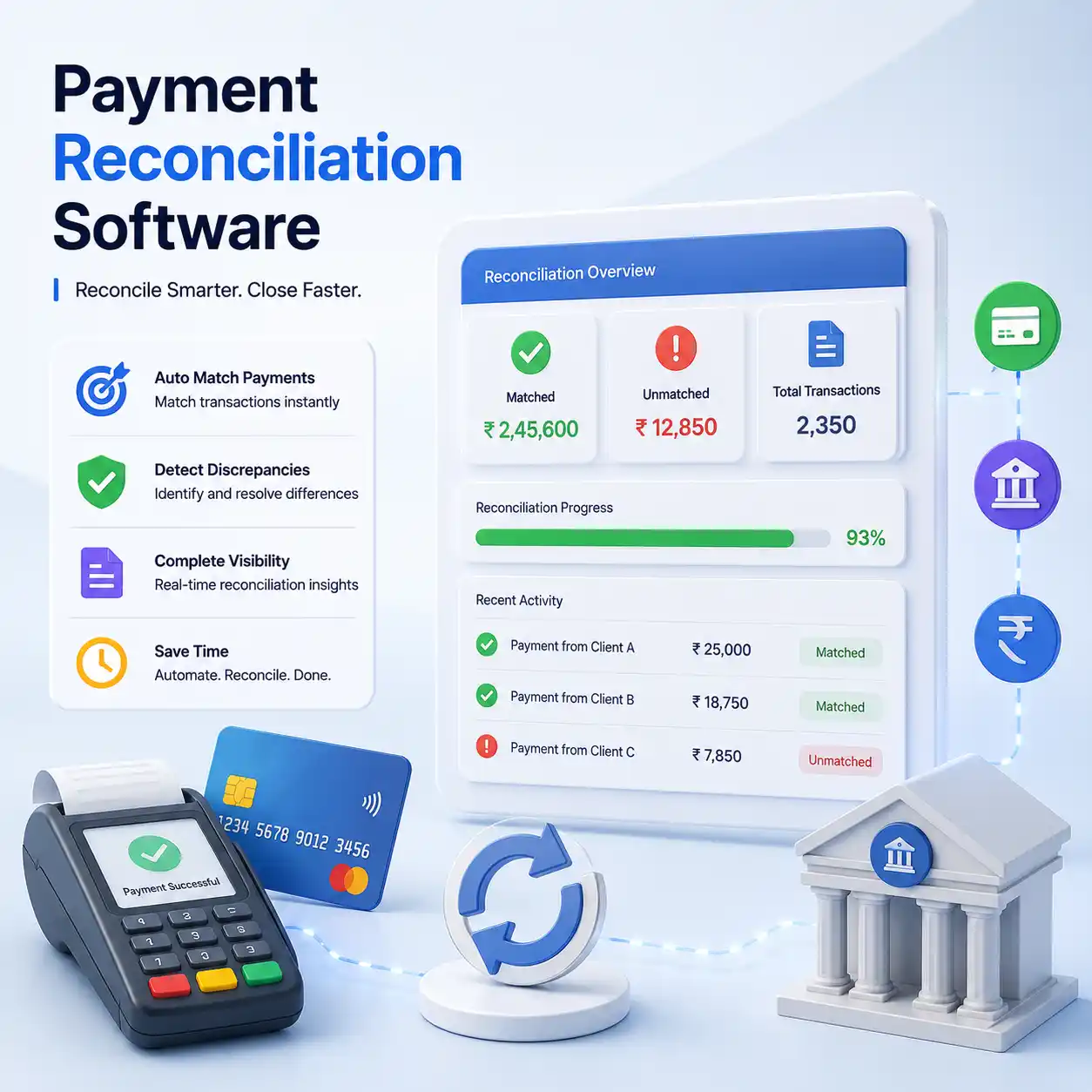
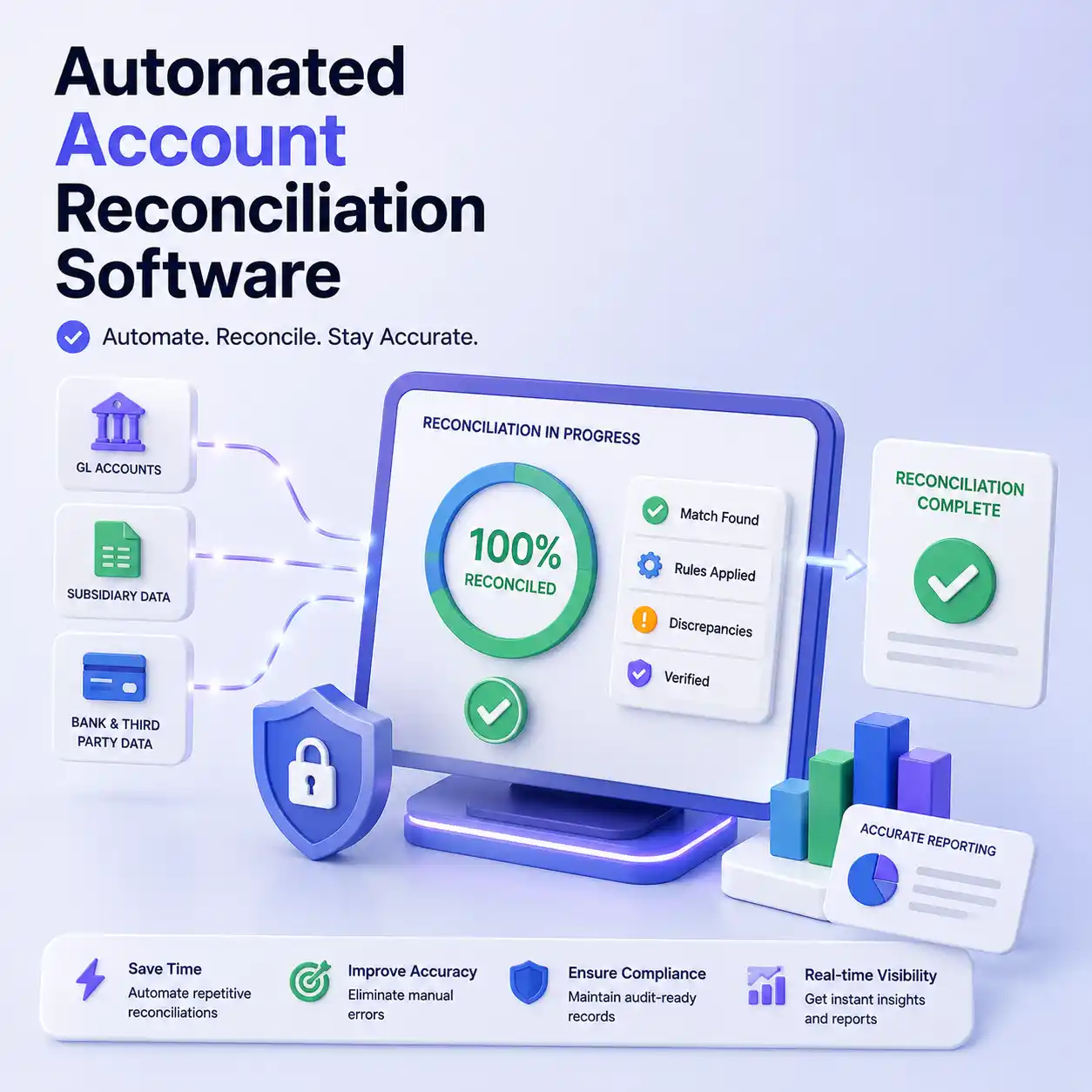
To overcome the risks of manual work, forward-thinking enterprises use an intelligent reconciliation tool to automate the validation of their financial data. Automation changes how finance teams operate by shifting their focus from tedious data entry to high-level discrepancy management.
Instead of waiting for the end of the week to download bank statements, automated software connects directly to your banking partners and payment networks using secure APIs. The software continuously imports transaction data in real time, organizes the data into standard formats, and runs complex matching algorithms to verify every transaction instantly.
When the system finds a perfect match between an internal invoice and an external bank deposit, it marks the transaction as settled without any human intervention. If a mismatch occurs, such as a missing fee or a timing delay, the software flags the specific item and alerts the finance team. This approach reduces the time required to settle accounts from several days to just a few minutes.
The Direct Advantages of Bank Reconciliation Automation
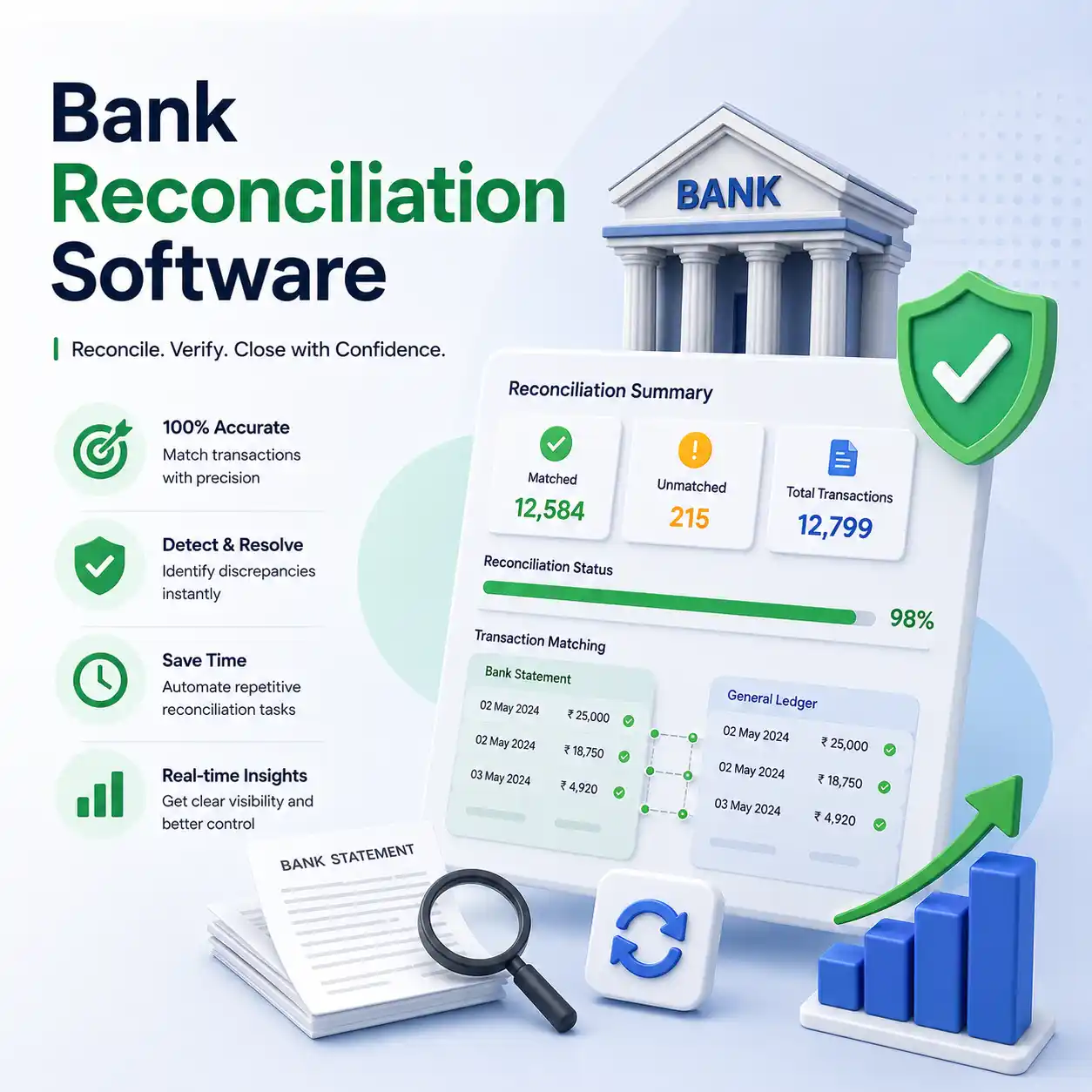
The foundation of corporate financial health rests on knowing exactly how much cash is available in your bank accounts at any given moment. Implementing bank reconciliation automation allows companies to achieve continuous visibility over their liquid assets.
Traditional bank tracking is full of timing gaps. For instance, a payment might be initiated by a customer on a Friday night but won't settle in the bank until Tuesday morning. These cash-in-transit discrepancies make the corporate ledger look inaccurate. Automated software solves this problem by tracking bank cutoff periods and processing timelines automatically.
By introducing automated systems, businesses experience an immediate 30 percent efficiency gain in their finance operations. Instead of spending hours matching line items, accountants only review the exceptions flagged by the platform. This sharp reduction in manual oversight allows businesses to scale their transaction volumes indefinitely without expanding their administrative headcount.
Optimizing Gateway Performance with Specialized Tools
For modern digital businesses, cash doesn't just flow through traditional bank accounts, it passes through multiple digital gateways, merchant aggregators, and point-of-sale systems. Each of these providers has its own specific format for reporting transactions, which introduces another layer of operational friction.
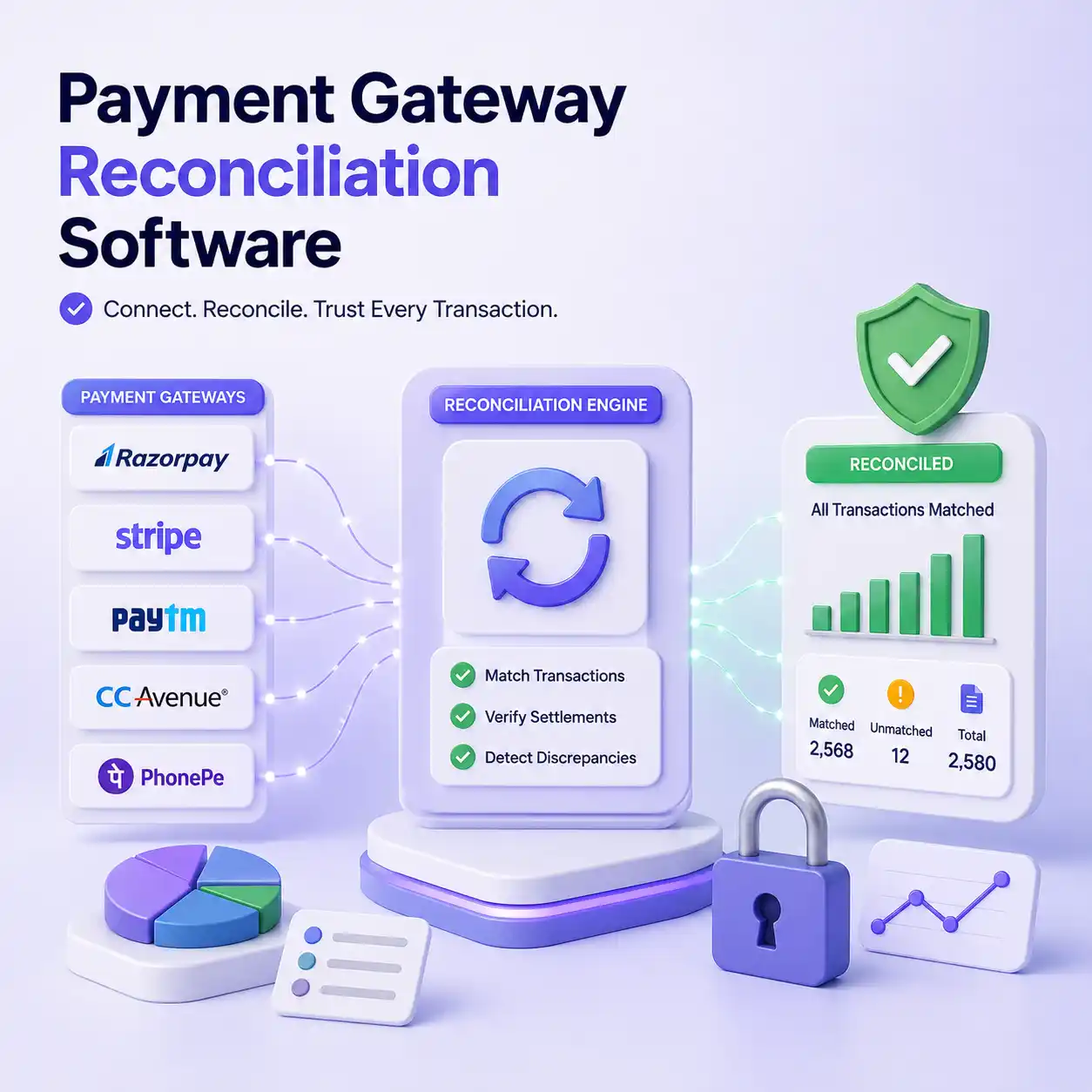
Using a dedicated payment reconciliation tool is essential for companies that accept diverse payment methods. The tool consolidates data from multiple sources into a unified dashboard. This centralized view allows financial controllers to monitor the entire transaction lifecycle from initiation to final bank deposit.
One of the biggest financial leaks in e-commerce comes from unrecorded processor fees and hidden service charges. Payment networks regularly deduct chargeback fees, international card premiums, and network maintenance costs directly from your payouts. A specialized platform ensures that every single fee deducted by a third-party processor matches the agreed contract terms, protecting your profit margins from unexpected erosion.
Solving Gateway Discrepancies at Scale
When an organization works with multiple payment providers simultaneously to maximize checkout conversion rates, data management becomes highly complex. Each payment gateway has a different payout schedule, data schema, and fee structure. This variability makes cross-platform validation incredibly difficult.
Enterprises must deploy advanced payment gateway reconciliation software to handle this level of complexity. This software is designed to parse multi-currency data fields, track rolling reserves held by gateways, and account for complex regional tax variations automatically.
For example, if an online marketplace processes payments across different regions, the software automatically cross-references the localized exchange rates used during the transaction against the final amount converted into the primary settlement currency. By automating this multi-layered matching process, businesses can confidently expand into new international markets without worrying about financial blind spots.
Key Features to Look For in Enterprise Payment Software
Selecting the right financial technology partner requires a deep understanding of your operational needs. Not all online payment software platforms are created equal, and enterprise environments demand specific capabilities to ensure long-term success.
Robust API Architecture and Flexible Integrations
Your payment software must sit at the center of your existing technology stack. It should offer native, secure API connections that integrate smoothly with your enterprise resource planning platforms, customer relationship management tools, and internal subscription billing engines. Avoid rigid platforms that require custom code modifications every time you add a new payment method or banking partner.
Advanced Multi-Way Matching Engines
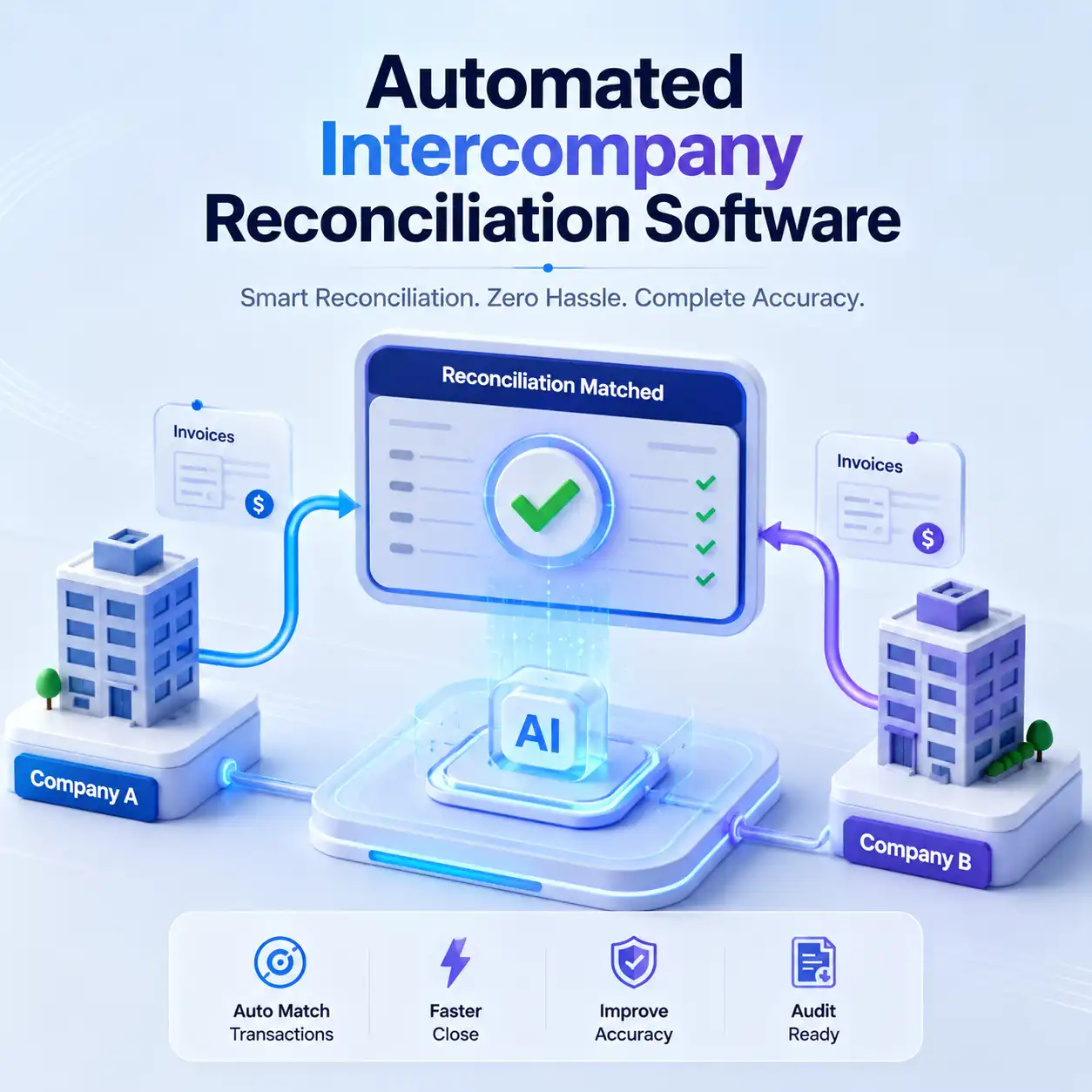
Simple software systems only perform two-way matching, comparing an internal invoice against a bank statement. Enterprise environments require multi-way matching engines that can compare internal orders, gateway logs, settlement files, and bank deposits simultaneously. The matching engine must be flexible enough to handle complex logic, such as split payments, bulk payouts, and partial refunds.
Real Time Exception Management Dashboards
When financial discrepancies occur, your team needs to resolve them quickly. Look for platforms that offer clear, intuitive exception management dashboards. The software should provide a guided workflow for investigating mismatches, allowing users to leave notes, attach supporting documentation, and initiate correction entries directly within the system.
Why Kosh Ai Is the Ideal Choice for Modern Enterprises
Kosh Ai provides an enterprise-grade financial automation platform designed to solve the toughest transactional data challenges faced by modern companies. By combining high-speed data ingestion pipelines with intelligent matching systems, Kosh Ai helps companies replace error-prone manual steps with highly reliable automation.
The platform is purpose-built to handle complex, high-volume financial data environments. Whether you are dealing with thousands of daily e-commerce checkouts, complex multi-vendor marketplace payouts, or cross-border business transactions, Kosh Ai ensures complete financial accuracy across every channel.
By integrating Kosh Ai into your business infrastructure, you protect your company from revenue leaks, eliminate human data entry errors, and give your finance team the real-time insights they need to drive sustainable growth. Do not let outdated manual spreadsheet processes slow down your business progress.
Frequently Asked Questions
What is online payment processing software for businesses?
Online payment processing software is a digital technology platform that allows commercial enterprises to accept, authorize, and track electronic payments from customers securely. It acts as a middleman between the business storefront, the customer financial institution, and the merchant bank account to ensure smooth money transfers.
How does automated financial reconciliation reduce corporate costs?
Automated reconciliation eliminates the need for expensive, time-consuming manual data entry. It reduces financial error rates, prevents duplicate payments, uncovers hidden processor fees, and catches fraudulent transactions early, saving companies thousands of dollars in operational costs and lost revenue.
Can the software manage transactions across multiple currencies?
Yes, enterprise financial software platforms like Kosh Ai are designed to handle global transactions. The system automatically fetches exchange rate data to verify multi-currency transactions, ensuring that foreign sales match internal records after conversion into your primary local currency.
What is the primary difference between a payment gateway and reconciliation software?
A payment gateway is responsible for capturing and authorizing customer payment details during a checkout transaction. Reconciliation software is a post-payment tracking system that verifies if the money authorized by the gateway actually gets deposited correctly into the business bank account.
How long does it take to implement automated tracking software?
Implementation timelines depend on the complexity of your financial setup and the number of bank integrations required. However, because modern platforms use flexible API connections, integration is smooth and businesses often see a 30 percent increase in finance team efficiency right from day one of deployment.
See How Kosh AI Can Transform Financial Close
Contact us now