Outsourced Finance Functions
As a growing business scales up its operations, its financial landscape transforms rapidly. Transaction volumes surge, multiple sales channels open, and domestic or global regulatory requirements become significantly more complex. Managing these escalating demands with a small, in-house team often leads to operational bottlenecks, human errors, and missed strategic opportunities.
To overcome these challenges, many forward-thinking leadership teams choose to work with specialized third-party providers. Transitioning to outsourced finance functions allows a scaling company to establish institutional-grade financial oversight while maintaining complete operational agility. Recent market projections from Grand View Research highlight this shift, showing that the global finance and accounting business process outsourcing market size reached 70.2 billion dollars in 2025 and is projected to expand to 76.5 billion dollars in 2026. This clear upward trajectory demonstrates that modern financial outsourcing has evolved from a basic cost-cutting tactic into an essential tool for rapid business expansion.
The Operational Challenges Facing Growing Businesses
During the early stages of a business, financial management is usually straightforward. It generally involves tracking basic expenses, issuing client invoices, and ensuring standard tax filings are completed on time. However, as customer acquisition accelerates and operations expand, the overall volume of financial data quickly multiplies.
Internal accounting staff can easily become overwhelmed by repetitive daily tasks. Teams find themselves caught in a cycle of manual data entry, processing accounts payable, and chasing down outstanding accounts receivable. This heavy administrative burden leaves little to no time for deep financial planning, detailed cash flow forecasting, or strategic variance analysis. When a core finance team spends all its time caught up in basic transactional maintenance, business leaders are forced to make major corporate expansion decisions without the benefit of real-time, data-driven financial insights.
Furthermore, building out an expansive internal finance department requires a massive investment of time and capital. Companies must fund competitive baseline salaries, provide employee benefits, manage ongoing training, and buy expensive software licenses. Given the persistent global shortage of qualified accounting professionals, recruiting top-tier financial talent has become both incredibly difficult and highly expensive. For a rapidly expanding enterprise, dedicating significant capital to back-office personnel overhead can pull vital resources away from product innovation, marketing campaigns, and market expansion.
What Are Outsourced Finance Functions
Outsourced finance functions involve delegating specific financial operations, processes, and reporting responsibilities to an expert external service provider. Rather than relying entirely on a traditional internal team, businesses partner with specialized organizations that provide comprehensive, tech-driven financial management.
This modern operational model is completely modular, allowing companies to scale services up or down based on their immediate needs. A growing enterprise can choose to outsource basic, high-volume transactional tasks, or they can hand over complex executive functions like corporate tax planning, regulatory compliance management, and fractional CFO advisory services.
By utilizing sophisticated cloud infrastructure and advanced automation, these specialized providers seamlessly plug directly into a company’s existing operations. This structural integration ensures that business leaders maintain complete transparency and control over their data, while the external partner handles the day-to-day processing, data organization, and quality control checks.
Key Benefits of Outsourcing Your Financial Operations
Transitioning away from a traditional back-office structure provides a wide range of operational advantages that directly support sustainable corporate expansion.
Measurable Cost Reduction and Strategic Capital Reinvestment
One of the most immediate advantages of selecting an outsourced finance model is the substantial reduction in operational overhead. Research indicates that companies shifting to managed financial service models typically achieve a 25% to 40% reduction in total operational costs.
By working with an external provider, businesses can completely eliminate expenses related to recruitment, office space, payroll taxes, and ongoing employee training. This operational shift transforms rigid, predictable fixed labor costs into flexible variable expenses. The capital saved from these efficiencies can be directly reinvested into core growth initiatives, such as expanding sales teams or building new product features.
On-Demand Scalability and High Flexibility
A fast-growing business rarely experiences perfectly linear growth. E-commerce brands often deal with intense seasonal demand spikes, while business-to-business enterprises frequently scale operations around major contract wins or international expansions.
An outsourced finance department provides the structural elasticity required to navigate these shifts smoothly. When transaction volumes jump, the external provider can deploy additional resources or activate automated processing tools instantly. Conversely, if the business goes through a quiet period, services can be dialed back to control costs, all without the operational stress of managing internal hiring or layoffs.
Unrestricted Access to Specialized Expertise and Advanced Software
Modern financial management requires deep familiarity with complex regulatory standards, multi-state tax frameworks, and advanced enterprise technology. Small internal teams often struggle to maintain this level of highly specialized knowledge.
Partnering with an external finance specialist gives businesses access to an elite team of certified public accountants, compliance experts, and financial analysts. Additionally, top-tier outsourcing firms leverage state-of-the-art technology to optimize client workflows. For example, a business can leverage a dedicated reconciliation software to automate complex matching workflows, ensuring total data integrity across all corporate accounts without requiring a massive upfront capital investment in software licenses.
Core Financial Functions You Can Strategicly Outsource
To unlock maximum organizational efficiency, leadership teams should assess which financial operations are best suited for external management.
Automated Bookkeeping and Corporate Data Entry
Daily bookkeeping forms the foundation of all corporate financial analysis, yet it remains one of the most time-consuming back-office tasks. Outsourcing this function ensures that every expense, invoice, and journal entry is categorized accurately and updated in real time.
External providers use automated data capture tools to eliminate slow, manual input errors. This continuous data processing helps companies transition away from traditional, delayed month-end closing cycles and move toward a continuous closing model. This means managers always have access to clean, audit-ready financial ledgers whenever they need to review them.
Strategic Accounts Payable and Receivable Management
Maintaining strong, healthy cash flow requires careful monitoring of outgoing vendor payments and incoming customer balances. Outsourcing accounts payable streamlines the entire invoice approval pipeline, helping companies avoid late fees, secure early-payment discounts, and prevent internal payment fraud.
On the flip side, managed accounts receivable teams handle client collections professionally, track aging invoices diligently, and significantly reduce total days sales outstanding. Optimizing both of these cash cycles ensures that an expanding business retains plenty of working capital to fund its daily operations.
Comprehensive Bank and Transaction Matching
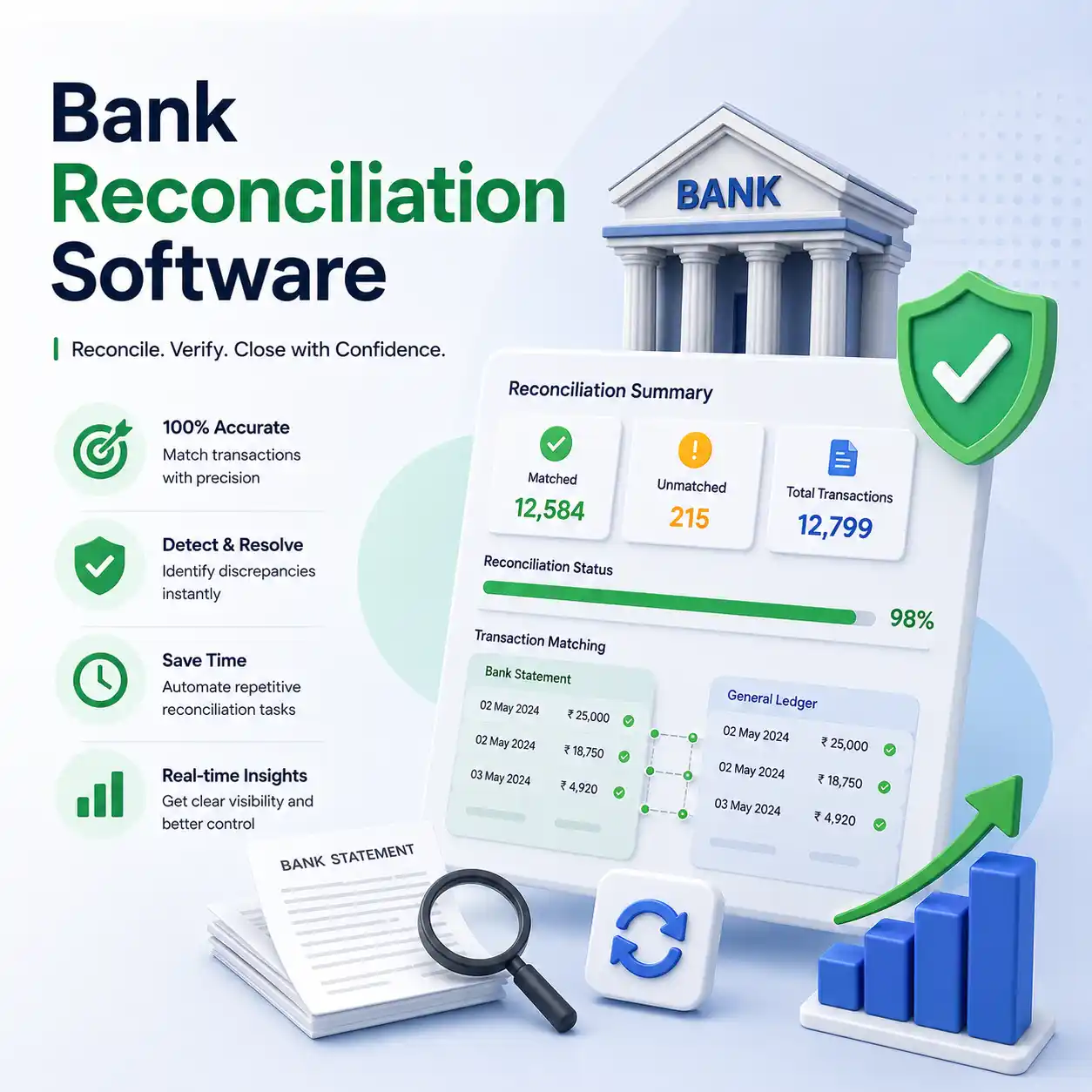
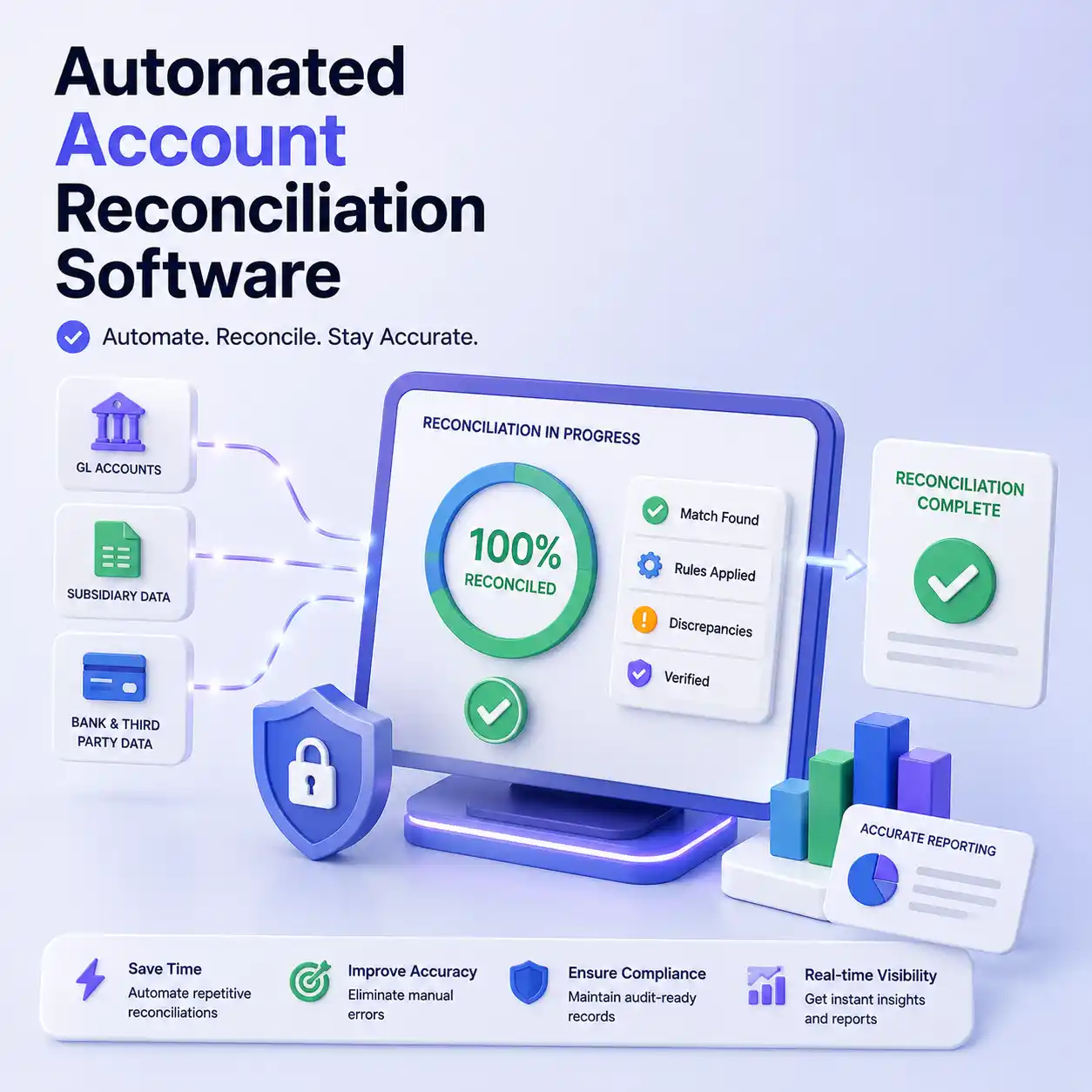
As transaction volumes climb across different bank accounts and payment channels, keeping financial records accurate becomes a major administrative challenge. Manual matching is incredibly slow and highly vulnerable to human error. To handle this efficiently, expert outsourcing providers deploy advanced bank reconciliation software.
These digital tools automatically pull daily bank statements, match line items against internal accounting ledgers, and flag any discrepancies immediately. Automating this verification process gives business leaders absolute confidence that their stated cash balances perfectly match actual bank records, while cutting down on hours of manual work.
Advanced Financial Controls for Modern Digital Enterprises
For digital companies, multi-channel retailers, and software-as-a-service platforms, financial operations involve much more than managing basic bank statements. These modern business models require specialized solutions designed to handle high-velocity digital transactions.
High-Volume Digital Payment Matching
When a business processes thousands of sales transactions across multiple digital checkout points every single day, keeping data organized can get complicated very quickly. Minor issues like chargebacks, processing fees, and currency conversions frequently create confusing gaps between sales records and actual bank deposits.
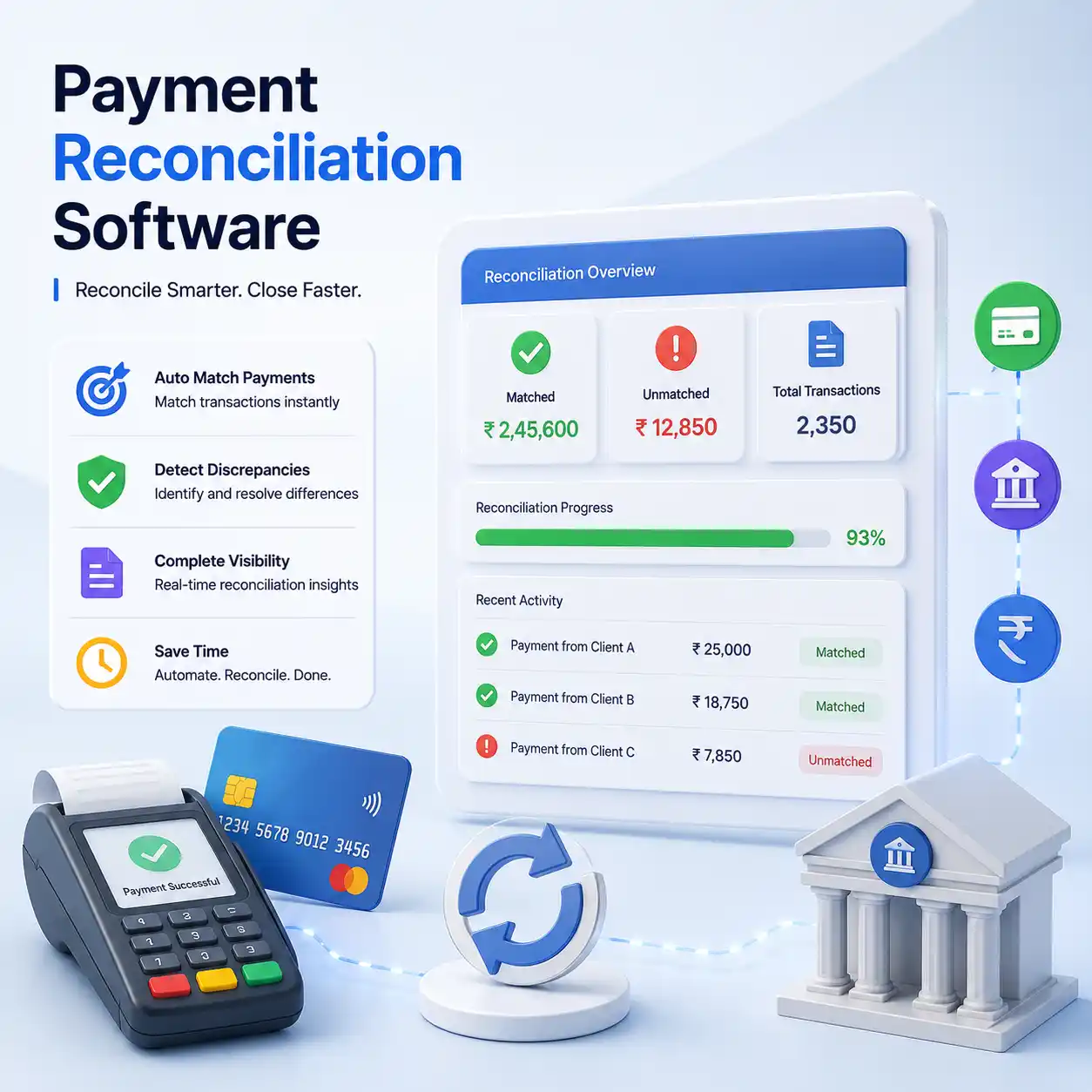
To solve this, outsourced finance providers implement automated payment reconciliation protocols. These specialized systems track every single payment lifecycle from the initial point of sale all the way to final bank settlement. This continuous oversight helps companies find missing funds, discover payment processing errors, and ensure that gross revenue figures match actual cash receipts.
Multi-Gateway Settlement Verification
To satisfy a diverse customer base, modern digital platforms usually accept payments through multiple networks, including Stripe, PayPal, and Adyen. Each provider operates on its own settlement schedule, uses its own data format, and subtracts transaction fees automatically.
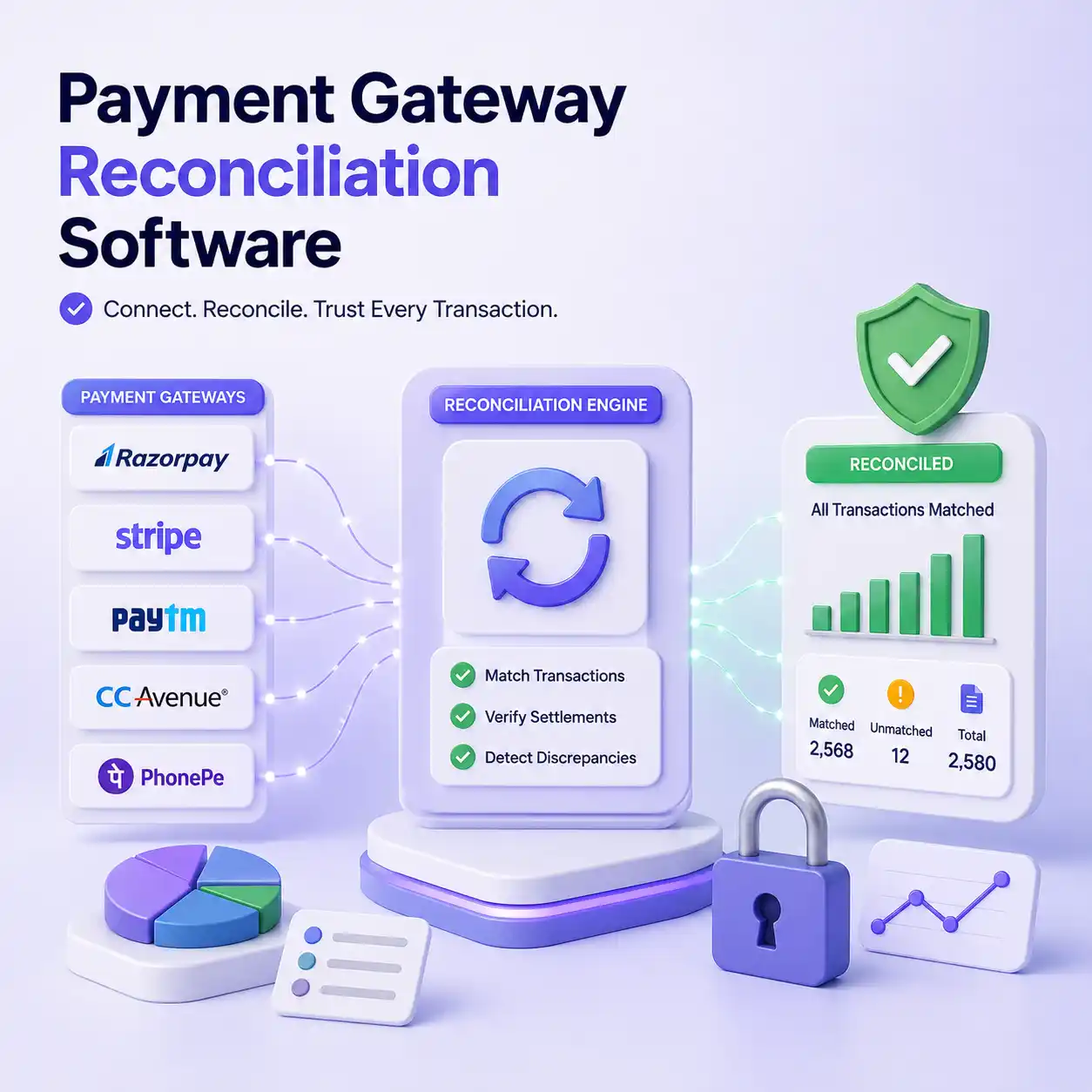
Managed financial service teams use specialized payment gateway reconciliation software to pull this data into a single view. These platforms automatically check gateway data against internal order management systems and general ledgers. This deep level of automation ensures that processing fees are tracked correctly, processing errors are found early, and multi-currency balances match perfectly.
Selecting the Right Outsourced Finance Partner
The overall success of an outsourcing initiative depends heavily on choosing a provider that matches your company's long-term operational goals.
First, look closely at a potential partner's tech stack. Avoid providers that rely heavily on manual spreadsheets or outdated systems. The best modern outsourcing firms use cloud-native platforms, provide open APIs, and integrate advanced automation tools directly into their service delivery. This technology focus ensures faster data processing, removes human error, and gives your team real-time visibility into key performance indicators.
Second, prioritize strict data security and regulatory compliance. Financial data is highly sensitive, making robust data protection non-negotiable. Ensure that any provider you consider maintains verified security standards, such as SOC 1 and SOC 2 Type II certifications. They should also use zero-trust access models and end-to-end data encryption.
Finally, choose a partner that offers strategic advisory support alongside standard transactional processing. While accurate bookkeeping is important, the real value of outsourcing comes from turning raw financial data into clear, actionable business intelligence. Your partner should provide helpful forward-looking cash flow projections, spot margin trends, and offer clear guidance to help you navigate major business milestones confidently.
Frequently Asked Questions
How does outsourcing finance functions differ from hiring a local bookkeeper?
A local bookkeeper usually handles basic, past-focused tasks like data entry and basic expense tracking. In contrast, an outsourced finance provider gives you access to an entire team of specialists, including automated system experts, tax professionals, and fractional controllers. This approach combines advanced automation technology with deep financial expertise, providing both daily operational support and long-term strategic guidance.
Will our leadership team lose control over our daily financial data?
Not at all. Partnering with a modern outsourced finance provider actually improves your overall visibility and data control. Trusted partners use secure, cloud-based financial platforms where your data is stored safely. Your team retains full ownership and master access to these accounts, while the external provider simply log in using role-based permissions to process transactions, manage data matching, and generate real-time reports.
At what growth stage should a business consider outsourcing its finance department?
Many companies start outsourcing when their internal management team spends more than ten hours a week stuck handling administrative financial tasks. Other common signs include experiencing delayed month-end closes, noticing recurring data entry errors, or facing complex transaction matching challenges across multiple payment gateways.
Is outsourcing financial operations safe for businesses handling sensitive customer data?
Yes, provided you partner with a top-tier firm that prioritizes modern data security. Reputable financial outsourcing providers invest heavily in corporate security measures that are often too expensive for a growing business to maintain in-house. Always verify that your partner utilizes end-to-end data encryption, enforces multi-factor authentication, and undergoes regular SOC 2 audits to confirm their systems are fully protected.
How do outsourced financial teams handle custom billing models?
Experienced financial outsourcing providers customize their software workflows to match your specific business model. Whether your company uses subscription billing, high-volume e-commerce transactions, or multi-currency global contracts, they deploy specialized matching tools to automate data validation, organize revenue tracking, and keep your primary ledgers perfectly accurate.
See How Kosh AI Can Transform Financial Close
Contact us now