Quality Assurance in Finance
The global financial landscape is moving at an unprecedented pace. Organizations handle millions of transactions every second across multiple digital channels. In this highly connected and fast-paced environment, even a minor operational error or data mismatch can snowball into a massive financial loss, regulatory fine, or reputational disaster. According to a 2026 PricewaterhouseCoopers Digital Trends in Operations Survey, 87% of operations leaders stated that poor data quality has directly impacted their organization's ability to achieve value from digital initiatives.
This statistic highlights a glaring truth in the modern corporate landscape: speed without accuracy is a liability. To maintain absolute control over data integrity, modern financial institutions rely on a comprehensive framework known as Quality Assurance (QA). Financial quality assurance is no longer just an administrative box to check. It is the core operational system that drives corporate governance, regulatory compliance, and proactive risk control.
Understanding Quality Assurance in Finance
Quality assurance in finance is a structured, systematic process designed to ensure that all financial operations, transactions, data processing, and reporting methods adhere to predefined standards, internal policies, and external laws. Unlike quality control, which looks backward to detect errors after they happen, quality assurance is entirely proactive. It focuses on designing workflows, setting up system guards, and building internal controls that prevent mistakes from occurring in the first place.
In practice, financial QA acts as the connective tissue between day-to-day operations and high-level corporate governance. It ensures that data moving through various enterprise resource planning software, accounting platforms, and payment gateways remains perfectly accurate, transparent, and completely verifiable. When a business implements a robust QA framework, every stakeholder can trust that the financial reports accurately reflect the actual economic health of the company.
The Core Pillars of Financial Quality Assurance
To build an error-free financial ecosystem, organizations must establish a framework built on three foundational pillars. These pillars work together to provide continuous operational visibility and absolute data accuracy.
Accuracy and Data Precision
At its core, financial quality assurance is a battle against data fragmentation and human error. Financial data flows into enterprises from countless distinct sources including retail banks, payment processors, corporate credit lines, and internal point-of-sale systems. Without explicit QA checkpoints, discrepancies like duplicate entries, timing mismatches, and clerical mistakes are inevitable.
QA frameworks enforce absolute data precision by mandating standardized data formats, automated validation rules, and rigorous system checks. When data enters the system cleanly, companies can completely trust their financial reporting, cash flow forecasts, and strategic planning models.
Compliance Adherence
The regulatory landscape governing corporate finance has never been more demanding. Global regulatory bodies continuously update mandates related to anti-money laundering controls, consumer data protection laws, and corporate accounting standards. Failing to comply with these rules can result in severe financial penalties and the loss of operating licenses.
Quality assurance builds compliance directly into the daily operational workflow. This strategy is frequently referred to as compliance-by-design. Instead of waiting for an annual external audit to find compliance gaps, QA processes perform continuous internal checks. This ongoing validation guarantees that all transactional records, customer identification logs, and tax filings remain fully aligned with regional and global legal expectations.
Proactive Risk Mitigation
Risk management is often reactive, stepping in to assess damage after a market swing or operational breakdown. Quality assurance turns this relationship on its head by identifying operational vulnerabilities before they transform into costly problems.
By analyzing transactional workflows, mapping out data journeys, and running stress tests on financial systems, QA teams can pinpoint exactly where errors are most likely to happen. For example, a QA assessment might reveal that a manual data-entry step between an e-commerce platform and a ledger is highly prone to human error, allowing the company to fortify that specific step before an actual financial discrepancy occurs.
The Strategic Role of Reconciliation Automation in QA
For decades, the most labor-intensive part of financial quality assurance was manual data verification. Accountants and financial analysts spent thousands of hours printing out spreadsheets, comparing line items across separate documents, and looking for tiny discrepancies. This old-school approach is slow, expensive, and incredibly prone to human oversight.
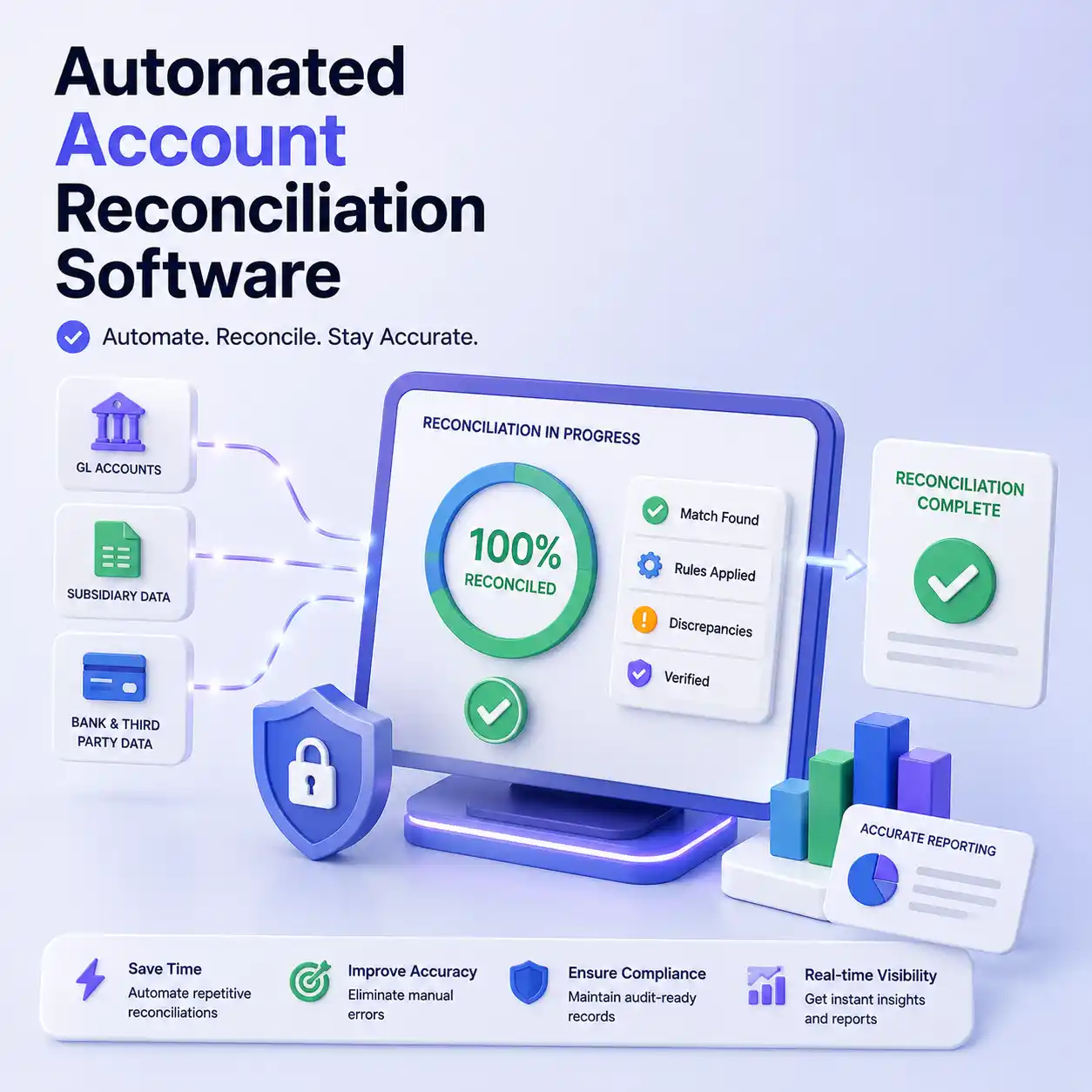
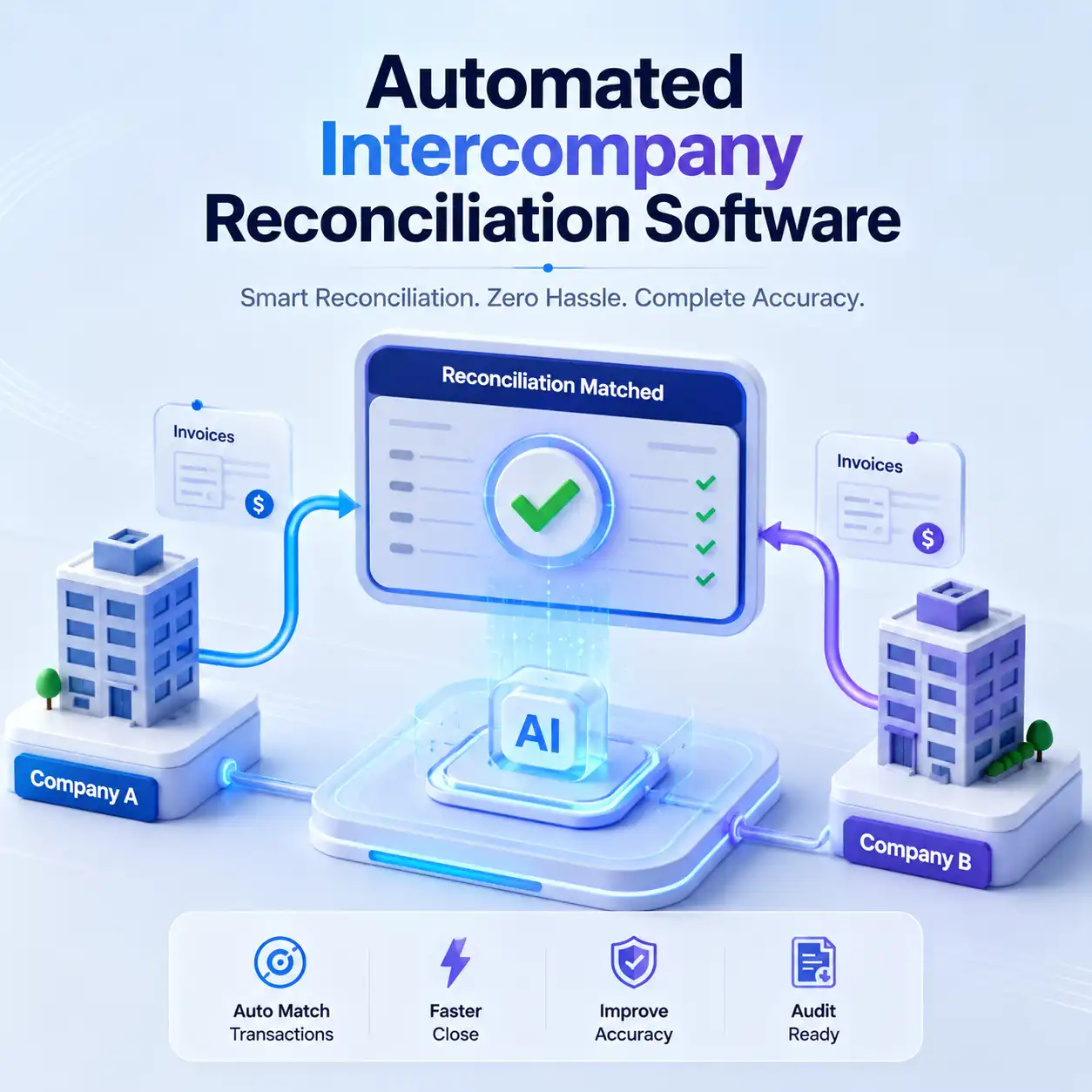
Modern financial QA relies heavily on reconciliation automation to replace these slow, manual steps. Automated systems use advanced algorithms to pull transactional data from disparate internal and external systems simultaneously, matching records based on custom rules instantly. By removing manual data manipulation from the equation, automated reconciliation platforms eliminate human typing errors, catch systemic data issues immediately, and provide an unalterable audit trail that satisfies internal and external auditors alike.
Key Operational Dimensions of Financial Reconciliation
To fully understand how quality assurance protects a corporate financial ecosystem, we must look at the specific operational areas where automated validation processes are deployed.
Bank Reconciliation Frameworks
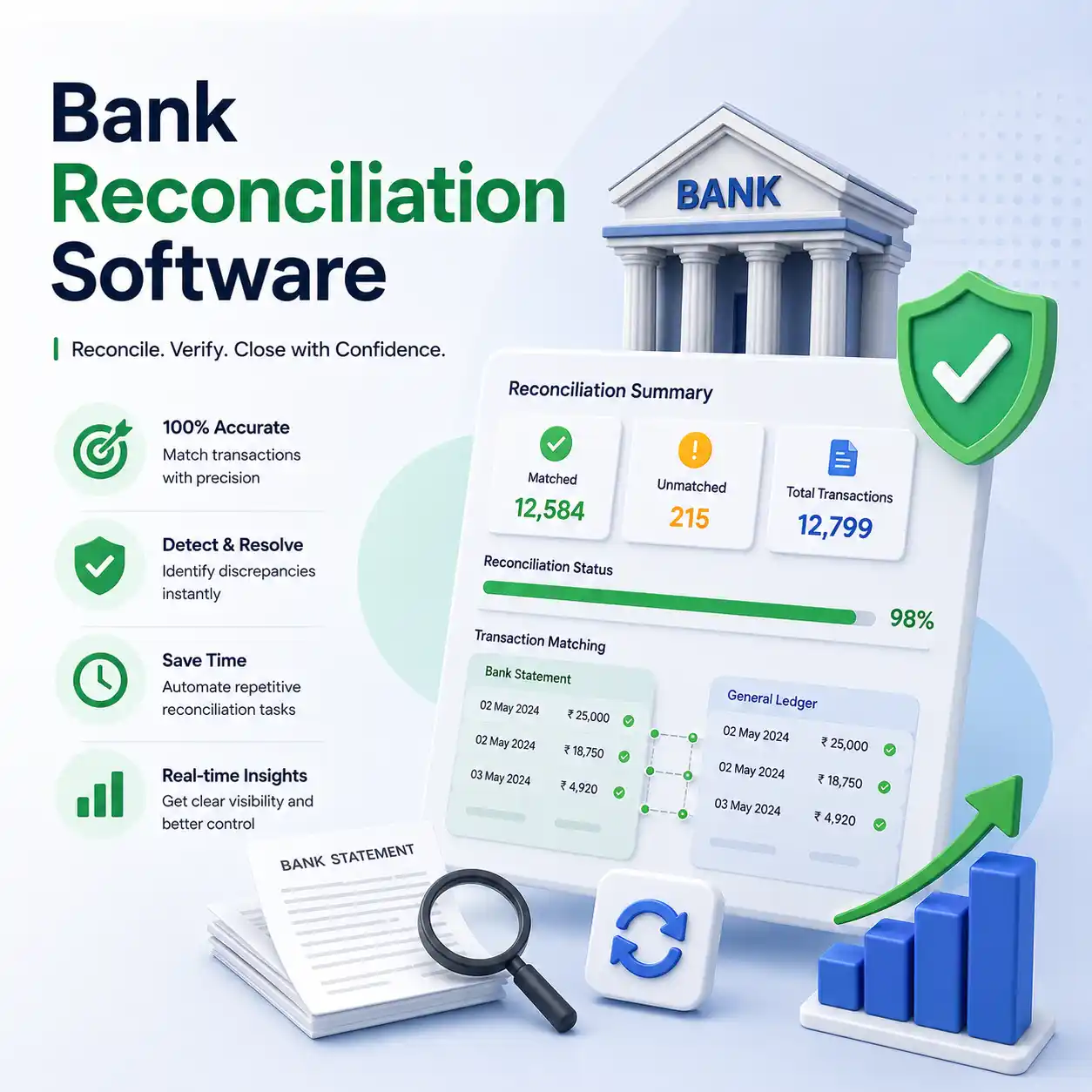
Every business must ensure that its internal general ledger matches the records maintained by its banking partners. This fundamental task requires a robust approach to bank reconciliation where internal cash books are continuously compared against external bank statements.
In large enterprises with multiple bank accounts across different countries and currencies, manual matching is virtually impossible. Automated quality assurance systems solve this by logging into banking portals, fetching daily bank statements, and auto-matching transactions like deposits, check clearings, and bank fees. When an unmapped bank fee or an unexpected deposit appears, the system flags the variance instantly, allowing the finance team to resolve the issue before closing out the financial month.
Payment Reconciliation Systems
As corporate commerce shifts toward diverse digital payment methods, companies must process payments originating from credit cards, digital wallets, buy-now-pay-later platforms, and regional payment gateways. Each processor charges unique transactional fees, operates on distinct settlement timelines, and formats data differently.
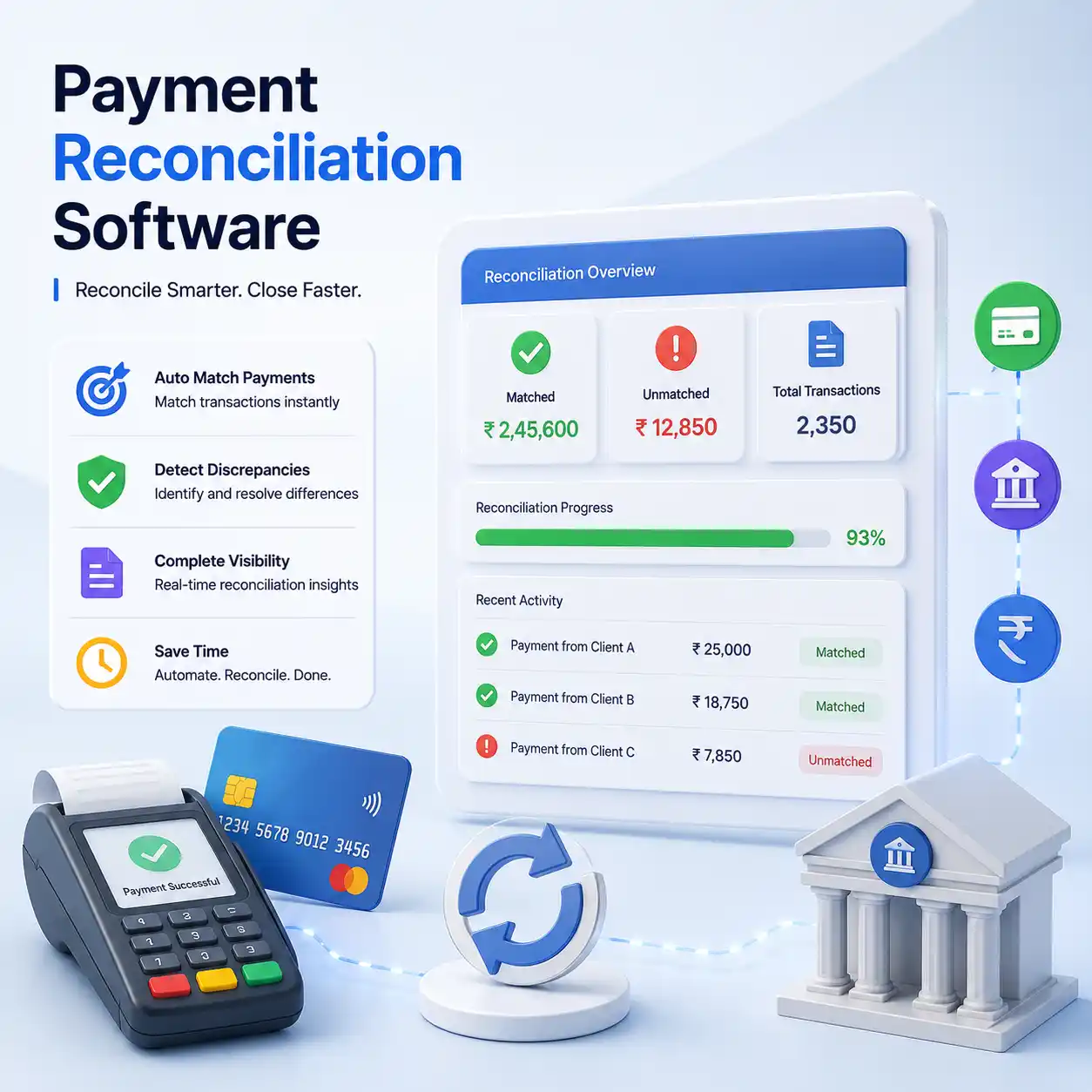
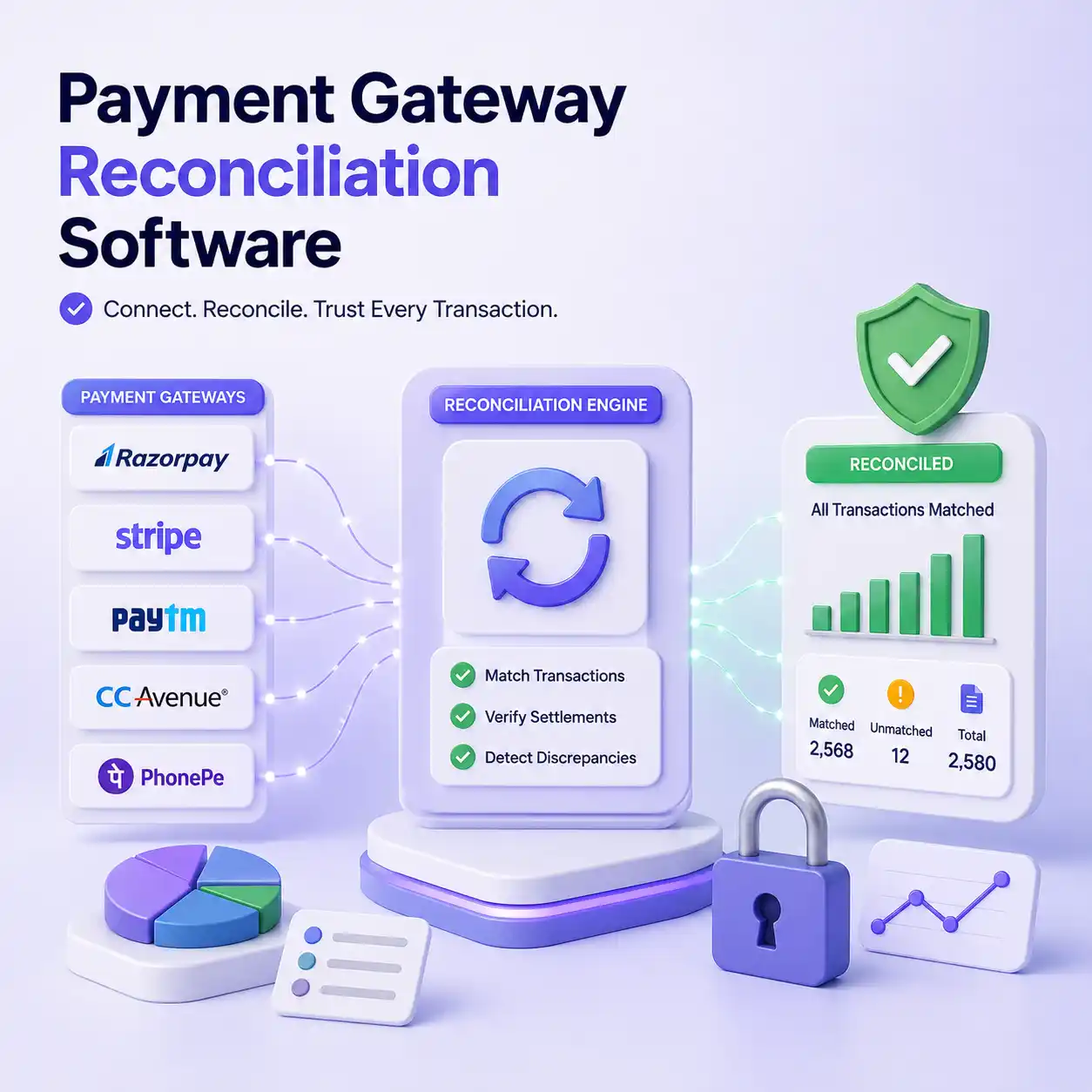
Deploying specialized tools for payment reconciliation is an essential component of payment QA. These automated systems sit between the sales ledger and the merchant accounts, verifying that every single customer checkout matches the actual net settlement amount arriving in the corporate treasury. This helps companies identify hidden payment gateway processing fees, catch unauthorized customer chargebacks, and stop digital payment fraud in real time.
Cash Reconciliation Controls
For retail businesses, hospitality groups, and logistics enterprises, physical cash and instant cash equivalents remain highly relevant. Managing cash introduces unique operational risks including internal theft, register counting mistakes, and physical transport discrepancies.
A rigorous process for cash reconciliation ensures that the physical cash collected at point-of-sale terminals perfectly reflects the sales records logged in the enterprise central system. QA protocols require regular register audits, automated cash drawer matching, and secure verification of cash-in-transit deposits. This tight control framework minimizes cash leakage and ensures that physical currency movements are tracked with the exact same precision as digital bank transfers.
Methodologies for Implementing Financial Quality Assurance
Building an effective financial QA function requires a balanced mix of professional training, structural governance, and modern technology. Companies looking to modernize their QA operations typically follow a clear sequence of steps.
- Audit and Continuous Compliance Checks: Establish routine internal audits that review transactional data against company policies. These checks ensure that employee expenses, vendor invoices, and asset valuations are accurately categorized.
- Systematic Software Testing: Financial systems must undergo regular software testing. This includes validating that internal enterprise resource planning platforms calculate taxes accurately, convert foreign currencies using correct exchange rates, and handle system integration transfers without dropping data lines.
- Real-Time Compliance Surveillance: Move away from monthly reviews and transition toward continuous live monitoring. Real-time dashboards can instantly alert risk managers when a transaction breaks an internal spending limit or shows signs of compliance non-adherence.
Best Practices for Enhancing Corporate Financial Control
Maximizing the value of a financial quality assurance program requires going beyond basic software installation. Organizations must build a pervasive culture of financial accuracy and precision.
First, dismantle the traditional operational silos that separate the information technology department, the compliance office, and the core accounting team. Quality assurance works best when these departments share open communication channels, allowing technical engineers to quickly build software guardrails that reflect the latest legal regulations.
Second, prioritize thorough training for all accounting and operations personnel. Employees must understand not just how to use digital platforms, but why strict adherence to data entry standards and validation workflows matters. When a team understands the strategic importance of compliance and data precision, operational quality improves naturally across the entire enterprise.
Frequently Asked Questions
What is the primary difference between quality assurance and quality control in finance?
Quality assurance focuses entirely on the design of financial systems and operational workflows to prevent errors from occurring in the first place. Quality control is a reactive process that inspects financial outputs and completed reports afterward to find and fix errors before final publication.
How does automated data matching improve corporate risk control?
Automated matching processes pull financial data directly from primary sources, completely removing manual human file updates and typing steps. This eliminates human oversight, detects transaction variances immediately, and generates a crystal-clear, timestamped digital ledger that speeds up regulatory audits.
Why is compliance considered a vital part of financial quality assurance?
Financial institutions operate under strict regional and international legal regulations. Quality assurance embeds regulatory rules directly into daily software processes, ensuring that compliance checks occur continuously, protecting the business from massive legal fines and operational shutdown risks.
Can small businesses benefit from financial quality assurance platforms?
Yes. Affordable cloud-based financial software and automated validation systems allow growing companies to deploy high-level operational controls without needing a massive internal team of data analysts. This levels the playing field, helping smaller firms scale up while avoiding expensive compliance mistakes.
How often should financial data reconciliation take place?
While many businesses traditionally performed data reconciliation at the end of the month, modern financial best practices recommend shifting toward a daily or real-time schedule. Continuous daily matching ensures that errors are caught and resolved before they impact downstream cash flow forecasting or monthly closing cycles.
See How Kosh AI Can Transform Financial Close
Contact us now