Can a Treasury Management Solution Integrate With Banks and Payment Platforms?
Kosh.ai
January 13, 2026
Treasury management solutions make handling cash, payments, and risks much easier for businesses. Yes, these systems connect smoothly with banks and payment platforms through modern tech like APIs.
.webp)
What is a Treasury Management Solution?
A treasury management solution, often called treasury management software or a treasury management system, helps companies track cash flows, manage liquidity, and handle payments. These tools bring all financial data into one place, cutting down on manual work.
Businesses use treasury management systems to see real-time balances across accounts and forecast future cash needs. The global treasury management software market reached USD 0.32 billion in 2026 and is set to grow to USD 0.54 billion by 2035 at a 6.1% CAGR. Around 63% of organizations adopt these systems to handle complex financial operations and gain better cash visibility.
Integrated treasury management systems stand out by linking with other tools, making daily tasks faster and more accurate.
Why Integration Matters for Treasury Management Systems
Integration turns separate tools into a single smooth system. Without it, teams waste time switching between bank portals, spreadsheets, and accounting software.
Connected treasury management solutions provide real-time data flow, reducing errors and speeding up decisions. For example, companies using top treasury management software cut costs by 20% and improve forecasting by 15%. This setup boosts efficiency, as automated processes save hours on reconciliation and reporting.
Poor integration leads to data silos, where information from banks or payment platforms does not match internal records. Strong links create a unified view of finances, vital for growing businesses.
How Treasury Management Solutions Connect to Banks
Treasury management software links to banks mainly through APIs, secure file transfers, and middleware. APIs allow instant data exchange, pulling balances, transactions, and statements directly into the system.
Banks send real-time updates on cash positions, while the treasury management system pushes payment instructions back. This supports formats like BAI2 and MT940 for wide compatibility. Multi-bank connectivity gathers data from various accounts into one dashboard, simplifying oversight.
For legacy systems, middleware bridges old setups with modern treasury management systems. Pre-built connectors speed up setup, often without custom coding.
Linking Treasury Management Systems to Payment Platforms
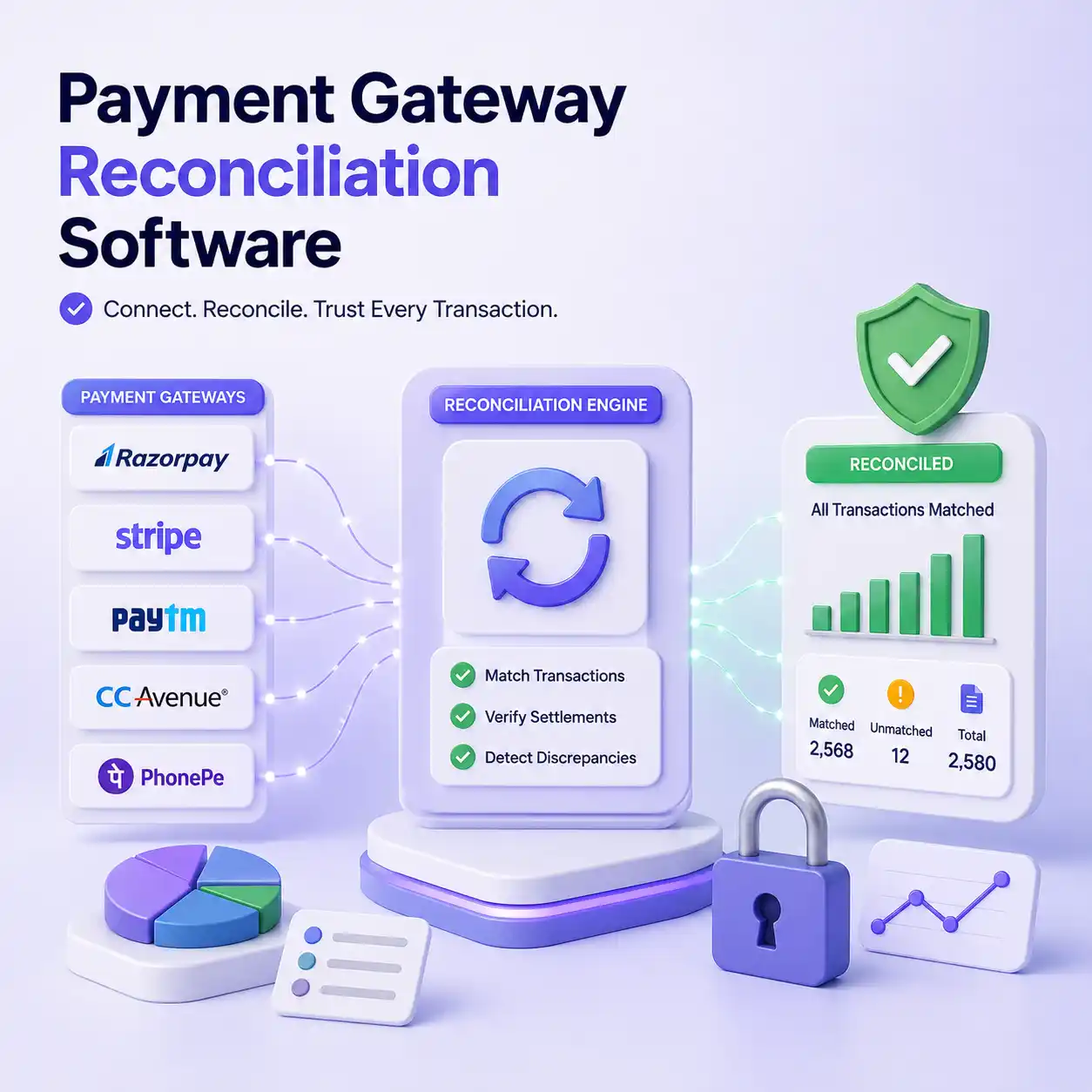
Payment platforms like SWIFT, SEPA, or modern gateways integrate easily with treasury management solutions. These connections handle multi-currency payments, automatic reconciliation, and fraud checks.
An integrated treasury management system approves payments centrally then routes them to platforms for execution. AI spots issues, catching 90% of errors before they happen. This setup ensures secure, fast transfers across channels.
Real-time confirmations flow back, updating cash forecasts instantly. Businesses gain control over global payments without manual steps.
Key Benefits of an Integrated Treasury Management System
Seamless bank and payment links bring clear gains. First, real-time visibility shows exact cash positions across all accounts, aiding quick liquidity choices.
Automation cuts manual errors and saves time on tasks like reconciliation. Risk management improves with early alerts on exposures or compliance issues.
Teams collaborate better as data syncs with ERP and accounting tools. Overall, these systems shorten financial closing cycles and enhance forecasting accuracy.
Real-World Examples of Best Treasury Management Systems
Top players like Kyriba offer strong bank connectivity, real-time cash views, and payment automation for large firms. HighRadius provides AI forecasting with ERP and bank links.
Kyriba handles global payments and fraud prevention seamlessly. Solutions like Embat show 90% fewer errors after API integrations with banks and ERPs.
These best treasury management systems prove integration drives efficiency in daily operations.
Challenges and Solutions in Treasury Integration
Integration faces hurdles like data security and varying bank formats. APIs need strong controls to protect sensitive info.
Legacy systems slow things down, but middleware and pre-configured connectors fix this. Start with clear goals, test thoroughly, and choose flexible treasury management software.
Compliance adds complexity, yet built-in tools automate reporting for standards like IFRS. Partnering with providers offering multi-bank support eases the process.
Also Read: Comparing the Best Treasury Management Systems in 2026
Steps to Implement Bank and Payment Integration
Begin by assessing current systems and needs. Pick a treasury management solution with open APIs and proven connectors.
Map data flows, then set up secure links. Test with pilot banks before full rollout. Train teams and monitor for issues.
Ongoing updates keep integrations current with bank changes. This phased approach minimizes disruptions.
Future of Treasury Management Software Integration
Cloud-based treasury management systems will dominate, with AI enhancing predictions and automation. Open banking APIs will expand connectivity to more platforms.
Expect deeper ERP ties and real-time global payments. As the market grows at 12.4% CAGR toward $13.69 billion by 2032, integration becomes standard.
Businesses adopting these now gain a competitive edge in cash management.
Also Read: Why Businesses Are Upgrading to Integrated Treasury Management System
Frequently Asked Questions (FAQs)
What is a treasury management system?
A treasury management system is software that helps manage cash, risks, and payments in one place.
Can all treasury management solutions integrate with banks?
Most modern ones do via APIs, but check for your bank's compatibility.
How do payment platforms connect to treasury software?
Through APIs for approvals, execution, and real-time confirmations.
What are the best treasury management systems for integration?
Kyriba, HighRadius, and SAP excel in bank and ERP links.
Does integration reduce costs in treasury operations?
Yes, users see up to 20% savings from automation.
Is security a concern for integrated treasury systems?
Strong protocols protect data, with AI fraud detection.
Ready to get started?
Contact us now
Contact us now
* By clicking on Contact Us you are agreeing to our Terms & Conditions and Privacy policy.