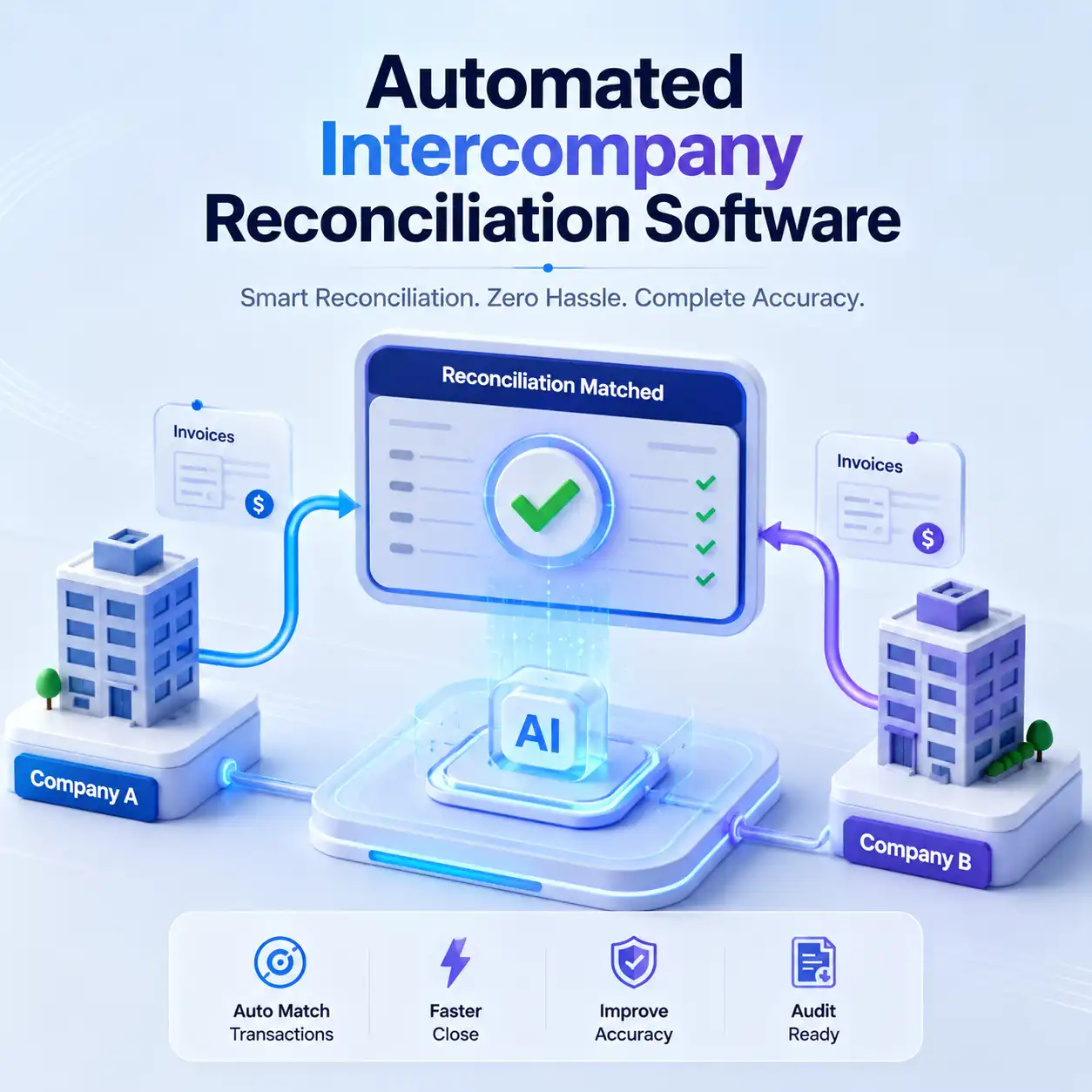
Why Is Reconciliation Automation Becoming a Standard in Finance Teams?
Kosh.ai
February 18, 2026
In the modern world of business, the finance team is the backbone of any organization. They are responsible for ensuring that every penny is accounted for, that records are accurate, and that the company remains compliant with financial regulations. However, for decades, one of the most tedious and error-prone tasks in this department has been reconciliation.
Reconciliation—the process of matching two sets of records to ensure they are in agreement—used to be a manual, time-consuming affair. But times are changing. Across the globe, finance teams are shifting away from spreadsheets and paper statements. They are adopting digital solutions to handle these tasks.
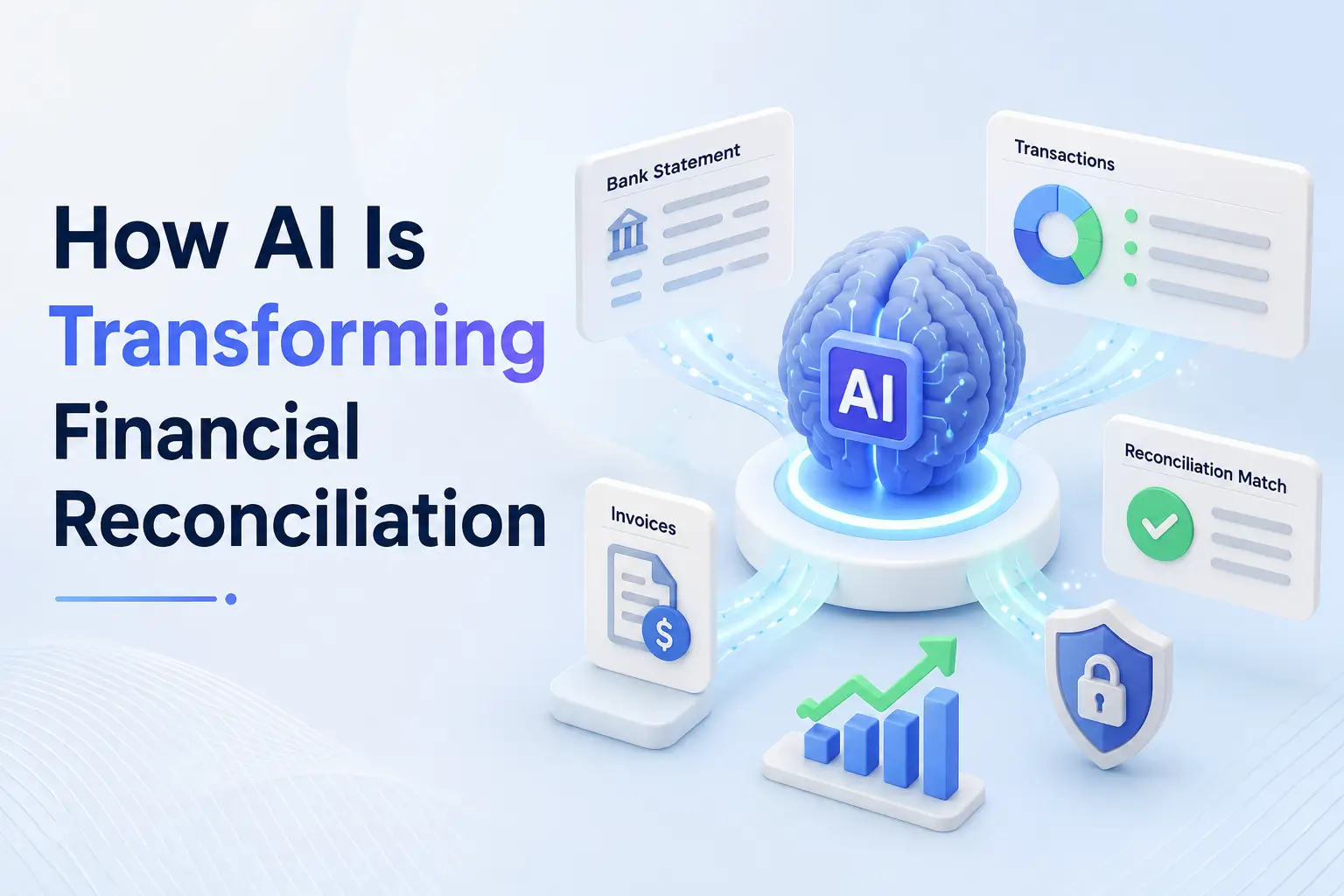
This shift isn't just a trend; it is becoming the new standard. But why? What is driving this massive change in the finance world? In this article, we will explore the deep reasons behind the rise of reconciliation automation. We will look at the data, the pressures from regulators, the expectations of modern customers, and how tools like automated bank reconciliation software are transforming the finance department from a cost center into a strategic powerhouse.
We will break this down into simple, easy-to-understand sections, ensuring that whether you are a CFO, a small business owner, or a student of finance, you understand exactly why the ledger is going digital.
The Ancient History of Manual Reconciliation
To understand why automation is taking over, we first have to look at the "old way" of doing things. For decades, the cornerstone of financial accuracy was the manual triple-check.
The Era of Spreadsheets and Paper Cuts
Before the cloud and before advanced accounting reconciliation software, finance teams relied on massive printouts of bank statements and spreadsheets like Microsoft Excel. An accountant would sit with a highlighter in one hand and a calculator in the other, manually ticking off transactions from the bank statement against transactions in the company's internal ledger (General Ledger).
This process was not only slow, but it was also physically draining. Imagine a company processing hundreds or thousands of transactions a day. Matching each one manually meant working late nights during the month-end close. It left little time for actual analysis.
The High Risk of Human Error
Humans are not machines. When an accountant manually reconciles thousands of rows of data, mistakes are inevitable. A transposed number (writing "543" instead of "534") or a missed entry could throw the entire balance sheet out of sync.
These errors lead to a cascading effect. If the books don't balance, the finance team has to spend even more time hunting for the discrepancy—often called "the difference." This investigative work is stressful and unproductive. It pulls talented finance professionals away from strategic tasks like budgeting and forecasting. According to a report by Levvel Research, over 50% of finance professionals still rely on manual data entry for reconciliation, and nearly 40% cite manual errors as a significant challenge in their month-end close process.
The Month-End Close Crunch
In companies relying on manual processes, the "month-end close" is a dreaded period. It usually involves a rush to get all the data together, reconcile accounts, and produce reports. This frantic pace often leads to burnout and high turnover rates in finance departments.
It was clear to industry leaders that this model was unsustainable. The demand for real-time data and instant financial insights made the old method obsolete. This pain point is the primary driver behind the search for a reconciliation solution.
Defining Reconciliation Automation
Before we dive deeper into the "why," let's clarify what we mean by automation.
What Is Automated Reconciliation?
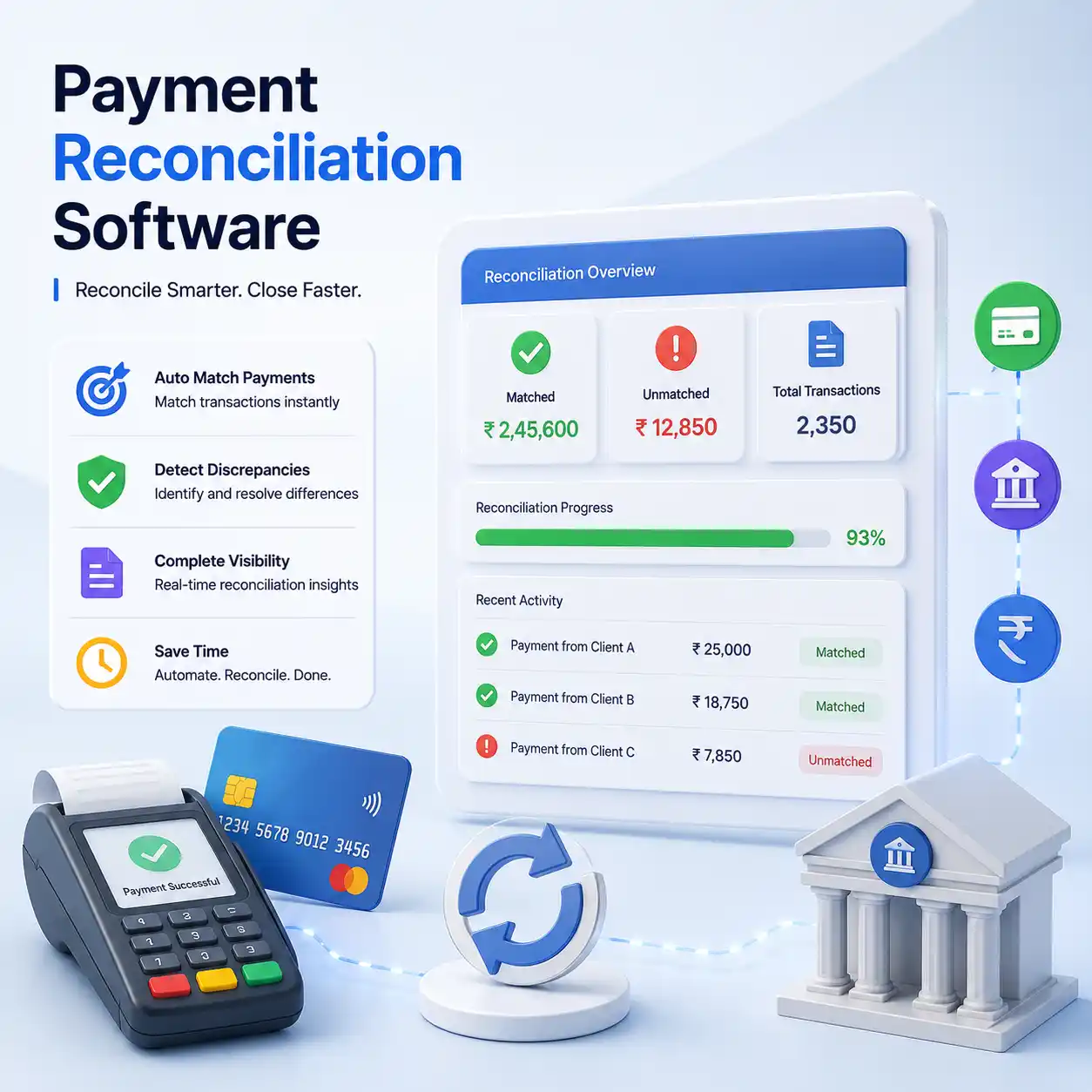
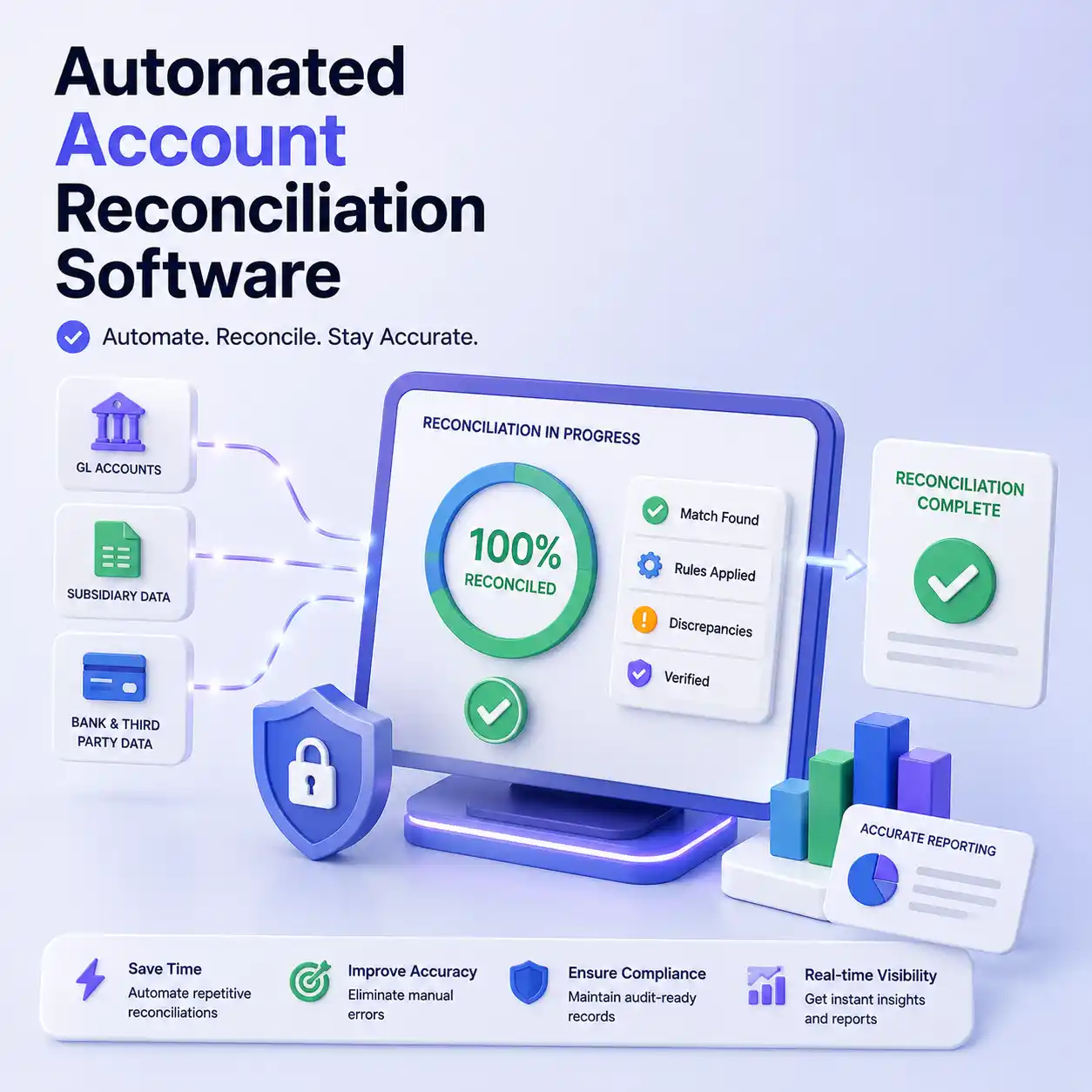
Reconciliation automation refers to the use of technology—specifically software—to automatically match financial records from different sources. Instead of an accountant manually comparing a bank statement to a ledger, the automated reconciliation system imports data from both sources digitally. It then uses pre-set rules and algorithms to match the transactions instantly.
For example, if a sale of $100 appears in the internal sales system on June 1st, and a deposit of $100 appears in the bank feed on June 2nd, the software recognizes that these two records are a match. It flags them as "cleared" or "reconciled."
The Core Components of Modern Systems
Modern reconciliation automation tools are far more sophisticated than simple matching tools. They usually include:
- Data Integration: The ability to pull data directly from bank APIs (Application Programming Interfaces), credit card processors, and ERP systems (like SAP or Oracle).
- Rule-Based Matching: Allowing the finance team to set rules (e.g., match based on amount and date, allowing for a 1-day variance in date).
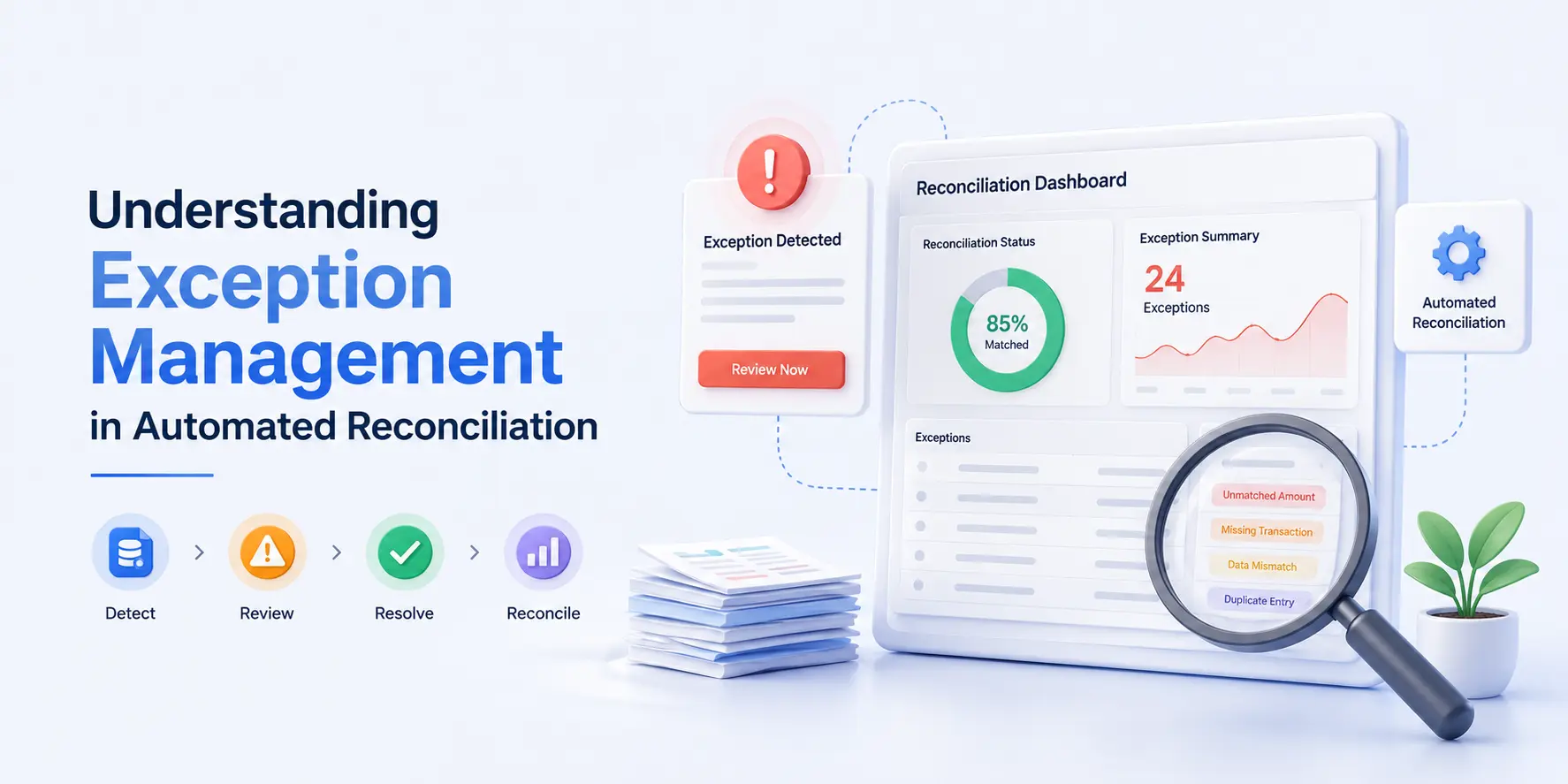
- Exception Handling: Automatically flagging transactions that do not match, so the finance team only has to look at the problems.
- Audit Trails: Keeping a digital record of who reconciled what and when, which is crucial for compliance.
This technology forms the backbone of the modern finance stack, making automated account reconciliation a reality for companies of all sizes. Many organizations are now turning to specialized reconciliation software for banks and other financial institutions to handle the high volume of transactions specific to the banking sector.
Reason 1: The Demand for Speed and Real-Time Data
The business world moves fast. In the time it takes a manual accountant to reconcile last month's books, a company could miss a critical financial threat or opportunity.
Moving from Monthly to Daily Reconciliation
In the past, companies reconciled accounts once a month. That was the standard. But today, finance leaders want to know their cash position today. They want to know if a check bounced immediately, not two weeks later.
Automated bank reconciliation allows for daily, or even real-time, reconciliation. As soon as a transaction hits the bank, the software matches it to the internal record. This gives CFOs a live, accurate view of the company's cash flow. This speed is no longer a luxury; it is a necessity for cash flow management. A study by PwC found that companies with real-time data access are twice as likely to make faster decisions than their competitors.
Faster Month-End Close
According to industry benchmarks, companies using manual processes often take 5 to 10 days to close the books at month-end. Companies using automated reconciliation software can close in 1 to 3 days.
This speed is transformative. A faster close means financial reports are delivered to stakeholders while the data is still relevant. It allows the leadership team to make agile decisions based on recent performance, rather than stale data. The adoption of bank reconciliation software has been directly linked to shorter close times and improved financial visibility.
Reason 2: The Crushing Weight of Regulatory Compliance
Finance teams do not just report to their internal bosses; they report to the government, auditors, and regulatory bodies. The rules are getting stricter, and the penalties for errors are severe.
Auditors Love Automation
Auditors are professionals who verify the accuracy of a company's financial statements. When they see a manual reconciliation process done on spreadsheets, their first instinct is skepticism. They have to spend hours, sometimes days, testing those spreadsheets to ensure no one manipulated the data.
However, when a company uses balance sheet reconciliation software, auditors can trust the system. These tools provide a clear, unalterable audit trail. They can see exactly when a transaction was matched and by which rule. This reduces the time auditors spend on site and lowers the overall cost of the audit for the company.
Reducing Fraud Risk
Fraud is a massive concern for businesses. According to the Association of Certified Fraud Examiners, financial statement fraud schemes have a median loss of hundreds of thousands of dollars. Manual reconciliation creates opportunities for fraud because it lacks oversight. A single person controlling the reconciliation process could potentially hide fraudulent transactions.
Reconciliation automation removes the human element from the matching process. It flags unusual transactions immediately. Furthermore, by requiring digital approvals and maintaining audit trails, it makes it much harder for bad actors to cover their tracks. This makes bank reconciliation automation a critical component of a company's internal control framework. Financial institutions, in particular, rely on robust reconciliation software for banks to meet strict regulatory requirements like SOX (Sarbanes-Oxley) and Basel frameworks.
Reason 3: The Shift in Finance Team Roles
Perhaps the most significant cultural shift is the evolution of the finance team's role. They are no longer just "bookkeepers" or "number crunchers." They are strategic advisors.
Eliminating "Swivel Chair" Work
"Swivel chair integration" is a term used to describe the process of an employee turning from one computer screen to another to manually copy data. This is what manual reconciliation feels like.
By implementing accounts reconciliation software, finance teams eliminate this mindless work. When the software handles the matching of thousands of transactions, the human brain is freed up.
Upskilling the Workforce
With automation handling the tedious tasks, finance professionals can focus on higher-value activities. Instead of spending 40 hours a week matching transactions, they can spend that time analyzing trends, forecasting future revenue, and advising department heads on budget cuts or investments.
This shift improves job satisfaction. Accountants did not go to school for years to become data entry clerks; they went to school to analyze business performance. Automation allows them to do just that. The rise of automated reconciliation systems is essentially returning the "analysis" to the role of the financial analyst.
Reason 4: Cost Efficiency and Resource Management
Every department in a company is under pressure to do more with less. The finance department is no exception.
The Hidden Costs of Manual Work
Manual reconciliation might seem "free" because you aren't paying for software, but it is actually incredibly expensive. You are paying highly skilled accountants to perform low-skill work. If an accountant earns $70,000 a year and spends 30% of their time on manual reconciliation, that is $21,000 of wasted salary spent on tasks a machine could do cheaper.
Automated reconciliation software has a subscription cost, but it is usually a fraction of the cost of a full-time employee's time. By automating reconciliation, companies can often handle increased transaction volumes without needing to hire additional staff.
Scalability Without Headaches
As a company grows, the number of transactions grows. A small startup might handle 500 transactions a month, but a mid-sized enterprise might handle 50,000. If you are doing things manually, scaling up means hiring more people. If you are using automation, scaling up just means the software works a little harder. This scalability is a major reason why high-growth companies invest in automated bank reconciliation early on.
Reason 5: Enhanced Accuracy and Data Integrity
We touched on human error earlier, but it is worth exploring why accuracy is so critical in the modern age.
The Cost of Getting It Wrong
Inaccurate books can lead to disastrous business decisions. Imagine a CFO looks at inaccurate cash flow reports due to unreconciled items and decides to greenlight a major acquisition, only to find out later that the cash wasn't really there. This happens more often than you think.
Automated reconciliation software ensures that the data in your reports is clean. It matches every transaction with precision, eliminating the rounding errors and typos that plague manual work.
Single Source of Truth
When reconciliation is automated, data is standardized. Whether the data comes from a bank in New York or a payment processor in London, the software normalizes it. This creates a "single source of truth" for the finance team. Everyone is looking at the same numbers, reconciled the same way, which reduces arguments and confusion within the team.
Reason 6: The Rise of APIs and Cloud Technology
The technological landscape has changed. Ten years ago, automation was hard because systems didn't talk to each other.
Seamless Integration
Today, most modern banks and financial service providers offer APIs. These are digital bridges that allow software to talk to each other securely. Automated reconciliation tools plug directly into these APIs.
This means data flows automatically. You don't have to download a CSV file from your bank and upload it to your accounting software. The connection is live and always on. This seamless integration is a key feature of the best automated reconciliation systems on the market.
Accessibility and Collaboration
Because these tools are cloud-based, finance teams can access reconciliation data from anywhere. This became particularly important during the shift to remote work. Teams can collaborate on the same set of books without emailing spreadsheets back and forth, which also reduces version control issues.
Real-World Data: The Statistics Driving the Change
Let's look at some numbers that prove this trend is more than just talk.
- Time Savings: According to research by Ardent Partners, best-in-class finance teams are 53% more likely to use automation for reconciliation than their peers. These teams close their books in 5.5 days on average, compared to 11.4 days for those who lag in automation.
- Error Reduction: Companies implementing reconciliation software often report a 70-90% reduction in reconciliation errors. The software simply doesn't transpose numbers.
- Adoption Rates: The global reconciliation software market is projected to grow significantly in the coming years. A report by MarketsandMarkets suggests the financial close software market (which includes reconciliation) will grow from $4.1 billion in 2020 to $6.7 billion by 2025, indicating that businesses are actively budgeting for these tools.
- Focus on Strategy: A survey by Deloitte found that 73% of finance leaders believe that automation will allow their teams to focus more on strategic analysis and less on transactional processing.
How to Choose the Right Reconciliation Software
If you are convinced that automation is the way to go, how do you choose the right tool? Not all software is created equal.
Identify Your Pain Points
First, look at your current process. Is the problem volume (too many transactions)? Is it complexity (multi-currency, different payment types)? Or is it speed (close taking too long)? Different tools excel in different areas. You need a reconciliation solution that fits your specific puzzle.
Look for Integration Capabilities
Your software needs to talk to your bank. It also needs to talk to your ERP or accounting software (like QuickBooks, Xero, NetSuite). Before purchasing, ensure the vendor offers pre-built connectors for the systems you already use. This is especially important for companies needing software for bank reconciliation that connects directly to their specific financial institutions.
Evaluate Exception Handling
How does the software handle transactions that don't match? Good software doesn't just tell you there's a problem; it helps you resolve it. Look for features that allow you to add comments, attach documentation, and route exceptions to the right person for approval. This workflow capability is what separates basic tools from advanced automated account reconciliation platforms.
Scalability and Support
Make sure the vendor can grow with you. If you plan to double in size next year, the software should handle that volume without crashing or charging exorbitant fees. Also, check their customer support. You want a partner, not just a software license.
Also Read: What Role Does Automated Reconciliation Software Play in Financial Controls?
Overcoming Resistance to Change
Implementing new technology is hard. People are comfortable with their spreadsheets.
Change Management
The key to successful implementation is involving the team early. Show them how automation will make their lives easier. Let them test the software. When they see that they can leave work on time during month-end close, they will become your biggest advocates.
Start Small
You don't have to automate everything at once. Start with one bank account or one type of transaction. Prove the value, then roll it out to the rest of the organization. Many companies start with bank reconciliation automation for their main checking account before moving to credit cards and loans.
Conclusion: The Standard Has Shifted
The evidence is overwhelming. Reconciliation automation is no longer a "nice-to-have" gadget for tech-savvy startups. It is a business necessity for any company that wants to remain competitive, compliant, and efficient.
The manual methods of the past are simply too slow, too error-prone, and too expensive to survive in the modern business environment. By embracing automated reconciliation, finance teams can stop being data janitors and start being strategic partners in the growth of the business.
From reducing fraud risk to speeding up the month-end close and improving employee morale, the benefits are clear. As technology continues to evolve and APIs become even more ubiquitous, the question will shift from "Why should we automate?" to "Why did we wait so long?"
The standard has shifted. The future of finance is automated, and the time to adopt a robust automated reconciliation system is now.
Also Read: How Can Automated Account Reconciliation Scale with Business Growth?
Frequently Asked Questions
1. What is the difference between manual reconciliation and automated reconciliation?
Manual reconciliation involves a person physically comparing two sets of records, like a bank statement and a ledger, using tools like spreadsheets. Automated reconciliation uses software to import data from both sources and match them automatically based on predefined rules, saving time and reducing errors.
2. Is reconciliation automation only for large corporations?
No, it is for businesses of all sizes. Small and medium-sized businesses benefit greatly from bank reconciliation software because it helps them maintain accurate books without needing a large finance team. It scales with the business and prevents costly mistakes.
3. How does automated reconciliation software handle foreign currency transactions?
Most modern reconciliation software for banks and businesses includes multi-currency support. It can automatically apply exchange rates based on the date of the transaction and match the converted amounts, flagging any discrepancies caused by exchange rate fluctuations.
4. Will automation replace my accounting job?
No, automation is designed to replace tedious tasks, not people. It removes the manual data entry and matching work, allowing accountants to focus on more strategic roles like financial analysis, forecasting, and business advisory. It makes the job more interesting, not obsolete.
5. How long does it take to implement reconciliation software?
Implementation time varies depending on the complexity of your systems. For a standard setup integrating with a bank and an accounting platform like QuickBooks, it can take a few days to a couple of weeks. For large enterprises with complex ERP systems, it may take a few months to fully deploy.
6. Can reconciliation software detect fraudulent transactions?
Yes, it can significantly help in fraud detection. Automated reconciliation systems can be set up to flag unusual transactions, such as duplicate payments, amounts outside a normal range, or payments to new vendors. Combined with strong audit trails, it acts as a powerful deterrent and detection tool.
Ready to get started?
Contact us now
Contact us now
* By clicking on Contact Us you are agreeing to our Terms & Conditions and Privacy policy.