How Will Treasury Management Systems Evolve in the Next Five Years?
Kosh.ai
March 24, 2026
.webp)
The role of the corporate treasurer has changed more in the last five years than in the previous fifty. Once seen as the guardians of cash and the masters of spreadsheets, treasurers are now expected to be strategic advisors, data scientists, and risk managers all rolled into one. This shift has placed treasury management systems (TMS) at the very heart of the financial supply chain.
As we look toward the horizon, the evolution of treasury management software is not just about automation; it is about intelligence, integration, and foresight. Over the next five years, businesses will move away from siloed, on-premise legacy solutions toward dynamic, cloud-native platforms that predict liquidity needs before they arise and protect organizations from risks that haven’t even been identified yet.
In this article, we will explore the specific technological, regulatory, and operational shifts that will define the next generation of the best treasury management systems. Whether you are a multinational corporation or a growing mid-market enterprise, understanding these changes is crucial to staying resilient in a volatile economic landscape.
The Current State of Treasury Management
To understand where we are going, we must first acknowledge where we stand. Currently, the treasury management system market is fragmented. Many organizations still rely on a patchwork of ERP modules, bank portals, and complex Excel workbooks. While the adoption of dedicated integrated treasury management systems has grown, a recent survey indicates that nearly 40% of finance departments still cite data fragmentation as their biggest operational challenge.
The last five years saw a massive push toward cloud migration. However, simply moving to the cloud was not enough. Many early adopters found that their "cloud" systems were merely digital replicas of old processes—digitized forms and automated reconciliation, but lacking true intelligence.
As we enter this new era, the demand is shifting. Businesses no longer ask, "Can the system process a payment?" They now ask, "Can the system tell me the optimal time to process that payment based on global interest rates and counterparty risk?" This change in user intent is driving the rapid evolution we are about to witness.
Key Drivers of Change in the Treasury Landscape
Several macroeconomic and technological forces are acting as catalysts for the evolution of treasury management solutions.
First, interest rate volatility has returned with a vengeance. After a decade of near-zero rates, the sudden spikes of the early 2020s taught treasurers that liquidity management can no longer be a passive activity. In the coming years, TMS platforms will need to handle dynamic cash forecasting that adjusts to rate changes in real-time.
Second, regulatory pressure is increasing. From the Basel IV framework to open banking mandates in Europe and Asia, compliance is becoming a complex web. Manual controls will soon be obsolete. The future TMS must embed regulatory rules directly into the transaction flow.
Third, the demand for real-time payments is reshaping infrastructure. With the proliferation of FedNow in the United States and similar instant payment schemes globally, treasurers need systems that can operate 24/7/365. Legacy batch processing is no longer acceptable.
Finally, cybersecurity is a board-level priority. As treasuries become more connected, they become bigger targets for fraud. The evolution of treasury management systems will be defined by how well they can secure the financial perimeter without slowing down business operations.
Evolution 1: Artificial Intelligence and Predictive Analytics
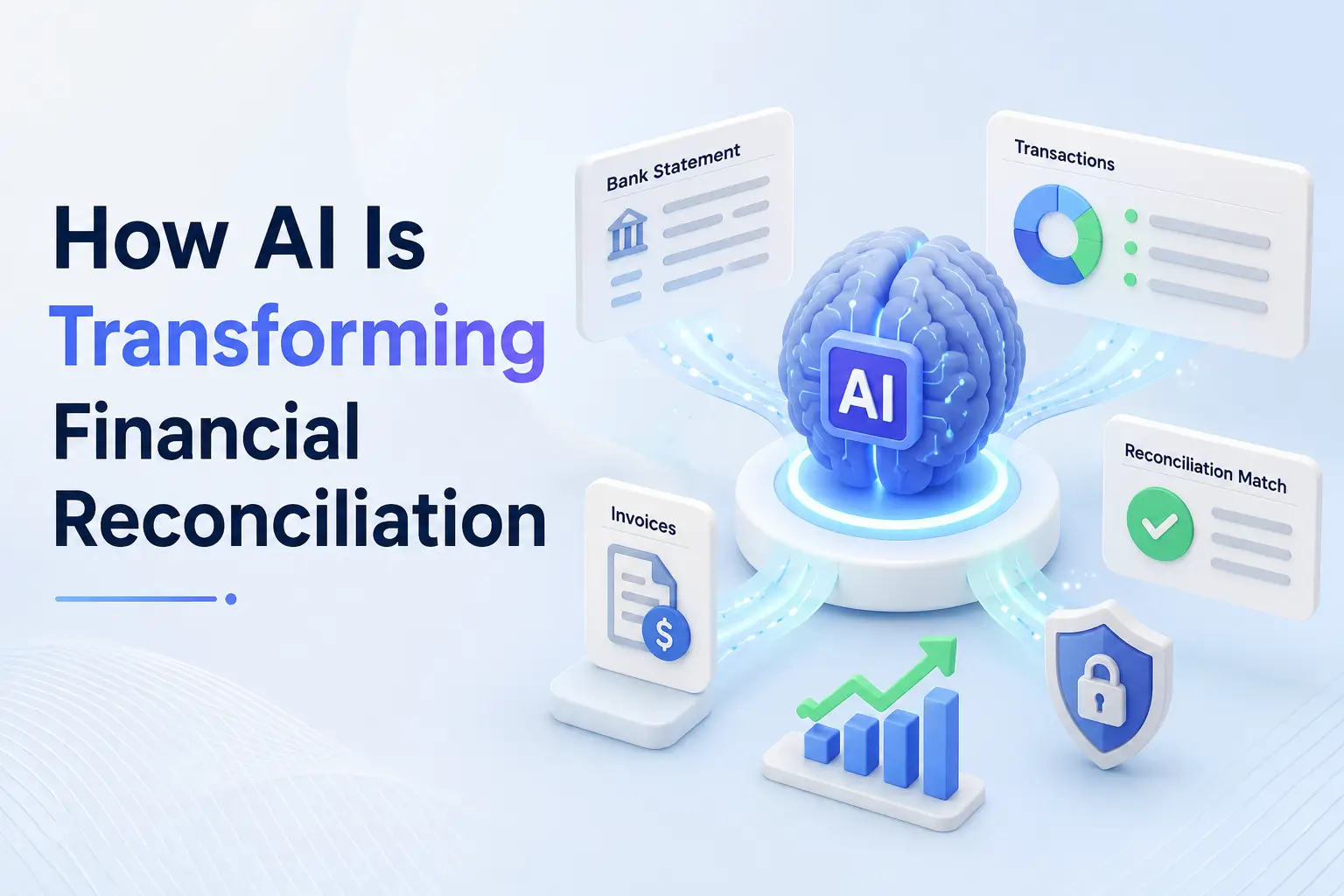
The most significant evolution over the next five years will be the deep integration of Artificial Intelligence (AI) and Machine Learning (ML) into the core of treasury management software.
Moving from Historical Reporting to Predictive Forecasting
Currently, most cash flow forecasting is retrospective. A treasurer looks at historical averages, adds a seasonal factor, and produces a forecast. This method is reactive and often inaccurate.
In the next five years, AI-driven integrated treasury management systems will analyze thousands of data points—not just historical payments, but also market sentiment, weather patterns affecting supply chains, and real-time customer behavior—to predict cash positions with near-perfect accuracy. For instance, if a major client in a specific sector typically pays invoices 45 days out, but AI detects that sector is facing a cash crunch, the system will automatically delay the expected inflow in the forecast, allowing the treasurer to adjust liquidity positions proactively.
Intelligent Exception Handling
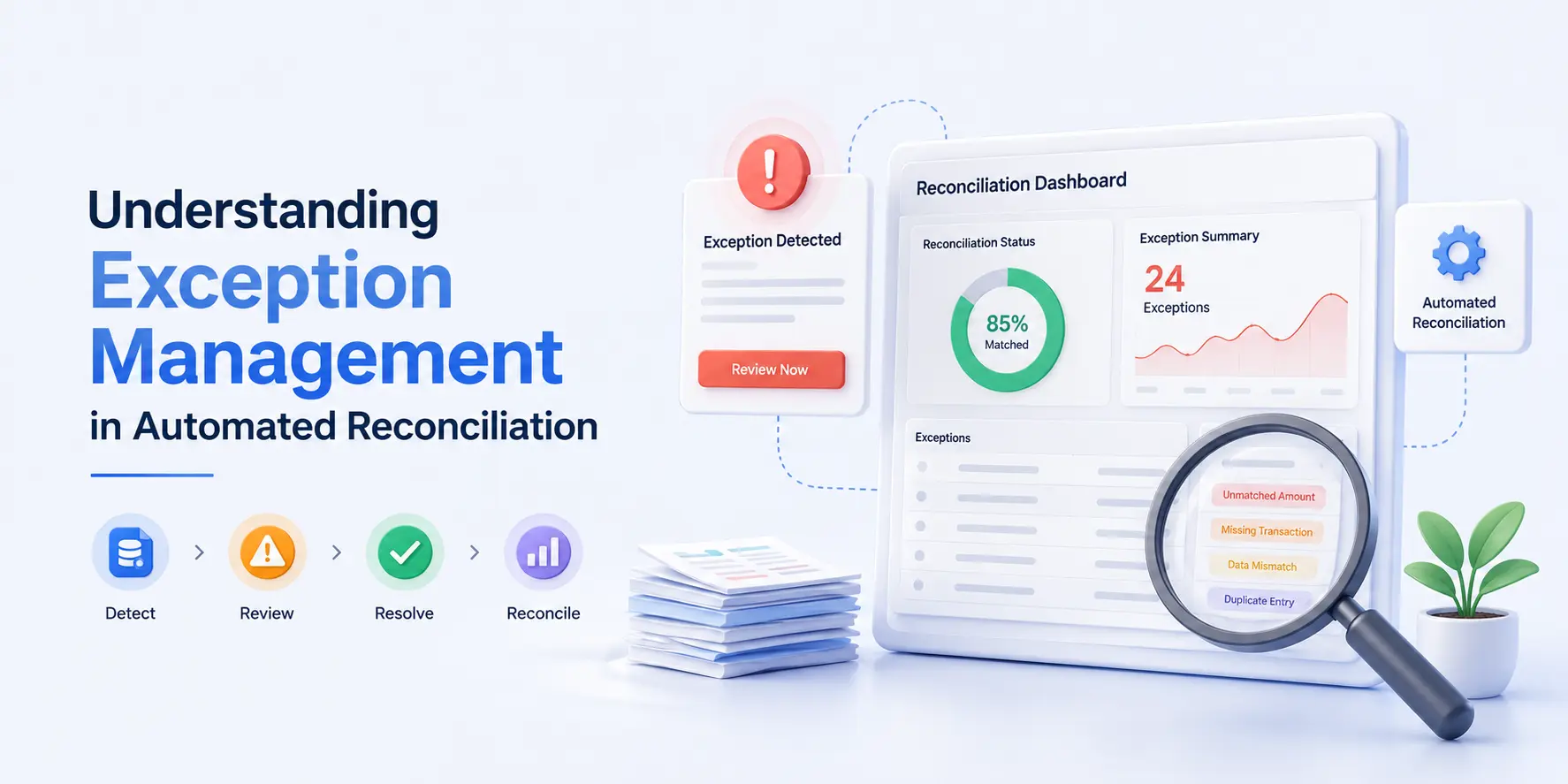
One of the biggest time sinks for treasury teams is managing exceptions—failed payments, missing counterparty data, or compliance flags. Tomorrow’s best treasury management systems will use machine learning to learn from how humans resolve these exceptions.
Over time, the system will automatically resolve 80% of standard exceptions without human intervention. This frees up treasury professionals to focus on strategy rather than administration. According to industry analysts, this shift toward autonomous finance could reduce operational processing costs in treasury departments by up to 30% by 2028.
Evolution 2: The Rise of Embedded Finance and API-First Architecture
The days of the monolithic treasury management system that requires months of implementation are fading. The future belongs to API-first platforms that act as the central nervous system of the financial ecosystem.
Seamless Bank Connectivity
Traditional connectivity relied on SWIFT or host-to-host connections, which were reliable but not always agile. Over the next five years, treasury management systems will leverage open banking APIs to connect to thousands of banks instantly. This means a company can onboard a new bank account in hours instead of weeks.
This API-first approach enables real-time balance reporting and instant payment initiation. For treasurers managing global operations, this level of connectivity provides a single, unified view of cash that is updated by the second, not just at the close of business.
ERP and Ecosystem Integration
A treasury management solution cannot exist in a vacuum. The next generation of systems will blur the line between the TMS and the Enterprise Resource Planning (ERP) system. Instead of syncing data overnight, the TMS will be an active module within the financial architecture.
We will see the rise of "headless treasury," where treasury functions are embedded directly into procurement, sales, and supply chain applications. For example, when a procurement officer raises a purchase order, the embedded treasury logic will immediately check available liquidity, hedge currency risk if the supplier is international, and schedule the payment—all without the procurement officer ever logging into the TMS dashboard.
Evolution 3: Enhanced Cybersecurity and Fraud Prevention
As financial systems become more interconnected, they become more vulnerable. The next five years will see a paradigm shift in how treasury management software approaches security.
Biometric and Behavioral Authentication
Passwords and even two-factor authentication will be supplemented by continuous behavioral biometrics. Future best treasury management systems will monitor how a user types, their mouse movements, and even their typical transaction patterns. If a fraudster manages to steal credentials but types at a different speed or attempts to send money to an unfamiliar beneficiary, the system will automatically halt the transaction and require escalated approval.
AI-Powered Fraud Detection
Fraud detection will move from rule-based systems (e.g., "block any payment over $1 million without dual approval") to AI-driven anomaly detection. The system will understand the context of payments. If a legitimate vendor suddenly changes their bank account details—something that is a common fraud tactic—the AI will cross-reference this change with external data, email communication patterns, and historical behavior to flag it as suspicious before any money leaves the account.
Evolution 4: Sustainability and ESG Integration
Environmental, Social, and Governance (ESG) criteria are no longer a niche concern; they are central to corporate strategy. Over the next five years, treasury management systems will evolve to become the central repository for green finance data.
Tracking Green Cash and Investments
Corporations are increasingly issuing green bonds and securing sustainability-linked loans. However, tracking the use of proceeds to ensure compliance with ESG covenants is often a manual, spreadsheet-heavy process.
Future integrated treasury management systems will include dedicated modules for ESG tracking. They will automatically tag cash flows that are designated for green projects, ensuring that funds are allocated correctly and providing auditors with a clear, immutable trail. This capability will be essential for companies looking to maintain investor confidence and access lower borrowing costs tied to sustainability performance.
Carbon Accounting for the Treasury
Beyond just cash, treasuries will be responsible for the carbon footprint of their financial activities. We will see TMS platforms that calculate the carbon intensity of different banks and investment instruments, allowing treasurers to align their banking relationships and investment portfolios with their corporate net-zero pledges.
Evolution 5: Blockchain, Digital Currencies, and Tokenization
While the hype around cryptocurrency has fluctuated, the underlying technology of distributed ledgers and Central Bank Digital Currencies (CBDCs) is set to revolutionize cross-border payments and liquidity management in the coming half-decade.
Central Bank Digital Currencies (CBDCs)
With over 130 countries exploring CBDCs, the next five years will likely see the first large-scale commercial adoption of digital currencies issued by central banks. Treasury management solutions will need to evolve rapidly to support these new digital assets.
Unlike traditional bank money, CBDCs offer programmability. A treasury management system will be able to handle "programmable payments"—money that can only be used for specific purposes. For example, a construction company could pay a subcontractor with funds that automatically cannot be re-routed until a milestone is certified. This reduces fraud and ensures supply chain integrity.
Tokenized Assets and Collateral Management
We will also see a rise in tokenization—turning real-world assets like bonds or even inventory into digital tokens on a blockchain. This allows for near-instantaneous settlement and more efficient collateral management. The best treasury management systems of the future will act as the gateway to these tokenized markets, allowing treasurers to mobilize collateral across borders in seconds rather than days.
Evolution 6: User Experience and Democratization of Data
Historically, treasury management systems were complex, clunky, and reserved for a specialized few. That is changing. The next five years will focus heavily on user experience (UX) and making treasury data accessible to non-specialists.
Consumer-Grade Usability
We are seeing a trend where treasury management software is adopting the design principles of consumer banking apps. Intuitive dashboards, natural language processing (allowing users to ask, "What is my cash position in Euros next week?"), and mobile-first interfaces will become standard.
Self-Service Analytics
Gone are the days when a treasurer had to submit a request to IT or a data analyst to get a custom report. Future platforms will feature powerful, drag-and-drop analytics tools. Business unit leaders across the organization—such as the head of sales or supply chain—will be able to access treasury data in a controlled, read-only format. This democratization of data ensures that financial decisions are made with a full understanding of the liquidity impact, fostering better collaboration across the enterprise.
Also Read: What Are the Key Differences Between Treasury Management Systems and ERPs?
Preparing Your Organization for the Next Generation TMS
While the technology is advancing rapidly, the human element remains crucial. Adopting these next-generation treasury management systems requires a shift in mindset and process.
Upskilling the Treasury Team
The treasurer of the future will need to be part financier, part data scientist. Organizations must invest in upskilling their teams. Familiarity with API logic, data visualization tools, and AI governance will be just as important as understanding cash flow and interest rate hedging.
Data Clean-Up and Governance
AI and predictive analytics are only as good as the data they are fed. Companies looking to adopt an integrated treasury management system in the next few years should start now by cleaning their master data. Standardizing counterparty names, eliminating duplicate vendor records, and ensuring historical data accuracy will dramatically shorten implementation timelines and improve the efficacy of AI models.
Choosing the Right Partner
The vendor landscape is evolving. When evaluating the best treasury management systems, organizations should look beyond current functionality. Key evaluation criteria for the next five years should include:
- API Maturity: Does the vendor have a robust, documented API library?
- AI Roadmap: Are they investing in predictive analytics, or just reporting?
- Global Reach: Can they handle CBDCs and real-time payment schemes in all the countries where you operate?
- Security Architecture: Do they offer continuous authentication and AI-driven fraud prevention?
Conclusion
The next five years will be a transformative period for corporate treasury. The evolution of treasury management systems is moving away from simple automation toward autonomous, intelligent, and integrated financial ecosystems.
We will witness AI turning reactive cash management into predictive liquidity optimization. We will see API-first architectures break down the walls between treasury, ERP, and banking partners. Cybersecurity will evolve from static firewalls to intelligent, behavior-based defense systems. And as digital currencies and ESG requirements mature, the TMS will become the central command center for financial strategy.
For finance leaders, the time to act is now. The organizations that embrace this evolution—investing in modern treasury management solutions and upskilling their teams—will gain a significant competitive advantage. They will be more resilient to market shocks, more efficient in their operations, and better positioned to support long-term strategic growth.
The era of the spreadsheet treasurer is ending. The era of the strategic, tech-enabled treasury is just beginning. By understanding these trends and preparing accordingly, your organization can ensure that it is not just keeping up with the changes but leading the way forward.
Also Read: What Are the Costs and ROI of Treasury Management Software?
Frequently Asked Questions
1. What is the primary difference between current Treasury Management Systems and those expected in five years?
Current systems primarily focus on automation—digitizing payments, reconciliation, and reporting. In five years, the focus will shift to intelligence. Systems will use AI to predict cash flow, automate complex hedging strategies, and detect fraud through behavioral analytics rather than static rules. They will also be fully integrated via APIs, offering real-time data rather than batch updates.
2. How will Artificial Intelligence improve cash flow forecasting?
AI will move forecasting from a historical exercise to a predictive science. Instead of relying on averages, AI-driven treasury management software will ingest vast datasets—including market trends, customer payment behaviors, supply chain delays, and even macroeconomic indicators—to provide a constantly updated, highly accurate forecast. This allows treasurers to optimize investments and reduce borrowing costs significantly.
3. Are cloud-based Treasury Management Systems secure against rising cyber threats?
Yes, but with a caveat. Cloud-based best treasury management systems are generally more secure than on-premise solutions because they invest heavily in encryption, continuous monitoring, and compliance certifications. However, the evolution of security lies in the system’s ability to use behavioral biometrics and AI-driven anomaly detection. In the next five years, security will be embedded into the transaction layer, stopping fraud before it occurs rather than just securing login credentials.
4. What role will Central Bank Digital Currencies (CBDCs) play in treasury management?
CBDCs will likely revolutionize cross-border payments and liquidity management. Integrated treasury management systems will need to connect to CBDC networks to facilitate instant, programmable payments. This means treasurers will be able to settle intercompany transactions in real-time, 24/7, without relying on correspondent banking networks, drastically reducing settlement risk and fees.
5. How do ESG requirements impact the choice of a Treasury Management System?
As ESG reporting becomes mandatory in many jurisdictions, treasurers need systems that can automatically track the use of proceeds for green bonds, sustainability-linked loans, and carbon accounting. A modern treasury management solution should offer dedicated modules to tag green cash flows, monitor sustainability covenants, and generate audit-ready ESG reports, ensuring compliance and maintaining investor confidence.
6. What should a company do to prepare for a next-generation TMS implementation?
Preparation involves three key steps. First, clean your data: ensure all counterparty, bank account, and historical transaction data is standardized and accurate. Second, upskill your team: train treasury staff on data analytics and change management to leverage new AI tools effectively. Third, evaluate API maturity: when selecting a vendor, prioritize those with a strong API ecosystem to ensure seamless connectivity with banks and ERPs now and in the future.
Ready to get started?
Contact us now
Contact us now
* By clicking on Contact Us you are agreeing to our Terms & Conditions and Privacy policy.