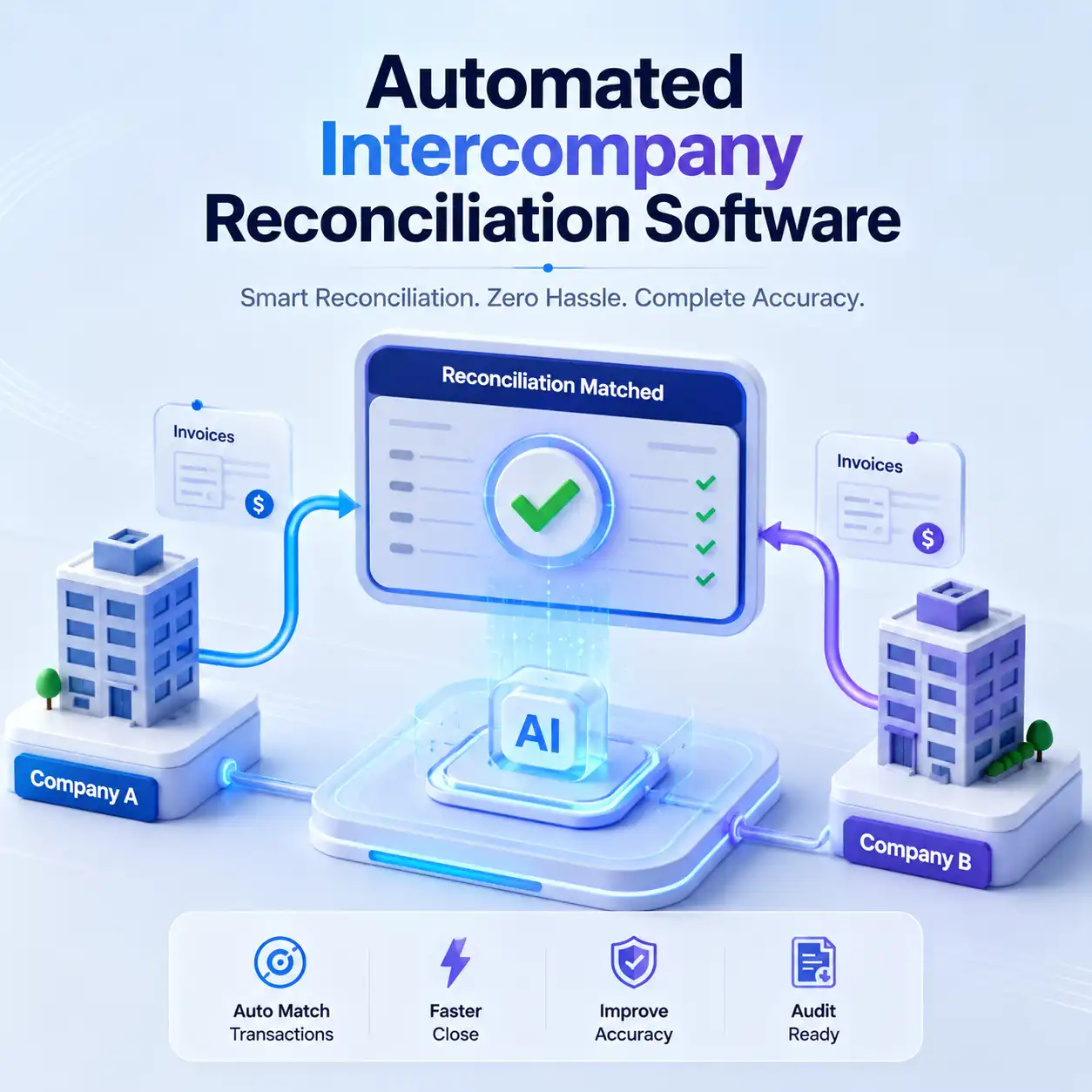
Automated Reconciliation: Boost Accuracy in Financial Workflows
Kosh.ai
December 2, 2025
For anyone managing money—whether for a bustling corporation, a small business, or even a personal budget—few tasks are as tedious and error-prone as reconciliation. This is the crucial process of matching your internal financial records (like your accounting ledger) against external statements (like your bank records). It’s the detective work of finance, ensuring every penny is accounted for. But when done manually, it’s slow, frustrating, and a breeding ground for costly mistakes.

This is where automated reconciliation transforms the game. It’s not just a minor upgrade; it’s a revolutionary shift that boosts accuracy, saves immense time, and empowers strategic decision-making. In this blog, we’ll explore how this powerful reconciliation solution works and why it’s becoming essential for modern financial health.
What is Financial Reconciliation, and Why Does it Matter?
At its heart, reconciliation is a control check. Think of it as balancing your personal checkbook, but on a much larger scale. You compare two sets of records to confirm they align. The goal is to identify and explain any differences—be it an uncleared check, a missing transaction, or, crucially, an error or fraud.
When performed manually, this involves:
- Downloading bank statements in PDF or CSV formats.
- Exporting transaction data from your accounting system.
- Manually scrolling and matching hundreds, often thousands, of line items in a spreadsheet.
- Investigating and resolving mismatches, which can involve chasing down invoices or payment confirmations.
A 2023 survey by Levvel Research found that finance teams spend an average of 10-15 hours per month just on manual reconciliation tasks. This isn’t just inefficient; it’s a massive drain on resources that could be spent on analysis and growth. More alarmingly, manual processes are susceptible to human error—a single misplaced decimal point can have significant repercussions.
The Game Changer: How Automated Reconciliation Software Works
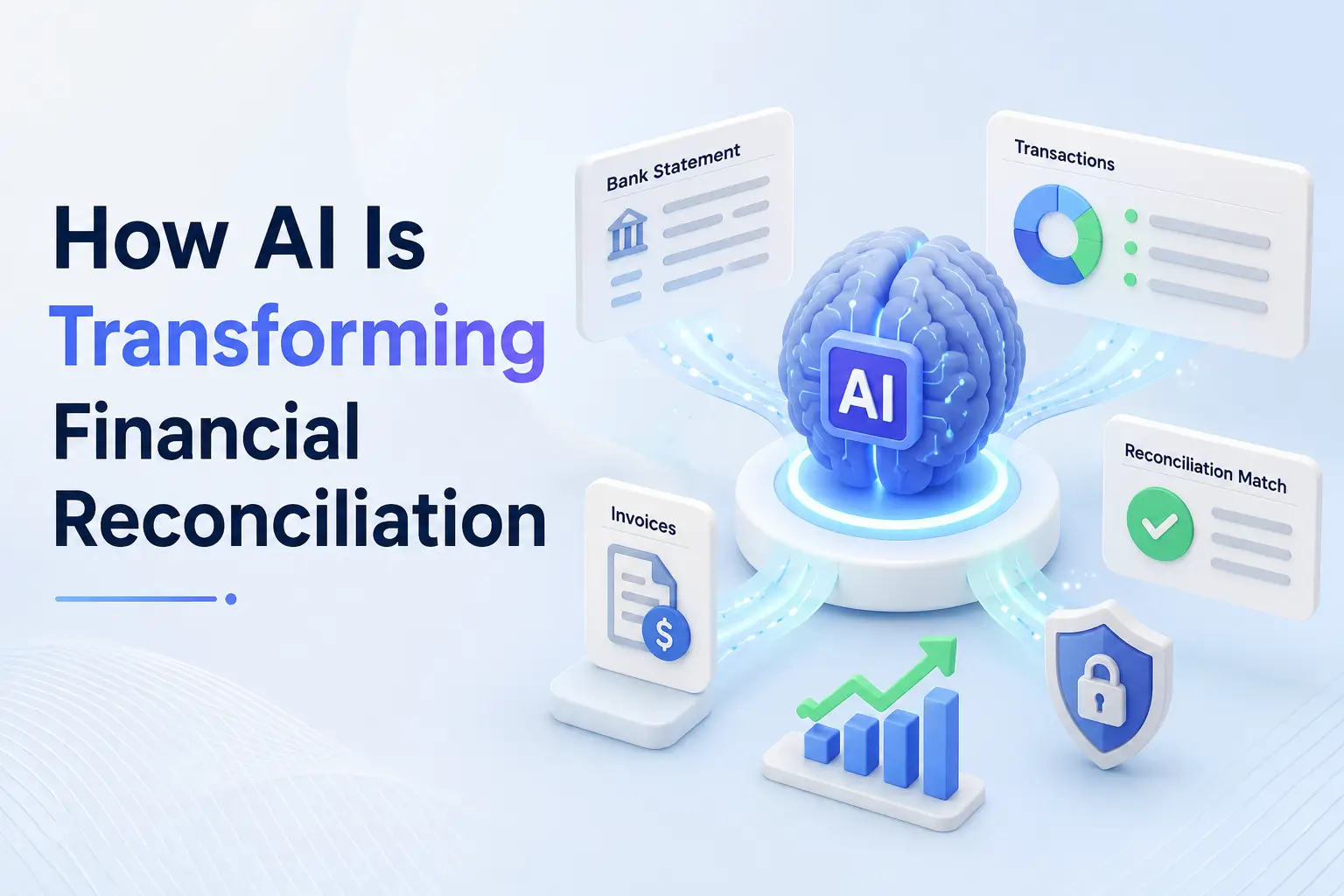
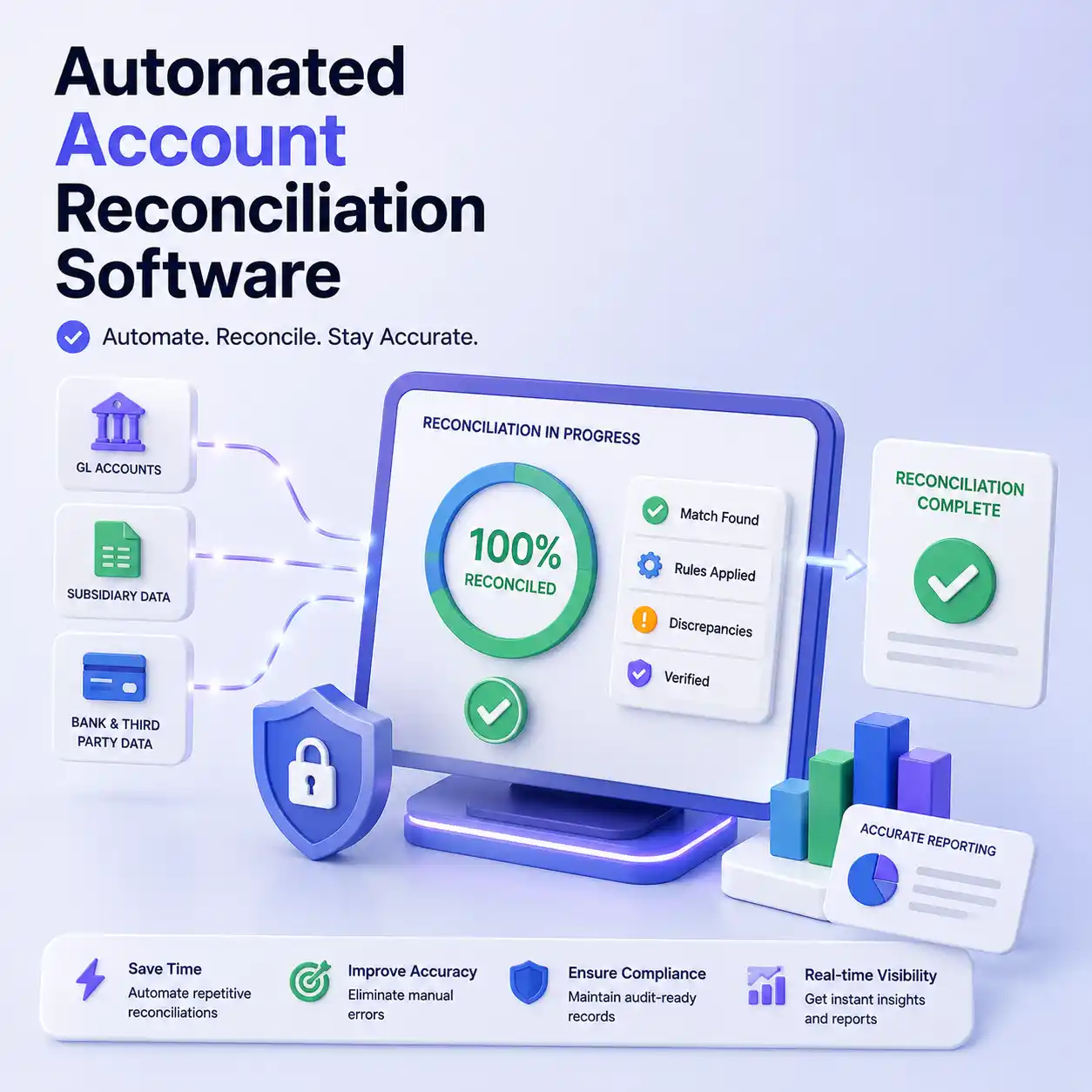
An automated reconciliation system uses intelligent technology to take over the heavy lifting. Here’s a simple breakdown of the process:
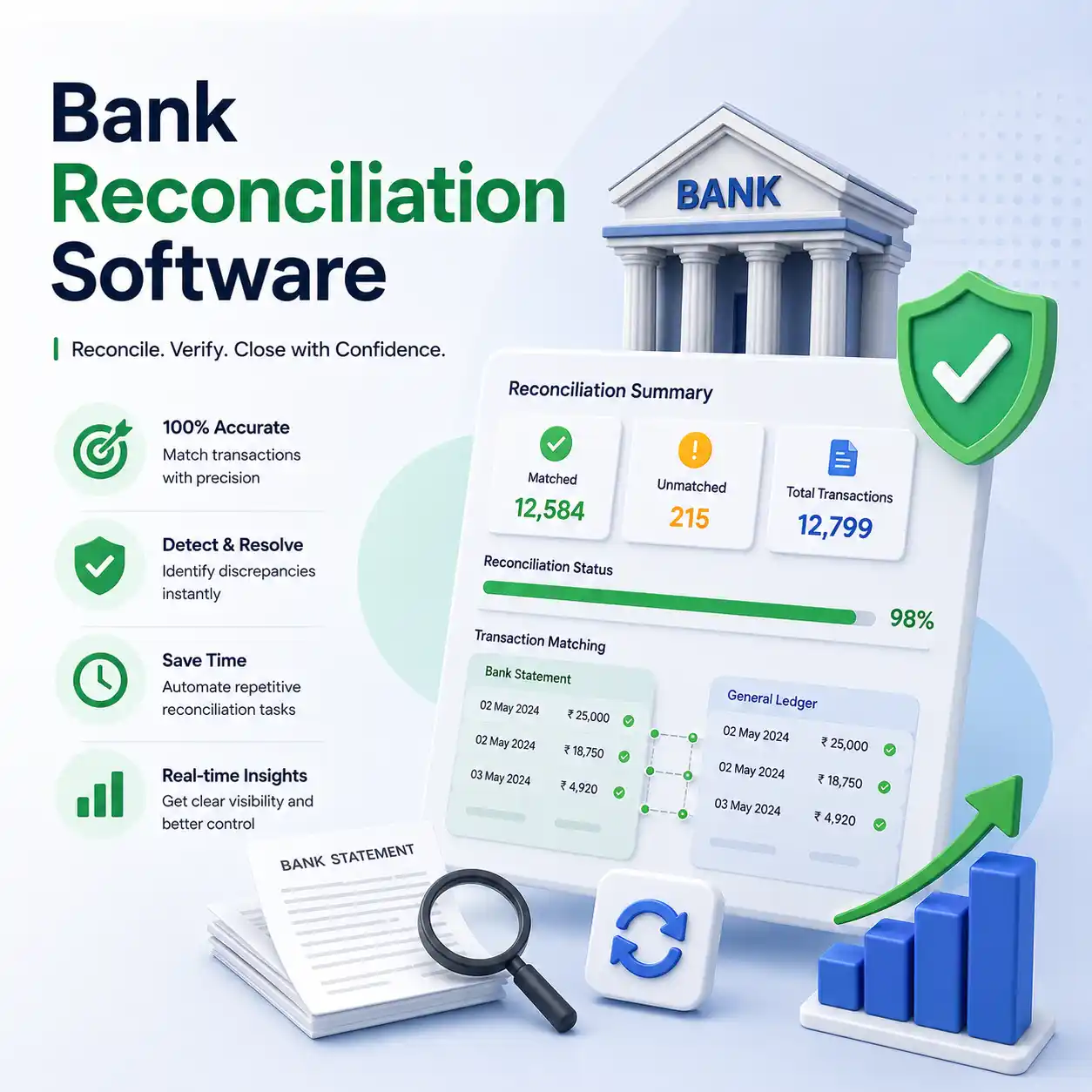
- Automatic Data Fetching: The software for bank reconciliation securely connects to your bank feeds, payment processors, and internal ERP or accounting systems. It pulls in data automatically on a scheduled basis, eliminating manual downloads and uploads.
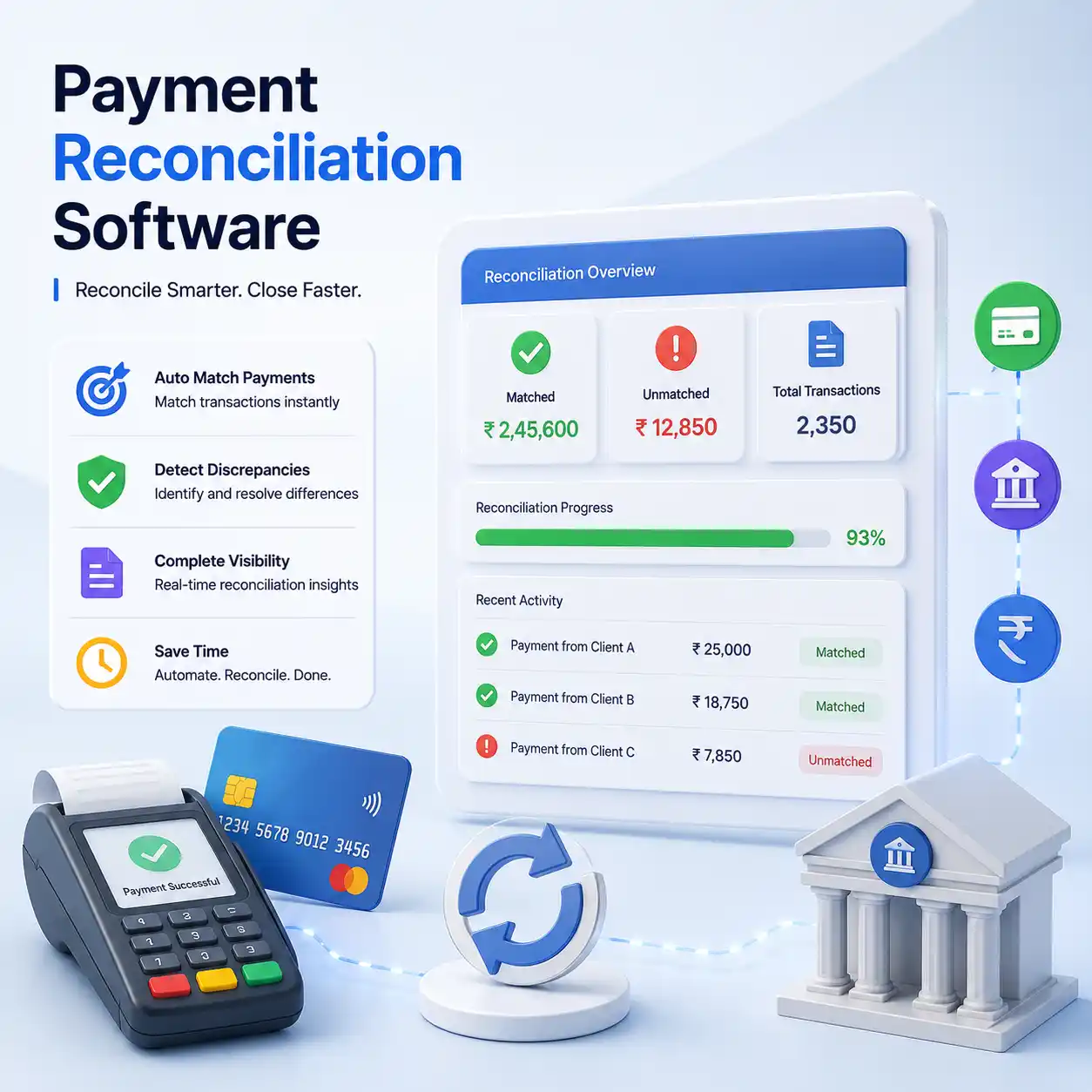
- Intelligent Rule-Based Matching: This is the core magic. You can set up flexible matching rules (e.g., match by transaction ID, amount, date, or a combination). The accounting reconciliation software then processes thousands of transactions in minutes, pairing them with incredible speed.
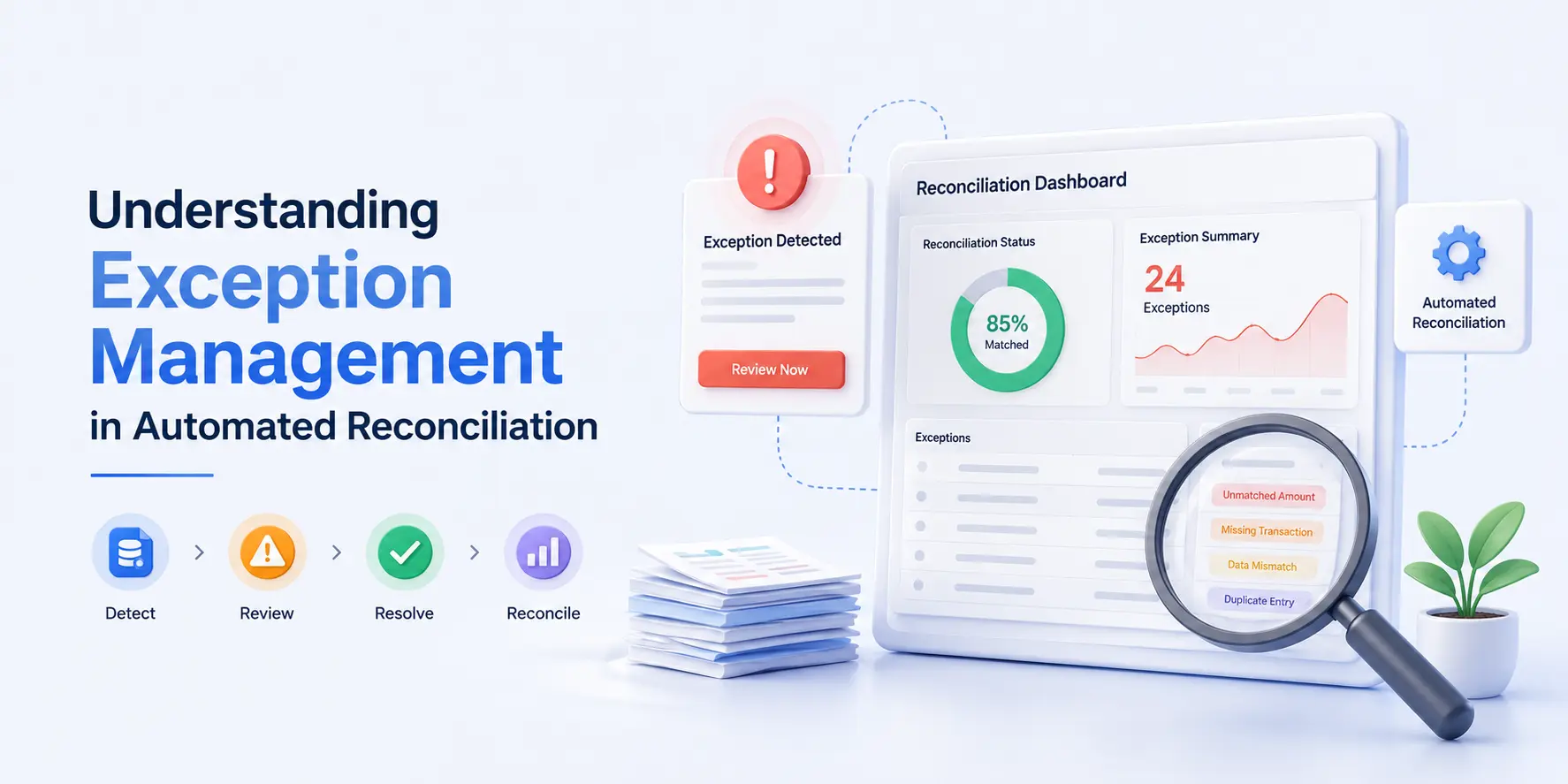
- Exception Highlighting: Instead of hunting for matches, your team focuses only on the exceptions—the transactions the system couldn’t automatically pair. The reconciliation automation tools flag these clearly, often with suggested reasons for the mismatch.
- Audit Trail & Reporting: Every action is logged. A clear, digital audit trail is created automatically, showing who resolved what and when. The system generates compliance-ready reports at the click of a button.
This shift means your finance team transitions from data-entry clerks to financial investigators and analysts.
Tangible Benefits: Why Your Business Needs This Upgrade
Investing in an automated reconciliation solution delivers immediate and long-term returns.
1. Unmatched Accuracy and Reduced Errors
The primary benefit is a dramatic drop in errors. Automation follows the rules you set, every single time, without fatigue. According to American Productivity & Quality Center (APQC) data, organizations using automation see a reduction in reconciliation errors by up to 90%. This directly strengthens your financial reporting integrity, giving you absolute confidence in your balance sheet.
2. Massive Gains in Efficiency and Time Savings
What used to take days now takes hours or even minutes. This frees your skilled staff to focus on higher-value tasks like cash flow forecasting, financial analysis, and strategic planning. For businesses, this efficiency isn’t just convenient—it’s a competitive advantage.
3. Enhanced Fraud Detection and Security
Manual processes can miss subtle, suspicious patterns. Automated bank reconciliation software can be configured with rules to flag anomalies—like duplicate payments, transactions just below approval limits, or payments to unfamiliar vendors—in real-time, acting as a 24/7 watchdog for your finances.
4. Real-Time Financial Visibility
With bank reconciliation automation, your records are constantly up-to-date. You can see your true cash position at any moment, enabling faster and more informed business decisions. No more waiting for the month-end close to understand where you stand.
5. Streamlined Audit and Compliance
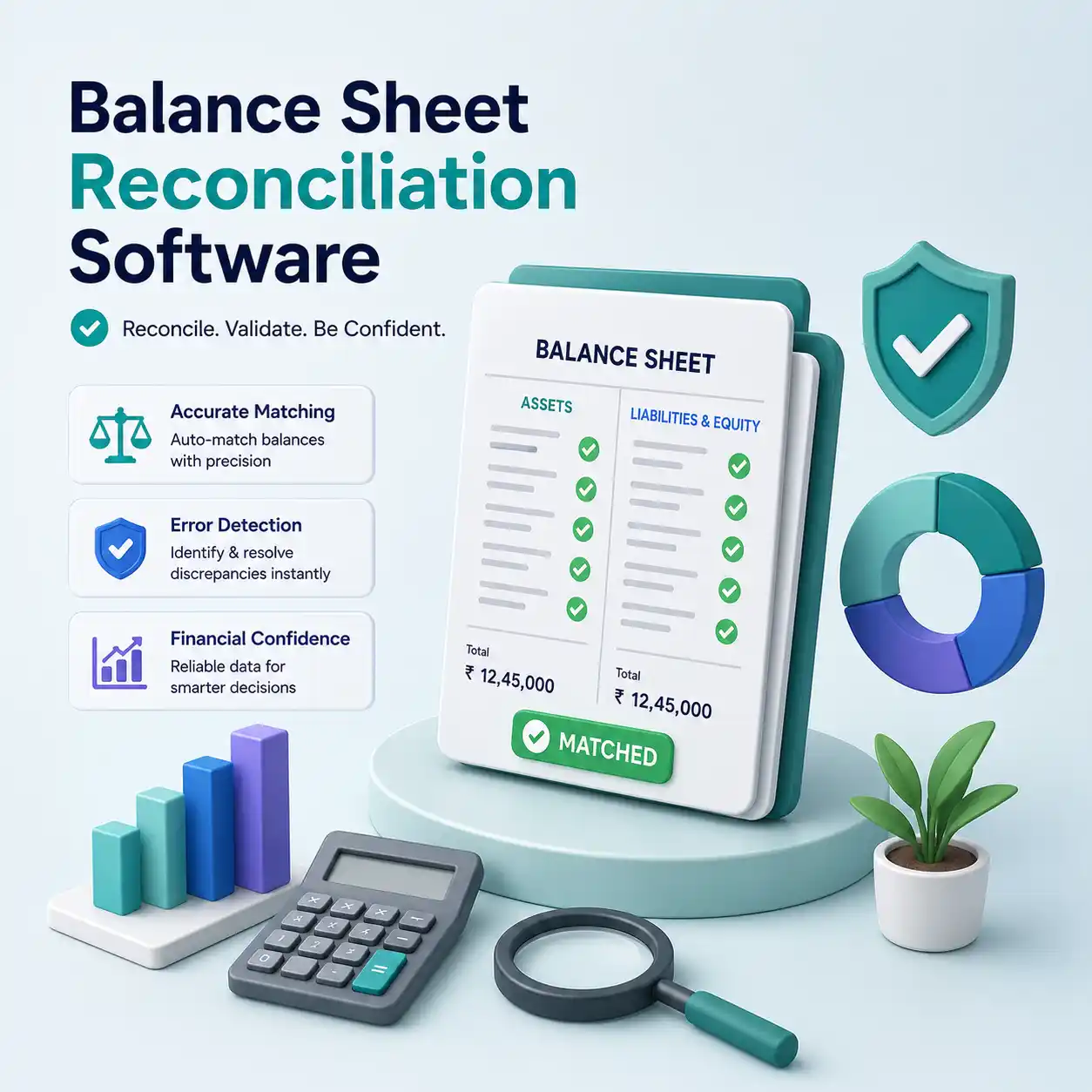
The digital audit trail created by balance sheet reconciliation software is a compliance officer’s dream. Auditors can verify processes quickly and easily, reducing the time, cost, and stress associated with financial audits. This is particularly vital for industries under strict regulatory scrutiny.
Key Features to Look for in a Reconciliation Platform
Not all reconciliation software is created equal. When evaluating options, prioritize these features:
- Flexible Rule Engine: The best automated account reconciliation tools allow you to create and modify complex matching rules to fit your unique business processes.
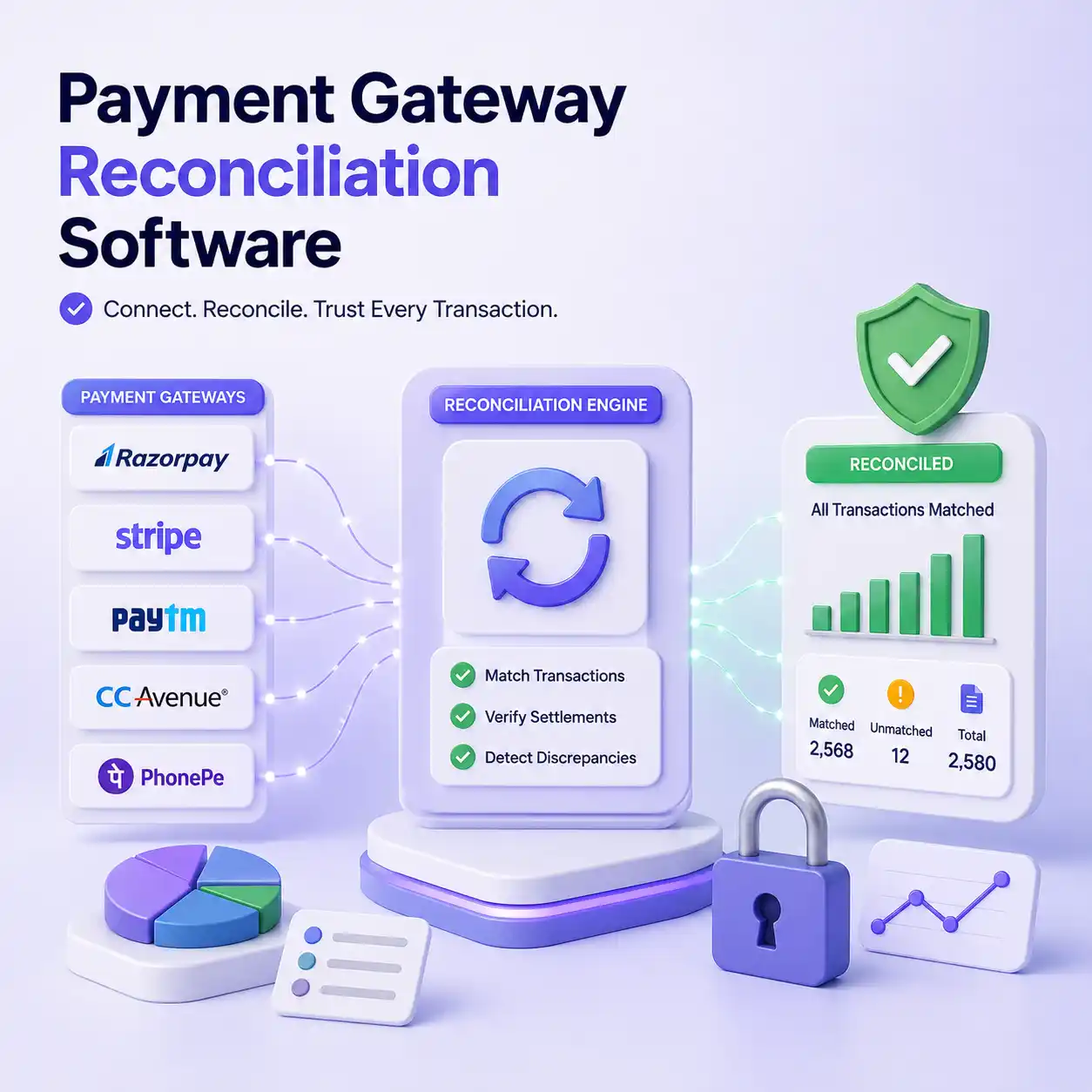
- Multi-Source Connectivity: It should seamlessly integrate with your banks, credit cards, payment gateways (like PayPal, Stripe), and core accounting systems (like QuickBooks, Xero, SAP, or Oracle).
- Exception Management Workflow: Look for a system that allows you to assign, track, and resolve exceptions collaboratively within the platform.
- Scalability: Your chosen reconciliation software for banks and businesses should grow with you, capable of handling increasing transaction volumes without performance drops.
- Security & Access Controls: Given the sensitive data, enterprise-grade security, encryption, and role-based permissions are non-negotiable.
Implementing Automated Reconciliation: A Smooth Transition
Adopting a new automated reconciliation system may seem daunting, but a phased approach ensures success:
- Start with a Pilot: Begin by automating the reconciliation of your most high-volume or problematic account (e.g., a primary operating bank account).
- Refine Your Rules: Work closely with the software provider to configure matching rules that reflect your actual transaction patterns.
- Train Your Team: Ensure your finance staff understands how to use the tool, especially the exception management workflow.
- Scale Gradually: Once the pilot is successful, roll out the automation to other accounts, like credit cards, merchant accounts, and inter-company ledgers.
The Bottom Line: Investing in Financial Confidence
In today’s fast-paced business environment, relying on manual reconciliation is a risk you can’t afford. It’s a hidden cost center that drains productivity, increases risk, and obscures financial clarity.
Automated reconciliation software is more than a simple tool; it’s a strategic investment in the accuracy and efficiency of your entire financial operation. It empowers your team, protects your assets, and provides the clear, reliable financial data needed to steer your business toward growth. By embracing reconciliation automation, you’re not just keeping up—you’re setting a new standard for financial control.
Also Read: Why Automated Reconciliation Systems Are the Future of Accounting
Frequently Asked Questions (FAQs)
1. Is automated reconciliation software only for large enterprises?
No, not at all. While large companies were early adopters, cloud-based automated reconciliation software is now scalable and affordable for small and medium-sized businesses (SMBs). The time savings and error reduction benefit businesses of any size.
2. How secure is my financial data in an automated system?
Reputable providers of automated bank reconciliation software invest heavily in security. Look for features like bank-level 256-bit encryption, secure data centers, compliance with standards like SOC 2, and regular security audits. Your data is often more secure than in manual, email-based processes.
3. Can it handle complex transactions or exceptions?
Yes. A robust reconciliation solution is designed for complexity. Its intelligent rule engine can handle multi-legged transactions, partial payments, and currency conversions. When it can’t match something, it flags it clearly for human review, making complex investigations faster.
4. How long does it typically take to implement?
Implementation can vary. For a standard automated reconciliation system with common accounting integrations, a pilot for one account can often be up and running in a few weeks. A full-scale rollout across all accounts may take a couple of months, depending on complexity.
5. Will this software replace my accounting team?
Absolutely not. Instead, it repositions them. The software eliminates the tedious, repetitive tasks, allowing your finance professionals to focus on strategic analysis, forecasting, and providing insights that drive business value. It makes their roles more impactful.
6. What’s the typical return on investment (ROI)?
ROI is significant and often quick. It comes from direct labor cost savings (reducing reconciliation time by 70-80%), reducing error-related costs, improving cash flow visibility, and shortening the financial close cycle. Many businesses report a full ROI within the first year.
Ready to get started?
Contact us now
Contact us now
* By clicking on Contact Us you are agreeing to our Terms & Conditions and Privacy policy.