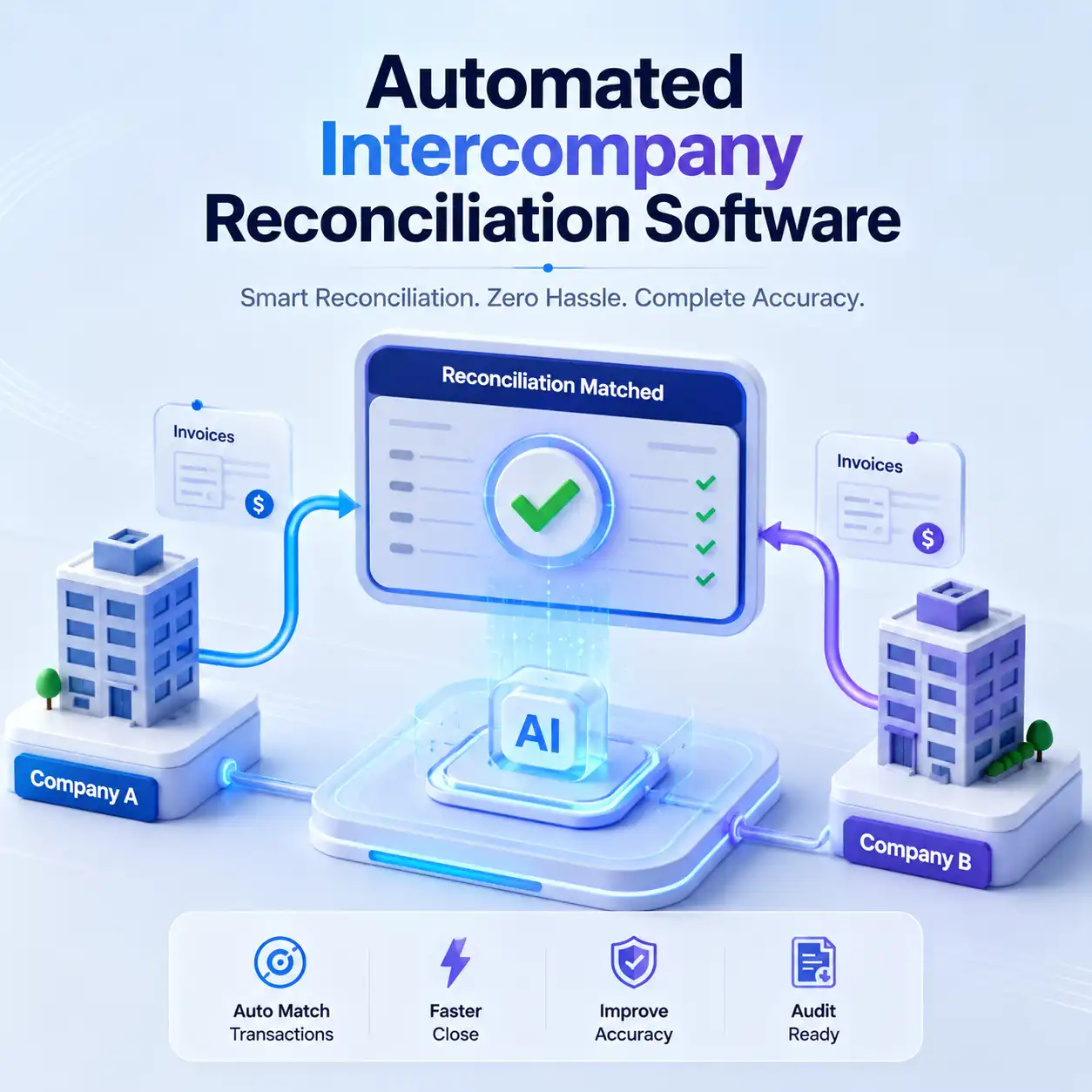
What Are the Top Features of Modern Automated Reconciliation Software?
Kosh.ai
February 6, 2026
For decades, finance teams in businesses and banks have faced a tedious, error-prone monthly ritual: reconciliation. Manually comparing thousands of transactions across statements, ledgers, and spreadsheets is not just slow—it’s a bottleneck that hides risks and drains resources. Imagine a team spending weeks on this task, only to find a small but critical error that could have been avoided. This is where modern technology steps in as a game-changer.
.webp)
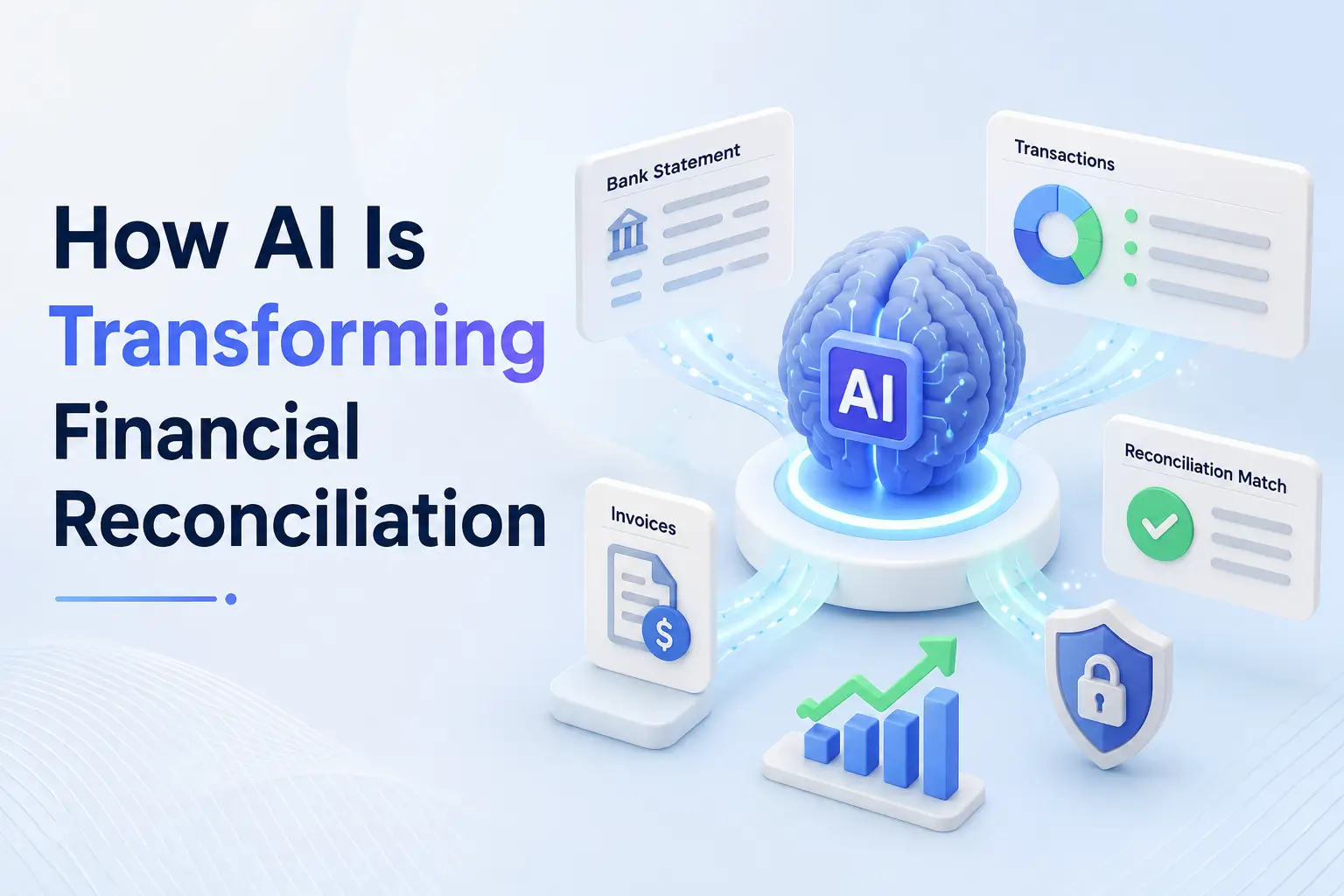
Automated reconciliation software is no longer a luxury for the biggest corporations; it’s a necessary tool for efficiency, accuracy, and strategic insight. This powerful reconciliation solution transforms a back-office chore into a streamlined, controlled, and insightful process. But with many options available, what truly sets the best systems apart? Let’s explore the top features that define modern automated reconciliation software and how they directly benefit your organization.
The Shift from Manual to Automated: Why It Matters
Before diving into features, it’s crucial to understand the problem. Manual reconciliation relies on human eyes to match data. This leads to inevitable human error, inconsistent processes, and massive delays in closing financial books. According to industry studies, manual processes can consume up to 70% of an accountant’s time during the financial close period. A single data entry mistake can cascade into significant discrepancies, audit issues, and poor decision-making.
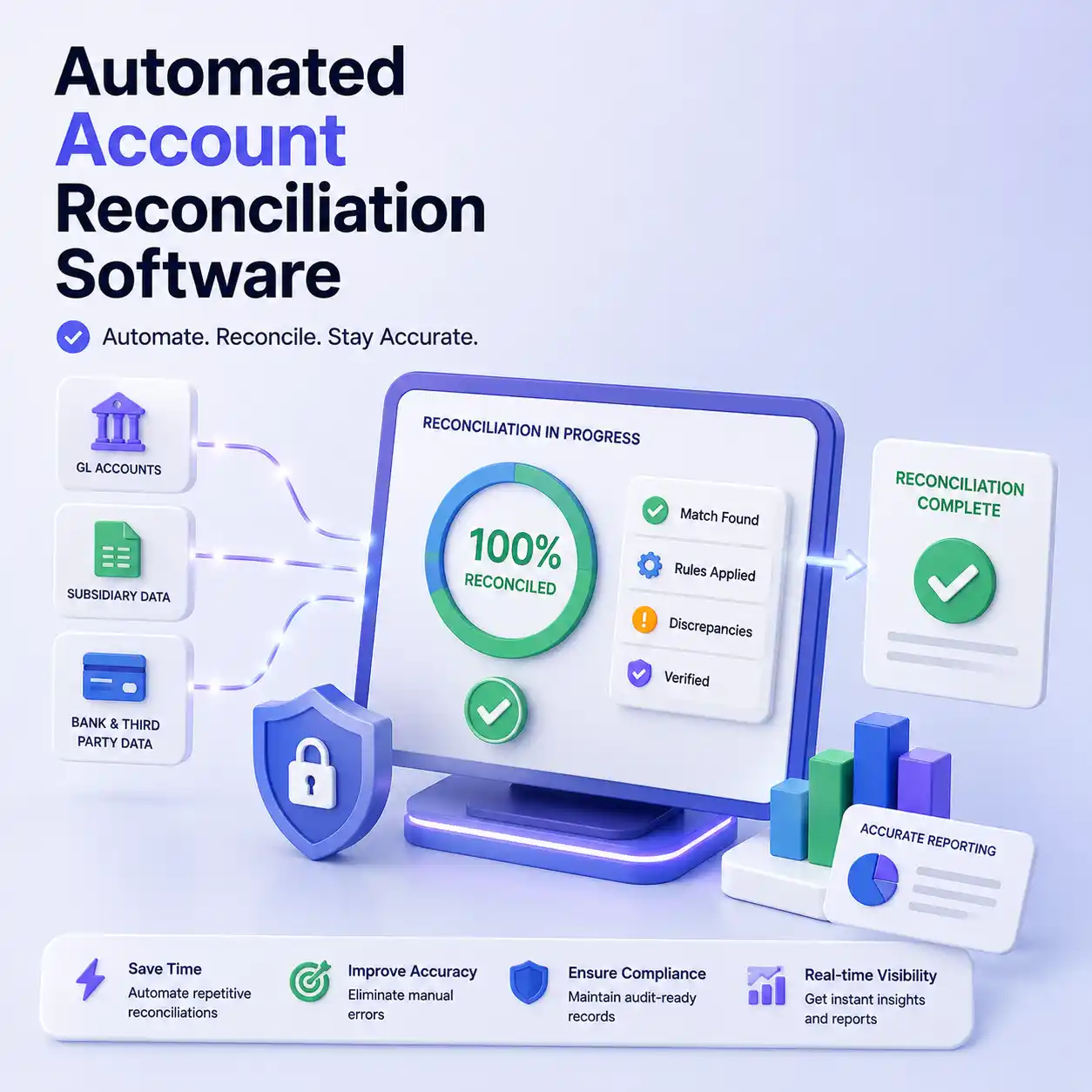
Modern automated reconciliation system tools are designed to eliminate these pain points. They act as a central, intelligent engine that connects all your data sources, applies rules, flags exceptions, and provides a clear audit trail—all with minimal human intervention. The result is not just faster work, but smarter, more secure financial operations.
1. Intelligent Transaction Matching: The Core Engine
At the heart of any automated reconciliation tool is its matching logic. This isn’t just about finding identical numbers; it’s about intelligent, flexible pairing.
How It Works:
The software imports data from various sources—like your bank feeds (via APIs), ERP system, internal ledgers, and payment processors. It then uses predefined rules to match transactions. Modern systems offer multi-layered matching:
- Exact Match: Finds transactions with identical amounts, dates, and reference numbers.
- Fuzzy (or Tolerant) Match: Intelligently matches items even with slight discrepancies, like a check number being off by one digit or a date being a day apart. This handles common human or system errors gracefully.
- Rule-Based Match: Allows you to set custom logic. For example, “Match a bank deposit of $5,000 to an invoice #INV-1001 within a 3-day window.”
- One-to-Many & Many-to-Many Matching: Can match one payment on a bank statement to multiple open invoices in your ledger, or vice-versa, which is common in bulk transactions.
Why It’s a Top Feature:
This intelligence reduces the match-to-exception ratio from perhaps 30% in manual processes to over 95% automatically. It means your staff reviews only the true exceptions, not every single transaction.
2. Seamless Integration and Connectivity
A powerful reconciliation software is only as good as its connections. It must play nicely with your existing tech stack without requiring massive, costly overhauls.
Key Integration Capabilities:
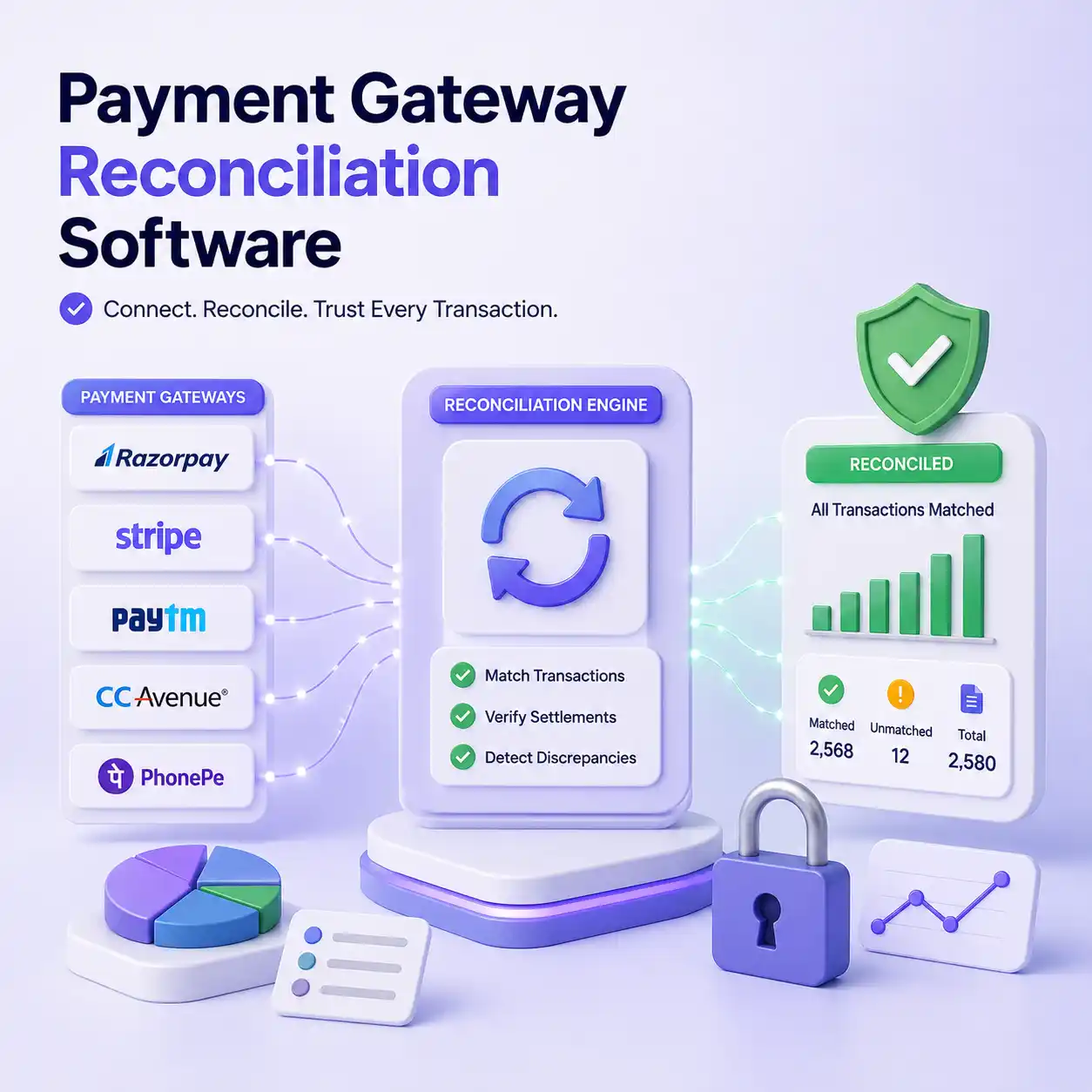
- API-First Design: Modern automated bank reconciliation software uses secure Application Programming Interfaces (APIs) to pull real-time data directly from your bank(s), payment gateways (like Stripe, PayPal), and financial systems. This eliminates risky and slow manual file uploads.
- Pre-built Connectors: Look for solutions offering native, out-of-the-box connectors for major ERPs (like NetSuite, SAP, Microsoft Dynamics), accounting platforms (QuickBooks, Xero), and databases.
- Flexible File Handling: For systems without direct APIs, the software should easily ingest standardized file formats like CSV, XML, MT940 (for SWIFT), and OFX.
Why It’s a Top Feature:
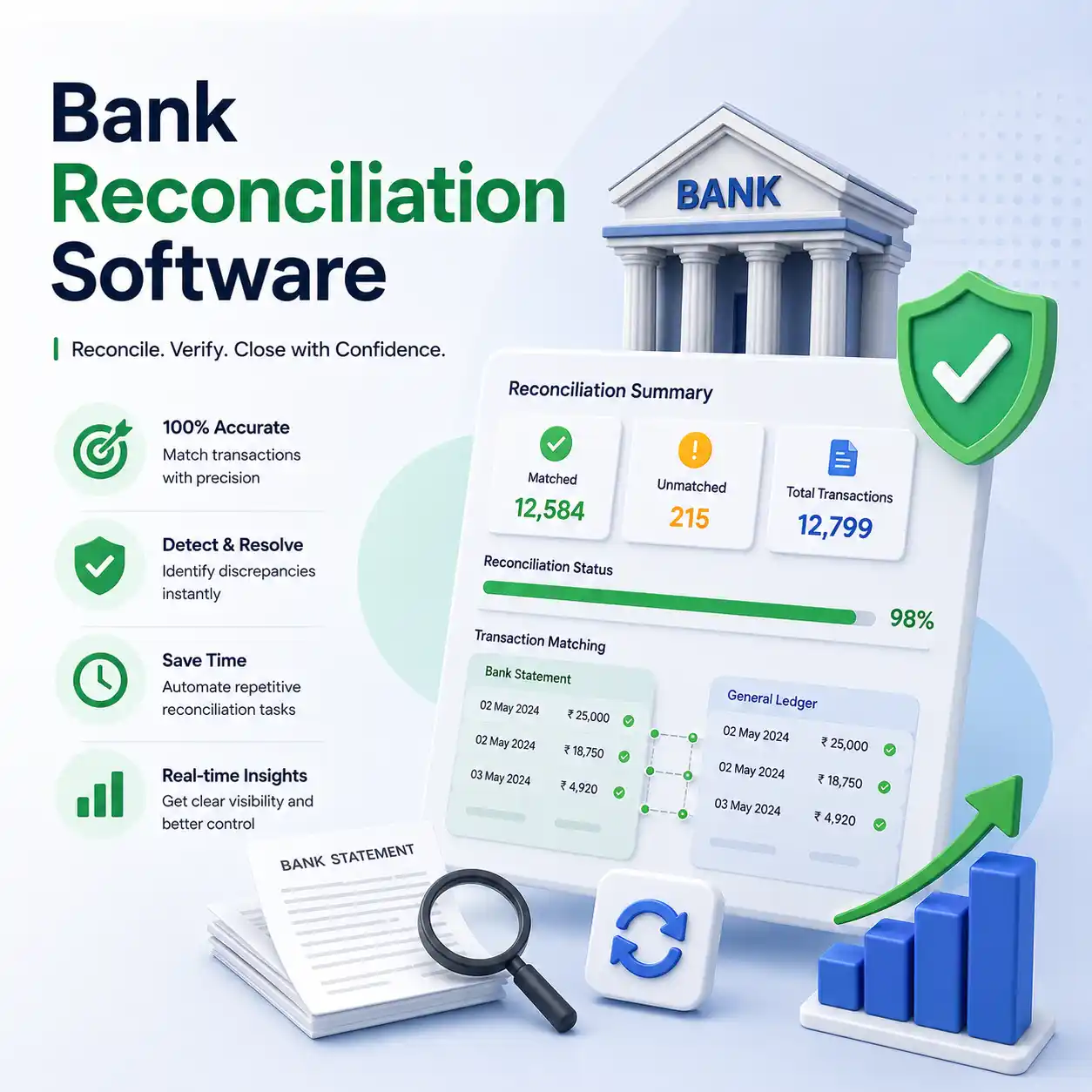
Seamless integration creates a single source of truth. It breaks down data silos between your banking data and your accounting reconciliation software, ensuring everyone works from the same updated information.
3. Centralized Dashboard and Real-Time Visibility
Gone are the days of searching through email threads, spreadsheets, and paper trails. A centralized, visual dashboard is the command center for your reconciliations.
What You’ll See:
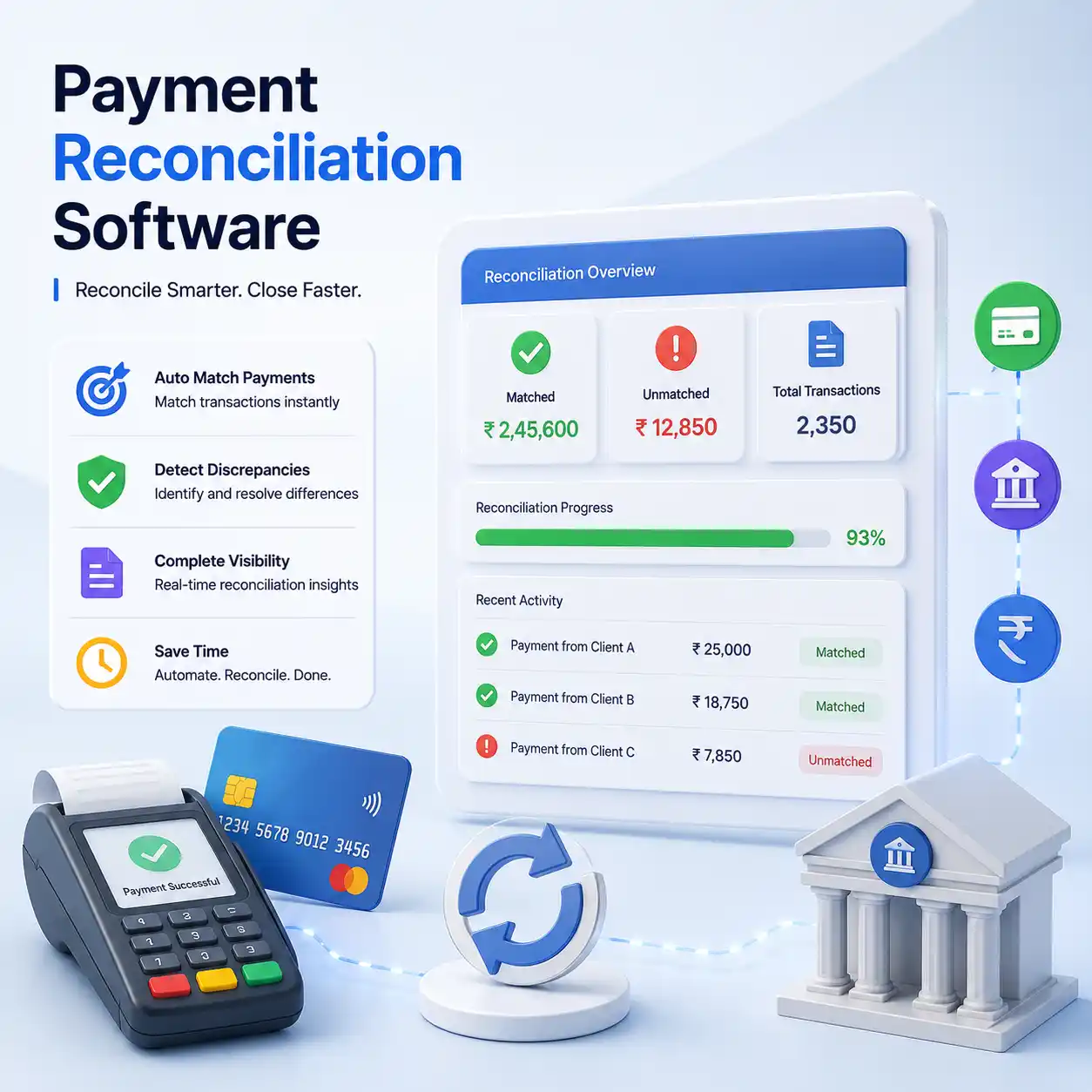
- Real-Time Status: A clear overview—how many reconciliations are complete, in progress, or past due.
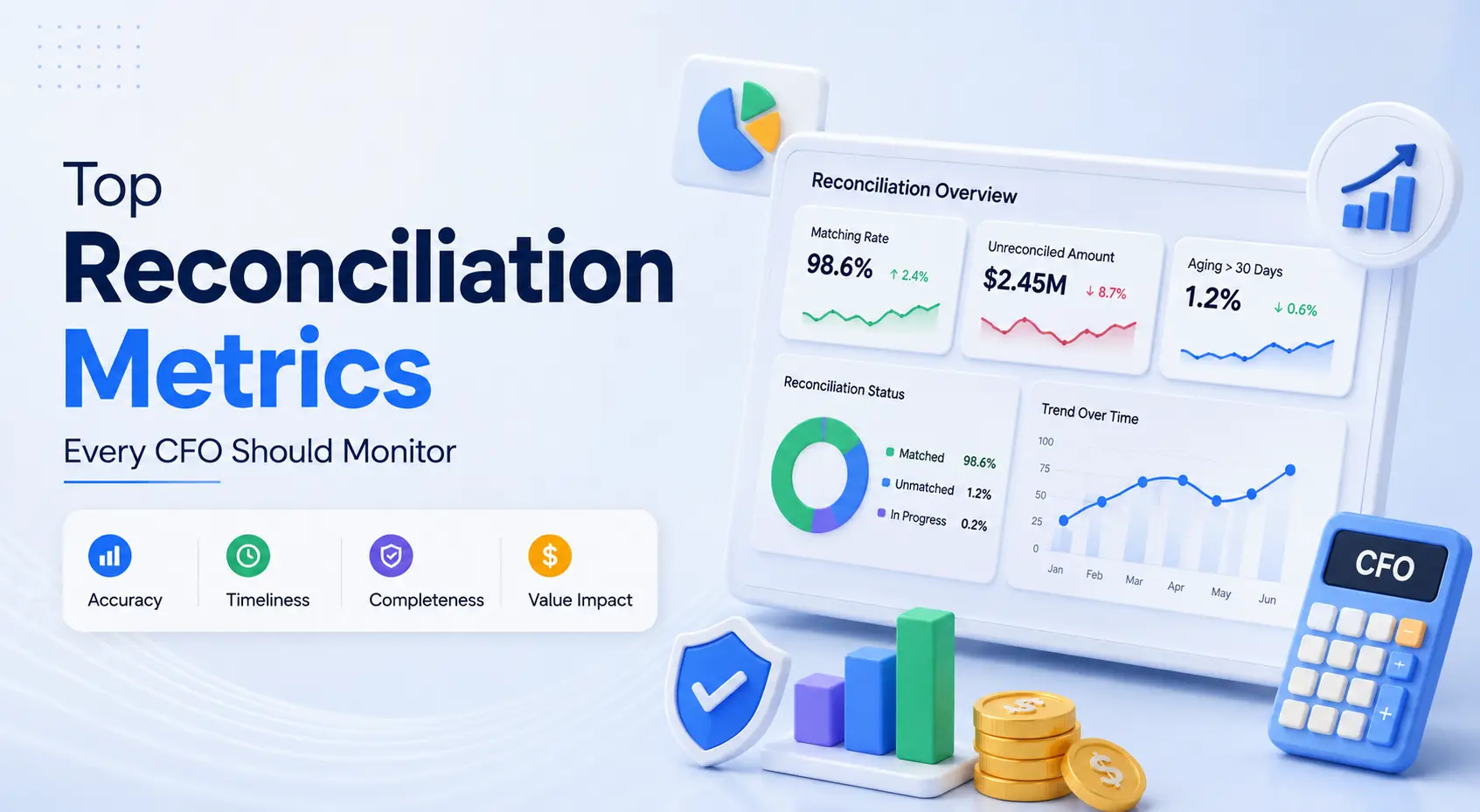
- Key Metrics: Visual graphs showing your match rate, exception volume, and aging of unresolved items.
- Reconciliation Health Score: Some advanced balance sheet reconciliation software provides an at-a-glance score indicating the overall health and risk level of your accounts.
- Drill-Down Capability: With one click, you can drill down from a high-level summary into any specific account, transaction, or exception to investigate.
Why It’s a Top Feature:
This feature transforms reconciliation from a historical report into a proactive management tool. Finance leaders can see problems as they emerge, not weeks later, enabling faster response and decision-making.
4. Robust Exception Management and Workflow
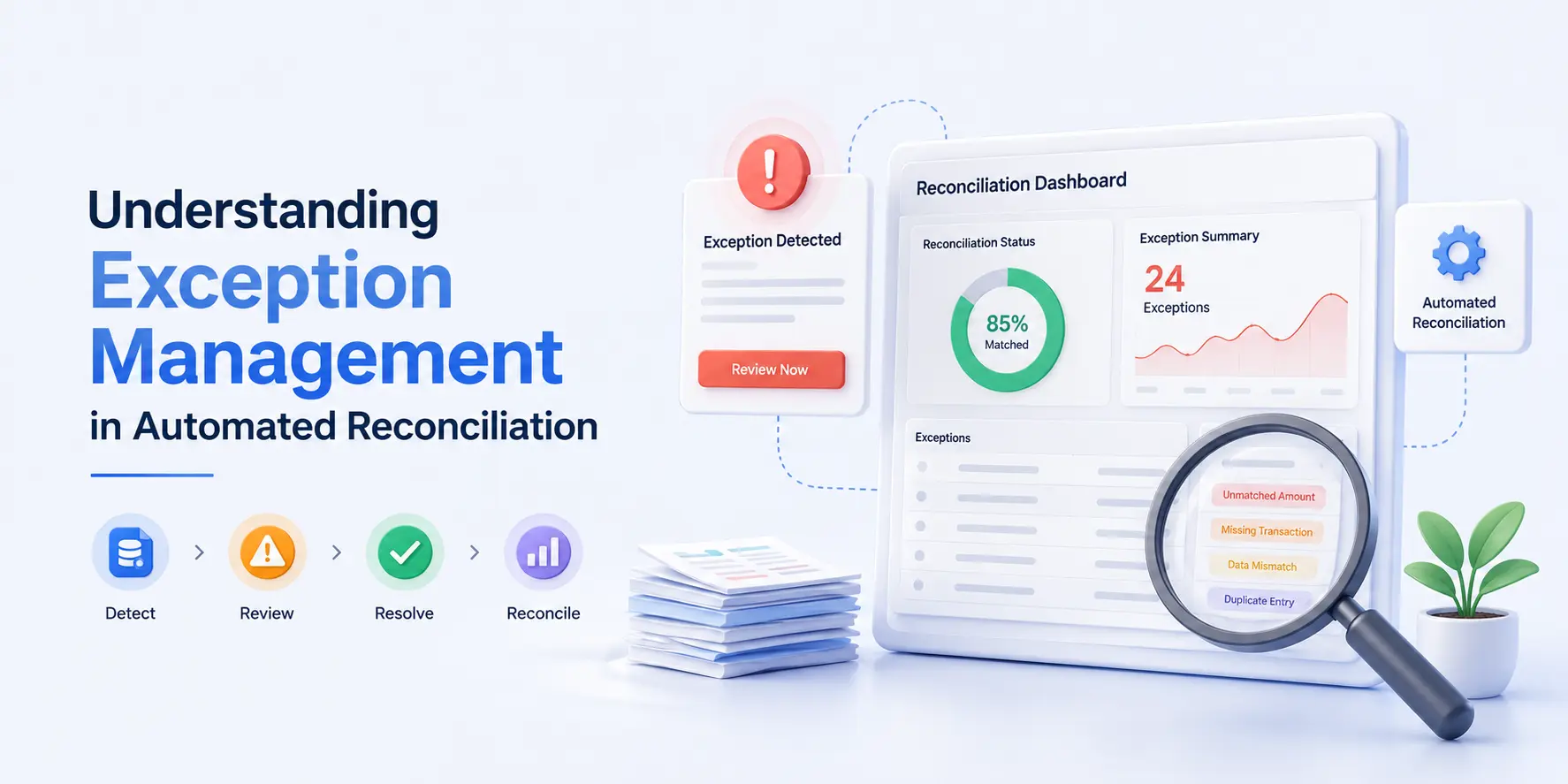
Even with 95% auto-match, the remaining 5% need efficient handling. Modern systems don’t just find exceptions; they manage the entire resolution process.
Workflow Tools Include:
- Automated Task Assignment: Exceptions are automatically routed to the appropriate team member based on rules (e.g., all A/P exceptions go to Jane).
- Collaboration Notes: Team members can add notes, attach supporting documents (like scanned receipts), and tag colleagues within the platform, creating a full audit trail of the investigation.
- Escalation Protocols: If an exception isn’t resolved within a set timeframe, it can automatically escalate to a manager.
- Status Tracking: Everyone can see the status of each exception (e.g., “Under Review,” “Pending Approval,” “Resolved”).
Why It’s a Top Feature:
It brings structure and accountability to the most chaotic part of the process. It ensures nothing falls through the cracks and dramatically speeds up resolution time.
5. Comprehensive Audit Trail and Compliance Readiness
For auditors and regulators, the “how” is as important as the “what.” A clear, unchangeable record of every action is non-negotiable, especially for reconciliation software for banks and public companies.
Audit Trail Features:
- User Action Logging: The system automatically records who logged in, what they matched, what they changed, and when.
- Data Integrity: Once a reconciliation is certified, the underlying data is locked to prevent tampering.
- Version History: Any changes to reconciliation rules or templates are logged with a version history.
- One-Click Reporting: Ability to generate pre-configured audit reports that demonstrate compliance with controls like SOX (Sarbanes-Oxley).
Why It’s a Top Feature:
This feature turns the stressful audit season into a straightforward process. Instead of weeks of preparation, you can provide auditors with secure, read-only access or generate needed reports in minutes, building immense trust and saving significant cost.
6. Advanced Analytics and Reporting
Modern automated reconciliation software doesn’t just reconcile; it uncovers insights. The data flowing through the system is a goldmine for understanding business performance.
Analytical Capabilities:
- Trend Analysis: Identify patterns in exceptions. For example, are discrepancies with a particular vendor increasing? This could indicate a process or relationship issue.
- Cash Flow Forecasting: By analyzing the timing and categorization of bank transactions, the software can provide more accurate short-term cash flow predictions.
- Customizable Reports: Go beyond standard reports. Create tailored reports for different stakeholders—high-level summaries for executives, detailed exception reports for managers.
- Anomaly Detection: Some systems use machine learning to flag transactions that are unusual in amount, frequency, or origin, serving as an early fraud detection system.
Why It’s a Top Feature:
It elevates the finance team from data processors to strategic advisors. The insights gained can help negotiate better terms with banks, improve internal controls, and optimize working capital.
7. Scalability and Cloud-Based Architecture
Your business grows, and your software must grow with it. The best automated account reconciliation platforms are built on scalable, cloud-based foundations.
Benefits of Cloud-Based Systems:
- Handles Volume: Can process millions of transactions as easily as thousands, crucial for growing businesses or bank reconciliation automation in large institutions.
- Accessibility: Secure access from anywhere, facilitating remote work and collaboration across global teams.
- Automatic Updates: You always have the latest features, security patches, and compliance updates without costly IT projects.
- Reduced IT Burden: No need to maintain servers or install software on individual computers. The vendor manages security, uptime, and backups.
Why It’s a Top Feature:
Scalability ensures the software is a long-term partner, not a short-term fix. It supports your growth without requiring a disruptive and expensive software migration every few years.
8. Security and Access Controls
Financial data is highly sensitive. A modern automated reconciliation system must have enterprise-grade security baked into its design.
Security Measures to Look For:
- Bank-Level Encryption: Data is encrypted both when it’s being sent (in transit) and when it’s stored on servers (at rest).
- Role-Based Access Control (RBAC): You can precisely define who can see, edit, or approve reconciliations. For example, a junior accountant might prepare reconciliations, but only a controller can certify them.
- SOC 2 Compliance: This is an industry-standard certification that proves the vendor has rigorous security, availability, and confidentiality processes.
- Multi-Factor Authentication (MFA): Adds an extra layer of login security beyond just a password.
Why It’s a Top Feature:
It protects your most critical financial data from both external threats and internal errors, ensuring peace of mind and regulatory compliance.
Also Read: How Does Accounting Reconciliation Software Improve Financial Accuracy?
The Tangible Benefits: What Do These Features Deliver?
When combined, these features deliver clear, measurable returns:
- Time Savings: Reduce reconciliation time by up to 90%, shortening the financial close from days to hours.
- Error Reduction: Minimize human error and the risk of fraud through consistent, rule-based processes.
- Improved Productivity: Free your finance team from repetitive tasks to focus on analysis and strategic work.
- Enhanced Control: Gain real-time visibility and a stronger, demonstrable control environment.
- Better Decisions: Access timely, accurate financial data to inform cash management and business strategy.
Conclusion
Choosing the right automated reconciliation software is a strategic investment in the efficiency and integrity of your financial operations. The top features—intelligent matching, seamless integration, real-time dashboards, structured workflows, robust audit trails, insightful analytics, scalable cloud architecture, and ironclad security - work together to transform a painful, risky necessity into a competitive advantage.
By automating the routine, you empower your team to focus on the exceptional. You gain not just speed, but clarity, control, and confidence in your financial data. In today’s fast-paced business environment, that’s not just an improvement; it’s a necessity for sustainable growth and resilience.
Also Read: How Does Reconciliation Software Integrate with ERP and Banking Systems?
Frequently Asked Questions
1. How does automated reconciliation software handle transactions that don’t match perfectly?
Modern software uses "fuzzy matching" or tolerant algorithms. These can match transactions despite minor discrepancies in amounts, dates, or reference numbers, based on rules you set. True exceptions are then flagged for human review, saving vast amounts of time.
2. Is this software only for very large businesses and banks?
No. While reconciliation software for banks and large corporations is complex, there are scalable solutions for small and medium-sized businesses (SMBs). Cloud-based accounts reconciliation software is often offered on a subscription model, making it affordable for businesses of various sizes to automate their most critical reconciliations.
3. Will automated reconciliation software integrate with our existing accounting system?
The best platforms are built for integration. They typically offer pre-built, native connectors for major accounting software and ERPs (like QuickBooks, NetSuite, SAP) and use secure APIs for universal connectivity. Always check the vendor's integration list before purchasing.
4. How secure is our financial data in a cloud-based reconciliation system?
Reputable providers invest heavily in security. Look for features like bank-level encryption (both in transit and at rest), SOC 2 Type II compliance, multi-factor authentication, and detailed audit logs. Your data in a professional cloud system is often more secure than in on-premise servers prone to local failure or breach.
5. What kind of return on investment (ROI) can we expect?
ROI comes from multiple areas: drastic reduction in manual labor hours (often 70-90% faster), elimination of error-related costs, reduced audit fees due to ready documentation, and improved cash flow from timely insights. Many businesses see a full return on their investment within the first year.
6. Can the software reconcile more than just bank statements?
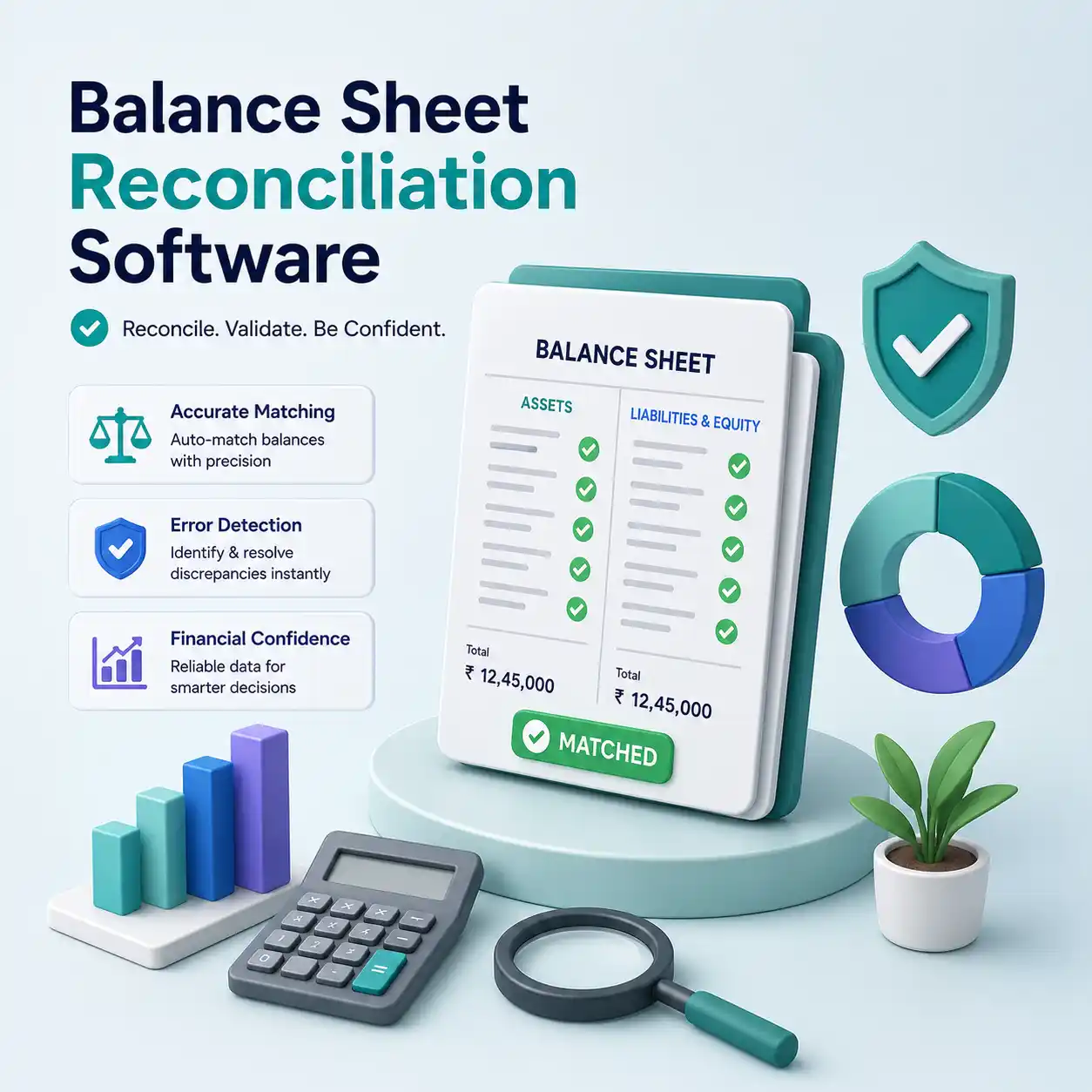
Absolutely. A comprehensive balance sheet reconciliation software can automate the reconciliation of credit card accounts, inter-company transfers, ledger-to-ledger accounts (like accounts receivable sub-ledger to the GL), inventory, and brokerage statements. It's a universal tool for any high-volume, data-intensive matching process.
Ready to get started?
Contact us now
Contact us now
* By clicking on Contact Us you are agreeing to our Terms & Conditions and Privacy policy.