What Should You Look for in Bank Reconciliation Software?
Kosh.ai
February 4, 2026
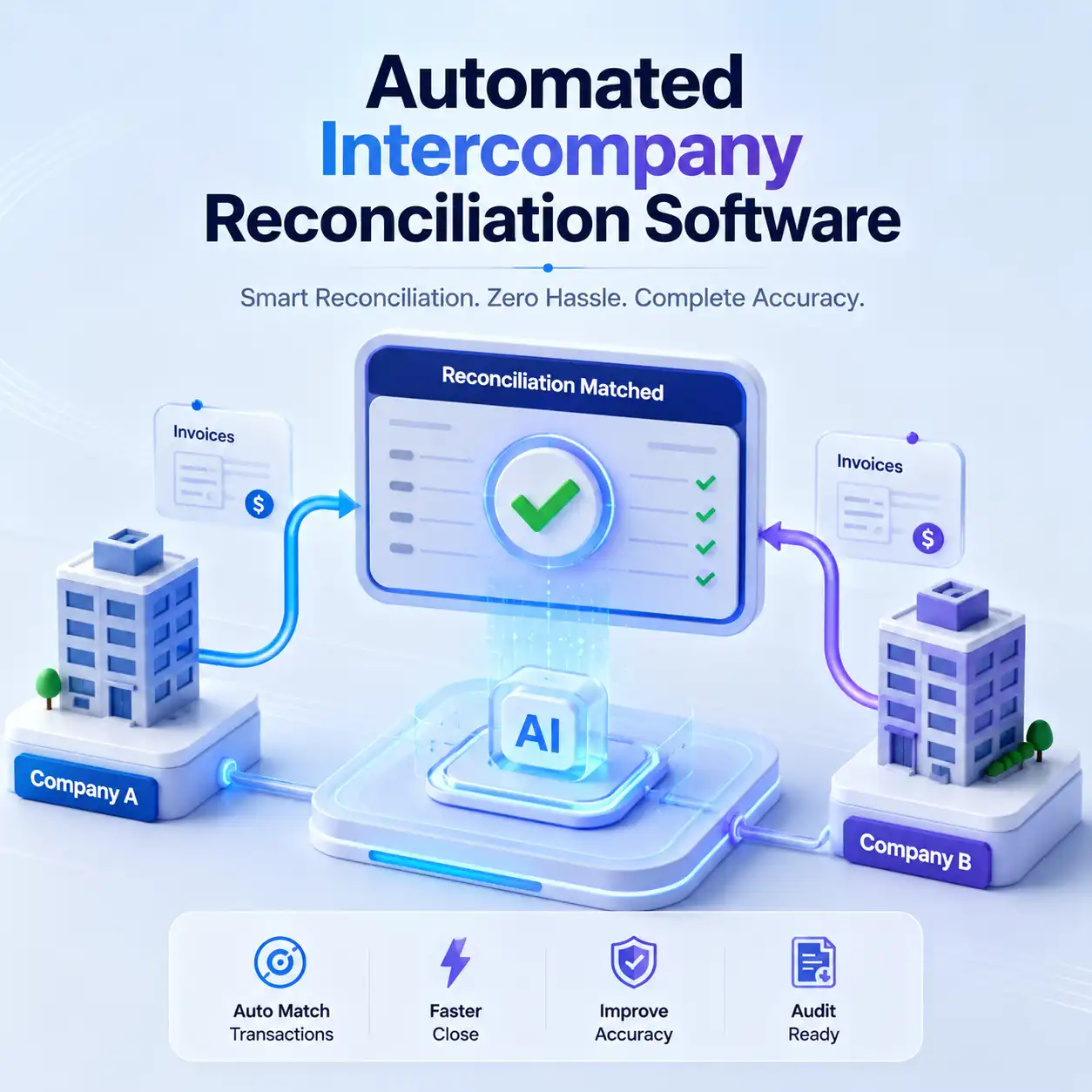
For any business, big or small, keeping your financial records accurate is not just good practice—it’s essential for survival. At the heart of this accuracy is bank reconciliation: the process of matching your company’s internal financial records against your monthly bank statements. For decades, this was a manual, tedious, and error-prone task. Today, software for bank reconciliation has transformed this chore into a streamlined, efficient, and highly reliable process.
But with so many options on the market, how do you choose the right tool? Picking the wrong reconciliation solution can lead to frustration, wasted money, and continued inefficiency. This guide will walk you through the key features and factors you must consider to find the perfect automated reconciliation software for your business needs. We’ll break down complex concepts into simple terms, helping you make an informed decision that safeguards your finances and saves you precious time.
Why Manual Reconciliation is No Longer Feasible
Before we dive into what to look for, it’s important to understand why dedicated accounting reconciliation software is now a necessity, not a luxury.
Manually comparing hundreds or thousands of transactions line-by-line in a spreadsheet or ledger book is incredibly time-consuming. According to industry surveys, finance teams can spend between 5 to 15 hours per month on reconciliation tasks alone, depending on the volume of transactions. This is hours that could be spent on analysis, forecasting, and strategic growth.
More critically, humans are prone to error. A misplaced decimal point, a missed transaction, or simple fatigue can lead to discrepancies that go unnoticed. These errors can result in inaccurate financial reports, cash flow misjudgments, and even compliance issues. In fact, studies suggest that manual data entry and reconciliation are among the top sources of accounting mistakes.
An automated reconciliation system eliminates these pain points. It handles the grunt work with digital precision, freeing your team to focus on higher-value activities. It’s not just about doing things faster; it’s about doing them smarter and with greater confidence.
Core Features to Look For in Bank Reconciliation Software
When evaluating different platforms, certain core functionalities are non-negotiable. These features form the backbone of any competent reconciliation software for banks and businesses alike.
1. Powerful Automation and Matching Rules
This is the most critical feature. The software should do the heavy lifting for you.
- Intelligent Transaction Matching: Look for software that can automatically match bank-statement lines with your internal book entries (like invoices, bills, and expense claims). The best tools use algorithms that go beyond simple amount matching. They can match based on date ranges, reference numbers, payer/payee information, and even learn from your historical patterns.
- Customizable Rules Engine: Your business is unique. You should be able to create and save your own matching rules. For example, you could set a rule that says, “Always match transactions from Vendor X to expense account Y if the amount is within $5.” This level of customization makes the bank reconciliation automation incredibly powerful and tailored.
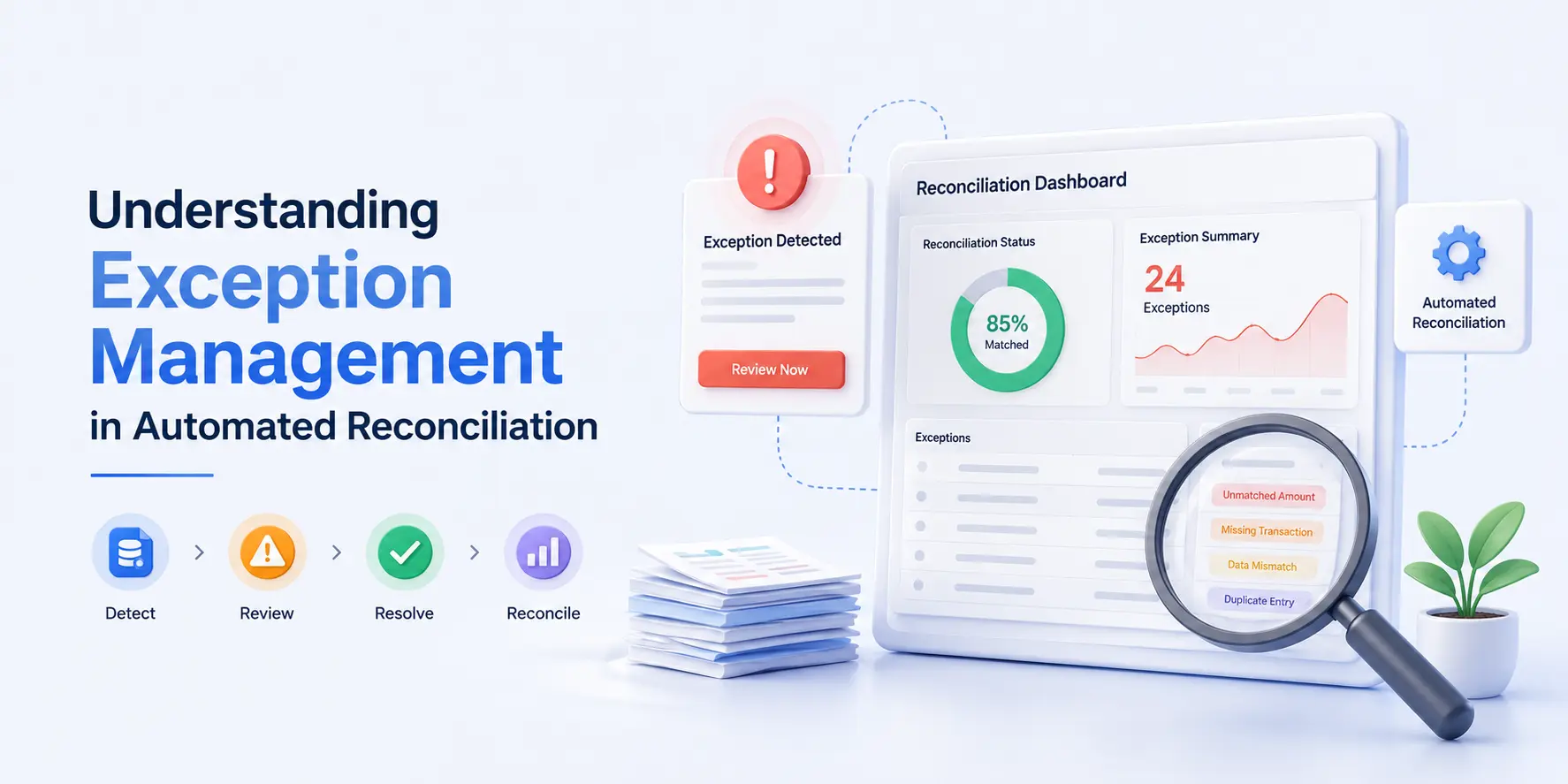
- Exception Handling: No system is 100% perfect. Good software will neatly flag any transactions it cannot match automatically and present them in a clear exception queue for your review. This means you only look at the items that need human attention, which might be just 5-10% of the total volume.
2. Seamless Integration with Your Existing Ecosystem
Your new software shouldn’t be an isolated island. It needs to connect.
- Direct Bank Feeds (API Connections): The software should connect directly to your business bank accounts and credit cards to import transactions securely and automatically. This is far safer and more efficient than manually uploading CSV files. Look for support for a wide range of financial institutions.
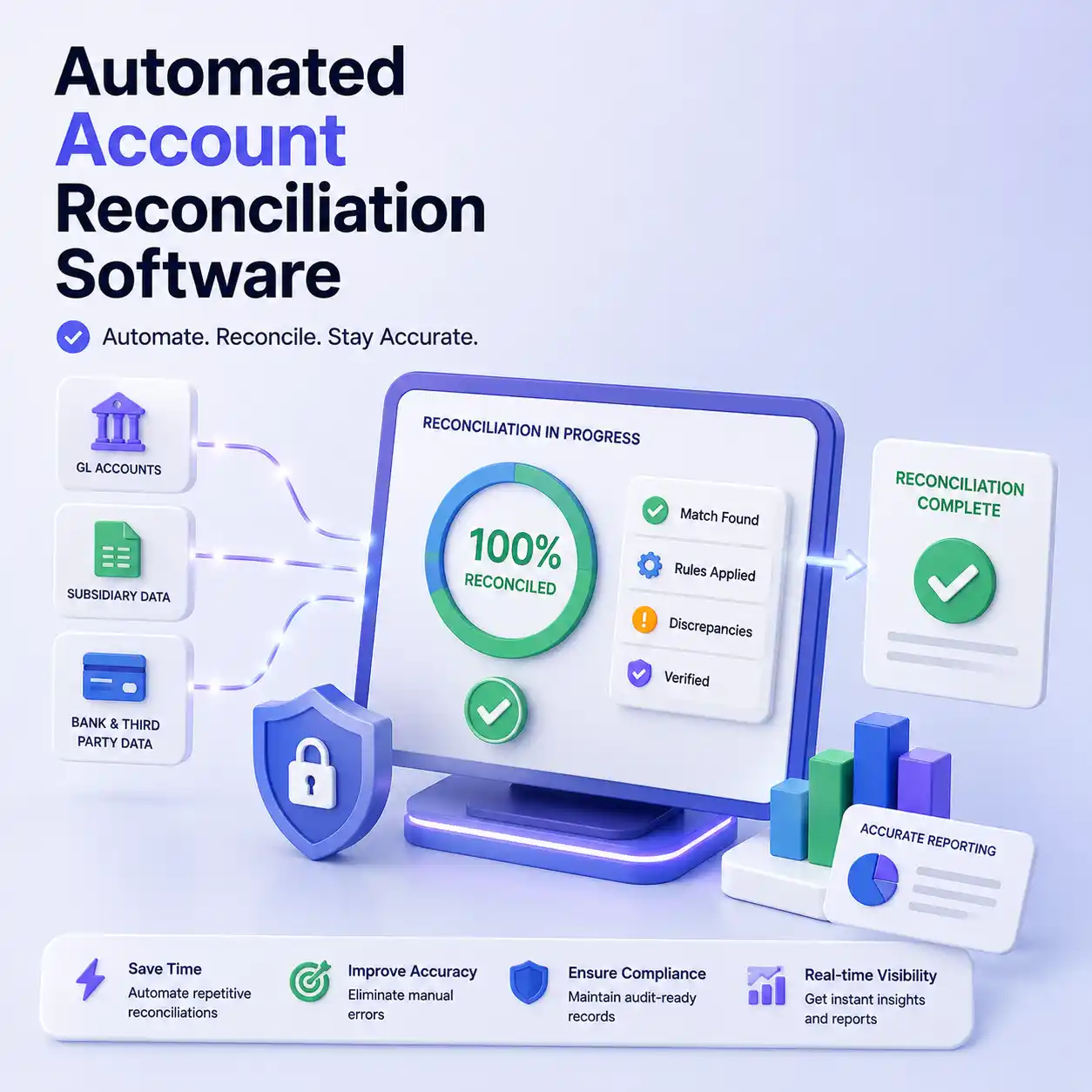
- Accounting Software Integration: Deep, two-way integration with your primary accounting platform (like QuickBooks Online, Xero, Sage, or NetSuite) is essential. Transactions and reconciliation status should sync seamlessly, eliminating double data entry and ensuring a single source of truth. This turns it into true automated account reconciliation within your main ledger.
- Other System Connectivity: For larger businesses, check if it can connect to your ERP, payment gateways (like Stripe, PayPal), or payroll systems.
3. Robust Security and Compliance Controls
You are entrusting the software with your most sensitive financial data. Security cannot be an afterthought.
- Enterprise-Grade Protection: Ensure the provider uses bank-level security. This includes data encryption both in transit and at rest (look for terms like TLS and AES-256), secure data centers with regular audits, and strict access controls.
- Audit Trail and Traceability: Every action in the software—from an automatic match to a manual override—should be logged in a detailed, unchangeable audit trail. This is crucial for internal audits, external regulatory checks, and simply understanding who did what and when.
- User Permissions: You should be able to control who on your team can see what. Define roles so that junior staff can only perform reconciliations, while managers can approve them and access reporting.
4. Clear Reporting and Real-Time Dashboards
Data is only useful if you can understand it. The right software turns data into insights.
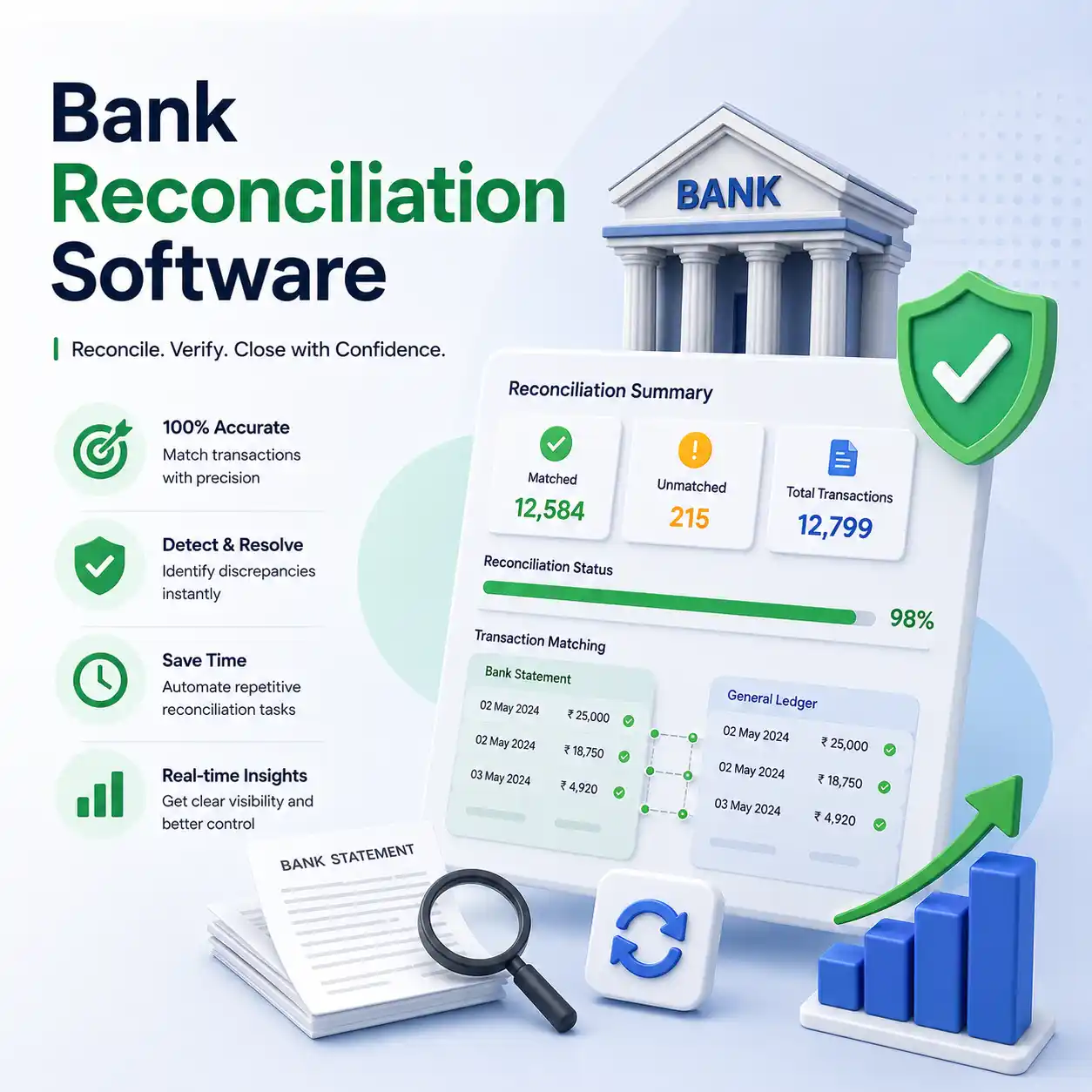
- Reconciliation Status Dashboard: At a glance, you should see the health of your reconciliation process. What percentage is complete? Which accounts are pending? Are there any aged exceptions?
- Detailed Reports: Look for software that generates standard and customizable reports. Key reports include the Reconciliation Detail report, the Unreconciled Transactions report, and the Audit Trail report. For more complex needs, balance sheet reconciliation software often includes certification workflows and compliance packs.
- Cash Flow Visibility: Some advanced tools provide improved cash flow forecasting by giving you a clearer, real-time picture of your true bank balance versus your book balance.
5. Scalability and Ease of Use
The software should grow with you and be adopted easily by your team.
- User-Friendly Interface: If the software is confusing, your team won’t use it properly. Look for a clean, intuitive interface. The process of reviewing exceptions and closing a reconciliation should be straightforward, with clear visual cues.
- Handles Volume and Complexity: The solution you choose today should work tomorrow. Can it handle a tenfold increase in transaction volume? Can it manage reconciliations for multiple entities, currencies, and complex inter-company transactions? A scalable automated reconciliation platform prevents the need for a costly switch later.
- Reliable Customer Support: Even the best software sometimes needs expert help. Check the provider’s support channels (phone, chat, email), their hours of operation, and the availability of training resources like webinars or knowledge bases.
Also Read: Can Reconciliation Automation Tools Handle Multi-Currency Transactions?
The Tangible Benefits: What You Gain from the Right Choice
Investing in a dedicated automated bank reconciliation software delivers clear, measurable returns:
- Time Savings: Reduce reconciliation time by up to 80-90%. Tasks that took days can be completed in hours or minutes.
- Unmatched Accuracy: Drastically reduce human error, leading to more accurate financial statements and reliable books.
- Improved Fraud Detection: Automated systems can spot unusual patterns, duplicate payments, or discrepancies that might be missed by the human eye, adding a layer of financial control.
- Faster Month-End Close: Accelerate your financial close process by days, giving leadership timely information for decision-making.
- Enhanced Productivity: Free your finance team from repetitive tasks, allowing them to focus on analysis, budgeting, and strategic advisory roles.
- Stronger Compliance: Maintain a clear, digital audit trail that satisfies internal auditors and regulatory requirements with ease.
Making the Final Decision: A Practical Checklist
As you evaluate different vendors, use this checklist to guide your discussions and demos:
- Does it automate the majority of our matching scenarios? (Ask for a demo using your own anonymized data if possible).
- Does it integrate directly with our specific bank and our primary accounting software?
- What security certifications and protocols does the vendor have? (Ask about SOC 2 reports, data encryption standards).
- Is the interface intuitive for all levels of users on our team?
- What does the reporting look like? Does it give us the visibility we need?
- What is the total cost? Understand the pricing model (per user, per transaction, flat fee) and any implementation or support costs.
- Can it handle our expected growth in transaction volume and business complexity over the next 3-5 years?
Choosing the right reconciliation software is a strategic decision that impacts your entire finance function. By prioritizing powerful automation, seamless integration, ironclad security, and actionable insights, you will select a tool that not only solves the reconciliation challenge but also becomes a cornerstone of your financial control and efficiency.
Also Read: How Does Reconciliation Software Integrate with ERP and Banking Systems?
Frequently Asked Questions
1. How much does bank reconciliation software typically cost?
Costs vary widely based on features, transaction volume, and business size. Many vendors offer tiered monthly subscriptions starting from around $20-$50 per month for small businesses to several hundred or thousand per month for enterprise-grade automated reconciliation tools with advanced features. Some may charge based on the number of bank accounts or users.
2. Is my financial data safe in cloud-based reconciliation software?
Reputable cloud-based providers invest heavily in security, often exceeding what a small or mid-sized business can implement on its own. Look for providers that use bank-level encryption (AES-256), secure data centers with SOC 2 compliance, and regular third-party security audits. Always review the vendor's security policy.
3. Can this software handle multiple currencies and international bank accounts?
Yes, most modern accounts reconciliation software is built for global business. Key features to look for are multi-currency support, the ability to handle exchange rate fluctuations, and connectivity to banks in different countries. Be sure to confirm this with the vendor for your specific countries and currencies.
4. How long does it take to implement this kind of software?
Implementation can be surprisingly quick for standard setups—often within a few days to a week. The process typically involves connecting your bank feeds, integrating with your accounting software, and configuring your matching rules. More complex deployments for large organizations may take several weeks.
5. What happens to transactions the software can’t match?
Unmatched transactions are placed in a clear, organized exception queue for manual review. The software provides tools to help you investigate these items (like seeing potential near-matches or split transactions) and resolve them quickly. Over time, you can create new rules to automate these exceptions in the future.
6. Do we still need accounting software if we have bank reconciliation software?
Yes. Think of bank reconciliation automation software as a powerful add-on or specialized component that works with your core accounting software. Your accounting software remains your system of record for general ledger, invoicing, accounts payable/receivable, and financial reporting. The reconciliation software supercharges one specific, critical process within that ecosystem.
Ready to get started?
Contact us now
Contact us now
* By clicking on Contact Us you are agreeing to our Terms & Conditions and Privacy policy.