What Are the Common Challenges Solved by Treasury Management Systems?
Kosh.ai
February 12, 2026
.webp)
In today’s fast-paced financial landscape, businesses are juggling more moving parts than ever before. From handling multiple bank accounts across different countries to forecasting cash flow accurately, the treasury department carries a weight that often goes unnoticed—until something goes wrong. When errors creep in, liquidity dries up, or fraud strikes, companies quickly realize how fragile their financial operations really are.
This is where treasury management systems step in. These powerful platforms are no longer a luxury reserved for multinational corporations. Mid-sized businesses, nonprofits, and even growing startups are now adopting treasury management solutions to streamline operations, reduce risk, and gain real-time visibility into their finances.
But what specific challenges do these systems solve? And why are more organizations searching for the best treasury management systems on the market? In this comprehensive guide, we will walk through the most common pain points businesses face and explore how a treasury management system can turn chaos into clarity.
Fragmented Financial Visibility and Data Silos
One of the biggest headaches for finance teams is the lack of a single source of truth. When your bank accounts are scattered across multiple institutions, and your spreadsheets are maintained by different people in different departments, getting a clear picture of your company’s cash position becomes a guessing game.
The Spreadsheet Trap
Many organizations start with Excel. It is familiar, flexible, and free. However, as the company grows, spreadsheets become unreliable. Formulas get broken, versions multiply, and someone always forgets to update the closing balance. This fragmented approach leads to reconciliation errors and delayed decision-making.
An integrated treasury management system solves this by aggregating all bank data into one dashboard. Instead of logging into five different banking portals, the treasurer wakes up to a unified view of global cash positions. This eliminates blind spots and reduces the time spent on manual data gathering by more than 70 percent in some cases.
According to a 2022 report by McKinsey, companies that implement centralized treasury visibility reduce their idle cash balances by an average of 15 to 20 percent within the first year. That is capital that can now be deployed for growth initiatives rather than sitting unproductively across fragmented accounts.
Real-Time Data vs. Historical Reporting
Without automation, most businesses rely on yesterday’s data to make today’s decisions. That lag can be costly. According to a 2023 survey by the Association for Financial Professionals, 41 percent of organizations cited a lack of real-time visibility as a top barrier to effective cash management.
Modern treasury management software provides real-time or near-real-time updates. This means you can spot a negative balance before overdraft fees hit or identify surplus cash that could be invested overnight. In fact, organizations using real-time treasury dashboards report a 30 percent faster response time to liquidity shortfalls compared to those relying on end-of-day reporting.
Inefficient and Error-Prone Manual Processes
Manual processes are the silent killers of treasury productivity. They consume hours of staff time, introduce human error, and increase the likelihood of fraud. A study by Deloitte found that 58 percent of treasury departments still rely heavily on spreadsheets for core processes, despite acknowledging the risks involved.
Payment Processing Bottlenecks
Processing payments manually—whether by check, wire, or ACH—requires multiple approvals, data entry, and verification steps. In a manual environment, a single payment run might take an entire day. This bottleneck slows down operations and frustrates vendors waiting to be paid.
A treasury management solution automates the entire payment lifecycle. It pulls payment instructions from your ERP, applies compliance checks, routes approvals, and executes the transaction. Some systems even support multiple file formats to communicate with banks globally. As a result, payment runs that once took hours can be completed in minutes.
Data from PayStream Advisors indicates that automated payment processing reduces transaction costs by up to 60 percent and cuts processing time by 75 percent. For companies processing thousands of payments monthly, the savings are substantial.
Reconciliation Nightmares
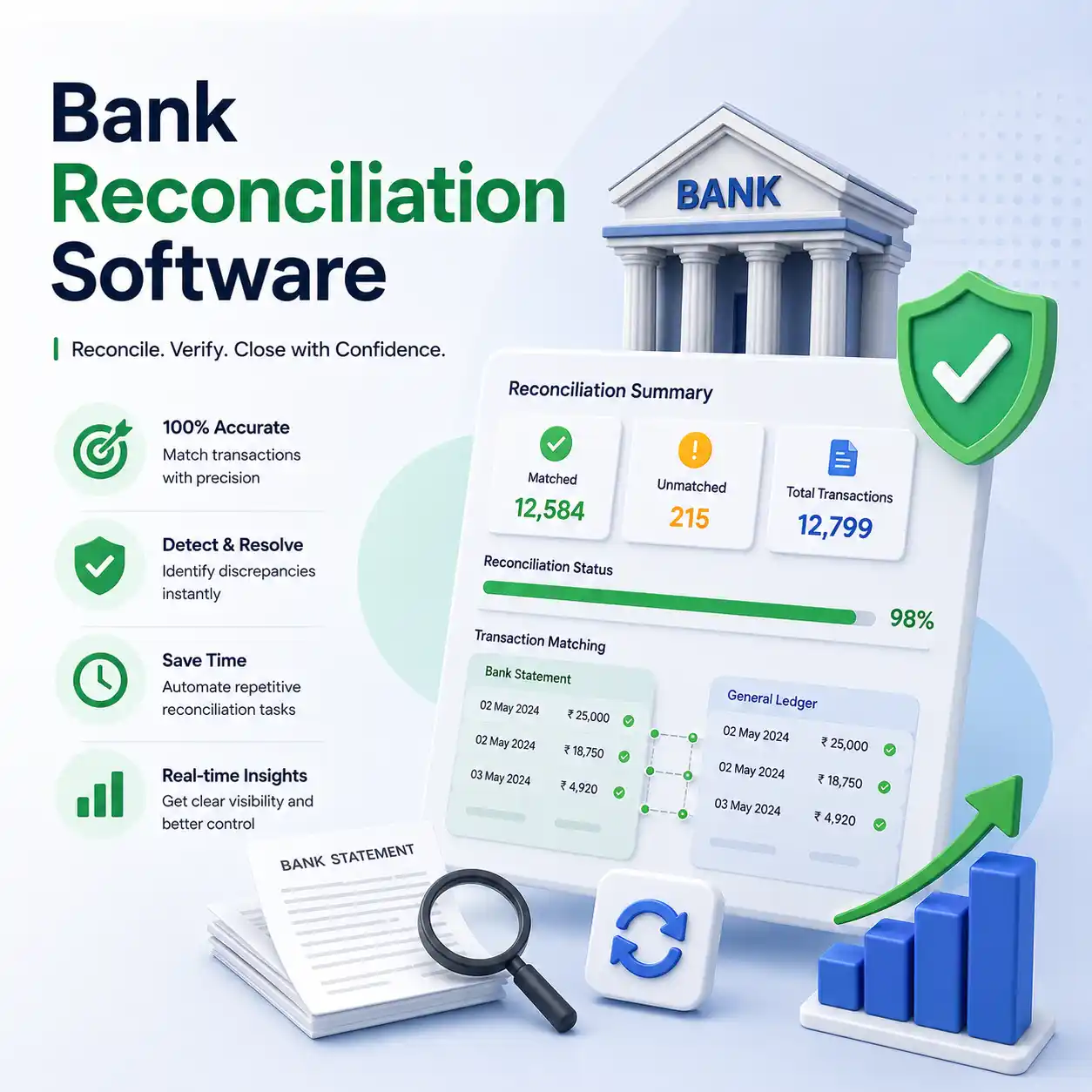
Reconciling bank statements against internal ledgers is tedious. When done manually, finance teams often find themselves playing detective, matching thousands of transactions line by line. This process is not only slow but also prone to oversight. The average organization spends 12 to 15 hours per week on manual reconciliation alone.
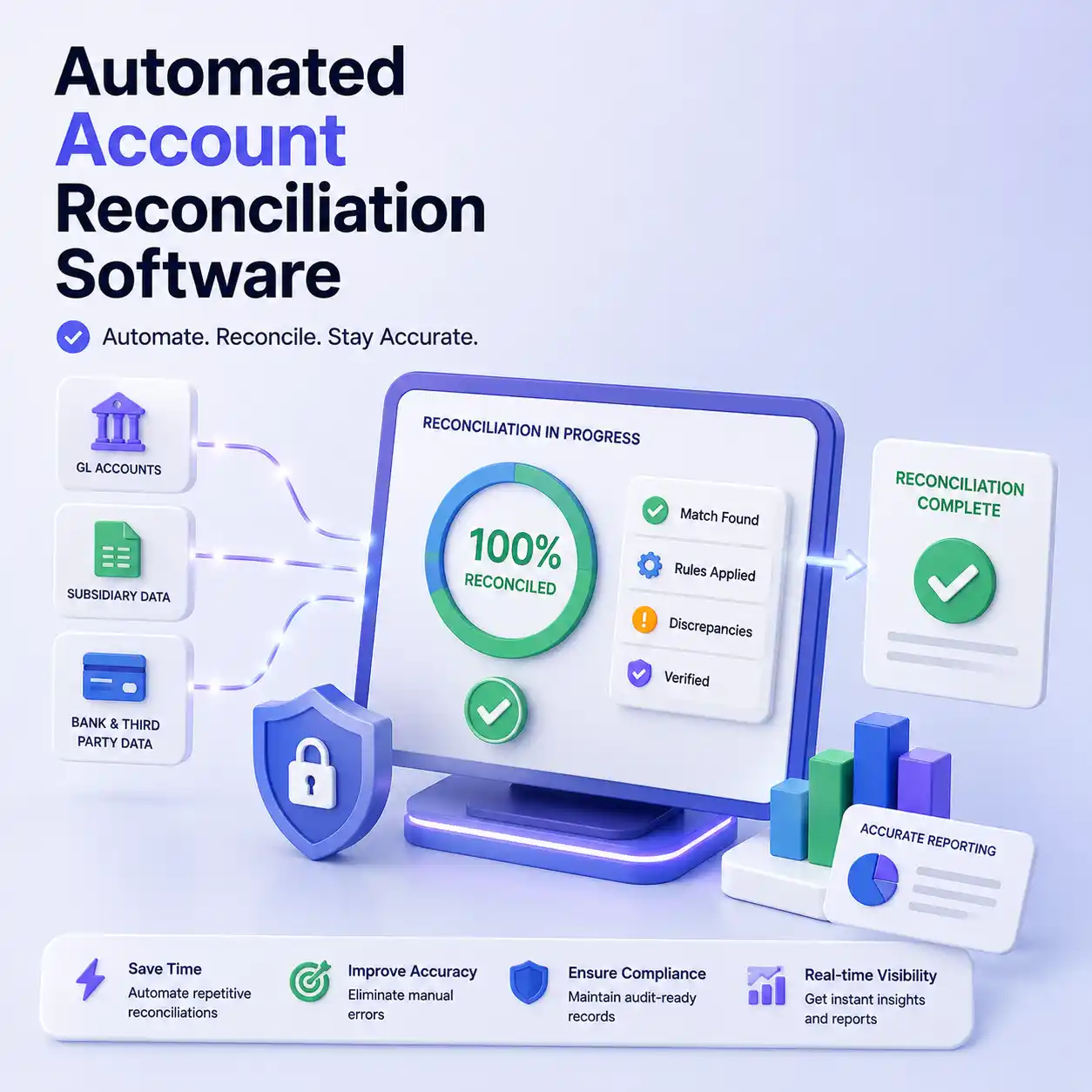
Automated reconciliation features in treasury management systems match transactions using pre-defined rules. They flag exceptions immediately and provide audit trails that satisfy both internal controls and external auditors. Businesses that switch to automated reconciliation typically reduce their close time by 50 percent or more.
Cash Flow Forecasting Inaccuracy
Cash is the lifeblood of any business. Yet, forecasting where it will be next week or next month remains a struggle for many organizations. A 2024 study by Kyriba revealed that 61 percent of companies miss their cash flow forecasts by more than 10 percent each month.
Garbage In, Garbage Out
Forecasts are only as good as the data feeding them. If your AR team provides unreliable collection estimates or your procurement team forgets to flag a large supplier payment, your forecast becomes useless. This unpredictability forces companies to hold excess cash "just in case," which ties up capital that could be used for growth.
Best treasury management systems now include predictive analytics and machine learning tools. These modules analyze historical patterns, seasonality, and current receivables to generate more accurate cash flow forecasts. Some platforms even allow "what-if" scenario modeling, helping treasurers prepare for economic downturns or rapid expansion.
Companies using AI-driven forecasting tools improve their forecast accuracy by 20 to 35 percent on average, according to research from Bloomberg. This level of precision allows treasurers to reduce borrowing costs and maximize returns on short-term investments.
Rolling Forecasts Made Simple
Static monthly forecasts are outdated the moment they are printed. Modern treasury management software supports rolling forecasts that update automatically as new transactions post. This dynamic view allows CFOs to adjust borrowing, investing, or spending with confidence.
Forward-thinking organizations now update their cash forecasts daily rather than weekly or monthly. This shift alone has helped many companies navigate supply chain disruptions and interest rate volatility with far fewer liquidity scares.
Liquidity and Working Capital Management
Even profitable companies can fail if they mismanage liquidity. Keeping too much cash idle in non-interest-bearing accounts is wasteful, while keeping too little exposes the business to risk.
Idle Cash and Missed Opportunities
Many businesses maintain large balances in their operating accounts simply because they lack visibility into what is truly available. Without a treasury management system, it is difficult to pool cash from multiple subsidiaries or entities.
An integrated treasury management system enables notional pooling and cash concentration. These techniques allow companies to consolidate balances for investment purposes while still meeting local operational needs. The result is improved yield on short-term investments and reduced borrowing costs.
According to a 2023 survey by EuroFinance, organizations with centralized treasury structures earn 30 to 50 basis points higher returns on their short-term investments compared to those operating in silos. Over a large portfolio, this difference translates into millions of dollars annually.
Optimizing Days Payable and Receivable
Working capital optimization is not just about having cash—it is about timing. Treasury teams often struggle to balance early payment discounts against the need to preserve liquidity. With automated forecasting and payment scheduling, companies can extend payables without damaging supplier relationships or accelerate receivables through better invoicing and collection workflows.
The Hackett Group reports that best-in-class organizations collect receivables 12 days faster and extend payables 8 days longer than their peers, largely due to automated treasury and finance systems. These gains directly improve return on invested capital and free up resources for strategic initiatives.
Regulatory Compliance and Reporting Burdens
Compliance is a moving target. From anti-money laundering rules to international accounting standards, the regulatory burden on treasury departments has never been heavier.
Keeping Up with Changing Regulations
Regulations vary by country, currency, and counterparty type. A payment that is perfectly legal in one jurisdiction might trigger reporting requirements in another. Manual compliance monitoring is not scalable and exposes companies to fines and reputational damage.
Treasury management solutions embed compliance directly into the workflow. They screen payments against sanctions lists, enforce segregation of duties, and maintain complete audit logs. When auditors arrive, the system can produce compliance reports in minutes rather than weeks.
The cost of non-compliance is staggering. Global fines for financial crimes reached over $10 billion in 2023, according to Fenergo. While not all of these penalties apply to corporate treasury, the trend shows that regulators are scrutinizing corporate payment activities more closely than ever.
Standardizing Global Reporting
Multinational companies often struggle to consolidate treasury data from subsidiaries using different accounting systems and currencies. This makes board reporting inconsistent and time-consuming.
A treasury management system standardizes data formats and automates currency conversions. It generates consistent reports on exposures, counterparty limits, and cash positions across the entire enterprise. One global manufacturing company reduced its month-end reporting cycle from 15 days to 3 days after implementing an integrated treasury platform.
Fraud and Cybersecurity Threats
Corporate treasury is a high-value target for cybercriminals. Payment fraud, business email compromise, and CEO impersonation scams are on the rise.
Payment Fraud Prevention
According to the AFP 2024 Payments Fraud and Control Survey, 80 percent of organizations experienced attempted or actual payments fraud in 2023. Traditional controls like manual approval are no longer sufficient.
Treasury management software adds multiple layers of defense. These include positive pay files, dual authorization workflows, and automated reconciliation that flags duplicate or unusual transactions instantly. Companies using automated fraud detection tools prevent 95 percent of attempted payment fraud, compared to only 60 percent for those relying solely on manual reviews.
Secure Data Exchange
Sensitive treasury data—bank account numbers, balances, transaction details—must be protected both at rest and in transit. Legacy systems often rely on unencrypted email attachments or FTP servers, which are vulnerable to interception.
Modern treasury management systems use bank-grade encryption and secure APIs to exchange data with financial institutions. They also support tokenization, ensuring that sensitive account details are never exposed during payment processing. Cloud-based treasury platforms now routinely achieve SOC 2 Type II certification, giving organizations confidence in their security posture.
Debt and Investment Management
Borrowing and investing are core treasury functions, yet many companies manage them reactively rather than strategically.
Fragmented Debt Portfolios
It is not unusual for growing companies to accumulate loans, lines of credit, and leases from multiple lenders. Without a centralized system, tracking covenants, interest rates, and maturity dates becomes chaotic. Missed covenant reporting can trigger defaults and higher borrowing costs.
Best treasury management systems include debt management modules that centralize all loan information. They track key dates, calculate interest accruals, and alert the team when reporting deadlines approach. Organizations using these tools report a 20 percent reduction in administrative time spent on debt management and zero missed covenant violations.
Investment Tracking and Performance
Similarly, companies with short-term investment portfolios need to monitor performance, credit ratings, and concentration limits. Manual tracking increases the risk of exceeding internal policy limits.
Treasury software provides a consolidated view of all investments, automatically updates market values, and enforces compliance with investment policies. Investment managers can run stress tests and liquidity gap analyses in minutes, ensuring the portfolio remains aligned with corporate risk tolerance.
Bank Relationship and Fee Management
Maintaining relationships with multiple banks is necessary for operational resilience, but it also creates administrative overhead.
Bank Fee Analysis
Bank fees are notoriously difficult to audit. Invoices arrive in different formats, use cryptic codes, and often include errors. Many companies overpay for banking services simply because they lack the tools to verify charges.
Treasury management solutions include bank fee analysis modules. These tools parse electronic bank account statements, compare actual charges against negotiated rate cards, and flag discrepancies for recovery. Organizations using these tools typically recover 2 to 5 percent of their annual banking fees. One Fortune 500 company recovered over $2 million in erroneous bank charges within 18 months of implementing fee analysis software.
Rationalizing Banking Partners
When banks are added ad-hoc to support specific projects or geographies, the company ends up with an inefficient, expensive banking structure. Treasury software provides the data needed to rationalize bank accounts, negotiate better pricing, and streamline banking operations.
Consolidating banking relationships also improves compliance. Fewer bank accounts mean fewer audit points and reduced exposure to bank failures or service disruptions. Leading organizations review their banking structure annually, using data from their treasury system to eliminate redundant or low-value accounts.
Scalability and Future-Proofing
As organizations grow, their treasury needs become more complex. A system that works for a single-entity domestic business will collapse under the weight of international subsidiaries, multiple currencies, and higher transaction volumes.
Supporting International Expansion
Expanding into new markets introduces currency risk, diverse payment methods, and unfamiliar regulatory environments. Trying to manage this with disconnected tools is a recipe for errors.
An integrated treasury management system scales with your business. It supports multi-currency accounting, automated FX hedging, and local payment formats without requiring a complete system overhaul. Companies using scalable treasury platforms bring new subsidiaries online 60 percent faster than those relying on manual setups.
Adapting to New Technologies
The treasury technology landscape is evolving rapidly. APIs are replacing old batch-file connections, blockchain is being explored for cross-border payments, and artificial intelligence is improving fraud detection.
Choosing the best treasury management systems means selecting a vendor committed to continuous innovation. Cloud-based platforms, in particular, receive regular updates without costly on-premise upgrades. Modern treasury systems now offer open API architectures, allowing organizations to build custom integrations and stay ahead of emerging financial technologies.
Also Read: Why Are Integrated Treasury Management Systems Gaining Popularity?
Internal Communication and Collaboration
Treasury does not operate in a vacuum. You need input from sales, procurement, and HR. When these departments work in silos, treasury is always chasing information.
Breaking Down Departmental Walls
Treasury management software acts as a central hub. It can integrate with your ERP, CRM, and HR systems to pull in relevant data automatically. Sales forecasts become cash inflow projections. Purchase orders become scheduled payment obligations.
This integration reduces the back-and-forth emails and spreadsheets that slow down decision-making. It also improves accountability because everyone works from the same data set. Organizations with integrated treasury and ERP systems report 40 percent faster budget cycles and 30 percent more accurate financial projections.
Role-Based Dashboards
Not everyone in the organization needs the same level of detail. A CEO wants a high-level summary of liquidity and risk. The AP manager needs to see pending invoices and approval queues.
Modern treasury management solutions offer role-based dashboards. Each user sees the information relevant to their job, with drill-down capabilities for deeper analysis when needed. This self-service approach reduces ad-hoc reporting requests by up to 50 percent, allowing the treasury team to focus on strategic analysis rather than data extraction.
Conclusion
The challenges facing treasury professionals are diverse and interconnected. Fragmented data leads to poor forecasts. Manual processes increase both cost and risk. Compliance requirements grow more complex each year. And fraudsters are constantly refining their tactics.
Treasury management systems are not just software—they are strategic investments in financial stability. By automating routine tasks, centralizing information, and providing advanced analytics, these platforms free up treasury teams to focus on what really matters: optimizing liquidity, managing risk, and supporting business growth.
Whether you are evaluating treasury management software for the first time or looking to upgrade your current setup, the key is to identify which challenges are most urgent for your organization. The best treasury management systems are the ones that align with your specific industry, size, and growth trajectory.
In a world where financial complexity is only increasing, waiting is the riskiest move of all.
Also Read: Why Are Companies Replacing Spreadsheets with Treasury Management Software?
Frequently Asked Questions
1. What is the difference between treasury management systems and ERP financial modules?
While ERP systems handle general ledger, accounts payable, and accounts receivable, they often lack specialized treasury functions. A treasury management system provides deeper capabilities for cash forecasting, bank connectivity, debt management, and risk hedging that most ERP modules do not offer. ERPs are broad operational tools, while treasury systems are purpose-built for financial risk and liquidity management.
2. Can small businesses benefit from treasury management software?
Absolutely. Many vendors now offer scalable treasury management solutions designed for mid-sized and growing companies. These systems automate bank reconciliation, improve cash visibility, and reduce fraud risk—benefits that matter regardless of company size. Cloud-based pricing models also make these solutions affordable for businesses with 50 to 500 employees.
3. How long does it take to implement a treasury management system?
Implementation timelines vary based on complexity. A basic deployment for a single entity might take 8 to 12 weeks. A global rollout involving multiple banks, currencies, and ERP integrations can take 6 to 9 months. Cloud-based systems generally implement faster than on-premise alternatives due to reduced hardware and infrastructure requirements.
4. Are treasury management systems secure?
Yes, reputable treasury management software vendors employ bank-grade security measures, including end-to-end encryption, multi-factor authentication, and regular third-party penetration testing. Cloud providers also maintain certifications like SOC 1 and SOC 2. Most systems also offer granular user permissions to prevent unauthorized access to sensitive financial data.
5. Can treasury management systems help with ESG reporting?
Increasingly, yes. Some integrated treasury management systems now include modules to track and report on green bonds, sustainability-linked loans, and other ESG metrics. This helps companies meet investor and regulatory demands for transparent sustainability reporting. As ESG requirements expand, treasury systems are evolving to capture and report this non-financial data alongside traditional cash metrics.
6. What is the typical return on investment for a treasury management system?
ROI varies, but most organizations recover their investment within 12 to 24 months. Savings come from reduced bank fees, lower fraud losses, improved staff productivity, and optimized interest income. Many companies also avoid costly regulatory fines. Beyond hard dollar savings, organizations gain intangible benefits like faster decision-making and reduced key-person risk.
Ready to get started?
Contact us now
Contact us now
* By clicking on Contact Us you are agreeing to our Terms & Conditions and Privacy policy.