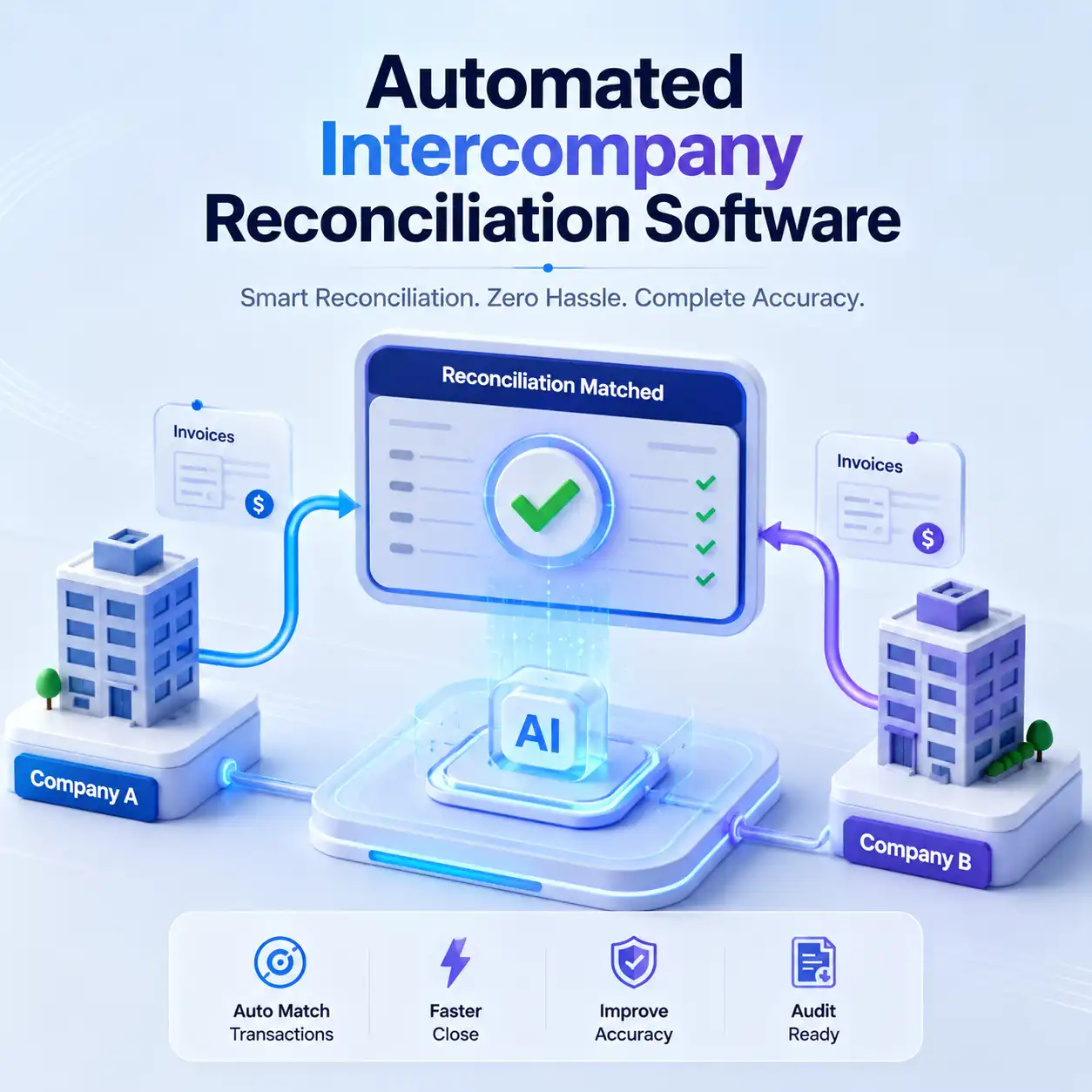
What Role Does Automated Reconciliation Software Play in Financial Controls?
Kosh.ai
February 11, 2026
In the fast-paced world of finance, accuracy is not just a goal—it is a requirement. For decades, finance teams spent countless hours manually matching bank statements against internal ledgers. It was tedious, error-prone, and expensive. Today, that landscape has shifted dramatically. At the heart of this shift is automated reconciliation software, a technology that has quietly revolutionized how organizations maintain financial controls.
.webp)
But what exactly does this software do, and why has it become a non-negotiable tool for chief financial officers, controllers, and auditors? This article explores the deep, strategic role that reconciliation automation plays in building a fortress of financial integrity. Whether you are a startup founder or a finance veteran, understanding this technology is key to safeguarding your organization’s assets and reputation.
Understanding Financial Controls: Why They Matter More Than Ever
Before diving into automation, we must first understand the foundation it protects. Financial controls are the policies, procedures, and systems that ensure a company’s financial data is accurate, complete, and reliable. They prevent fraud, catch errors, and ensure compliance with laws like the Sarbanes-Oxley Act (SOX) in the United States or global equivalents.
Traditionally, reconciliation—the process of comparing two sets of records to ensure they match—was the bedrock of these controls. Yet, a 2023 report by the Association of Certified Fraud Examiners found that organizations without automated controls took twice as long to detect fraud, resulting in median losses of $200,000 per case. This statistic alone highlights the vulnerability of manual methods.
Here is where reconciliation software enters the picture. It does not just replace spreadsheets; it redefines the control environment itself.
What Is Automated Reconciliation Software?
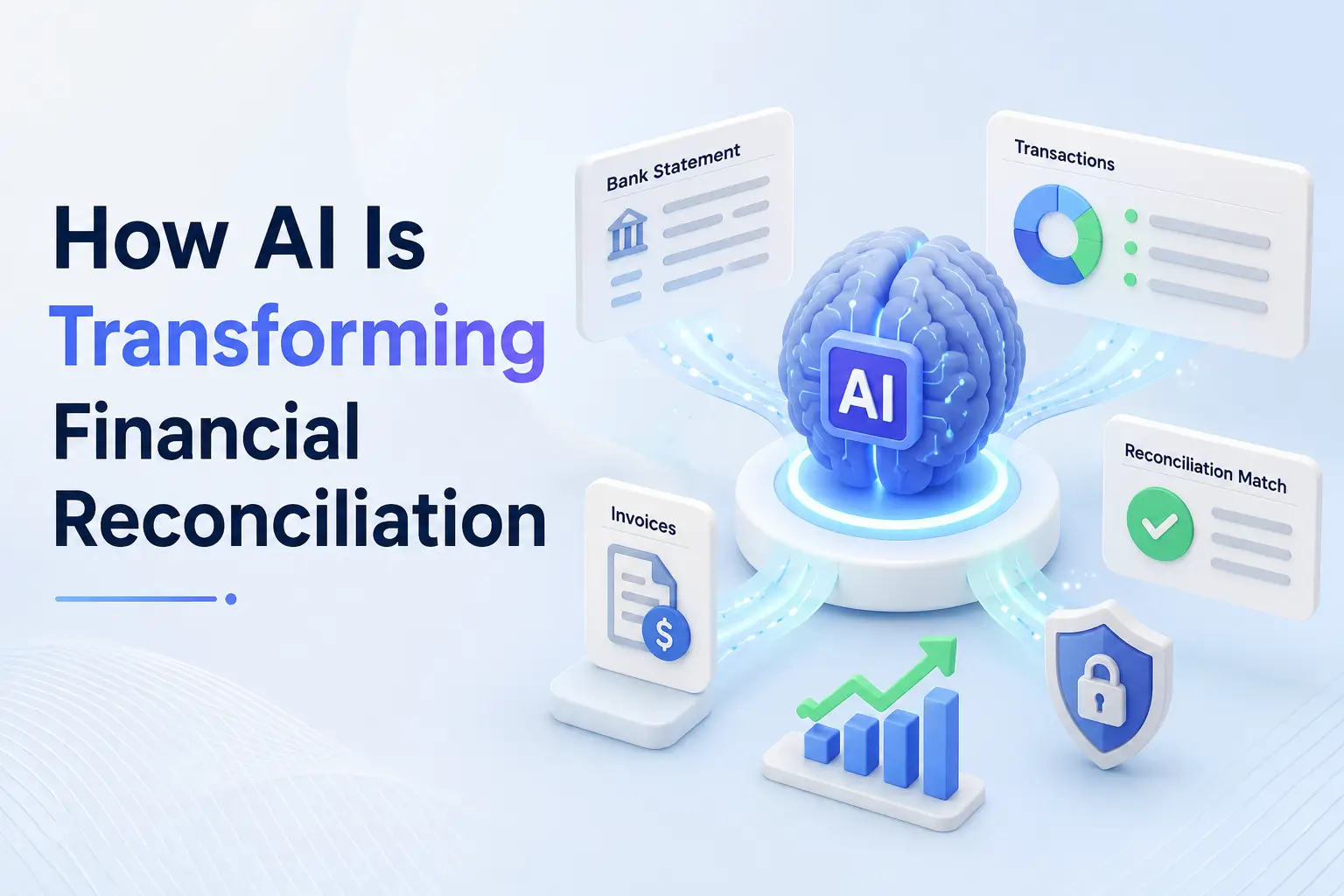
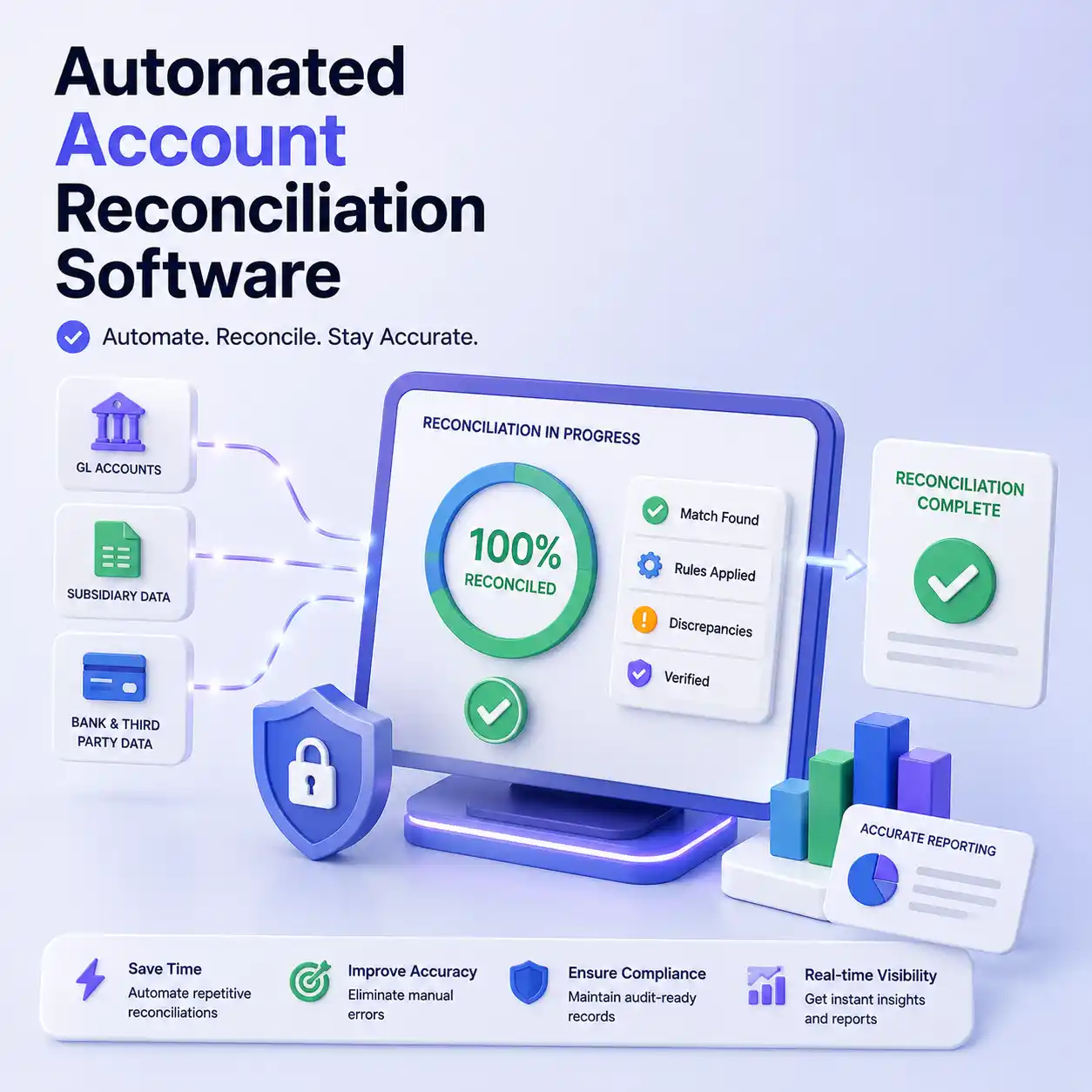
At its core, automated reconciliation software is a digital tool that matches transactions from different sources—such as bank statements, credit card processors, and internal ledgers—without human intervention. It uses predefined rules, artificial intelligence, and machine learning to identify matches, flag discrepancies, and sometimes even correct errors automatically.
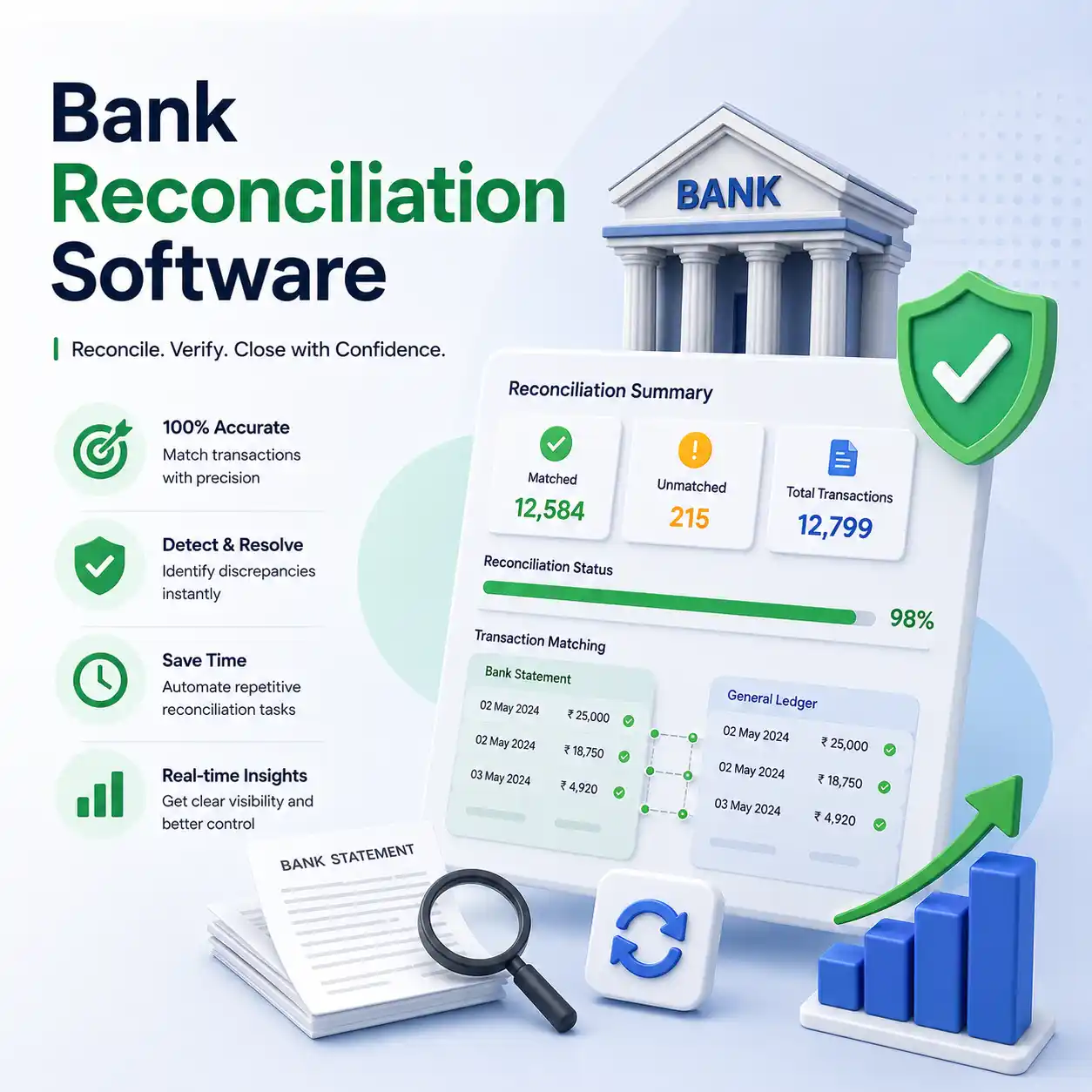
However, it is crucial to distinguish between the various tools available. You may hear terms like software for bank reconciliation, balance sheet reconciliation software, or accounts reconciliation software. While these terms overlap, they often address specific pain points. For instance, bank-specific tools focus heavily on high-volume transaction matching, while broader accounting tools handle intercompany reconciliations and fixed assets.
What unites them is the goal: to ensure that what the business thinks it has matches what the bank or partner says it has.
The Core Role in Financial Controls: Accuracy and Speed
Eliminating Human Error
The most immediate role of automated reconciliation in financial controls is the drastic reduction of human error. A study by the financial research firm Ardent Partners revealed that 61% of organizations still rely on manual processes for some part of their reconciliation work. Manual data entry carries an inherent error rate of approximately 1% to 5%. While that seems small, in a company processing thousands of transactions daily, the dollar impact is substantial.
Automated account reconciliation tools eliminate typos, transposed numbers, and missed entries. By pulling data directly from source systems via application programming interfaces (APIs), the software removes the "human touch" from data entry—and with it, the risk.
Accelerating the Close Process
Financial controls are not just about preventing bad things; they are also about enabling good decisions. A delayed month-end close means executives are making decisions on stale data. According to a 2024 survey by the American Institute of CPAs, companies using reconciliation automation tools close their books 30% faster than those relying on manual methods.
This speed strengthens controls because discrepancies are identified while the transaction is still fresh. It is much easier to resolve a missing payment three days after it occurred than three weeks later when memories have faded and documents are buried.
How Automated Reconciliation Strengthens Fraud Detection
Fraud is an unfortunate reality in the business world. The 2024 PwC Global Economic Crime and Fraud Survey reported that 51% of organizations experienced fraud in the previous two years. Internal fraud, such as an employee creating fake vendors or altering payment amounts, often goes undetected because the fraudster also controls the reconciliation process.
This is where automated reconciliation system architecture becomes a game-changer. By enforcing segregation of duties, the system ensures that the person who initiates a payment cannot also approve the reconciliation of that payment. Furthermore, advanced systems use anomaly detection.
For example, if a vendor invoice is split into multiple smaller payments to avoid a review threshold, bank reconciliation automation flags this pattern immediately. The system does not get tired; it does not overlook a "one-time" adjustment. It simply applies the rules consistently.
Compliance and Audit: The Invisible Shield
Meeting Regulatory Standards
For publicly traded companies, compliance with SOX is mandatory. Section 404 requires management to assess the effectiveness of internal controls. Auditors love automated reconciliation—not because it makes their job easier (though it does), but because it provides an unbroken, verifiable chain of evidence.
When using reconciliation solution software, every match, every exception, and every manual override is logged with a timestamp and user identification. This audit trail is invaluable. Instead of auditors manually testing a sample of 50 transactions, they can review the system’s logic and test the entire population of transactions.
Standardization Across Entities
Large enterprises often struggle with inconsistent practices across subsidiaries. One division might reconcile daily; another might wait until month-end. One might use a strict "zero tolerance" matching rule; another might accept close approximations.
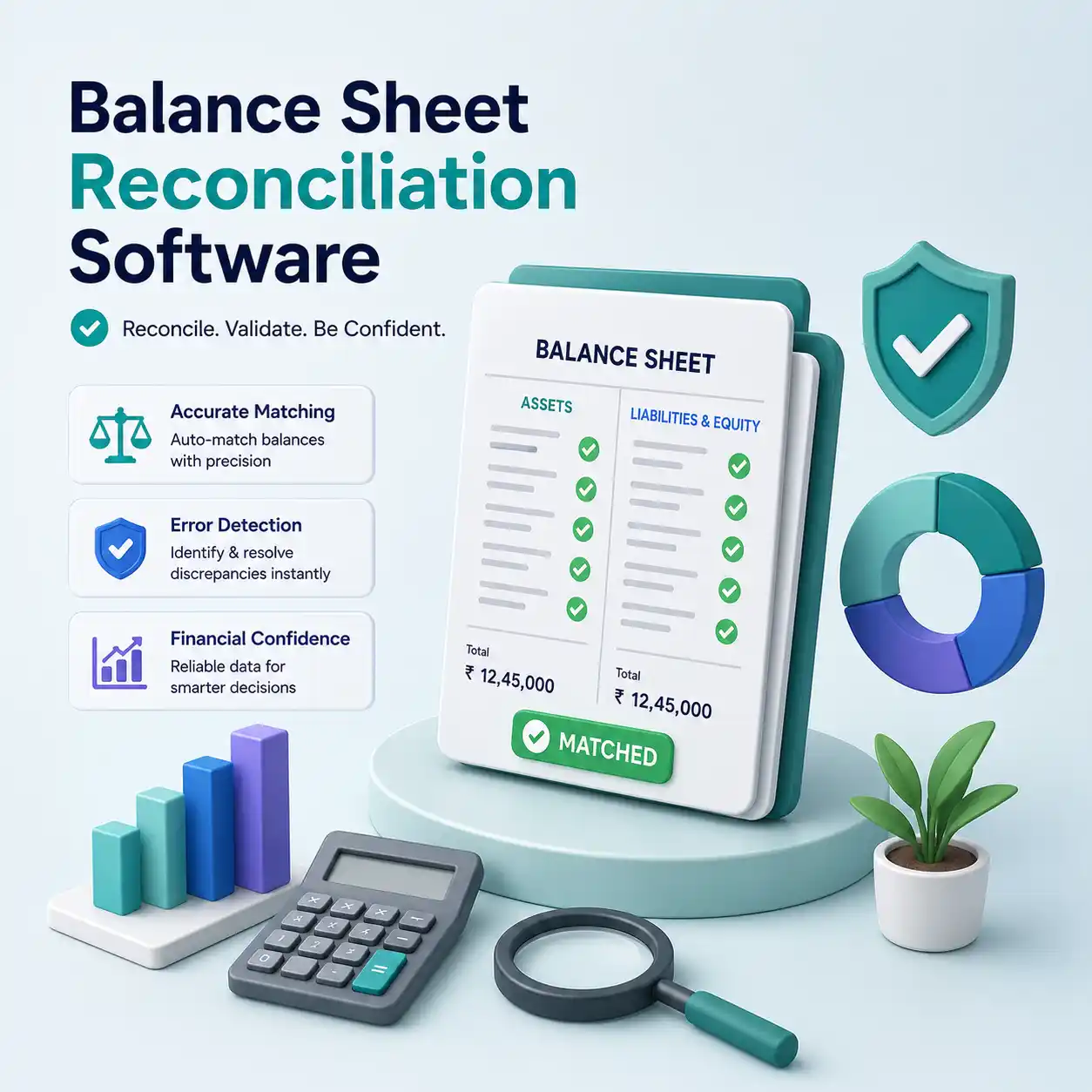
Balance sheet reconciliation software centralizes these rules. It ensures that every legal entity within the group follows the same control standards. This uniformity reduces the risk of material misstatement at the consolidated level—a primary concern for group auditors.
Cash Flow Visibility and Working Capital Management
Financial controls are often viewed as a defensive measure. However, automated bank reconciliation software plays a powerful offensive role by improving cash visibility.
When a business has real-time visibility into cleared transactions versus outstanding ones, it can make smarter decisions about paying suppliers early (to capture discounts) or delaying payments (to preserve cash). A 2023 report by the Association for Financial Professionals indicated that organizations with high levels of automation were 40% more likely to have accurate daily cash forecasts.
Reconciliation software for banks used by corporate treasurers provides this visibility. By integrating directly with banking partners, the software shows exactly which checks have cleared and which wire transfers are pending. This turns reconciliation from a backward-looking chore into a forward-looking strategic tool.
The Technology Stack: How It Works Under the Hood
To understand the role in controls, it helps to understand the mechanics. Modern automated bank reconciliation platforms typically follow a four-step process:
- Data Ingestion: The system pulls data from bank files (BAI2, MT940, CAMT) and internal ERP systems (SAP, Oracle, NetSuite). This is often done via secure file transfer protocol or direct API connections.
- Matching Engine: Using fuzzy logic and deterministic rules, the system matches transactions based on amount, date, reference number, and payee name. Unlike simple excel vlookups, the software can handle partial matches and near matches.
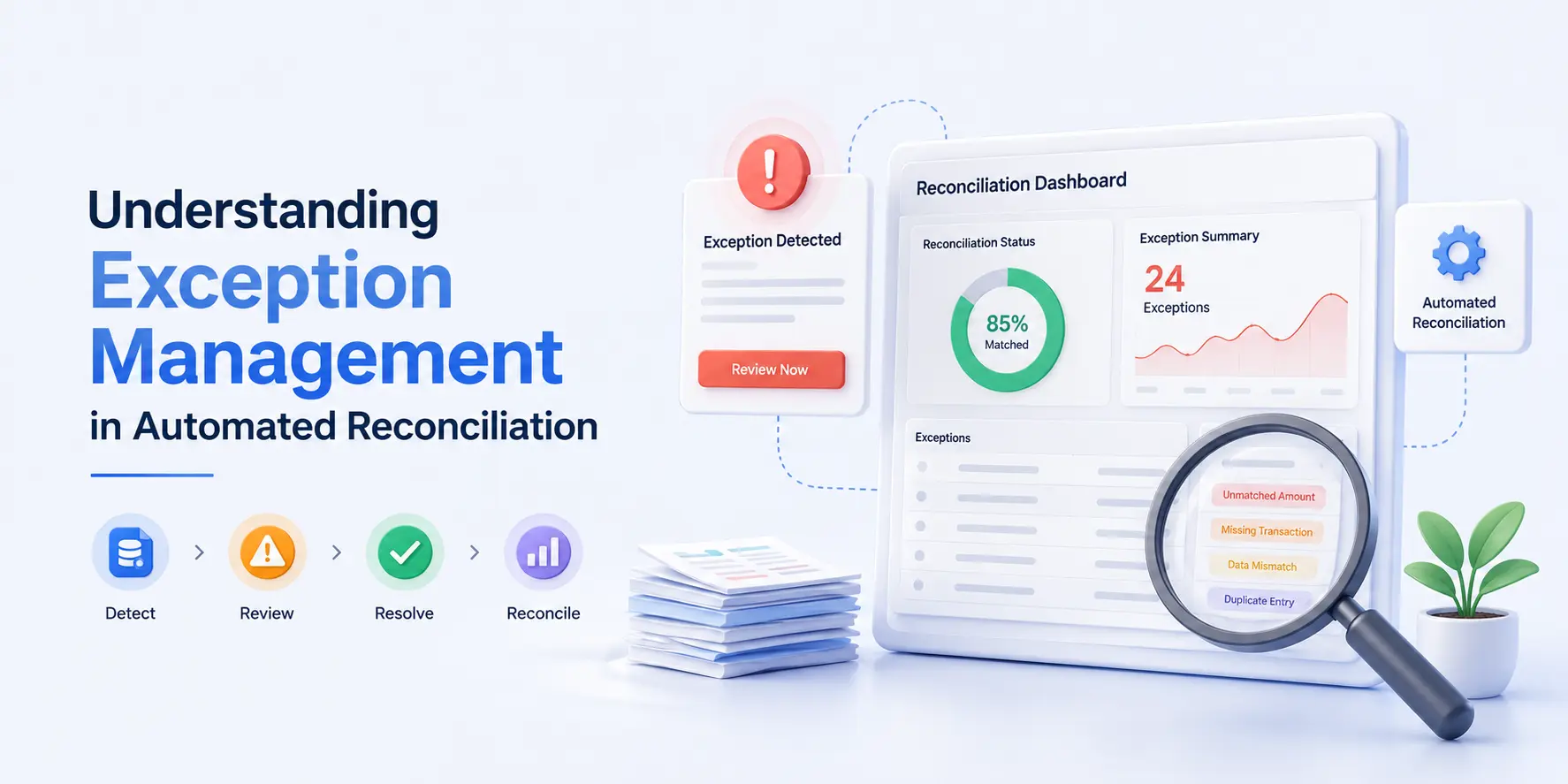
- Exception Handling: Unmatched items are routed to the appropriate team member with context. For example, a payment recorded as $5,000 but cleared as $5,005 might be flagged for currency conversion review.
- Reporting and Posting: Matched transactions are marked as reconciled and posted to the general ledger. A dashboard shows real-time reconciliation status.
Each of these steps reinforces a specific control. Data ingestion eliminates manual file handling; the matching engine ensures consistency; exception handling ensures problems are not buried; and reporting provides transparency.
Addressing the Fear: Will Automation Replace Jobs?
A common concern among finance professionals is that reconciliation automation will render their roles obsolete. The data suggests otherwise. The role of the accountant is shifting from "data processor" to "analyst and guardian."
When software handles the repetitive matching of thousands of low-value transactions, the finance team can focus on investigating complex discrepancies, negotiating better banking fees, and analyzing spending patterns. A 2024 survey by Robert Half found that 78% of senior finance leaders believe automation increases the value of their accounting staff by freeing them from mundane tasks.
Thus, the role of automated reconciliation in financial controls is not to remove human judgment but to elevate it. The machine handles the "what"; the human handles the "why" and "so what."
Real-World Application: Different Tools for Different Needs
It is important to recognize that one size does not fit all. The marketplace offers various flavors of this technology, each suited to specific control environments.
For High-Volume Retailers
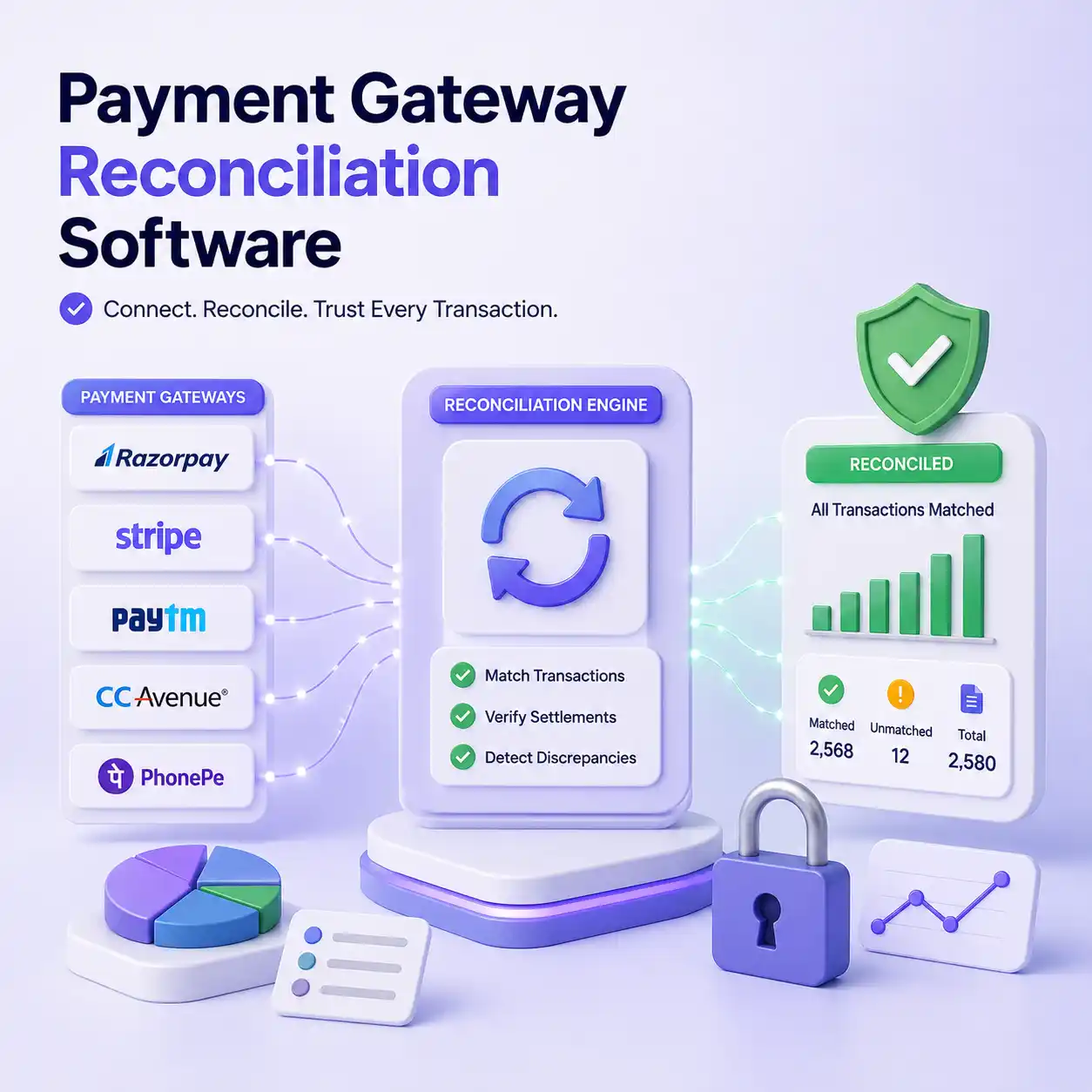
Businesses processing thousands of daily credit card transactions need specialized reconciliation automation tools that can match aggregated settlement files against individual sales receipts. These tools often include machine learning models that adapt to new payment gateways without manual configuration.
For Multinational Corporations
Companies operating in dozens of currencies require accounting reconciliation software that can handle multi-currency revaluation automatically. The control risk here is significant—manual conversion often leads to incorrect exchange rate application. Automated tools apply central bank rates consistently across all entities.
For Community Banks and Credit Unions
Ironically, banks themselves need reconciliation software for banks. They must reconcile their own general ledgers against Federal Reserve settlement accounts, ATM cash loads, and correspondent bank accounts. The volume is immense, and the tolerance for error is zero.
For Non-Profit Organizations
Grant-funded entities have unique controls regarding restricted funds. Accounts reconciliation software tailored for non-profits can track whether donations were spent according to donor restrictions, a key audit requirement.
Implementation Challenges and How to Overcome Them
Implementing automated reconciliation system is not without hurdles. A 2023 Gartner study indicated that 30% of automation projects face initial resistance or failure due to poor data quality and cultural resistance.
Data Quality Issues: If your general ledger contains thousands of unreconciled items with vague descriptions ("Misc expense"), the software cannot match them. The role of the software here is to enforce discipline. Organizations often undertake a one-time clean-up project before go-live. This painful step is actually a control improvement in itself.
Integration Complexity: Not all ERPs play nicely with third-party tools. However, modern reconciliation solution providers offer pre-built connectors. Choosing a vendor with deep experience in your specific ERP is critical.
Change Management: Finance teams are naturally cautious. Introducing automated account reconciliation requires training and, more importantly, trust-building. Running the automated system in parallel with the manual process for one or two cycles helps prove accuracy and win over skeptics.
The Cost of Doing Nothing
While the software has a license cost, the cost of manual reconciliation is often hidden. It hides in overtime hours during month-end, in late payment penalties, in duplicate payments that are never recovered, and in the quiet resignation of talented staff bored by repetitive work.
The Aberdeen Group estimates that best-in-class organizations have a reconciliation error rate of just 0.5%, compared to 3.5% for laggards. When applied to a company with $100 million in annual transaction volume, that 3% difference represents $3 million in potential errors or fraud exposure.
Investing in bank reconciliation automation is not merely an operational expense; it is an insurance premium against financial leakage.
Also Read: What Should You Look for in Bank Reconciliation Software?
Future Trends: Where Is Reconciliation Software Headed?
The role of reconciliation software in financial controls is expanding. We are currently witnessing three major shifts:
1. Continuous Reconciliation
The traditional month-end batch process is dying. With cloud-based systems and always-on data feeds, companies are moving toward continuous reconciliation. This means control gaps are identified and closed in hours, not weeks.
2. Artificial Intelligence and Pattern Recognition
Next-generation automated reconciliation tools do not just match transactions; they learn. If the system notices that a specific vendor is consistently paid three days after the invoice date, it might flag a payment that went out immediately as suspicious. This behavioral analysis is a powerful new control layer.
3. Blockchain and Smart Contracts
While still nascent in mainstream corporate accounting, blockchain-based reconciliation offers the promise of "single version of the truth." If two companies transact on a shared ledger, the reconciliation happens instantly because both parties see the same data. This could eventually render automated bank reconciliation as we know it obsolete—but that future is likely a decade away.
Conclusion: A Pillar of Modern Financial Governance
Automated reconciliation software has evolved from a convenience tool to a strategic necessity. Its role in financial controls is multifaceted: it enforces accuracy, accelerates reporting, detects fraud, ensures compliance, and provides the clean data needed for strategic decision-making.
As regulatory pressure increases and transaction volumes grow, the gap between automated and manual organizations will widen. Finance leaders who embrace software for bank reconciliation and its broader ecosystem are not just protecting their companies; they are future-proofing their careers.
In a world where financial data is the lifeblood of commerce, reconciliation software acts as the circulatory system—ensuring everything flows cleanly, correctly, and continuously.
Also Read: What Are the Top Features of Modern Automated Reconciliation Software?
Frequently Asked Questions
1. What is the difference between automated reconciliation software and manual reconciliation in spreadsheets?
Manual reconciliation in Excel requires staff to download bank statements, format data, and use vlookup or pivot tables to find matches. Automated reconciliation software connects directly to bank feeds and ERPs, matches transactions using predefined rules, and updates the general ledger automatically. It reduces processing time by up to 90% and eliminates formula errors.
2. Is automated reconciliation software only suitable for large enterprises?
No. While large enterprises certainly benefit from the scalability, small and medium businesses also gain significant value. Cloud-based reconciliation automation providers offer affordable subscription plans that scale with transaction volume. Even businesses processing 500 transactions per month can justify the cost by recovering just one or two duplicate payments annually.
3. How does automated reconciliation help with external audits?
Auditors rely heavily on testing internal controls. When you use an automated reconciliation system, the audit trail is complete and easily exportable. Instead of spending days pulling support for sample selections, you can provide a system-generated report showing all matched and unmatched items. This often reduces audit fees because the auditor spends less time verifying.
4. Can the software handle foreign currency transactions?
Yes. Most modern balance sheet reconciliation software includes multi-currency functionality. It automatically applies the correct exchange rate based on the date of the transaction or the rate stored in your ERP. It also separately tracks realized and unrealized foreign exchange gains and losses, which is a complex area in manual reconciliation.
5. What skills do my staff need to manage automated reconciliation software?
Your team does not need to be programmers. Most accounts reconciliation software is designed for accountants. The key skills are understanding your organization’s transaction flow and having the analytical ability to investigate exceptions. Vendors typically provide training and ongoing support.
6. How long does it take to implement a reconciliation solution?
Implementation timelines vary based on complexity and data volume. A straightforward automated bank reconciliation setup for a single bank account can be live in a few days. A full-scale enterprise deployment covering dozens of subsidiaries, multiple ERPs, and complex intercompany transactions typically takes three to six months. Most vendors offer phased rollouts to deliver value quickly.
Ready to get started?
Contact us now
Contact us now
* By clicking on Contact Us you are agreeing to our Terms & Conditions and Privacy policy.