Why Businesses Need Reconciliation Automation Today
Kosh.ai
January 2, 2026
Imagine you run a business. Every day, money flows in and out. Sales come in, bills get paid, salaries are processed, and expenses add up. Now, picture someone, or maybe a whole team, sitting for hours—or even days—at the end of each month. They are staring at spreadsheets, bank statements, and ledger entries, trying to make sure every single penny matches. This painstaking process is called financial reconciliation.
For decades, this has been a manual, error-prone, and exhausting task. But today, in a world that moves at lightning speed, relying on old methods is like using a horse and cart on a highway. It’s slow, risky, and holds you back.
This is why businesses, from small startups to large corporations, urgently need reconciliation automation. In simple terms, it means using smart reconciliation software to do this matching work automatically, quickly, and accurately. Let’s explore why making this shift is no longer a luxury, but a critical need for survival and growth.
The Heavy Cost of Manual Reconciliation
To understand the solution, we must first see the problem clearly.
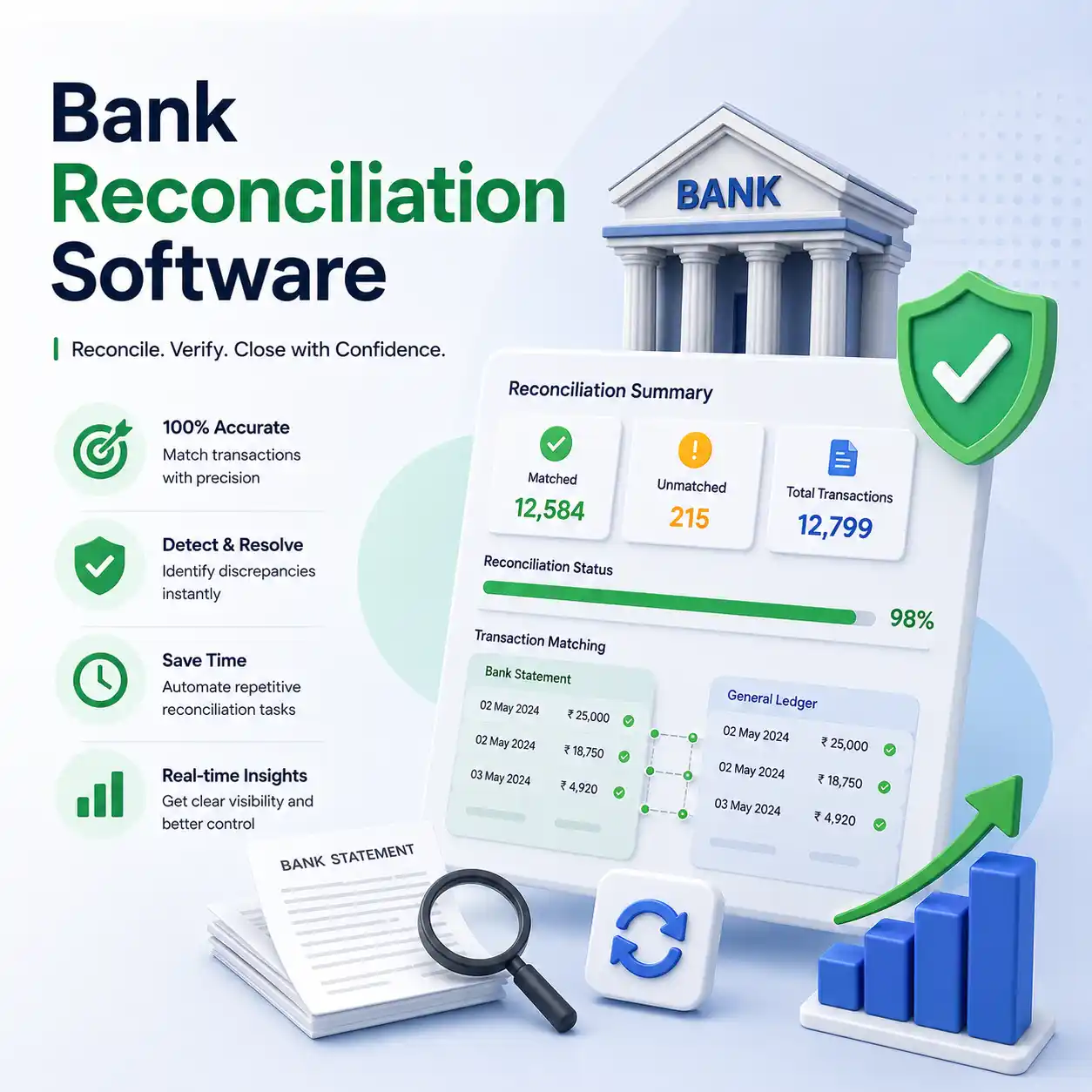
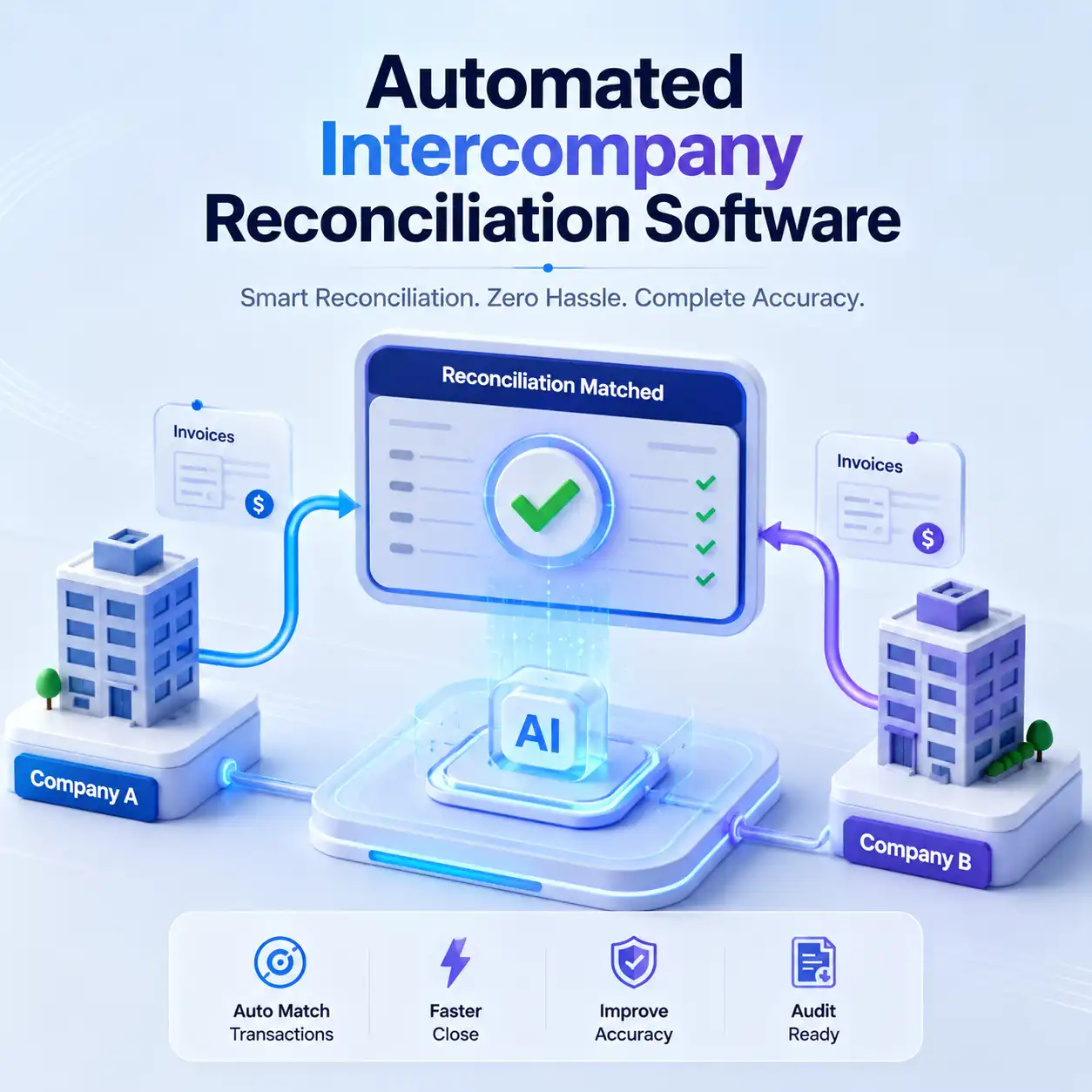
What is Reconciliation? At its heart, reconciliation is the process of comparing two sets of records to ensure they are in agreement. The most common example is bank reconciliation: matching the transactions in your company’s accounting books with the ones listed on your bank statement. But businesses also reconcile credit card statements, vendor invoices, loan accounts, and inter-company transfers.
When done manually, this process is full of challenges:
- It’s Incredibly Time-Consuming: According to industry surveys, finance teams can spend between 5 to 15 working days each month just on reconciliation tasks. That’s weeks of valuable time not spent on analysis, forecasting, or strategy.
- Human Error is Inevitable: Entering hundreds of data points by hand leads to mistakes. A misplaced decimal, a missed transaction, or a simple typo can throw off your entire financial picture. These errors can be costly to find and fix.
- It Slows Everything Down: Manual processes create bottlenecks. Month-end closing, which is when a business finalizes its accounts for the period, can drag on for weeks. This delays critical financial reporting, leaving leaders in the dark without timely data to make decisions.
- It’s Difficult to Scale: As your business grows, so do your transactions. A team that could handle 100 transactions a month will struggle with 10,000. Hiring more people just for manual matching is not a scalable or smart financial strategy.
- It Increases Risk: Delayed or inaccurate reconciliations mean fraud, cash flow issues, or accounting mistakes can go unnoticed for longer. This exposes the business to financial loss, regulatory penalties, and audit headaches.
Clearly, the old way is a drain on resources, morale, and business agility. This is where a modern reconciliation solution changes the game.
What is Reconciliation Automation? A Simple Explanation
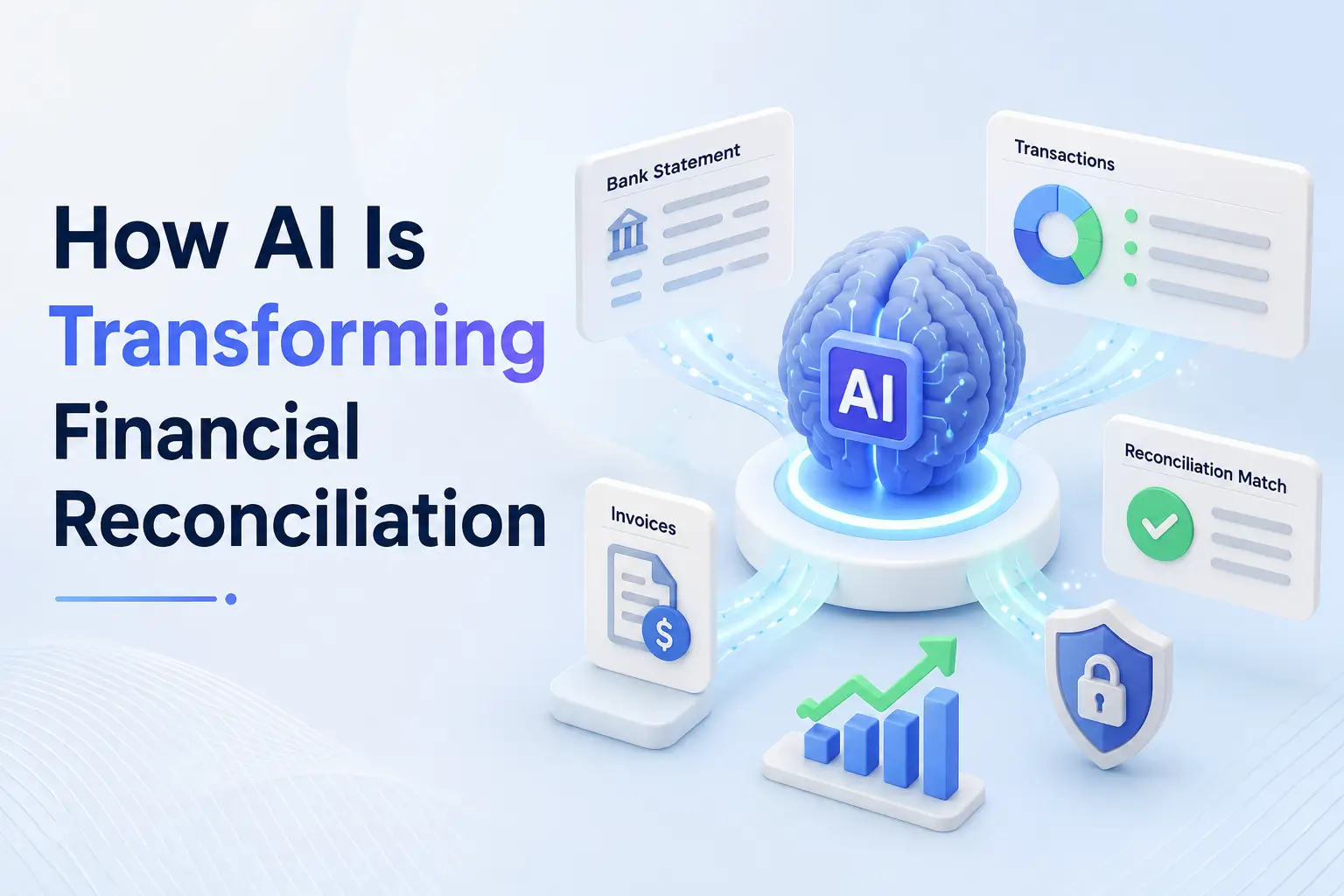
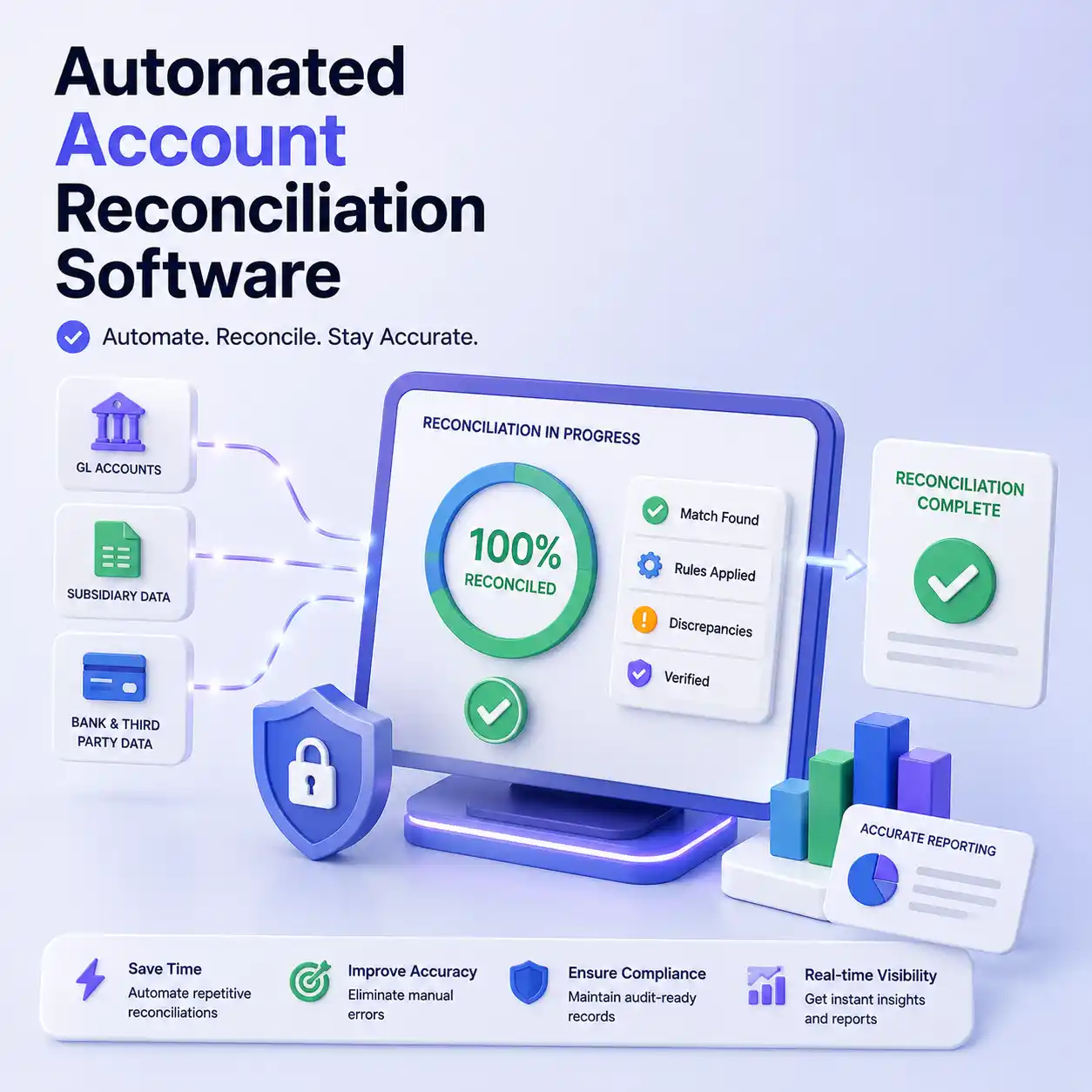
Think of reconciliation automation as a smart, digital accountant that never sleeps. It’s a type of automated reconciliation software specifically designed to take over the matching process.
Here’s how it typically works:
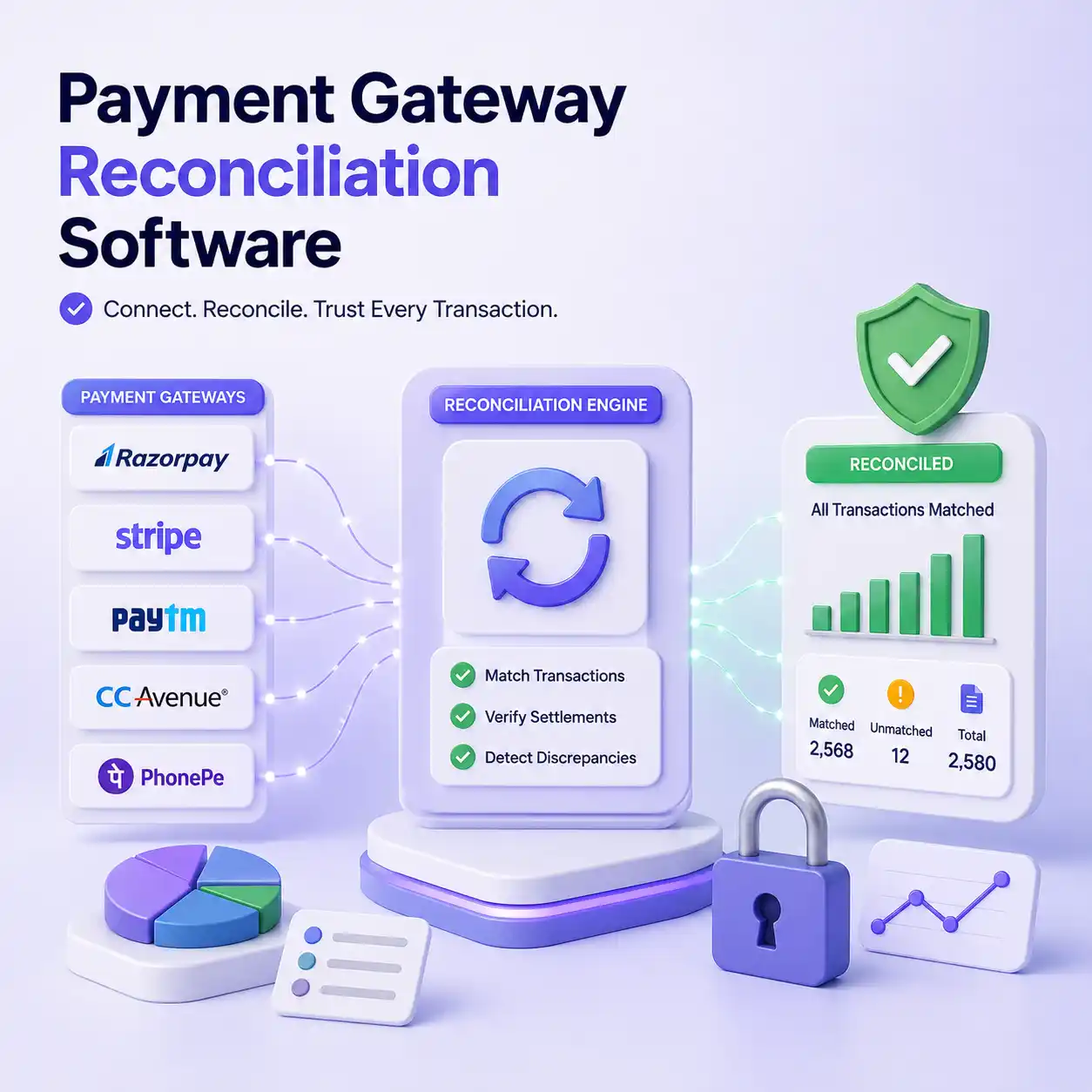
- Connection: The automated reconciliation system securely connects to your bank accounts, payment gateways, ERP (like QuickBooks or SAP), and other data sources.
- Data Fetching: It automatically pulls transaction data from all these sources into one central place.
- Intelligent Matching: Using pre-set rules (e.g., match by date, amount, reference number) and even advanced AI, the reconciliation automation tools pair off corresponding entries from your books and your bank statement.
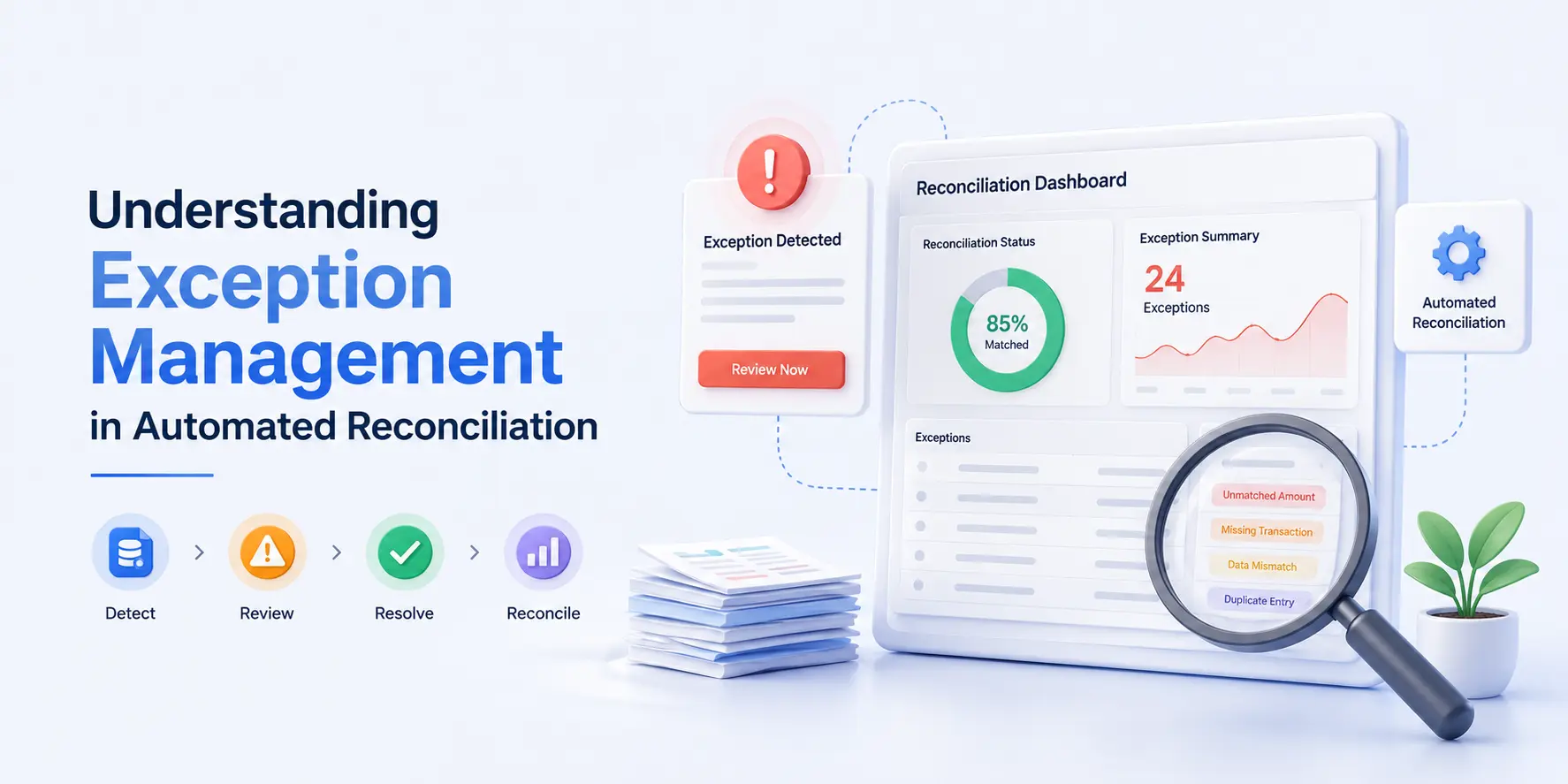
- Exception Handling: It flags any transactions it can’t match for human review. Instead of checking thousands of items, your team now only needs to look at a handful of exceptions.
- Reporting & Auditing: It generates instant reports, provides a clear audit trail of who did what and when, and certifies that the reconciliations are complete.
This automated account reconciliation process transforms a chaotic, paper-heavy task into a streamlined, digital workflow.
The Powerful Benefits: Why You Can’t Afford to Wait
Adopting an automated bank reconciliation software isn’t just about doing things faster. It delivers tangible, bottom-line benefits that directly impact your business health.
1. Unmatched Accuracy and Reduced Errors
The primary goal of any accounting reconciliation software is precision. By removing human data entry from the core matching process, you eliminate the vast majority of clerical errors. Your financial data becomes a reliable source of truth. For businesses, this means confidence in their numbers, which is the foundation of every good business decision.
2. Massive Time and Cost Savings
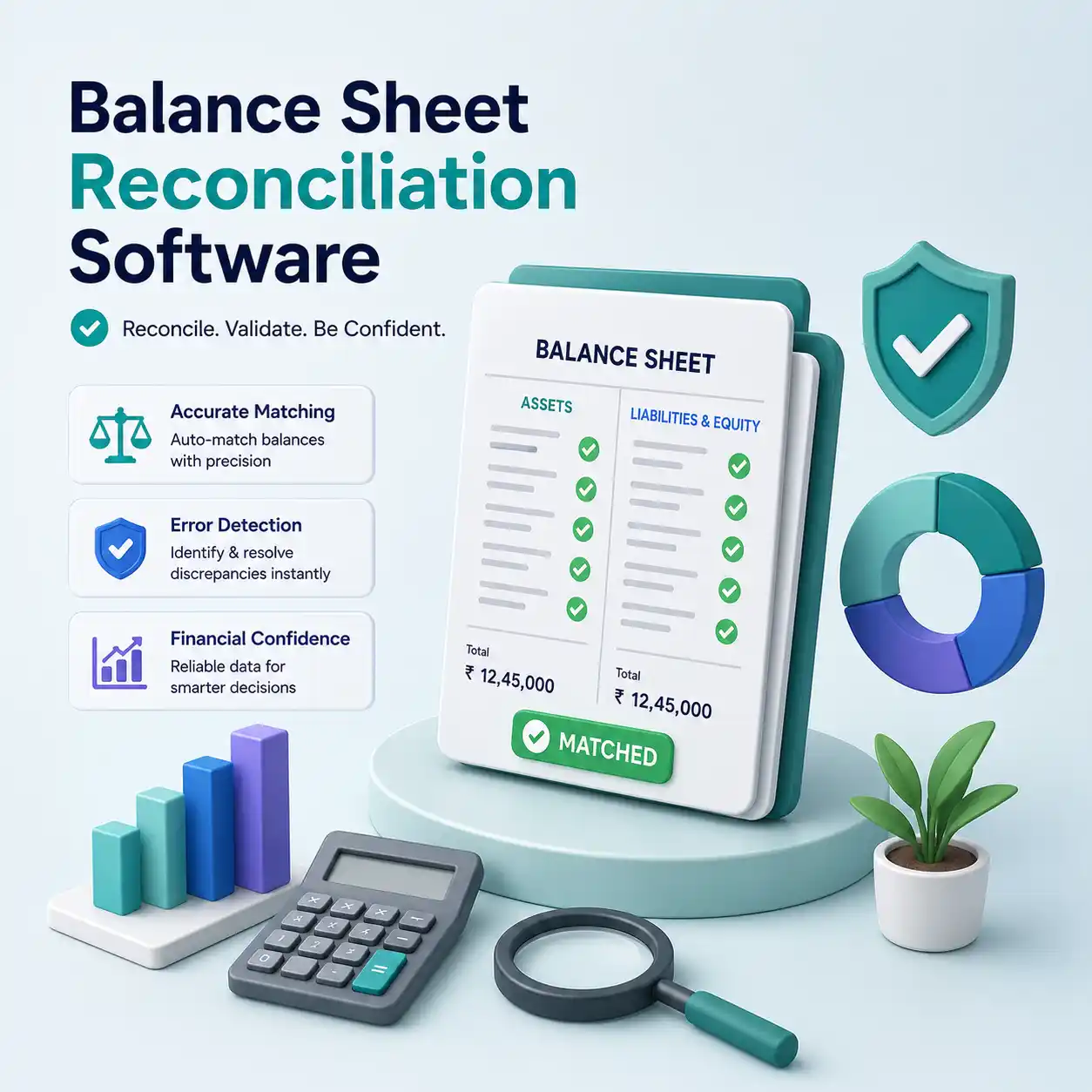
This is the most immediate benefit. A task that took days now takes hours or minutes. A leading provider of balance sheet reconciliation software reported that their clients reduce reconciliation time by up to 90%. This frees your finance team to focus on higher-value work like financial analysis, budgeting, and advising department heads. You save money on labor and get more strategic output from your team.
3. Faster Financial Close and Real-Time Insight
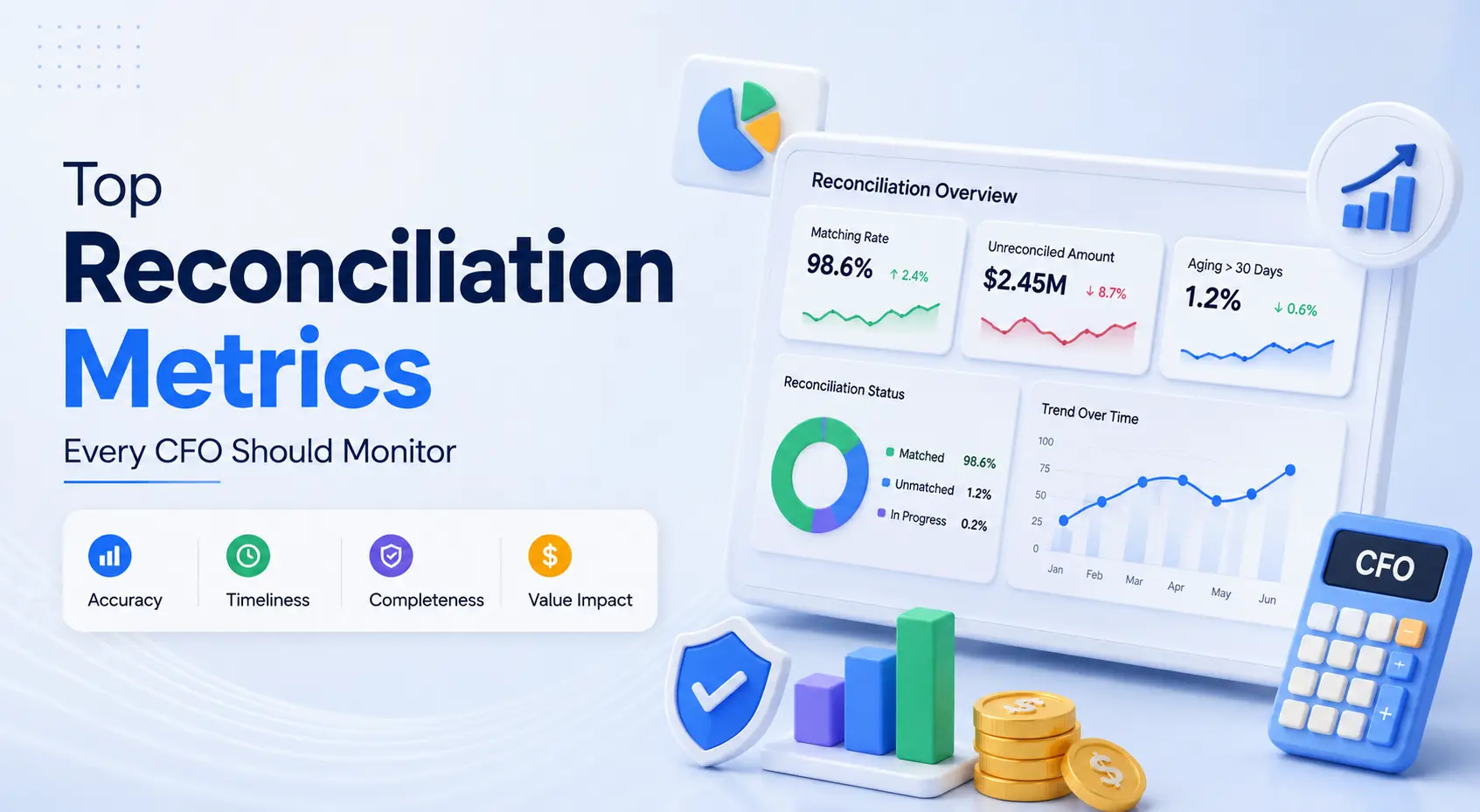
With bank reconciliation automation, the month-end close process accelerates dramatically. Some companies using robust reconciliation software for banks and other accounts have cut their close cycle by several days. More importantly, many reconciliation automation tools offer dashboards. This means you can see your cash position, outstanding items, and financial status in real-time, not just at the end of the month.
4. Enhanced Security, Control, and Audit Readiness
A good automated reconciliation system enforces consistent processes and creates a digital, tamper-proof audit trail. Every action is logged. This is a huge advantage during internal or external audits. You can instantly provide proof that reconciliations were performed properly and on time, significantly reducing audit stress and fees. It also helps in detecting unusual patterns that could indicate fraud.
5. Scalability for Business Growth
An automated reconciliation software scales effortlessly. Whether you process a thousand transactions or a million, the software handles the increase without needing more staff. This makes growth smoother and less administratively painful. It’s a key tool for enabling scalability.
Who Needs This? (Hint: Almost Every Business)
While reconciliation software for banks is a common use case, the need extends far beyond:
- Retail & E-commerce: Reconciling daily sales across multiple platforms (Shopify, Amazon) with bank deposits and payment processor fees (Stripe, PayPal).
- Fintechs & Financial Services: Handling high volumes of transactions with a need for absolute accuracy and regulatory compliance.
- Healthcare: Managing complex billing, insurance claims, and patient payments.
- Non-Profits: Ensuring donor funds are properly allocated and accounted for.
- Any Growing SME: Any business that is outgrowing its spreadsheet-based finance processes.
If your business deals with more than one stream of financial transactions, you are a candidate for reconciliation automation.
Choosing the Right Tool for Your Business
With many reconciliation automation tools available, how do you choose? Look for a solution that:
- Connects Easily: It should integrate seamlessly with your existing accounting software, banks, and payment systems.
- Is User-Friendly: Your team should be able to use it without extensive training. Look for a clear interface and good customer support.
- Matches Intelligently: Beyond simple rule-based matching, the best automated reconciliation software can learn and suggest matches for complex transactions.
- Grows With You: Choose a platform that can handle more accounts, complex entities, and higher volumes as you expand.
- Provides Clear Visibility: Robust reporting and dashboards are essential for insight.
Implementing an automated bank reconciliation system is a significant step toward modernizing your finance function. It pays for itself not just in money saved, but in confidence gained, risks lowered, and opportunities seized.
The Bottom Line
The question is no longer if you should automate your reconciliations, but when. In today’s competitive, fast-paced economy, operational efficiency and financial clarity are superpowers. Manual reconciliation is a hidden anchor, slowing down your business and hiding risks.
By investing in a robust reconciliation software, you are not just buying a tool. You are investing in accuracy, empowering your team, safeguarding your assets, and freeing up intellectual capital to drive your business forward. The future of finance is automated, accurate, and strategic. Make sure your business is part of it.
Also Read: Automated Reconciliation Software for Real-Time Transaction Matching
Frequently Asked Questions (FAQs)
1. What exactly does reconciliation automation do?
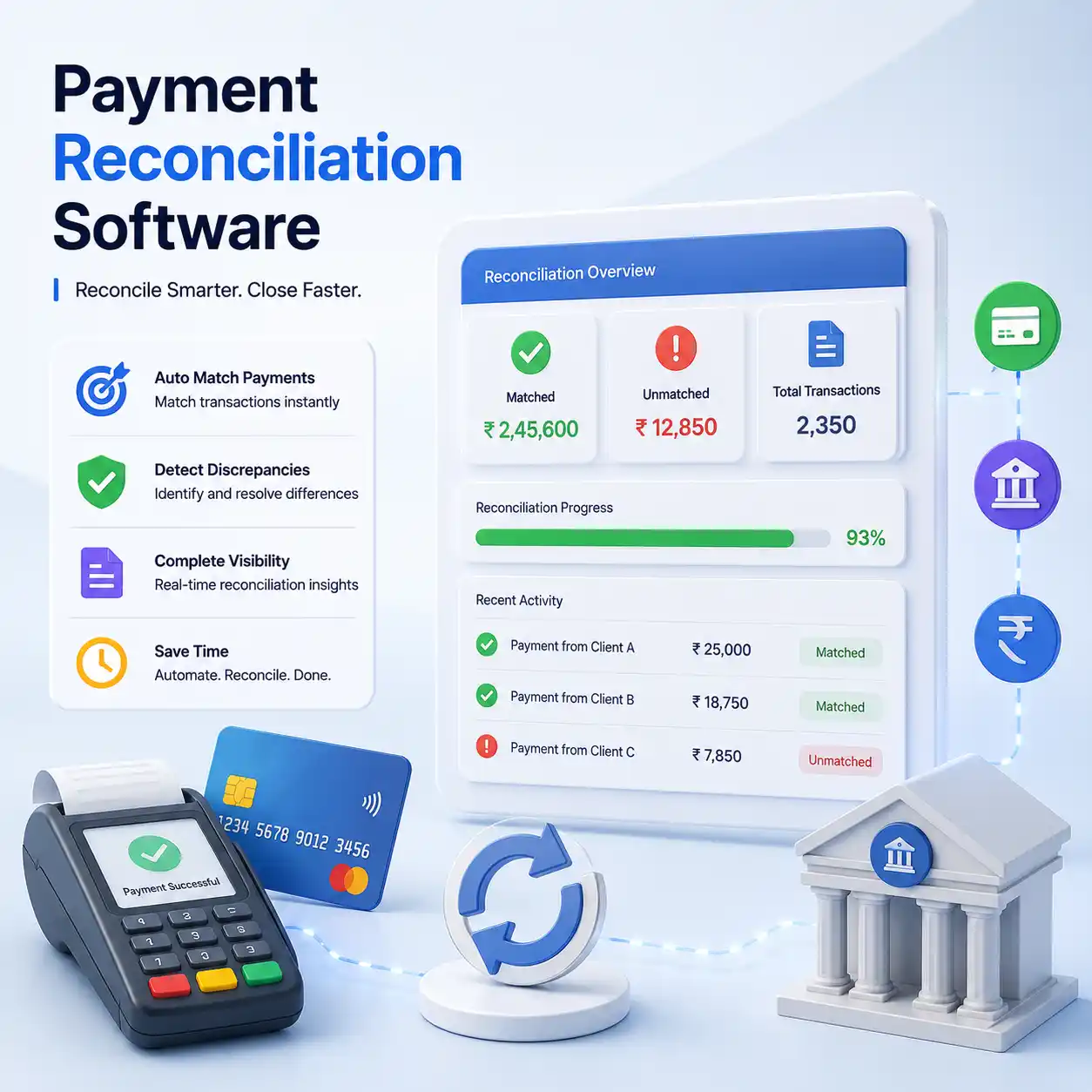
Reconciliation automation uses software to automatically compare and match financial records from different sources (like your bank statement and your accounting ledger). It identifies matches, highlights discrepancies, and streamlines the entire process that was once done manually in spreadsheets.
2. Is automated reconciliation software only for large businesses?
No, not at all. While large enterprises benefit greatly, small and medium-sized businesses (SMEs) often see the most dramatic impact. It saves them precious time and money they can't afford to lose, and provides them with the financial control needed to grow confidently.
3. How secure is my financial data in an automated system?
Reputable providers of automated reconciliation software prioritize security above all. They use bank-level encryption, secure data centers, and strict access controls. Your data is often more secure in a professional cloud system than in paper files or unprotected spreadsheets on a desktop computer.
4. Will this software replace my finance team?
Absolutely not. Instead, it elevates their role. The software handles the repetitive, time-consuming task of matching transactions. This frees your finance professionals to focus on analytical work, strategic planning, cost analysis, and providing insights that help the business grow—tasks that require human judgment and expertise.
5. How long does it take to implement such a system?
Implementation time varies based on the complexity of your business and the software chosen. However, many cloud-based solutions are designed for quick setup. A straightforward implementation, connecting a few bank accounts and your accounting software, can often be completed and functional within a few weeks.
6. Can it handle transactions from multiple banks and currencies?
Yes, a key strength of modern automated reconciliation systems is their ability to connect to multiple financial institutions simultaneously and handle transactions in various currencies. They automatically apply exchange rates and match transactions across a global operation, which is a huge advantage for businesses with international activities.
Ready to get started?
Contact us now
Contact us now
* By clicking on Contact Us you are agreeing to our Terms & Conditions and Privacy policy.