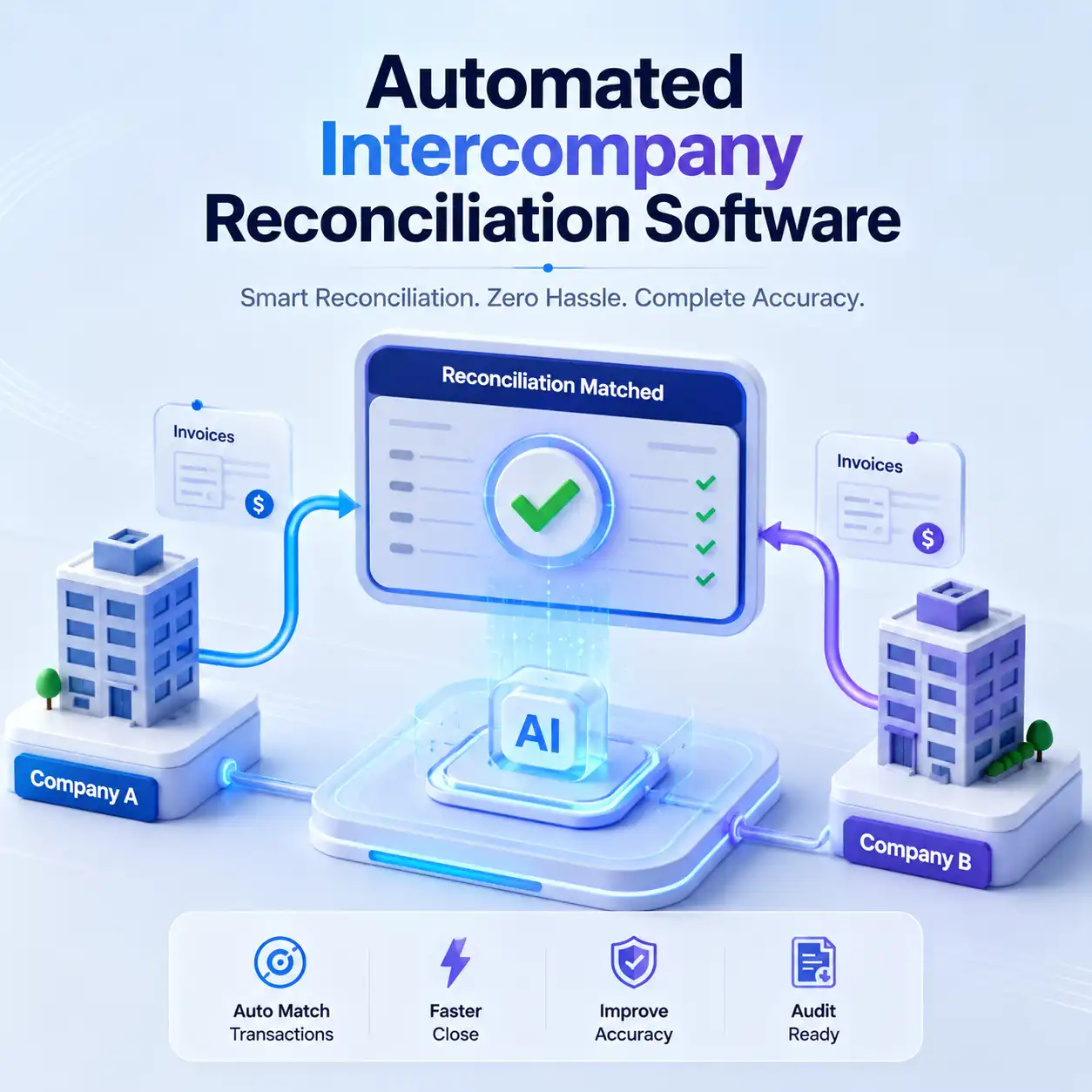
Automated Reconciliation Software for Real-Time Transaction Matching
Kosh.ai
December 19, 2025
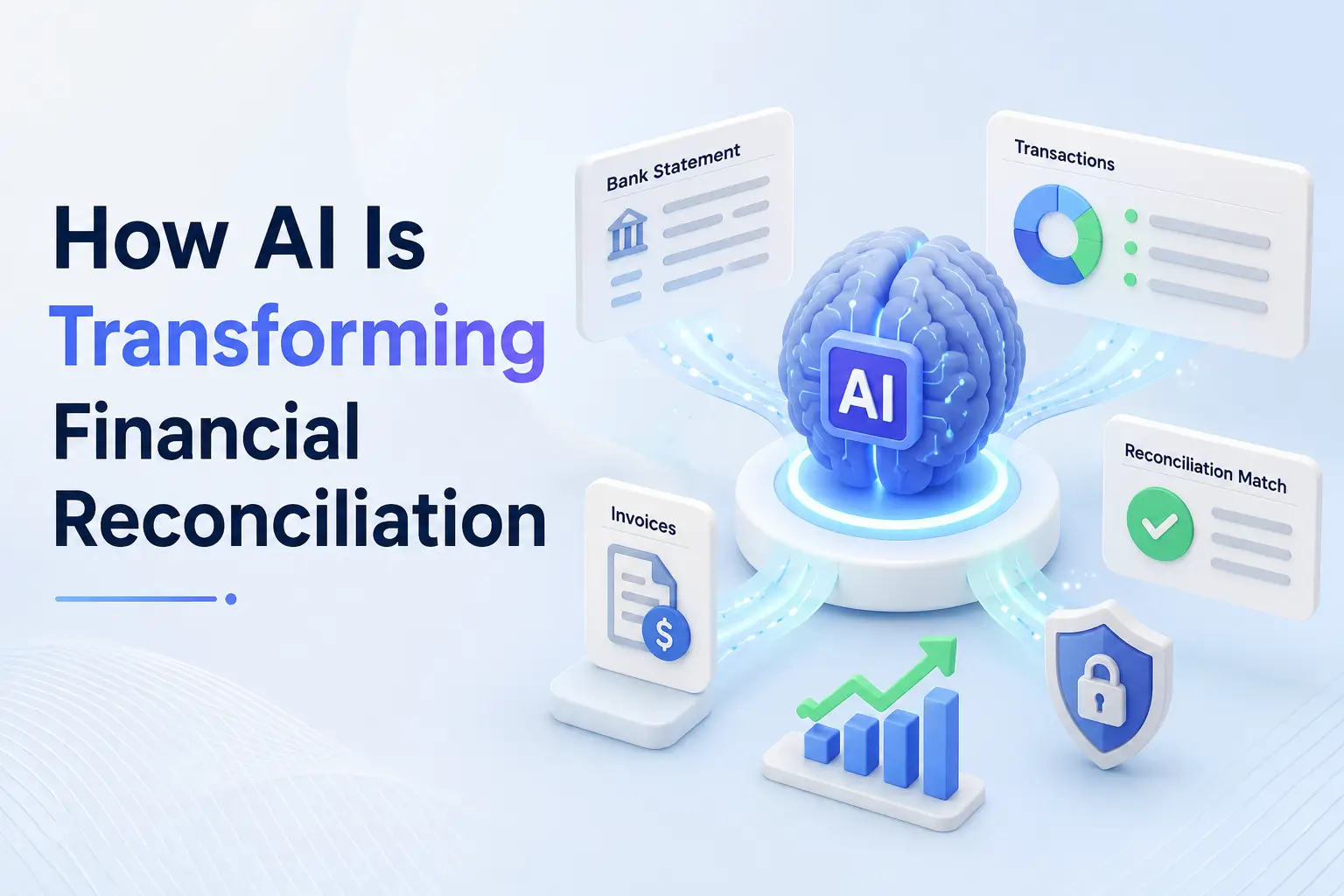
In today’s fast-paced business world, financial accuracy isn’t just a goal—it’s a necessity. For decades, teams have wrestled with spreadsheets, paper statements, and manual checks to reconcile accounts. This process is not only slow but prone to human error. Now, imagine a system that matches thousands of transactions in seconds, flags discrepancies instantly, and provides a clear, auditable trail 24/7. This is the reality offered by modern automated reconciliation software.

This powerful reconciliation solution is transforming how finance departments and banks ensure their books are accurate, compliant, and up-to-date. Let’s explore how this technology works, its undeniable benefits, and why moving to an automated reconciliation system is a critical step for any growth-oriented organization.
What is Automated Reconciliation Software?
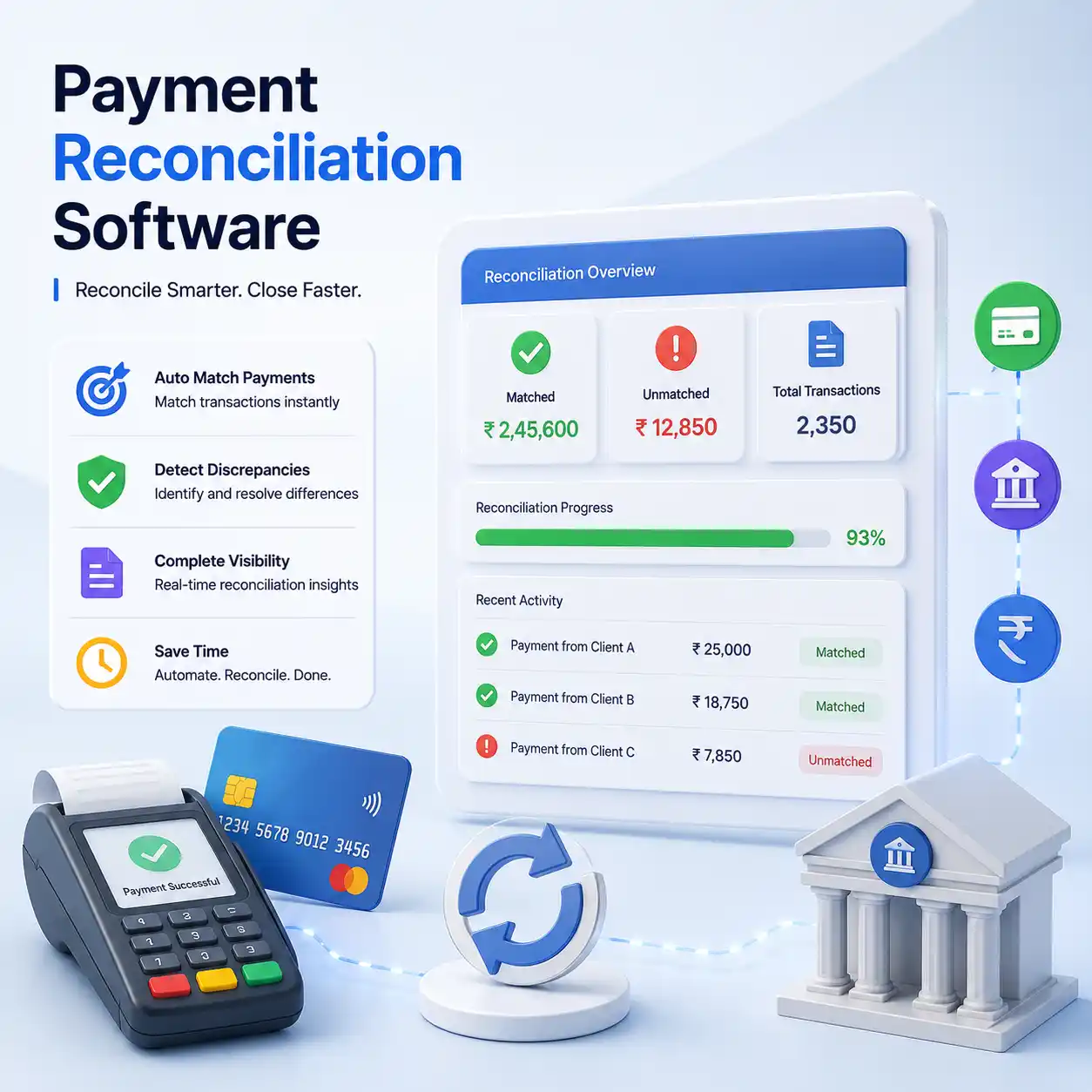
At its core, automated reconciliation software is a specialized tool designed to compare two sets of financial records automatically. Essentially, it performs the same task a human accountant would—but at an incredible speed and scale.
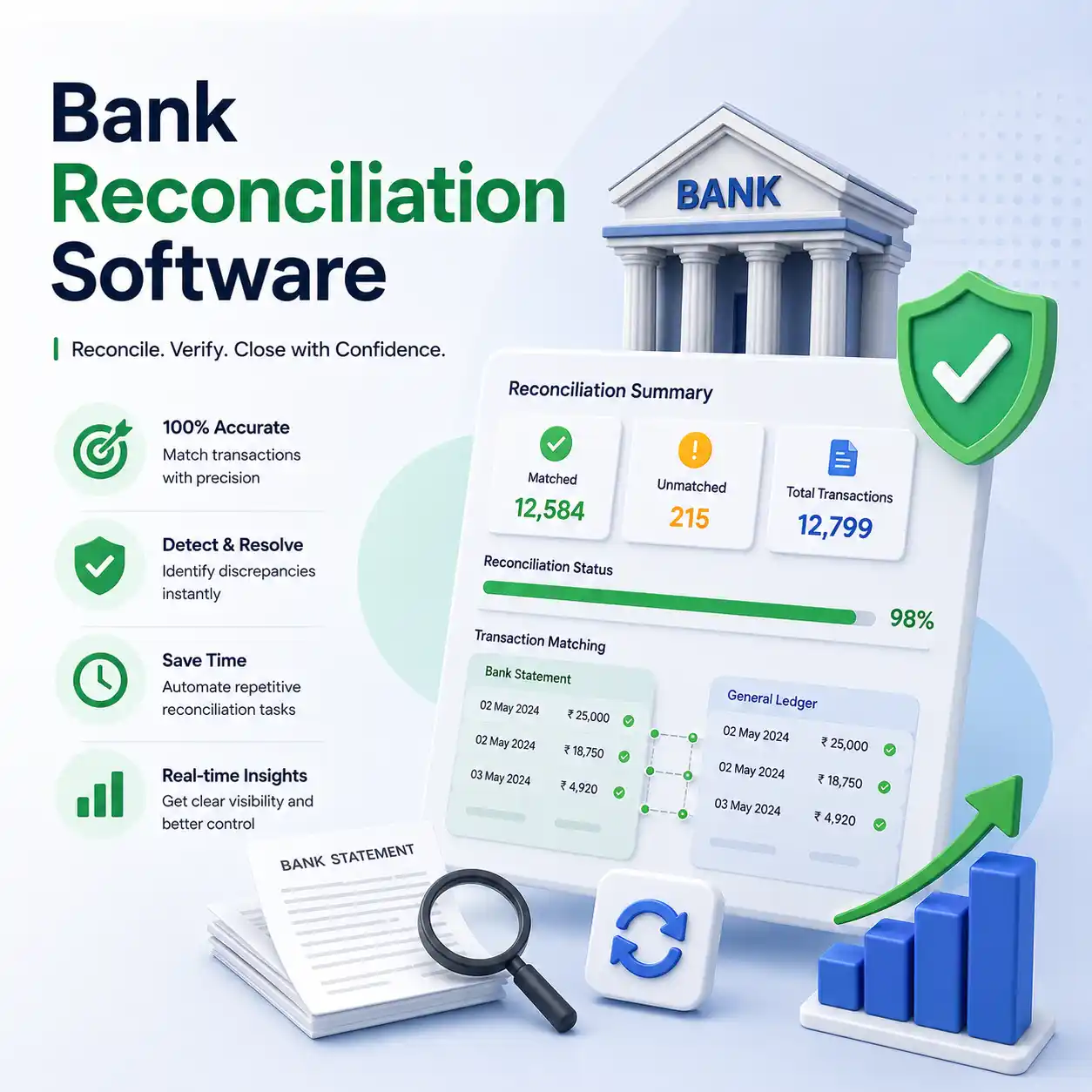
For instance, think about your personal bank statement. You might check it against your own records to see if all transactions match. A business, however, might have to do this for thousands of transactions across dozens of accounts daily. The software for bank reconciliation takes over this tedious chore. It imports data from your bank feeds, your internal accounting system (like ERP or CRM), and other sources. Then, using pre-defined rules and intelligent algorithms, it matches corresponding entries, identifies exceptions, and generates reports—all with minimal human intervention.
The key advancement is real-time transaction matching. Unlike traditional monthly reconciliations, this technology can process data as it flows in, providing a continuously accurate picture of financial health.
The Heavy Cost of Manual Reconciliation Processes
To understand the value of automation, we must first acknowledge the pitfalls of the manual approach.
- Time-Consuming: According to industry surveys, finance teams can spend up to 15-20 hours per month on reconciliation tasks for just a handful of high-volume accounts. This is time taken away from strategic analysis.
- Error-Prone: Manual data entry is susceptible to mistakes. A study by the Journal of Accounting suggests that even with careful checking, human error in repetitive data tasks can be as high as 1-2%. In finance, a single misplaced decimal can have significant consequences.
- Lack of Visibility: With manual methods, data is often locked in static spreadsheets. Getting a real-time view of discrepancies or the overall reconciliation status is nearly impossible, leading to delayed decision-making.
- Compliance Risks: Regulatory requirements demand accuracy and audit trails. Manual processes make it difficult to produce consistent, detailed records, increasing compliance risk and audit preparation time.
Clearly, relying on spreadsheets and email threads is no longer sustainable for modern finance operations.
How Does Automated Transaction Matching Work?
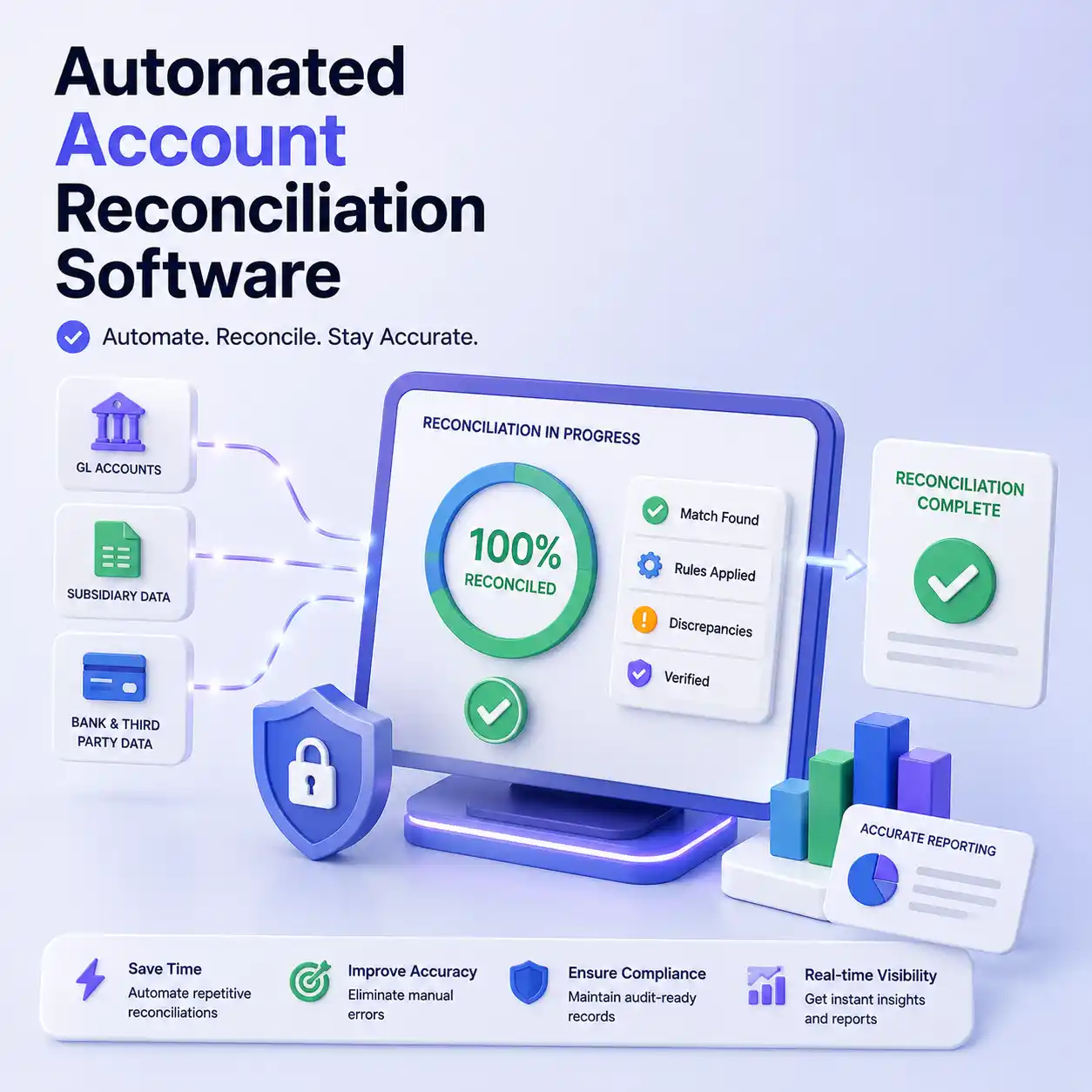
The magic of an automated reconciliation system lies in its structured, rule-based approach. Here’s a simplified breakdown of the process:
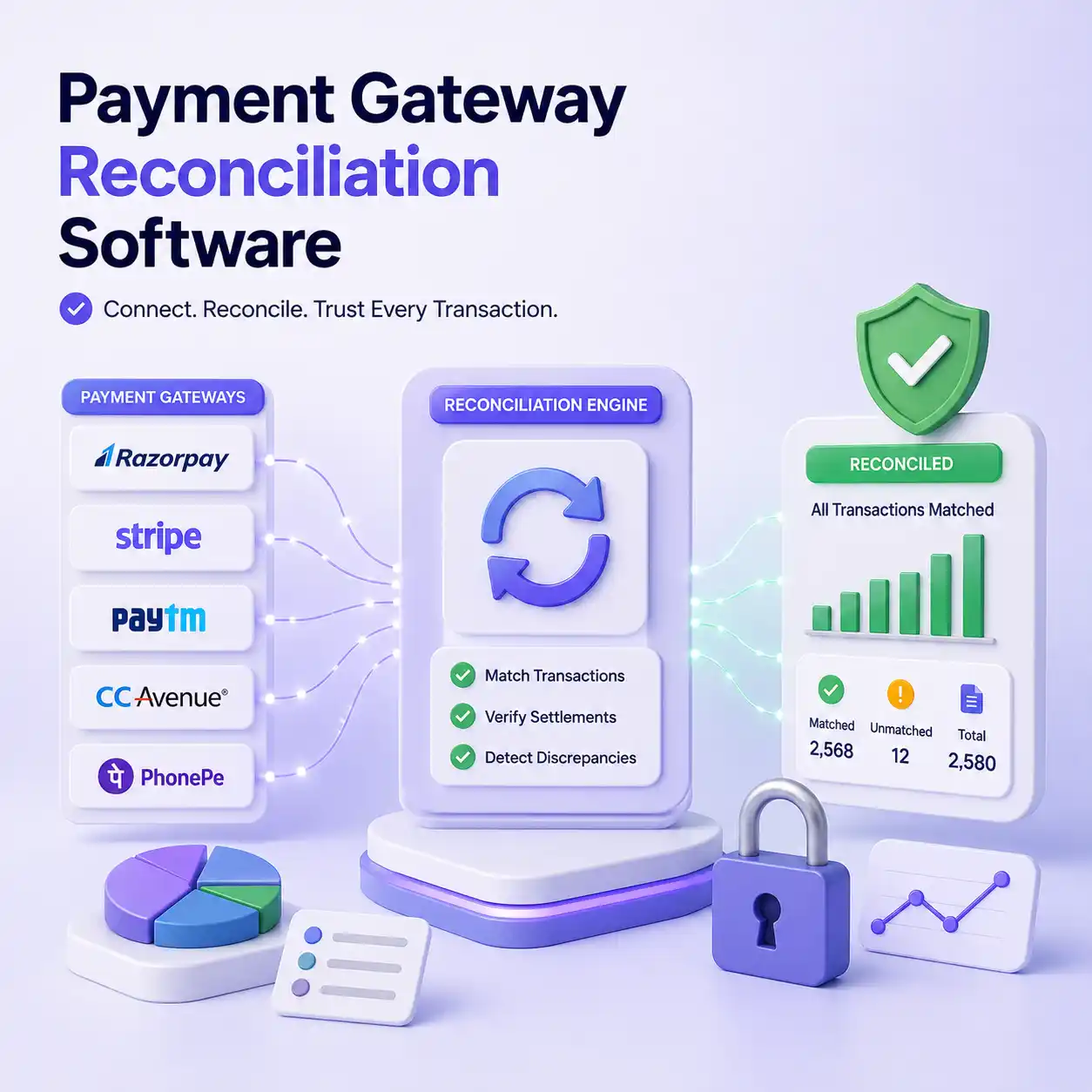
- Data Connection & Import: The accounting reconciliation software connects securely to all your data sources. This includes bank APIs, payment gateways (like Stripe, PayPal), card networks, your general ledger, and internal databases. It pulls in transaction data automatically, eliminating manual uploads.
- Rule-Based Matching: This is the heart of the system. You configure matching rules based on your business logic. For example:
- Exact Match: Finds pairs where the amount, date, and reference ID are identical.
- Fuzzy Match: Catches near-matches, like minor differences in fees or rounding errors.
- One-to-Many / Many-to-One: Matches one invoice to multiple payments or vice-versa.
The reconciliation automation tools use these rules to pair transactions with incredible accuracy.
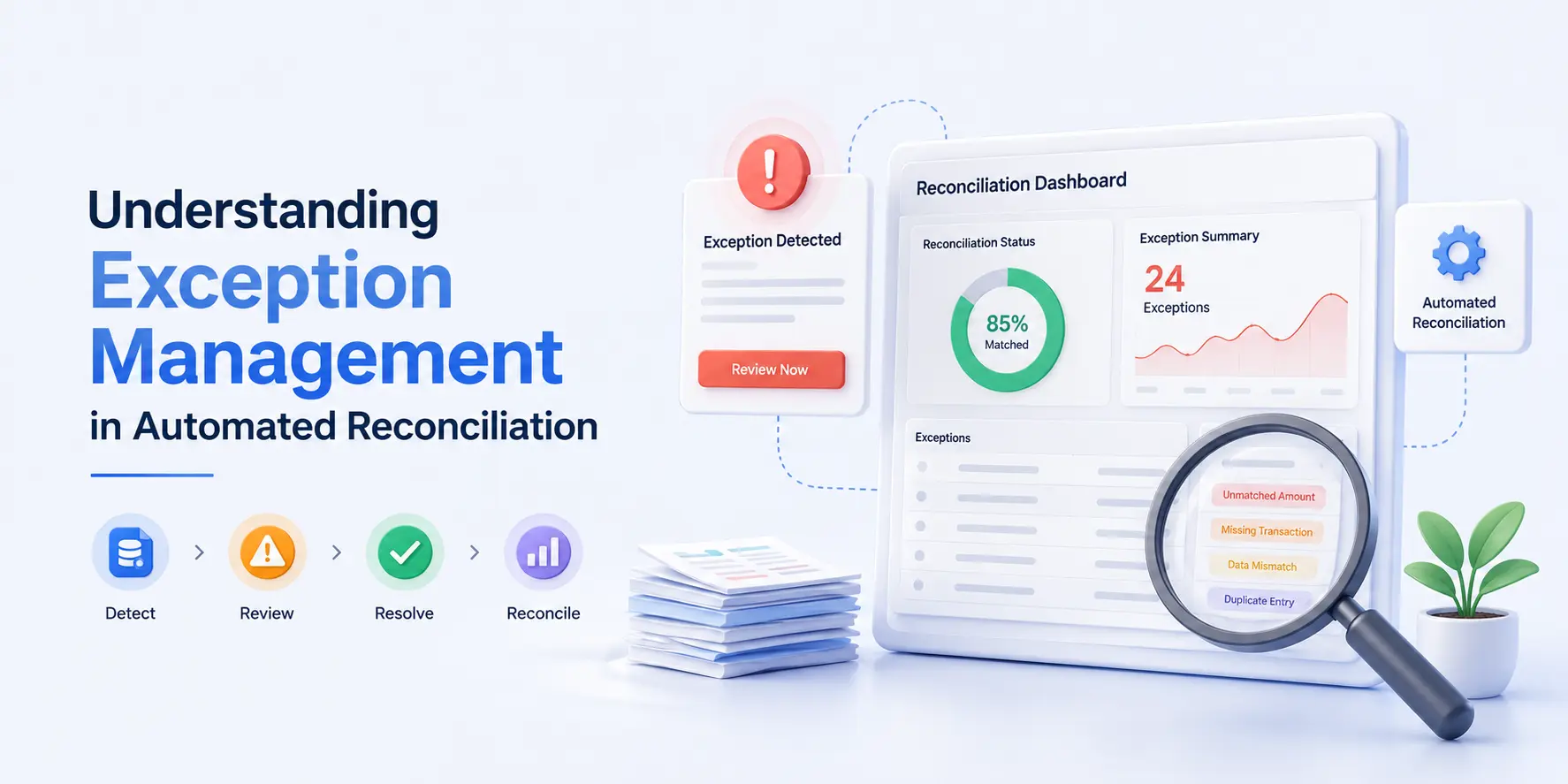
- Exception Handling & Alerting: Any transaction that cannot be matched automatically is flagged as an exception. The software routes these directly to a reviewer’s dashboard with all relevant details, rather than burying them in a massive spreadsheet.
- Reporting & Audit Trail: Every action is logged. The system generates detailed reports, provides a dashboard for real-time status overviews, and creates a complete, immutable audit trail perfect for compliance.
Tangible Benefits Your Business Will Experience
Adopting reconciliation automation delivers immediate and long-term advantages that impact the entire organization.
- Unmatched Efficiency and Time Savings: By automating up to 95% of matching tasks, companies report reducing reconciliation time from weeks to mere hours. This frees your finance team to focus on forecasting, analysis, and strategic initiatives.
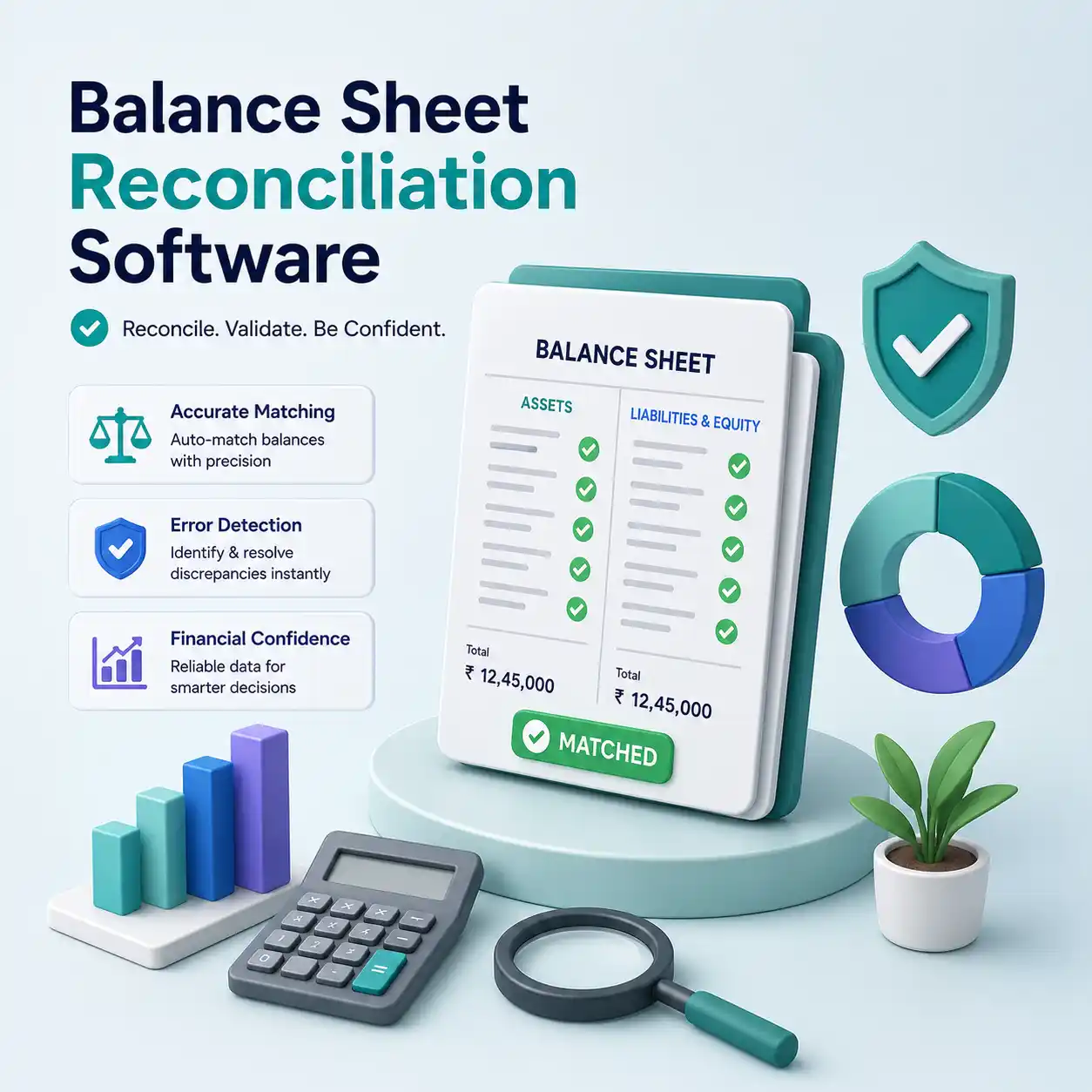
- Dramatically Improved Accuracy: Automated systems remove human error from the matching equation. This leads to more reliable financial statements and a stronger general ledger. For balance sheet reconciliation software, this accuracy is non-negotiable.
- Real-Time Financial Visibility: With real-time transaction matching, your financial data is always current. You can see cash positions, identify discrepancies, and understand liabilities instantly, enabling faster and better-informed business decisions.
- Strengthened Internal Controls and Compliance: A robust automated bank reconciliation software provides a clear, digital audit trail. Every match, exception, and override is recorded with a timestamp and user ID. This makes internal and external audits significantly smoother and less stressful.
- Enhanced Scalability: As your transaction volume grows—whether due to business expansion, new sales channels, or mergers—the software scales effortlessly. There’s no need to hire additional staff just to manage the increased reconciliation workload.
Key Industries That Rely on This Technology
While beneficial for any business with financial transactions, certain sectors see particularly transformative results.
- Banking and Financial Services: Reconciliation software for banks is critical for high-volume areas like retail banking (checking/savings accounts), card payments, treasury operations, and trade finance. It ensures regulatory compliance and operational integrity.
- Retail and E-Commerce: With countless daily transactions from multiple payment processors, automated account reconciliation is vital for matching sales, refunds, and fees accurately.
- Healthcare: Providers use it to reconcile patient billing, insurance claims, and payments, reducing revenue cycle delays.
- Non-Profits and Education: These institutions use it to manage donations, grants, and complex fund accounting, ensuring strict donor restrictions are met.
Also Read: Reconciliation Automation: The Future of Finance Operations
Choosing the Right Automated Reconciliation Solution
Selecting the best automated reconciliation software for your needs requires careful consideration. Look for these features:
- Flexible Data Connectivity: Can it integrate easily with your existing bank, ERP, and payment systems?
- Configurable Matching Rules: The tool should allow you to set up and modify rules without extensive coding.
- User-Friendly Exception Management: A clear, intuitive interface for reviewers to resolve unmatched items quickly is essential.
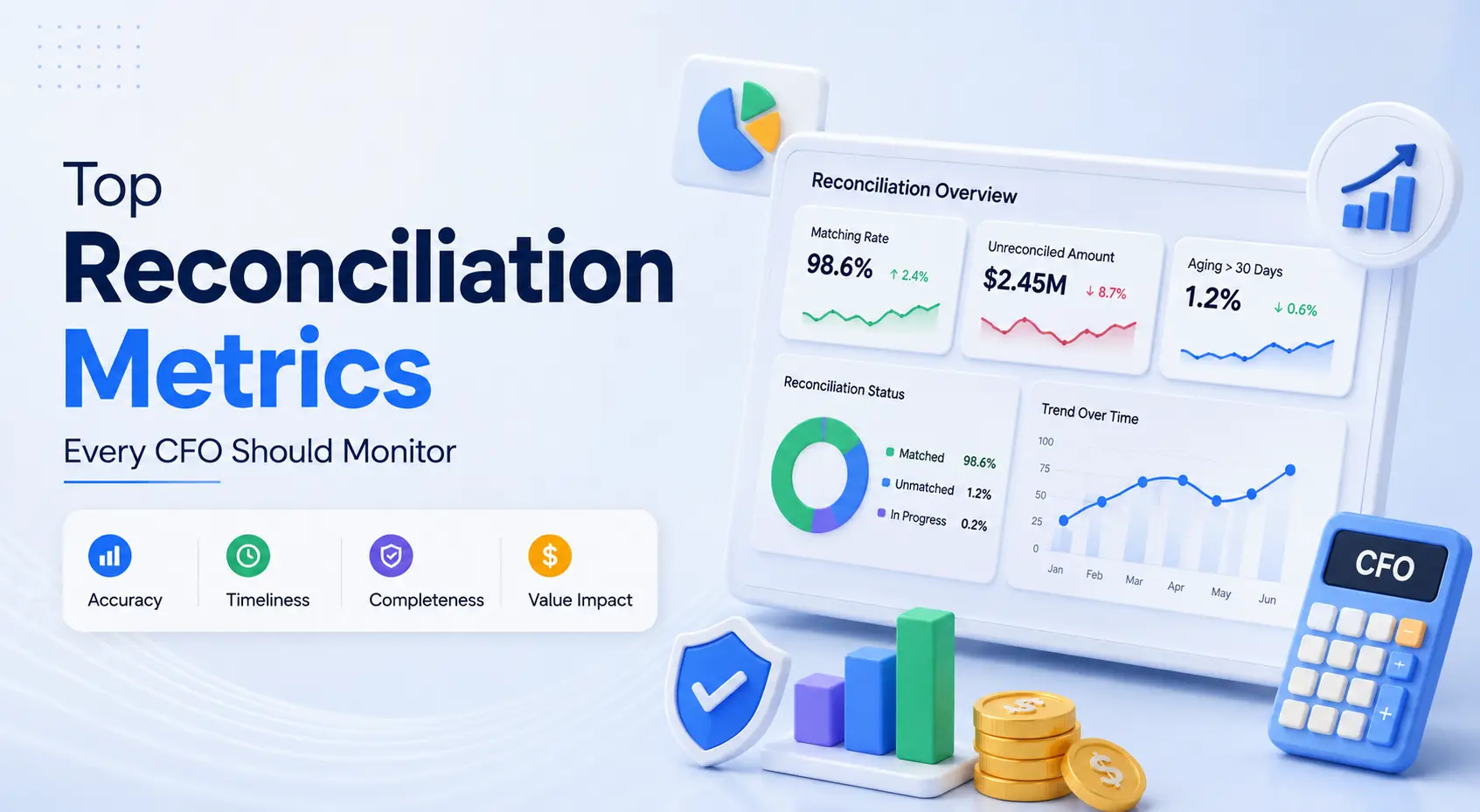
- Robust Reporting & Dashboards: You need real-time insights and customizable reports.
- Strong Security & Compliance: Ensure the provider offers bank-grade security, role-based access, and features that support standards like SOC 2.
Ultimately, the right bank reconciliation software is an investment in accuracy, efficiency, and peace of mind for your entire finance team.
The Future is Automated and Real-Time
The shift from manual, error-prone processes to intelligent, automated reconciliation is not just a trend—it’s the new standard for financial excellence. This technology empowers businesses to close their books faster, trust their data more, and unlock the strategic potential of their finance teams.
By providing real-time transaction matching, these systems turn reconciliation from a historical, defensive task into a proactive tool for financial insight. In an era where data speed and accuracy are competitive advantages, implementing a powerful reconciliation software is no longer a luxury; it’s a fundamental requirement for sustainable growth and resilience.
Also Read: Automated Account Reconciliation: Save Time and Reduce Errors
Frequently Asked Questions (FAQs)
1. What is the main difference between traditional and automated reconciliation?
Traditional reconciliation relies on manual spreadsheet work, which is slow and prone to errors. Automated reconciliation software uses rules and technology to match transactions in real-time with minimal human intervention, boosting speed, accuracy, and visibility.
2. How secure is automated bank reconciliation software?
Reputable automated bank reconciliation software providers implement bank-level security measures. This includes data encryption (both in transit and at rest), secure API connections, strict access controls, and regular compliance audits (like SOC 2). Your financial data is typically more secure than in scattered spreadsheets or email.
3. Can the software handle complex matching scenarios?
Yes. Modern reconciliation automation tools are highly flexible. Beyond simple exact matches, they can handle “fuzzy” matches for amount differences, rule-based matches for one-to-many relationships (like one invoice paid in installments), and even learn from user corrections over time.
4. How long does it take to implement an automated reconciliation system?
Implementation time varies based on complexity, but cloud-based solutions can often be deployed in a matter of weeks. The process involves connecting data sources, configuring matching rules, and testing. Many providers offer hands-on support to ensure a smooth transition.
5. Is this software only for large enterprises?
No. While large banks and corporations were early adopters, automated reconciliation software is now scalable and affordable for mid-sized and even growing small businesses. The return on investment in saved time and reduced errors makes it viable for any organization with significant transaction volume.
6. What kind of return on investment (ROI) can we expect?
ROI is typically realized through direct time savings (often cutting reconciliation time by 70-90%), reduced error-related costs, lower audit fees, and the strategic value of reallocating staff to higher-value work. Many businesses report a full payback on their investment within the first year.
Ready to get started?
Contact us now
Contact us now
* By clicking on Contact Us you are agreeing to our Terms & Conditions and Privacy policy.