Can Reconciliation Automation Tools Handle Multi-Currency Transactions?
Kosh.ai
January 22, 2026
In today’s global economy, businesses of all sizes are buying, selling, and operating across borders. This means dealing with multiple currencies—US Dollars, Euros, Japanese Yen, you name it. For the teams managing finances, this creates a significant challenge: how do you accurately reconcile accounts when money is flowing in and out in different forms?
Manual reconciliation of multi-currency transactions is a tedious, error-prone, and time-consuming nightmare. It involves constantly checking fluctuating exchange rates, calculating gains or losses, and ensuring every cent matches across systems. This is where modern technology steps in. The big question many finance leaders ask is: Can reconciliation automation tools genuinely handle the complexity of multi-currency transactions?
The short answer is a resounding yes. Modern reconciliation automation tools are not just capable; they are specifically designed to turn this daunting task into a smooth, accurate, and efficient process. Let’s dive deep into how they do it, why it matters, and what you should look for in a robust automated reconciliation system.
The Multi-Currency Reconciliation Challenge: Why Manual Methods Fail
Before we appreciate the solution, it’s crucial to understand the problem. Reconciling transactions in a single currency is straightforward. Add multi-currency, and the complexity multiplies.
Here are the core challenges:
- Fluctuating Exchange Rates: Currency values change by the minute. A payment received in Euros today has a different Dollar value than it did yesterday. Manual reconciliation requires looking up the correct historical rate for each transaction date, a process ripe for human error.
- Realized and Unrealized Gains/Losses: As currencies fluctuate, the value of your holdings in a foreign bank account changes. You must account for these currency differences accurately in your books, which is a complex accounting requirement.
- Data Volume and Speed: High volumes of international transactions are impossible to reconcile manually at the speed modern business requires. It leads to delays in month-end closing and financial reporting.
- Human Error and Fatigue: Manually converting currencies, applying rates, and checking calculations for hundreds of transactions inevitably leads to mistakes. These errors can distort financial statements and lead to poor decision-making.
According to a 2023 report by Forrester, finance teams spend up to 30% of their time on manual data collection and reconciliation tasks. In a multi-currency environment, this percentage can be even higher, draining resources and morale.
How Reconciliation Automation Tools Master Multi-Currency
So, how does automated bank reconciliation software conquer these challenges? It’s not through magic, but through intelligent, rule-based processing and seamless integration.
Intelligent Exchange Rate Integration
The cornerstone of multi-currency handling is automated rate management. A powerful reconciliation solution:
- Integrates with Reliable Rate Feeds: It automatically pulls in daily or historical exchange rates from trusted financial data providers (like Reuters, OANDA, or central banks).
- Applies the Correct Rate: The system is smart enough to apply the specific exchange rate that was valid on the date of each individual transaction. This ensures perfect accuracy for historical reporting.
- Handles Different Rate Types: It can manage various rate types—like spot rates, forward rates, or company-defined fixed rates—based on your accounting policies.
Automated Calculation of Currency Differences
This is where automation truly shines. The software for bank reconciliation performs all complex calculations instantly:
- It calculates the local currency equivalent for every foreign transaction.
- It automatically identifies and posts realized gains or losses that occur when a transaction is settled.
- It can even help track unrealized gains or losses on outstanding balances in foreign currency accounts for accurate balance sheet reporting.
Rule-Based Matching with Currency Logic
Matching transactions is the heart of reconciliation. Advanced accounting reconciliation software allows you to set up sophisticated matching rules that consider currency.
- You can create rules to match transactions based on amount and currency code.
- The system can tolerate small differences due to bank fees or minor rate rounding, flagging only exceptions that truly need human review.
- This ensures a payment of €1,000 matches with the invoice for €1,000, even though your base currency ledger might show it as $1,080.
Centralized Visibility and Auditing
A centralized dashboard gives you a real-time, holistic view of your financial position across all currencies. Every transaction, rate applied, and calculated difference is logged automatically. This creates a clear, unchangeable audit trail that is invaluable for internal checks and external audits, saving countless hours during compliance season.
Key Benefits of Automating Multi-Currency Reconciliation
Moving from a manual spreadsheet process to an automated reconciliation software platform delivers transformative benefits:
- Unmatched Accuracy and Reduced Errors: By eliminating manual data entry and calculation, error rates plummet. This leads to more reliable financial statements. A study by Ventana Research found that automation can reduce reconciliation errors by over 90%.
- Dramatic Time Savings and Faster Closing: What used to take days or weeks can be completed in hours. Month-end and year-end closes happen faster, freeing your finance team to focus on analysis and strategy instead of repetitive tasks.
- Improved Compliance and a Strong Audit Trail: Automated systems ensure consistency and adherence to accounting standards (like IFRS or GAAP) for foreign currency translation. The detailed, timestamped audit trail satisfies auditor requirements effortlessly.
- Real-Time Financial Insights: With reconciliations happening continuously or daily, you have an up-to-date, accurate picture of your cash position in every currency. This empowers better cash flow management and strategic currency hedging decisions.
- Enhanced Scalability: As your business grows and enters new markets, the automated reconciliation system can handle the increased transaction volume and new currencies without needing additional staff.
Essential Features to Look for in a Multi-Currency Reconciliation Tool
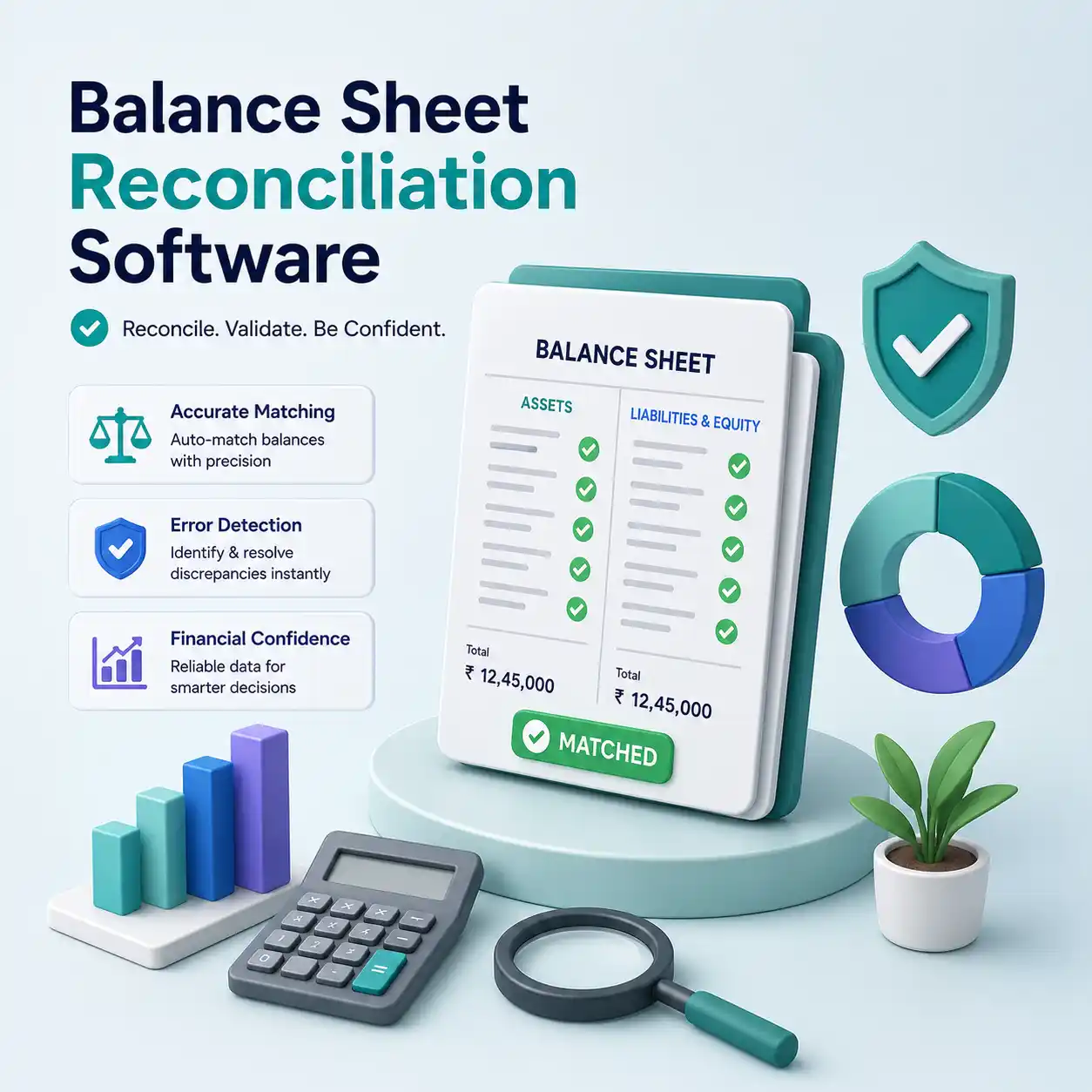
Not all reconciliation software for banks and businesses are created equal. When evaluating a balance sheet reconciliation software for multi-currency needs, prioritize these features:
- Flexible Exchange Rate Management: Can it handle multiple rate sources, historical rates, and custom rates?
- Advanced, Configurable Matching Rules: Does it allow you to build rules that incorporate currency codes, tolerance levels for differences, and complex scenarios?
- Comprehensive Reporting and Dashboards: Does it provide clear reports on currency gains/losses, unreconciled items by currency, and reconciliation status across all entities?
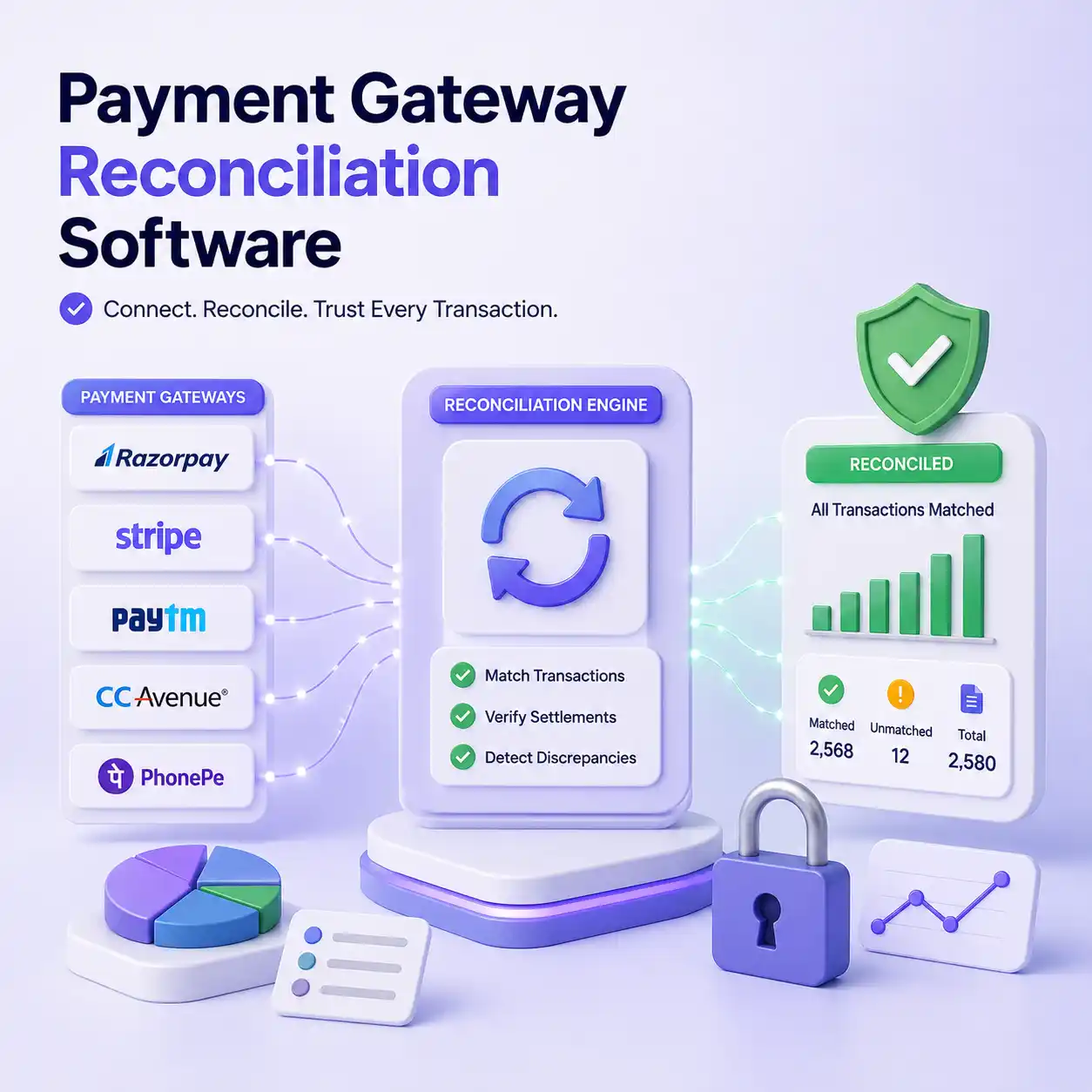
- Strong Integration Capabilities: Can it connect seamlessly to your ERP (like NetSuite, SAP), banking platforms, and payment gateways to pull in transactional data automatically?
- Robust Security and Access Controls: Given the sensitivity of financial data, does it offer role-based permissions and strong data encryption?
- Exception-Based Workflow: The best tools automate the easy matches and efficiently flag only the exceptions for human review, creating a highly efficient workflow.
Also Read: What’s the Difference Between Manual and Automated Reconciliation?
Is This Only for Large Corporations?
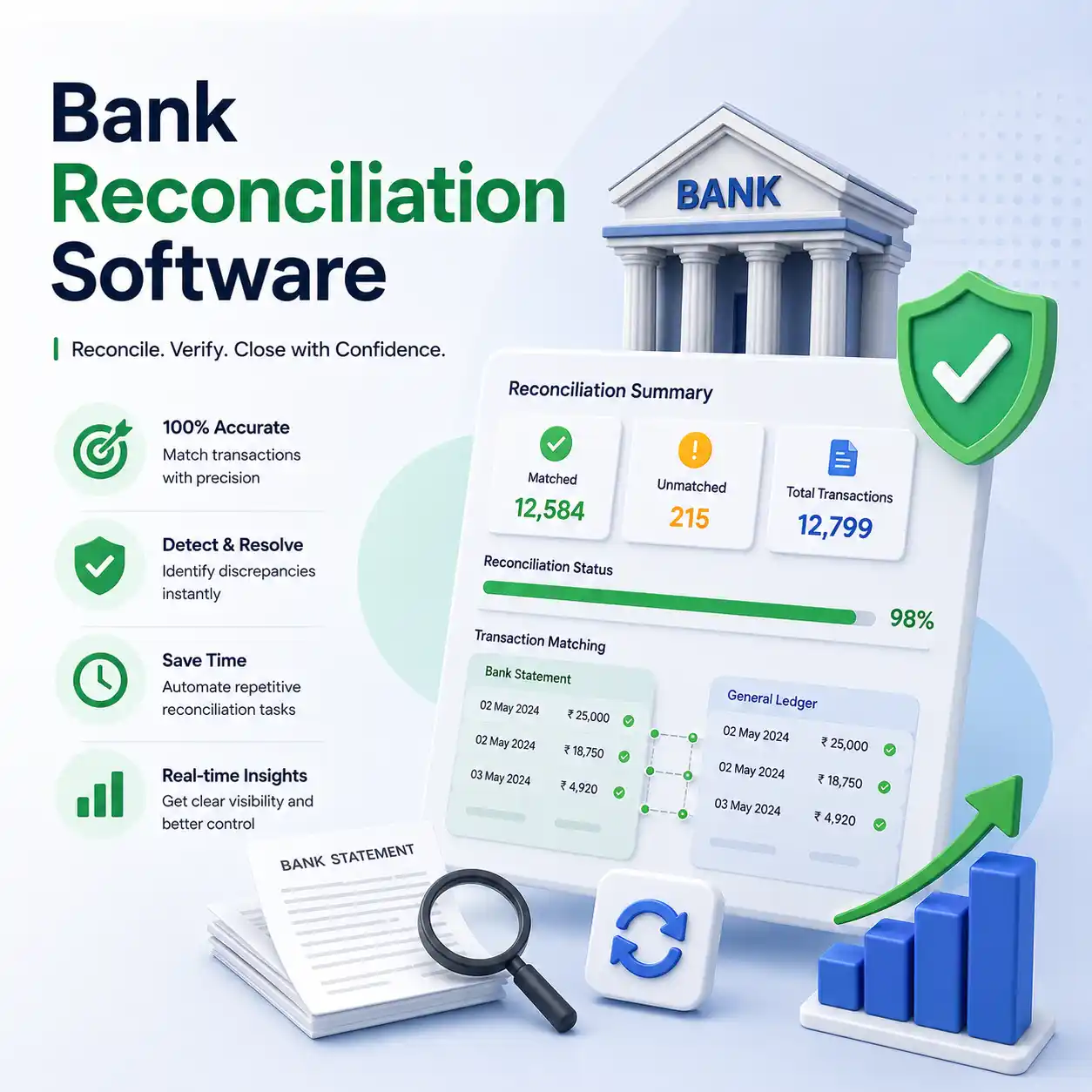
A common misconception is that bank reconciliation automation is only for multinational enterprises. This is no longer true. With the rise of Software-as-a-Service (SaaS) models, sophisticated automated account reconciliation tools are accessible and affordable for mid-sized businesses, e-commerce stores, and even fast-growing startups that operate internationally. The efficiency gains often justify the investment very quickly.
Conclusion: The Future is Automated and Borderless
The complexity of multi-currency transactions is a fact of life in global commerce. Manual reconciliation processes are simply not equipped to handle this complexity accurately or efficiently. They hold businesses back, creating risk, waste, and frustration.
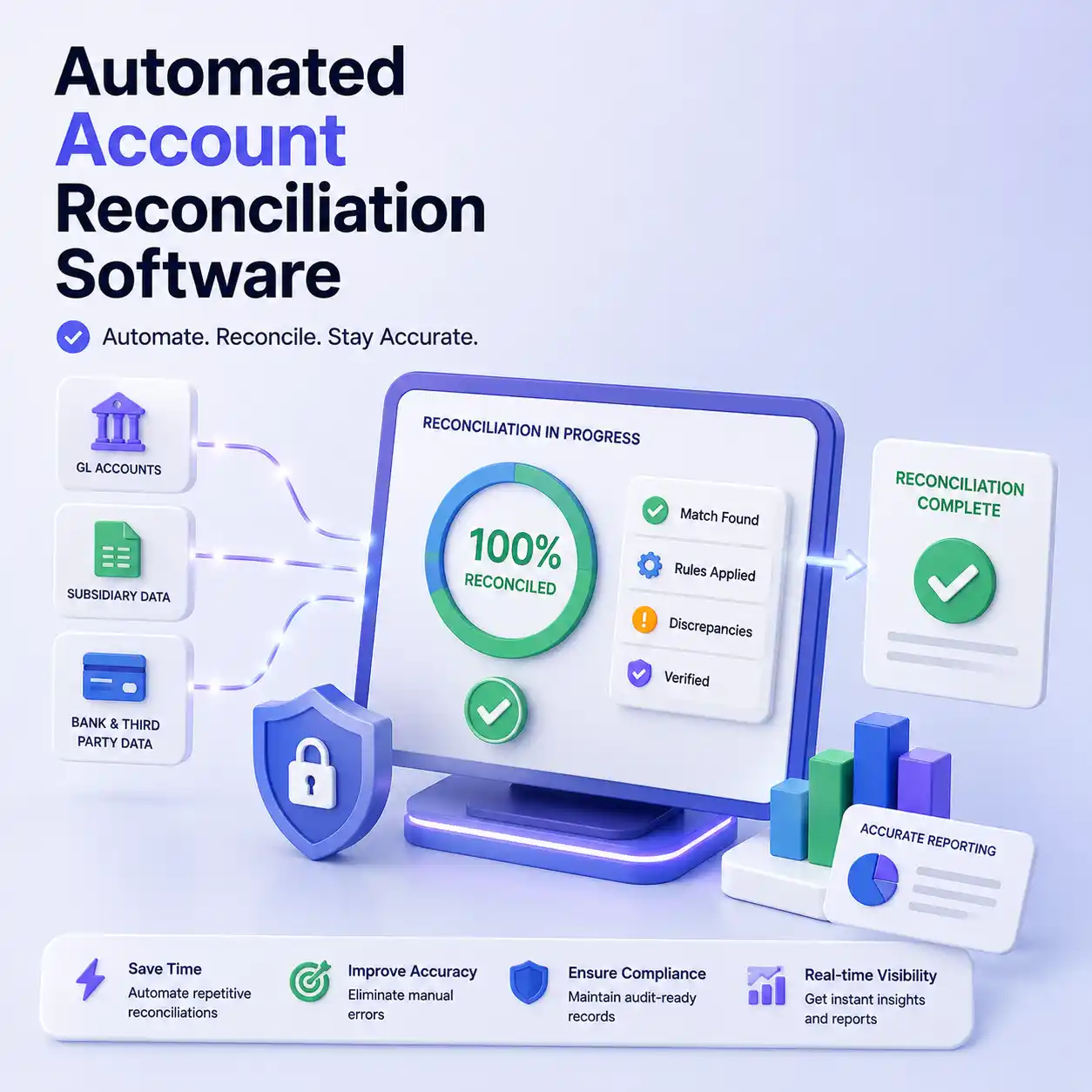
Reconciliation automation tools are not just a convenience; they have become a necessity for any business operating across borders. They handle fluctuating exchange rates, complex calculations, and high data volumes with precision and speed, providing accuracy, clarity, and control over your global finances.
By investing in a robust automated reconciliation software, you are not just solving an accounting problem. You are empowering your finance team, gaining real-time strategic insights, and building a scalable financial infrastructure ready for global growth. The answer is clear: yes, automation can not only handle multi-currency transactions—it can master them.
Also Read: Smart Automated Reconciliation Software for Financial Accuracy
Frequently Asked Questions
1. How do automated tools get the correct exchange rate for past transactions?
They integrate with secure financial data feeds that provide historical daily exchange rates. The tool automatically selects and applies the rate that was officially published on the exact date of each transaction, ensuring historical accuracy.
2. Can these tools handle cryptocurrencies?
Some advanced reconciliation solutions are beginning to integrate support for major cryptocurrencies. However, it’s essential to check with the specific vendor, as crypto's volatility and different ledger structures present unique challenges.
3. Is automated reconciliation software secure for sensitive financial data?
Reputable providers invest heavily in security. Look for features like bank-level encryption (both for data in transit and at rest), secure data centers, compliance with standards like SOC 2, and role-based user access controls.
4. What happens if a transaction doesn’t match automatically?
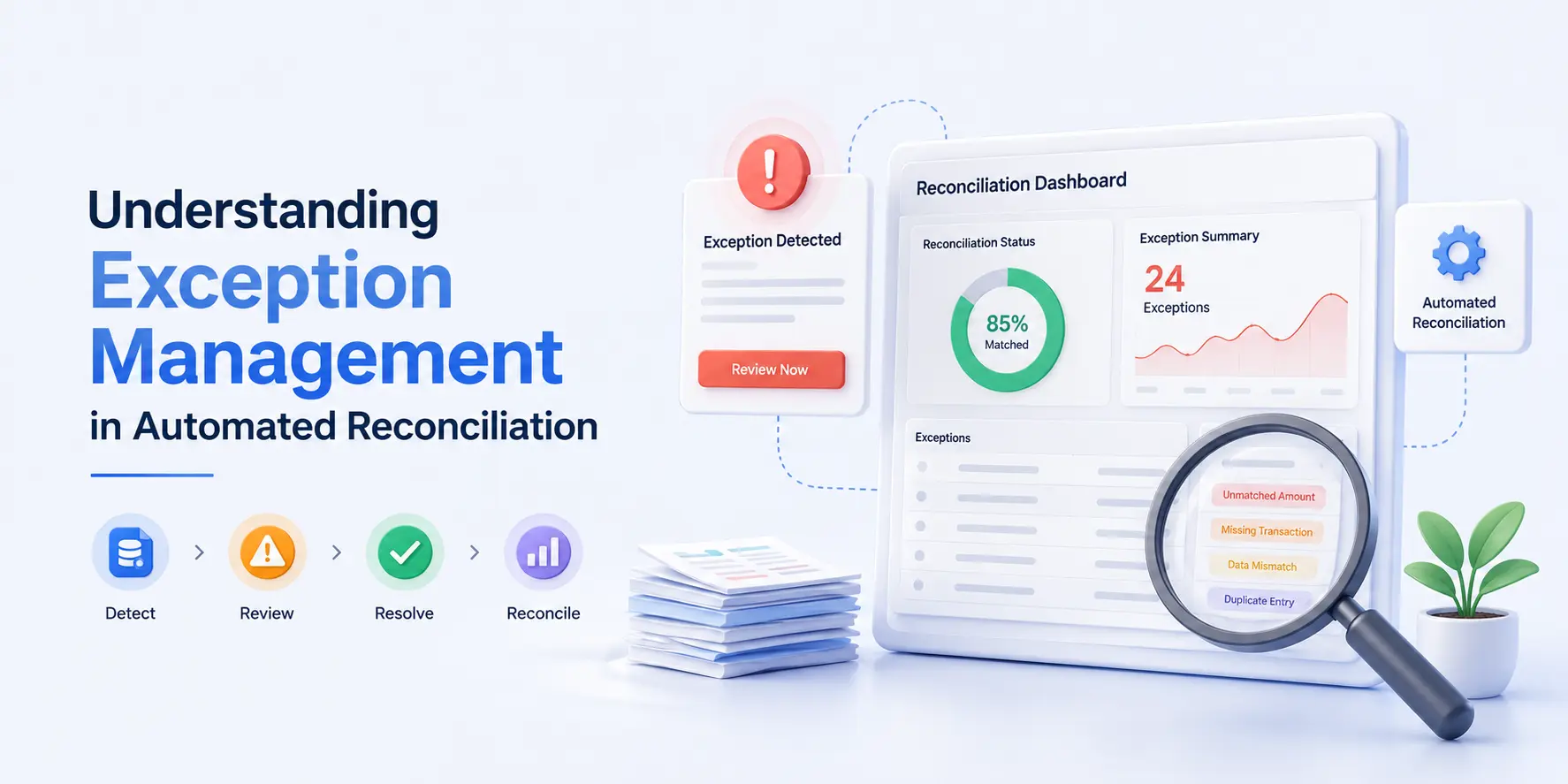
This is a key strength. The system flags these items as “exceptions” and routes them into a dedicated review queue. A team member then uses the tool’s interface to investigate and resolve the discrepancy, making the process much more efficient than manual searching.
5. How long does it typically take to implement such a system?
Implementation time varies. For a cloud-based reconciliation software, a basic implementation for a mid-sized business can take a few weeks. It depends on the complexity of your processes, the number of systems to integrate, and the volume of historical data to be migrated.
6. Will this software replace our finance team?
No. The goal of reconciliation automation is not to replace people but to empower them. It eliminates the tedious, repetitive parts of their jobs, allowing them to focus on higher-value work like financial analysis, forecasting, strategic planning, and investigating complex exceptions that require human judgment.
Ready to get started?
Contact us now
Contact us now
* By clicking on Contact Us you are agreeing to our Terms & Conditions and Privacy policy.