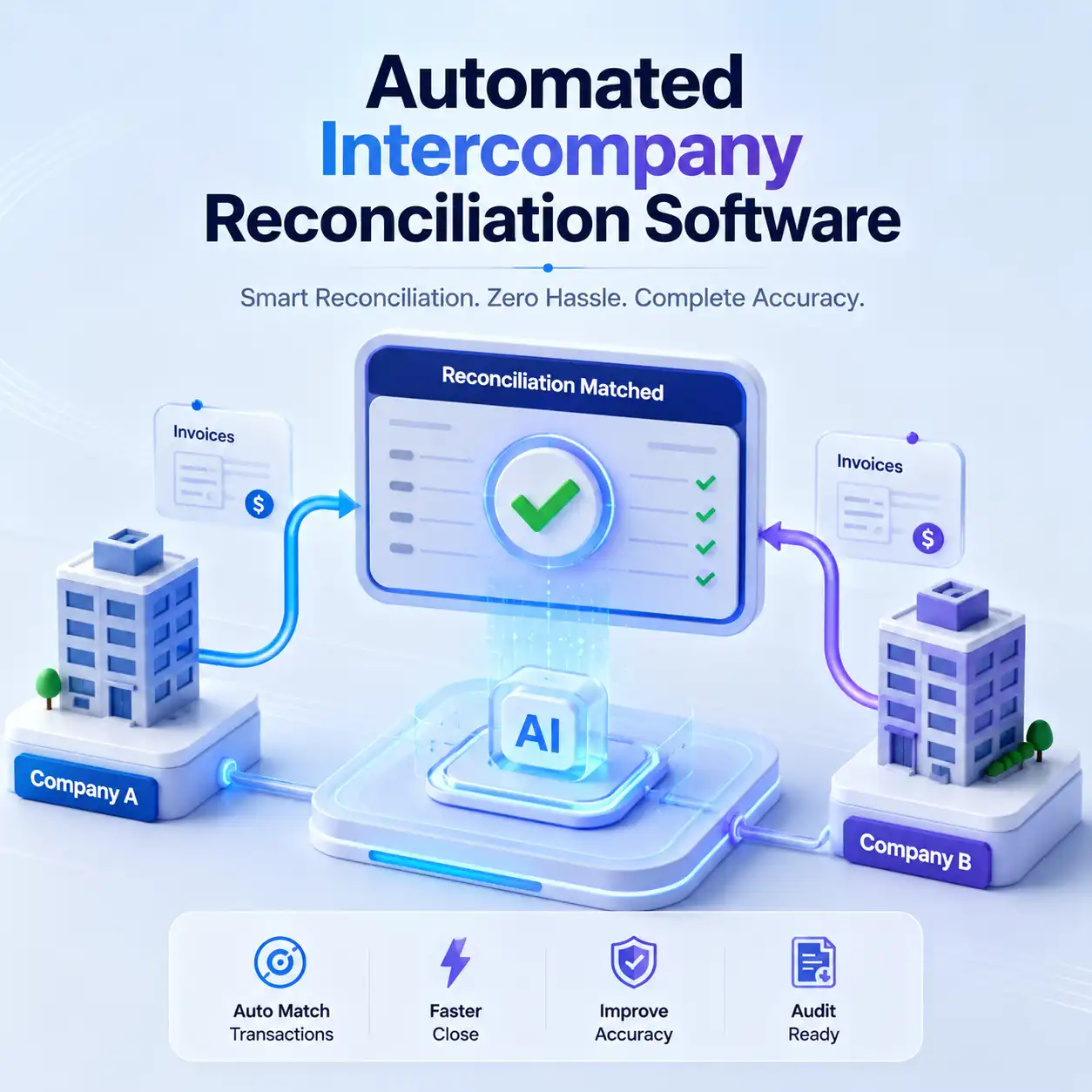
Smart Automated Reconciliation Software for Financial Accuracy
Kosh.ai
January 19, 2026
Imagine this: it’s the end of the month, and your finance team is buried under piles of bank statements, spreadsheets, and ledger entries. The tedious process of matching thousands of transactions manually is not only draining but also prone to human error. A single misplaced decimal point or missed entry can distort your financial reality, leading to poor decisions, compliance issues, and financial loss.
.webp)
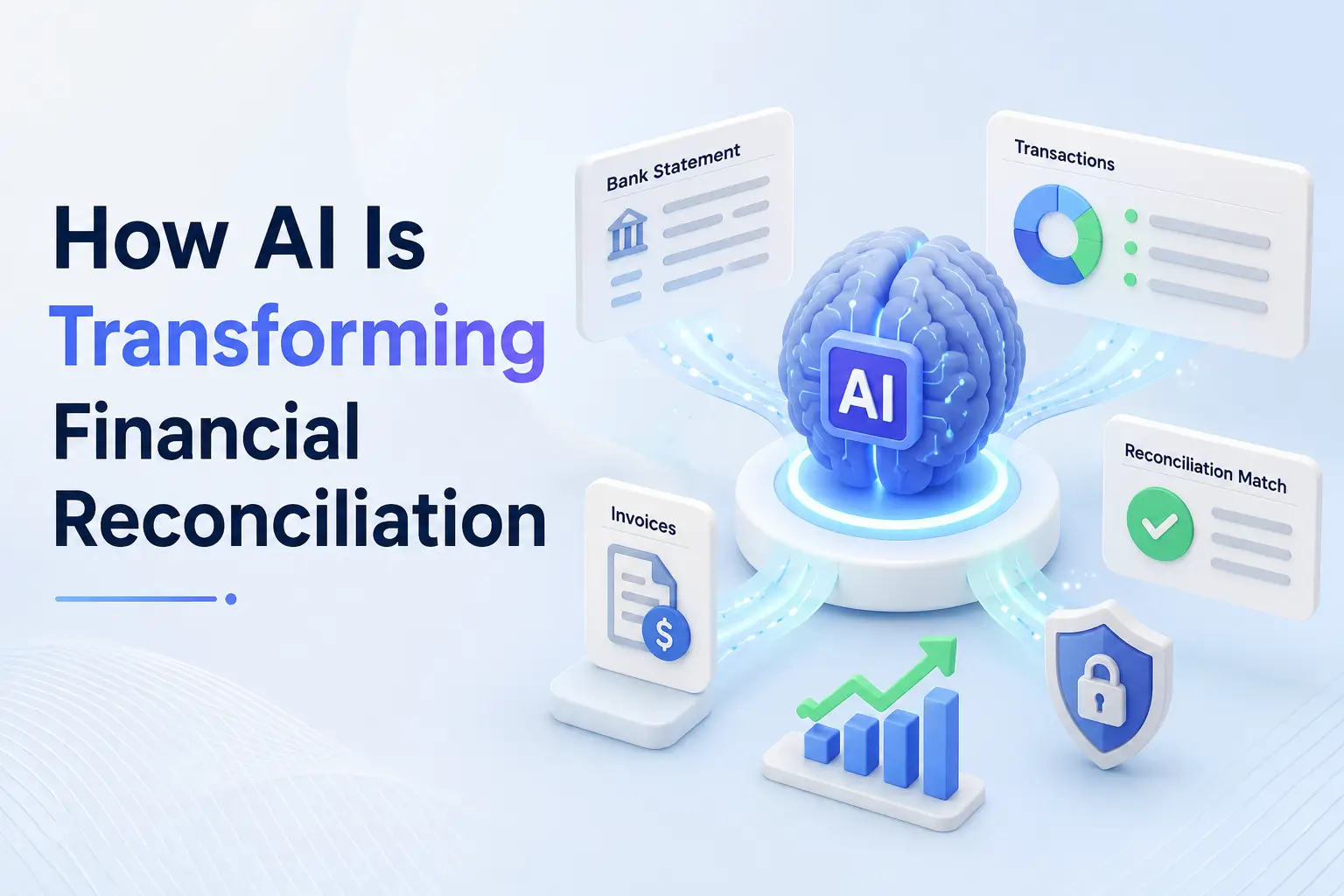
This is where smart automated reconciliation software becomes a game-changer. It’s no longer a luxury for only the largest corporations; it's a vital tool for any business seeking true financial clarity and efficiency. In simple terms, this technology takes over the repetitive, rule-based task of comparing data from different sources, ensuring your records are perfectly aligned and accurate. Let’s explore how this intelligent automation is transforming finance departments.
What is Automated Reconciliation and Why Does Accuracy Matter?
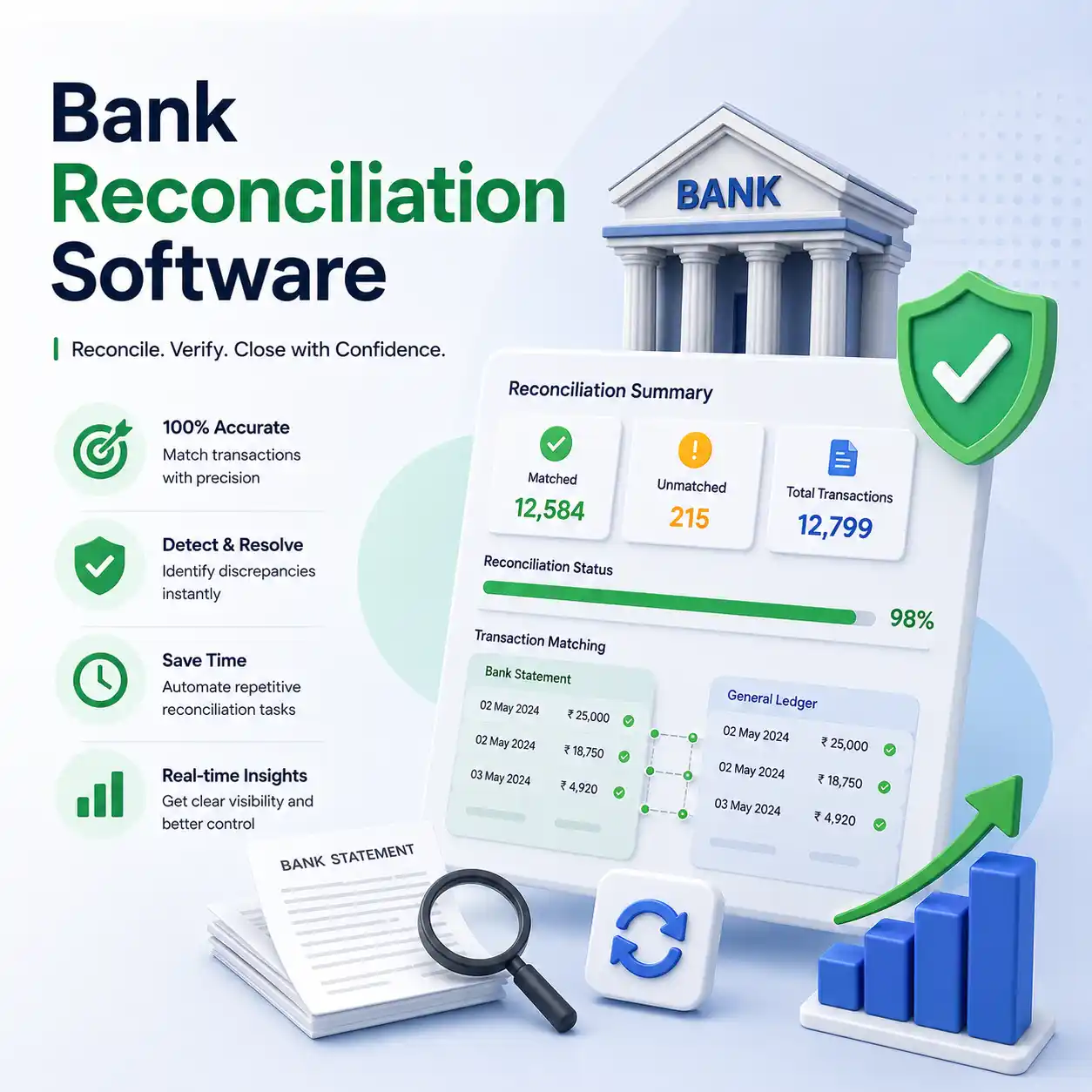
At its heart, reconciliation is the process of comparing two sets of records to ensure they match. The most common example is bank reconciliation, where you compare your company's internal cash records with the monthly statement from your bank. When done manually, this is a slow, eye-straining process.
Financial accuracy is the cornerstone of any healthy business. According to a report by IBM, poor data quality costs the US economy around $3.1 trillion annually. Inaccuracies in financial data can lead to:
- Incorrect cash flow projections.
- Faulty business intelligence and strategic decisions.
- Failed audits and regulatory penalties.
- Eroded trust from stakeholders and investors.
An automated reconciliation system uses predefined rules and, increasingly, artificial intelligence (AI) to perform these comparisons in minutes instead of days. It flags only the discrepancies that need human attention, allowing your team to focus on analysis and exception handling rather than mindless matching.
The High Cost of Manual Reconciliation Methods
To understand the value of automation, we must look at the costs of the old way. Relying on spreadsheets and manual checks is fraught with challenges:
- Time-Consuming: The Institute of Finance & Management (IOFM) found that manually reconciling just 500 accounts can take over 200 hours per month.
- Error-Prone: Human error is inevitable. A study by Clockify notes that manual data entry has an average error rate of around 1%. In finance, that 1% can represent massive amounts of money.
- Lack of Visibility: With manual processes, getting a real-time view of your financial status is nearly impossible. You’re always looking at last week's or last month's data.
- Scalability Issues: As your business grows and transaction volumes explode, manual reconciliation simply doesn't scale. You’d need to keep hiring more staff just to keep up with the basic bookkeeping.
How Does Smart Reconciliation Software Work?
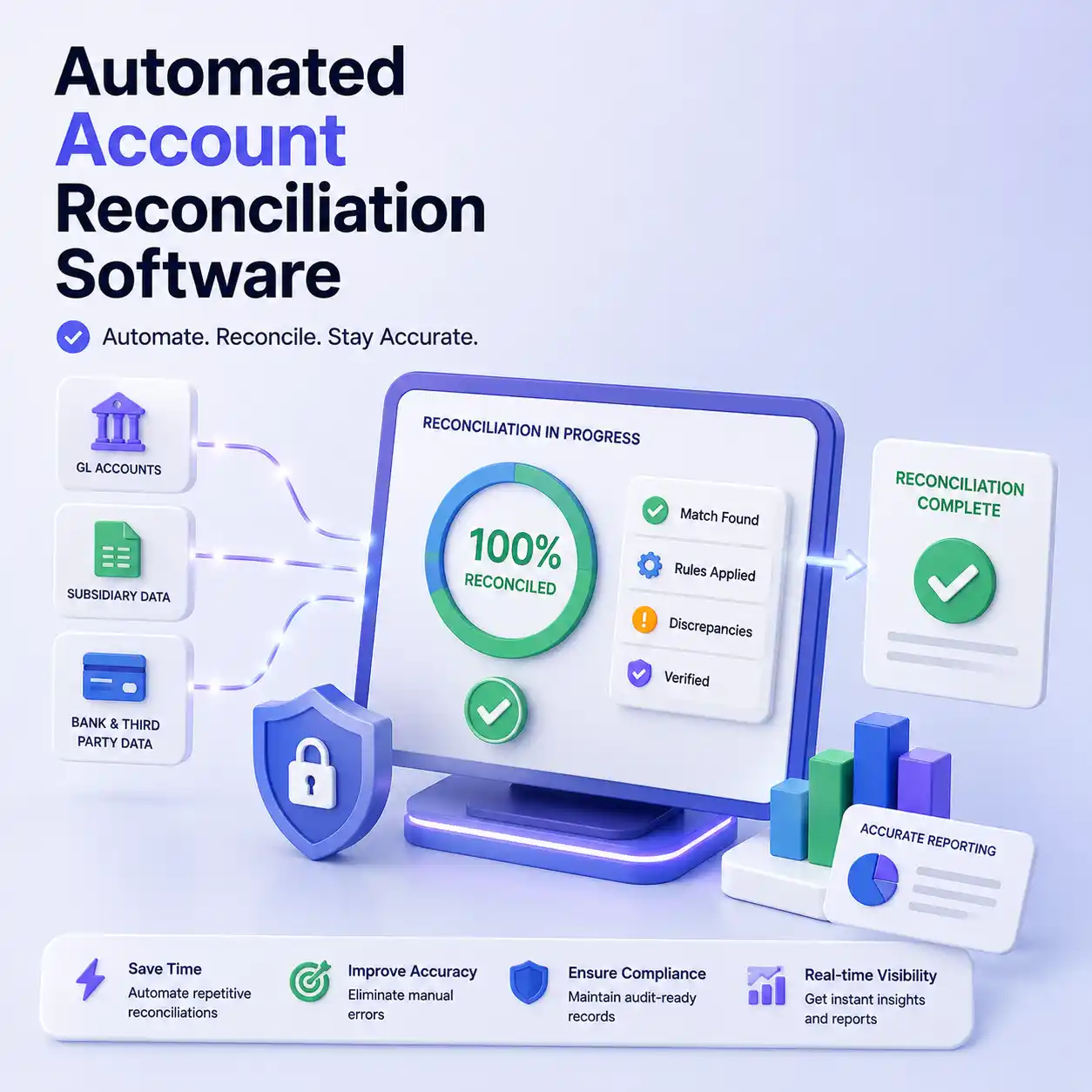
Think of smart accounting reconciliation software as a highly trained, meticulous digital accountant that never sleeps. Here’s a simple breakdown of its workflow:
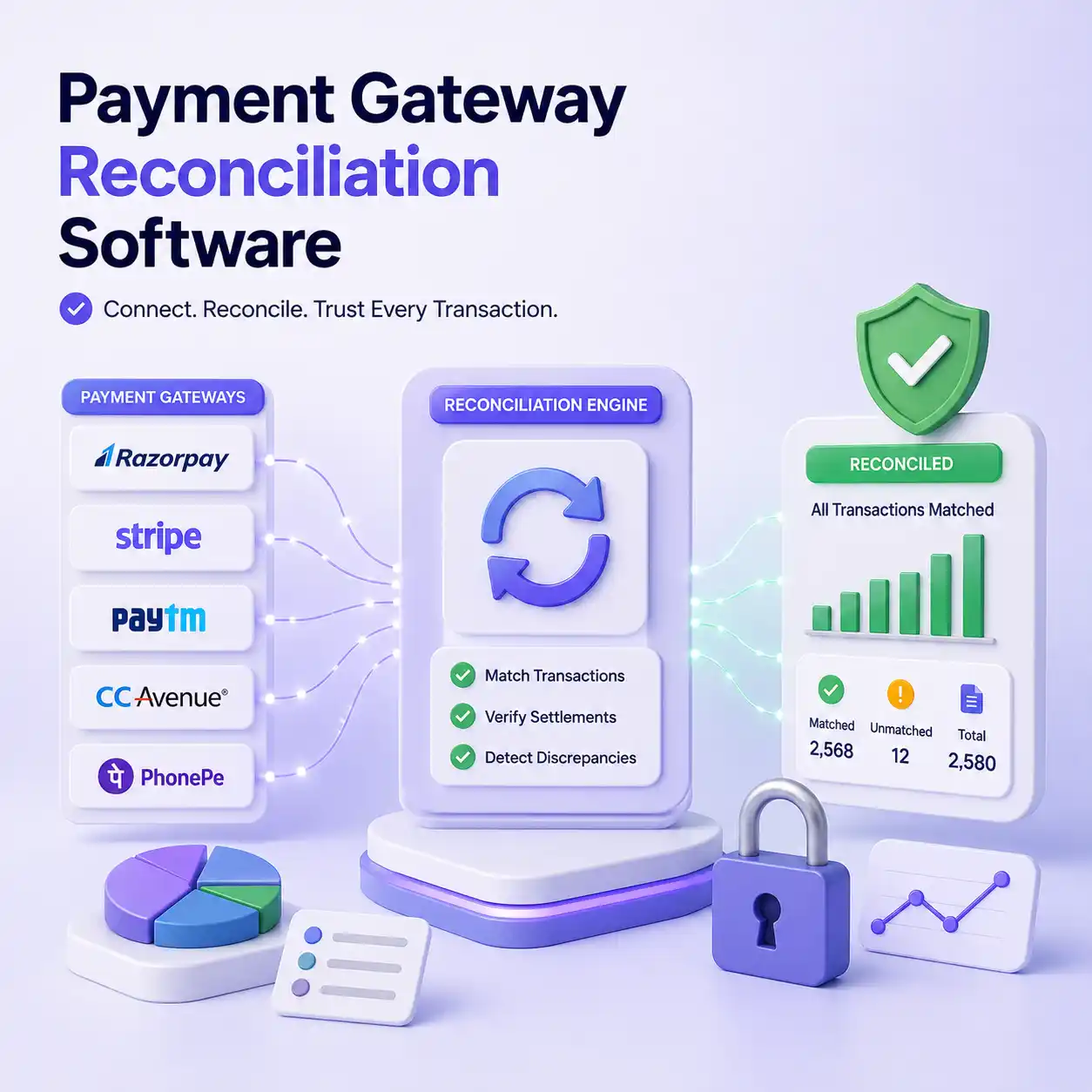
- Data Connection: The software securely connects to all your data sources. This includes your bank feeds, ERP system (like SAP or Oracle), payment processors, merchant accounts, and general ledger.
- Rule-Based Matching: You set up flexible matching rules (e.g., match by invoice number, date, amount, payer name). The automated reconciliation software then scans thousands of records, pairing transactions that meet these criteria.
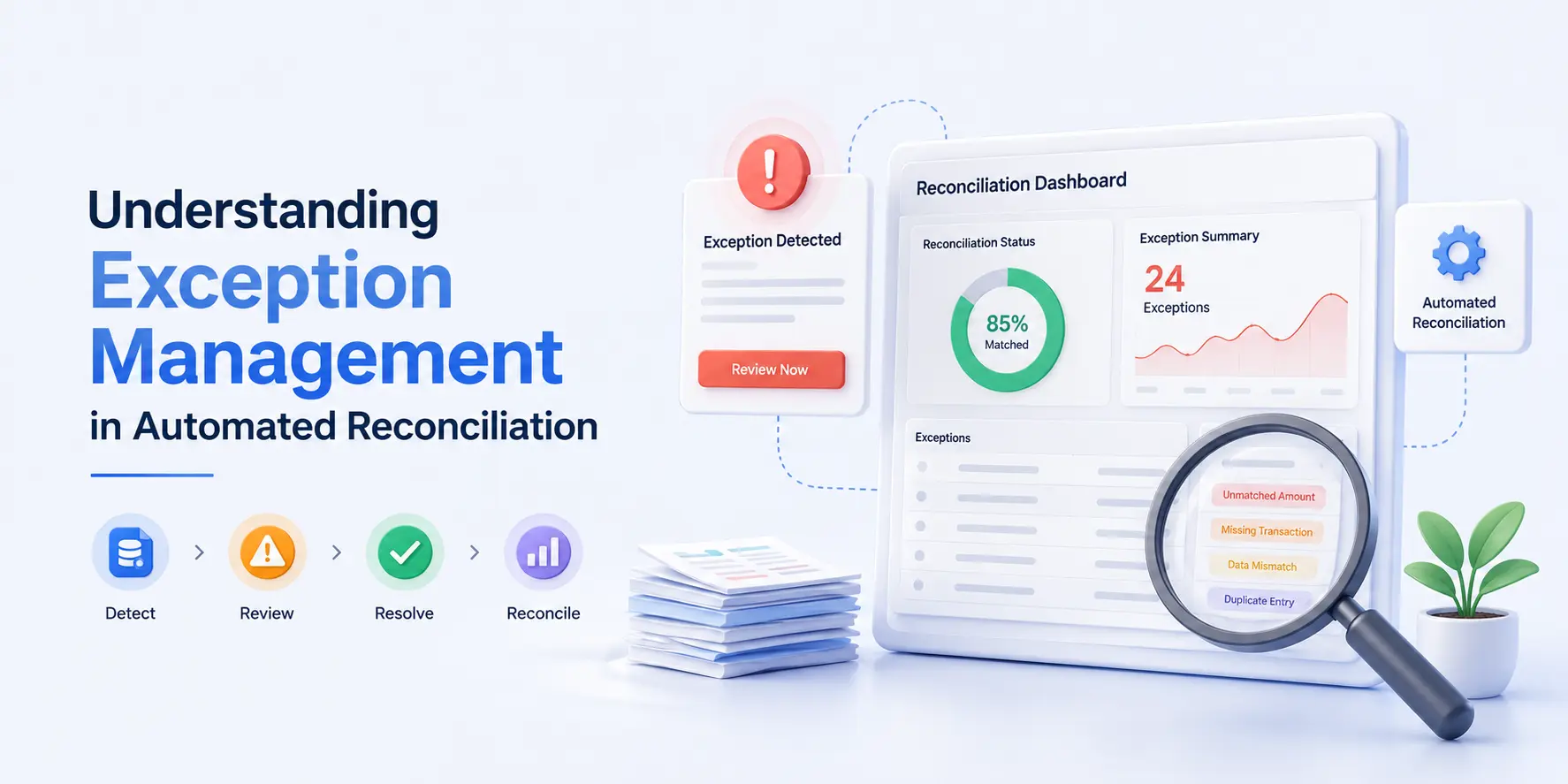
- Exception Handling: Transactions that don’t match automatically are flagged as exceptions and routed to a designated team member’s dashboard for review. This eliminates the need to sift through everything.
- Reporting & Audit Trail: The system generates detailed reports, provides a clear audit trail of all actions (who cleared what and when), and finally, posts the reconciled figures to your general ledger.
Modern tools go beyond simple rules. They employ machine learning to improve matching accuracy over time and can even suggest matches for complex exceptions, making the process even smarter.
Key Features to Look for in a Reconciliation Solution
Not all software is created equal. When evaluating an automated reconciliation system, look for these essential features:
- Multi-Source Integration: The best reconciliation software for banks and businesses can pull data from banks, credit cards, POS systems, and internal accounting software seamlessly.
- Customizable Rules Engine: You should be able to create and modify matching rules without needing a programmer.
- Real-Time Processing: Instead of waiting for the month-end close, transactions can be reconciled daily or even in real-time, giving you an always-accurate picture.
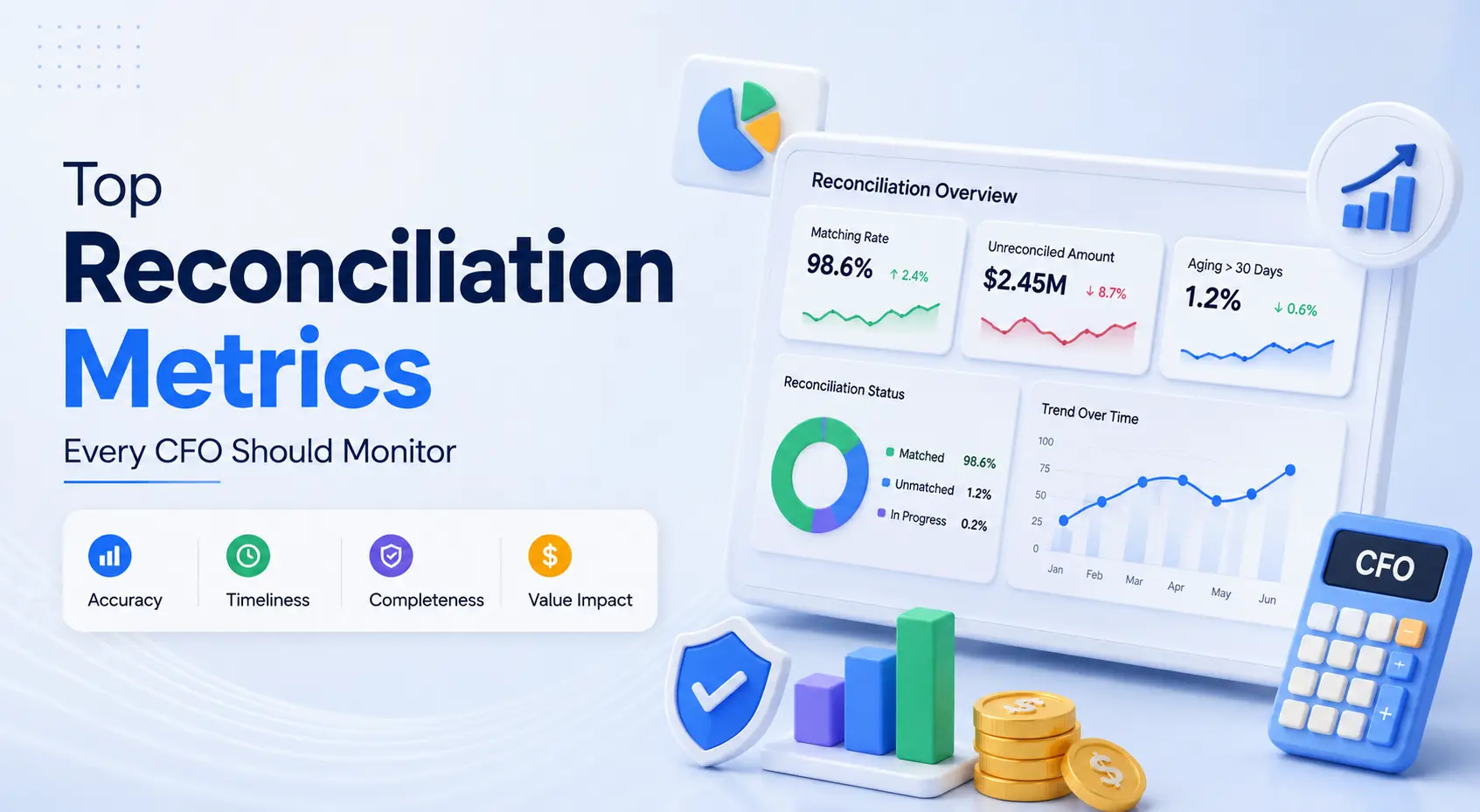
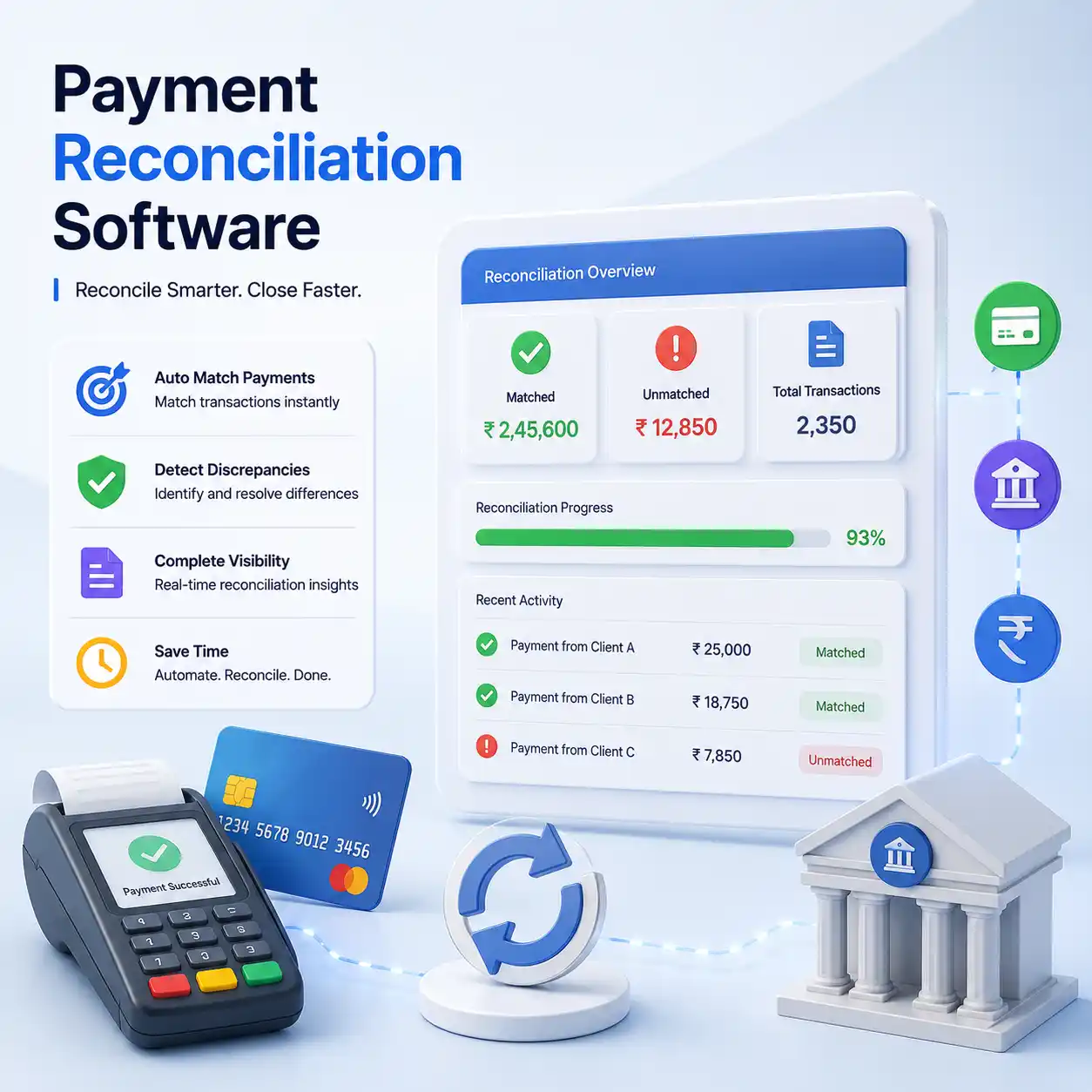
- Centralized Dashboard: A single screen should give you visibility into the status of all reconciliations—complete, in progress, or with exceptions.
- Robust Security & Compliance: Features like role-based access, data encryption, and a tamper-proof audit trail are non-negotiable for financial data.
- Scalability: The reconciliation solution should handle increasing transaction volumes without performance drops.
The Tangible Benefits of Automating Your Reconciliation Process
Shifting from manual to automated reconciliation delivers powerful advantages that directly impact your bottom line.
1. Unmatched Accuracy and Reduced Risk
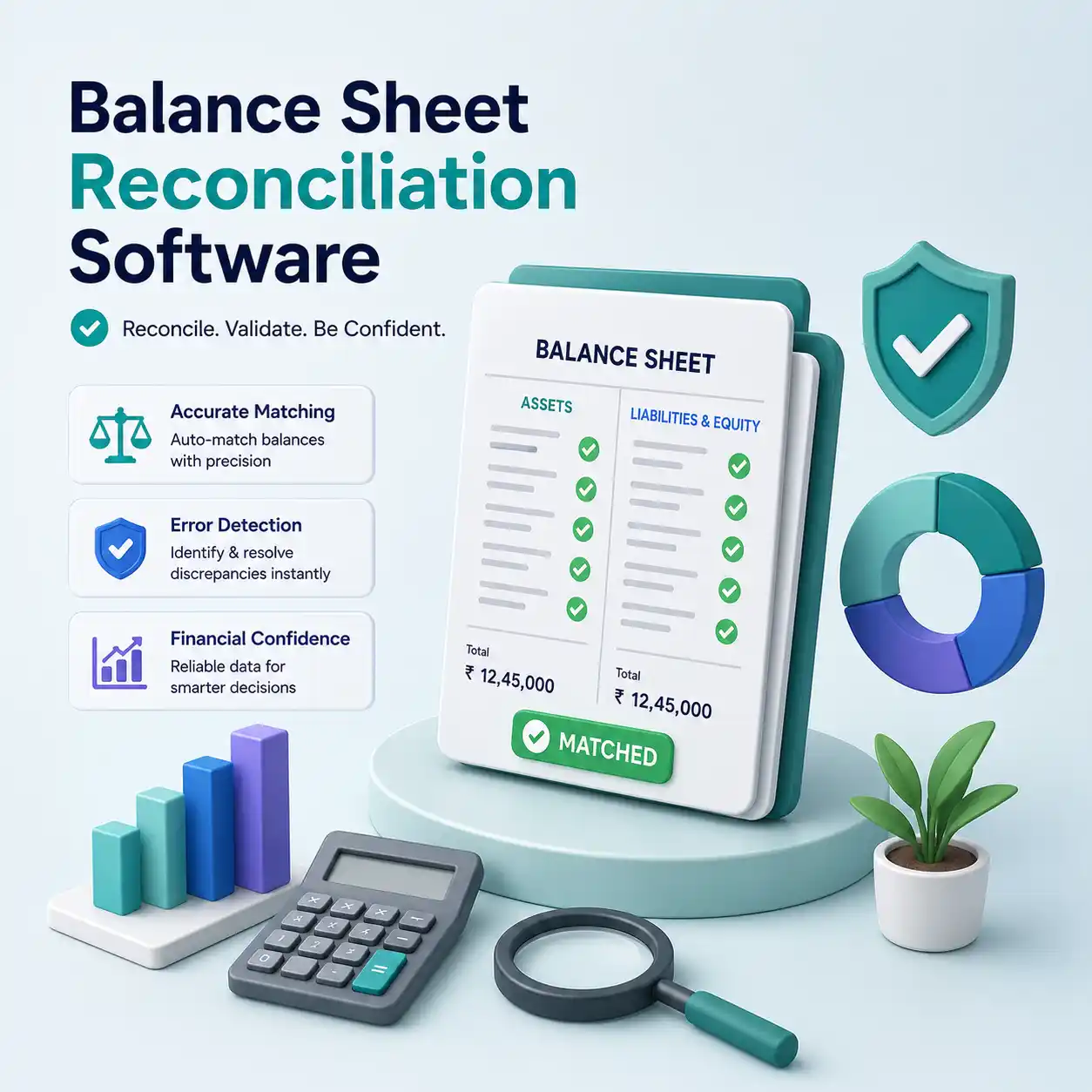
Automation removes the risk of human error from the matching process. By ensuring your data is perfectly aligned, you gain confidence in your balance sheet and financial statements. This is crucial for reliable balance sheet reconciliation software, where accuracy is paramount for reporting and compliance.
2. Massive Time and Cost Savings
This is the most immediate benefit. What used to take weeks can now be completed in hours. The American Productivity & Quality Center (APQC) reports that top-performing organizations close their books in 6 days or less, while bottom performers take 20 days or more. Automation is a key driver of this efficiency. Freed from repetitive tasks, your finance team can focus on higher-value work like financial analysis, forecasting, and strategy.
3. Faster Financial Close
The month-end, quarter-end, or year-end close is a stressful period. Reconciliation automation tools significantly accelerate one of the most time-consuming parts of the close process, helping you achieve a "fast close." This means leadership gets accurate financial information sooner, enabling quicker strategic responses.
4. Improved Visibility and Control
With a centralized automated reconciliation software dashboard, managers have instant visibility into the reconciliation status across all accounts and entities. You can see bottlenecks, track team productivity, and ensure nothing slips through the cracks. This level of control is impossible with scattered spreadsheets.
5. Enhanced Security and a Clear Audit Trail
Manual spreadsheets are vulnerable to errors and manipulation. A dedicated reconciliation solution provides a secure, permission-controlled environment. Every action is logged, creating an indelible audit trail that simplifies internal and external audits. This demonstrable control is highly valued by regulators and auditors.
6. Scalability for Business Growth
As your business expands, your transaction data grows exponentially. An automated reconciliation system scales effortlessly, handling more data without requiring proportional increases in headcount. This makes growth more manageable and cost-effective.
Choosing the Right Automated Reconciliation Software for Your Needs
Selecting the right tool requires careful thought. Here’s a simple guide:
- Assess Your Volume and Complexity: Do you have 100 transactions a month or 100,000? Do you operate in multiple currencies? Your volume and complexity will dictate the power of the software for bank reconciliation you need.
- Integration is Key: Ensure the tool integrates smoothly with your existing accounting software, ERP, and banking platforms. Easy integration saves immense setup time and future headaches.
- User-Friendliness: The software should be intuitive. If it’s too complex, your team won’t adopt it fully, undermining its value. Look for a clean interface and logical workflow.
- Vendor Support and Reputation: Choose a vendor known for reliable customer support and a proven track record. Read reviews and ask for case studies similar to your business.
- Start with a Pilot: Consider starting with a pilot project for one process, like bank reconciliation automation, to see the benefits firsthand before a full-scale rollout.
Also Read: Complete Reconciliation Solution for High-Volume Transactions
The Future of Reconciliation: AI and Continuous Accounting
The evolution of automated reconciliation is moving towards even greater intelligence. We are entering an era of "continuous accounting," where reconciliations happen in real-time, not just at period-ends. AI and machine learning will play a bigger role in:
- Predicting and categorizing exceptions.
- Identifying fraudulent patterns.
- Providing predictive insights based on reconciled financial data.
This shift turns the finance function from a historical recorder into a forward-looking strategic partner.
Conclusion: Accuracy is Not an Option, It's a Necessity
In today's fast-paced and data-driven business world, relying on manual processes for critical financial functions is a significant risk. Smart automated reconciliation software is no longer just an efficiency tool; it is a foundational component for achieving financial integrity, operational excellence, and strategic agility.
By investing in a robust automated account reconciliation system, you are not just buying software—you are investing in peace of mind, empowering your team, and laying the digital groundwork for sustainable, accurate growth. The question is no longer if you should automate, but how quickly you can start.
Also Read: What’s the Difference Between Manual and Automated Reconciliation?
Frequently Asked Questions (FAQs)
1. What is the main difference between traditional and automated bank reconciliation?
Traditional reconciliation is a manual process using spreadsheets and physical statements, which is slow and prone to errors. Automated bank reconciliation software connects directly to your bank feeds and accounting system, using rules to match transactions automatically in minutes, flagging only the exceptions for review.
2. Is automated reconciliation software secure for our financial data?
Reputable reconciliation software providers prioritize security. They use bank-level encryption, secure data centers, role-based access controls, and provide a clear audit trail. This often makes automated systems more secure than manual methods involving emailed spreadsheets.
3. How long does it take to implement an automated reconciliation system?
Implementation time varies based on complexity. For a standard automated reconciliation software focusing on bank accounts, implementation can often be completed in a few weeks. More complex deployments involving multiple entities or systems may take longer. A good vendor will guide you through a structured setup process.
4. Can this software handle reconciliations beyond just bank statements?
Absolutely. While bank reconciliation automation is a common starting point, modern reconciliation automation tools can handle credit card statements, inter-company transactions, ledger-to-ledger reconciliations, and more, making them a versatile accounts reconciliation software solution.
5. What happens to transactions that don't match automatically?
Transactions that don’t match based on your rules are flagged as "exceptions" and sent to a dedicated workflow dashboard. A member of your finance team then reviews these items, investigates the discrepancy (e.g., a missing invoice, a bank error), and resolves them manually within the system.
6. Will automation replace our accounting staff?
No. The goal of reconciliation automation is not to replace people but to empower them. It eliminates the tedious, repetitive part of their job, freeing them to focus on more valuable tasks like analyzing financial data, investigating complex discrepancies, managing cash flow, and providing strategic insights to the business.
Ready to get started?
Contact us now
Contact us now
* By clicking on Contact Us you are agreeing to our Terms & Conditions and Privacy policy.