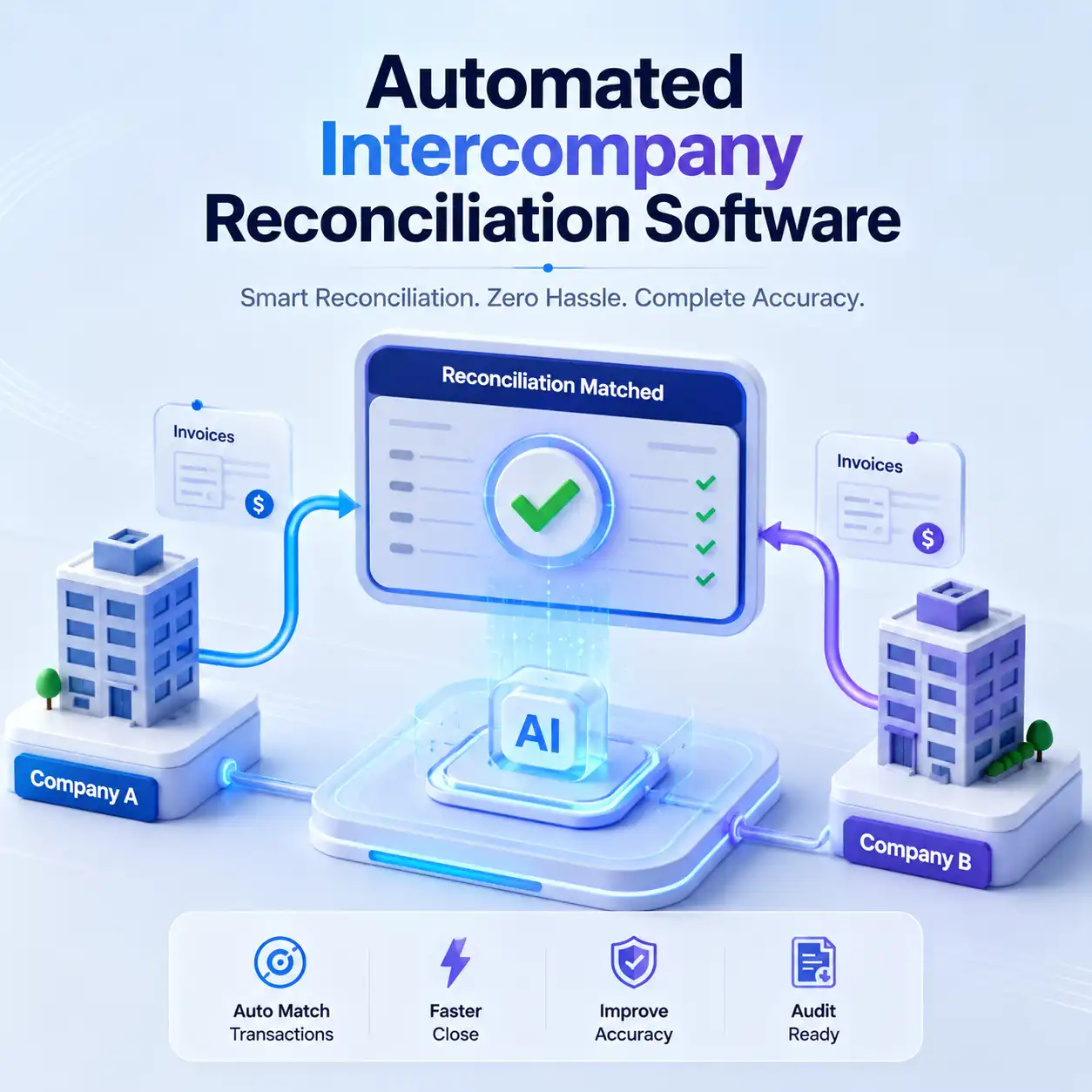
Complete Reconciliation Solution for High-Volume Transactions
Kosh.ai
January 9, 2026
In today’s fast-paced business world, companies process thousands, even millions, of transactions every single day. Think about a large online retailer during a holiday sale, a global bank clearing countless payments, or a subscription service billing millions of users. Manually checking each of these transactions against bank statements or internal records isn't just slow—it’s impossible. This is where the need for a complete and automated reconciliation solution becomes critical.
Financial reconciliation is the essential process of ensuring two sets of records match. For example, your company’s internal ledger of sales must perfectly match the deposits in your bank account. A single mismatch can signal anything from a simple data entry error to fraud. According to industry reports, manual reconciliation processes can consume up to 30% of a finance team’s time, leaving less room for strategic analysis. For businesses handling high volumes, a dedicated reconciliation solution is no longer a luxury; it’s the backbone of financial integrity.
This blog will guide you through why automated systems are vital, what makes them effective, and how to choose the right one to secure your financial operations.
What is a High-Volume Transaction Reconciliation Solution?
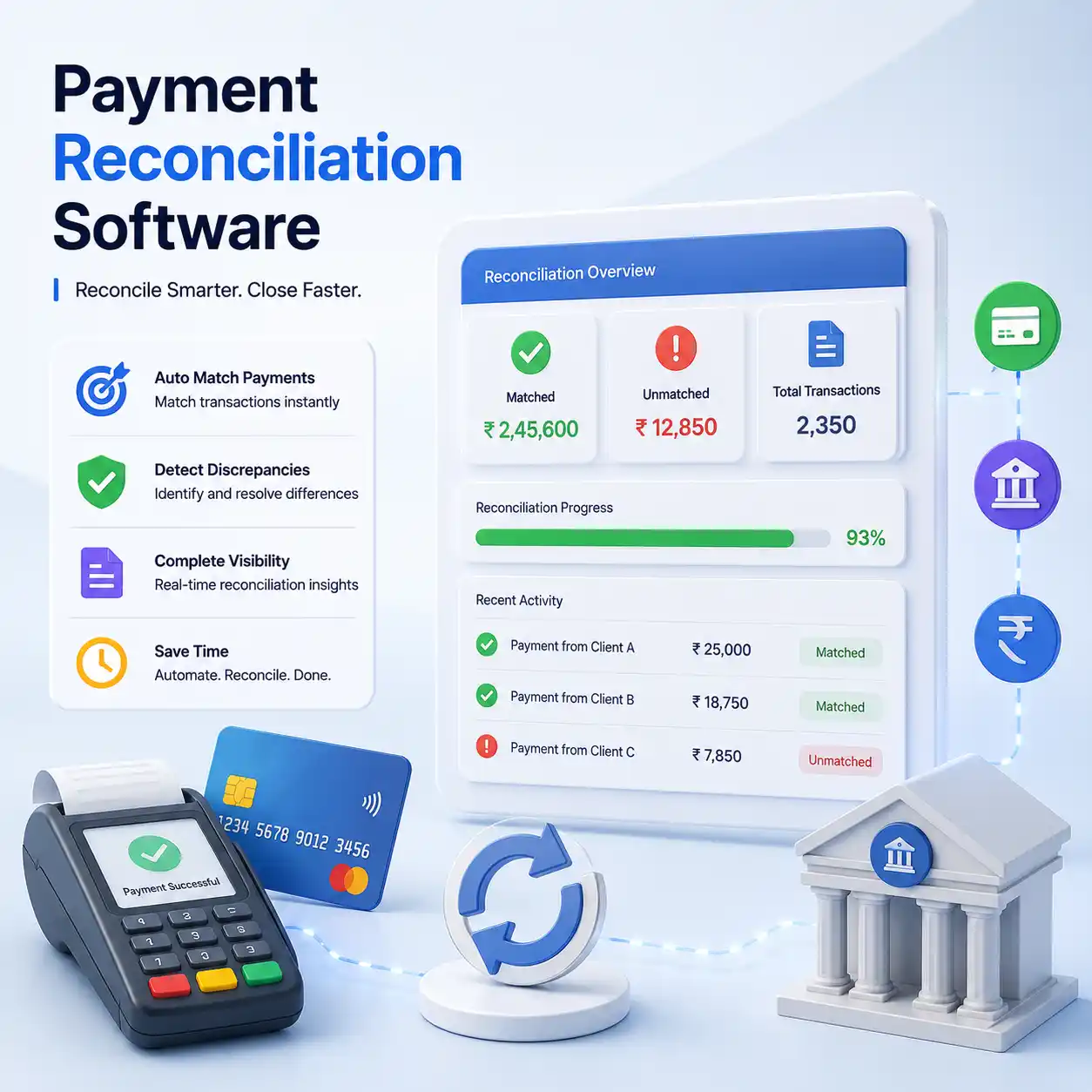
Simply put, a high-volume transaction reconciliation software is a powerful tool designed to automatically compare massive amounts of financial data from different sources, identify matches, and flag discrepancies. Imagine it as a super-smart, tireless accountant who works at lightning speed.
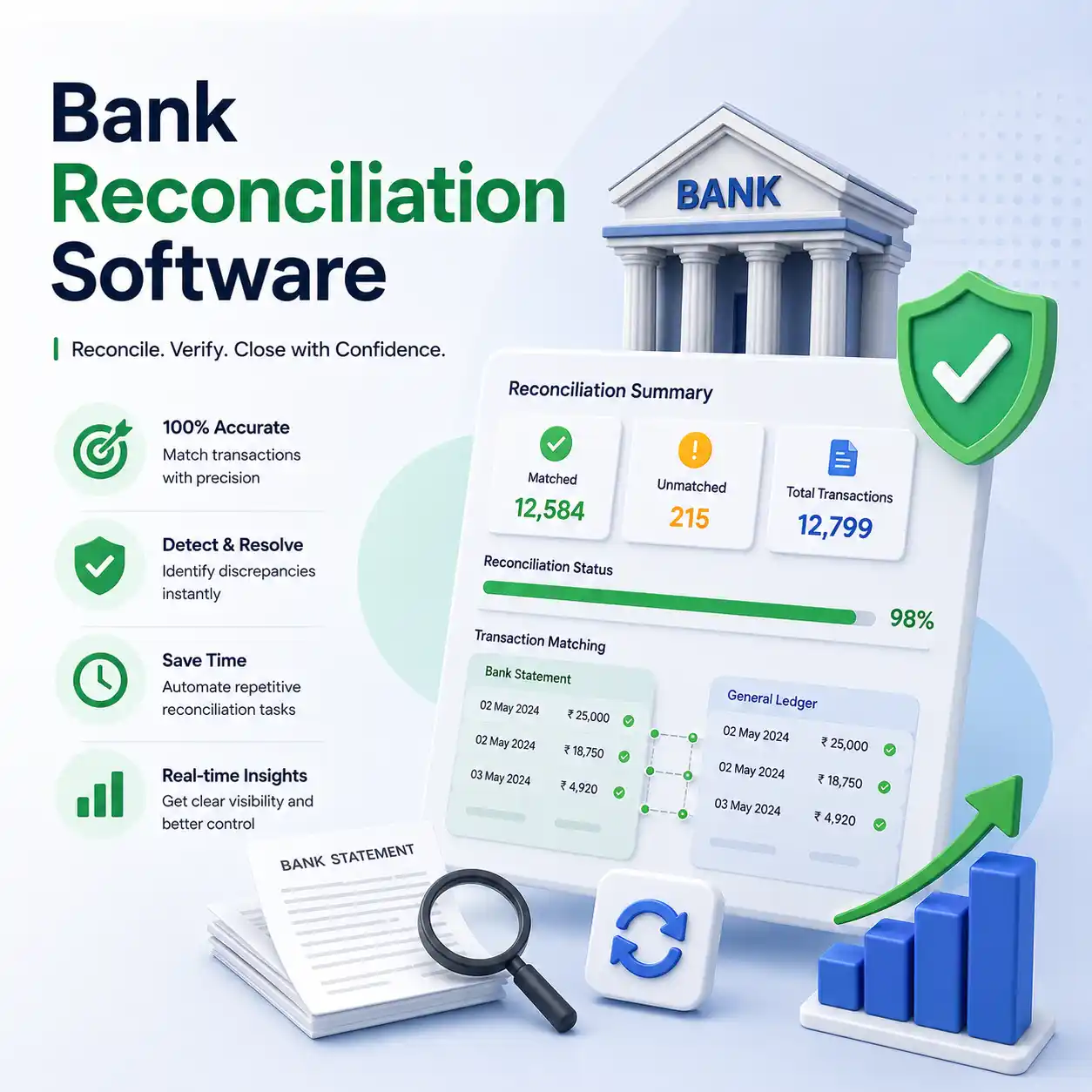
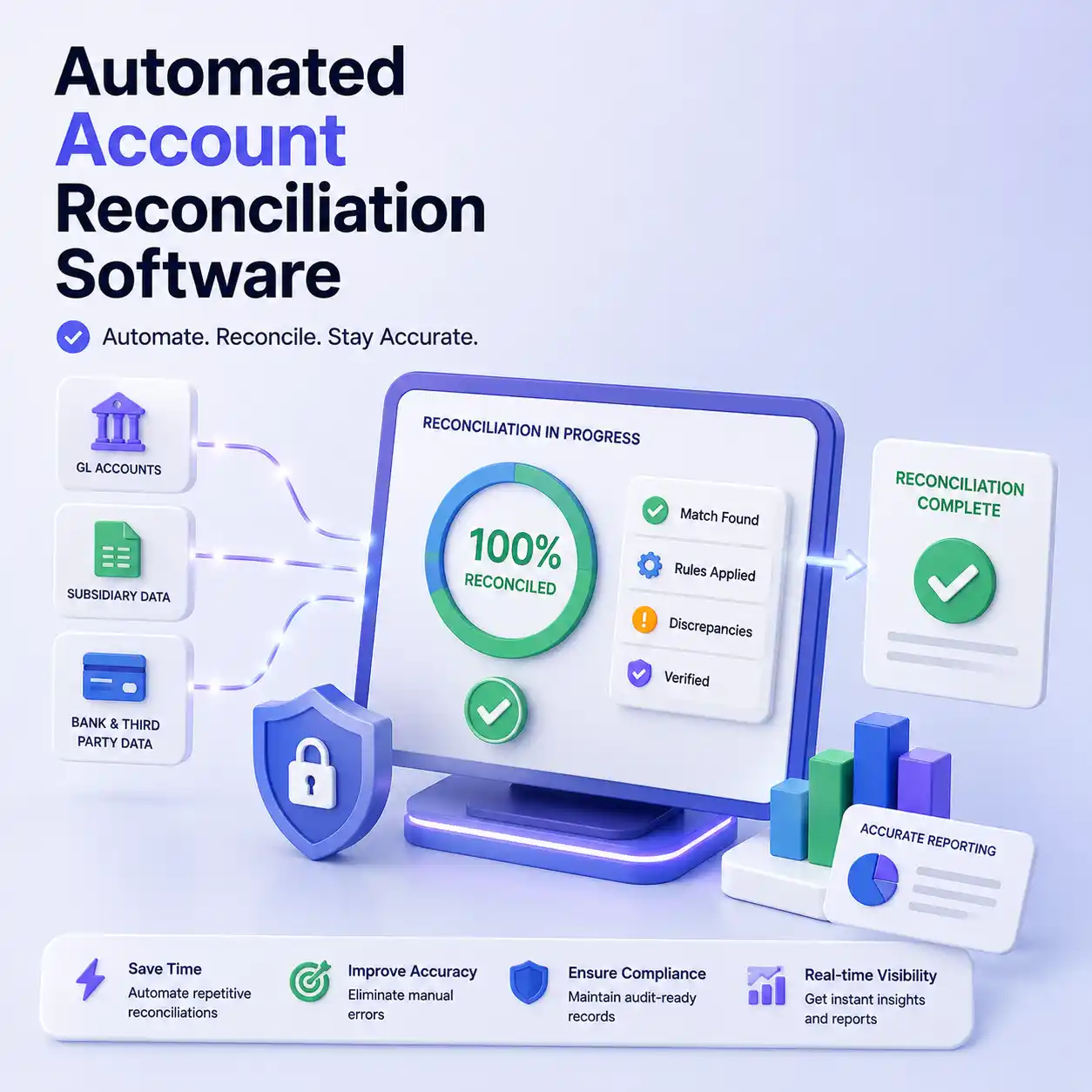
Instead of your team spending weeks with spreadsheets, the automated reconciliation system imports data directly from your bank, payment gateways, ERP system, and internal databases. It then uses predefined rules to match transactions, such as invoice numbers, amounts, and dates. The outcome is a clear, accurate picture of your financial position, with all exceptions highlighted for review. For institutions like banks, specialized reconciliation software for banks handles even more complex scenarios, including inter-branch settlements and regulatory reporting.
The core intent of such a complete reconciliation solution is to deliver three things: absolute accuracy, real-time visibility, and significant time savings.
Why Manual Reconciliation Fails for High Volumes
Before we explore the solution, it's important to understand why old methods break down.
- Prone to Human Error: The Association of Certified Fraud Examiners notes that human error in manual data entry is a leading cause of financial discrepancies. With high volumes, fatigue sets in, and mistakes are inevitable.
- Extremely Time-Consuming: What takes a software seconds can take a person hours. This creates a frustrating backlog, delaying month-end closes. A survey by Levvel Research found that 64% of businesses closing their books in over 6 days still use primarily manual processes.
- Lack of Real-Time Insight: Manual reconciliation is historical. You’re looking at last week’s or last month’s problems. This lag prevents proactive cash flow management and timely fraud detection.
- Poor Scalability: As your business grows, your transaction volume grows exponentially. A team that managed 1,000 transactions cannot manually handle 100,000 without drastic increases in headcount and cost.
Key Features of a Powerful Automated Reconciliation Software
Not all software is created equal. A robust automated reconciliation software for high-volume environments should include these non-negotiable features:
1. Advanced Matching Logic and Rules Engine
The heart of any good accounting reconciliation software is its matching engine. Beyond simple amount matching, it should handle:
- Fuzzy Matching: To catch differences like "Inc." vs. "Incorporated" in a payer’s name.
- Rule-Based Matching: Allowing you to set priorities (e.g., match by reference ID first, then amount and date).
- Multi-Way Matching: Comparing data across three or more sources for complex balance sheet reconciliation.
2. Seamless Integration Capabilities
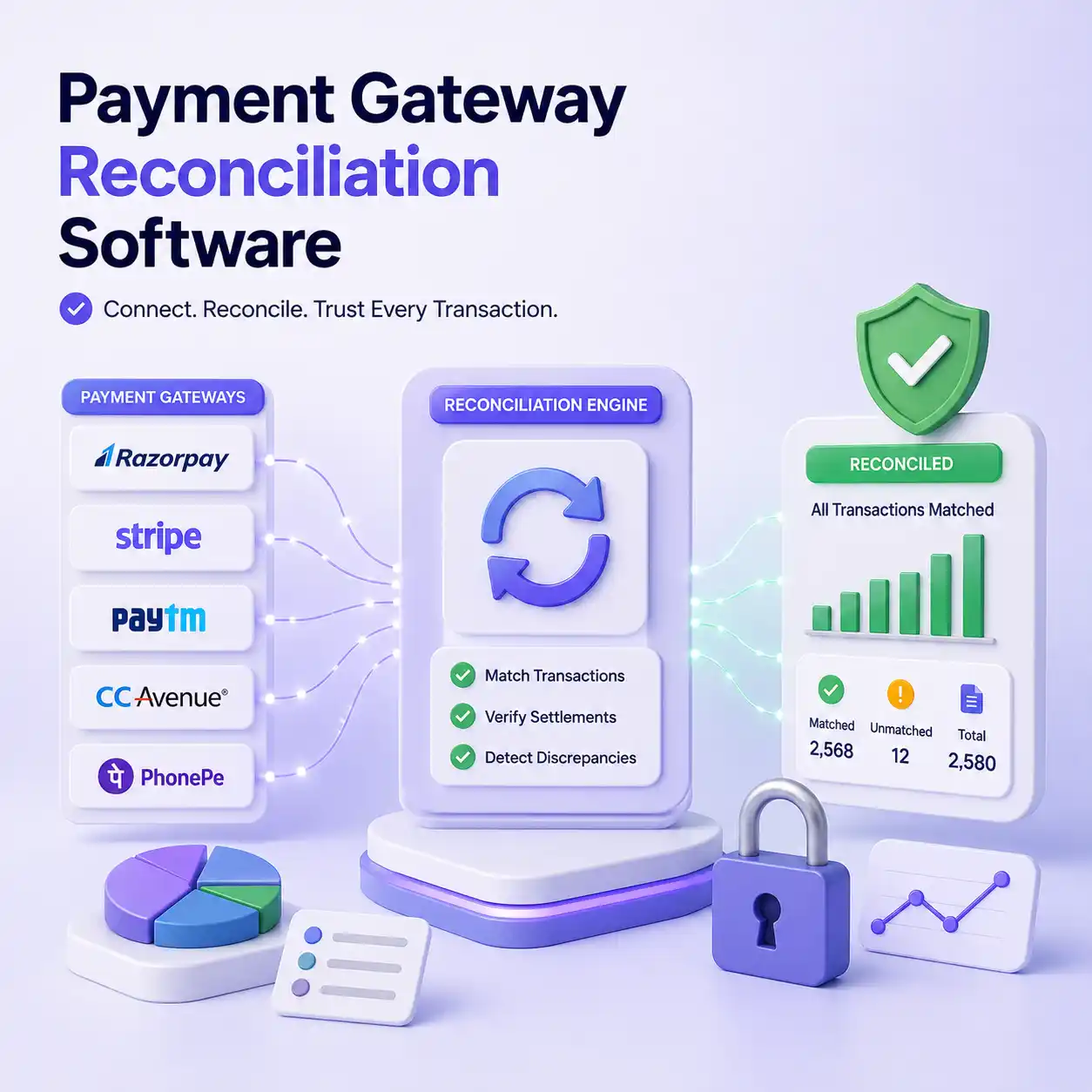
The tool must connect effortlessly with your existing tech stack. Look for reconciliation automation tools that offer pre-built connectors or APIs to plug into your core systems—be it your banking platform, NetSuite, SAP, payment processors like Stripe or PayPal, and CRMs.
3. Real-Time Processing and Exception Management
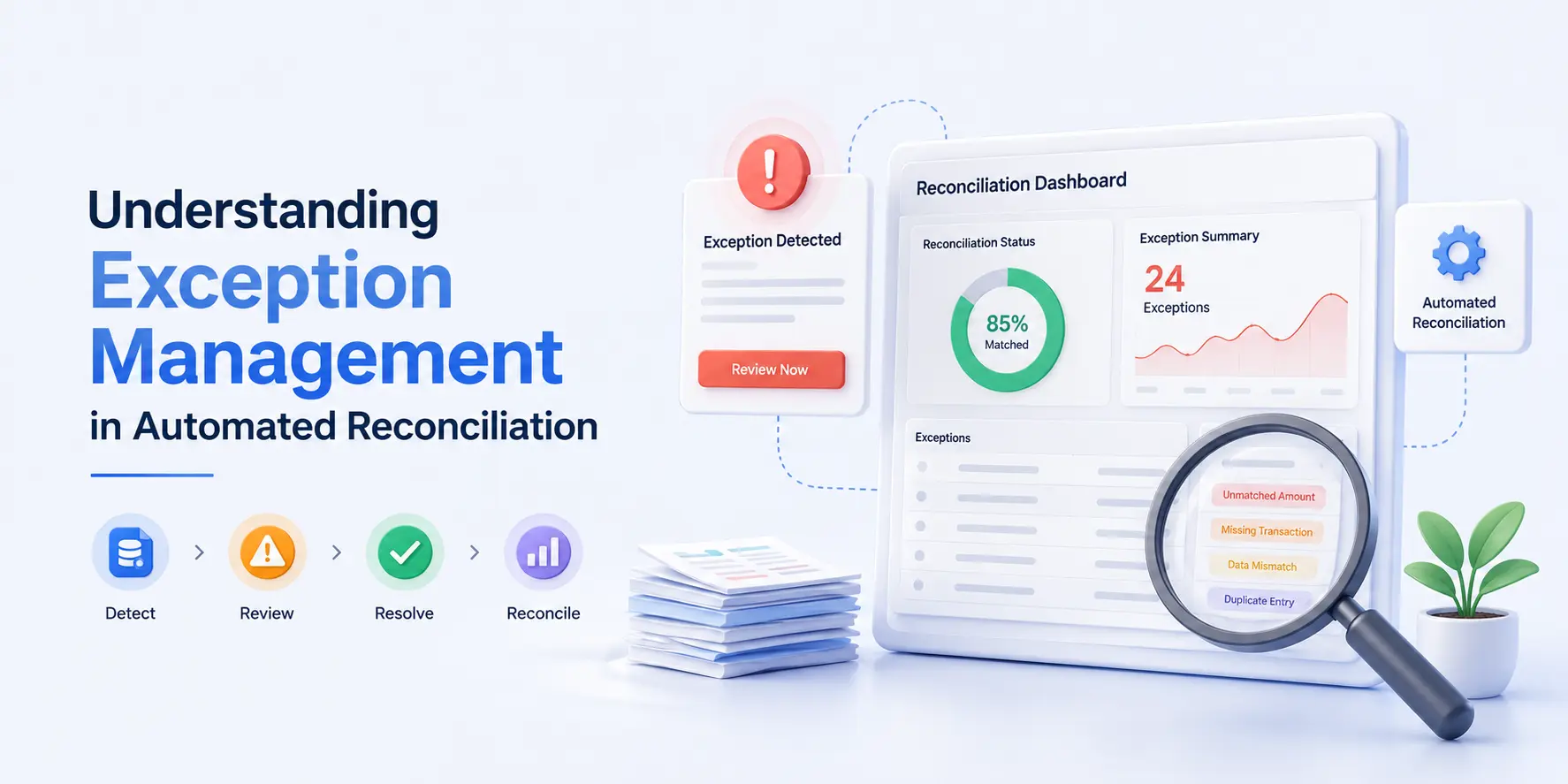
True reconciliation automation means transactions are matched as they flow in, providing a live dashboard of your financial status. When a mismatch occurs, the system should automatically route it to the right team member with all relevant context, slashing investigation time.
4. Robust Audit Trail and Reporting
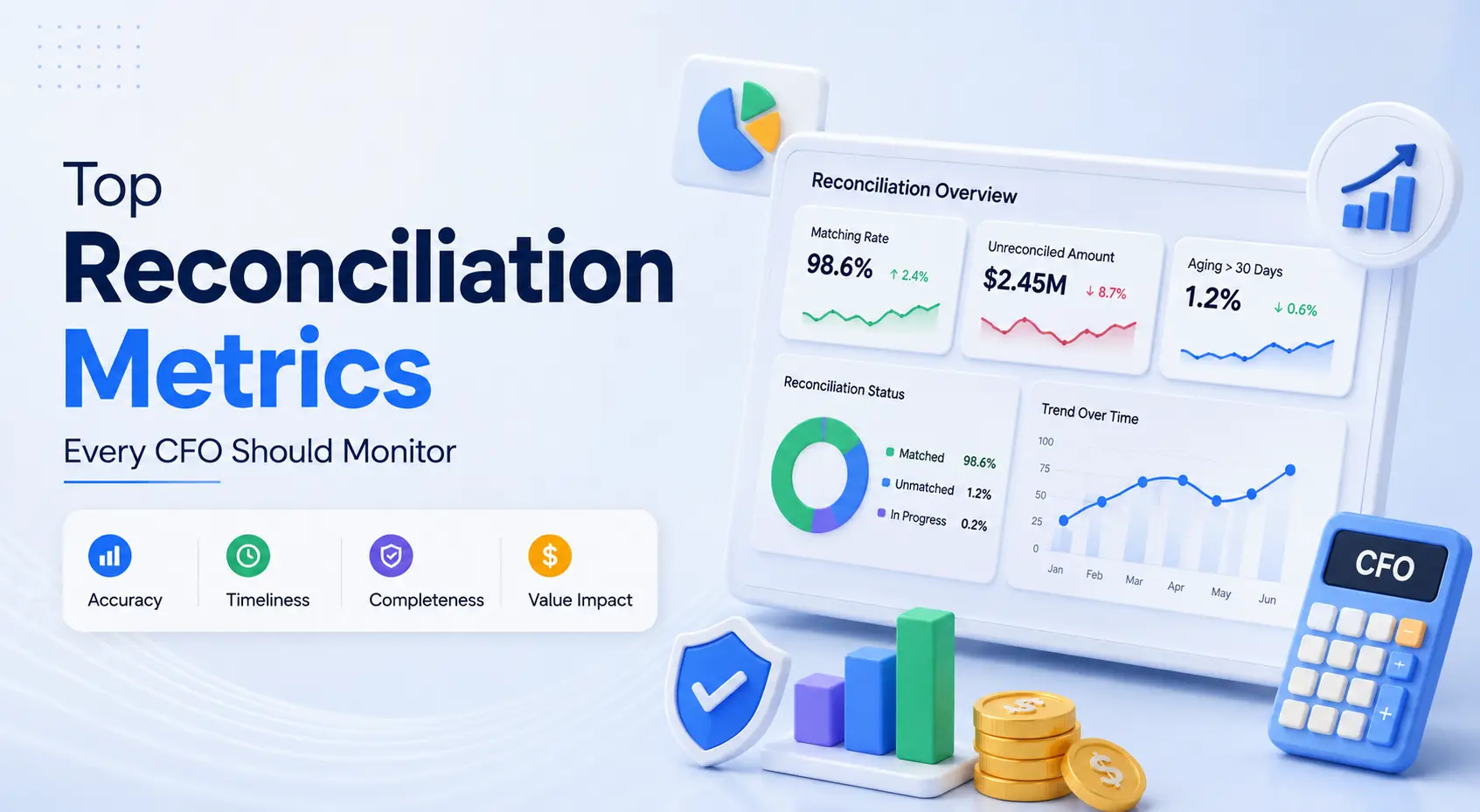
Compliance is key. A top-tier accounts reconciliation software maintains a complete, unchangeable log of every action, rule change, and user decision. It should also generate detailed reports on exception rates, match rates, and operational efficiency with a single click.
5. Scalability and Cloud-Based Architecture
A cloud-based automated reconciliation system can scale computing power up or down based on your transaction load, ensuring performance never dips during peak periods like month-end or holiday sales.
Also Read: Automated Reconciliation Software for Real-Time Transaction Matching
Tangible Benefits of Implementing an Automated System
Moving to an automated process delivers immediate and long-term value.
- Drastically Reduced Processing Time: Companies report reducing reconciliation time from days to hours, accelerating the financial close by up to 50%. This is the primary advantage of bank reconciliation automation.
- Near-Perfect Accuracy: Automating the repetitive matching task eliminates human error, raising accuracy rates to over 99.5%. This directly strengthens your financial controls.
- Enhanced Fraud Detection: Automated systems spot anomalous patterns—like duplicate payments or unusual vendor activity—instantly, acting as a 24/7 watchdog.
- Empowered Finance Teams: By freeing your team from mind-numbing data crunching, you allow them to focus on analysis, forecasting, and strategic decision-making.
- Improved Cash Flow Visibility: With real-time reconciliation, you always know your true cash position, enabling better treasury management.
- Stronger Compliance: A clear audit trail simplifies internal and external audits, making regulatory compliance straightforward.
Choosing the Right Reconciliation Solution for Your Business
Selecting the perfect automated bank reconciliation software requires careful thought. Here’s a simple framework:
- Assess Your Volume and Complexity: Start by understanding your daily/monthly transaction count and the number of data sources involved. This will dictate the power you need.
- Define Must-Have Features: List the features discussed above in order of importance for your business. For some, integration is key; for others, it’s the sophistication of the matching rules.
- Prioritize User Experience: The best automated reconciliation software is intuitive and requires minimal training. A clunky interface will hinder adoption.
- Evaluate Vendor Support and Security: Ensure the provider offers strong customer support and employs enterprise-grade security protocols, especially if you’re considering a reconciliation software for banks or a financial institution.
- Consider Total Cost of Ownership (TCO): Look beyond the subscription fee. Consider implementation costs, training, and the potential return on investment from time saved and errors avoided.
The Future: AI and Machine Learning in Reconciliation
The next evolution of reconciliation automation tools is already here. Artificial Intelligence (AI) and Machine Learning (ML) are taking automation a step further. These systems can learn from past reconciliation actions, suggest new matching rules, and even predict the likely cause of a discrepancy based on history. This means the system gets smarter and more efficient over time, further reducing the need for human intervention.
Also Read: Why Businesses Need Reconciliation Automation Today
Conclusion
In a landscape defined by digital speed and high volumes, manual reconciliation is a significant business risk. Investing in a complete reconciliation solution is an investment in accuracy, efficiency, and strategic insight. By automating this critical process, you not only safeguard your finances but also unlock the potential of your finance team to drive growth. The transition from spreadsheets to a specialized automated account reconciliation platform is a definitive step toward a more resilient and agile financial operation.
Frequently Asked Questions (FAQs)
1. What is the main difference between basic and high-volume reconciliation software?
Basic software might handle simple one-to-one matching for a few hundred transactions. High-volume reconciliation software is built for scale, with powerful engines that process millions of records, support complex multi-way matching, and integrate seamlessly with numerous data sources.
2. How long does it typically take to implement an automated reconciliation system?
Implementation time varies. For a standard cloud-based automated reconciliation software, a basic setup can be live in a few weeks. More complex deployments, especially for large enterprises with many systems, may take a few months. A good vendor will provide a clear project timeline.
3. Is automated reconciliation software secure for sensitive financial data?
Reputable providers prioritize security. Look for features like bank-level encryption (both in transit and at rest), role-based access controls, SOC 2 compliance, and regular security audits to ensure your data is fully protected.
4. Can the software handle transactions in multiple currencies?
Yes, a robust accounts reconciliation software designed for global businesses will automatically handle multi-currency transactions, applying relevant exchange rates and accounting for gains or losses.
5. What happens when the software finds a discrepancy it can’t resolve?
The system flags it as an "exception" and routes it to a designated workflow. The relevant team member receives an alert with all transaction details, supporting documents, and often suggested causes, allowing for quick investigation and resolution.
6. Will automation completely replace our finance team’s role in reconciliation?
No. Reconciliation automation handles the repetitive, rule-based matching, but the finance team’s role evolves. They become exception handlers, analysts, and overseers of the process, focusing on resolving complex discrepancies, optimizing rules, and deriving strategic insights from the now-clean data.
Ready to get started?
Contact us now
Contact us now
* By clicking on Contact Us you are agreeing to our Terms & Conditions and Privacy policy.