How to Automate Bank Reconciliation Without Changing Existing Systems?
Kosh.ai
January 14, 2026
.webp)
For any business, matching your internal financial records with your bank statement is a critical task. This process, known as bank reconciliation, ensures your cash position is accurate. Yet, for countless finance teams, it’s a monthly chore fraught with manual data entry, frustrating discrepancies, and valuable time lost. According to a study by Sage, 41% of accountants cite manual data entry and inefficient processes as their biggest daily challenge. The thought of overhauling your entire accounting system to fix this one pain point can be daunting, expensive, and disruptive. The good news? You don't have to. This guide will show you how to introduce bank reconciliation automation seamlessly, working with your current setup, not against it.
Understanding the "Why": The Cost of Manual Reconciliation
Before diving into the "how," let's quantify the problem. Manual reconciliation isn't just tedious; it's costly and risky.
- Time-Consuming: Teams can spend 5-15 hours per month on reconciliations for a mid-sized business, time that could be spent on analysis and strategy.
- Error-Prone: Manual data entry has an average error rate of around 1%. In financial data, even a small mistake can have large consequences.
- Lack of Visibility: When reconciliations pile up, you lose real-time insight into your cash flow, which can impact business decisions.
- Audit Risks: Incomplete or poor reconciliations are a common red flag during audits, potentially leading to fines or reputational damage.
The goal of an automated reconciliation system is to eliminate these issues by letting software handle the matching, while your team handles the exceptions.
The Core Principle: Augmentation, Not Replacement
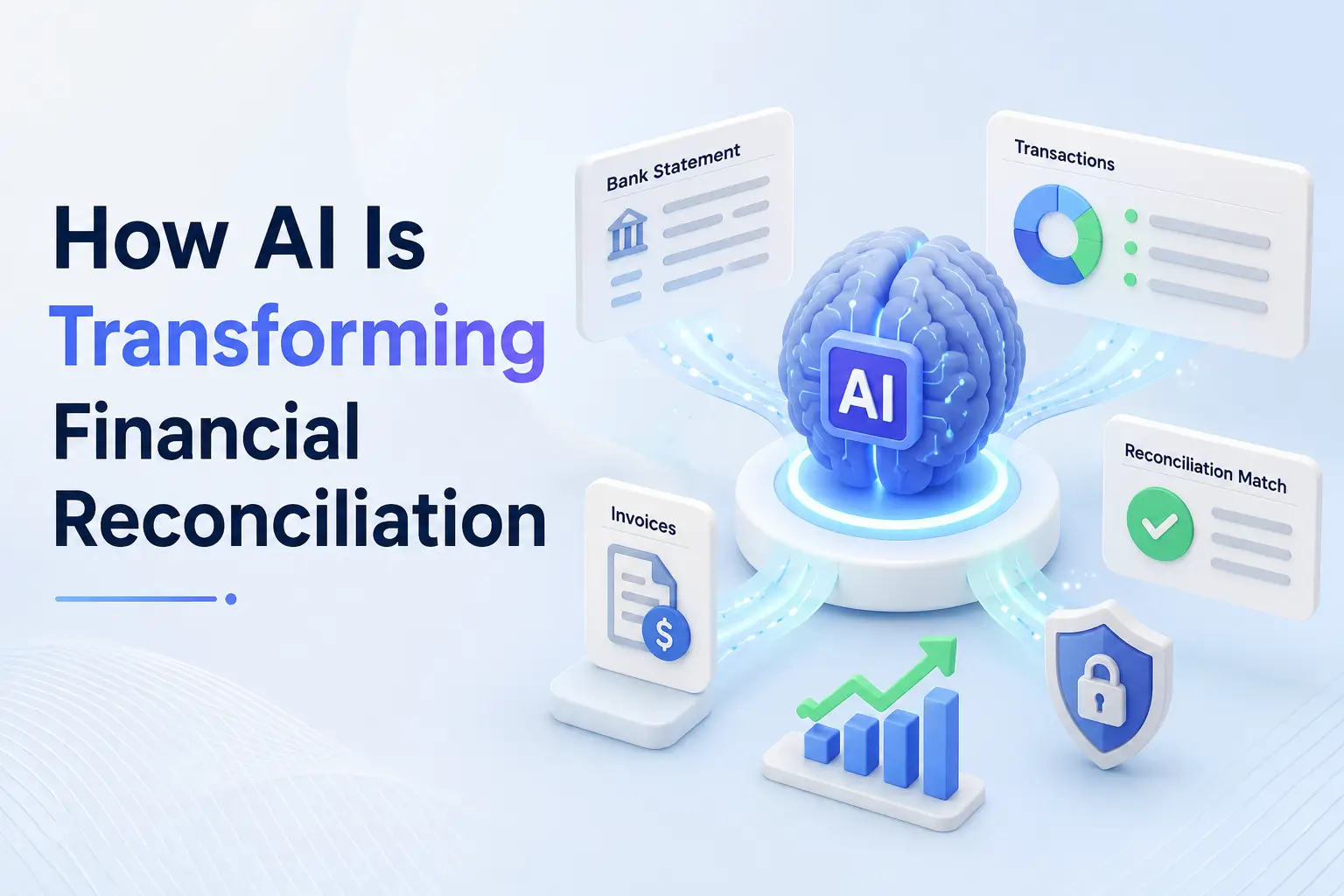
The key to success is to view reconciliation automation tools as an augmentation layer. Think of it as adding a powerful, smart assistant to your existing team, not firing everyone and hiring a new department. This assistant’s job is to connect to your bank and your accounting software, fetch the data, do the heavy lifting of comparison, and present you with a clear report of what matches and what needs your attention. Your existing accounting reconciliation software (like QuickBooks, Xero, Sage, or even a legacy ERP) remains your single source of truth. You are simply making it smarter and more efficient.
How to Implement Automation in Four Strategic Steps
1. Assess Your Current Process and Tools
Begin by mapping out your current reconciliation workflow. Which banks are involved? How many accounts? What is your existing accounts reconciliation software? Identify the specific pain points: Is it data entry? Categorizing transactions? Finding matches for high volumes? Understanding your starting point is crucial for choosing the right reconciliation solution. This step requires no software change at all, just analysis.
2. Choose the Right "Connector" Automation Software
This is the most critical decision. You need a bank reconciliation software or service that acts as a perfect intermediary. Look for these specific features:
- Pre-Built Connectors: The tool should have ready-made, secure integrations for your bank(s) and your current accounting system. This avoids the need for custom, expensive IT projects.
- Read-Only Data Access: For security, the tool should typically only import bank data, not have write-access to move money. It fetches information for comparison.
- Rule-Based Matching Engine: This is the brains. You should be able to set rules (e.g., match by invoice number, date, and amount) so the automated reconciliation software learns and handles more transactions automatically over time.
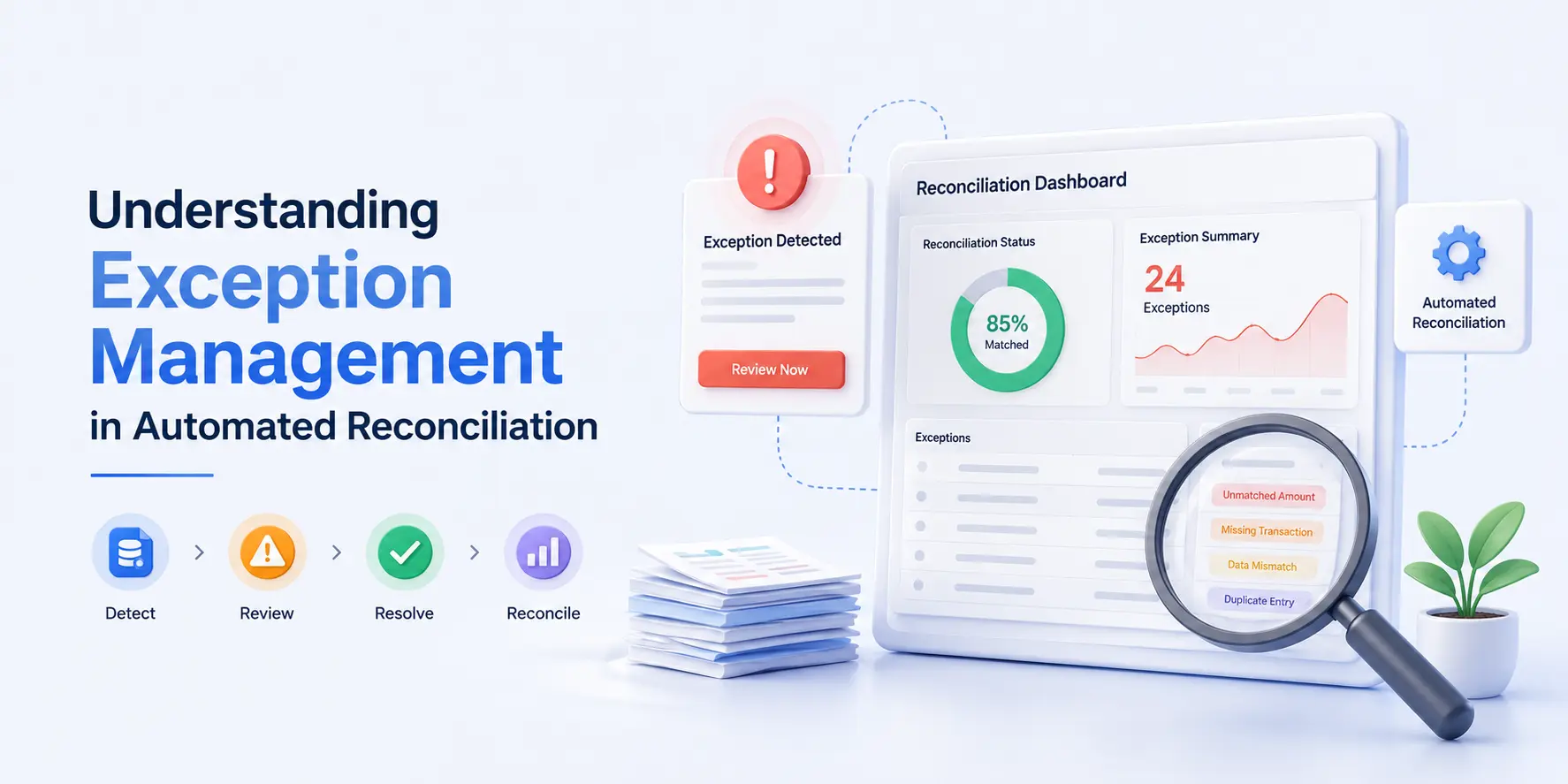
- Exception Management Dashboard: A clear, central view of all unmatched transactions, with tools to resolve them quickly, is essential.
- Cloud-Based Platform: A cloud tool can connect to your on-premise or cloud accounting software via APIs without complex installations.
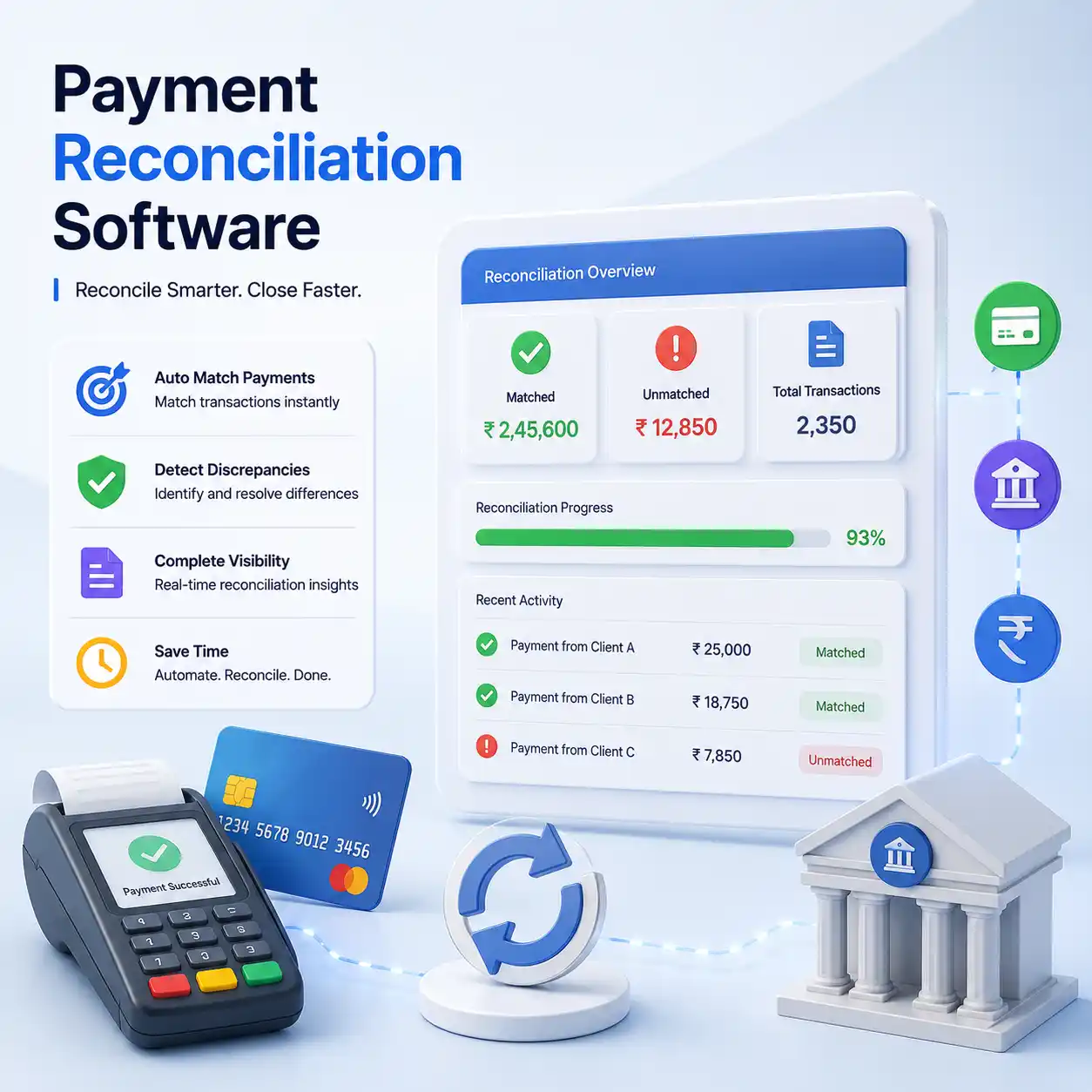
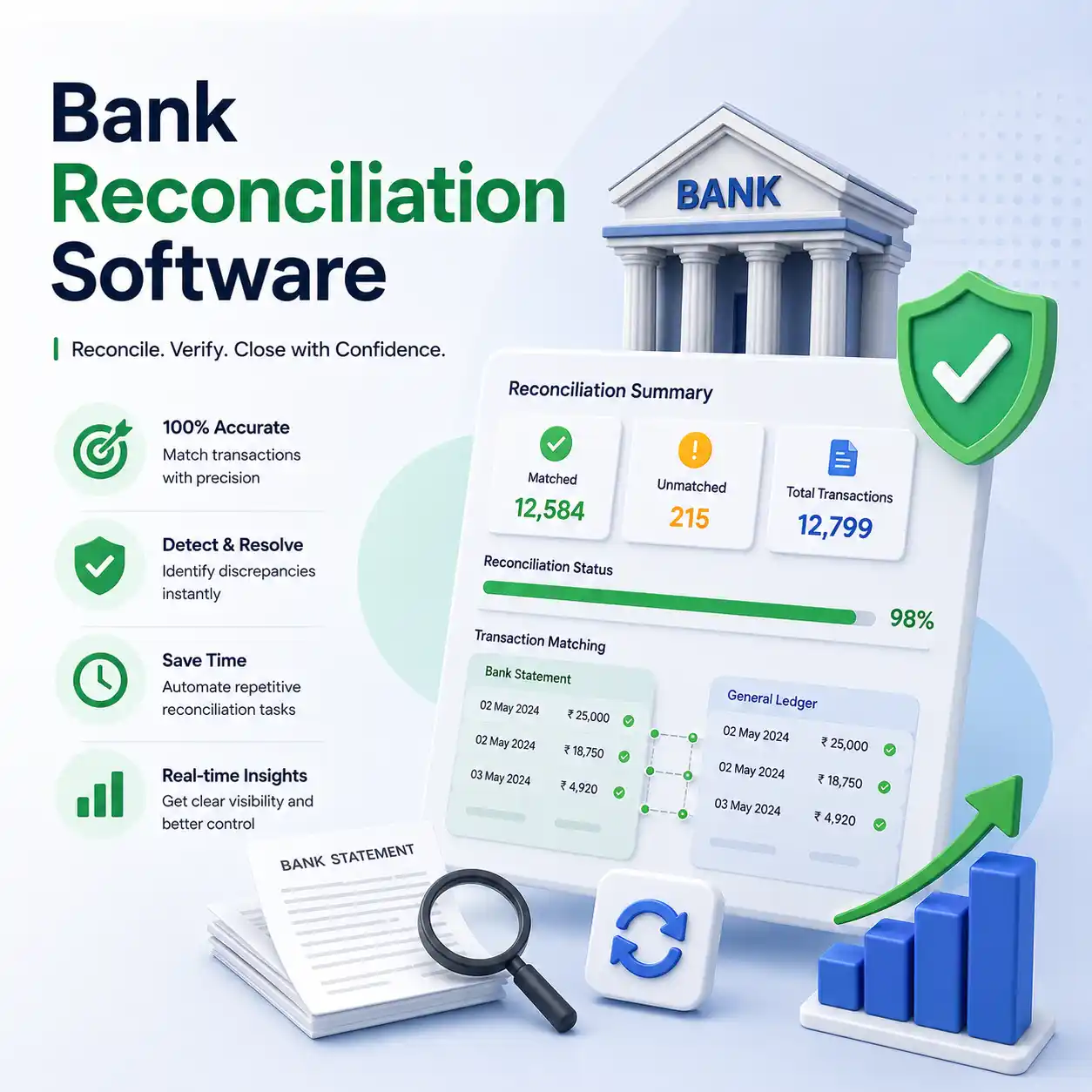
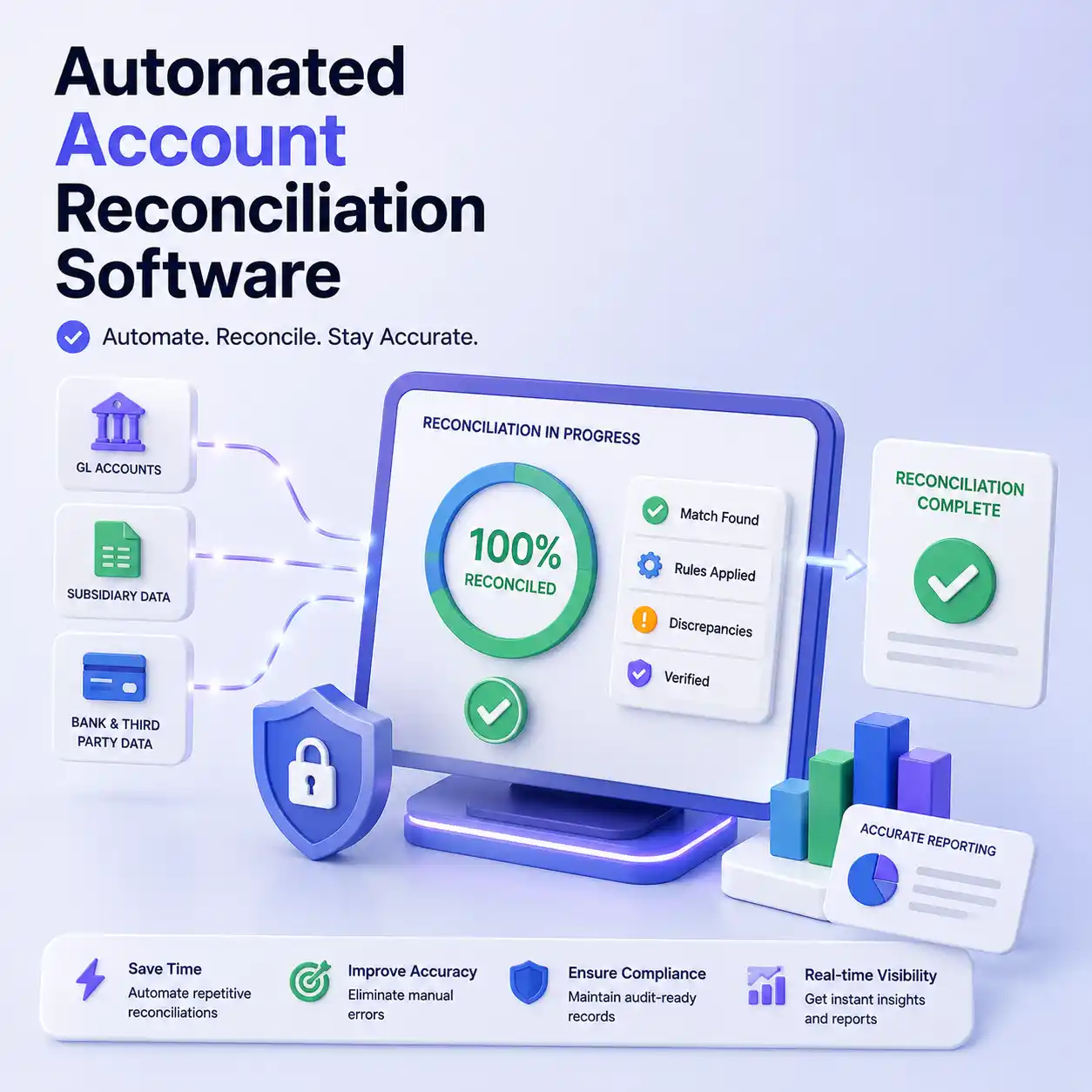
This automated bank reconciliation software sits in the middle, syncing data from both ends without altering the core systems.
3. Phased Implementation and Integration
A major advantage of this approach is that you can start small and scale.
- Pilot Phase: Start by connecting one bank account and one ledger in your accounting system. This limits risk and lets your team get comfortable.
- Configure Rules: Work with the software to establish your matching rules. This might take a couple of cycles to refine.
- Sync and Map: The tool will sync transactions and map bank data fields to corresponding fields in your general ledger. This mapping is a one-time setup.
- Parallel Run: For a month or two, run the automated process alongside your manual process. This validates accuracy and builds confidence in the automated reconciliation output.
4. Training and Process Shift
Finally, train your team on the new workflow. Their role shifts from manual matchers to exception reviewers and rule-setters. This is a more engaging and valuable use of their expertise. Emphasize that the reconciliation software for banks is there to handle the routine, freeing them for higher-value tasks like cash flow forecasting or investigating genuine discrepancies.
Key Benefits You Can Expect
By implementing this layered bank reconciliation automation, businesses report transformative results:
- Time Savings: Reduce reconciliation time by up to 80-90%. What took days now takes hours or minutes.
- Accuracy & Control: Automated matching slashes human error. One firm found their reconciliation errors dropped by over 95% after automation.
- Real-Time Visibility: With daily automated feeds, your cash position is always up-to-date, enabling better financial decisions.
- Improved Compliance: A complete, automated audit trail is created for every transaction, making internal and external audits smoother.
- Scalability: The system easily handles increased transaction volumes as your business grows, without adding staff.
Also Read: Complete Reconciliation Solution for High-Volume Transactions
Addressing Common Concerns
- "Is it secure?" Reputable balance sheet reconciliation software providers use bank-level encryption (like 256-bit SSL) and often operate under strict financial data protection standards. They act as a secure data conduit.
- "Will it disrupt our month-end close?" On the contrary, it accelerates it. Implementation is phased outside of critical closing periods to ensure a smooth transition.
- "What if our transactions are very complex?" The power of rule engines means you can handle everything from simple payments to complex multi-line transactions. The software handles the bulk, and your team handles the nuanced exceptions.
Conclusion: Automation as Your Financial Co-Pilot
Embracing automated account reconciliation doesn't require a leap into the unknown with a brand-new, all-encompassing system. The smart, strategic path is to integrate a specialized, best-in-class reconciliation automation tool that connects the dots between your trusted accounting platform and your banking partners. This approach minimizes disruption, maximizes ROI, and transforms a back-office chore into a streamlined, controlled, and insightful process. You protect your existing investment while gaining the efficiency of modern technology. Start the assessment today—your future self, with hours of time saved each month, will thank you.
Also Read: What’s the Difference Between Manual and Automated Reconciliation?
Frequently Asked Questions (FAQs)
1. Do I need to replace my current accounting software to automate reconciliations?
Absolutely not. The core principle of non-disruptive automation is to use a dedicated automated reconciliation software that acts as a connector between your existing accounting system and your bank, enhancing its capabilities without replacing it.
2. How long does it take to set up an automated bank reconciliation process?
For a typical business using software with pre-built connectors, a pilot on one account can be up and running in a matter of days. A full rollout across multiple accounts may take a few weeks, including configuration and parallel testing.
3. Is automated reconciliation software safe for our financial data?
Yes, provided you choose a reputable vendor. Look for providers that use robust security measures like end-to-end encryption, read-only bank access, and compliance with standards like SOC 2. Your data should never be stored or used improperly.
4. Can the software handle transactions from multiple banks and currencies?
Yes, most modern reconciliation automation tools are built for complexity. They can connect to numerous bank accounts from different institutions simultaneously and handle multi-currency transactions by using real-time or period-end exchange rates.
5. What happens when the software can't match a transaction?
Unmatched transactions are flagged and sent to a clear exception management dashboard within the reconciliation solution. Your finance team then reviews these items, makes necessary corrections or matches, and resolves them. The software can learn from these actions for future cycles.
6. Will this software work with our very old (legacy) accounting system?
It depends on the connector capabilities of the automation tool. Many solutions offer flexible integration methods, including file-based imports (like CSV or MT940), which can work with almost any system. It's a key question to ask potential vendors during a demo.
Ready to get started?
Contact us now
Contact us now
* By clicking on Contact Us you are agreeing to our Terms & Conditions and Privacy policy.