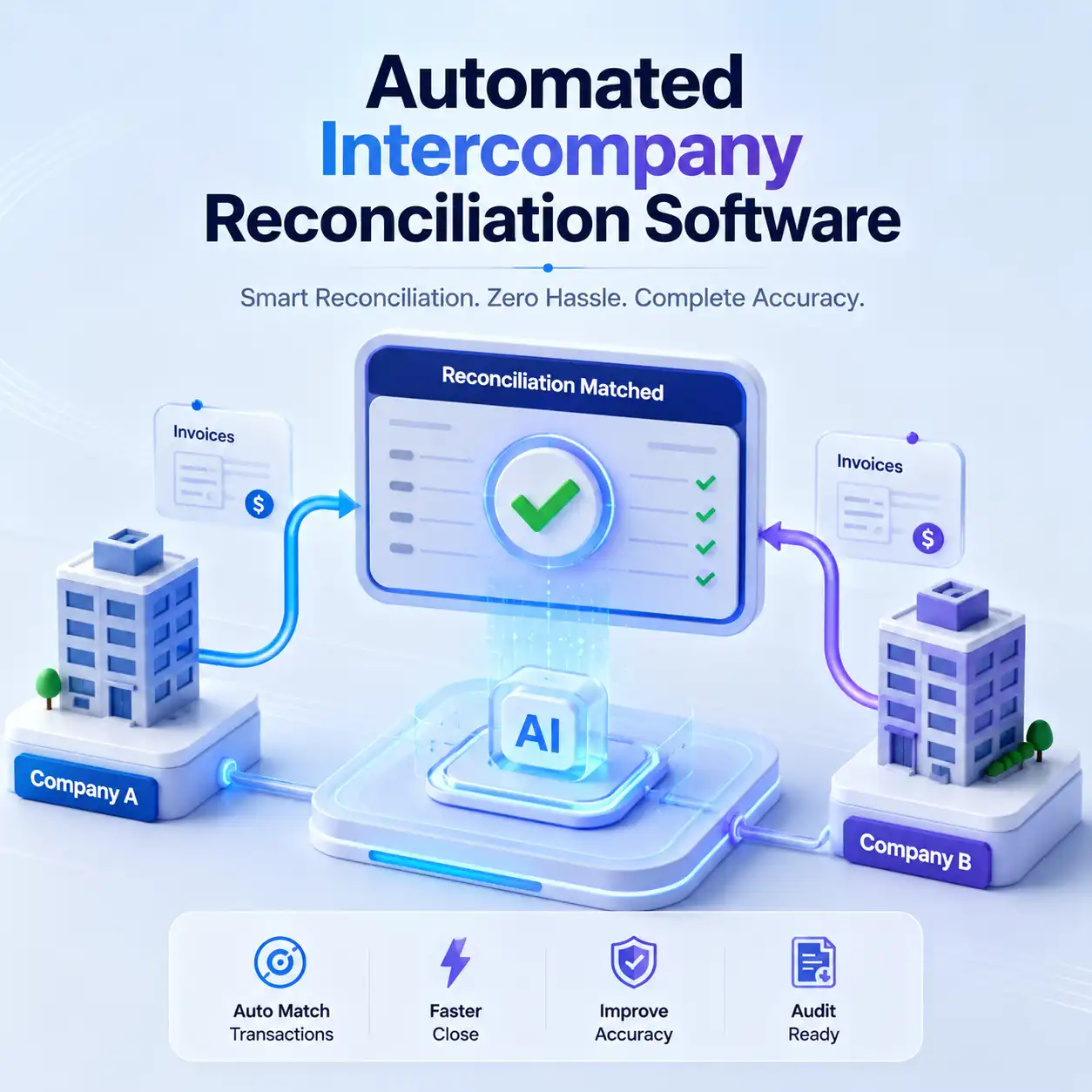
Reconciliation Automation: Improve Efficiency in Finance Operations
Kosh.ai
December 5, 2025
Imagine a team of five accountants. It’s the end of the month. They are surrounded by towering stacks of bank statements, spreadsheets that seem to scroll forever, and a shared feeling of dread. For the next week, their world will be a blur of manual data entry, hunting for mismatched pennies, and sleepless nights ensuring the books are perfect. This was the reality of financial reconciliation—a critical but painfully slow process.

Now, picture a different scene. Those same accountants receive a notification: “Monthly reconciliations completed. 2,500 transactions matched. 3 exceptions flagged for review.” With a click, they review the discrepancies, resolve them in minutes, and move on to strategic work. This isn’t fantasy; it’s the power of reconciliation automation.
In this blog, we’ll explore how automated reconciliation software is transforming finance operations from a source of stress into a pillar of efficiency and insight. We’ll break down what it is, why it’s essential, and how it can help your business thrive.
What is Financial Reconciliation, and Why Does It Matter?
At its heart, reconciliation is simply the act of comparing two sets of records to ensure they match. Think of it as balancing your personal checkbook, but on a massive scale. A company compares its internal ledger (what it thinks it has) against external statements from a bank or vendor (what the bank says it has).
This process is the bedrock of financial integrity. It’s how businesses catch errors, prevent fraud, and ensure every dollar is accounted for. According to a report by Sage, 95% of finance leaders believe that accurate financial data is critical for business survival and growth. You cannot have accuracy without robust reconciliation.
The High Cost of the "Old Way"
Traditionally, this has been a manual, spreadsheet-heavy task. This method is not just slow; it’s risky and expensive.
- Prone to Errors: Manual data entry is error-prone. A study by the Journal of Accountancy found that nearly 1 in 4 spreadsheets contain errors.
- Consumes Valuable Time: The Association of Chartered Certified Accountants (ACCA) estimates that finance teams can spend up to 25% of their time on manual reconciliation tasks.
- Hampers Growth: As transaction volume grows, manual processes crumble. Scaling a business becomes harder when your back-office operations can’t keep up.
- Delays Reporting: Month-end close gets dragged out, leaving leadership in the dark without timely financial insights.
Reconciliation Automation: Your Financial Control Tower
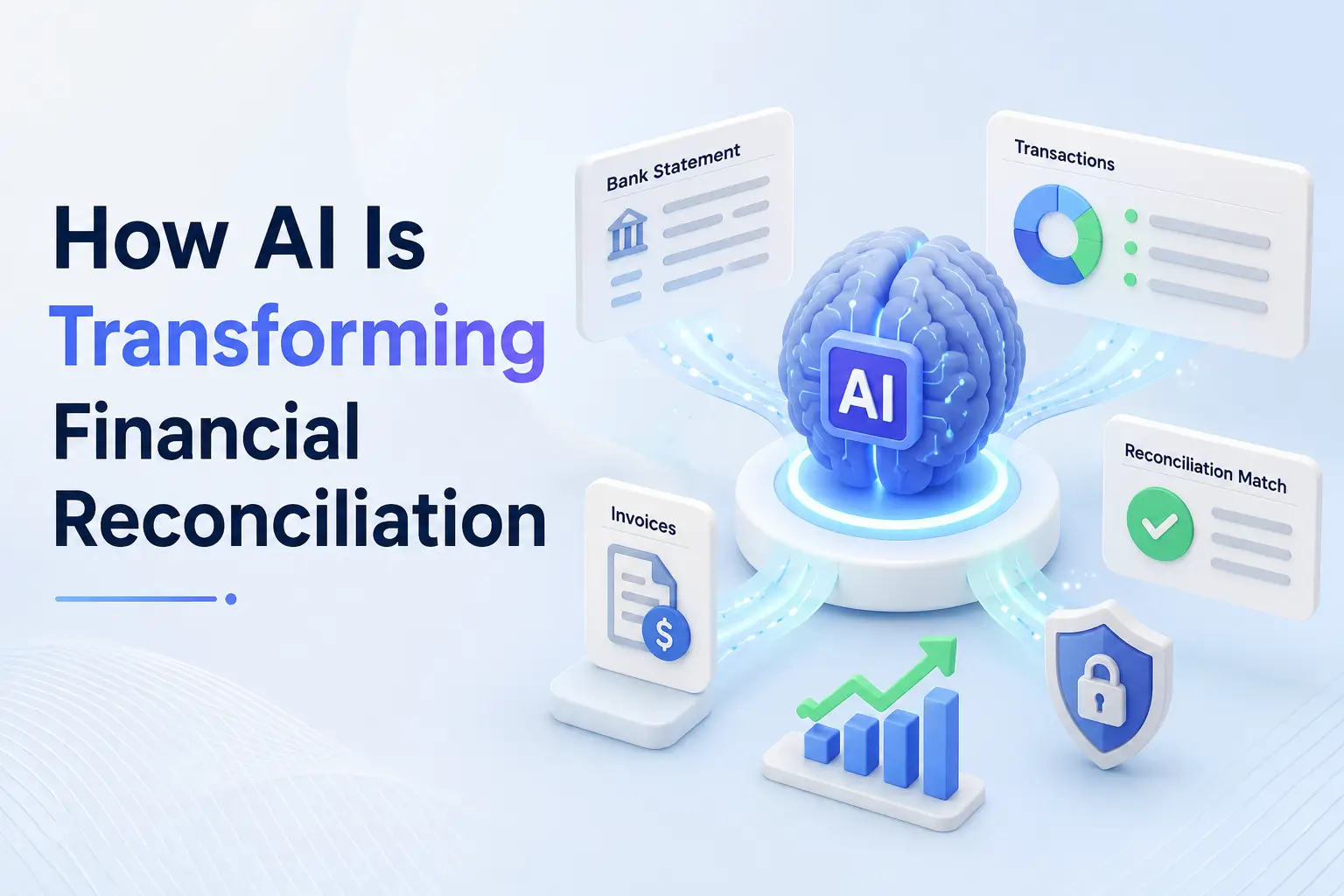
So, what is reconciliation automation? In simple terms, it’s using specialized software to perform the matching and verification process automatically. Think of it as a smart, relentless digital assistant that never sleeps.
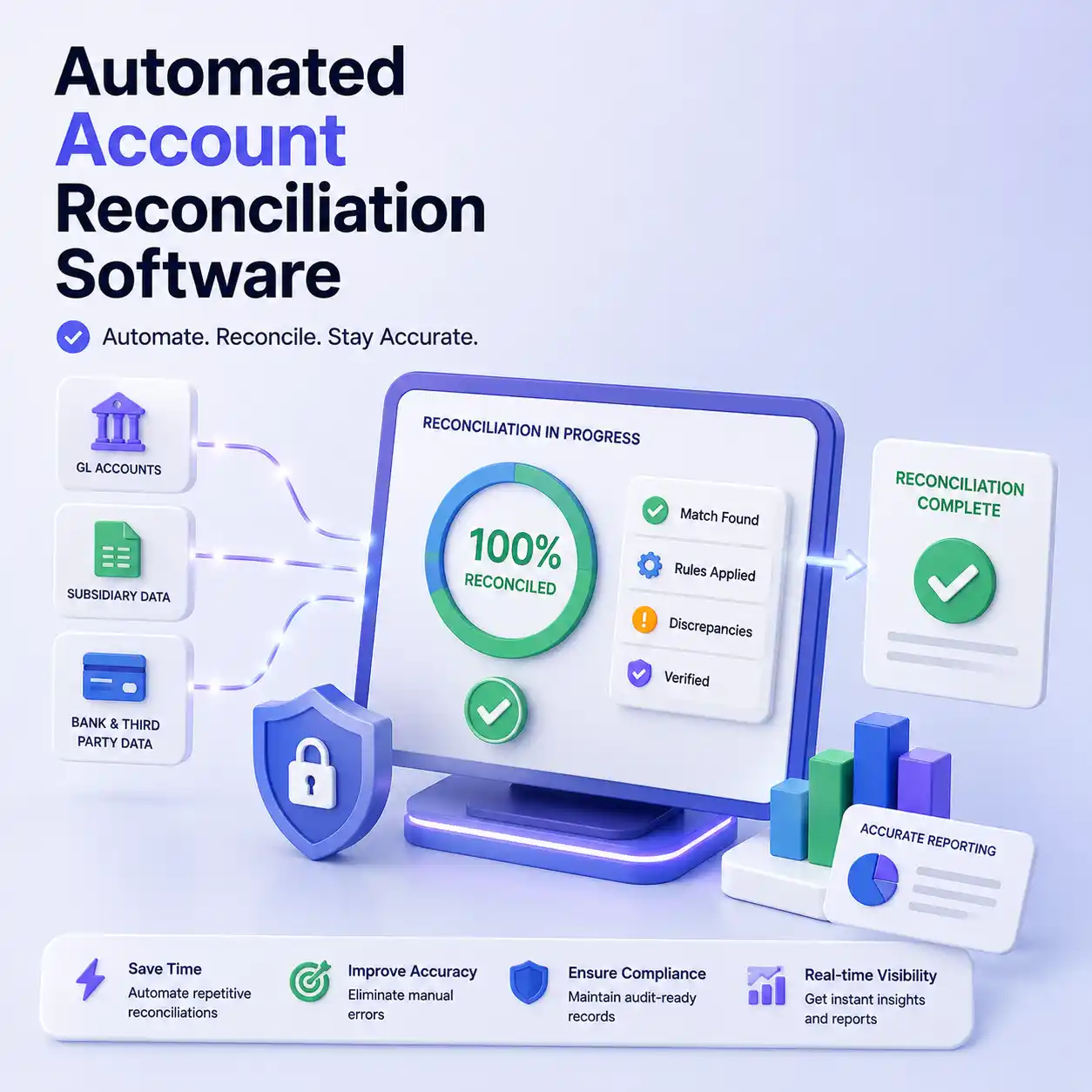
An automated reconciliation system connects directly to your bank feeds, ERP, payment processors, and other data sources. It imports all transactions, applies pre-set matching rules (e.g., match by invoice number, date, and amount), and pairs them up in seconds. The result? A clear, auditable report showing matched items and, most importantly, highlighting only the true exceptions that need human judgment.
How Does Automated Reconciliation Software Work?
The process is straightforward and powerful:
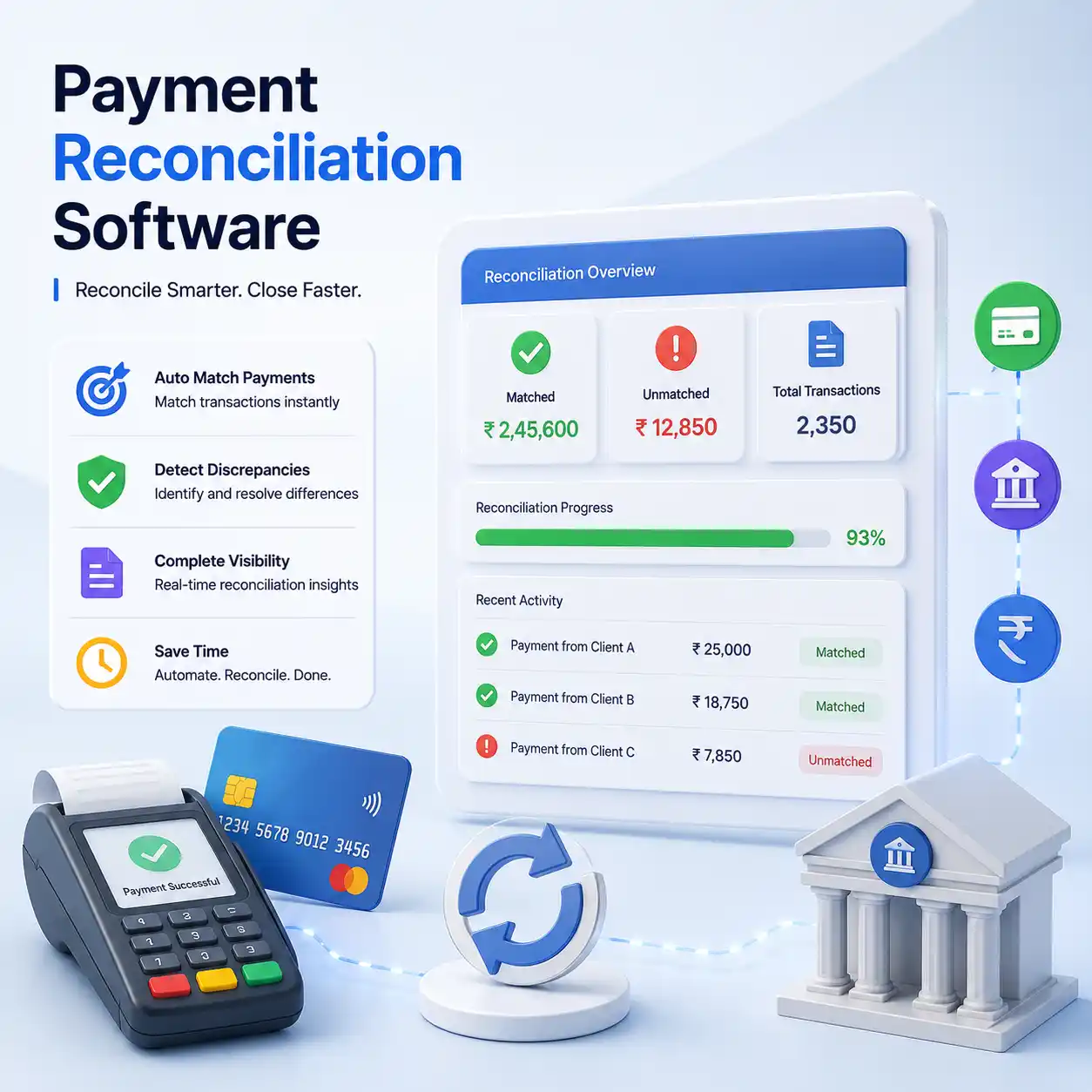
- Connect & Fetch: The accounting reconciliation software securely connects to all your data sources—bank accounts, credit card processors, internal ledgers—and pulls in the latest transactions.
- Apply Rules: You set smart matching rules. For example, “Match bank deposit of $5,000 on May 10th to Invoice #1001 in our sales ledger.” The automated reconciliation software does this for thousands of transactions at once.
- Match & Validate: The engine performs the comparison, validating balances and creating a perfect audit trail for every matched item.
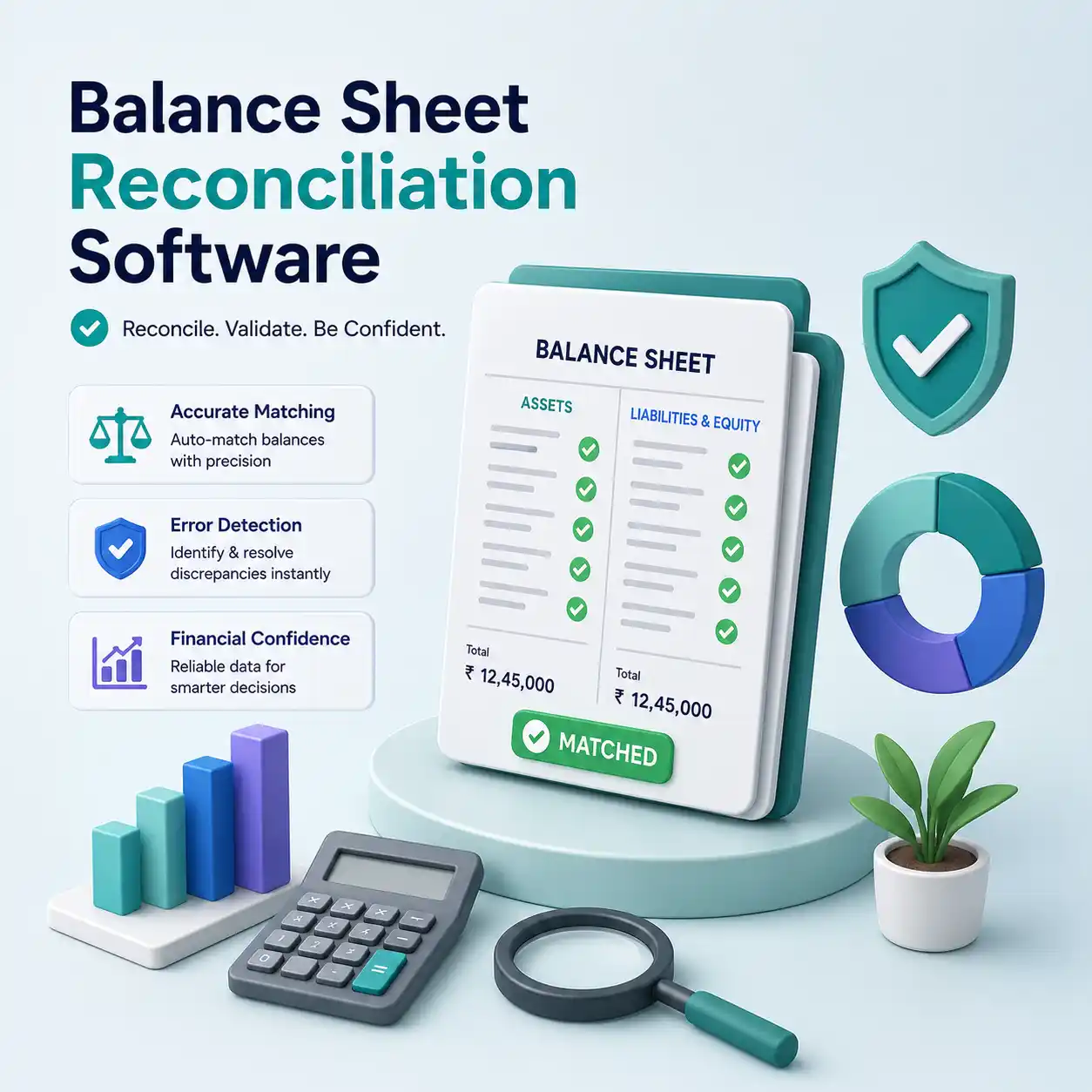
- Flag & Report: Instead of a sea of data, your team sees a shortlist of genuine discrepancies (like a missing payment or a bank error) to investigate. This is where balance sheet reconciliation software becomes a detective’s best tool.
Tangible Benefits You Can't Ignore
Moving to an automated reconciliation solution isn’t just a tech upgrade; it’s a business transformation. Here’s what you gain:
1. Unmatched Efficiency and Speed
This is the most immediate impact. What took days or weeks now happens in hours or minutes. The global firm Levvel Research found that companies using automation reduced their reconciliation time by an average of 70%. This dramatically accelerates the month-end close, giving you faster financial visibility.
2. Superhuman Accuracy
Machines don’t get tired or distracted. By eliminating manual entry, you eradicate a major source of errors. Your financial statements become more reliable, building trust with stakeholders, auditors, and investors.
3. Empowered and Happy Teams
Nobody joined the finance team to be a data-entry clerk. Reconciliation automation tools free your skilled professionals from soul-crushing, repetitive work. They can redirect their talents toward analysis, forecasting, fraud detection, and advising the business—work that adds real value.
4. Proactive Fraud Detection
A manual process can miss subtle, suspicious patterns. An automated reconciliation system can be configured to flag unusual transactions, duplicate payments, or vendor anomalies immediately, acting as a 24/7 watchdog for your finances.
5. Effortless Scalability
Whether you process 100 or 100,000 transactions a month, the software handles the increase without needing more staff. This makes business growth smoother and less costly from an operational standpoint.
6. Crystal-Clear Compliance
Every action is logged. Every match is documented. This creates an ironclad, searchable audit trail that makes internal and external audits far less stressful and time-consuming.
Key Features to Look for in a Reconciliation Solution
Not all software is created equal. When evaluating reconciliation software, look for these essential features:
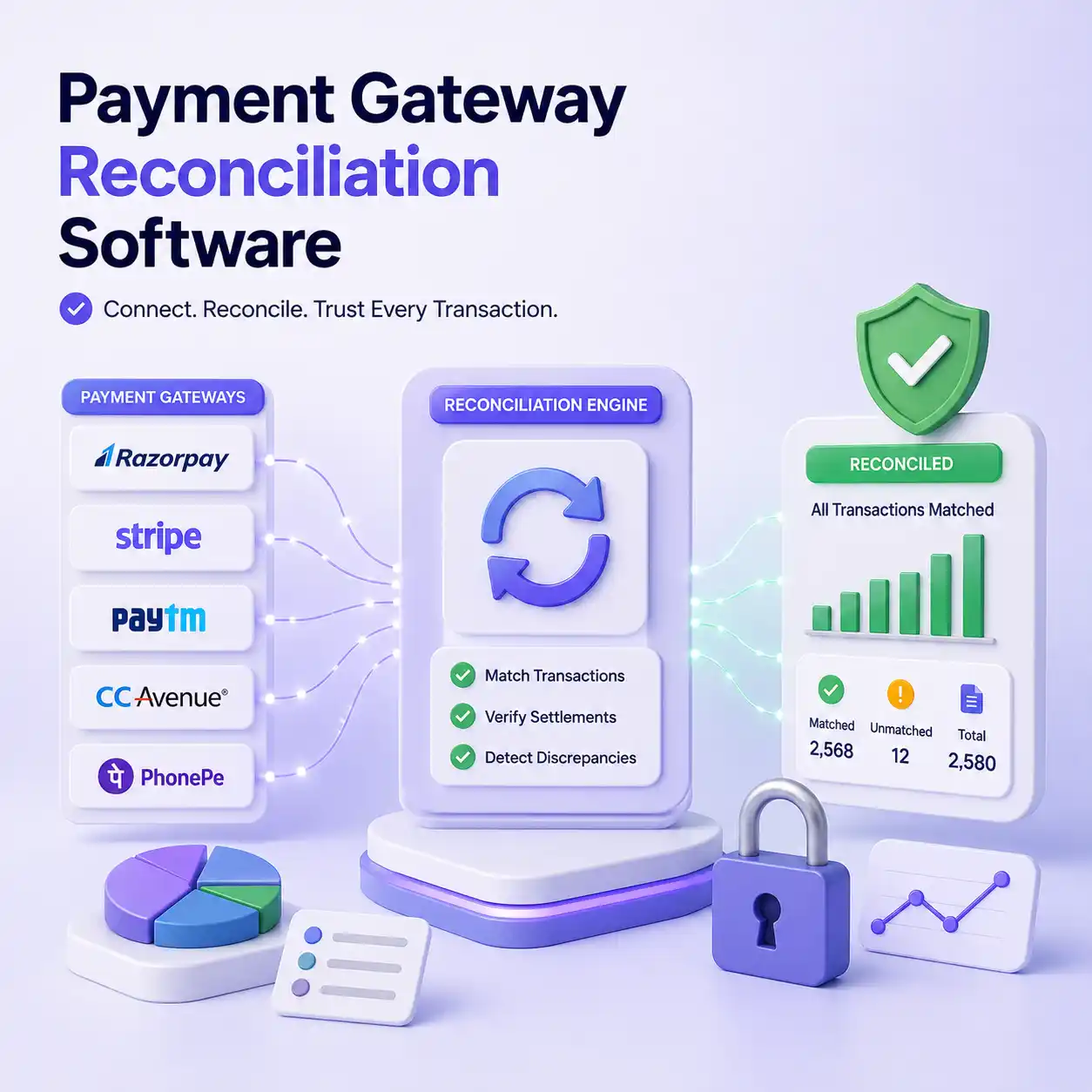
- Multi-Source Connectivity: It should easily connect to banks, ERPs (like QuickBooks, NetSuite, SAP), payment gateways (Stripe, PayPal), and more.
- Flexible Rule Engine: The ability to create complex, multi-layered matching rules (e.g., fuzzy matching to catch minor differences) is crucial.
- Real-Time Processing: Opt for a tool that reconciles continuously, not just at month-end, for real-time financial control.
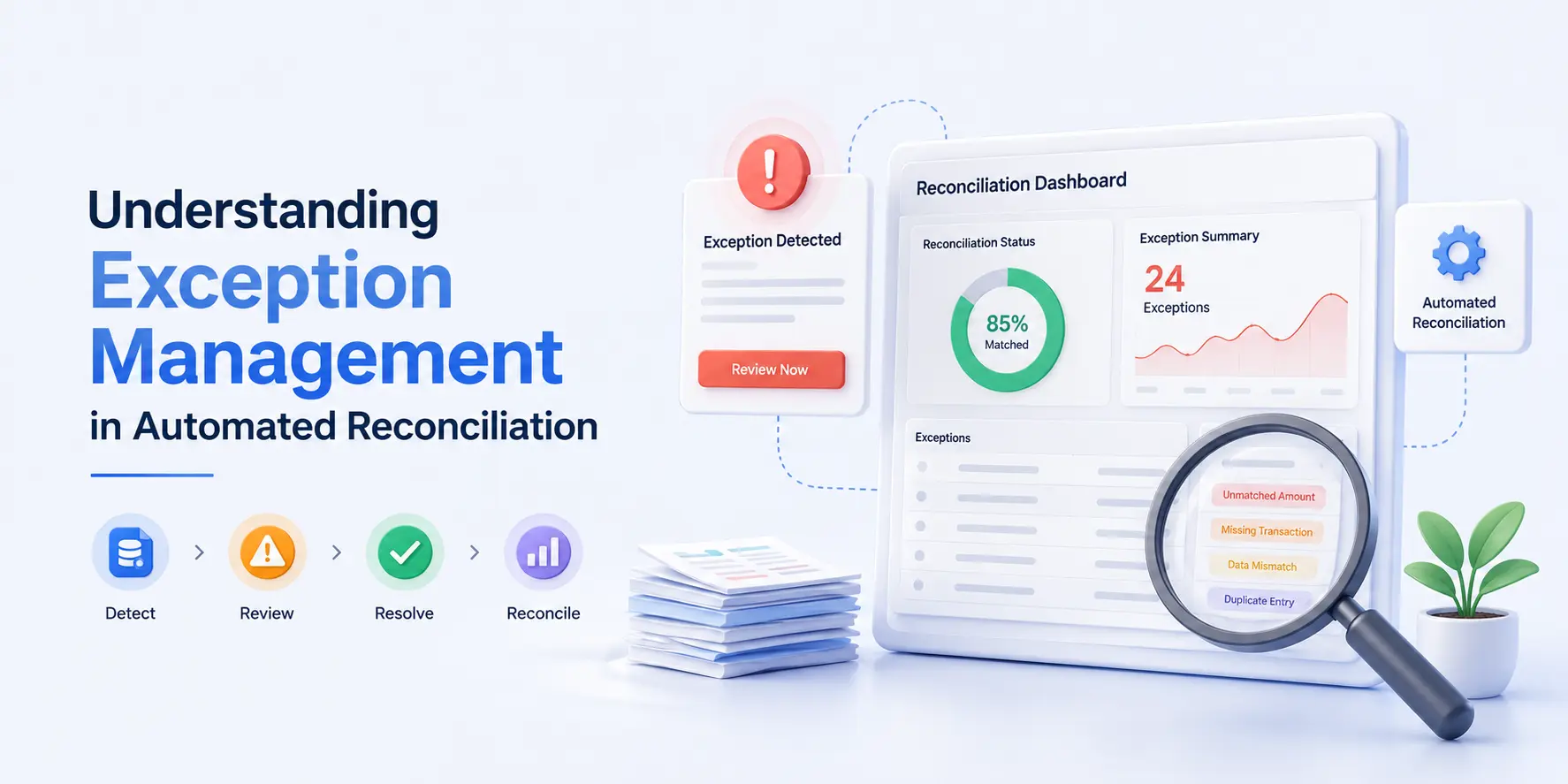
- Exception Management Workflow: A good system will have tools to assign, comment on, and resolve discrepancies within the platform.
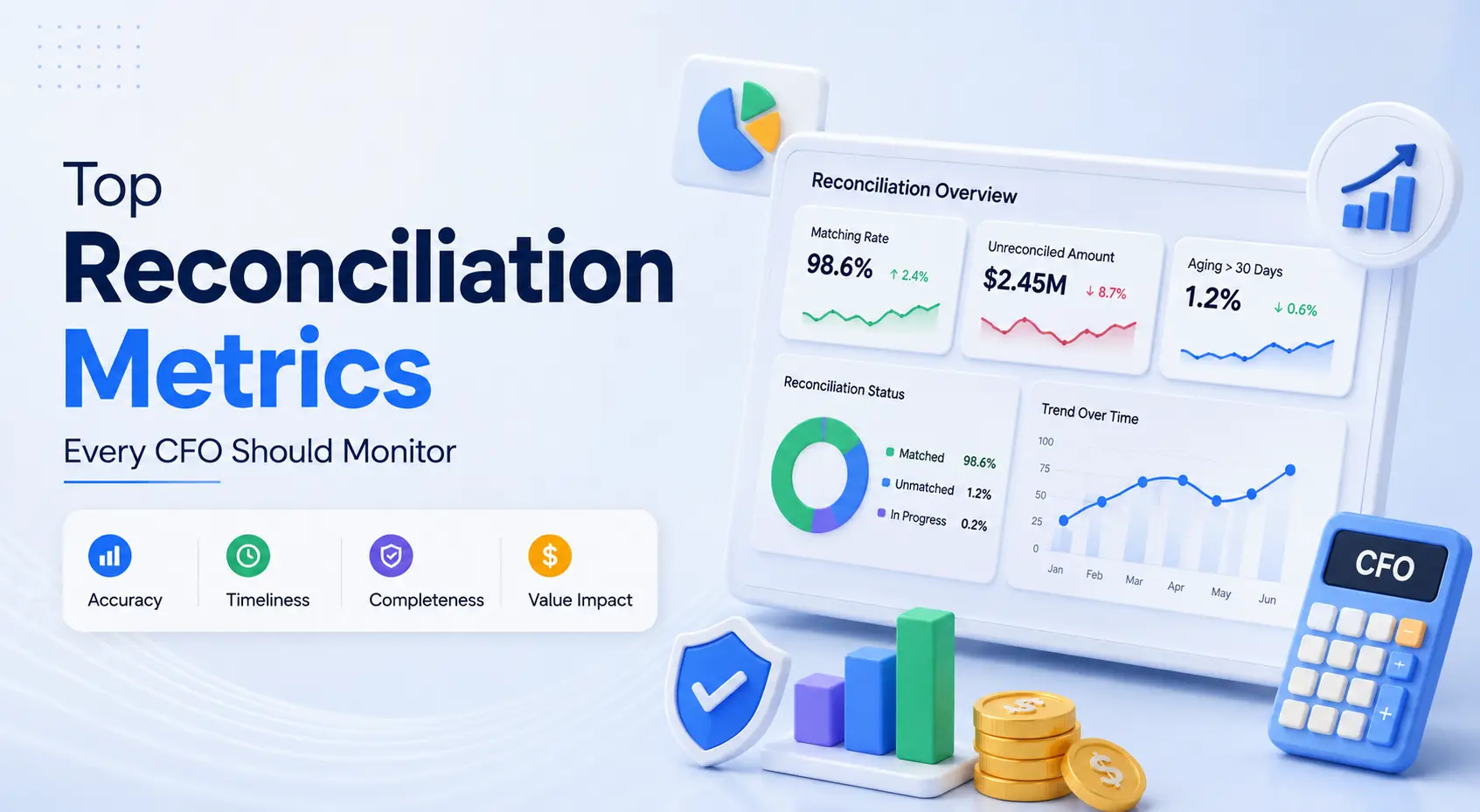
- Comprehensive Reporting & Dashboards: You should get instant visibility into the reconciliation status, key metrics, and exception trends.
- Security & Audit Trail: Enterprise-grade security and a complete, immutable log of all activities are non-negotiable.
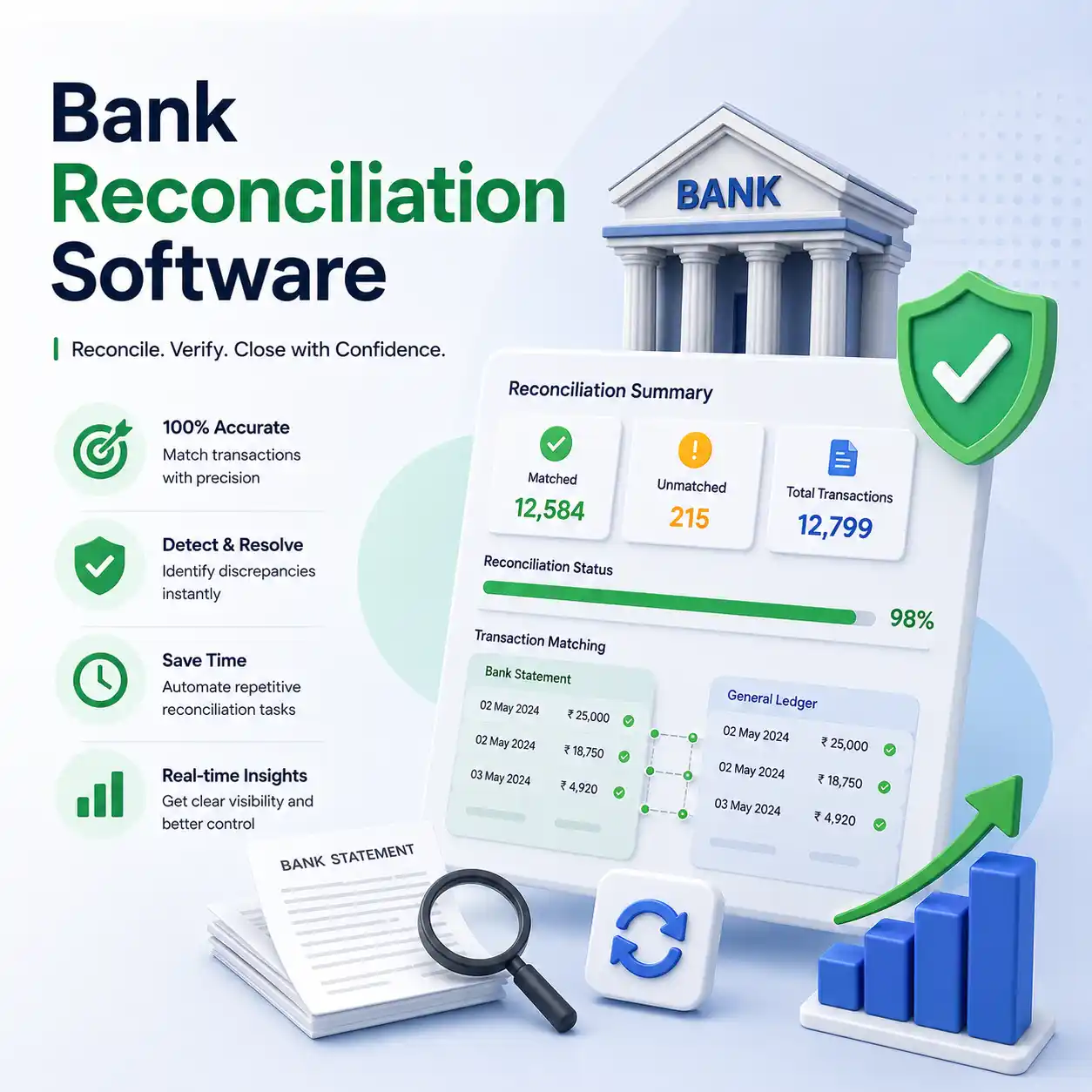
Industries with high transaction volumes, like banking, retail, and fintech, have been early adopters. Software for bank reconciliation and reconciliation software for banks is now a mature and critical part of their infrastructure. But today, businesses of all sizes and sectors are reaping the benefits.
Also Read: Why Automated Reconciliation Systems Are the Future of Accounting
Making the Shift: Your Path to Automation
Getting started is less daunting than it seems.
- Identify the Pain Point: Start with your most painful area—is it bank reconciliation automation, credit card statements, or inter-company accounts?
- Choose the Right Partner: Select a scalable automated reconciliation software that fits your current needs but can grow with you. Many providers offer cloud-based solutions with quick setup.
- Start with a Pilot: Implement the solution for one process or business unit first. Prove its value, work out any kinks, and build internal confidence.
- Train and Empower Your Team: Frame this as a tool that makes their jobs more meaningful. Provide thorough training on the new automated account reconciliation workflow.
- Scale and Optimize: Once successful, expand the automation to other areas of finance, continuously refining your matching rules and processes.
The Future is Automated
In a fast-paced digital economy, relying on manual processes is a competitive disadvantage. Reconciliation automation is no longer a luxury for the few; it’s a necessity for any finance team that values accuracy, efficiency, and strategic impact.
By embracing an automated bank reconciliation software or a broader reconciliation solution, you’re not just closing the books faster. You’re unlocking the potential of your finance team, safeguarding your assets, and gaining the clear, timely insights needed to steer your business confidently toward the future. The question is no longer if you should automate, but when you will start.
Also Read: Automated Reconciliation: Boost Accuracy in Financial Workflows
Frequently Asked Questions (FAQs)
1. Is reconciliation automation only for large enterprises?
No, absolutely not. While large firms were early adopters, cloud-based automated reconciliation software is now affordable and scalable for small and medium-sized businesses (SMBs). Any business tired of manual errors and month-end struggles can benefit.
2. How secure is cloud-based reconciliation software?
Reputable providers invest heavily in security that often surpasses what a single company can afford. Look for features like bank-level encryption (AES-256), SOC 2 compliance, secure data centers, and role-based access controls to ensure your data is protected.
3. Will automation replace our accounting staff?
No. It redefines their roles. Instead of spending time on repetitive matching, your staff can focus on higher-value tasks like financial analysis, strategic planning, investigating complex exceptions, and providing decision-support to management. It makes their jobs more engaging and strategic.
4. How long does it take to implement an automated reconciliation system?
Implementation time varies, but many cloud-based solutions can be set up for a specific process (like bank recs) in a matter of weeks, not months. The complexity depends on the number of data sources and the need for custom rule-building.
5. Can it handle complex transactions or exceptions?
Yes. Modern systems are designed for complexity. They use “fuzzy matching” to handle minor differences (like rounding errors) and allow for multi-way reconciliation (matching one bank transaction to multiple ledger entries). All true exceptions are neatly flagged for human review and resolution.
6. What kind of return on investment (ROI) can we expect?
ROI comes from multiple areas: drastic reduction in man-hours spent on reconciliations, faster month-end close (freezing capital for shorter periods), elimination of error-related costs (like duplicate payments), and improved compliance reducing audit fees. Most companies see a full return on their investment within the first year.
Ready to get started?
Contact us now
Contact us now
* By clicking on Contact Us you are agreeing to our Terms & Conditions and Privacy policy.