Role of an Integrated Treasury Management System in Risk Management
Kosh.ai
December 24, 2025
In today's fast-moving and unpredictable business world, a company's finance team faces a storm of risks daily. From sudden currency value changes to unpredictable cash flow gaps and the constant threat of online fraud, these risks can quickly turn a profitable quarter into a challenging one. So, how do modern organizations not just survive but thrive amidst this uncertainty? The answer lies in a powerful tool: an Integrated Treasury Management System (TMS).
Think of treasury as the heart of a company, pumping cash—its lifeblood—to every department. An integrated treasury management system acts as the central nervous system, connecting all financial data in one place. It gives treasurers a real-time, crystal-clear view of the company's global financial health, allowing them to make smarter decisions and protect the business from various dangers. This blog will break down, in simple terms, how this technology is a game-changer for managing risk.
Understanding the Modern Treasury's Challenge
A decade ago, treasury teams often worked with scattered tools—multiple spreadsheets, different banking portals, and standalone software for various tasks. This fragmented approach created "silos" of information. Data from European sales wouldn't easily talk to data from Asian supplier payments. This lack of connection is a huge risk in itself.
Without a unified view, treasurers are essentially making decisions in the dark. They might miss a critical cash shortfall, fail to hedge against a currency move, or not see a fraudulent transaction in time. According to a 2023 report by Kyriba, businesses that rely on manual processes lose an average of 1.5% of their revenue to operational inefficiencies and fraud. This is where moving from disconnected tools to a comprehensive treasury management solution becomes non-negotiable.
What is an Integrated Treasury Management System?
An Integrated Treasury Management System is a unified software platform that automates and connects all core treasury operations. Instead of juggling ten different programs, a treasurer logs into one dashboard. This system pulls in live data from bank accounts, ERP systems, trading platforms, and market feeds, creating a single source of truth.
Key modules of a typical treasury management software include:
- Cash and Liquidity Management: Tracking cash positions in real-time across all banks and entities.
- Risk Management: Identifying and analyzing exposure to foreign exchange (FX), interest rates, and commodities.
- Payments and Fraud Control: Centralizing and securing all payment processes.
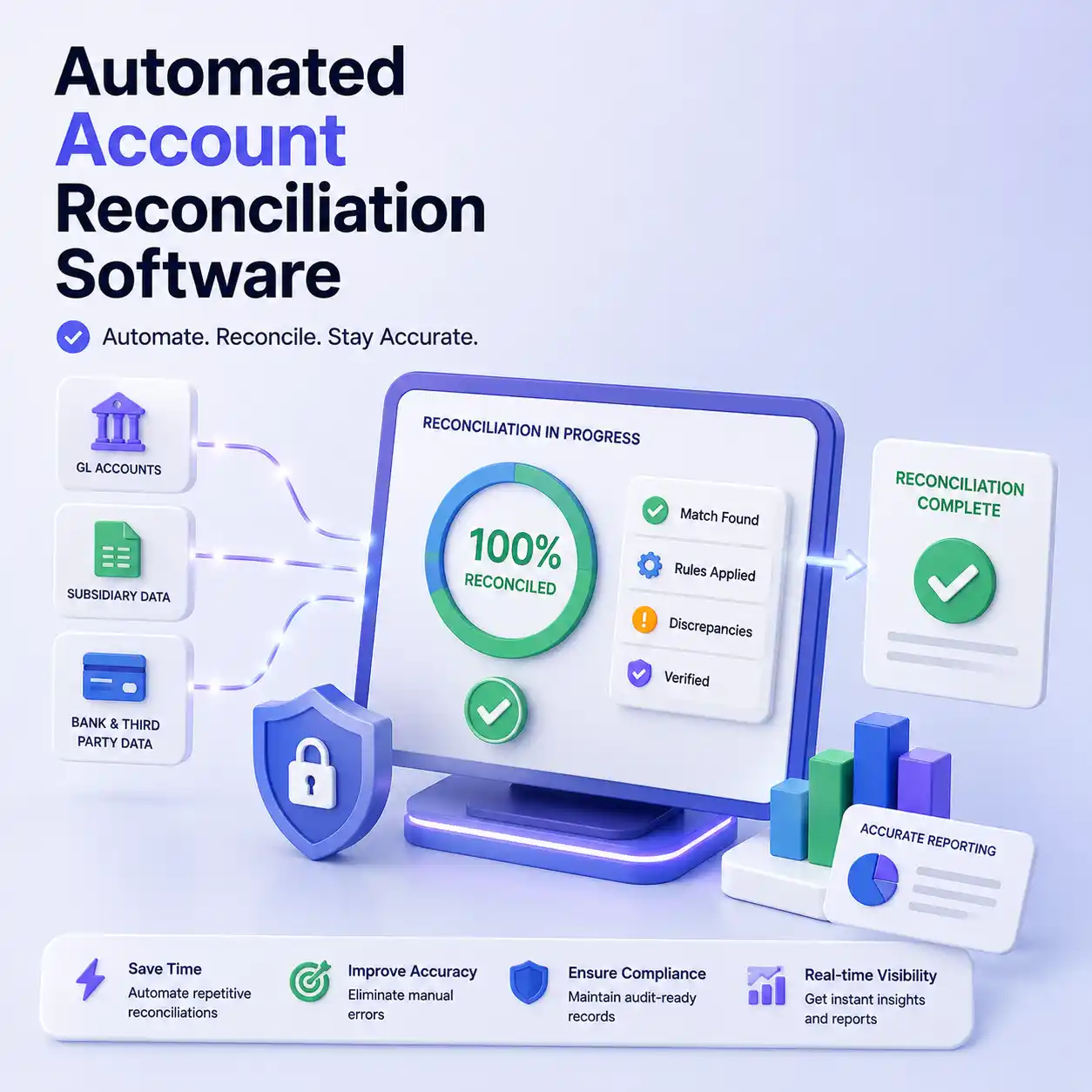
- Accounting and Reconciliation: Automating the matching of bank statements with internal records.
- Forecasting: Predicting future cash flows using historical data and intelligent algorithms.
The magic word is integrated. This means every part of the system communicates seamlessly, so a payment made in Tokyo instantly updates the global cash position, which immediately informs the FX hedging strategy.
How an Integrated TMS Becomes Your Risk Management Shield
Let’s explore the specific ways a modern treasury management system actively identifies, analyzes, and mitigates financial risks.
1. Mastering Cash and Liquidity Risk
Liquidity risk is the danger of not having enough cash on hand to meet short-term obligations. It can halt operations and damage credibility.
- The Problem: Without integration, cash is trapped in visibility gaps. You might have surplus cash in one country while needing an expensive loan in another.
- The TMS Solution: An integrated treasury management system provides a real-time, global cash dashboard. It uses SWIFT connectivity and bank APIs to give you a precise picture of your balances at any moment. This allows for efficient cash pooling and netting, reducing idle balances and unnecessary borrowing. Better visibility leads to better forecasting, so you can confidently invest surplus cash or arrange funding well in advance.
2. Taming Market Risk: FX and Interest Rates
For any business operating internationally, currency swings (FX risk) can wipe out profits from a great sale. Similarly, changes in interest rates affect loan costs and investment returns.
- The Problem: Manually tracking exposure across dozens of invoices and loans in different currencies is slow and error-prone. Reactions to market moves are delayed.
- The TMS Solution: The best treasury management systems automatically aggregate all your FX exposures from contracts, invoices, and balance sheets. They provide "what-if" scenario analysis, showing the potential impact of a 5% currency move. This data allows treasurers to execute timely hedges using forwards or options. The system can also track the effectiveness of these hedges over time, ensuring your strategies work as planned.
3. Fighting Fraud and Operational Risk
Operational risks include human error, failed processes, and cybersecurity threats. The Association for Financial Professionals found that 74% of organizations were targets of payment fraud attacks in 2022.
- The Problem: Disconnected payment processes with weak controls and manual approvals are a major vulnerability.
- The TMS Solution: A robust treasury management solution centralizes all payments with strong, multi-level approval workflows (four-eyes principle). It integrates with fraud detection services to flag unusual transactions. Furthermore, by automating repetitive tasks like data entry and reconciliation, it drastically cuts down on costly human mistakes. Every action is logged for a full audit trail, which is crucial for compliance.
4. Ensuring Compliance and Strategic Decision-Making
Regulatory landscapes (like SOX, IFRS 9) are constantly shifting. Non-compliance results in heavy fines and reputational damage.
- The Problem: Compiling reports manually for auditors or regulators is a time-consuming nightmare with a high chance of inaccuracy.
- The TMS Solution: An integrated TMS ensures all data is consistent and traceable. It can generate standardized reports for accounting standards and regulatory requirements at the click of a button. This frees up the treasury team from being just reporters to becoming strategic advisors. With accurate, timely data, they can provide insights on optimal capital structure, investment opportunities, and long-term financial planning.
Key Features to Look for in the Best Treasury Management Systems
When evaluating a treasury management software, ensure it offers:
- Real-Time Data Integration: Live feeds from banks, ERPs, and markets.
- Powerful Analytics and Dashboards: Customizable views of key risk indicators (KRIs).
- Automated Workflows: For payments, approvals, and reconciliations.
- Robust Security & Access Controls: Role-based permissions and encryption.
- Scalability and Cloud-Based Access: Grows with your business and allows secure access from anywhere.
- Strong Support and Training: Ensures your team can use the system to its full potential.
Also Read: How to Evaluate the Best Treasury Management Systems for Your Business
The Tangible Benefits: More Than Just Risk Reduction
Implementing a sophisticated treasury management system delivers a clear return on investment:
- Improved Efficiency: Automating manual tasks can save hundreds of hours per year.
- Enhanced Visibility: One truth for all cash, debt, and investments.
- Cost Savings: Reduced bank fees, lower borrowing costs, and less financial loss from fraud.
- Strategic Agility: Empowers the CFO's office to make proactive, data-driven decisions.
Conclusion: A Non-Negotiable Tool for Modern Finance
In conclusion, an Integrated Treasury Management System is far more than just accounting software. It is a strategic risk management command center. In an era defined by volatility, it provides the clarity, control, and agility that businesses need to protect their assets, optimize their financial performance, and secure their future. By breaking down data silos and automating complex processes, it transforms the treasury function from a reactive record-keeper into a proactive guardian of corporate value. Investing in the right treasury management solution is no longer a luxury for large corporations; it is a critical necessity for any business aiming to navigate the complexities of the global market with confidence.
Also Read: Treasury Management Solution vs Reconciliation Software: Key Differences Explained
FAQs
1. What is the main difference between a basic TMS and an integrated TMS?
A basic TMS might automate a single task, like payments. An integrated treasury management system connects all treasury functions—cash, risk, payments, accounting—into one platform with a shared database, eliminating data silos and providing a holistic view.
2. How does a TMS improve cash flow forecasting?
It uses historical cash flow data, current receivables/payables, and even AI-driven algorithms to predict future cash positions with much greater accuracy than manual spreadsheets. This helps avoid shortfalls and optimize investment timing.
3. Can small and medium-sized businesses (SMBs) benefit from a TMS?
Absolutely. Many treasury management software vendors now offer scalable, cloud-based solutions tailored for SMBs. The benefits of fraud prevention, cash visibility, and time savings are valuable for businesses of any size.
4. Is a TMS secure? How does it handle sensitive financial data?
Reputable treasury management systems are built with enterprise-grade security. They use bank-level encryption, multi-factor authentication, detailed audit trails, and secure data centers (often SOC 2 compliant) to protect your financial data.
5. What's the typical implementation timeline for a new TMS?
It varies based on complexity, but a cloud-based system for a mid-sized company typically takes 3 to 6 months. This includes planning, configuration, data migration, testing, and training. A clear implementation plan with the vendor is key.
6. How do I choose the best treasury management system for my company?
Start by defining your specific pain points (e.g., FX risk, slow reconciliations). Look for a system that solves those, integrates with your existing ERP/banks, is user-friendly, and comes from a vendor with strong customer support and a proven track record in your industry.
Ready to get started?
Contact us now
Contact us now
* By clicking on Contact Us you are agreeing to our Terms & Conditions and Privacy policy.