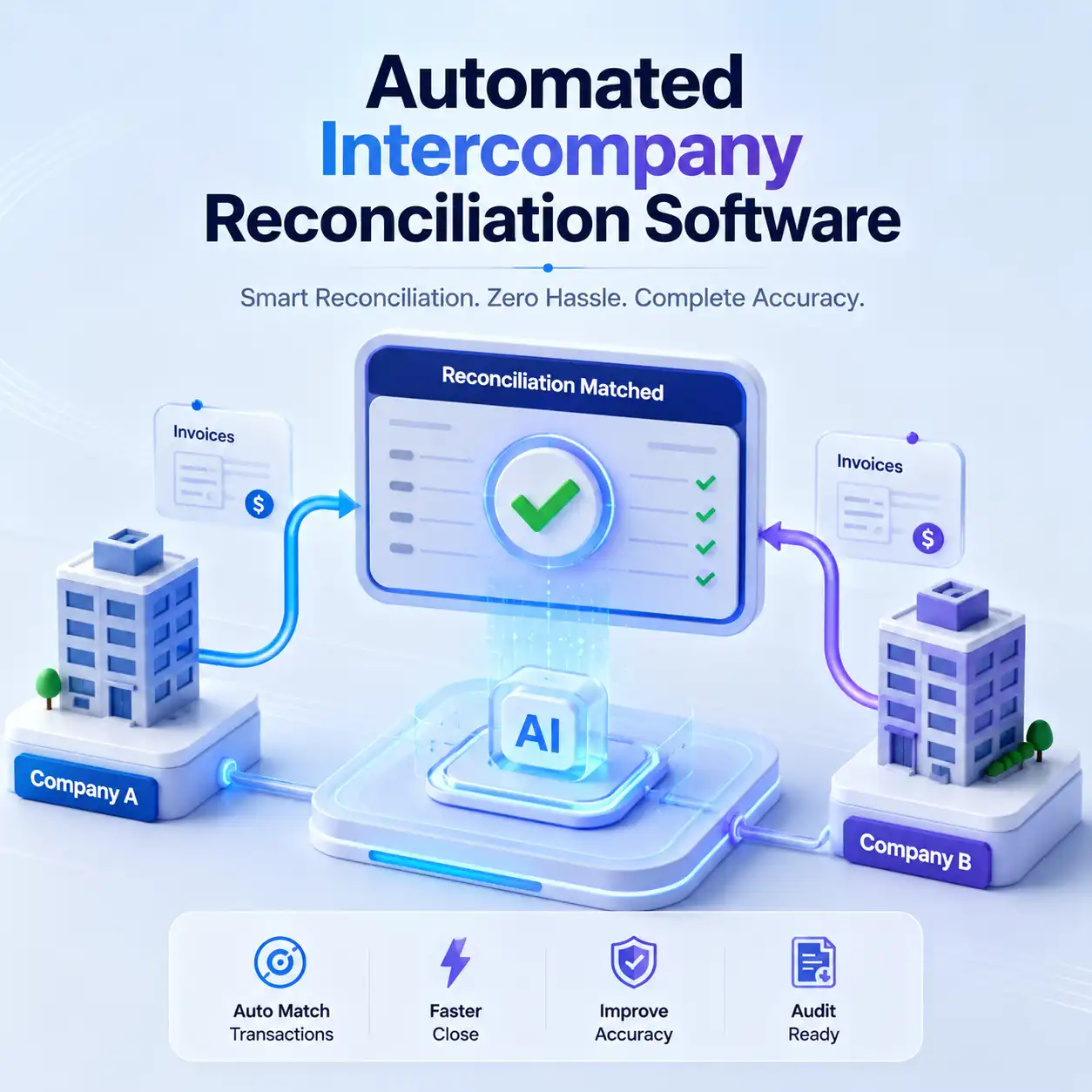
Treasury Management Solution vs Reconciliation Software: Key Differences Explained
Kosh.ai
December 18, 2025
If you manage a company's money, you’ve likely heard the terms "treasury management solution" and "reconciliation software." They might sound similar, but they serve very different purposes. Choosing the wrong one is like using a map for a city when you need a blueprint for a building—both are useful guides, but for entirely different tasks.
In simple terms, a treasury management system is your financial command center. It’s about strategy, control, and seeing the big picture of your cash. On the other hand, reconciliation software is your financial detective. It’s about accuracy, verification, and ensuring every transaction matches perfectly.
This guide will break down the key differences in plain language. By the end, you’ll know exactly which tool—or combination—your business needs.
What is a Treasury Management Solution?
Imagine having a dashboard that shows you all your company's money, across every bank account, in real-time. That’s the heart of a treasury management solution (TMS). It is a comprehensive platform designed to manage a company's liquidity, investments, and financial risks. Think of it as the mission control for your organization’s finances.
A robust treasury management system does more than just show balances. It helps treasurers make strategic decisions. For instance, should you invest extra cash? How can you guard against currency exchange risks? What’s the most efficient way to pay suppliers globally? A TMS provides the data and tools to answer these questions.
Core Functions of a Treasury Management System
A top-tier integrated treasury management system typically handles several critical tasks:
- Cash Forecasting and Visibility: This is the superstar feature. It aggregates data from all your bank accounts and internal systems to predict your future cash position. You can see tomorrow’s, next week’s, and next month’s expected balance.
- Payment Processing and Fraud Control: It centralizes and secures outgoing payments, from wire transfers to ACH batches, often with advanced approval workflows to prevent errors and fraud.
- Debt and Investment Management: The system helps track loan covenants and manage investment portfolios to optimize interest earned.
- Risk Management: It identifies exposure to risks like fluctuating foreign exchange rates or interest rates and provides tools to mitigate them.
- Bank Relationship Management: It simplifies connecting with multiple banks through a single portal, reducing administrative hassle.
In essence, a TMS is strategic. It’s used by CFOs and corporate treasurers to ensure the company has the right amount of cash in the right place at the right time to operate, grow, and thrive.
What is Reconciliation Software?
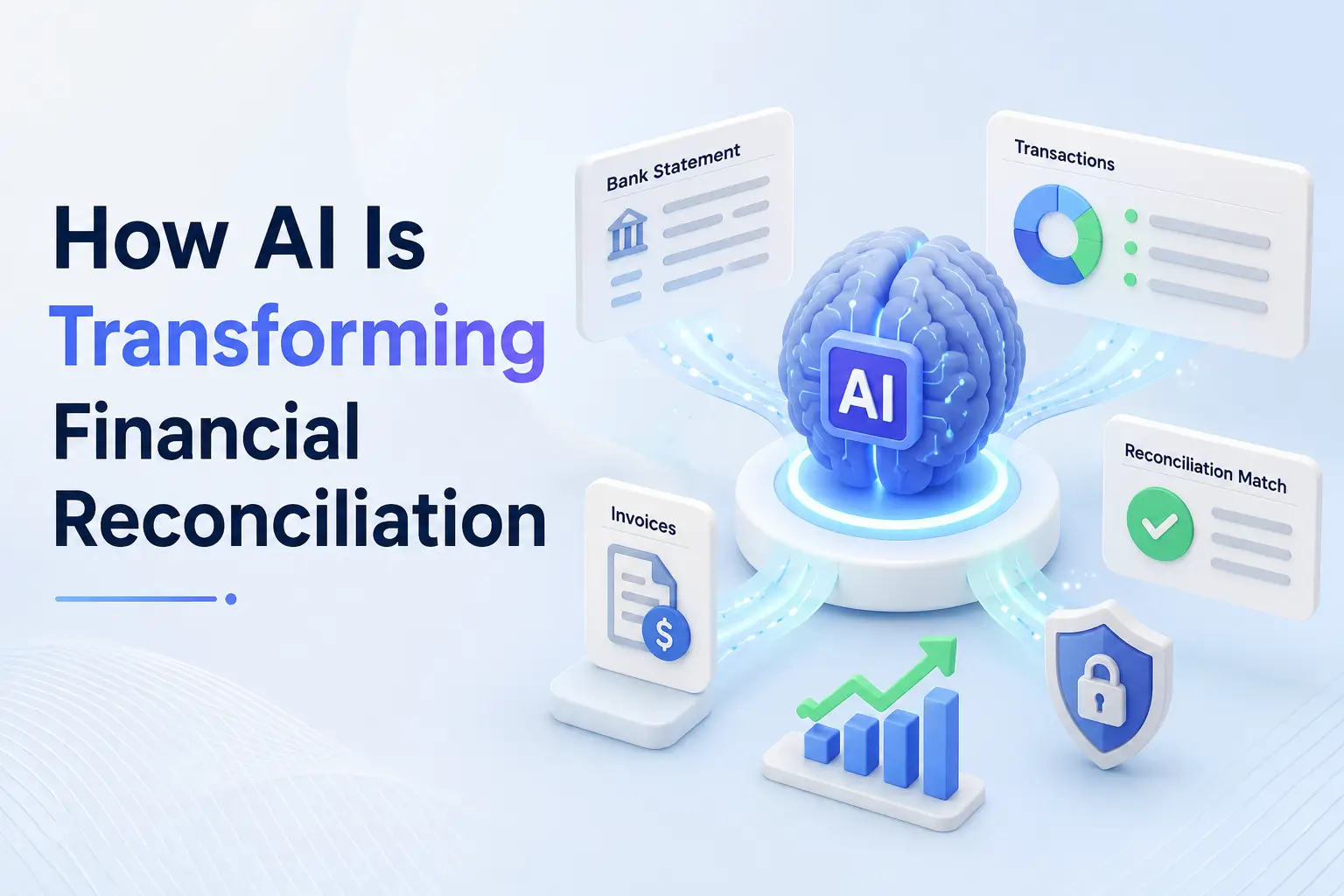
Now, let’s talk about reconciliation software. While treasury looks forward and outward, reconciliation looks backward and inward. Its primary job is to ensure that two sets of records agree with each other.
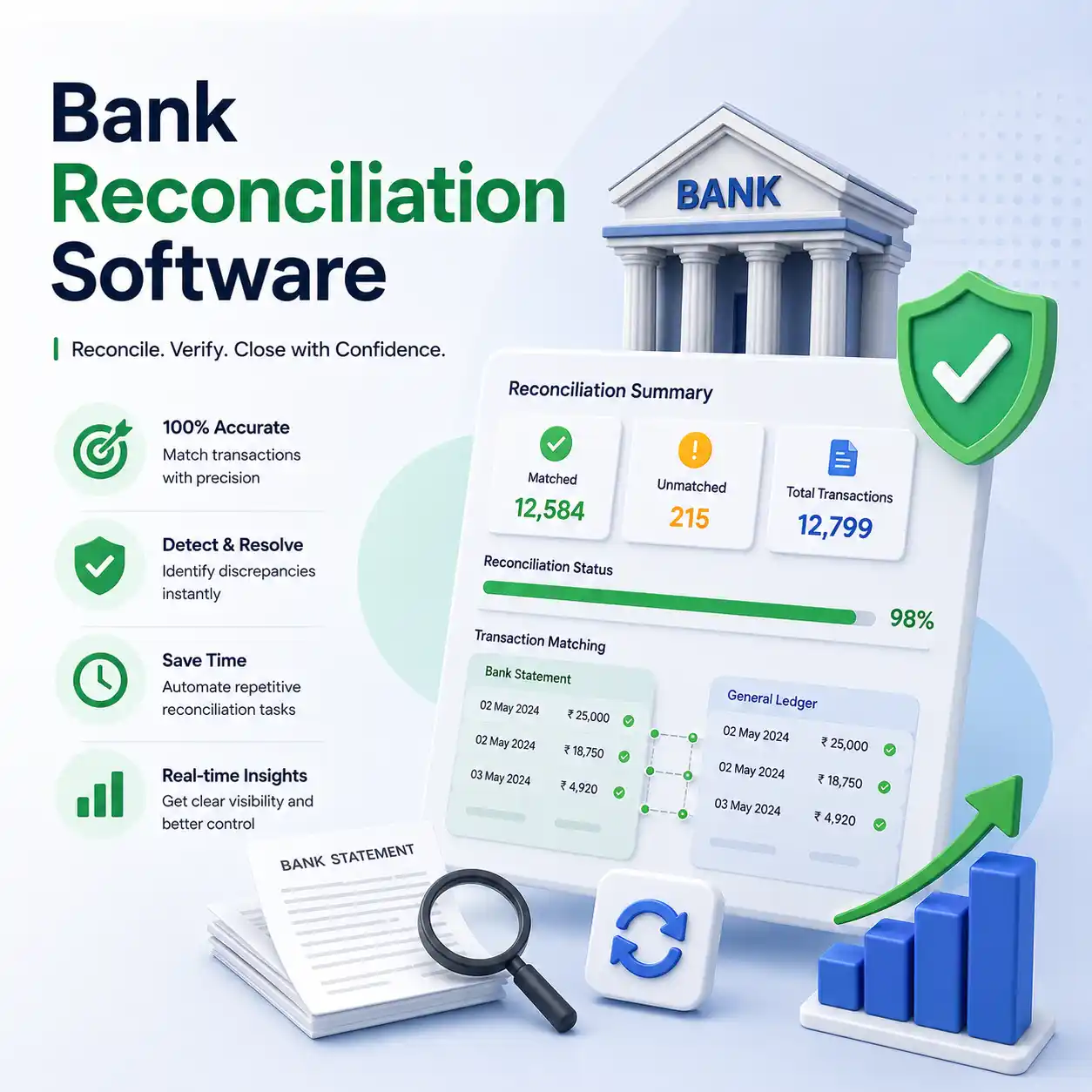
The most common type is bank reconciliation software. This involves matching the transactions in your company’s accounting records (your "cash book") against your official bank statements. Any discrepancy—a missing check, an unprocessed deposit, a bank fee—is flagged for resolution.
Core Functions of Reconciliation Software
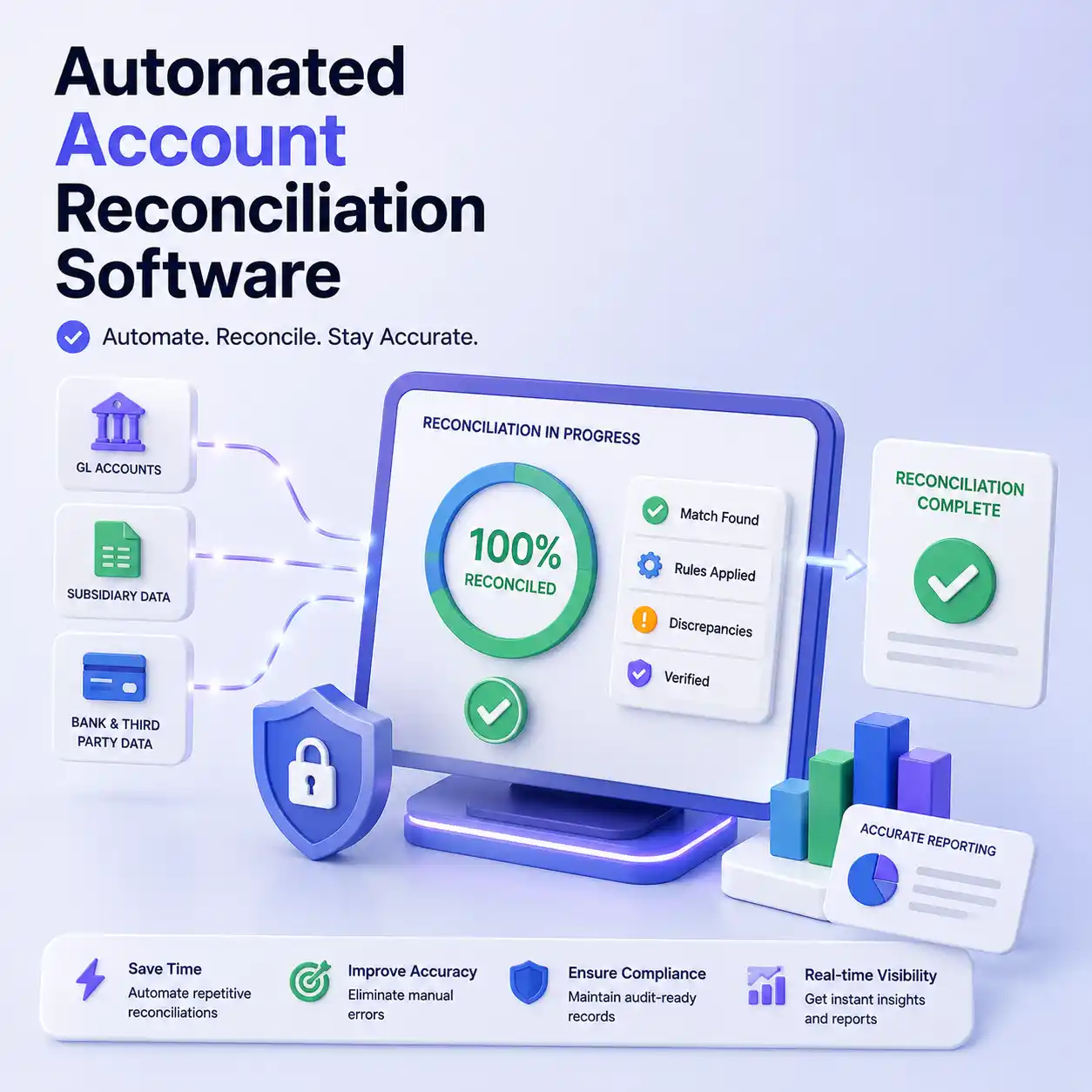
Modern accounting reconciliation software automates what was once a tedious, manual process. Here’s what it does:
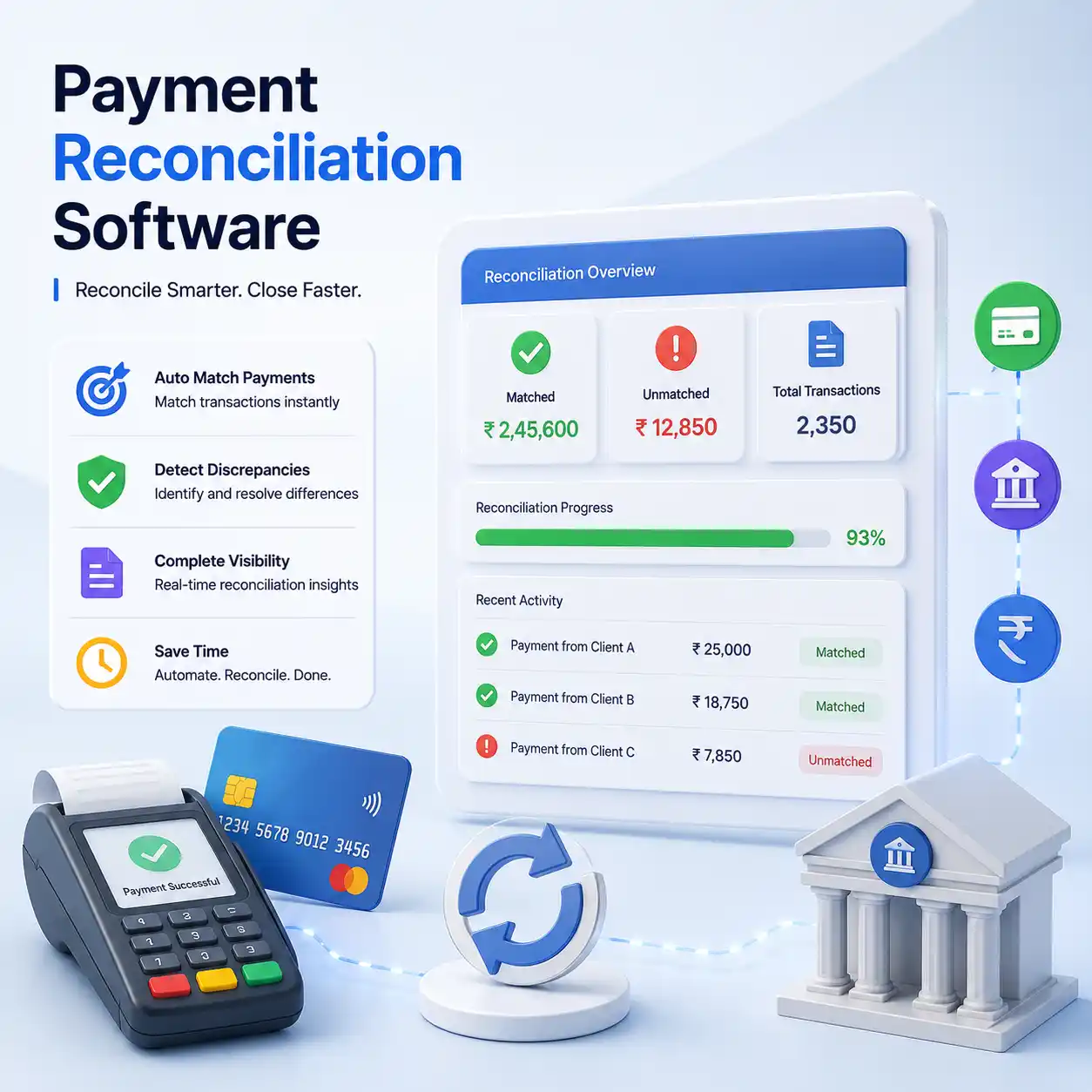
- Automated Data Import: It automatically pulls in statements from banks, credit cards, and other financial sources.
- Rule-Based Matching: You set rules (e.g., match by invoice number, date, and amount), and the automated reconciliation system does the heavy lifting, pairing thousands of transactions in minutes.
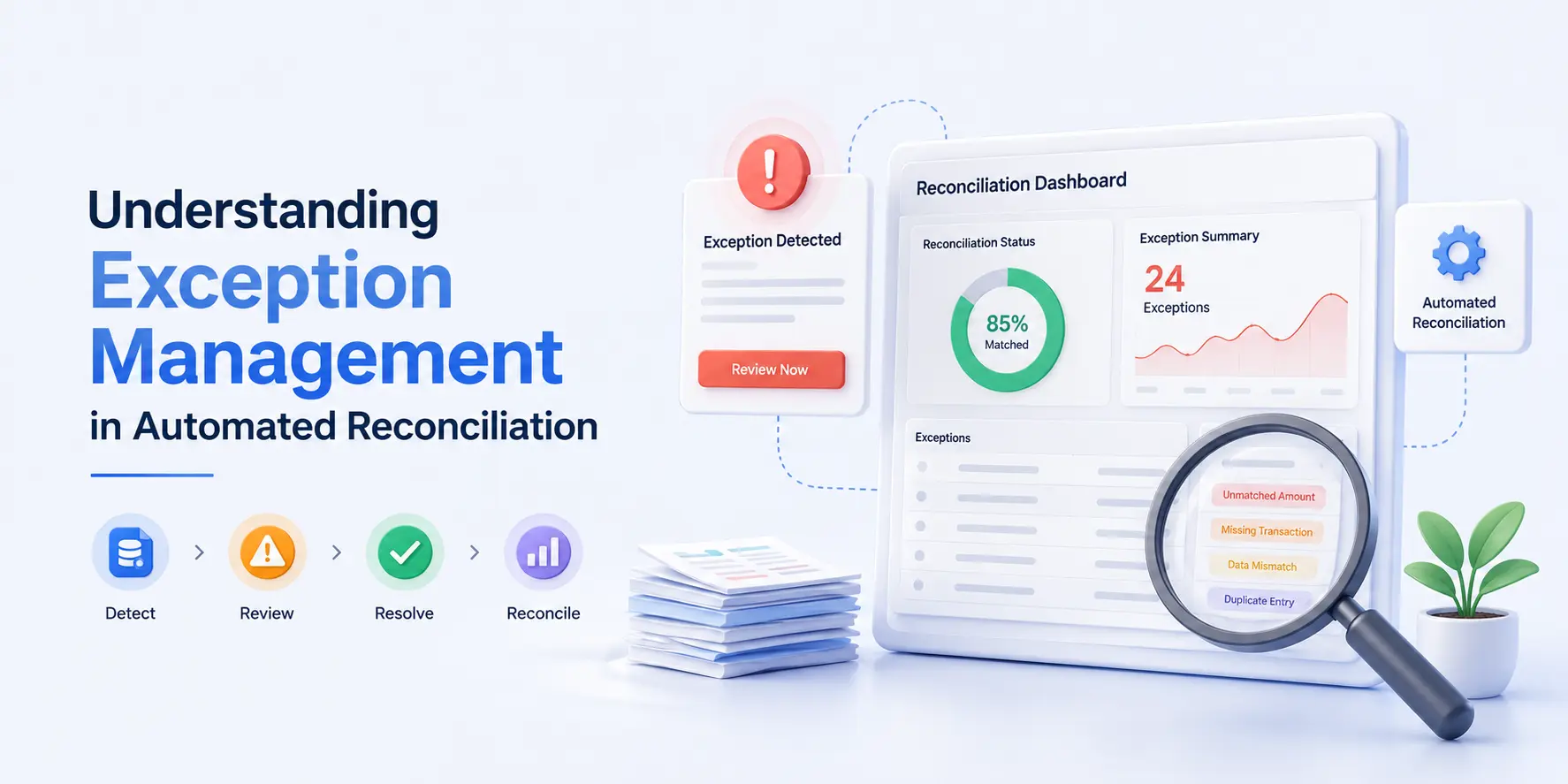
- Exception Management: It highlights unmatched items, allowing accountants to quickly investigate and resolve discrepancies.
- Audit Trail: It creates a clear, unchangeable record of every action taken, which is crucial for internal and external audits.
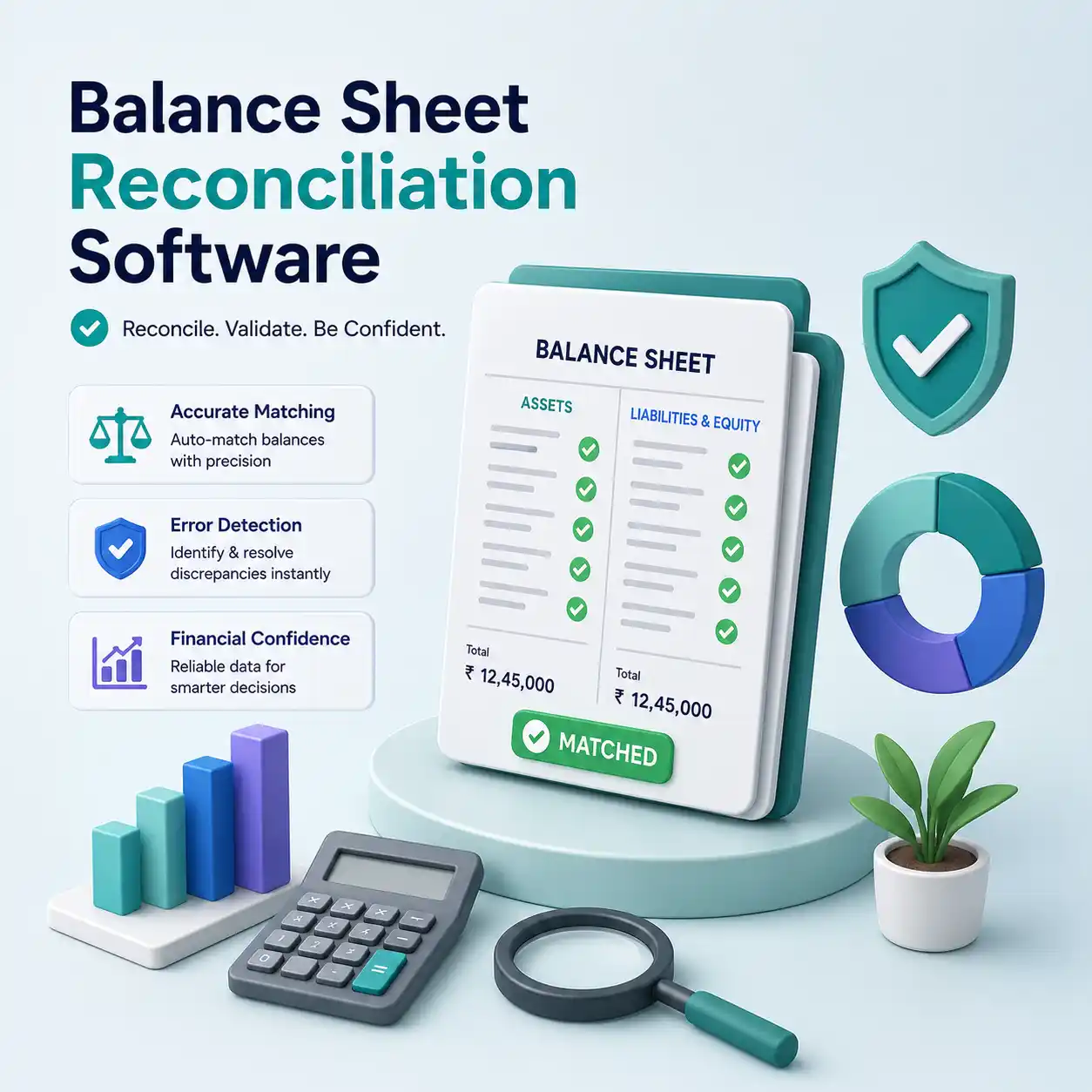
- Multi-Account Handling: Good balance sheet reconciliation software can reconcile not just bank accounts, but also credit cards, loan accounts, and inter-company transfers.
This tool is tactical. It’s used by accountants and controllers to ensure the accuracy of financial records, close the books faster, and maintain a strong internal control environment. According to industry reports, businesses using reconciliation automation tools can reduce their reconciliation time by up to 80%, freeing staff for more analytical work.
Head-to-Head: Key Differences Explained
Now that we understand each tool individually, let’s compare them directly across several key dimensions.
1. Primary Goal and Focus
- Treasury Management Solution: Its goal is liquidity optimization and strategic financial management. The focus is on the future: "Do we have enough cash to meet our needs? How can we use our money more effectively?"
- Reconciliation Software: Its goal is accuracy and verification of financial records. The focus is on the past: "Do our records match the bank's? Have we accounted for every single transaction correctly?"
2. Core Users
- Treasury Management Solution: Used primarily by strategic roles like the Chief Financial Officer (CFO), Corporate Treasurer, and Treasury Analysts.
- Reconciliation Software: Used primarily by tactical roles like Controllers, Accounting Managers, Staff Accountants, and Finance Clerks.
3. Time Orientation
- Treasury Management Solution: Forward-looking. It relies on historical data to create forecasts, but its value is in informing decisions about what will happen next.
- Reconciliation Software: Historical and current. It deals with transactions that have already occurred, ensuring the books for a past period are correct.
4. Scope of Work
- Treasury Management Solution: Broad and external. It looks at overall cash positions across multiple banks, countries, and currencies. It manages relationships and transactions with external entities (banks, markets).
- Reconciliation Software: Detailed and internal. It drills down into the granular details of specific accounts to ensure internal ledger entries match external statements.
5. Integration Needs
- Treasury Management Solution: Integrates with ERP systems, banking portals, trading platforms, and market data feeds. It’s a hub for high-level financial data.
- Reconciliation Software: Integrates with accounting software (like QuickBooks, NetSuite, or SAP), bank feeds, and payment processors. It’s a hub for transactional data.
6. Outcome Delivered
- Treasury Management Solution: Delivers strategic insights, improved liquidity, reduced financial risk, and lower financing costs.
- Reconciliation Software: Delivers accurate financial statements, faster month-end close, strong internal controls, and a clear audit trail.
Do You Need One or the Other? Or Both?
This isn’t necessarily an either-or choice. In fact, they work brilliantly together.
- A small business with simple cash flows might only need a robust automated bank reconciliation software to ensure their books are accurate. Their treasury needs may be handled within their basic accounting software.
- A growing mid-sized company might start with a reconciliation solution to streamline accounting. As they expand, deal with multiple banks, or face complex currency issues, they may add a lighter treasury management software for cash forecasting.
- A large corporation or enterprise will almost certainly invest in both. Here’s how they connect: The reconciliation software for banks ensures that the transactional data feeding into the treasury management system is 100% accurate. You cannot build a reliable cash forecast on messy data. The TMS then uses that clean data to provide strategic insights.
According to a 2023 survey by the Association for Financial Professionals, 65% of large organizations now use some form of dedicated treasury technology, while reconciliation automation is becoming standard practice across companies of all sizes to combat rising transaction volumes.
Also Read: How to Evaluate the Best Treasury Management Systems for Your Business
Choosing the Right Tool for Your Needs
Ask yourself these questions:
Consider a Treasury Management Solution if:
- You have cash in multiple banks or countries.
- You struggle to predict your cash flow for the next 30-90 days.
- You manually compile reports from several bank portals.
- You are exposed to foreign exchange or interest rate fluctuations.
- Your finance team spends too much time on tactical cash movements instead of analysis.
Consider (or prioritize) Reconciliation Software if:
- Your month-end close is delayed by the reconciliation process.
- Your accountants spend days on manual data entry and matching.
- You have a high volume of transactions that make manual checking impossible.
- You worry about errors or fraud going undetected.
- Audit preparation is a stressful and lengthy process.
The Bottom Line
While both treasury management systems and reconciliation software are critical for financial health, they are different tools for different jobs.
- Use a treasury management solution to be a strategist. It gives you the helicopter view to navigate your company’s financial future.
- Use a reconciliation solution to be an investigator. It gives you the magnifying glass to ensure every detail in your past records is perfect.
For a truly powerful financial operation, the automated reconciliation software provides the accurate, trustworthy foundation of data upon which the strategic treasury management system can build. Investing in the right combination not only saves time and reduces risk but also empowers your team to move from bookkeeping to business partnering.
Also Read: Automated Account Reconciliation: Save Time and Reduce Errors
Frequently Asked Questions (FAQs)
1. Can a treasury management system perform reconciliation?
Some treasury management systems include basic reconciliation features, often for cash concentration accounts. However, they are not a substitute for a dedicated account reconciliation software designed for high-volume, rule-based matching of all account types (AP, AR, credit cards, etc.).
2. Which is more expensive, a TMS or reconciliation software?
Generally, a comprehensive treasury management solution is a larger investment due to its broader strategic scope and complexity. Automated reconciliation software is typically more focused and can be more affordable, though enterprise-grade versions of both carry significant value.
3. Do I need reconciliation software if my accounting software has a reconciliation module?
For very small businesses, the built-in module may suffice. However, as transaction volume grows, dedicated reconciliation automation tools save immense time through features like automated bank feeds, rule-based matching, and robust exception handling that generic modules lack.
4. How do these systems integrate with each other?
They integrate through APIs or file transfers. Clean, reconciled data from the automated reconciliation system is fed into the treasury management system, ensuring forecasts and analyses are based on accurate, up-to-date information.
5. What's the main benefit of automation in reconciliation?
The main benefit is time savings and error reduction. Bank reconciliation automation eliminates manual data entry and matching, allowing staff to focus on investigating exceptions, analyzing discrepancies, and adding value elsewhere.
6. Can mid-sized companies benefit from a treasury management system?
Absolutely. Many best treasury management systems today offer scalable, cloud-based solutions perfect for mid-sized companies experiencing growth, increasing banking complexity, or needing better cash visibility to secure funding or make strategic investments.
Ready to get started?
Contact us now
Contact us now
* By clicking on Contact Us you are agreeing to our Terms & Conditions and Privacy policy.