Treasury Management Solution: Unlocking Financial Transformation
Kosh.ai
October 28, 2025
In today’s fast-moving business world, managing money efficiently is more than just keeping track of cash. It’s about forecasting, optimizing liquidity, minimizing risks, and ensuring financial stability. For growing companies, this is where a Treasury Management Solution (TMS) becomes essential. It’s not just software; it’s a strategic tool that transforms how businesses handle their financial operations.
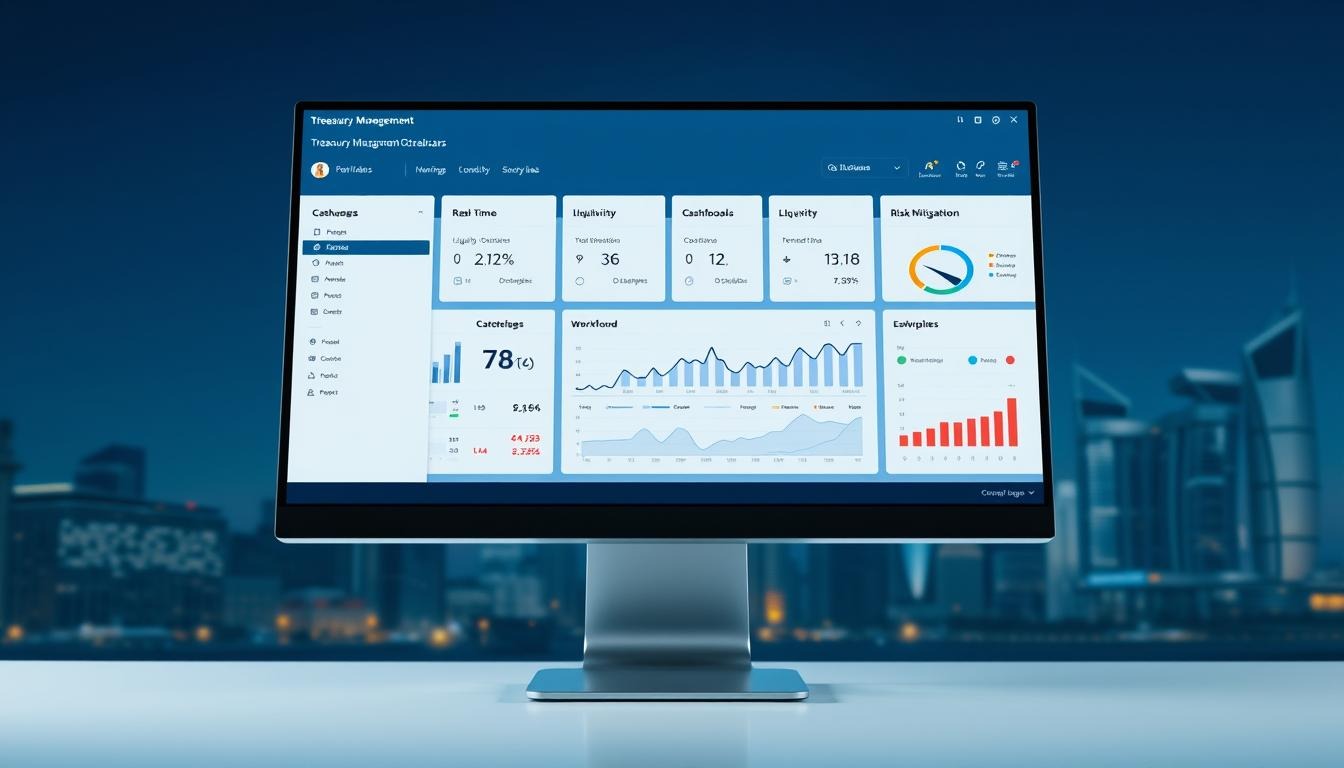
In this blog, we’ll explore how treasury management solutions work, their key benefits, and how they help unlock financial transformation for modern organizations.
What is a Treasury Management Solution?
A Treasury Management Solution is a financial technology system designed to help businesses manage cash flow, investments, debts, and financial risks. It brings together all treasury operations into one place, making it easier to monitor, control, and optimize the company’s liquidity and financial performance.
Whether you’re a small business or a large enterprise, a TMS gives you real-time visibility into your financial position. It connects with your bank accounts, ERPs, and payment systems to provide a single source of truth for your financial data.
In simple terms, it helps finance teams move from manual spreadsheets to smart, automated systems that enhance accuracy and efficiency.
Why Treasury Management Matters for Modern Businesses
Every company, regardless of size or industry, needs to manage its money effectively. Treasury management ensures that a business has enough liquidity to meet its daily obligations while also planning for long-term growth.
Without a structured treasury process, organizations face several challenges such as:
- Poor visibility into cash flow
- Inefficient manual processes
- Increased risk of errors and fraud
- Difficulty in managing multiple bank accounts
- Lack of accurate financial forecasting
A treasury management solution eliminates these issues by automating core processes and providing insights into real-time financial data. It helps finance teams make faster, smarter decisions that impact the company’s bottom line.
Core Functions of a Treasury Management Solution
To understand how a TMS drives financial transformation, let’s look at its main components.
1. Cash and Liquidity Management
Cash management is the foundation of any treasury system. A TMS helps you track cash across all bank accounts, subsidiaries, and currencies in real time. It provides clear insights into available funds and future cash positions.
By automating cash flow forecasting, businesses can anticipate shortfalls or surpluses early and plan accordingly. This ensures liquidity is maintained and idle cash is minimized.
2. Bank Account Management
Managing multiple bank accounts across geographies can be overwhelming. A treasury management solution centralizes all bank data, making it easier to view balances, transactions, and account activities in one dashboard.
It also streamlines account reconciliation and reporting, saving countless hours that would otherwise go into manual checks.
3. Risk Management
Financial risks like currency fluctuations, interest rate changes, or credit exposure can significantly affect profitability. A TMS enables organizations to identify, monitor, and mitigate these risks through advanced analytics and scenario modeling.
This proactive approach helps protect the company’s financial health and ensures stability even during volatile market conditions.
4. Payments and Receivables Management
With an integrated treasury system, payment processing becomes faster and more secure. It allows centralized control over disbursements and receipts, ensuring compliance with approval workflows and internal controls.
Treasury teams can also automate recurring payments, track receivables efficiently, and prevent duplicate or fraudulent transactions.
5. Investment and Debt Management
A treasury management solution helps optimize investment portfolios and manage debt obligations effectively. It provides visibility into interest rates, maturities, and repayment schedules, enabling better financial planning.
This ensures that capital is utilized efficiently and aligned with the organization’s growth strategy.
6. Forecasting and Analytics
Modern TMS platforms come with powerful analytics and AI-driven forecasting tools. They analyze large sets of financial data to provide actionable insights into cash trends, risk exposure, and liquidity performance.
This predictive intelligence helps businesses make informed financial decisions and respond proactively to market changes.
How a Treasury Management Solution Unlocks Financial Transformation
Implementing a treasury management solution goes beyond automation; it transforms the way finance operates. Here’s how it drives real financial transformation for modern organizations.
1. Real-Time Visibility and Control
With a TMS, businesses gain real-time visibility into their financial data across all entities and banks. This transparency helps CFOs and treasury teams make informed decisions quickly, improving agility and confidence in financial planning.
2. Streamlined Operations
Manual treasury processes are time-consuming and prone to errors. A TMS automates repetitive tasks like reconciliation, reporting, and forecasting. This frees up finance teams to focus on strategic activities instead of routine work.
3. Improved Cash Forecasting
Accurate forecasting is key to managing liquidity. Treasury management solutions use advanced analytics to predict cash inflows and outflows, helping organizations anticipate funding needs and optimize investments.
4. Enhanced Risk Management
By integrating all financial data into one platform, businesses can identify and manage risks early. A TMS provides scenario analysis and stress testing capabilities that help prepare for uncertain market conditions.
5. Regulatory Compliance and Security
Compliance with financial regulations is crucial. Treasury management systems ensure that processes adhere to international and local standards. They also offer strong security features, reducing the risk of fraud and unauthorized access.
6. Better Decision-Making Through Data Insights
Treasury systems collect and analyze data from various sources to deliver meaningful insights. These insights empower leadership teams to make smarter financial decisions, improve resource allocation, and boost profitability.
7. Integration Across Financial Ecosystems
Modern TMS platforms integrate with ERP systems, accounting tools, and banking APIs. This creates a unified financial ecosystem where data flows seamlessly between systems, ensuring accuracy and efficiency.
The Role of Automation and AI in Treasury Management
Artificial Intelligence and automation have completely changed how treasury functions operate. Instead of relying on guesswork, finance teams now use AI-driven tools to analyze trends and predict outcomes.
Automation in treasury management helps:
- Speed up bank reconciliations
- Detect anomalies and prevent fraud
- Improve accuracy in forecasting
- Simplify complex cash positioning tasks
AI can even recommend actions such as reallocating cash or optimizing liquidity based on predictive insights. This level of intelligence turns treasury from a reactive department into a proactive decision-making hub.
Key Benefits of Implementing a Treasury Management Solution
- Time Savings: Automation reduces manual effort and accelerates reporting and reconciliation.
- Accuracy: Centralized data and automated workflows minimize human errors.
- Visibility: Real-time dashboards give clear insights into cash and liquidity positions.
- Cost Efficiency: Optimized liquidity and cash usage lead to lower financing costs.
- Scalability: A TMS grows with the business, supporting multiple currencies, entities, and geographies.
- Compliance: Built-in controls ensure regulatory compliance and secure data management.
- Strategic Growth: With better data and forecasting, companies can plan confidently for expansion.
Choosing the Right Treasury Management Solution
Not all treasury systems are the same. When selecting a solution, consider these key factors.
- Ease of Integration: Ensure it connects seamlessly with your existing ERP, banking systems, and accounting software.
- User Experience: Look for intuitive dashboards and easy navigation for non-technical users.
- Automation Capabilities: Choose a platform that automates key processes like reconciliation, payments, and forecasting.
- Scalability: The system should adapt to your company’s growth and support future needs.
- Security and Compliance: Prioritize solutions with strong encryption and audit trails.
- Vendor Support: A reliable vendor offers continuous updates, training, and customer support.
A good example of a comprehensive TMS is Kosh.ai, a smart financial automation platform that simplifies reconciliation and treasury operations. It integrates seamlessly with multiple financial systems, provides real-time visibility, and helps organizations save time while ensuring complete accuracy.
Related: Why Businesses Are Switching to Modern Treasury Management Solutions?
Implementing Treasury Management Solutions Successfully
Adopting a TMS requires careful planning and execution. Here are a few steps to ensure a successful implementation.
- Assess Current Processes: Identify pain points and define clear goals for automation.
- Select the Right Vendor: Choose a trusted provider that understands your industry’s requirements.
- Ensure Data Accuracy: Clean and validate your existing financial data before migration.
- Involve Key Stakeholders: Engage treasury, finance, and IT teams for smooth adoption.
- Provide Training: Offer hands-on training to ensure your team can use the new system effectively.
- Monitor and Optimize: After implementation, track performance and make continuous improvements.
Future of Treasury Management: What Lies Ahead
The future of treasury management is digital, intelligent, and data-driven. Here are a few trends shaping the future.
- AI-Powered Forecasting: Machine learning will deliver hyper-accurate cash predictions.
- Blockchain Integration: It will bring greater transparency and faster settlements.
- Open Banking APIs: Real-time connectivity with banks will become the new standard.
- Cloud-Based Systems: Flexible, scalable, and accessible from anywhere.
- Sustainability Metrics: Treasury teams will track ESG performance alongside financial metrics.
Businesses that adopt modern treasury management solutions early will gain a competitive edge and position themselves for long-term financial success.
Conclusion
A Treasury Management Solution is more than just financial software; it’s a strategic partner in driving growth and efficiency. It empowers finance teams with real-time insights, automation, and control over their cash and liquidity.
By implementing the right treasury solution, businesses can reduce risks, improve forecasting accuracy, and achieve total financial visibility. In today’s fast-changing economy, financial transformation isn’t just an advantage; it’s a necessity.
If you’re ready to streamline your treasury operations and embrace automation, solutions like Kosh.ai can help you get started. They bring together everything you need to manage cash, reconcile accounts, and forecast with confidence, all in one platform.
Related: Treasury Management System: Everything You Need to Know
Ready to get started?
Contact us now
Contact us now
* By clicking on Contact Us you are agreeing to our Terms & Conditions and Privacy policy.