What Are the Long-Term Benefits of Using Automated Bank Reconciliation Software?
Kosh.ai
April 15, 2026
.webp)
If you run a business, you know the monthly ritual: matching your internal records with your bank statement. It is tedious, time-consuming, and frankly, easy to mess up. For years, finance teams have spent countless hours poring over spreadsheets, hunting for missing transactions, and fixing typos. But today, technology offers a better way.
Automated bank reconciliation software changes the game. Instead of manually checking every entry, this software matches your books to your bank feed automatically. It sounds simple, but the long-term benefits go far beyond saving a few hours each month.
In this blog, we will explore the deep, lasting advantages of switching to automation. From healthier cash flow to audit-ready books, you will see why so many businesses are making the move. Let us break down the real, long-term value.
The Real Cost of Manual Reconciliation (And Why Automation Wins)
Before we dive into benefits, let us look at the old way. Manual reconciliation is slow. A study from the Association for Financial Professionals found that 43% of companies still use manual processes for cash management. These businesses spend an average of 5 to 10 hours per week just on bank reconciliation. That is over 500 hours a year.
But time is not the only cost. Human error is a major risk. A simple typo—$1,000 instead of $10,000—can lead to bad decisions. Manual work also means delays. You might not catch a bounced check or a fraudulent charge for weeks. By then, the damage is done.
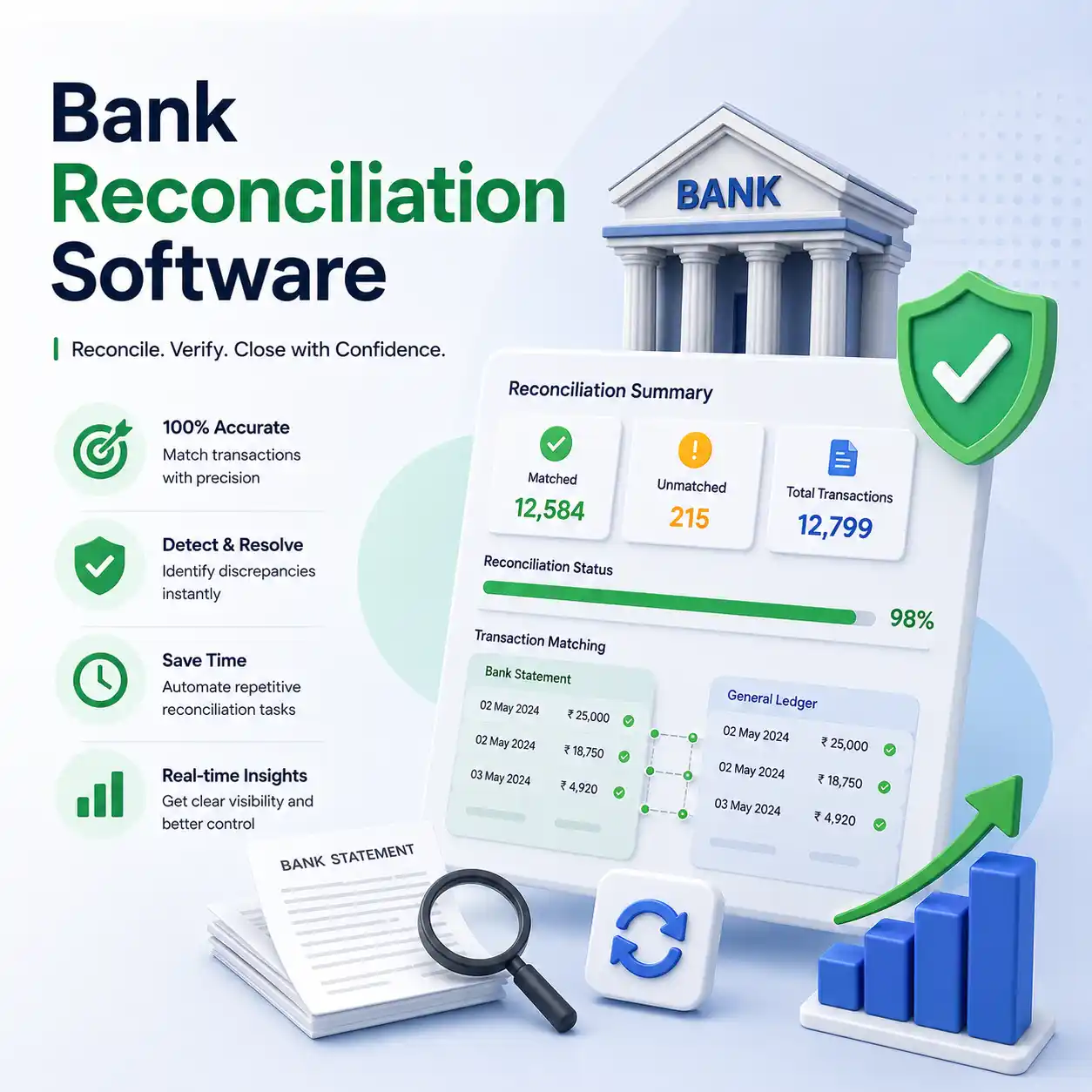
Automated reconciliation software eliminates these problems. It connects directly to your bank and accounting system. Transactions are matched in real time. Errors are flagged instantly. Over the long term, this shift saves money, protects your business, and frees your team for higher-value work.
Long-Term Benefit #1: Dramatically Improved Cash Flow Visibility
Cash flow is the lifeblood of any business. Without a clear picture of money coming in and going out, you cannot plan. You might think you have $50,000, but unrecorded checks or pending debits tell a different story.
With automated bank reconciliation, your cash position is always current. Every morning, you see exactly how much usable cash you have. This is not a guess. It is real-time data.
Over months and years, this visibility changes how you operate. You can confidently pay suppliers early to get discounts. You know when to delay a purchase to avoid an overdraft. You spot seasonal trends faster. For example, a retail store using bank reconciliation automation might notice that sales dip every February. They can plan inventory orders better, avoiding cash crunches.
In the long run, this visibility builds financial discipline. You stop reacting to problems and start planning for opportunities.
Long-Term Benefit #2: Fewer Errors and a Cleaner General Ledger
Mistakes happen. A customer payment gets recorded twice. A bank fee is missed. A deposit is logged on the wrong day. Each error forces you to waste time searching through paper statements.
Automated account reconciliation catches these mismatches as they happen. The system compares every bank transaction against your ledger. If something does not match, it alerts you. You fix one small issue instead of hunting down a mystery discrepancy at month end.
Over three to five years, the cumulative effect is huge. Your general ledger becomes a trusted source of truth. Auditors love this. Investors trust it. And your finance team stops spending Fridays fixing old mistakes.
Data backs this up. According to a report by the Institute of Finance and Management, companies using reconciliation automation reduce accounting errors by up to 90%. That means less stress and more accurate financial statements every single quarter.
Long-Term Benefit #3: Stronger Fraud Detection and Security
Fraud is a real threat. The ACFE (Association of Certified Fraud Examiners) estimates that the typical organization loses 5% of its revenue to fraud each year. Small businesses are especially vulnerable because they lack internal controls.
Manual reconciliation makes fraud harder to spot. A dishonest employee might write a small check to themselves and hide it among hundreds of lines. By the time you notice, months have passed.
Automated bank reconciliation software acts like a security camera on your bank accounts. It monitors every transaction. If a check number is out of sequence, or a payment goes to an unknown vendor, the system flags it immediately. Some tools even learn your normal spending patterns and alert you to anomalies.
Over the long term, this is priceless. You protect your hard-earned money. You also build a culture of accountability. Everyone knows the system is watching, so fraudulent behavior is less likely to start in the first place.
Long-Term Benefit #4: Audit-Ready Books at All Times
Audits are stressful. Even a routine review by a CPA can turn into a nightmare if your books are messy. You scramble for receipts. You explain discrepancies. You pray nothing is missing.
With automated reconciliation system in place, your books are always audit-ready. Every transaction is matched. Every discrepancy is documented. The system keeps a clear, timestamped log of all changes.
This benefit grows over time. After two or three years of using balance sheet reconciliation software, your historical data becomes clean and reliable. Auditors can run their tests quickly. They spend less time asking questions. That means lower audit fees and less disruption to your work.
Public companies and nonprofits especially benefit here. They face strict reporting deadlines. Automation ensures that month-end close happens in days, not weeks. According to a survey by BlackLine, 72% of finance leaders say automation has improved their audit readiness significantly.
Long-Term Benefit #5: Scalability Without Headache
When you start a business, reconciling 50 bank transactions a month is manageable. But what about 500? Or 5,000? As you grow, manual work multiplies. You might think about hiring another bookkeeper just to keep up.
Reconciliation software for banks scales with you. Whether you have one bank account or twenty, the software handles the volume. It works the same way for 1,000 transactions as it does for 10,000.
Over five or ten years, this scalability is a superpower. You can add new sales channels, open new locations, or launch online stores without worrying about reconciliation chaos. Your finance team stays lean. They focus on analysis, not data entry.
Take an e-commerce brand selling on Amazon, Shopify, and in physical stores. Each platform has its own payment schedule. Software for bank reconciliation pulls all that data into one place. As the brand grows, the system grows right along with it. No extra hires. No extra stress.
Long-Term Benefit #6: Faster Month-End Close and Real-Time Reporting
The month-end close is a marathon. You collect statements, match transactions, adjust entries, and finally produce reports. For many small businesses, this takes one to two weeks.
Accounting reconciliation software compresses that timeline. Because your data is always synced, the close becomes a formality. You run a final check, review a few exceptions, and you are done.
In the long term, this speed gives you a competitive edge. You can close your books in three days instead of ten. That means you get financial reports to your leadership team faster. Decisions are based on fresh data, not stale numbers.
A 2022 study by the Controller's Council found that companies using reconciliation automation tools closed their books 50% faster than those using manual methods. Over a year, that extra week of clarity helps you adjust pricing, cut costs, or reinvest profits sooner.
Long-Term Benefit #7: Better Vendor and Customer Relationships
Believe it or not, bank reconciliation affects how others see your business. Vendors get frustrated when you pay late. Customers get annoyed when you claim their payment is missing.
Automation solves this. When you use automated reconciliation software, you know exactly who has paid and who has not. You send invoices for overdue accounts immediately. You apply customer payments correctly the same day they arrive.
Over time, this builds trust. Vendors offer you better terms because you pay reliably. Customers stay loyal because you never wrongly send them to collections. Your reputation as a well-run business grows.
For example, a landscaping company using bank reconciliation software notices that a corporate client’s payment did not clear. They call the client within 24 hours. The client appreciates the heads-up and sends a new check. A manual process might have taken two weeks, damaging the relationship.
Long-Term Benefit #8: Reduced Stress for Finance Teams and Business Owners
Let us be honest: manual reconciliation is draining. It is repetitive, boring, and thankless. Your bookkeeper or accountant spends hours on work that adds no strategic value. Over time, this leads to burnout and turnover.
Automated reconciliation lifts that burden. Your team logs in, reviews the exceptions, and moves on. They have time for forecasting, budgeting, and finding ways to save money.
As a business owner, you sleep better. No more dreading the pile of bank statements. No more surprise overdrafts. You open your dashboard, see your true cash position, and make decisions with confidence.
Employee retention improves too. Talented accountants want to do meaningful work, not data entry. By giving them reconciliation solution tools, you keep them happy and engaged.
Long-Term Benefit #9: Easier Tax Preparation
Tax time is chaotic for many businesses. You gather receipts, summarize income, and hope your deductions are correct. If your reconciliation is off, you might overpay taxes or, worse, underpay and face penalties.
Automated bank reconciliation software keeps your income and expense categories accurate all year. Your tax preparer gets clean reports. They spot deductions you might have missed. They file with confidence.
Over several years, this accuracy saves you real money. You never pay tax on revenue you did not actually receive. You never miss a deductible bank fee or interest charge. Some business owners report saving thousands of dollars just by having accurate, automated books.
Long-Term Benefit #10: Data-Driven Decision Making
The best business decisions come from good data. But if your data is messy or outdated, you are guessing. Automated bank reconciliation turns your financial data into a strategic asset.
You can run reports on customer payment habits. You can see which products have the highest profit margins after bank fees. You can track your operating cash conversion cycle day by day.
Long term, this data gives you an edge over competitors who are still reconciling manually. You notice trends first. You adjust faster. You grow smarter.
For example, a subscription box company using accounts reconciliation software notices that credit card processor fees are rising. They switch to a cheaper provider and save 2% on every transaction. Over a year, that is tens of thousands of dollars.
How to Choose the Right Automated Bank Reconciliation Software for Long-Term Success
Now that you see the benefits, how do you pick the right tool? Not all reconciliation software is the same. Here are key features to look for:
- Real-time bank feeds: The software should connect directly to your bank via API. Avoid tools that require manual uploads.
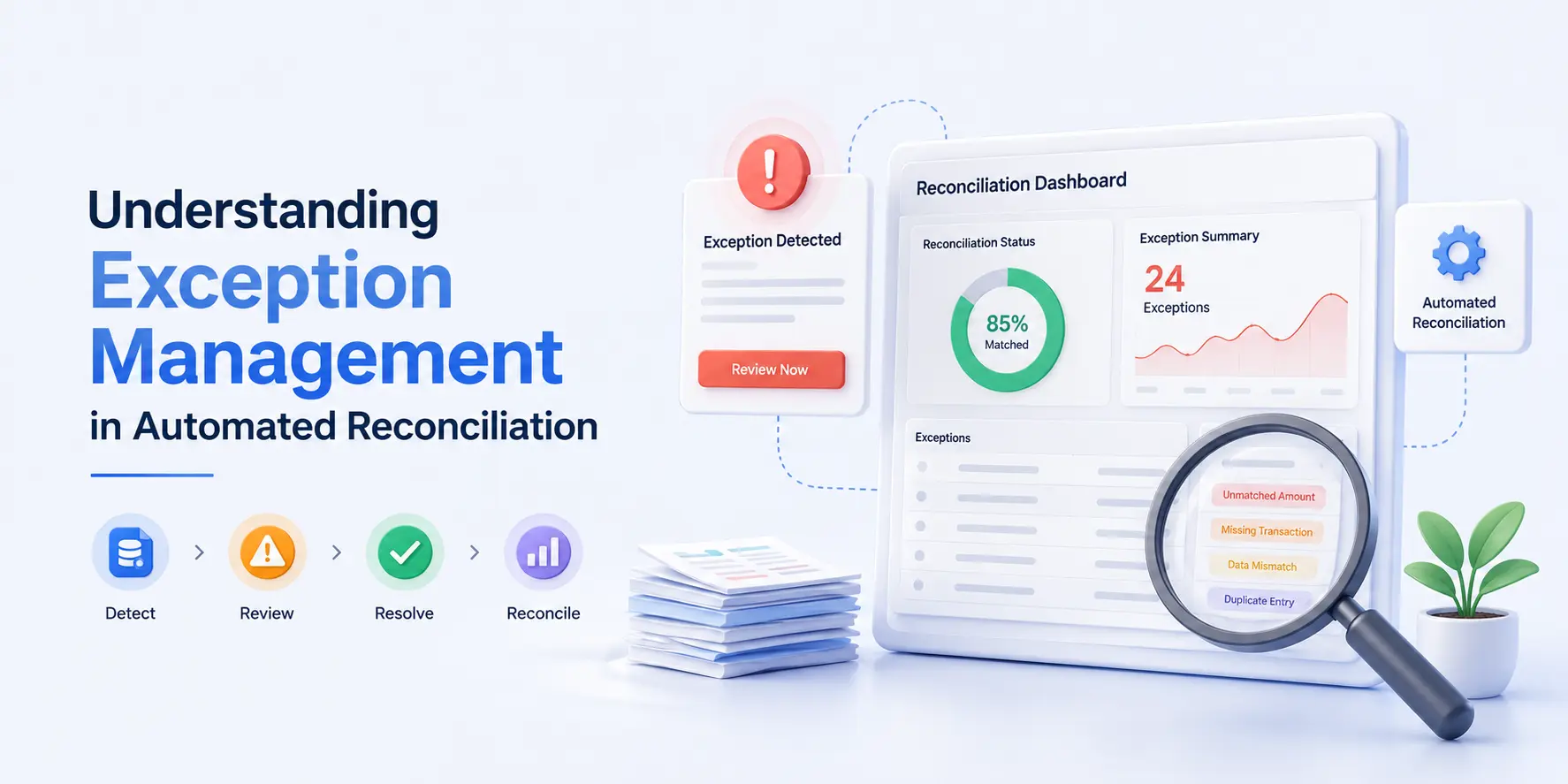
- Exception handling: You need a clear dashboard for reviewing mismatched transactions.
- Integration with your accounting system: Look for native connections to QuickBooks, Xero, NetSuite, or Sage.
- Multi-currency support: If you sell globally, this is essential.
- User permissions: Control who can see and edit reconciliation data.
- Audit trail: Every change should be logged with a timestamp and user name.
Take advantage of free trials. Test the software with your real bank data. See if it catches errors correctly. Ask about customer support—you want a team that helps when things go wrong.
Common Myths About Automated Bank Reconciliation (Busted)
Let us clear up a few misunderstandings.
Myth 1: Automation is only for big companies.
False. Many automated bank reconciliation tools are built for small businesses. They are affordable and easy to set up.
Myth 2: It is too expensive.
Compare the cost of software to the hours you spend manually reconciling. Most businesses save money in the first three months.
Myth 3: Automation is 100% perfect.
No system is flawless. You still need to review exceptions. But the error rate drops dramatically compared to manual work.
Myth 4: It is hard to learn.
Modern tools are user-friendly. Most have drag-and-drop interfaces and video tutorials. Your team can learn in an afternoon.
The Future of Bank Reconciliation: AI and Machine Learning
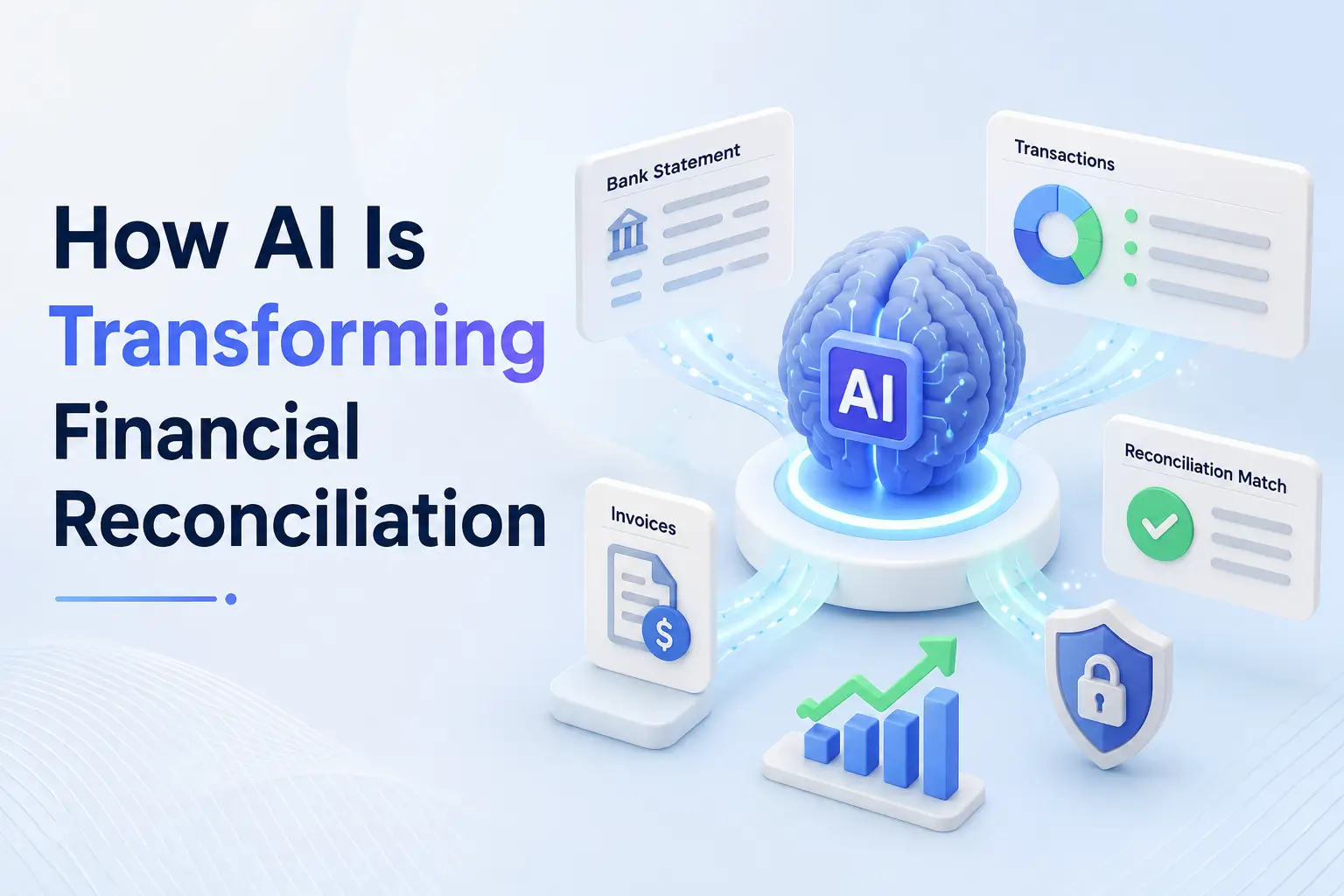
The technology is only getting better. New automated reconciliation software uses artificial intelligence to learn your business. It recognizes recurring transactions. It suggests matches. It even predicts cash flow based on past patterns.
In the next five years, expect tools that auto-categorize expenses, detect fraud patterns in real time, and integrate with banking APIs seamlessly. Early adopters of these reconciliation automation tools will have a significant advantage.
For now, even basic automation puts you far ahead of manual processes. The long-term benefits we discussed—cash flow clarity, error reduction, fraud protection, scalability, and less stress—are available today.
Also Read: What Problems Can Automated Bank Reconciliation Software Solve Instantly?
Practical Steps to Implement Automated Bank Reconciliation
Ready to start? Follow this simple plan.
- Clean your current books. Fix any old discrepancies before connecting automation.
- Choose your software. Pick one that fits your bank and accounting system.
- Connect your bank accounts. Most tools use secure, read-only connections.
- Set your matching rules. Tell the software how to match transactions (date, amount, reference number).
- Run a test reconciliation. Compare the automated result to a manual check for one month.
- Train your team. Show them how to review exceptions and approve matches.
- Go live. Turn off manual reconciliation and trust the system.
Within 90 days, you will see the difference. Within a year, you will wonder how you ever managed without it.
Final Thoughts: Small Change, Massive Long-Term Gain
Automated bank reconciliation software is not just a tool. It is a long-term investment in your business’s financial health. The benefits compound over time. Clean books lead to better decisions. Better decisions lead to higher profits. Higher profits give you freedom.
Whether you are a freelancer, a small retailer, or a growing manufacturing company, the case is clear. Stop wasting hours on manual matching. Stop living with errors. Stop dreading month-end close.
Embrace automation. Your future self—and your finance team—will thank you.
Also Read: Asset Reconciliation Explained for Accounting Professionals
Frequently Asked Questions
1. Is automated bank reconciliation software secure?
Yes, most reputable tools use bank-level encryption and read-only API connections. They cannot move money or change account details. Always check the provider’s security certifications and two-factor authentication options.
2. Can automated reconciliation handle multiple bank accounts and currencies?
Absolutely. Many automated reconciliation software options support unlimited bank accounts, credit cards, and payment gateways. For multi-currency, look for tools that automatically convert and track exchange rate differences.
3. How much time can a small business save with automation?
On average, small businesses save 5 to 10 hours per week. That translates to over 250 hours per year—more than six full work weeks. Your bookkeeper can reinvest that time into analysis and growth planning.
4. What happens if a transaction does not match automatically?
The software flags it as an exception. You review it manually, decide how to match it (or create a new entry), and the system learns from your action. Over time, exceptions become rare.
5. Do I still need an accountant if I use automated bank reconciliation?
Yes. Automation handles data matching, but you still need a professional for tax strategy, financial statement analysis, and complex compliance issues. Think of automation as a tool that makes your accountant more effective.
6. How long does it take to set up automated bank reconciliation software?
Most setups take 1 to 2 hours. Connect your bank accounts (5 minutes), import your chart of accounts (10 minutes), and set matching rules (30 minutes). You can run your first automated reconciliation the same day.
Ready to get started?
Contact us now
Contact us now
* By clicking on Contact Us you are agreeing to our Terms & Conditions and Privacy policy.