What Makes a Reconciliation Solution Future-Ready?
Kosh.ai
March 23, 2026
.webp)
In the fast-moving world of finance, the phrase “future-ready” gets thrown around a lot. But when we talk about a reconciliation solution, what does it actually mean? Is it just about matching transactions faster, or is there more to the story?
For decades, finance teams have relied on manual spreadsheets and siloed software to ensure that their books match their bank statements. However, as businesses scale, transaction volumes explode, and regulatory demands tighten, the old ways of working are becoming a liability. A future-ready reconciliation solution is no longer a luxury; it is the backbone of financial integrity and strategic growth.
In this article, we will break down the key pillars that define a future-proof approach to reconciliation. We will explore how automation, artificial intelligence, and robust architecture come together to create a system that doesn’t just solve today’s problems but anticipates tomorrow’s challenges. Whether you are a CFO, a finance manager, or an accountant, understanding these elements will help you choose a system that keeps your organization resilient, accurate, and agile.
The Shift from Manual to Automated: Why Legacy Systems Fail
Before we look ahead, it is essential to understand why traditional methods are crumbling under modern pressure. Historically, reconciliation was a tedious, manual process. An accountant would print out bank statements, highlight discrepancies, and manually tick off entries in an Excel sheet. While this worked in an era of low transaction volume, it is unsustainable today.
The Cost of Manual Labor
According to industry studies, finance professionals still spend up to 70% of their time on manual data entry and reconciliation tasks. This not only leads to burnout but also introduces a high risk of human error. A single transposed number can lead to hours of detective work during month-end closing.
Real-Time Expectations
Modern business moves in real-time. Customers expect instant confirmations, and investors expect up-to-the-minute financial health reports. A legacy system that only reconciles data at the end of the month creates a dangerous lag. By the time a discrepancy is found—like a missed payment or a duplicate charge—the damage to customer relationships or cash flow may already be done.
To be future-ready, a business must move away from reactive, historical reconciliation to proactive, continuous reconciliation. This shift is powered by what we call reconciliation automation.
Core Components of a Future-Ready Reconciliation Solution
A future-ready solution isn't just a tool; it’s an ecosystem. It combines speed, intelligence, and flexibility. Here are the core components that define it.
1. Intelligent Automation and Workflow Orchestration
The most critical feature of any modern system is reconciliation automation. However, automation in a future-ready context goes beyond simple rule-based matching. It involves intelligent workflow orchestration.
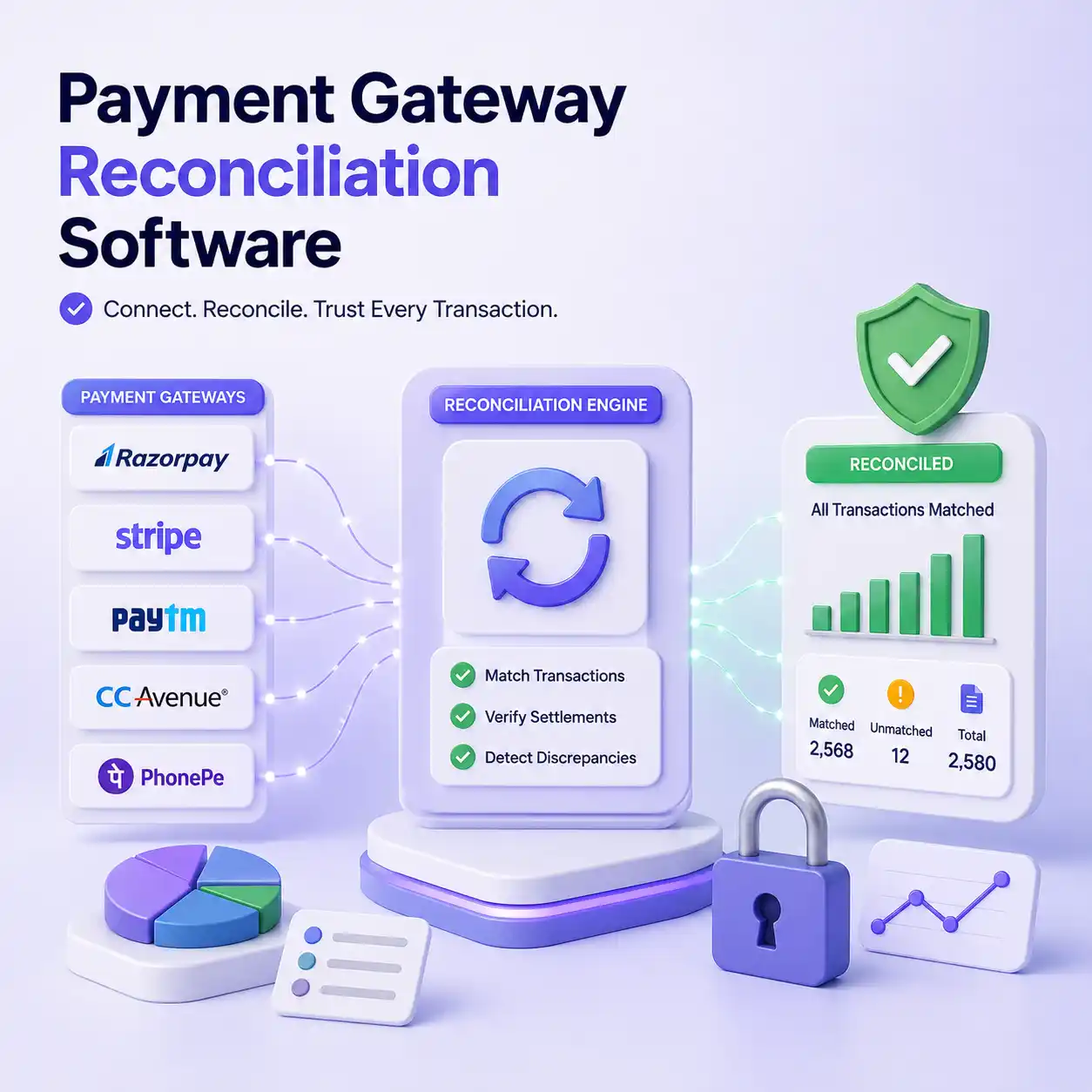
Instead of requiring a human to initiate the matching process, a future-ready system automatically ingests data from various sources—bank files, ERP systems, point-of-sale terminals, and payment gateways—at scheduled intervals. It then applies machine learning algorithms to understand historical matching patterns.
For instance, if a transaction is consistently split across two different accounts, the system learns this pattern and automates the matching without requiring a rule to be manually written. This reduces the reliance on IT teams to maintain the system.
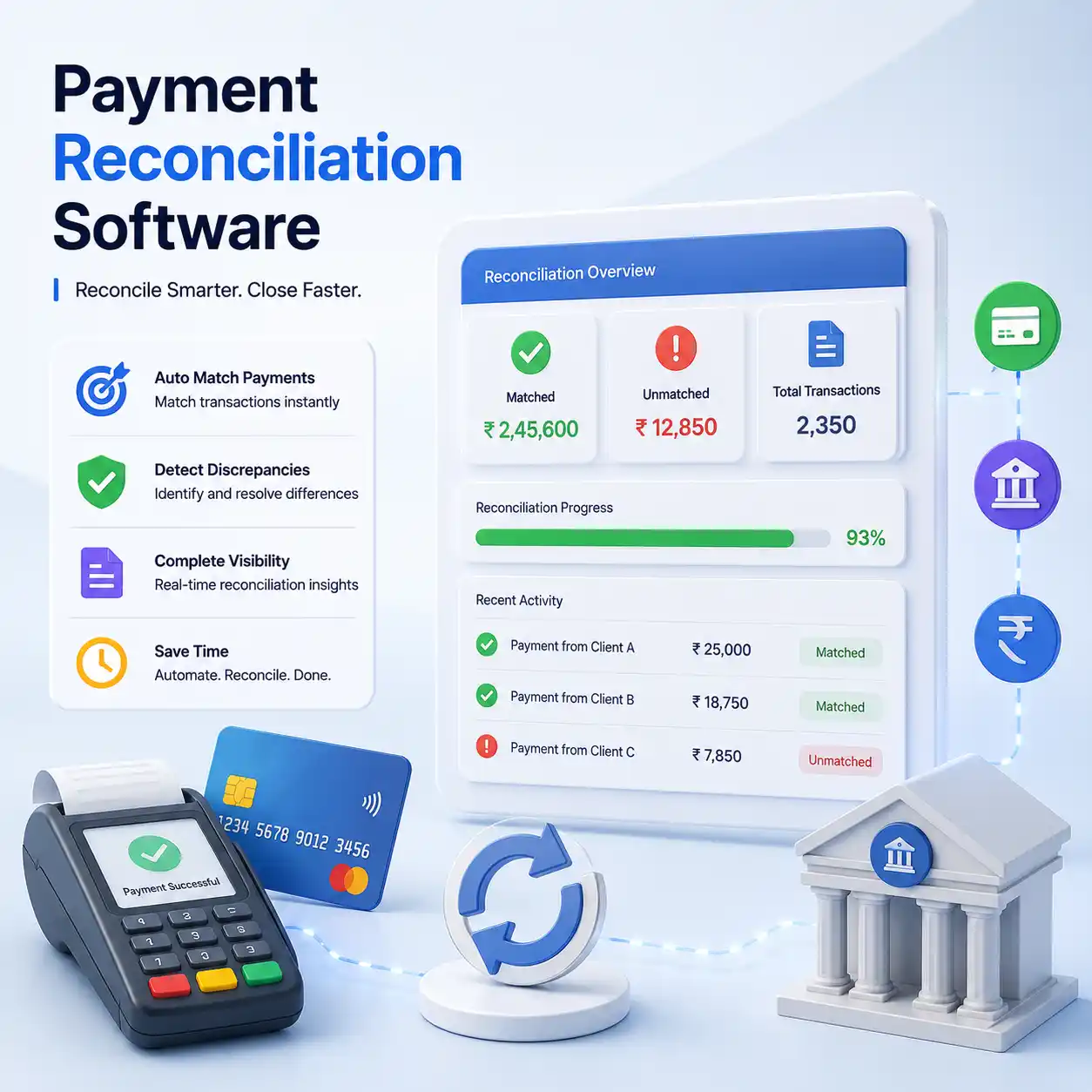
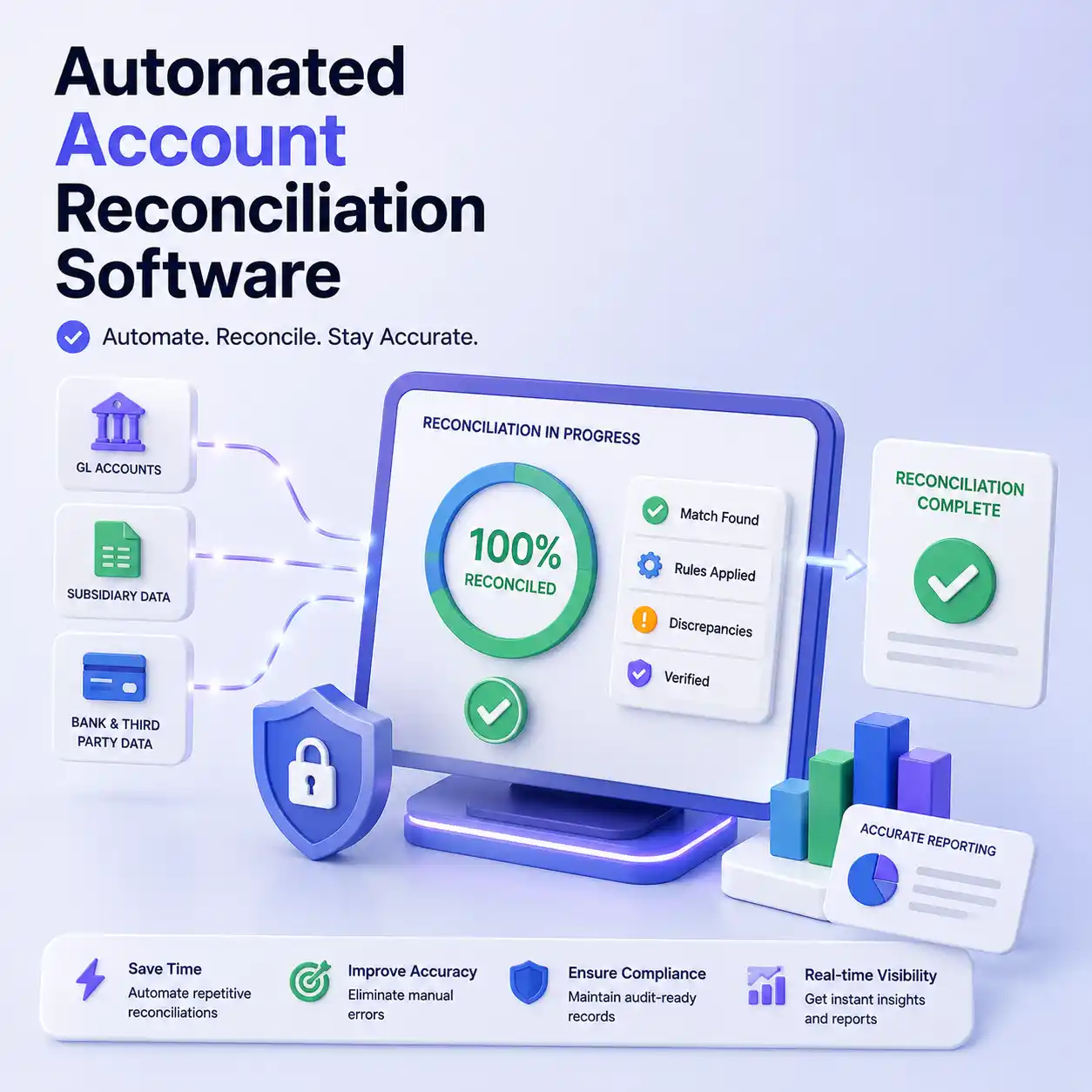
This level of sophistication is often found in modern automated reconciliation software, which acts as a central hub. It ensures that when exceptions do occur (such as a mismatched amount or a missing transaction), they are automatically routed to the correct team member with context, rather than being dumped into a generic spreadsheet for someone to decipher.
2. Seamless Integration Capabilities (The API-First Approach)
A future-ready reconciliation solution cannot exist in a vacuum. The future of finance is interconnected. Your reconciliation tool must play nicely with your ERP, CRM, banking portals, and payment processors.
The key here is an API-first architecture. An automated reconciliation system that offers robust APIs (Application Programming Interfaces) allows for seamless, bi-directional data flow. This means data is pulled automatically without needing to export CSV files and upload them manually.
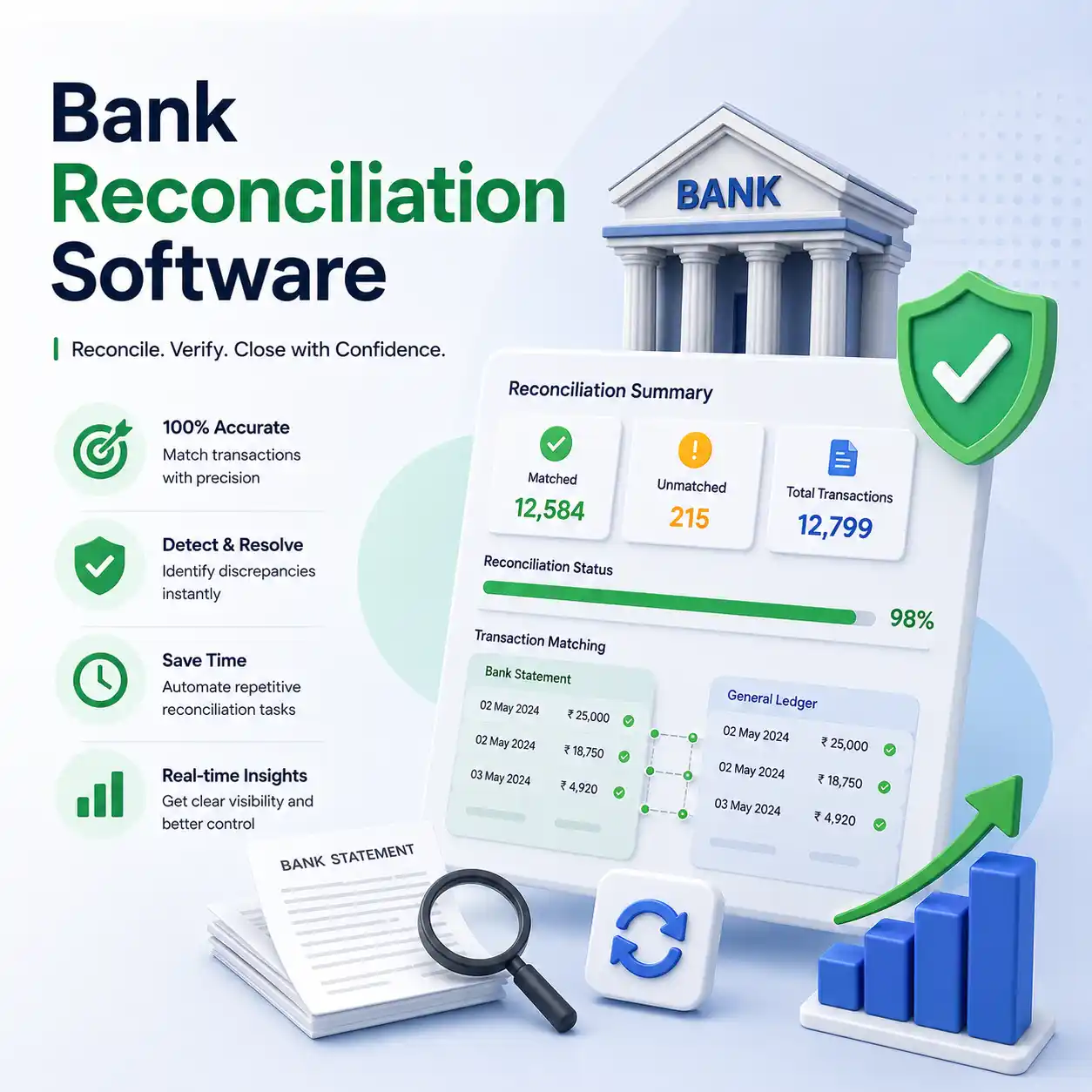
When evaluating accounting reconciliation software, look for native connectors to popular platforms. The goal is to eliminate data silos. When your software for bank reconciliation is directly integrated with your bank’s feed, you achieve near real-time visibility. This integration ensures that the finance team is not wasting hours on data extraction but is instead focusing on analysis and strategy.
3. Handling High Volume with Scalability
Scalability is the ultimate test of being future-ready. A solution that works for 1,000 transactions a month may collapse under the weight of 100,000 transactions a month. As businesses grow—whether organically or through acquisitions—transaction volumes can spike unpredictably.
A robust bank reconciliation automation tool is built on a cloud-native architecture that allows it to scale horizontally. This means that as your data volume grows, the system allocates more computing power automatically to handle the load. There should be no lag in performance during peak periods, such as month-end or holiday seasons.
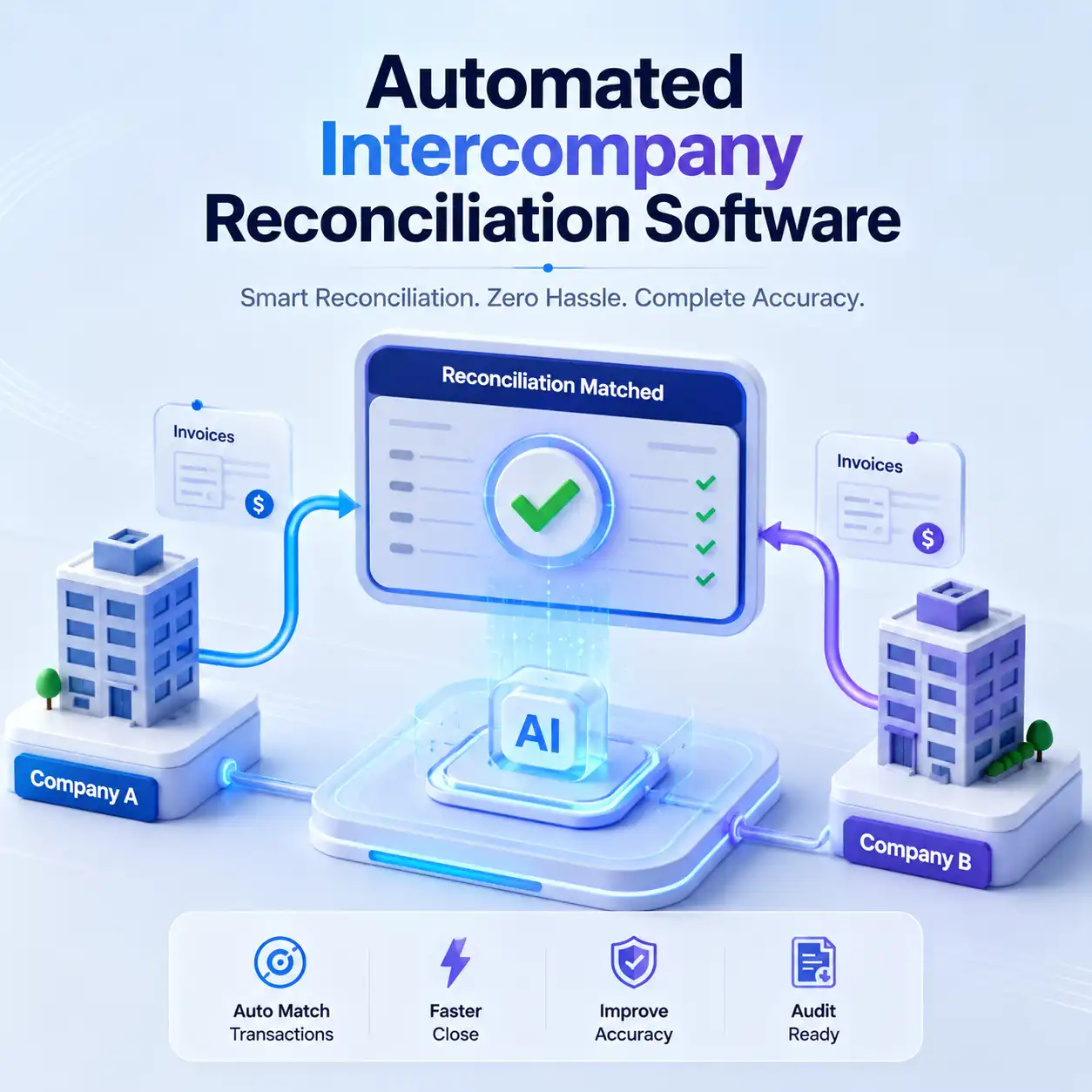
For enterprises, particularly in the financial sector, reconciliation software for banks must also handle the complexity of multi-entity, multi-currency, and multi-language operations. It must be able to reconcile not just cash, but also assets, liabilities, and intercompany transactions without breaking a sweat.
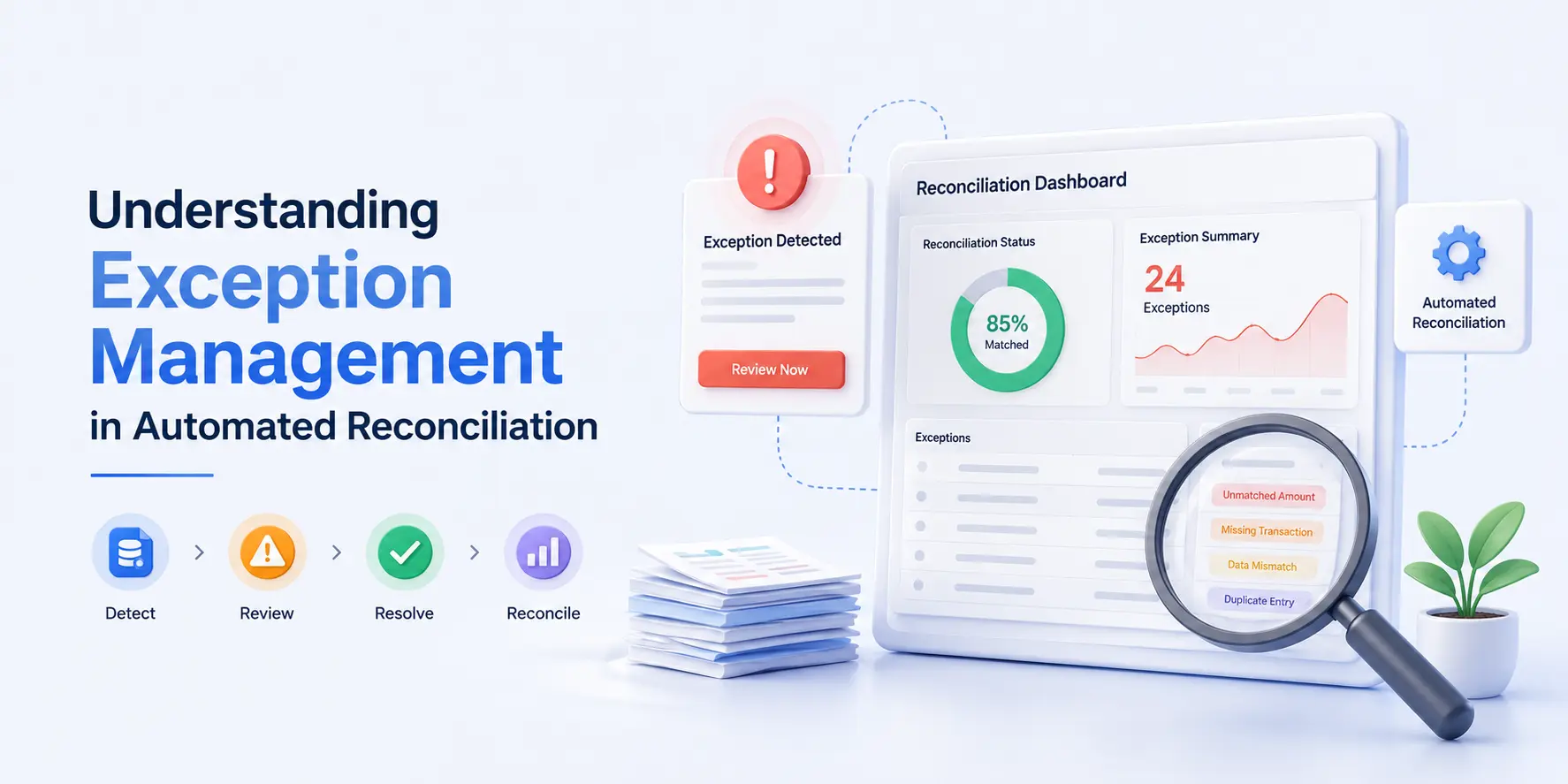
4. Advanced Exception Management
In traditional reconciliation, exceptions are a nightmare. They often involve email chains, sticky notes, and a frantic search for missing invoices. In a future-ready reconciliation solution, exception management is a structured, transparent process.
The system categorizes exceptions based on type, priority, and owner. For example:
- Timing differences: Transactions that will match in the next cycle.
- Transposition errors: Human errors in data entry.
- Fraud indicators: Unusual patterns that require immediate investigation.
A future-ready system provides a dashboard where all exceptions are visible. It allows users to collaborate on the exception within the platform, attach supporting documents, and mark them as resolved. This turns reconciliation from a detective task (finding errors) into a control mechanism (preventing errors from recurring).
5. Real-Time Visibility and Analytics
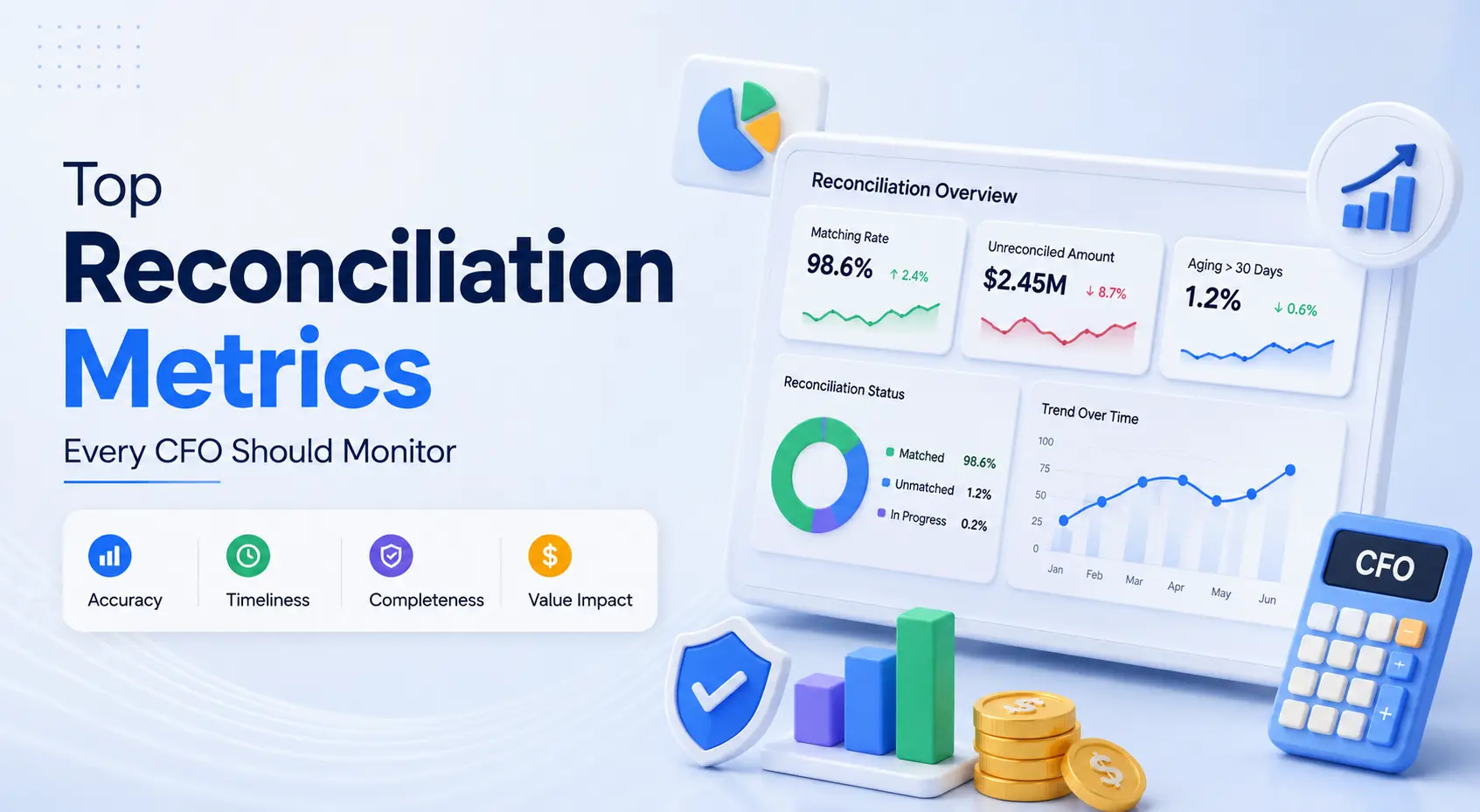
Data is only valuable if you can act on it. A modern automated bank reconciliation software provides real-time dashboards that give a clear view of the financial close process.
CFOs can see at a glance:
- What percentage of accounts have been reconciled?
- How many exceptions remain open?
- What is the average time to close?
Moreover, predictive analytics is a game-changer. By analyzing historical data, the system can predict cash flow trends or flag accounts that are likely to have reconciliation issues before the month ends. This proactive approach moves the finance function from a cost center focused on "closing the books" to a strategic partner that offers insights for business growth.
The Role of AI and Machine Learning in Reconciliation
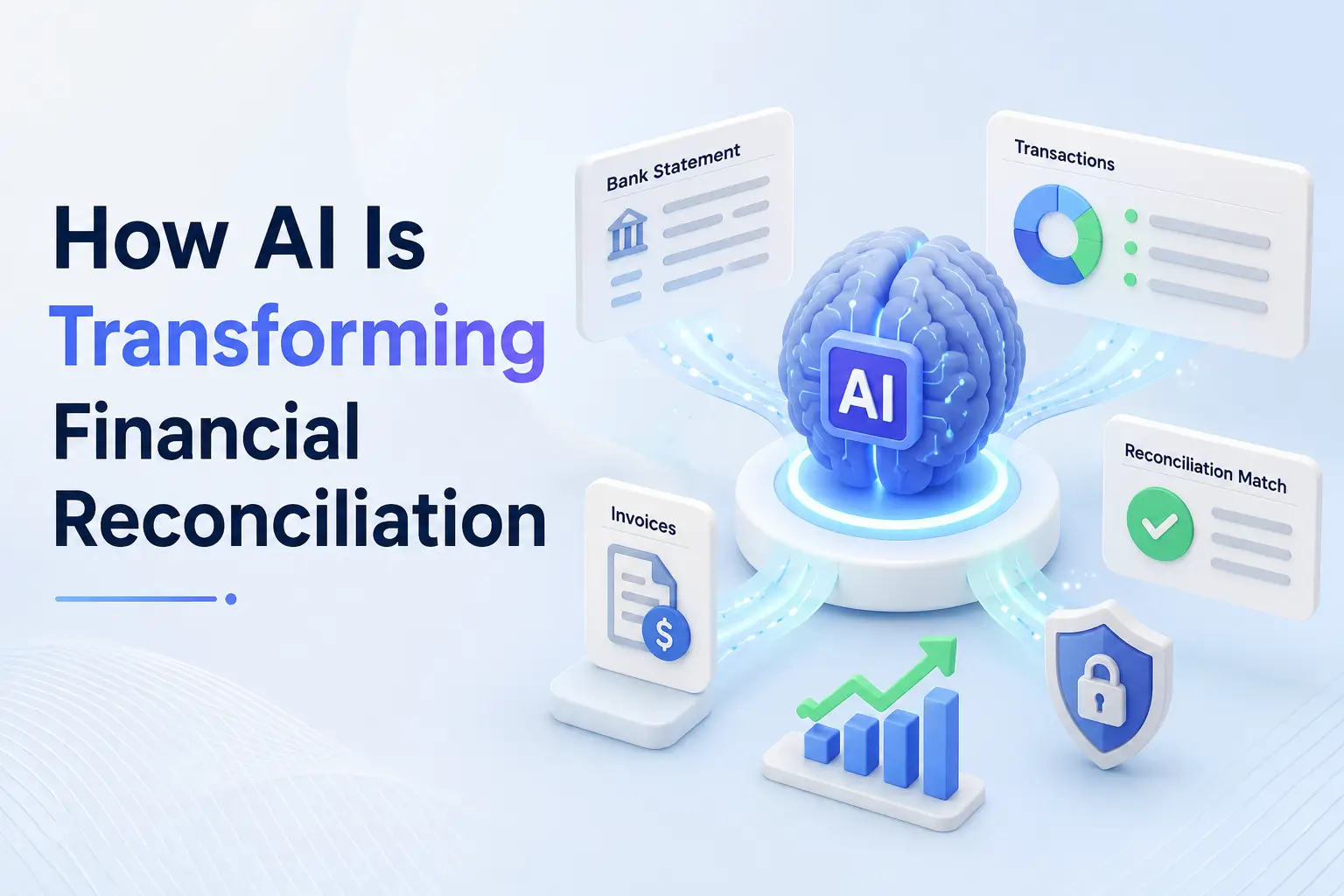
Artificial Intelligence (AI) is no longer a futuristic concept; it is a practical tool in automated account reconciliation. But what does AI actually do in this context?
Smart Matching
While standard automation uses rigid rules (e.g., "Match if amount equals and date equals"), AI uses fuzzy logic. It can match transactions even if the data is slightly different. For example, if a bank statement says "Starbucks #1234" and the ledger says "Starbucks Coffee," AI can recognize they are the same vendor. Over time, the system learns these nuances and improves its matching accuracy without human intervention.
Anomaly Detection
AI excels at identifying outliers. If a specific vendor is usually paid $500 but a transaction for $50,000 appears, the system flags it instantly. This is crucial for fraud detection and operational error prevention. In a world where cyber threats are evolving daily, having an automated reconciliation layer that acts as a security guard is invaluable.
Self-Healing Workflows
In a future-ready system, when an integration fails (for example, a bank feed goes down), the system automatically retries the connection, logs the incident, and alerts the team only if the problem persists. This "self-healing" capability ensures high uptime and reduces the operational burden on IT departments.
Security, Compliance, and Audit Readiness
As regulatory landscapes become more complex (think SOX, GDPR, or local financial regulations), a future-ready reconciliation solution must be built with compliance at its core.
Immutable Audit Trails
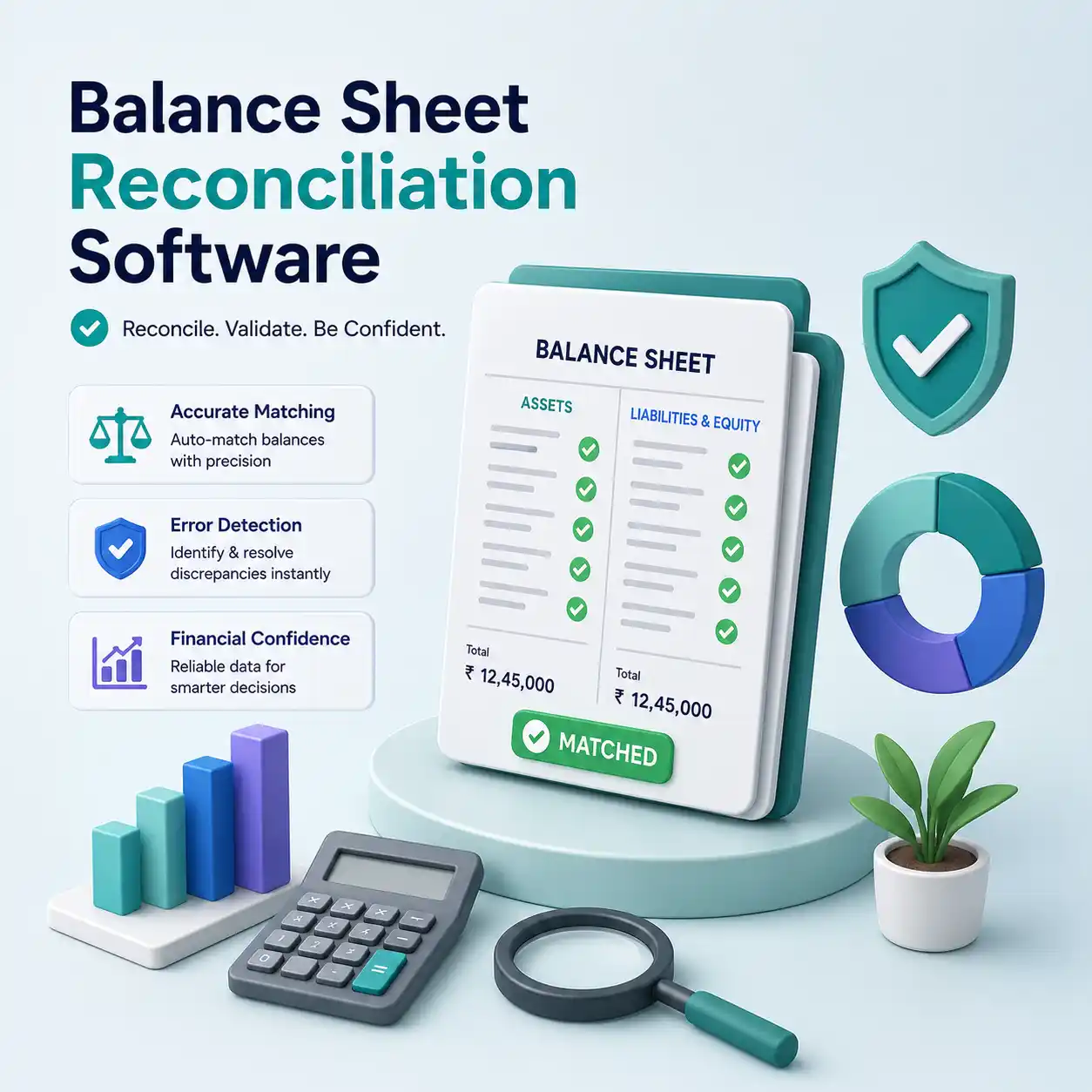
One of the biggest weaknesses of manual reconciliation is the lack of a clear audit trail. If an entry is changed in Excel, who changed it? When? Why? With a robust balance sheet reconciliation software, every action is logged.
When auditors come knocking, a future-ready system allows you to generate a complete audit trail with a few clicks. It shows the original transaction, the matched transaction, who approved the match, and when the match occurred. This transparency reduces audit costs and eliminates the stress associated with audit season.
Role-Based Access Control
Security is paramount. A future-ready solution allows for granular permissions. A junior accountant might only see accounts payable reconciliations, while a controller sees the entire balance sheet. This ensures data integrity and protects sensitive financial information from unauthorized access.
Why Your Business Needs a Unified Platform
One of the biggest mistakes companies make is using multiple tools for different parts of the reconciliation process. They might use one tool for bank reconciliation, another for credit card reconciliation, and spreadsheets for everything else. This fragmented approach creates data inconsistency and operational inefficiency.
A future-ready approach consolidates these into a single accounts reconciliation software platform.
The Benefits of Unification:
- Consistent Data: You have a single source of truth. Everyone in the organization is looking at the same numbers.
- Cost Efficiency: Maintaining one platform is significantly cheaper than paying for multiple licenses, integrations, and maintenance contracts.
- Cross-Functional Visibility: A unified platform allows you to reconcile not just cash, but also inventory, payroll, and fixed assets in one place, providing a holistic view of financial health.
By choosing a unified reconciliation software, you are essentially future-proofing your tech stack. You avoid the headache of migrating data from one tool to another as your business needs evolve.
The Future: Predictive and Prescriptive Reconciliation
Looking further ahead, the future of reconciliation lies in moving from descriptive analytics (what happened) to predictive and prescriptive analytics (what will happen and what should we do about it).
Predictive Reconciliation
Predictive reconciliation uses historical trends to forecast future discrepancies. For example, if a particular customer’s payments are consistently late by three days, the system will predict that this month’s payment will also be late. It will proactively flag this for the collections team before the month even ends, allowing them to follow up early.
Prescriptive Actions
Beyond prediction, systems will start offering solutions. If a cash flow shortage is predicted due to unreconciled receivables, the system might suggest a line of credit or recommend delaying a specific vendor payment based on payment terms.
This level of intelligence transforms the finance department from historians to futurists. To achieve this, however, the foundational automated reconciliation system must be clean, accurate, and real-time. Garbage in, garbage out—so the quality of the reconciliation process determines the quality of the predictive insights.
Overcoming Implementation Challenges
Adopting a future-ready reconciliation solution is a journey. While the benefits are immense, the transition requires careful planning. Here are common challenges and how to overcome them:
1. Data Migration
Moving historical data from Excel or legacy systems can be daunting. A future-ready vendor usually provides migration tools and support to map fields accurately. It is also an opportunity to "clean house"—archiving old, irrelevant data that clogs up the system.
2. Change Management
Employees accustomed to Excel may be resistant to change. The key is to choose a solution with a user-friendly interface that simplifies their work rather than complicating it. Emphasizing that automation frees them from repetitive grunt work to focus on more valuable analytical roles helps with adoption.
3. Integration Complexity
If your ERP is outdated, integration may be complex. However, most modern reconciliation software comes with middleware or professional services teams to handle these custom integrations. It is worth investing time upfront to ensure seamless connectivity.
Also Read: Why Is Reconciliation Automation Becoming a Standard in Finance Teams?
Checklist: Evaluating a Future-Ready Reconciliation Solution
When you are in the market for a new system, use this checklist to evaluate vendors:
- Scalability: Can the solution handle 10x your current transaction volume?
- Connectivity: Does it offer native integrations with my bank and ERP?
- Intelligence: Does it use AI for matching, or is it just rule-based?
- User Experience: Is the interface intuitive for finance professionals, or does it require a programmer to operate?
- Security: Is it SOC 2 compliant? Does it offer multi-factor authentication?
- Support: Is the support team responsive and knowledgeable, or is there only a chatbot?
- Total Cost of Ownership: Are there hidden costs for integrations, additional users, or transaction overages?
By scoring potential vendors against these criteria, you ensure that you are investing in a solution that will serve you for the next decade, not just the next fiscal year.
Conclusion
A future-ready reconciliation solution is more than just software for bank reconciliation; it is the strategic engine that powers financial integrity. In a world where speed and accuracy are competitive advantages, relying on manual processes is a risk that modern businesses cannot afford.
The future belongs to organizations that embrace reconciliation automation to eliminate errors, gain real-time visibility, and free up their finance talent to focus on growth. By prioritizing scalability, AI-driven intelligence, and seamless integration, you build a finance function that is resilient, compliant, and agile.
As you look to upgrade your financial infrastructure, remember that the goal isn't just to close the books faster—it's to open up new possibilities for the business. Investing in a robust automated bank reconciliation system today lays the foundation for the financial clarity and strategic decision-making required to thrive tomorrow.
Also Read: Account Reconciliation Process Explained for Finance Teams
Frequently Asked Questions
1. What is the difference between manual reconciliation and automated reconciliation?
Manual reconciliation involves matching transactions by hand using spreadsheets or paper statements, which is time-consuming and prone to human error. Automated reconciliation uses software to automatically import, match, and flag transactions in real-time, significantly reducing the time to close the books and improving accuracy.
2. How does reconciliation automation improve security?
Reconciliation automation improves security by providing immutable audit trails, meaning every action is logged and cannot be altered without a trace. It also uses role-based access controls to ensure that sensitive financial data is only visible to authorized personnel, and AI-driven anomaly detection can flag potential fraud instantly.
3. Can reconciliation software integrate with my existing ERP system?
Yes, most modern reconciliation software is built with API-first architecture, allowing for seamless integration with popular ERP systems like SAP, Oracle NetSuite, Microsoft Dynamics, and QuickBooks. It is important to check the vendor’s integration list before purchasing to ensure compatibility.
4. Is automated reconciliation suitable for small businesses?
Absolutely. While enterprise solutions exist, many vendors offer scalable solutions that are perfect for small to medium-sized businesses. Automation helps small businesses save valuable time that can be redirected toward growth, and it ensures accuracy that is critical for securing loans or investments.
5. How long does it take to implement a reconciliation solution?
Implementation time varies depending on the complexity of your existing systems and the volume of data. For a standard setup with pre-built integrations, it can take anywhere from a few weeks to a couple of months. Most vendors offer dedicated implementation teams to streamline the process and ensure a smooth transition.
6. What is the ROI of switching to an automated reconciliation system?
The ROI is typically realized through several channels: a drastic reduction in man-hours spent on reconciliation (often saving finance teams 50-80% of their previous time), faster month-end closing (reducing from weeks to days), the elimination of costly human errors, and improved cash flow visibility. Many organizations see a full return on their investment within the first year of adoption.
Ready to get started?
Contact us now
Contact us now
* By clicking on Contact Us you are agreeing to our Terms & Conditions and Privacy policy.