Why Bank Reconciliation Automation Is Essential for Finance Teams
Kosh.ai
January 7, 2026
In the busy world of finance, few tasks are as critical—and as tedious—as bank reconciliation. For decades, finance professionals have manually compared company ledger entries against bank statements, hunting for discrepancies one line at a time. This process is not just time-consuming; it’s prone to human error and creates frustrating delays during month-end close. But what if there was a better way?
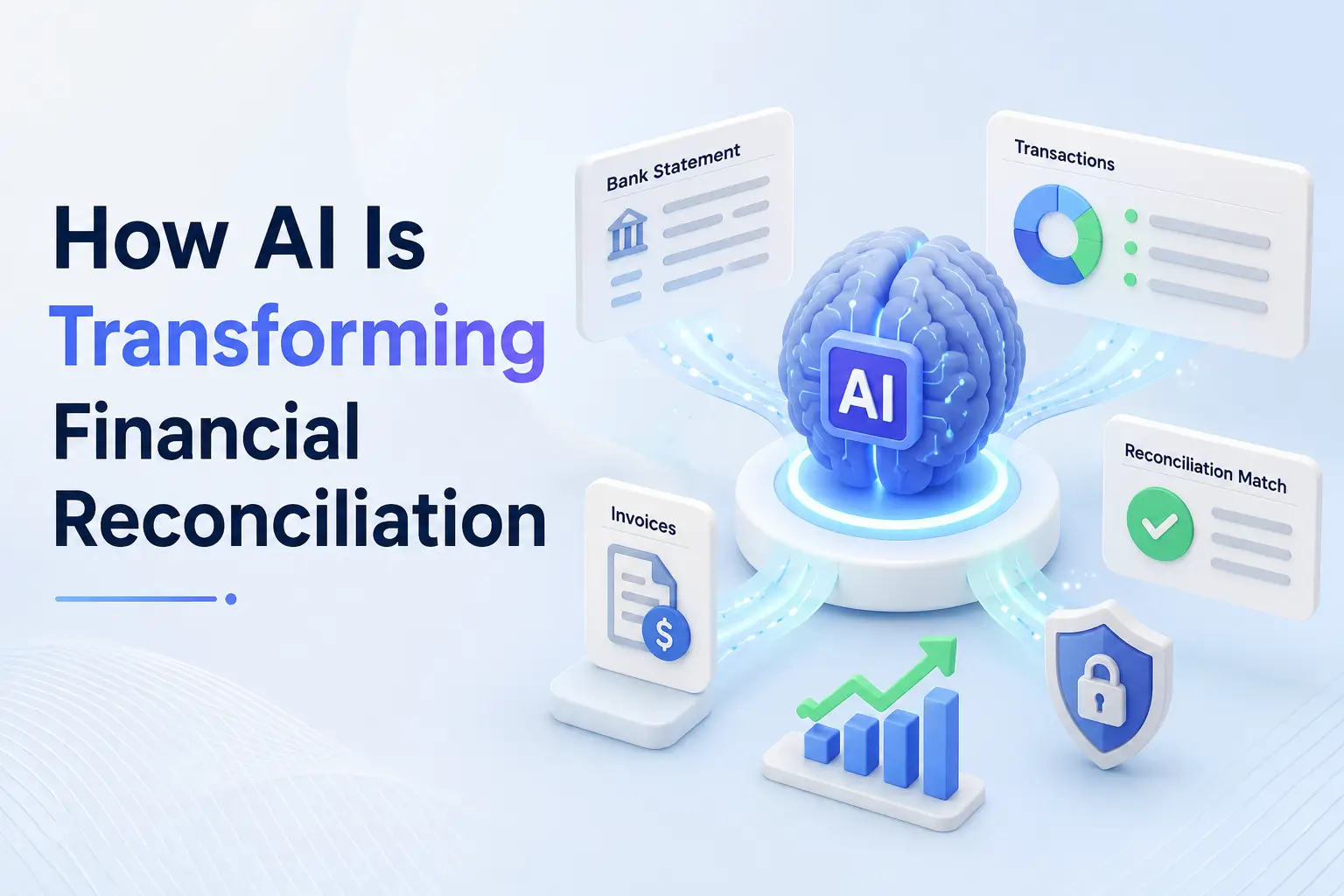
Today, bank reconciliation automation is transforming this foundational task from a chore into a strategic advantage. It is no longer a luxury for large corporations but an essential tool for finance teams of all sizes. This shift is driven by the need for greater accuracy, speed, and insight in financial management. Simply put, automating this process is key to building a more resilient, efficient, and forward-looking finance department.
In this article, we will explore the compelling reasons why moving to an automated reconciliation system is not just a good idea, but a necessary step for any modern finance team.
The Heavy Burden of Manual Reconciliation
To understand the value of automation, we must first appreciate the challenges of the manual process.
It Consumes Precious Time and Resources
Manual reconciliation is a significant drain on your team’s most valuable asset: time. A survey by APQC, a leading business benchmarking firm, found that top-performing organizations take about 3.5 days to complete their financial close, while others can take 6 days or more. A large portion of this time is eaten up by manual reconciliation tasks. Finance staff spend hours, sometimes days, downloading statements, formatting data, and performing tedious visual comparisons. This is time that could be redirected toward analysis, forecasting, and supporting strategic business decisions.
Human Error is Inevitable
When people perform repetitive, data-intensive tasks, mistakes happen. A missed decimal point, a transposed number, or a simple oversight can lead to an unresolved discrepancy. These errors can compound, leading to inaccurate financial reports. Even small, undetected errors can snowball into significant issues, affecting the integrity of your balance sheet reconciliation process and potentially leading to poor business decisions or audit findings.
Lack of Real-Time Visibility
With manual methods, your financial data is only as current as your last reconciliation, which might be weeks old. This delay means you are not operating with a real-time view of your cash position. In today’s fast-paced business environment, waiting until month-end to discover a cash flow issue or a fraudulent transaction is a risk no company can afford.
How Automation Transforms the Reconciliation Process
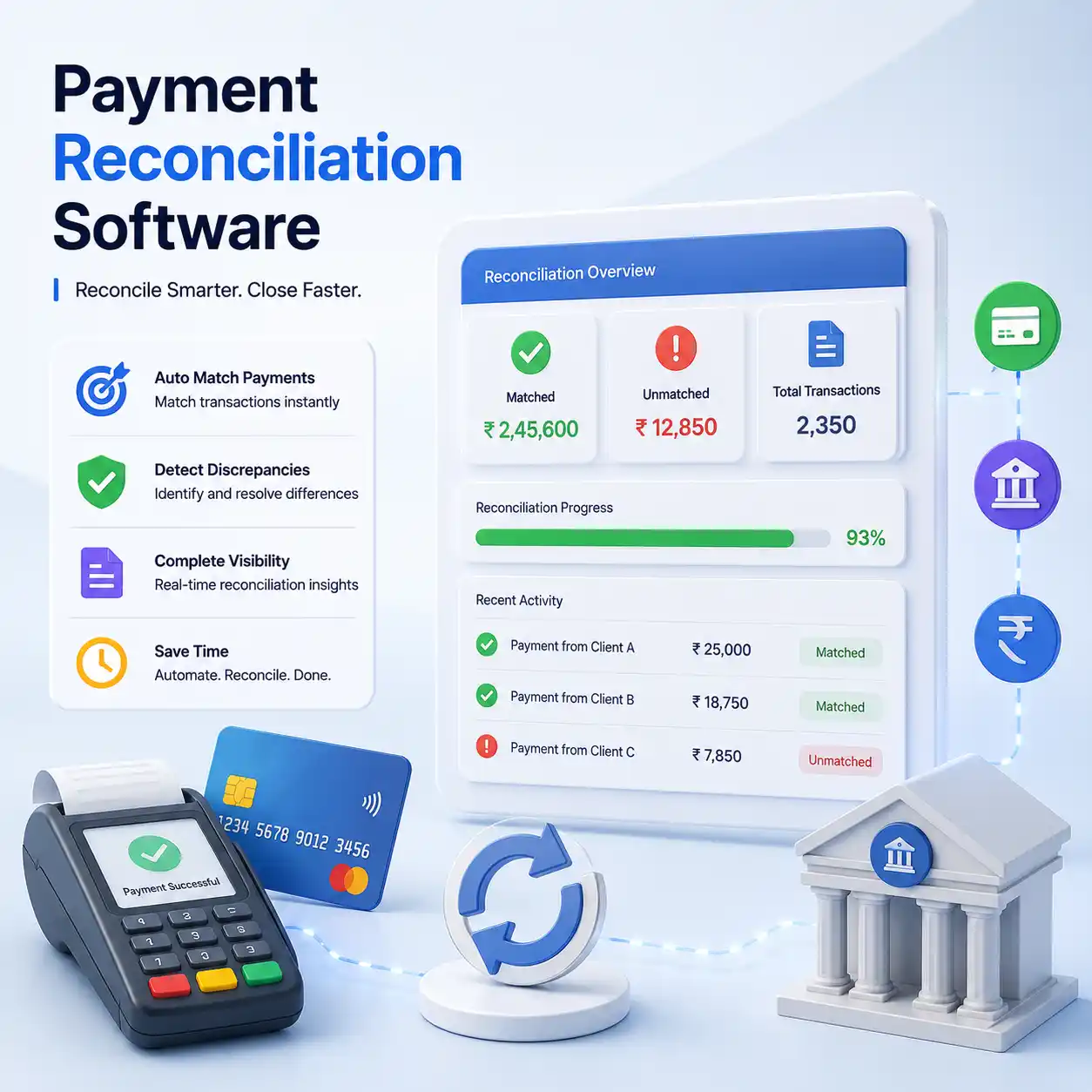
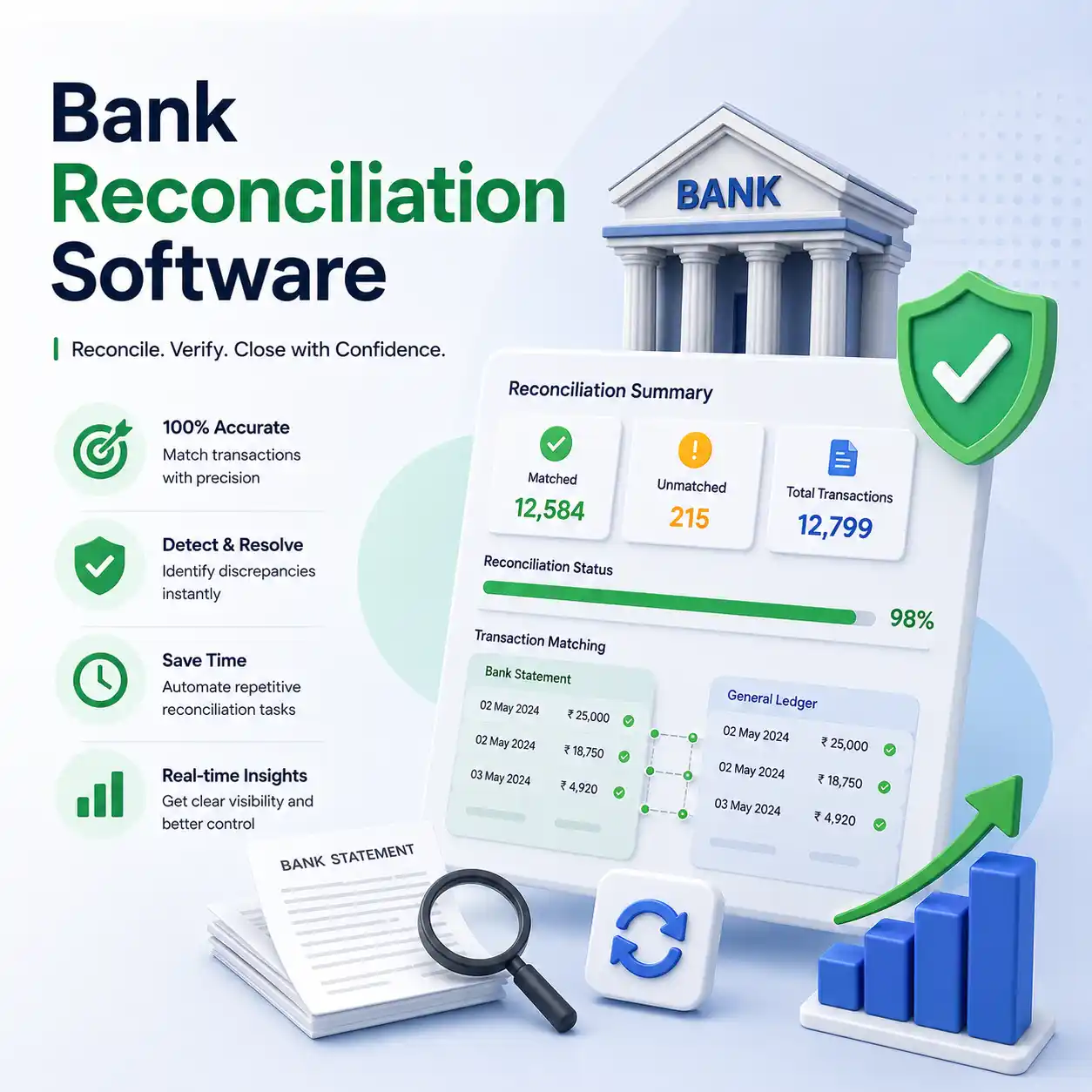
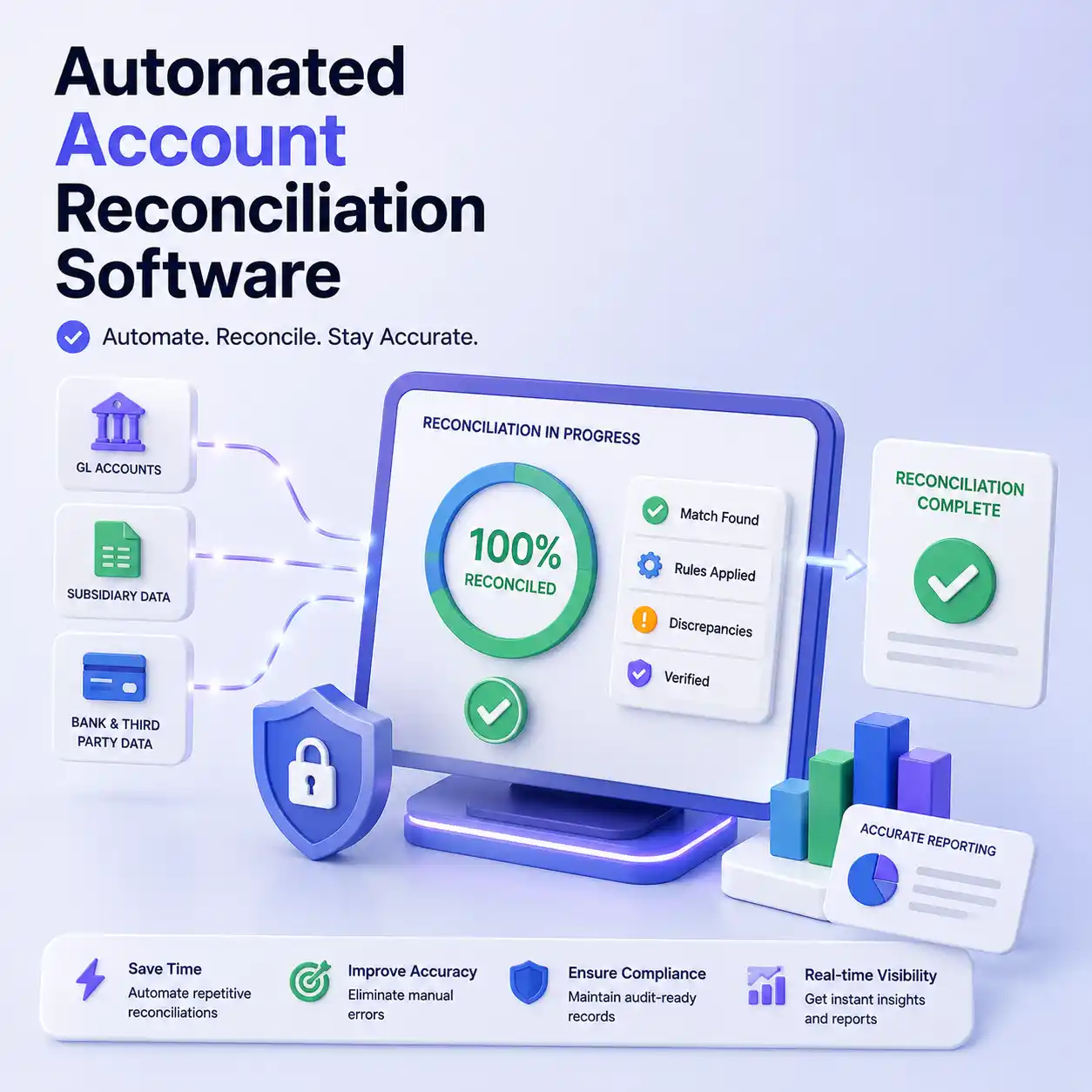
Automated bank reconciliation software works by securely connecting to your bank feeds and accounting system. It uses predefined rules and, increasingly, artificial intelligence to match transactions automatically. Here’s how it changes the game.
Unmatched Speed and Efficiency
The most immediate benefit is sheer speed. An automated reconciliation solution can process thousands of transactions in minutes—a task that would take a human days. This dramatic reduction in processing time directly accelerates the financial close cycle. Teams can shift from chasing paperwork to reviewing exceptions, closing the books faster, and meeting reporting deadlines with ease.
Achieving Near-Perfect Accuracy
Automation reconciliation tools remove the element of human error from the matching process. The software follows its rules meticulously, ensuring every transaction is compared accurately. This leads to more reliable financial statements. You gain confidence that your cash balances are correct, which is the bedrock of trust in your financial reporting.
Enhanced Security and Fraud Detection
Manual processes can make it easier for fraudulent transactions to go unnoticed, buried in piles of paperwork. Automated account reconciliation software acts as a vigilant watchdog. It can be programmed to flag anomalies—like duplicate payments, transactions to unknown vendors, or amounts that fall outside typical ranges—for immediate review. This proactive monitoring creates a powerful layer of financial control and security.
Gaining Powerful Financial Insights
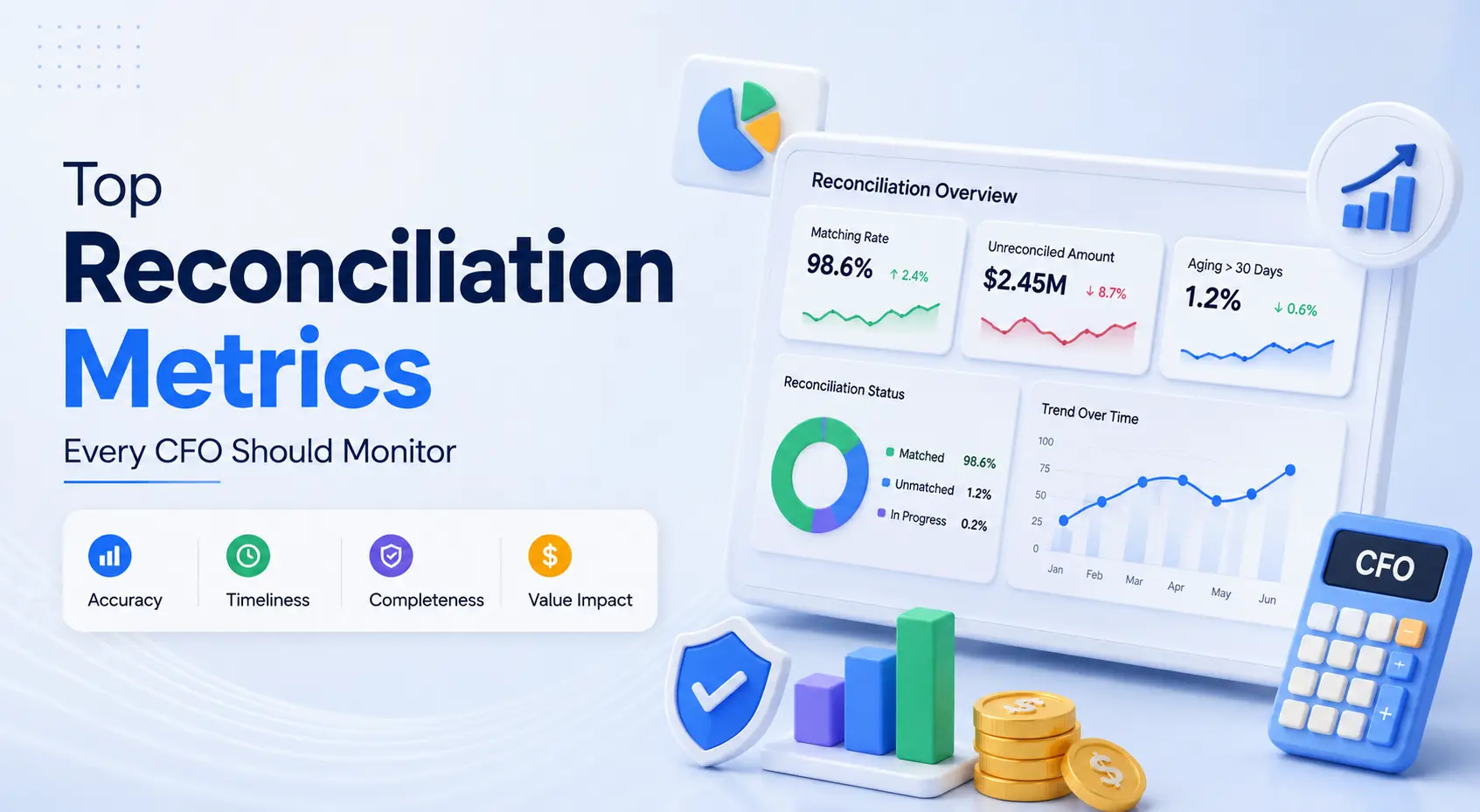
This is where automation moves from being a tactical tool to a strategic asset. Modern reconciliation software does more than just match numbers. It aggregates data and generates insightful reports and dashboards. Finance leaders can see real-time cash positions, understand payment trends, and identify recurring discrepancies at a glance. These insights empower better cash flow management, budgeting, and strategic planning.
Improved Team Morale and Strategic Contribution
Perhaps a less discussed but vital benefit is the impact on your team. Freeing your skilled finance professionals from monotonous data entry boosts job satisfaction and reduces burnout. It allows them to focus on meaningful work like data analysis, process improvement, and partnering with other departments to drive business growth. Your finance team transforms from number-crunchers to strategic advisors.
Key Features to Look for in a Reconciliation Solution
If you’re considering bank reconciliation automation, here are essential features your chosen software for bank reconciliation should offer:
- Secure Bank Connections: Look for solutions that use certified, read-only connections (like Open Banking APIs) to your financial institutions for safe data import.
- Flexible Rule Engine: The system should allow you to create and customize matching rules based on amount, date, reference number, or counterparty.
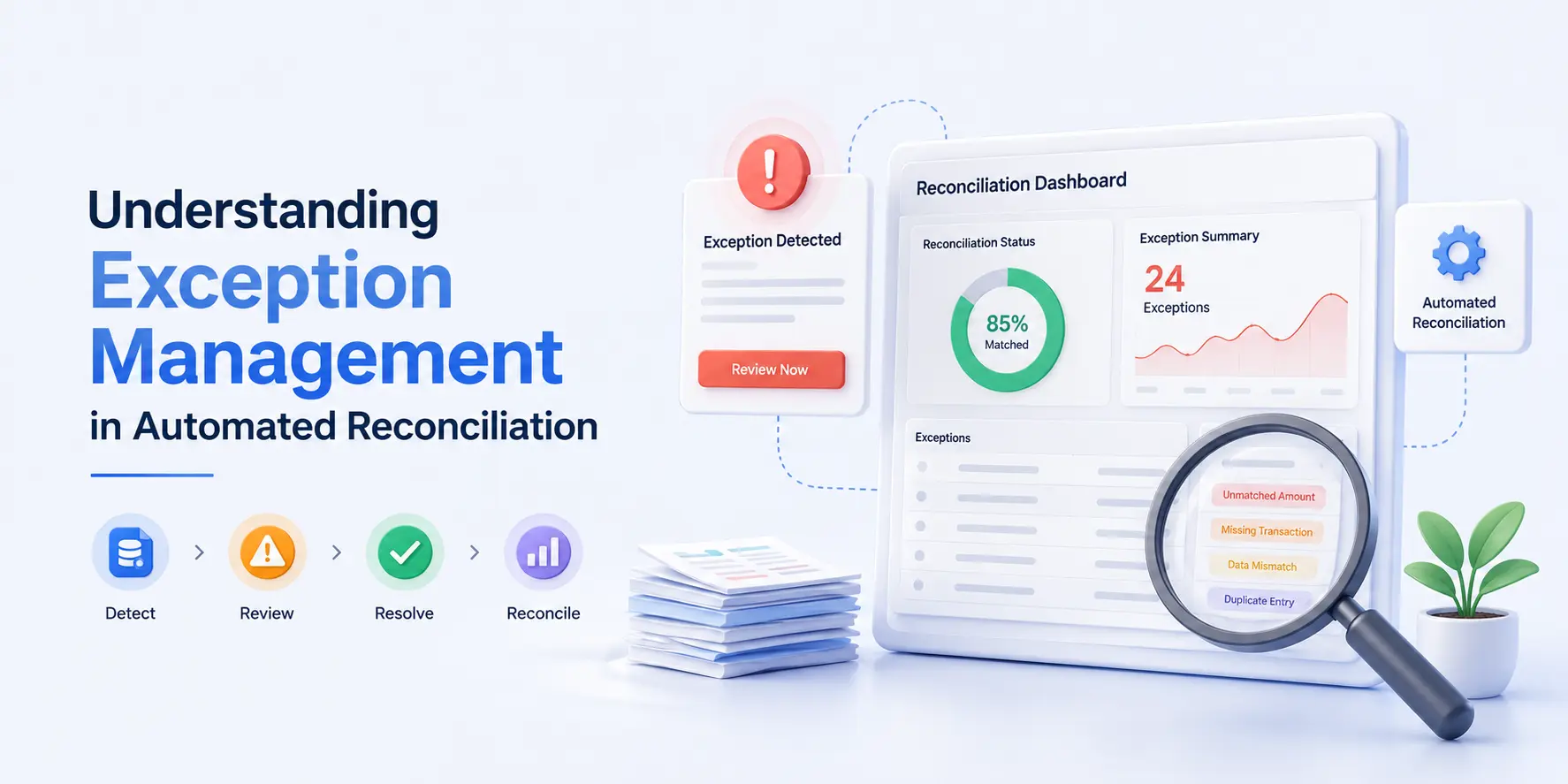
- Exception Management Workflow: A clear, centralized dashboard for reviewing and resolving unmatched items is crucial for efficiency.
- Comprehensive Audit Trail: Every action, match, and adjustment should be automatically logged, providing a clear path for auditors.
- Integration Capabilities: The automated reconciliation software should seamlessly connect with your existing ERP or accounting system.
- Reporting and Analytics: Built-in reports on reconciliation status, exception aging, and cash position are necessary for insight.
Also Read: Advanced Bank Reconciliation Software for Enterprise Finance
Making the Transition to an Automated System
Implementing a new automated reconciliation system is a change management project. Start by cleaning up your existing accounts and processes. Choose a pilot area, such as a primary operating account, to begin. Train your team not just on how to use the new accounting reconciliation software, but on how their roles will evolve to focus more on analysis and exception handling. With a phased approach, the transition can be smooth and the benefits quickly realized.
The Tangible Return on Investment
While there is an upfront cost to reconciliation automation, the return on investment (ROI) is clear and measurable. It comes from:
- Time Savings: Reducing reconciliation time by 70-90%.
- Error Reduction: Minimizing costly financial corrections and audit fees.
- Fraud Prevention: Potentially saving significant losses from early detection.
- Improved Productivity: Allowing your team to handle more work without adding headcount.
Conclusion
The question is no longer if finance teams should automate their reconciliation process, but when. Manual reconciliation is a risky, inefficient use of talent in a digital age. Bank reconciliation automation is an essential step toward building a modern, agile, and strategic finance function.
It delivers the holy grail of financial operations: accurate books, faster closes, stronger controls, and deeper insights—all while empowering your team to contribute greater value to the business. By embracing an automated bank reconciliation software, you are not just streamlining a task; you are future-proofing your entire finance operation.
Also Read: Why Businesses Need Reconciliation Automation Today
Frequently Asked Questions (FAQs)
1. Is bank reconciliation automation only for large enterprises?
No, not at all. While large companies were early adopters, cloud-based reconciliation software is now scalable and affordable for small and medium-sized businesses. The efficiency gains are valuable for any organization that deals with more than a handful of transactions monthly.
2. How secure is automated reconciliation software?
Reputable automated reconciliation solutions use bank-level security. They typically employ read-only connections (so no one can move your money), data encryption, and secure cloud hosting. Always choose a vendor with strong security certifications and a transparent privacy policy.
3. Will automation completely replace my finance staff?
Absolutely not. Automation handles the repetitive, rule-based matching, but human expertise is still vital. Your team’s role shifts to managing exceptions, analyzing results, improving processes, and ensuring the system runs smoothly. It elevates their work rather than replacing it.
4. How long does it take to implement an automated system?
Implementation time varies but can often be achieved in a few weeks for a standard setup. Cloud-based solutions have faster deployment times. The key is data preparation and a well-planned pilot phase to ensure a smooth transition.
5. Can the software handle transactions from multiple banks and currencies?
Yes, a robust reconciliation software for banks is designed to connect to multiple financial institutions simultaneously and can typically handle transactions in various currencies, automatically applying relevant exchange rates for matching.
6. What if we have complex transactions or unique matching rules?
A good automated reconciliation software comes with a flexible rule engine. You can define custom matching criteria to handle complex scenarios, such as matching one bank transaction to multiple ledger entries or vice versa. The system learns and adapts to your specific business needs.
Ready to get started?
Contact us now
Contact us now
* By clicking on Contact Us you are agreeing to our Terms & Conditions and Privacy policy.