Advanced Bank Reconciliation Software for Enterprise Finance
Kosh.ai
December 26, 2025
In the world of enterprise finance, few tasks are as critical—and as tedious—as bank reconciliation. For years, teams have waded through paper statements, spreadsheets, and manual entries, a process riddled with delays and human error. Today, a powerful shift is happening. Advanced bank reconciliation software is replacing these outdated methods, offering a path to flawless accuracy, remarkable efficiency, and real-time financial control.
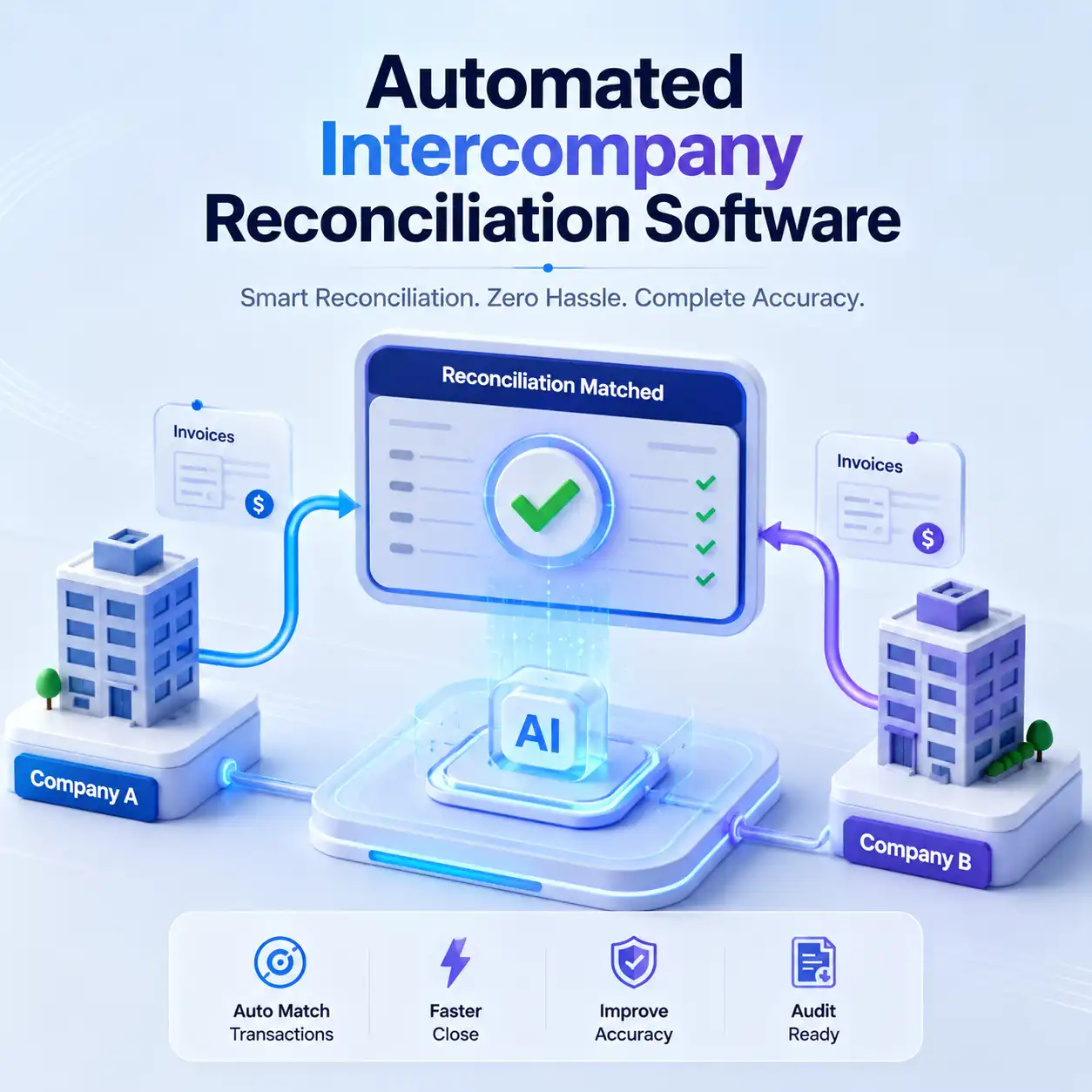
This article will explain what this modern reconciliation solution is, why it’s essential for large businesses, and how it can transform your finance department from a reactive record-keeper into a proactive strategic partner.
What is Bank Reconciliation Software, Really?
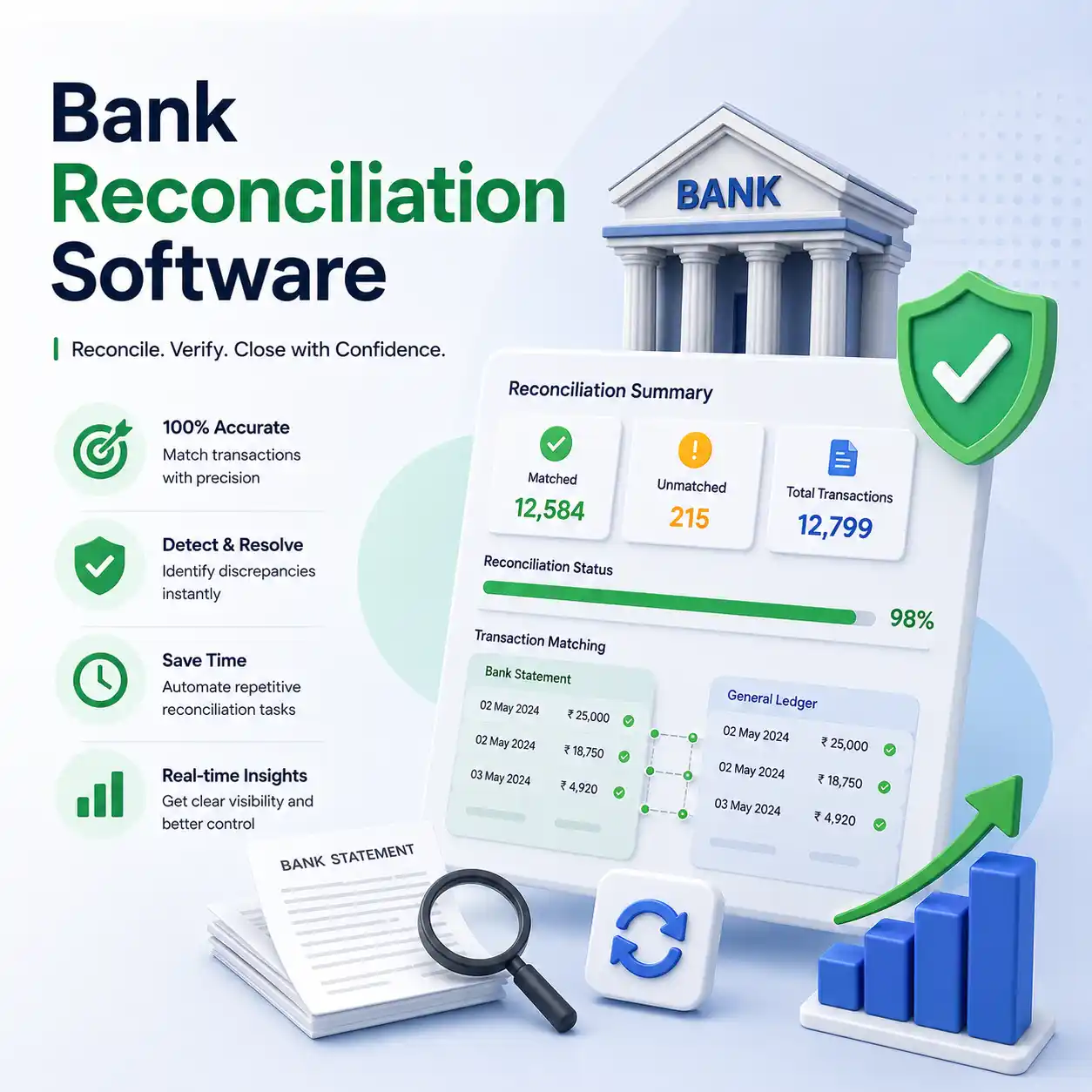
At its core, bank reconciliation is the process of matching your company’s internal financial records against your bank statements to ensure everything aligns. Discrepancies can mean missed payments, unrecorded fees, or even fraud.
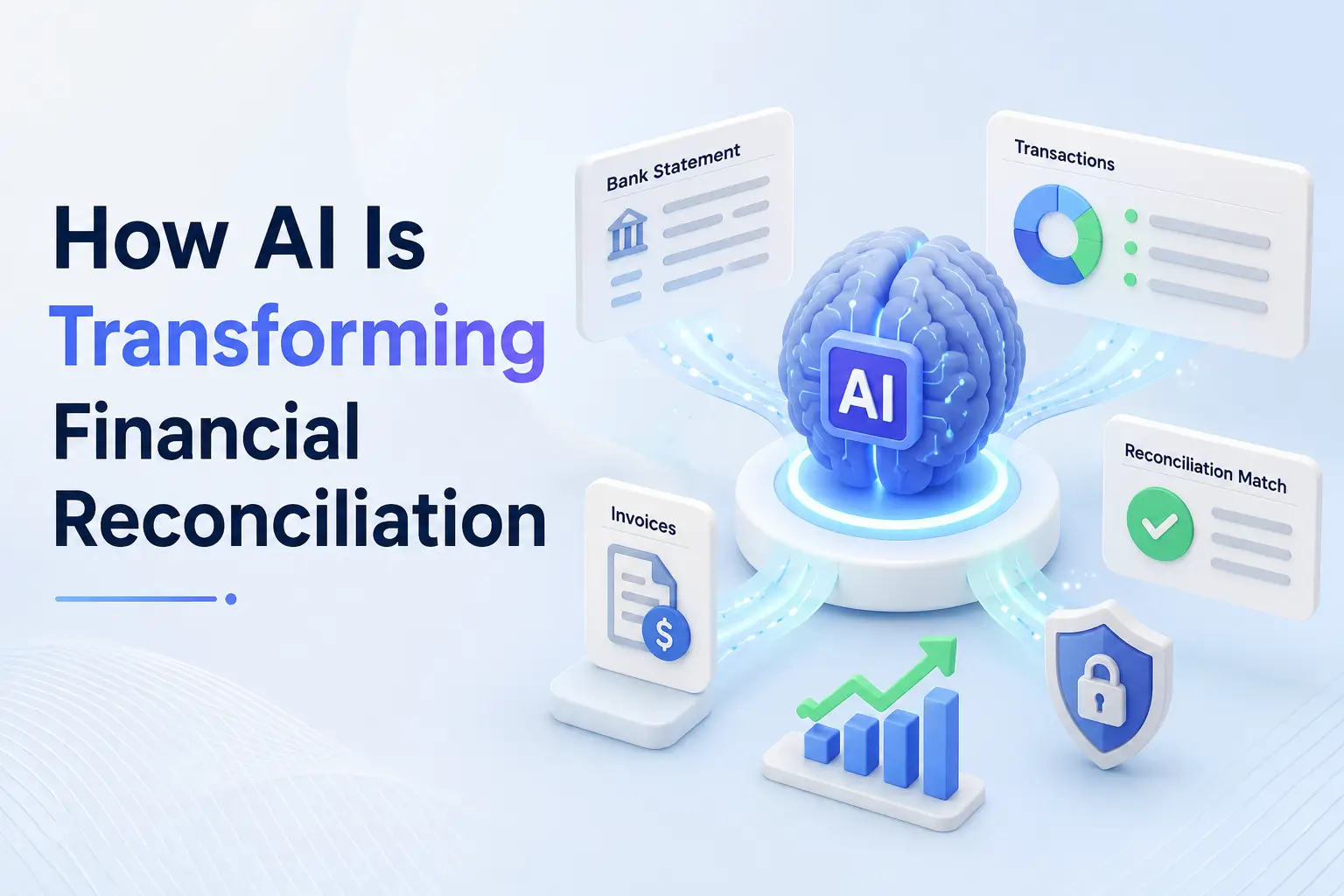
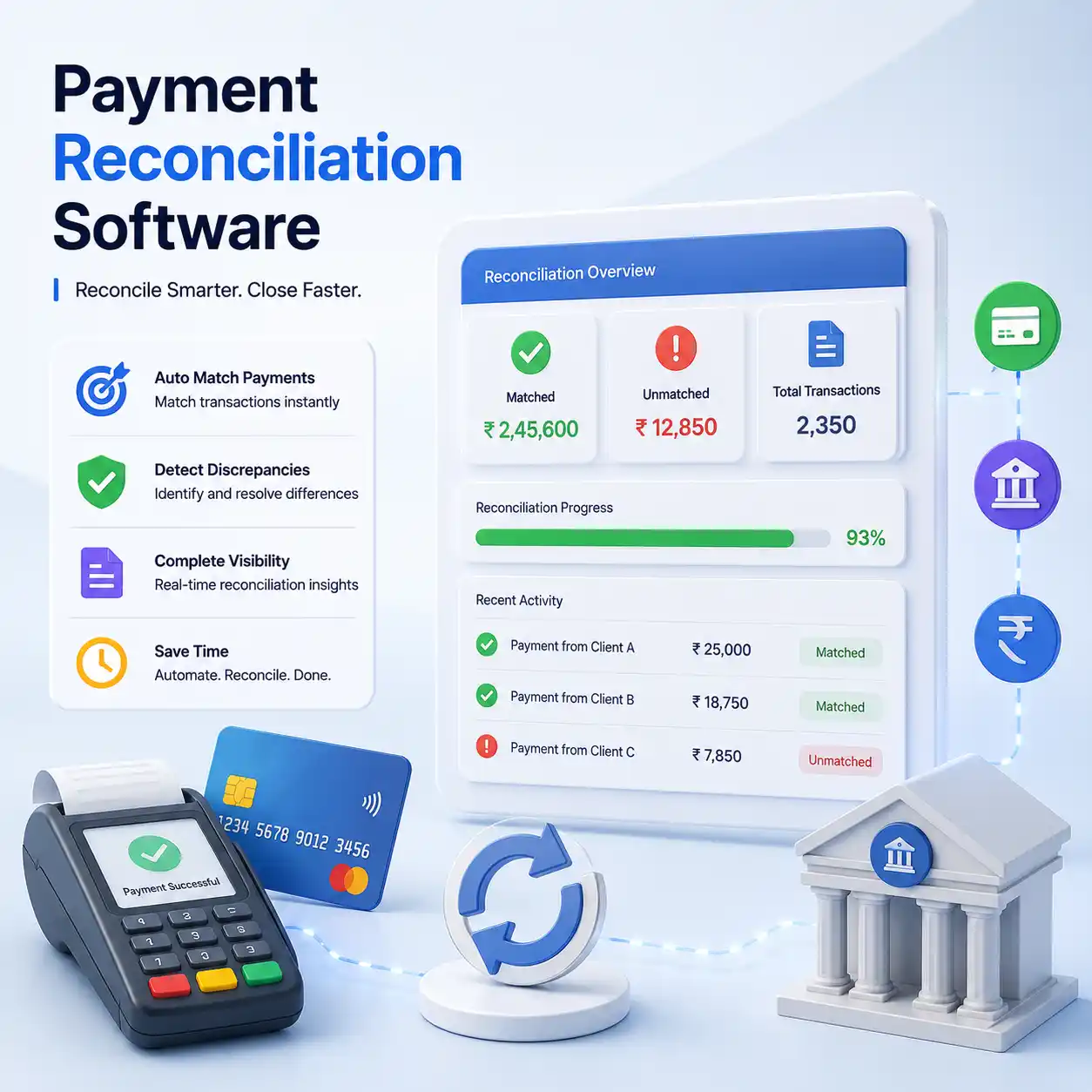
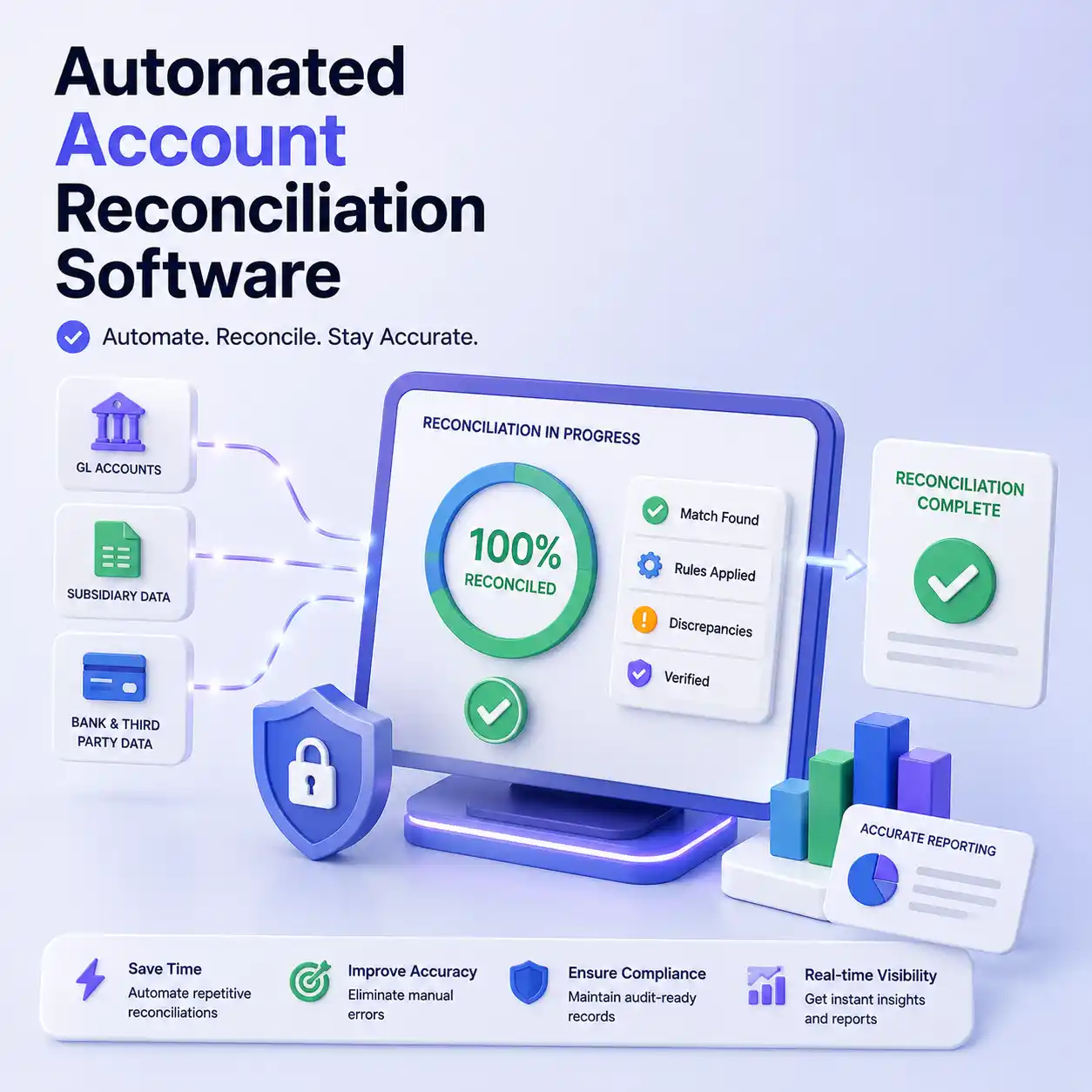
Advanced bank reconciliation software automates this matching process. Instead of a person manually checking hundreds of lines, the automated reconciliation system connects directly to your bank feeds and accounting software. It uses smart rules to pair transactions, instantly flagging what matches and highlighting exceptions for review. Think of it as a highly intelligent, tireless assistant for your finance team.
The Heavy Cost of Doing It Manually
Before we explore the solution, let’s understand the problem’s scale. Manual reconciliation is a significant burden:
- Time-Consuming: The Association for Financial Professionals reports that manual processes can consume up to 60% of a finance team's time on repetitive tasks like reconciliation.
- Error-Prone: Human data entry inevitably leads to mistakes. These inaccuracies can distort financial reporting, leading to poor business decisions.
- Slow Closing: Manual reconciliation is the biggest bottleneck during the month-end close. ERP Software Blog notes that companies using manual methods can take 6-10 business days to close their books, compared to 2-3 days with automation.
- Lack of Visibility: With spreadsheets, you only get a snapshot. There’s no real-time view of your cash position or outstanding items.
Key Benefits of Adopting an Automated Reconciliation System
Moving to a dedicated accounting reconciliation software delivers transformative advantages that go far beyond simple time savings.
1. Unmatched Accuracy and Reduced Risk
The primary goal is accuracy. Automated bank reconciliation software eliminates manual data entry errors. By using algorithms and predefined rules, it ensures every transaction is accounted for correctly. This dramatically reduces the risk of financial misstatement and strengthens your internal controls. It also becomes a powerful tool for detecting anomalies that could indicate fraud or bank errors early on.
2. Dramatic Time Savings and Increased Productivity
This is the most immediate and tangible benefit. What used to take days or weeks can now be completed in hours. A reconciliation automation tool handles the bulk of the repetitive matching, freeing your skilled finance professionals to focus on higher-value work. They can analyze trends, manage cash flow strategically, and provide insights to leadership, rather than chasing down pennies in a spreadsheet.
3. Real-Time Financial Visibility and Control
With automated reconciliation software, your financial data is always up-to-date. You can see your true cash position at any moment, view outstanding reconciliations in a dashboard, and get instant reports. This real-time visibility is crucial for agile decision-making, especially in a dynamic economic environment. It turns your reconciliation process from a historical record into a live management tool.
4. Faster Financial Close and Reporting
Since reconciliation is no longer a bottleneck, the month-end close process accelerates significantly. Companies can often cut their close time by 50% or more. This means leadership gets accurate financial reports faster, enabling quicker strategic responses. This speed is a key competitive advantage.
5. Enhanced Compliance and a Reliable Audit Trail
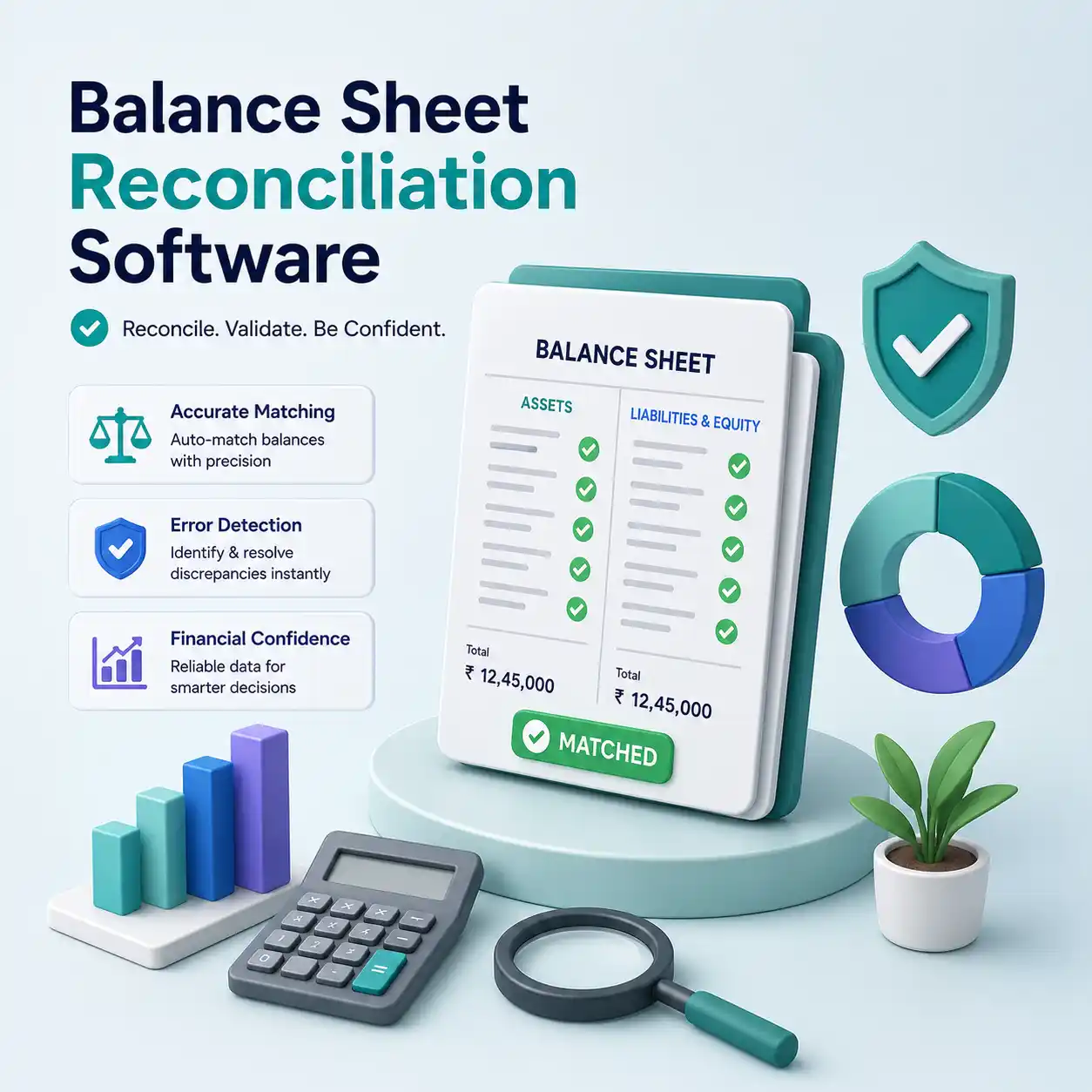
Modern balance sheet reconciliation software creates a perfect, digital audit trail. Every action, match, and adjustment is logged and time-stamped. All supporting documents can be attached directly to transactions. This makes internal and external audits straightforward and less stressful, as you can provide clear, organized evidence of your controls and processes with a few clicks.
Essential Features to Look for in a Modern Reconciliation Solution
Not all platforms are created equal. When evaluating bank reconciliation software for your enterprise, ensure it includes these critical features:
Seamless Integration Capabilities
The software must integrate effortlessly with your core systems. This includes your ERP (like SAP, Oracle, or NetSuite), your accounting software, and your banking partners via secure connections (like API or FTP). A good reconciliation software for banks acts as a central hub, not a disconnected island.
Intelligent Rule-Based Automation
The heart of the system is its rule engine. Look for software that allows you to set sophisticated, multi-layered matching rules (e.g., by amount, date, reference number, counterparty). The best systems learn over time and can suggest new rules, increasing the level of reconciliation automation with each cycle.
Powerful Exception Management
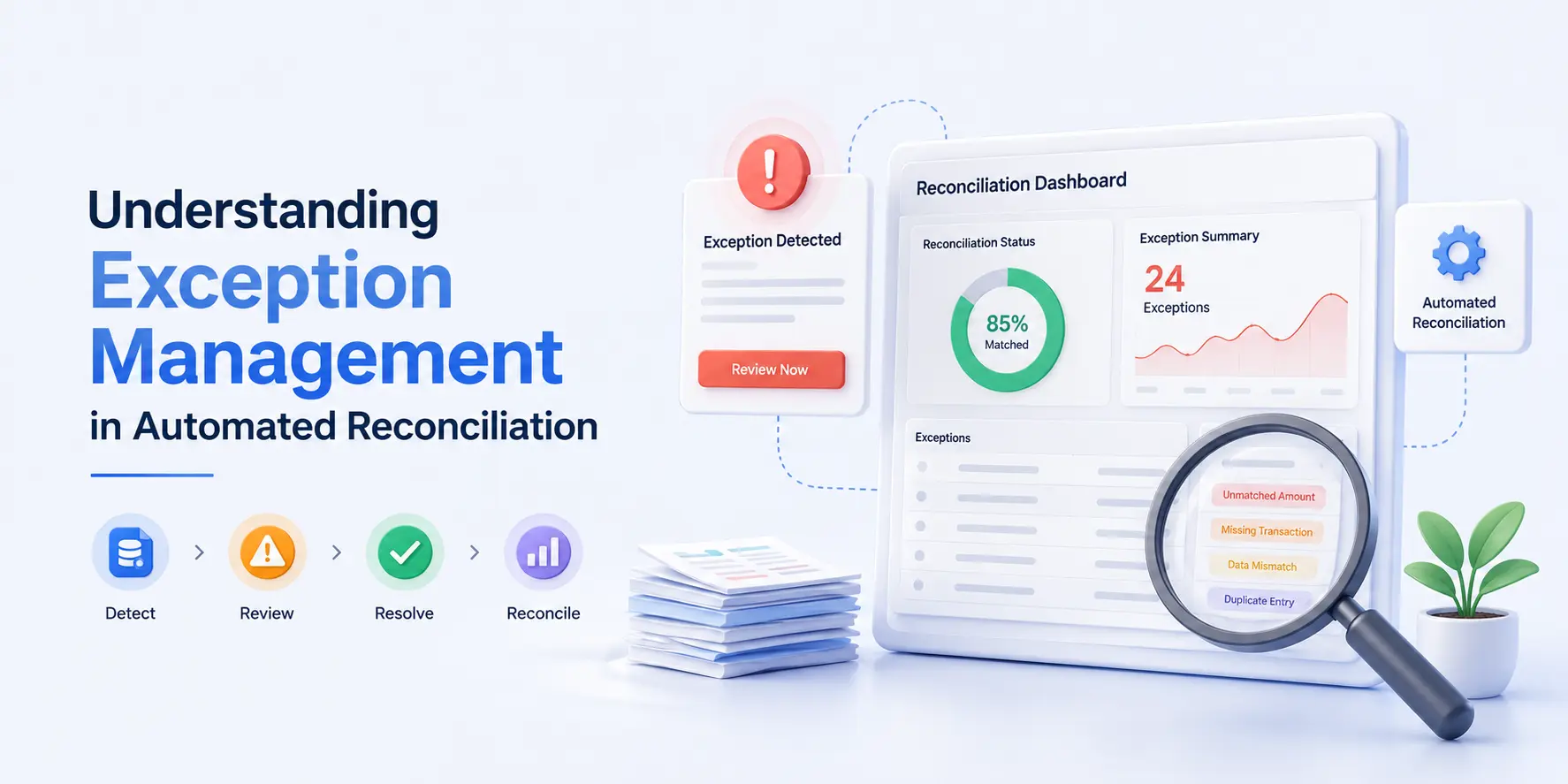
A great system doesn’t just find matches; it expertly manages exceptions. It should clearly highlight unmatched transactions, group similar items, and allow for easy reviewer assignment, commentary, and resolution within the platform. This keeps the process organized and accountable.
Comprehensive Reporting and Dashboards
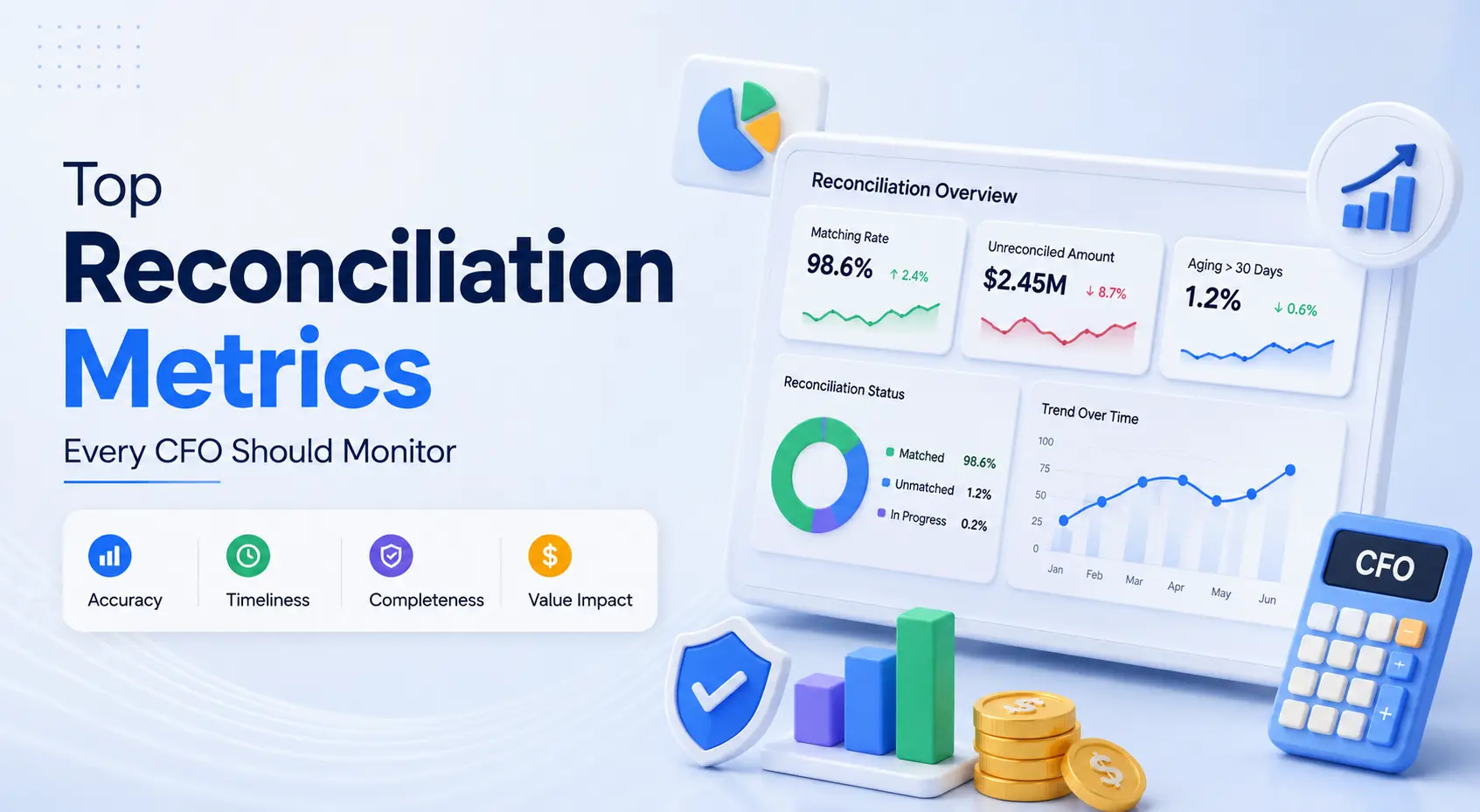
You need clear insights. Look for customizable dashboards that show reconciliation status, aging of outstanding items, key metrics, and productivity stats. Robust reporting functions are essential for oversight and demonstrating the software for bank reconciliation's return on investment.
Scalability and Security
Your chosen automated account reconciliation platform must grow with you. It should handle increasing transaction volumes, additional entities, and more complex global banking structures without performance loss. Enterprise-grade security, including role-based access, encryption, and SOC compliance, is non-negotiable for protecting sensitive financial data.
The Tangible ROI: What Can You Expect?
Investing in automated reconciliation is a strategic business decision with a clear payoff. Consider these points:
- Efficiency Gains: Companies often report a 70-80% reduction in the time spent on reconciliation tasks.
- Cost Reduction: By automating a high-volume, labor-intensive process, you reduce operational costs and allow staff to be redeployed.
- Error Reduction: Minimizing mistakes prevents costly corrections, reduces audit fees, and protects against fraud losses.
- Improved Decision-Making: Faster, accurate data leads to better cash management, investment decisions, and strategic planning.
A study by Celent found that financial automation projects, including reconciliation, typically see a full payback on their investment in less than 18 months, followed by ongoing annual savings.
Also Read: Automated Account Reconciliation: Save Time and Reduce Errors
Implementing Your New System: A Smooth Transition
Successfully adopting new accounts reconciliation software requires planning.
- Define Needs: Map your current process, identify pain points, and set clear goals.
- Clean Your Data: Begin with a clean slate by resolving old, outstanding reconciliation items.
- Phased Roll-Out: Start with a pilot—perhaps one business unit or a specific bank account—before enterprise-wide deployment.
- Train Thoroughly: Ensure your team understands not just how to use the software, but why the new process is beneficial.
- Iterate and Improve: Continuously refine your matching rules and workflows to maximize automation.
Conclusion: The Future of Finance is Automated
Manual bank reconciliation is no longer a viable option for enterprises that value accuracy, speed, and strategic insight. Advanced bank reconciliation software is the definitive reconciliation automation tool that empowers finance teams. It transforms a necessary chore into a source of strength, providing real-time control, robust compliance, and freeing your experts to drive the business forward. The question is no longer if you should automate, but when you will start.
Also Read: Automated Reconciliation Software for Real-Time Transaction Matching
Frequently Asked Questions (FAQs)
1. How secure is cloud-based bank reconciliation software?
Reputable providers invest heavily in security that often surpasses what individual companies can manage. Look for features like bank-grade 256-bit encryption, secure data centers with SOC 1 & 2 compliance, and role-based access controls. Your financial data is typically more secure in a professional cloud environment than on local servers or desktops.
2. Can this software handle reconciliations for multiple entities and currencies?
Yes, a robust enterprise automated reconciliation system is built for complexity. It can manage reconciliations across multiple subsidiaries, legal entities, and bank accounts in different currencies, often providing consolidated reporting for a global view.
3. What happens to transactions the software can’t match?
They are flagged as exceptions and routed to a dedicated workflow queue for review by your team. The software provides tools to investigate, add commentary, and resolve these items efficiently, ensuring nothing falls through the cracks.
4. How long does implementation typically take?
For a standard enterprise implementation, timelines can range from 4 to 12 weeks. This depends on the complexity of your organization, the number of systems needing integration, and the readiness of your data. A phased approach is common and recommended.
5. Is there a significant learning curve for our finance team?
A well-designed reconciliation solution aims to simplify, not complicate. While there is always a learning period with new software, modern platforms are user-friendly with intuitive interfaces. Vendors provide training and support to ensure your team becomes proficient quickly and can leverage the full benefits.
6. Can we use the software for more than just bank statement reconciliation?
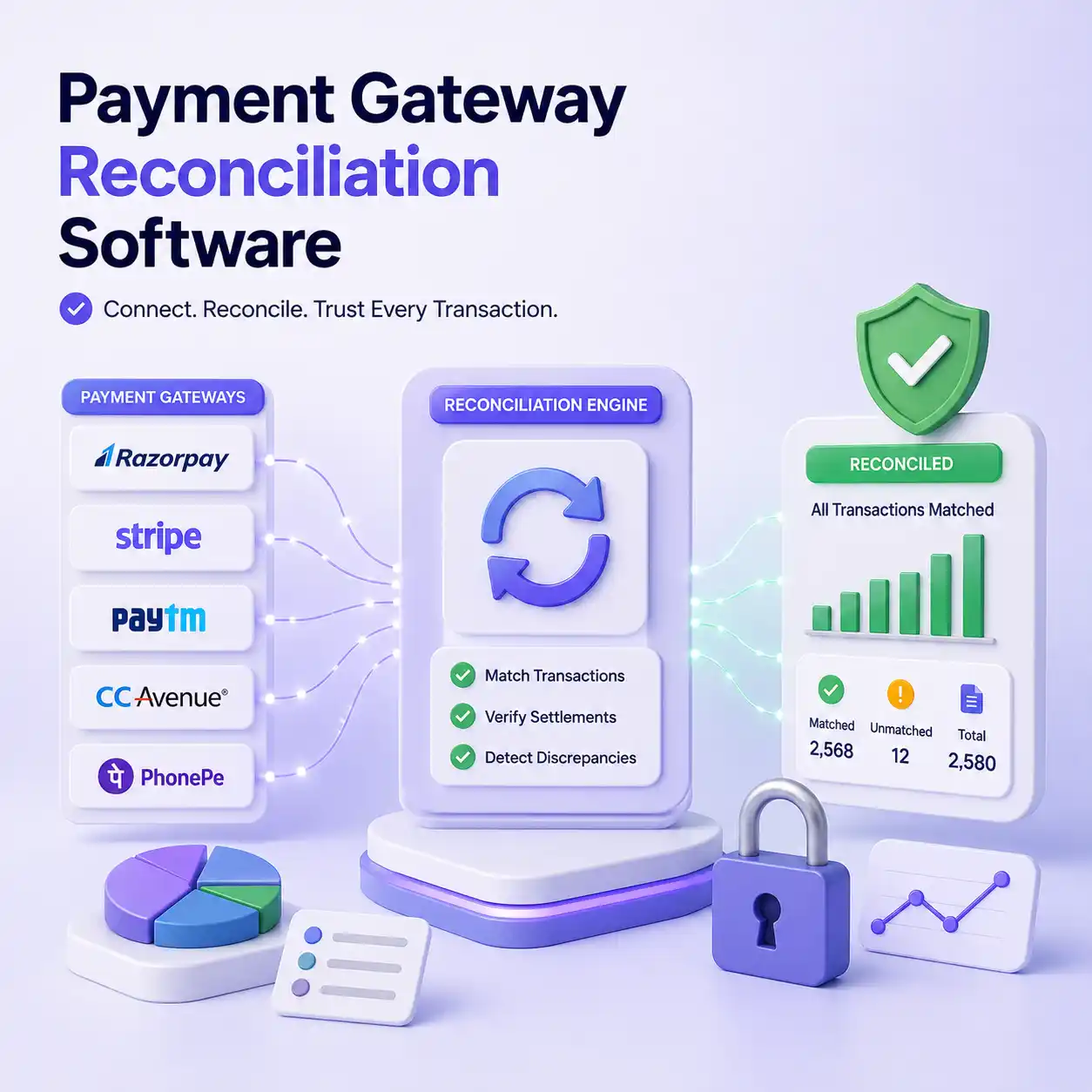
Absolutely. Advanced platforms are versatile reconciliation software tools. They are commonly used for reconciling balance sheet accounts (like credit cards, payroll, and intercompany accounts), internal GL reconciliations, and even merchant settlement statements, providing a unified control framework.
Ready to get started?
Contact us now
Contact us now
* By clicking on Contact Us you are agreeing to our Terms & Conditions and Privacy policy.