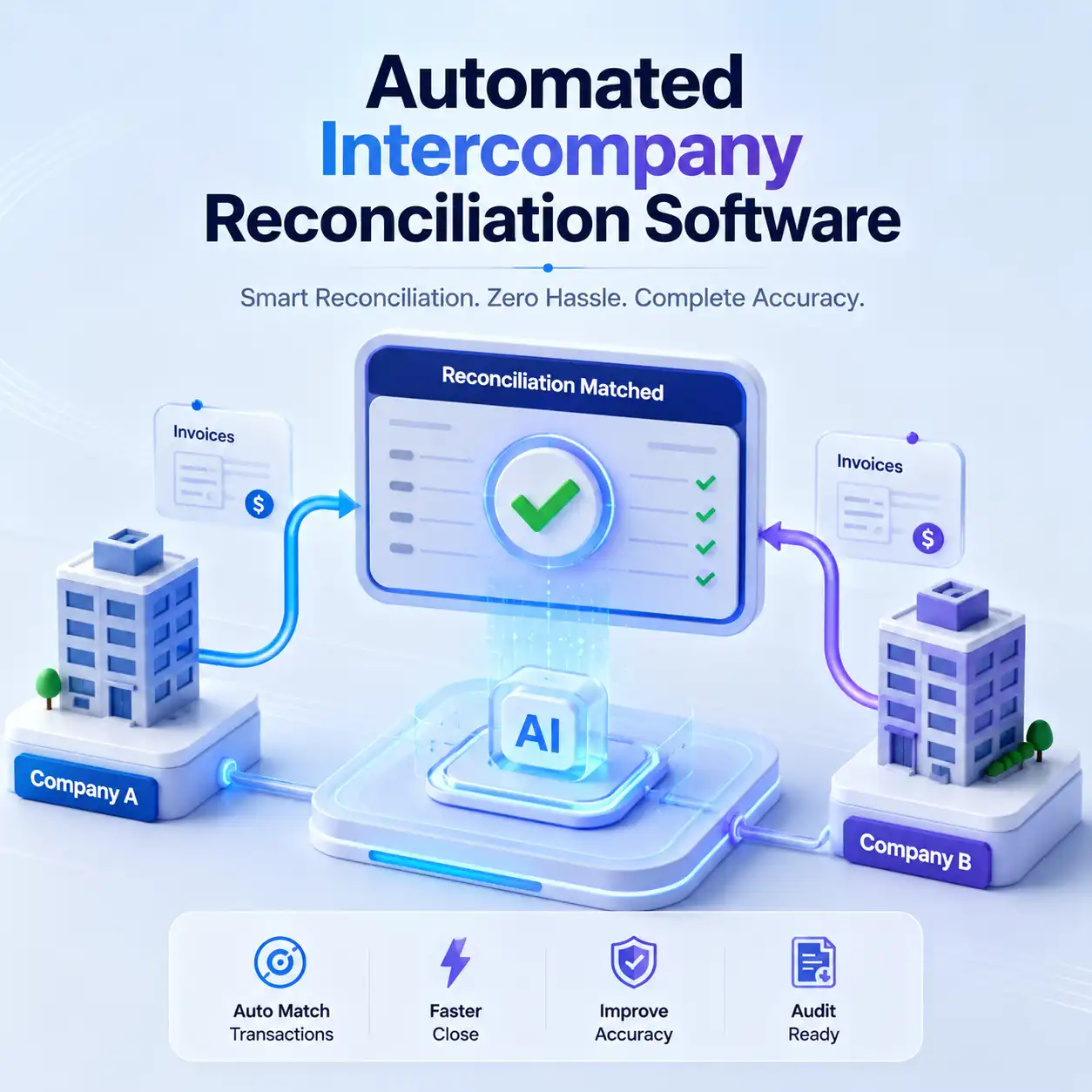
Automated Bank Reconciliation Software: Features and Benefits
Kosh.ai
March 16, 2026
.webp)
Every business owner knows the end-of-month dread: stacks of bank statements, endless spreadsheets, and the tedious task of matching transactions. For decades, this process—known as bank reconciliation—has been a necessary evil. It is critical for accuracy, but manually, it is slow and prone to error.
However, the financial technology landscape has evolved. Enter automated bank reconciliation software. This technology is no longer a luxury reserved for large corporations; it is an accessible tool for small businesses, accountants, and large enterprises alike.
In this comprehensive guide, we will explore the intricate world of reconciliation automation. We will break down the features that make these tools powerful, the benefits that deliver real return on investment, and the data that proves why making the switch is essential for modern financial health.
Whether you are searching for a software for bank reconciliation or trying to understand how automated reconciliation software can streamline your operations, this article covers everything you need.
Understanding Bank Reconciliation: Why Automation is Necessary
Before diving into the software itself, it is vital to understand the problem it solves. Bank reconciliation is the process of comparing your internal financial records against the transactions listed on your bank statement. The goal is to ensure they match. Discrepancies can arise from bank fees, outstanding checks, deposits in transit, or simple data entry errors.
The Manual Reconciliation Struggle
For many businesses, this process is still managed manually using Excel. An accountant prints out a bank statement, pulls up a ledger, and ticks off transactions one by one. According to a study by Levvel Research, 41% of finance professionals say that manual data entry and spreadsheet use are the biggest barriers to efficiency. This method is not just time-consuming; it is risky. Human eyes get tired, and a single missed transaction can throw off an entire balance sheet.
The Shift to Digital
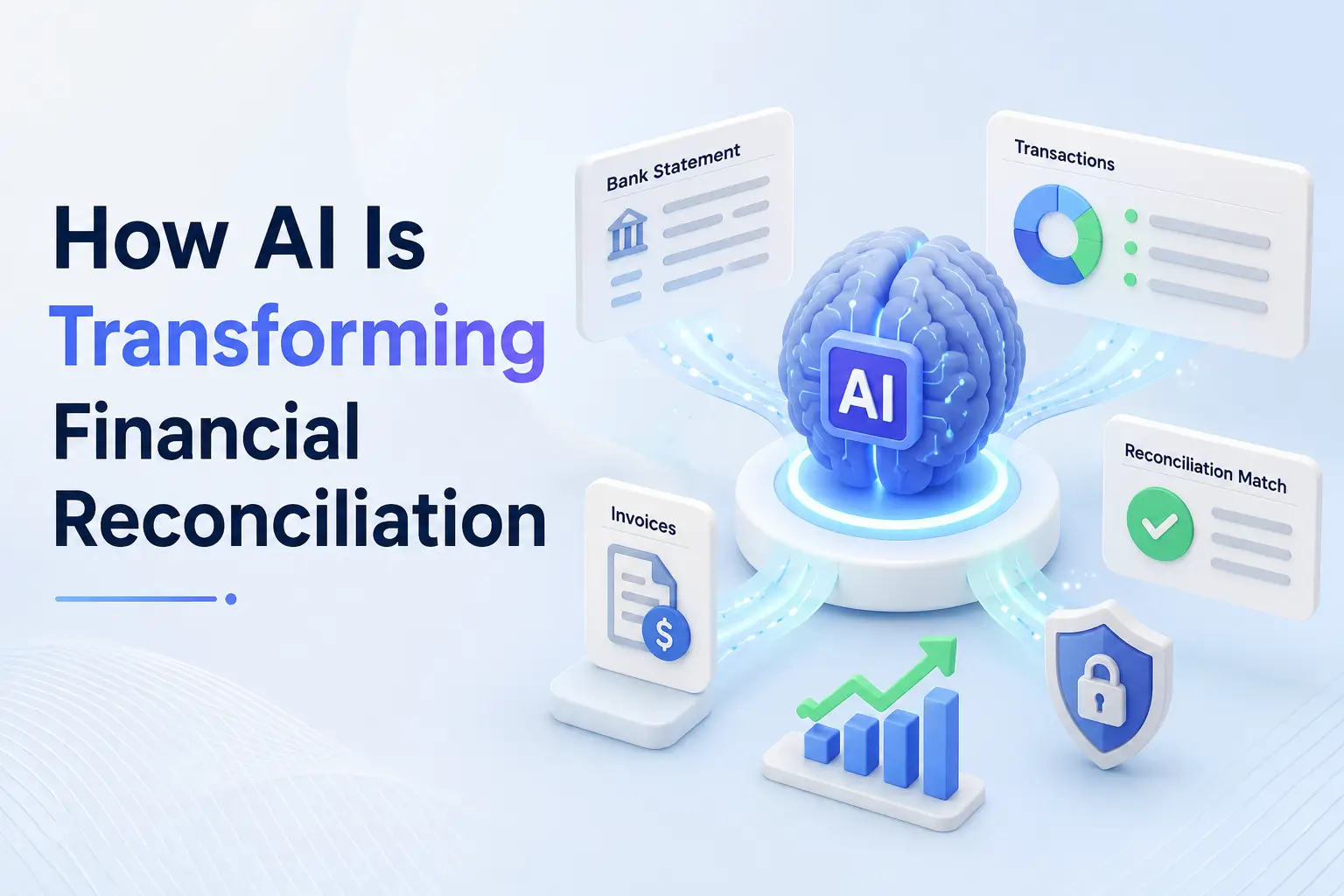
The rise of cloud computing and artificial intelligence has paved the way for bank reconciliation automation. Instead of spending hours hunting for discrepancies, finance teams can now rely on algorithms to do the heavy lifting. Automated systems connect directly to bank feeds, import data in real-time, and match transactions instantly. This shift allows businesses to move from reactive bookkeeping to proactive financial management.
What is Automated Bank Reconciliation Software?
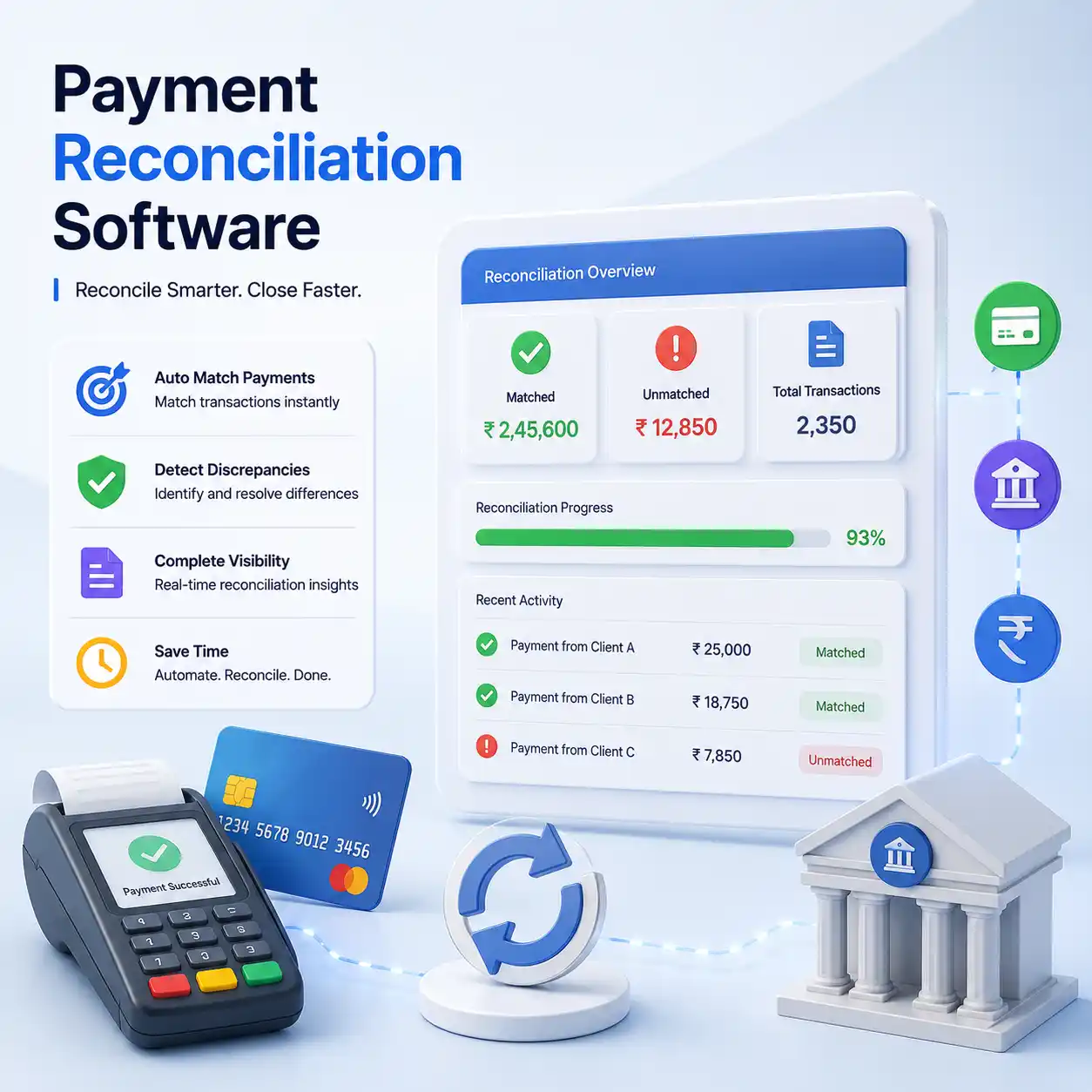
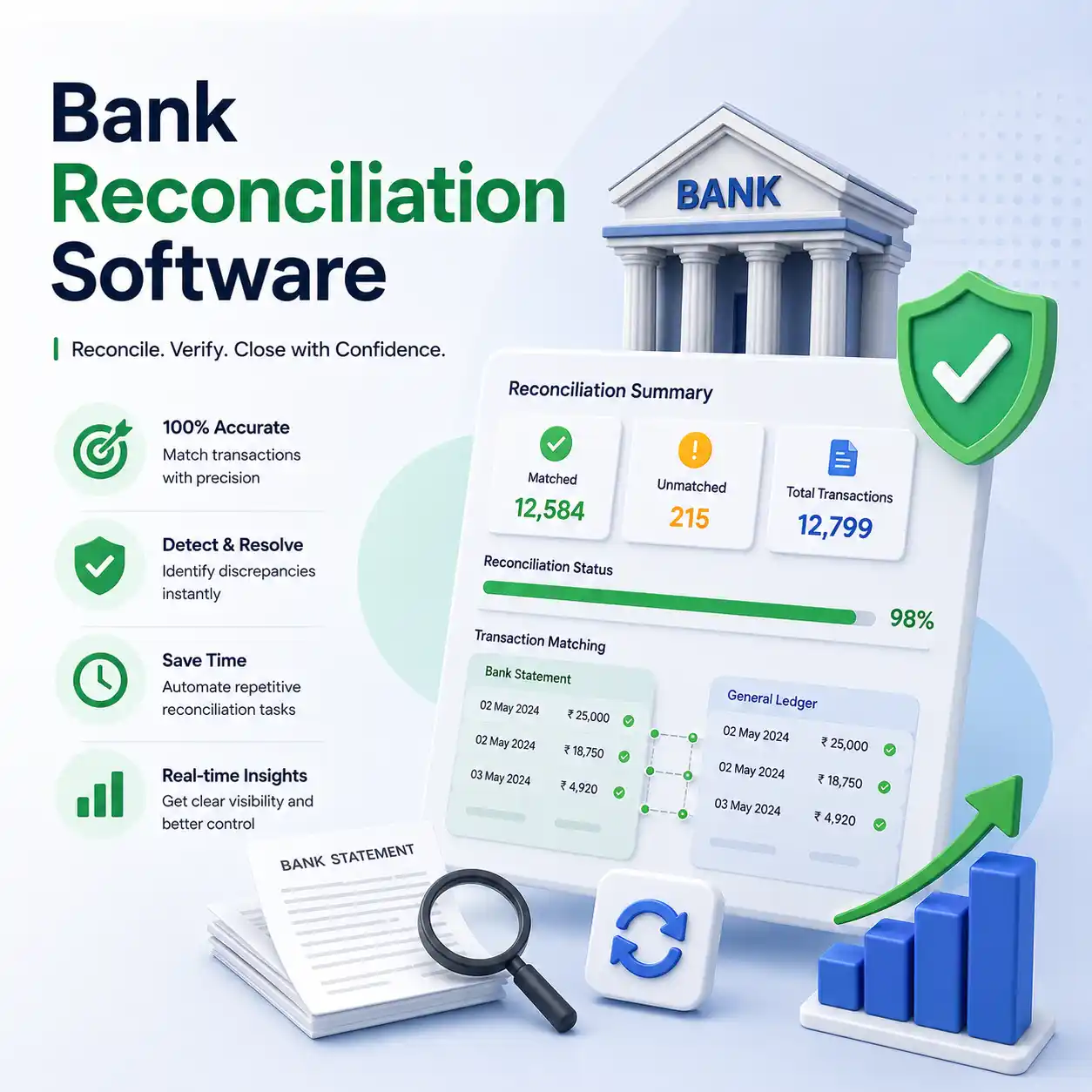
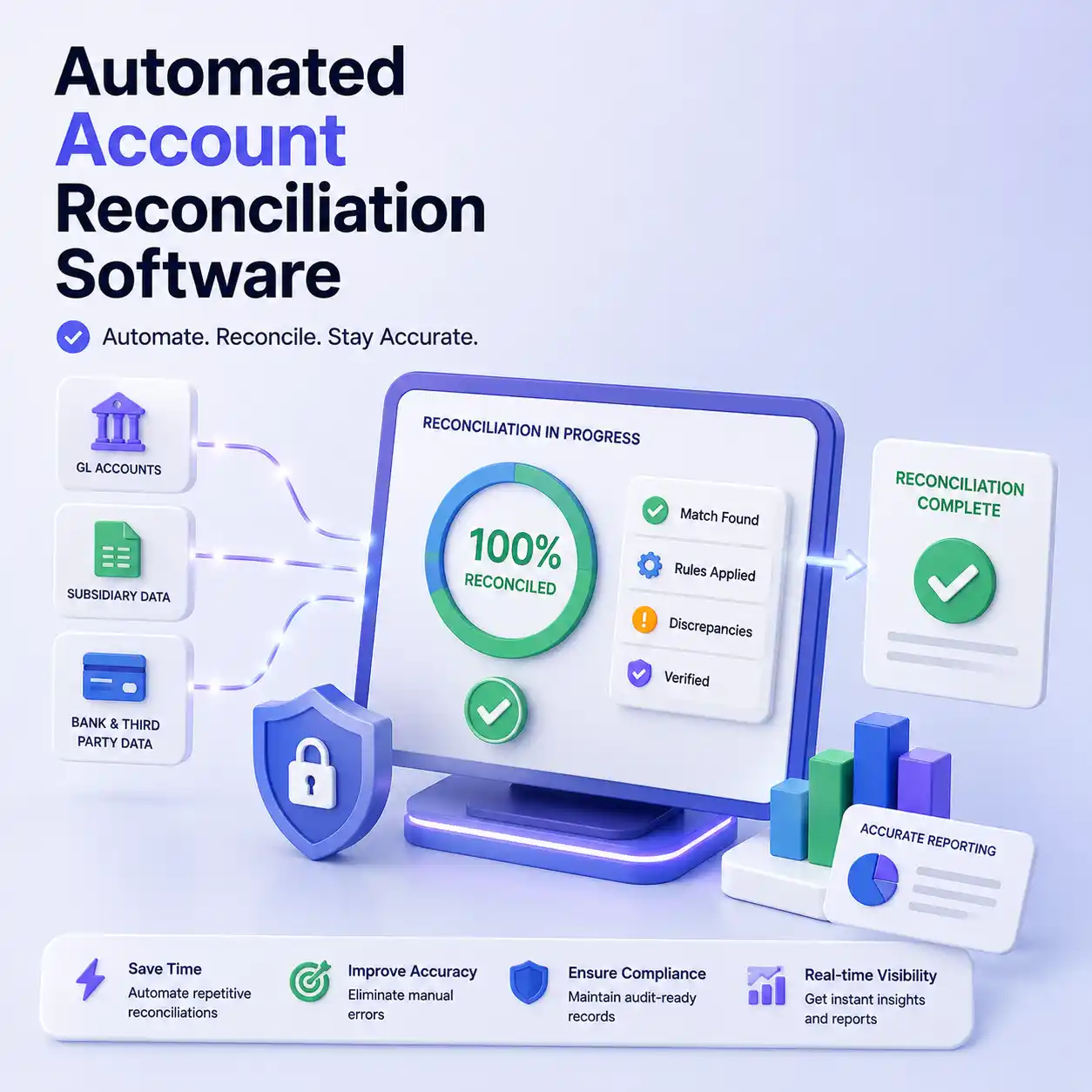
Automated bank reconciliation software is a digital tool designed to streamline the process of matching transactions between bank statements and internal accounting records. It acts as a digital bridge between your bank and your accounting system (like QuickBooks, Xero, or NetSuite).
Unlike basic spreadsheets, this reconciliation automation tool uses rules-based logic and machine learning to learn how you categorize spending and income. Over time, it becomes faster and more accurate. Essentially, it removes the manual labor from the "tick and tie" process, freeing up human talent for more strategic tasks like financial analysis and forecasting.
Key Features of Automated Bank Reconciliation Software
When evaluating a reconciliation solution, it is important to look under the hood. Not all software is created equal. Here are the essential features that define a top-tier automated reconciliation system.
1. Real-Time Data Synchronization
The core of automation lies in connectivity. Modern automated bank reconciliation software uses secure API connections (Application Programming Interfaces) to link directly to your financial institutions. This allows for real-time or daily automatic updates. Instead of waiting for a paper statement at the end of the month, your software knows about a transaction the moment it clears the bank. This feature ensures that your cash position is always current.
2. Intelligent Transaction Matching
This is the flagship feature. The software scans thousands of transactions and matches them based on predefined rules. It can match based on:
- Amount: Exact matches are cleared instantly.
- Date: Transactions occurring within a specific timeframe.
- Reference Numbers: Check numbers or invoice IDs.
- Payee/Payer: Matching vendor names to expenses.
Advanced systems handle "near matches." For example, if a bank fee of $5.00 appears but isn't in your ledger, the software flags it for review rather than ignoring it. This capability is crucial for accurate balance sheet reconciliation software.
3. Rule-Based Automation and Learning
The best accounts reconciliation software gets smarter as you use it. If you consistently categorize payments to "Office Supplies Store" as office expenses, the software learns this pattern. It creates rules to automatically categorize similar future transactions. This reduces the need for manual intervention and ensures consistency in your financial data.
4. Exception Management and Alerts
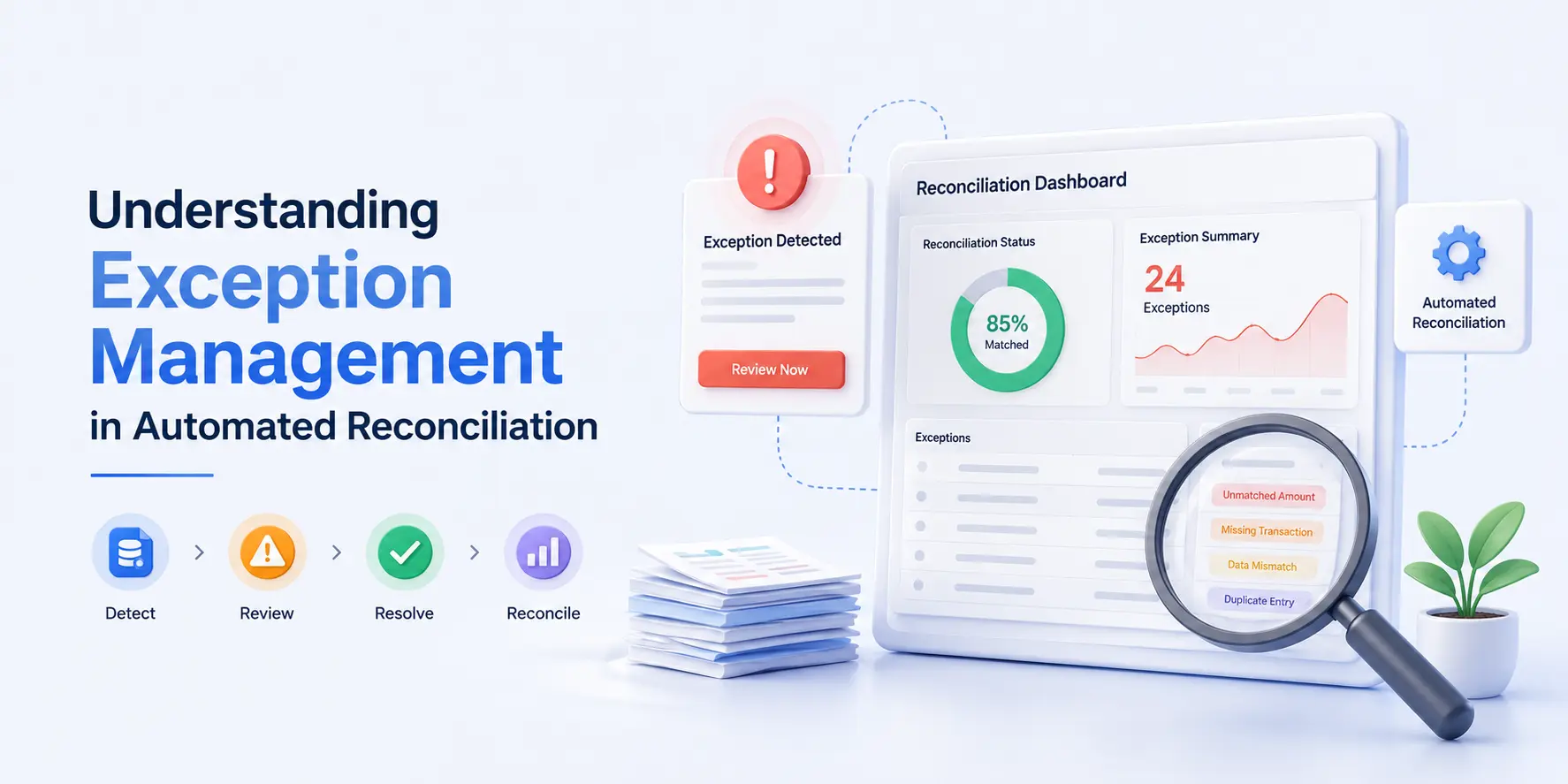
Discrepancies are inevitable, but they shouldn't cause panic. Good software provides an exception dashboard. This is where all mismatched or unmatched items live. If a check clears for a different amount than expected, or if a duplicate payment appears, the system flags it immediately. Automated alerts can notify managers via email or Slack, ensuring that fraud or errors are caught within days, not months.
5. Multi-Bank and Multi-Currency Support
For businesses operating globally, managing multiple currencies is a headache. Exchange rates fluctuate, and fees vary. High-end reconciliation software for banks and enterprises handles multiple currencies seamlessly. It can automatically apply exchange rates and track gains or losses on currency conversion, ensuring the books are accurate regardless of geography.
6. Audit Trail and Compliance
A reconciliation automation tool isn't just about speed; it's about security. Every action taken within the software is logged. If a user manually matches a transaction or overrides a rule, the system records who did it and when. This creates a clear audit trail, which is invaluable during tax season or external audits. It supports compliance with standards like GAAP (Generally Accepted Accounting Principles) by ensuring data integrity.
7. Seamless Integration with ERP and Accounting Software
Automation cannot exist in a silo. The software must talk to your existing tools. Look for solutions that integrate natively with platforms like QuickBooks, Xero, Sage, or Microsoft Dynamics. This creates a smooth workflow where reconciled data flows directly into your financial statements without requiring CSV exports and imports.
8. Document Management
Some advanced platforms offer document attachment features. Imagine reconciling a credit card transaction and being able to instantly view a PDF of the receipt. This feature turns the software from a number-crunching tool into a comprehensive financial hub, making it easier for managers to approve expenses without chasing down paper trails.
The Strategic Benefits of Implementing Reconciliation Automation
Investing in an automated bank reconciliation system is a strategic decision that impacts the entire organization. The benefits extend far beyond the accounting department.
1. Massive Time Savings and Efficiency
The most immediate benefit is time. According to data from various financial automation companies, businesses can reduce the time spent on reconciliation by up to 80-90%.
- The Scenario: If a bookkeeper spends 10 hours a month on reconciliation, automation can cut that to 1 or 2 hours.
- The Impact: Those 8 saved hours can be redirected toward analyzing profit margins, managing cash flow, or strategizing for growth. For a business, time saved directly translates to money saved.
2. Enhanced Accuracy and Error Reduction
Human error is the biggest risk in manual accounting. Transposing numbers (recording $530 as $350) or simply skipping a line item can have significant consequences.
Reconciliation automation tools eliminate transcription errors. Data is pulled directly from the source (the bank) and compared directly to the books. This ensures that the closing balance on your bank statement perfectly matches your general ledger, giving you confidence in your financial reports.
3. Real-Time Financial Visibility
In a manual environment, financial statements are often historical documents. By the time the bank statement arrives and is reconciled, the data is 30 days old.
With automated account reconciliation, your cash position is visible in real-time. Business owners and CFOs can log into a dashboard on the 15th of the month and see exactly how much cash is available, which invoices have cleared, and what liabilities are pending. This visibility is critical for making informed decisions, such as whether to invest in new inventory or hold off on spending.
4. Fraud Detection and Risk Mitigation
Fraud is a growing concern. The quicker you detect fraudulent activity, the faster you can stop it and mitigate losses. Manual reconciliation often leaves a gap of weeks where fraud goes unnoticed.
Automated systems flag anomalies immediately. If a check is altered and cashed for a higher amount, or if an unauthorized electronic payment leaves the account, the exception-based reporting highlights this discrepancy instantly. This rapid detection acts as a powerful deterrent and safeguard for company assets.
5. Simplified Audits and Compliance
Ask any accountant what they dread most, and they will likely say "audit prep." Gathering receipts, printing ledgers, and proving transactions is labor-intensive.
With reconciliation automation, auditors can often be given secure, read-only access to the system. They can see the audit trail, view supporting documents, and verify transactions without interrupting the finance team. This streamlines the audit process, often reducing the cost and time associated with external audits.
6. Improved Cash Flow Management
Cash flow is the lifeblood of a business. When you have accurate, up-to-date records, you have a clearer picture of your cash flow.
Automated reconciliation helps identify bottlenecks. For example, if you notice that customer payments are consistently taking five days longer to clear than they used to, you can investigate the issue promptly. It also helps in accurately forecasting future cash positions, which is vital for meeting payroll or paying suppliers on time.
7. Scalability for Growing Businesses
As a business grows, transaction volume grows. A company processing 100 transactions a month might manage with Excel. But when that volume hits 5,000 or 10,000 transactions a month, manual reconciliation breaks down.
Automated systems are built to scale. They handle high volumes without requiring additional staff. This means your finance team can support the company's growth without growing proportionally in size, keeping overhead costs manageable.
The Role of Automation in Modern Accounting
The term "reconciliation automation" often brings to mind robots replacing humans. In reality, it is about augmentation. This technology handles the mundane, repetitive tasks, allowing human accountants to focus on interpretation and strategy.
From Bookkeeper to Business Analyst
When a bookkeeper is no longer buried in data entry, they can become a business analyst. They have the time to look at the data the software has processed and ask "why?" Why did expenses spike in March? Why is one product line significantly more profitable than another? This shift adds immense value to an organization.
The Rise of Continuous Accounting
Traditionally, accounting is periodic. You close the books at the end of the month. Automation enables "continuous accounting"—the practice of closing the books every day. By constantly reconciling transactions, the month-end close becomes a non-event. There is no scramble for data; the reports are ready to go at any time.
How to Choose the Right Reconciliation Software for Your Business
With hundreds of options on the market, selecting the right reconciliation automation tool can be overwhelming. Here is a simple framework to guide your decision.
1. Assess Your Business Size and Volume
A freelancer needs different tools than a multinational corporation.
- Small Businesses/Startups: Look for simple, user-friendly tools that integrate directly with your accounting software (like QuickBooks or Xero). Cost is a primary factor here.
- Mid-Market Enterprises: You need robust features like multi-currency support, advanced approval workflows, and strong integration with your ERP (Enterprise Resource Planning) system.
- Large Corporations: You require enterprise-grade security, customizable rule engines, and the ability to handle millions of transactions without lag.
2. Check Integration Capabilities
The software must fit into your existing tech stack. If you use NetSuite, your balance sheet reconciliation software must offer a deep, native integration. If you use Xero, the software should be available in their app marketplace. Always verify integration depth—does it just import data, or does it also push reconciled entries back?
3. Evaluate the User Interface
Adoption is key. If the software is clunky and difficult to use, your team will resist it. Request a demo or a free trial. Is the dashboard intuitive? Can you easily see which transactions are outstanding? A clean, user-friendly interface ensures your team actually uses the tool to its full potential.
4. Consider the Support and Onboarding
How easy is it to set up? Does the vendor offer onboarding assistance? Automated reconciliation requires mapping your accounts and setting up initial rules. Good customer support during this phase is critical. Look for vendors with robust knowledge bases, responsive chat support, and dedicated account managers for enterprise clients.
5. Pricing Model
Pricing varies widely. Some charge a flat monthly fee, while others charge based on the number of transactions processed. Calculate your monthly transaction volume and see which pricing model is most cost-effective. Be wary of hidden fees for additional users or premium support.
Addressing Common Concerns: Security and Accuracy
When moving financial data to the cloud, security is the number one concern. Reputable automated reconciliation software providers take this extremely seriously.
- Bank-Grade Encryption: Most platforms use 256-bit encryption, the same standard used by banks, to protect data in transit and at rest.
- Read-Only Access: Typically, the software connects to your bank via "read-only" access. This means it can see transactions but cannot initiate payments or move money, eliminating the risk of fraudulent withdrawals from the software side.
- Compliance Certifications: Look for software that is SOC 1 or SOC 2 compliant. These are independent audits that verify the company follows strict security controls.
Also Read: Why Is Reconciliation Automation Becoming a Standard in Finance Teams?
The Future of Automated Reconciliation
The world of bank reconciliation automation is not static. We are seeing the emergence of several trends that will shape the future.
Artificial Intelligence and Machine Learning
We are moving beyond simple rule-based matching. AI can now understand context. For example, it can predict the correct account code for a transaction based on the vendor's history and the time of year, even if no specific rule exists.
Predictive Analytics
Soon, reconciliation software won't just tell you what happened; it will tell you what might happen. It could analyze payment patterns to predict cash flow shortages weeks in advance, giving businesses time to arrange financing.
Blockchain Potential
While still in early stages, blockchain technology offers a future where reconciliation might be instant and immutable. If two parties share a ledger, transactions are automatically verified and recorded, potentially eliminating the need for reconciliation altogether.
Conclusion: Is It Time to Automate?
Managing a business is complex enough without wrestling with spreadsheets at the end of every month. Automated bank reconciliation software offers a clear path to efficiency, accuracy, and peace of mind. It transforms a reactive, historical task into a proactive, strategic advantage.
Whether you are tired of late nights spent matching bank statements or you are preparing your business for rapid growth, exploring a reconciliation solution is a smart move. The features are robust, the benefits are measurable, and the technology is mature enough to trust with your most sensitive data.
By moving away from manual processes and embracing automated reconciliation, you aren't just upgrading your software; you are upgrading your entire financial intelligence.
Also Read: Account Reconciliation Process Explained for Finance Teams
Frequently Asked Questions
1. What is the difference between bookkeeping and reconciliation?
Bookkeeping is the daily recording of financial transactions (income and expenses). Reconciliation is the periodic process of comparing those recorded transactions against bank statements to ensure they match and are accurate. Automated bank reconciliation software helps verify that the bookkeeping was correct.
2. Can automated reconciliation software prevent fraud?
Yes, significantly. By flagging discrepancies in real-time (such as duplicate payments or altered check amounts), the software acts as an early warning system. This rapid detection is crucial for mitigating potential losses from fraudulent activity.
3. How long does it take to implement this software?
Implementation time varies. For small businesses using off-the-shelf tools that integrate with software like QuickBooks, it can be set up in a few hours. For larger enterprises requiring complex custom rules and integrations with ERP systems, it can take several weeks.
4. Is automated reconciliation software expensive?
Pricing is variable. There are affordable plans for startups and freelancers that cost a few dollars a month. Enterprise-grade reconciliation software for banks and large corporations can run into thousands of dollars per month. However, the return on investment (time saved, errors avoided) almost always justifies the cost for growing businesses.
5. Will this software replace my accountant?
No. It will replace the tedious parts of their job. By automating data entry and matching, the software frees your accountant to focus on higher-value tasks like tax planning, financial strategy, and business advisory, making them even more valuable to your team.
6. What happens if the software makes a mistake?
While software is highly accurate, it can make mistakes if the initial rules are set up incorrectly. This is why human oversight remains essential. Most platforms have a review stage where a human must approve matches or investigate exceptions. The goal is to reduce errors, not eliminate the need for human judgment entirely.
Ready to get started?
Contact us now
Contact us now
* By clicking on Contact Us you are agreeing to our Terms & Conditions and Privacy policy.