What Are the Key Advantages of Using Automated Bank Reconciliation Software?
Kosh.ai
January 20, 2026
For any business, keeping track of money is as important as making it. One of the most critical, yet time-consuming, financial tasks is bank reconciliation—the process of matching your company’s financial records against your bank statements to ensure everything adds up. Traditionally, this meant hours of manual data entry, hunting for discrepancies, and frustrating stress at the end of each month.
.webp)
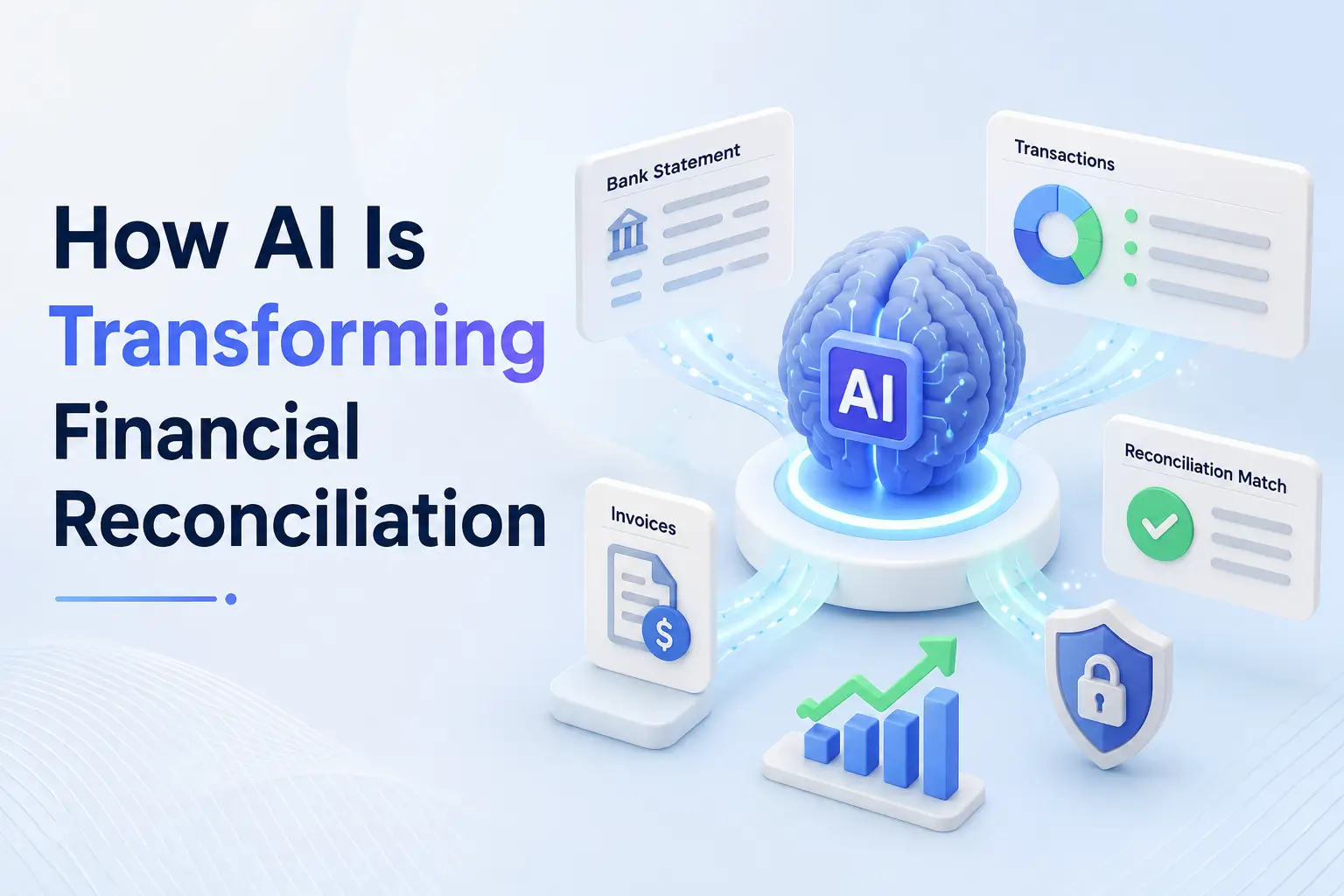
Today, a powerful solution has changed the game: automated bank reconciliation software. This technology is transforming how businesses, from small startups to large enterprises, manage their finances. But what exactly makes it so beneficial?
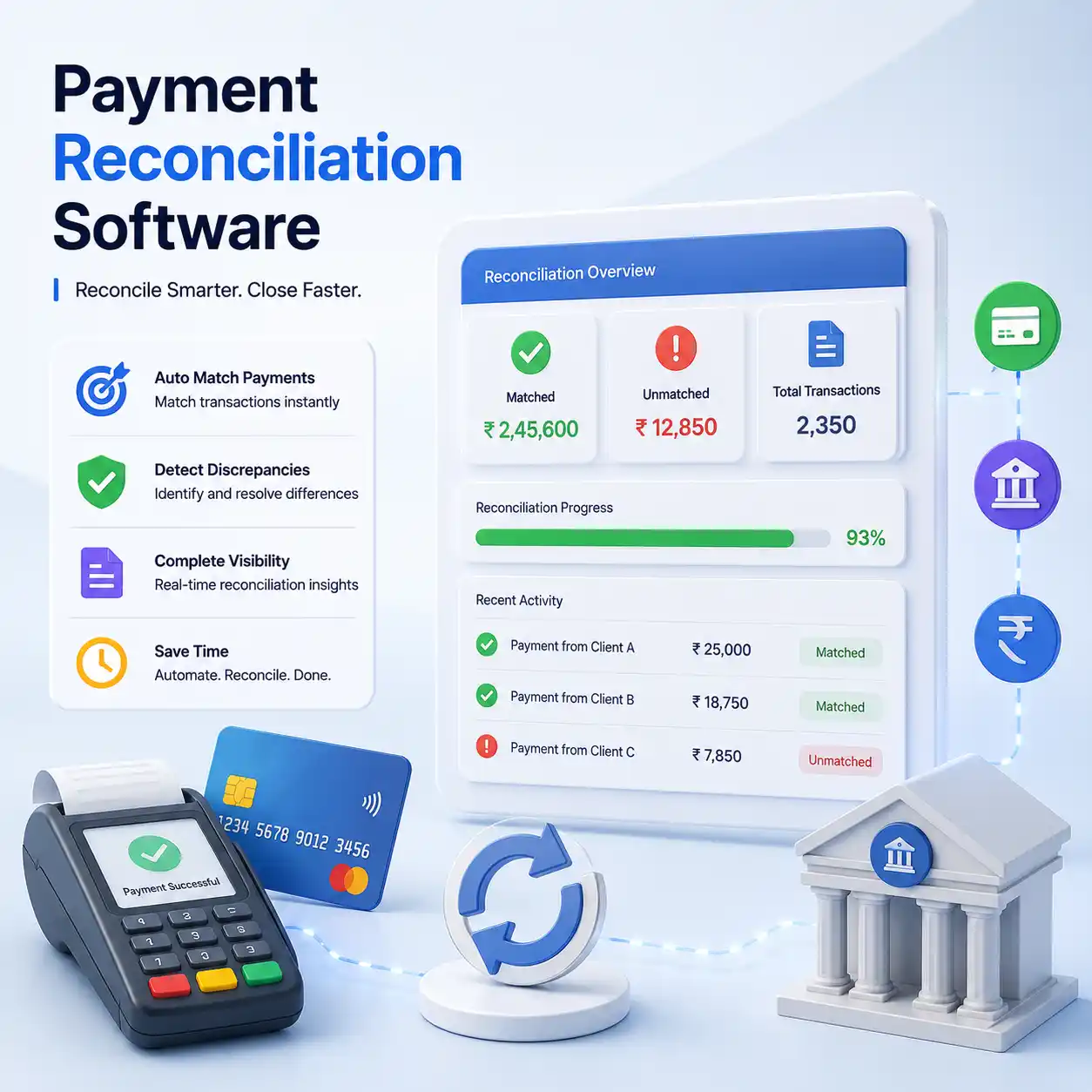
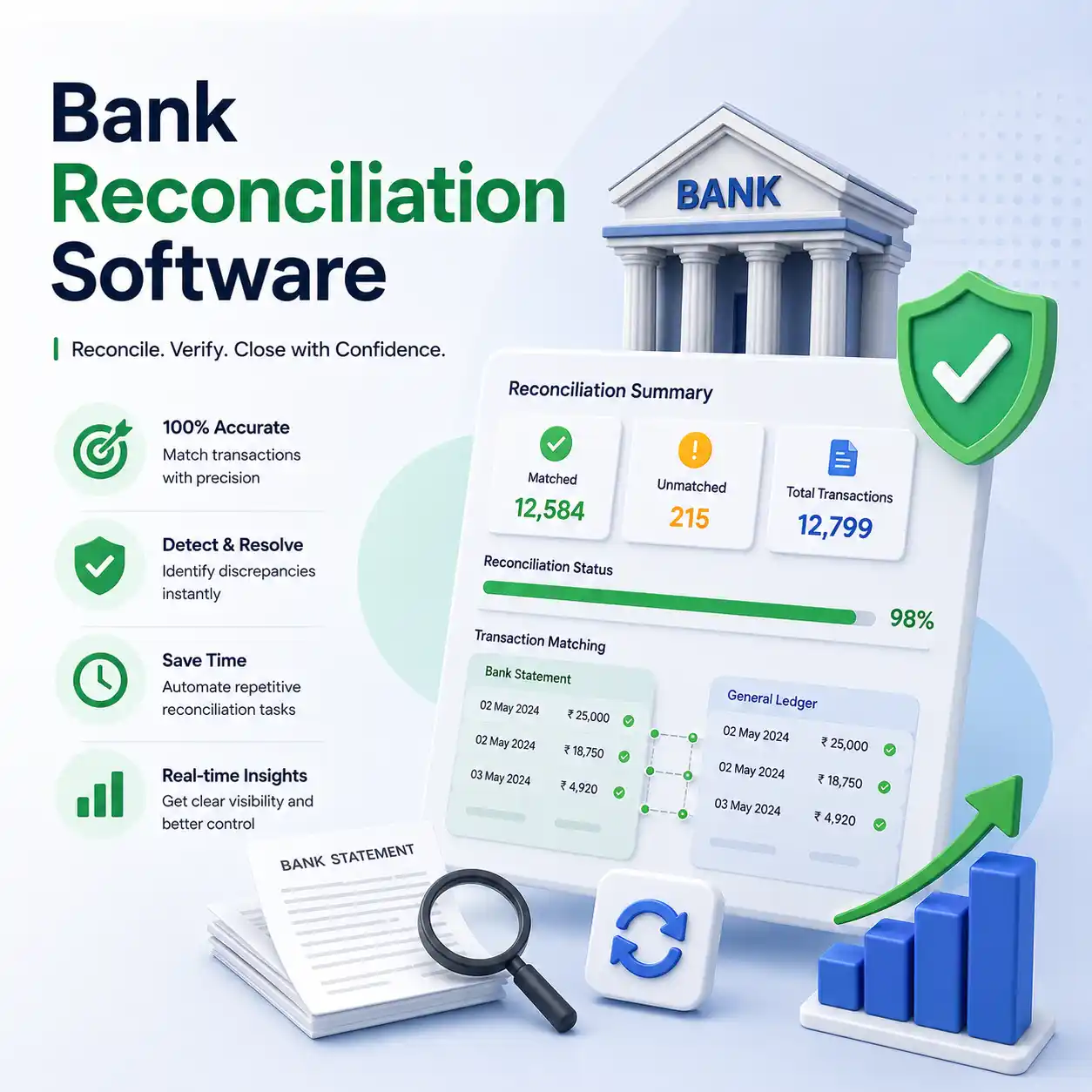
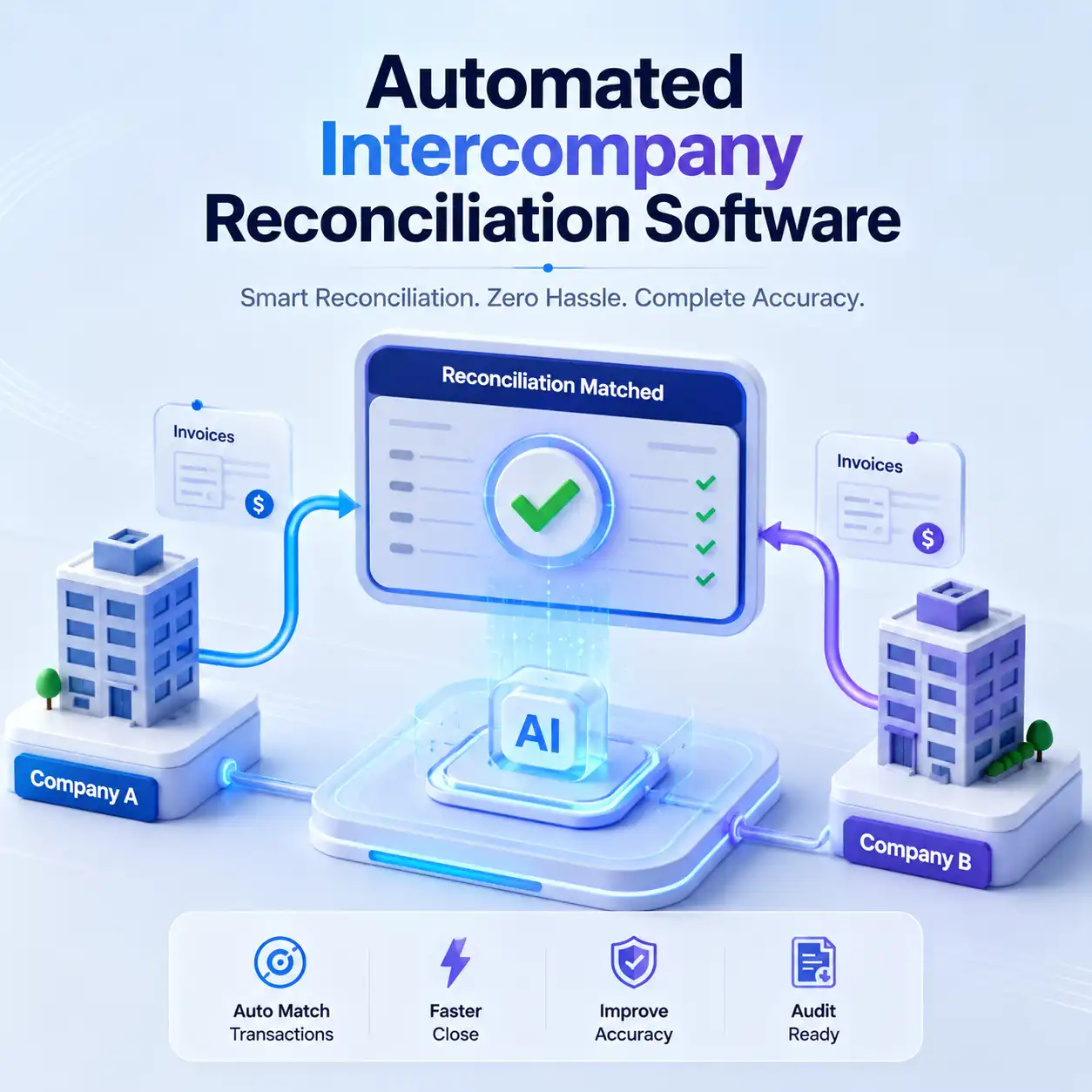
In simple terms, automated bank reconciliation software is a tool that connects to your bank accounts and accounting system to match transactions automatically. It replaces the manual, error-prone process with a fast, accurate, and reliable digital workflow. In this blog, we will explore the key advantages of adopting this technology, backed by data and real-world impacts, to help you understand why it's no longer a luxury but a necessity for efficient financial management.
The Heavy Cost of Manual Reconciliation
To appreciate the automation advantage, we must first understand the pain of the old way. Manual reconciliation involves downloading bank statements, importing or manually entering data into spreadsheets, and then line-by-line matching against entries in your general ledger. It’s a tedious clerical task.
According to industry analysis, manual reconciliation processes can consume over 15 hours per month for an average small to medium-sized business. For larger organizations with multiple accounts, this can escalate to hundreds of hours. This time is taken away from your finance team that could be spent on strategic analysis, forecasting, and supporting business growth.
More critically, manual work is prone to human error. A misplaced decimal, a missed entry, or a simple typo can create discrepancies that take even more time to unravel. These errors can lead to inaccurate financial reports, cash flow misjudgments, and serious compliance risks. Automated reconciliation software directly addresses these foundational problems.
Key Advantages of Automated Bank Reconciliation Software
Implementing an automated reconciliation system offers a multitude of benefits that cascade throughout your entire organization. Let's break down the most significant advantages.
1. Unmatched Time Savings and Increased Efficiency
The most immediate and noticeable benefit is the massive reduction in time spent on reconciliation.
- How it works: The software for bank reconciliation securely connects to your bank feeds (often in real-time) and your accounting platform. It uses rules and algorithms to match transactions automatically. What used to take days can now be accomplished in minutes or hours.
- The impact: Your finance staff is liberated from repetitive data entry. This efficiency gain allows them to focus on higher-value tasks like financial analysis, process improvement, and advising department heads. This shift from bookkeeper to strategic advisor is a key value driver.
2. Dramatic Improvement in Accuracy and Error Reduction
Machines don’t get tired or distracted. Automated reconciliation software follows the rules you set with perfect consistency.
- Eliminating Human Error: By removing manual data entry and cross-checking, you virtually eliminate typos, duplicate entries, and missed transactions. This leads to a far more accurate general ledger, which is the foundation of all your financial reporting.
- Fraud Detection: Consistent, automated matching makes it easier to spot anomalies. Unusual transactions, duplicate payments, or unexpected changes can be flagged instantly for review, adding a robust layer of financial control and security that is difficult to achieve manually.
3. Real-Time Financial Visibility and Better Cash Flow Management
With manual monthly closings, your financial picture is always looking at the past. Bank reconciliation automation changes this.
- Continuous Reconciliation: Many solutions allow for daily or even real-time sync. This means your books are always up-to-date, giving you a live view of your cash position.
- Informed Decision-Making: With accurate, current data at your fingertips, you can make smarter, faster decisions about payments, investments, and expenditures. You can manage your cash flow proactively rather than reactively, which is vital for business health and growth.
4. Enhanced Compliance and a Reliable Audit Trail
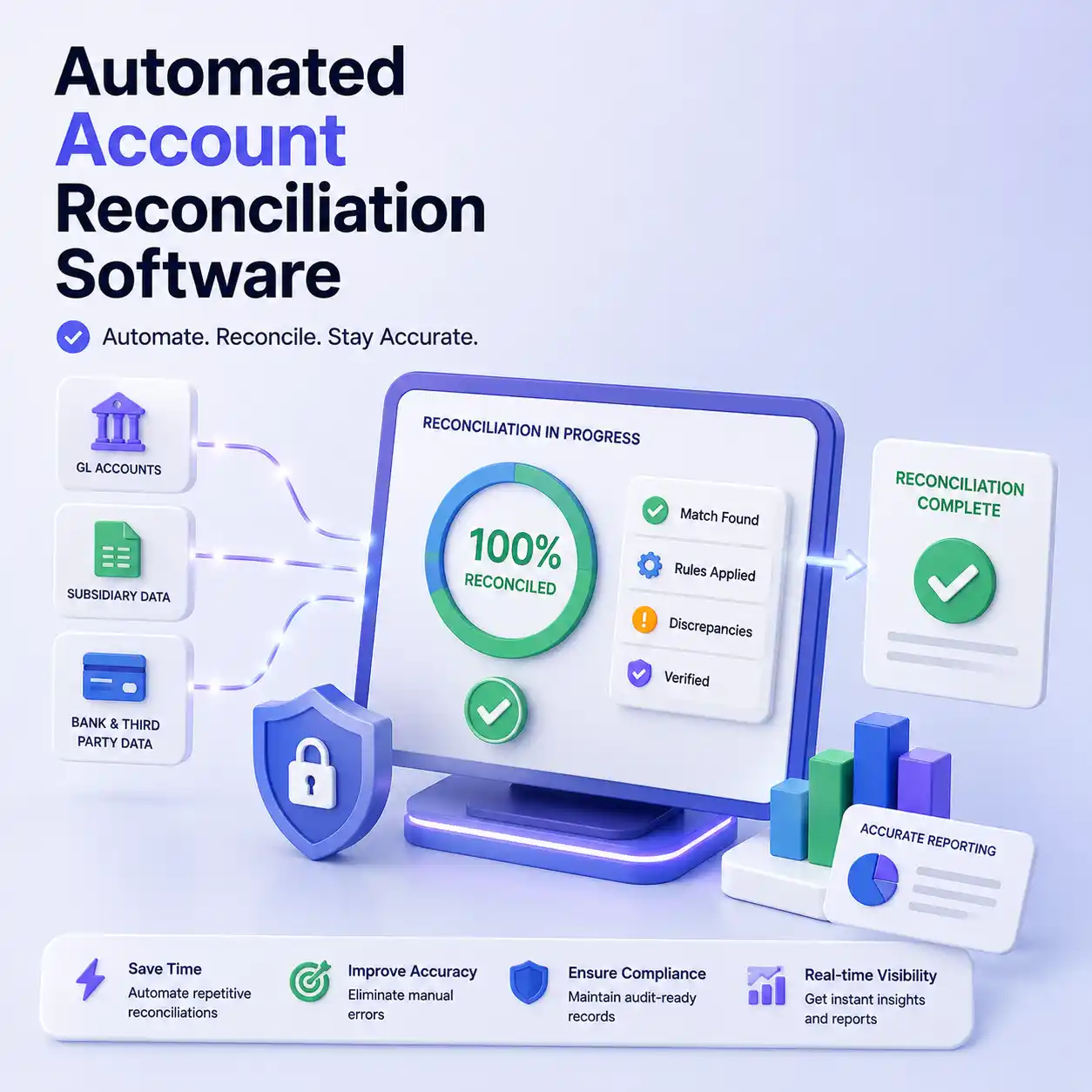
Financial regulations and audit requirements are becoming stricter. Automated account reconciliation provides a systematic approach to compliance.
- Complete Audit Trail: Every action within the software is logged—who approved what, when a rule was changed, how a discrepancy was resolved. This creates a transparent, tamper-proof audit trail that auditors love, significantly simplifying both internal and external audit processes.
- Standardized Processes: Automation ensures the reconciliation process is followed consistently every time, according to best practices and internal controls, reducing compliance risk.
5. Improved Scalability Without Proportional Cost Increase
As your business grows, so does the volume and complexity of your transactions. Scaling a manual process means hiring more staff.
- Handles Volume with Ease: An automated reconciliation solution can handle a thousand transactions as easily as it handles ten. The cost and time of reconciliation do not scale linearly with your business growth, providing fantastic operational leverage.
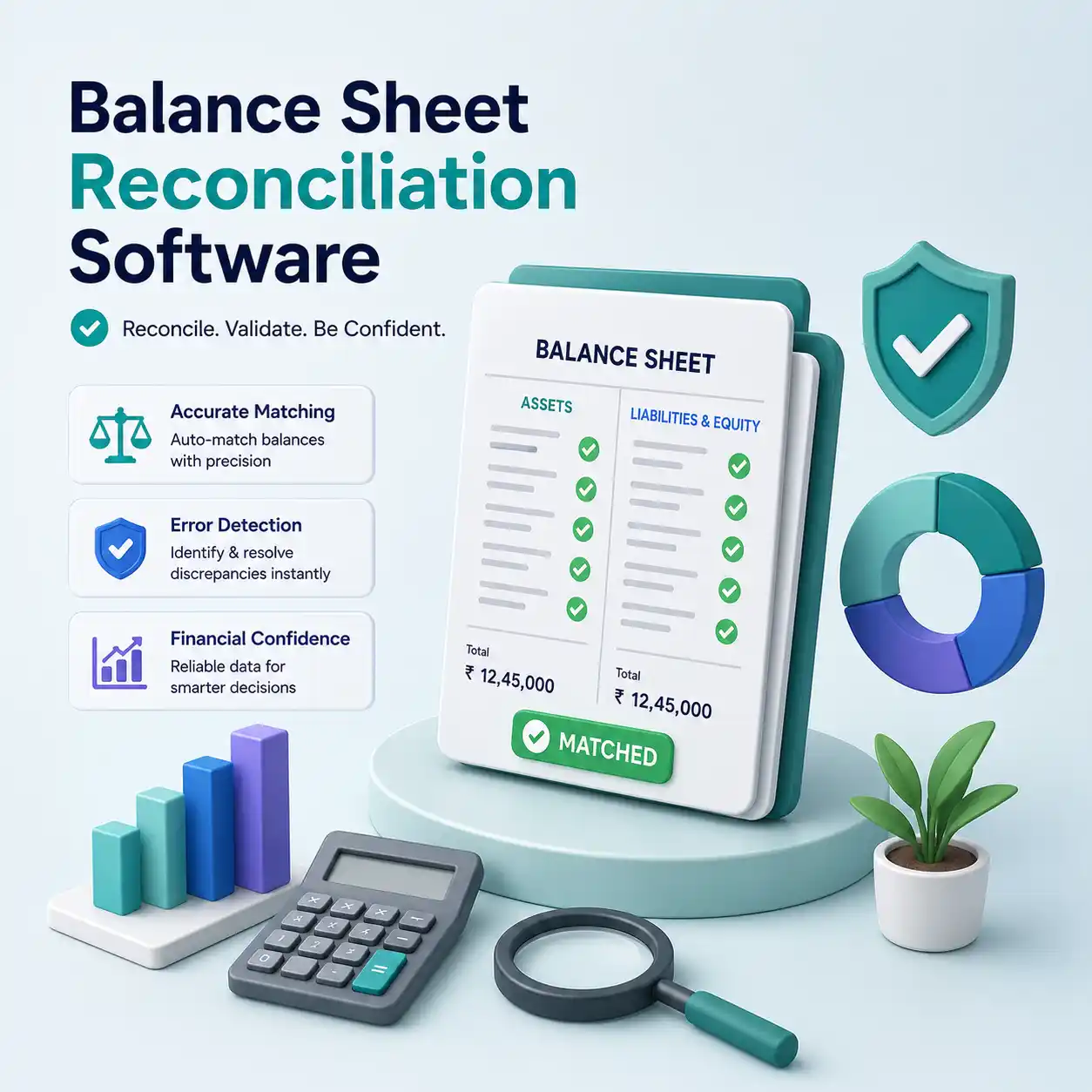
- Adapts to Complexity: Whether you add new bank accounts, payment gateways, or even new business entities, robust balance sheet reconciliation software can be configured to manage more complex structures without breaking a sweat.
6. Employee Morale and Strategic Resource Allocation
This advantage is often overlooked but incredibly important. Tedious, repetitive work is demoralizing.
- Boosts Job Satisfaction: By removing the drudgery of manual matching, you allow your skilled finance professionals to engage in more interesting, rewarding work. This leads to higher job satisfaction, reduced turnover, and a more motivated team.
- Attracts Better Talent: Modern finance professionals expect to work with modern tools. Implementing advanced reconciliation automation tools makes your department more attractive to top talent who want to work in a strategic, forward-thinking environment.
Also Read: What’s the Difference Between Manual and Automated Reconciliation?
Choosing the Right Tool for Your Needs
The term reconciliation software for banks can cover a range of products. When evaluating an automated bank reconciliation software, look for features that match your needs: secure bank connections, customizable matching rules, intuitive discrepancy flagging, robust reporting, and strong customer support. The right automated reconciliation system should feel like a natural extension of your team, not a complicated add-on.
Conclusion: Automation as a Strategic Imperative
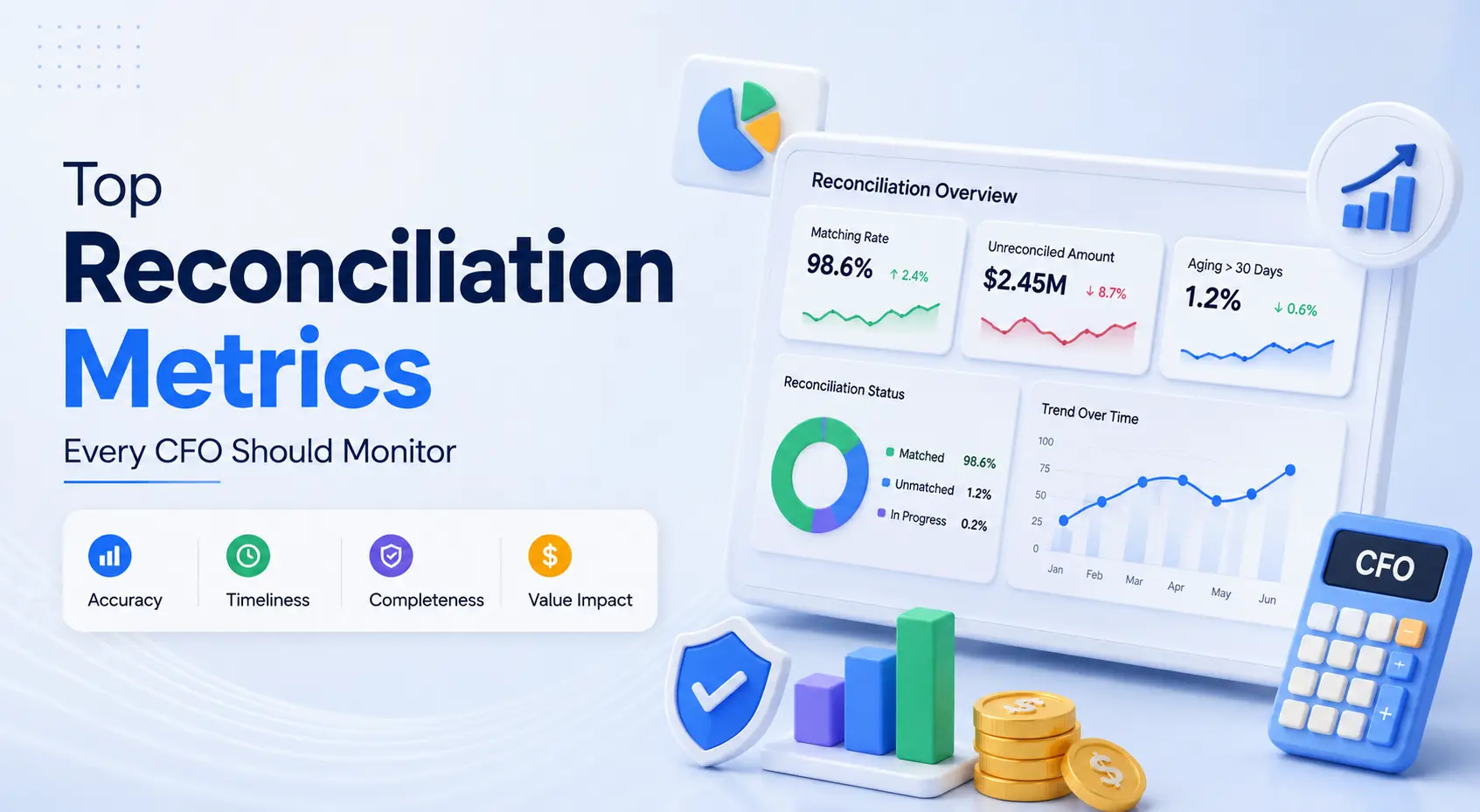
The evidence is clear. Moving from manual spreadsheets to automated reconciliation is not just a minor upgrade; it's a strategic leap forward. The key advantages—profound time savings, pinpoint accuracy, real-time visibility, stronger compliance, effortless scalability, and a happier team—directly contribute to a healthier bottom line and a more agile, competitive business.
In today's fast-paced digital economy, having a clear and immediate understanding of your financial position is a superpower. Automated bank reconciliation software provides that superpower, turning a necessary chore into a source of strategic insight and confidence.
Also Read: How to Automate Bank Reconciliation Without Changing Existing Systems?
Frequently Asked Questions (FAQs)
1. Is automated bank reconciliation software secure?
Yes, reputable providers use enterprise-grade security. This includes bank-level encryption (like 256-bit SSL/TLS), secure data centers, and read-only access to your bank feeds. They often have stricter security protocols than manual handling of paper statements or spreadsheets.
2. Can it handle transactions from multiple banks and accounts?
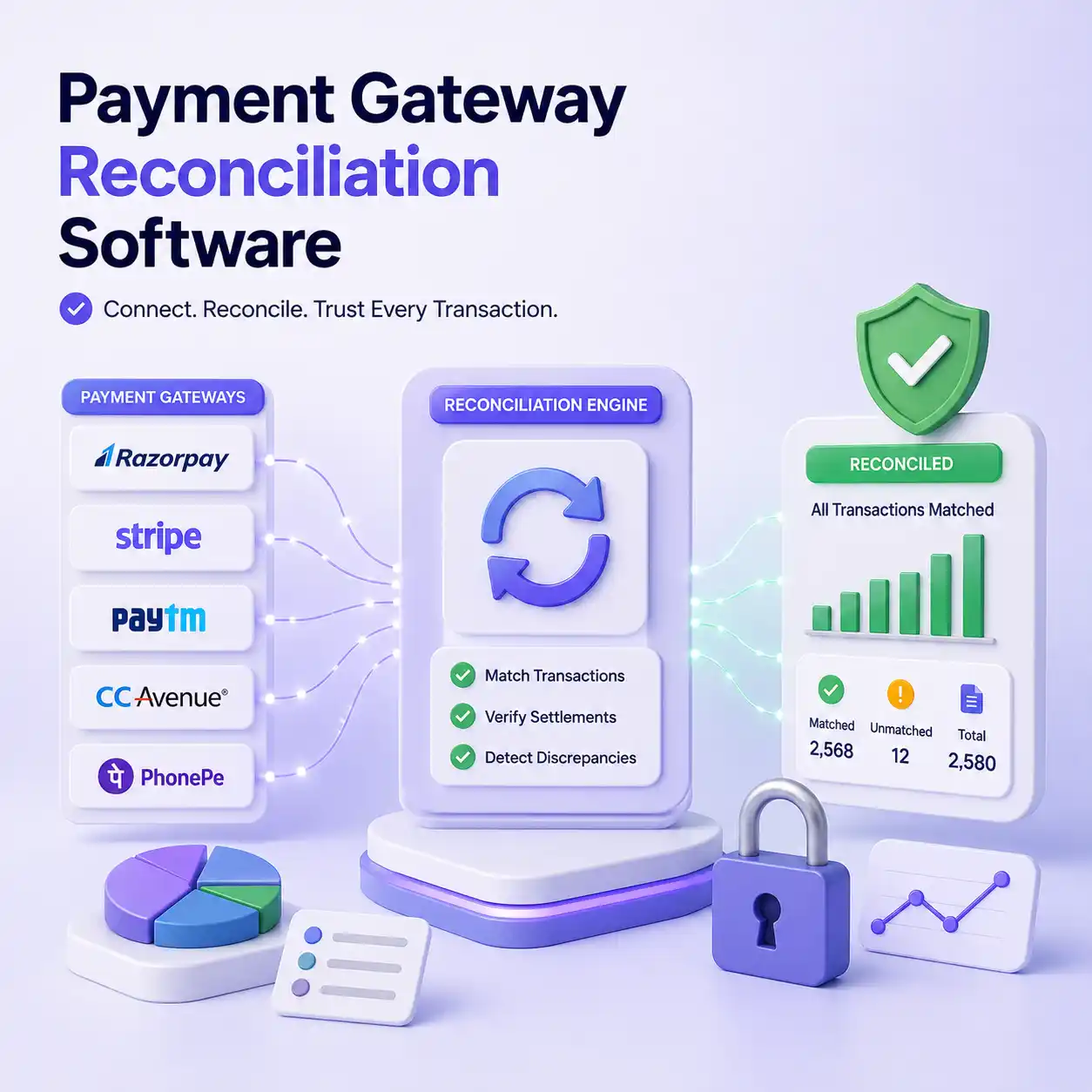
Absolutely. One of the strengths of a good accounting reconciliation software is its ability to connect to and consolidate data from numerous financial institutions, accounts (checking, savings, credit cards), and even payment platforms like PayPal or Stripe into a single dashboard.
3. What happens if the software can't match a transaction?
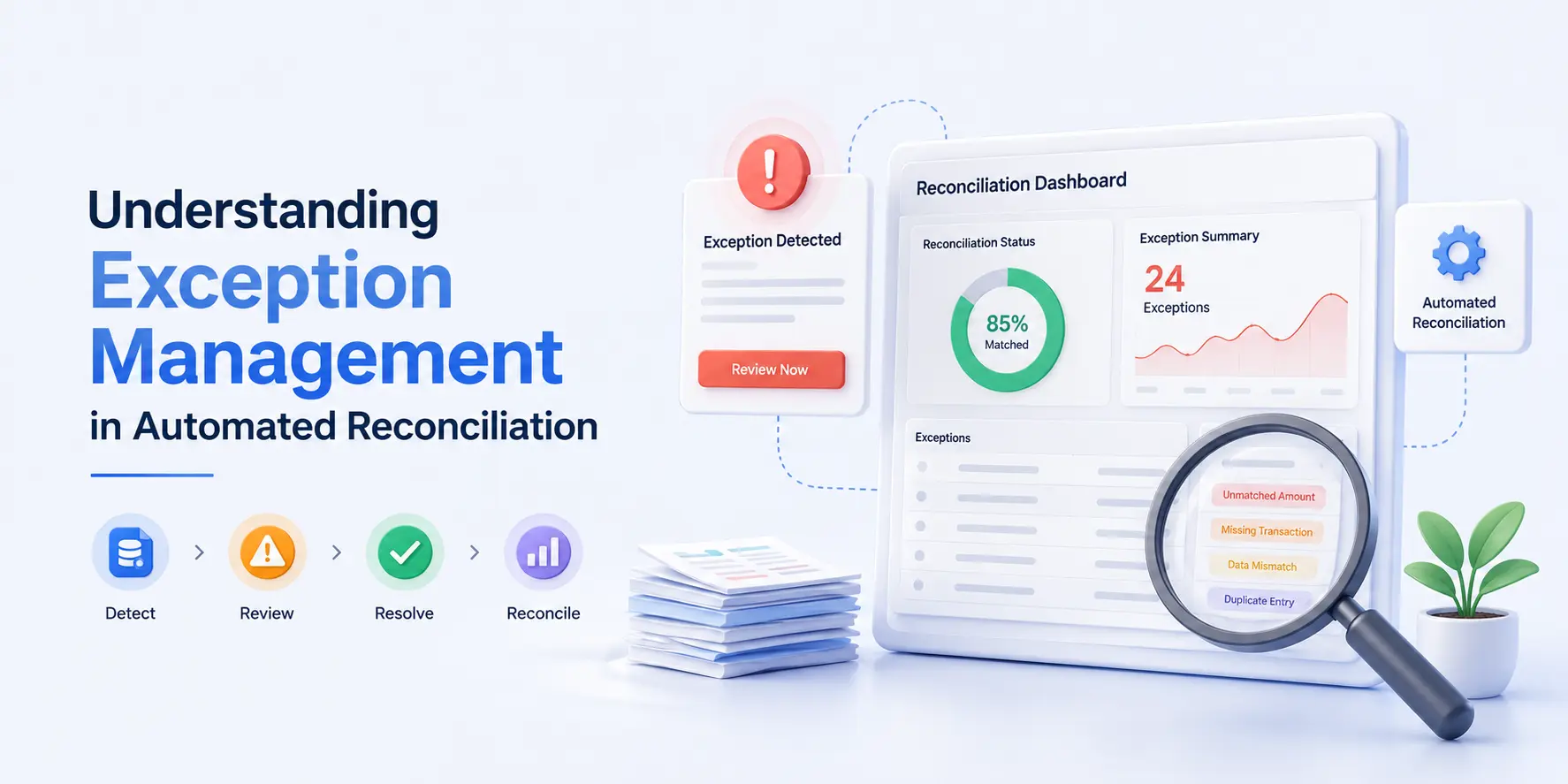
It doesn't guess. The software will flag unmatched transactions for your review. You can then investigate and resolve these exceptions manually. Over time, you can create new matching rules based on these exceptions to make the automation even smarter.
4. How long does it take to implement this software?
Implementation time varies. For a basic setup with standard accounting software integration, you could be up and running in a few days to a week. More complex deployments with custom rules across multiple entities may take a few weeks. The vendor's onboarding team typically guides you through the process.
5. Is it suitable for a very small business or solo entrepreneur?
Yes. The efficiency gains are valuable at any scale. Many providers offer scalable plans tailored for small businesses. The time you save, even if it's a few hours a month, can be redirected towards growing your business.
6. Does it integrate with my existing accounting system (like QuickBooks, Xero, or SAP)?
Most leading automated reconciliation software solutions are built to integrate seamlessly with popular accounting and ERP systems. Always check the provider's integration list before purchasing to ensure compatibility with your specific stack.
Ready to get started?
Contact us now
Contact us now
* By clicking on Contact Us you are agreeing to our Terms & Conditions and Privacy policy.