Understanding Exception Management in Automated Reconciliation
Kosh.ai
July 10, 2026
Financial transactions move at lightning speed. For growing businesses, keeping track of every single dollar moving through internal ledgers, banking portals, and payment gateways can be a massive operational burden. Modern finance teams rely heavily on digital transformation to keep up with this volume, shifting away from messy spreadsheets and moving toward automated workflows.
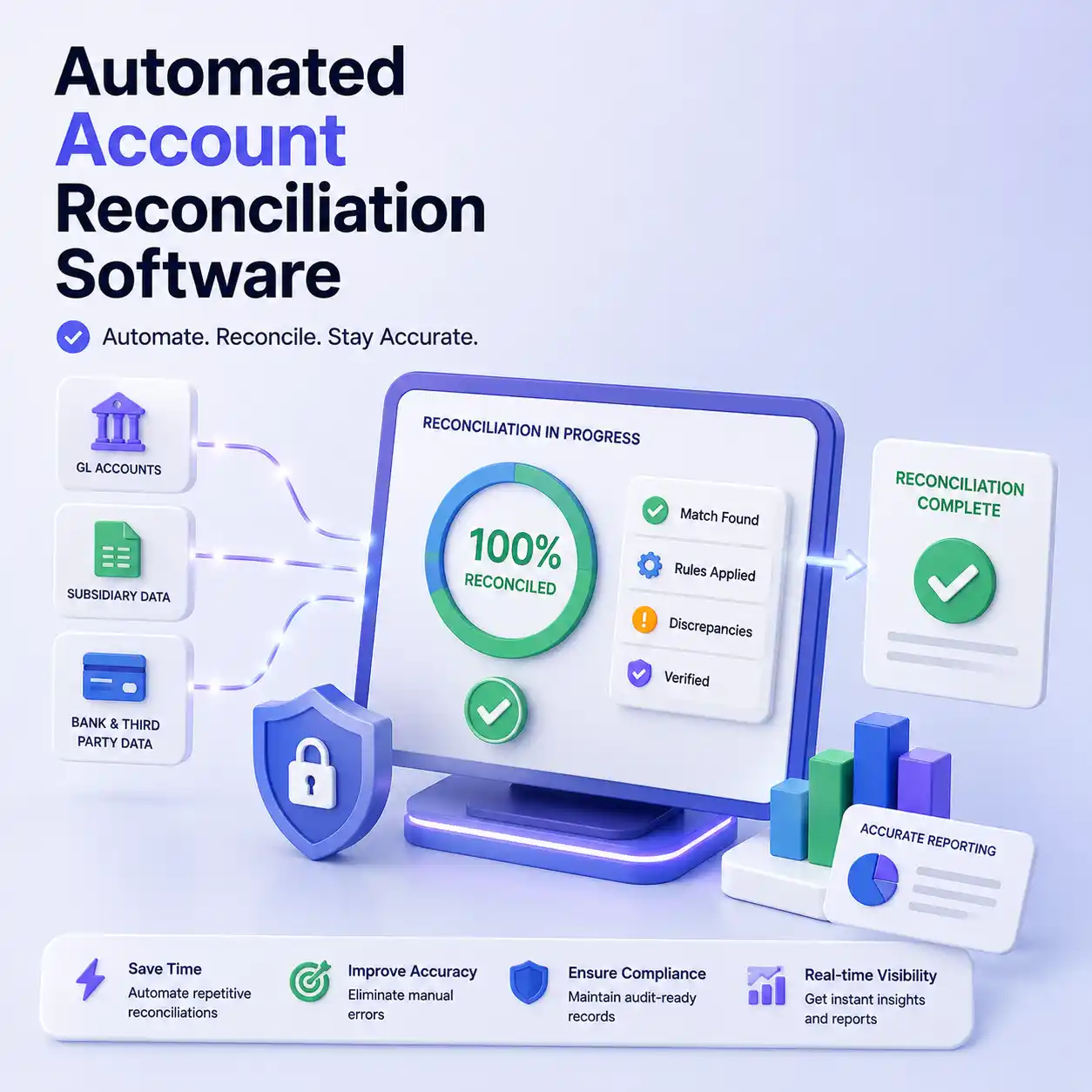
Implementing an automated reconciliation platform is one of the smartest operational moves an enterprise can make. It dramatically reduces the time spent on data collection and matches the majority of your transactions in seconds. According to recent research from financial institutions, manual reconciliation workflows carry an average error rate of over 3%, and a single complex transaction can take up to two to three hours to settle. By adopting automation, finance departments experience up to a 95% reduction in reconciliation errors, and month-end close times drop by up to 75%.
Automation is highly efficient, but it is not entirely magic. Even the most sophisticated matching rules cannot pair up 100% of your data points automatically. There will always be transactions that do not match perfectly due to human mistakes, system timing gaps, or currency fluctuations. These non-matching items are called exceptions. How your organization handles these mismatches determines the overall health, speed, and accuracy of your financial operations.
What is Exception Management in Financial Reconciliation
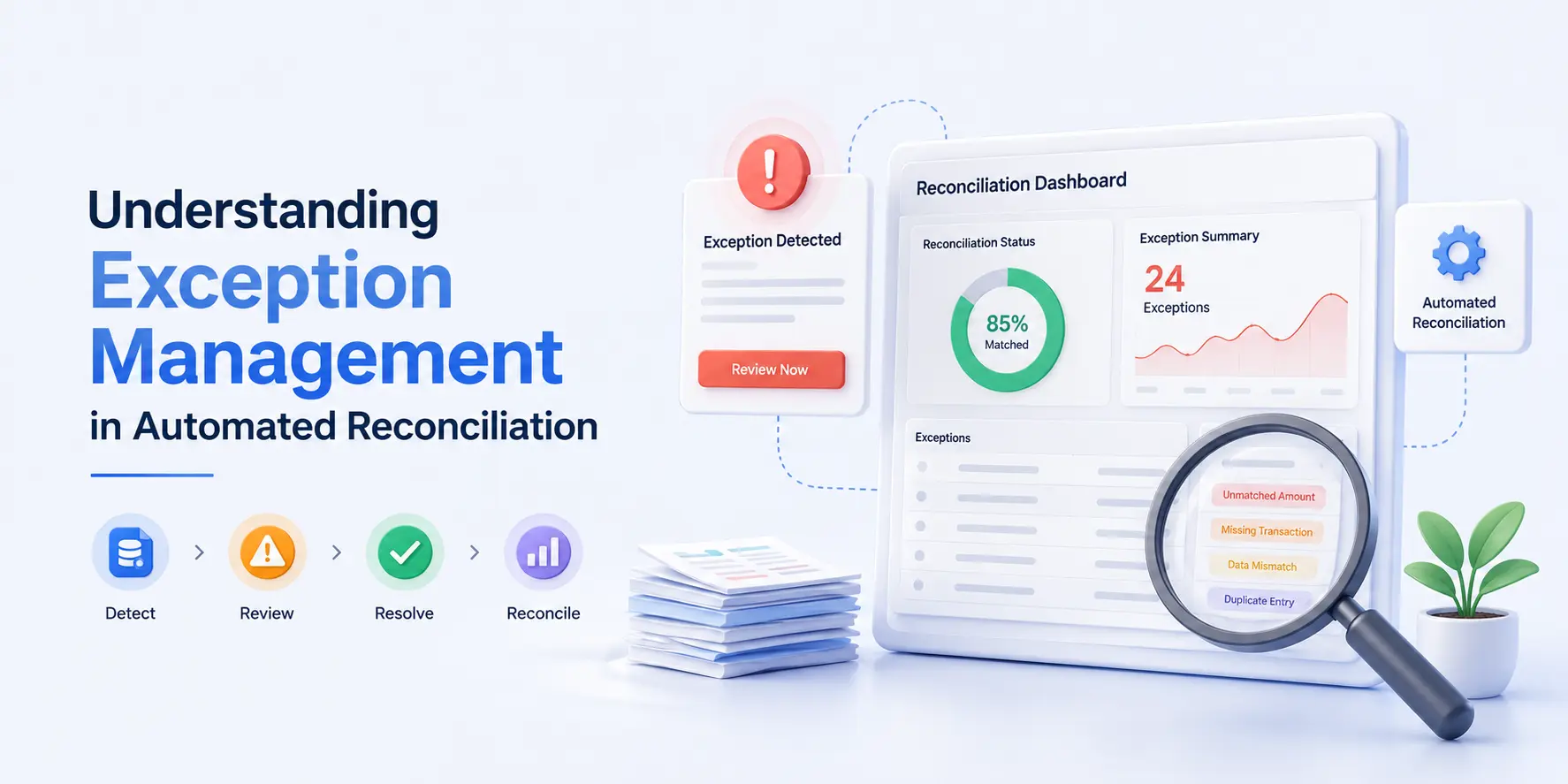
Exception management is the structural process of isolating, analyzing, routing, and resolving financial transactions that fail to clear automated matching rules. When a reconciliation engine scans internal accounting data against external data pipelines, it relies on predefined parameters such as transaction IDs, timestamps, or exact monetary amounts. When a transaction violates these rules, the system flags it as an exception.
Rather than pausing the entire transactional queue, a modern system isolates these outliers. This keeps the remaining financial data moving smoothly without interruption. Exception management bridges the gap between automatic computer processes and critical human thinking. It ensures that the accounting department focuses its energy exclusively on genuine problem areas rather than wasting time manually reviewing thousands of identical entries.
Why Exceptions Occur in Automated Data Matching
To build a strong operations desk, it is important to understand why exceptions happen in the first place. Mismatches do not necessarily point to severe accounting errors or fraud. Most often, they stem from standard operational differences across separate business applications.
Timing Gaps and Processing Latency
One of the most frequent reasons for an exception is a timing mismatch between two separate platforms. For example, your internal ERP system might log a sales transaction on a Friday night, but the external processing institution might not settle or clear that amount until Monday morning. This creates a temporary balance discrepancy that the rules engine flags because the dates do not match up properly.
Human Error and Manual Typos
Despite widespread digitization, manual inputs still happen across supply chains and customer-facing teams. A billing specialist might accidentally transpose two digits when typing a reference number, or a client might pay an invoice but forget to include their billing account number in the wire transfer notes. Because the automated engine looks for an exact string match, it pulls this item out for manual review.
Banking Fees and Exchange Rates
Cross-border payments regularly trigger exceptions. When processing international invoices, local institutions frequently deduct hidden service fees, intermediary charges, or regional taxes. Consequently, the net cash amount hitting your account will be lower than the original invoice value stored in your accounts receivable system, causing a system mismatch.
The Strategic Importance of Exception Management in Business Operations
If your company leaves transaction exceptions unmanaged, they quickly stack up into a massive backlog. This can cloud your overall visibility into cash flow and lead to expensive mistakes down the road.
Boosting Your Auto Match Rates Over Time
The ultimate benchmark for a successful finance department is a high auto-match rate. When exceptions are accurately flagged, organized, and categorized, operations leaders can clearly spot patterns. If a specific payment gateway consistently causes exceptions due to minor formatting issues, your engineers can adjust your matching logic to allow a tiny variance window, steadily boosting your overall hands-free automation rate.
Accelerating Month End Close Cycles
A major headache for any accounting division is the stressful rush of closing the books at the end of the month. According to data from Gartner, nearly 18% of accountants make financial errors on a daily basis, and 59% make mistakes monthly due to the stress of heavy, repetitive manual workloads. When exception workflows run continuously throughout the month, anomalies are resolved in real-time, preventing a massive bottleneck of data on closing day.
Strengthening Audit Preparedness and Compliance
Internal control violations can damage an enterprise's market reputation and invite heavy penalties from regulatory authorities. Advanced accounting automation creates an unchangeable, historical audit trail of how every mismatch was resolved, who approved it, and what adjustments were made. This transparency makes external reviews and annual audits much faster and less stressful.
Deep Dive into Core Reconciliation Use Cases
Different types of financial streams present distinct challenges that require customized exception workflows.
Managing Discrepancies in Banking Portals
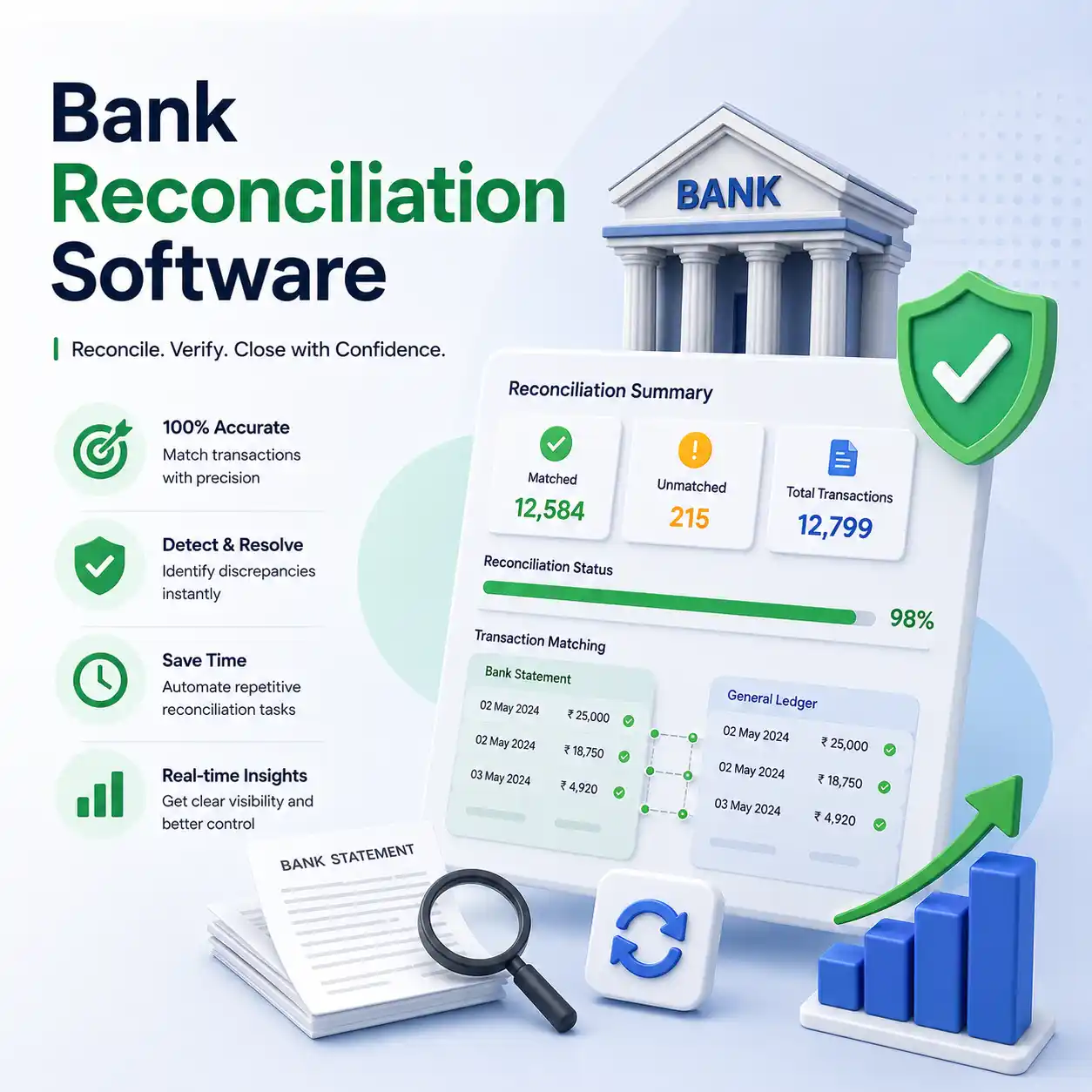
Managing your bank statements is critical for keeping an accurate view of liquidity. Using a specialized bank reconciliation platform enables operations teams to pull data feeds from various banks automatically. Common exceptions here include unrecognized merchant processing fees, unexpected interest payouts, or returned checks. Resolving these quickly prevents discrepancies from snowballing across your corporate ledger.
Optimizing High Volume Merchant Processing
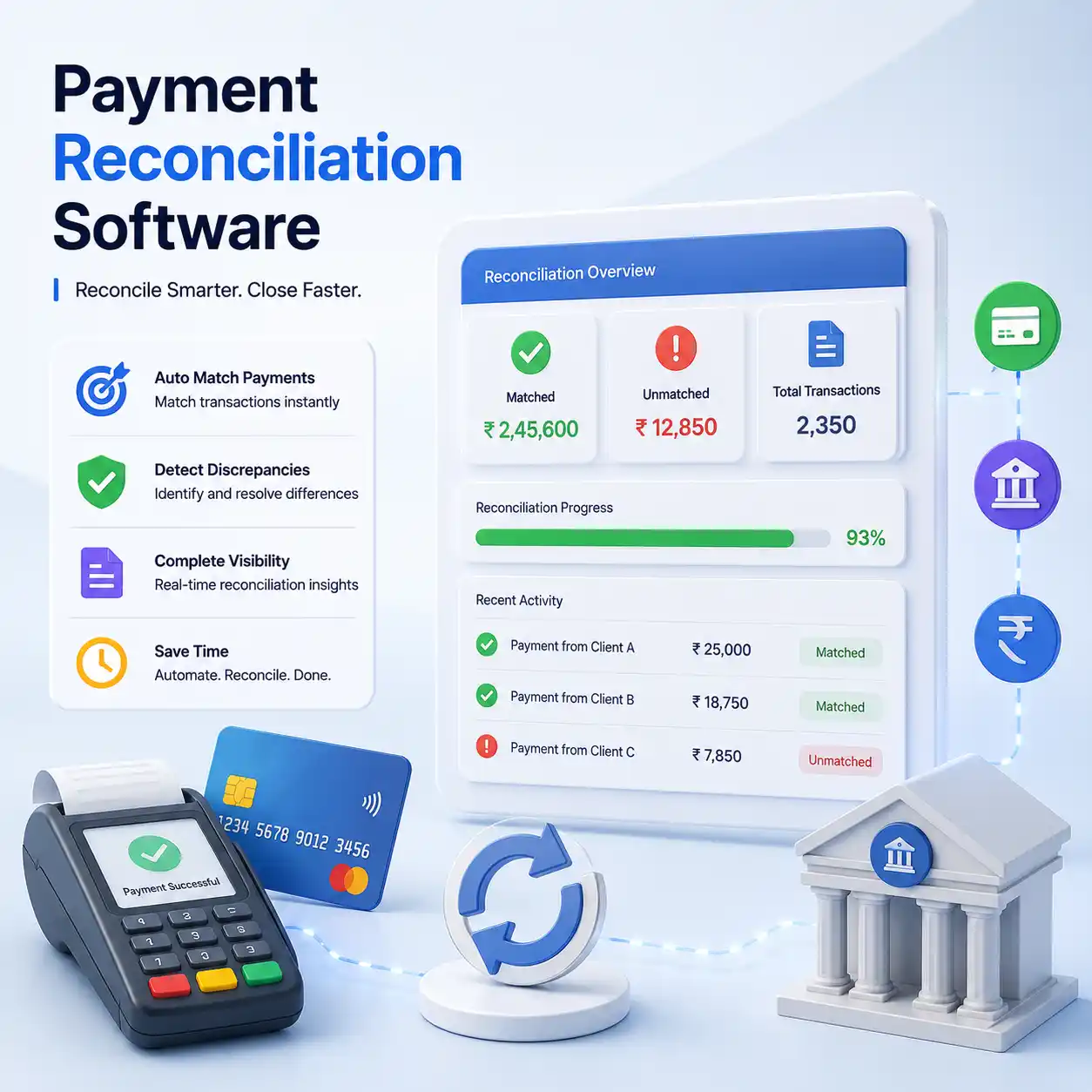
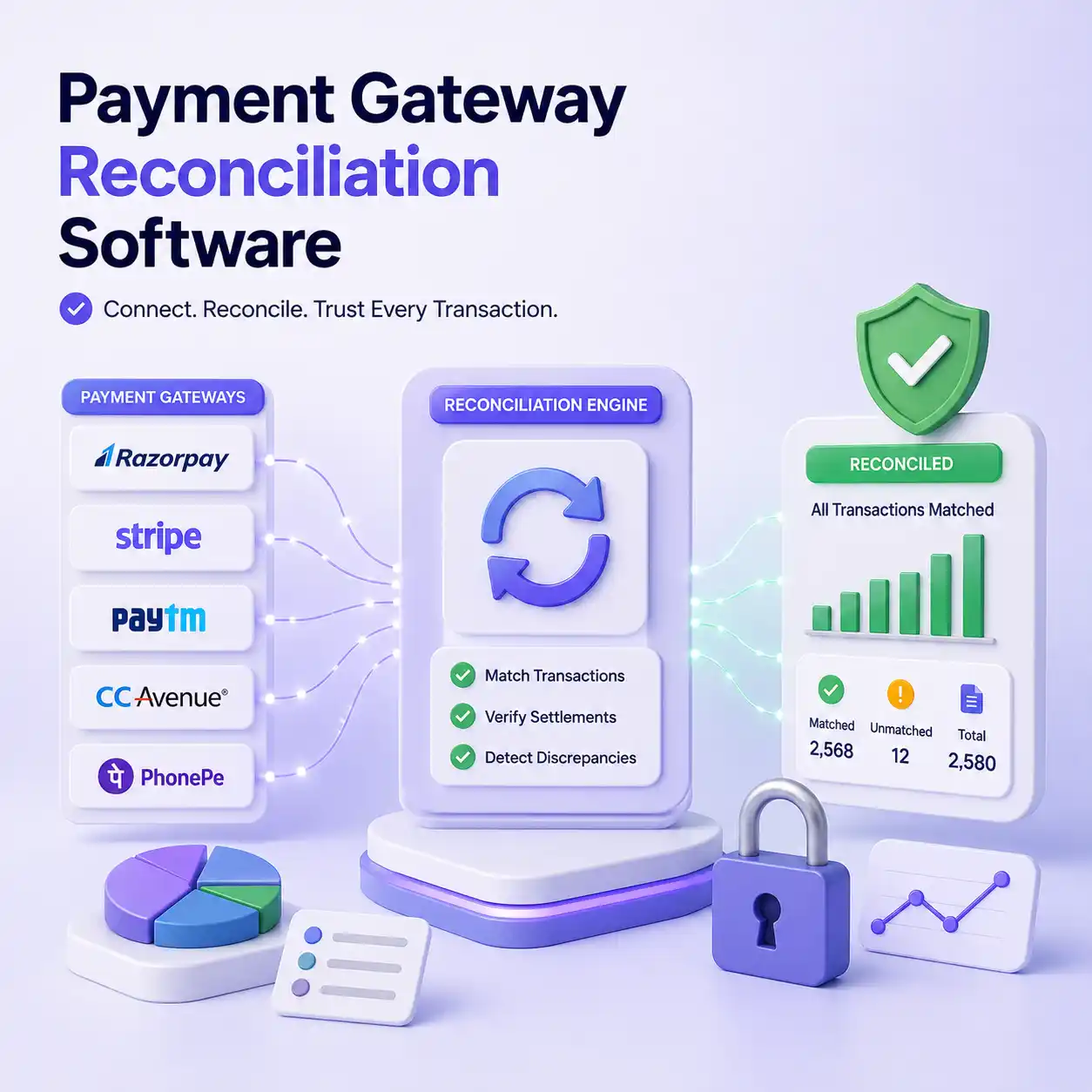
Digital commerce platforms handle millions of small micro-transactions daily. Deploying a dedicated payment reconciliation framework helps catch discrepancies caused by chargebacks, split refunds, and gateway reserves. Identifying these discrepancies immediately ensures your team can recover missing revenue before it impacts profit margins.
Controlling Inflow and Liquidity Streams
Physical and digital cash entries require tight monitoring. Utilizing comprehensive cash reconciliation infrastructure allows enterprises to match point-of-sale data with physical bank drops and digital deposits. Fast exception management here protects the company against shrinkage, operational leaks, and internal branch fraud.
Aligning Parent and Subsidiary Ledgers
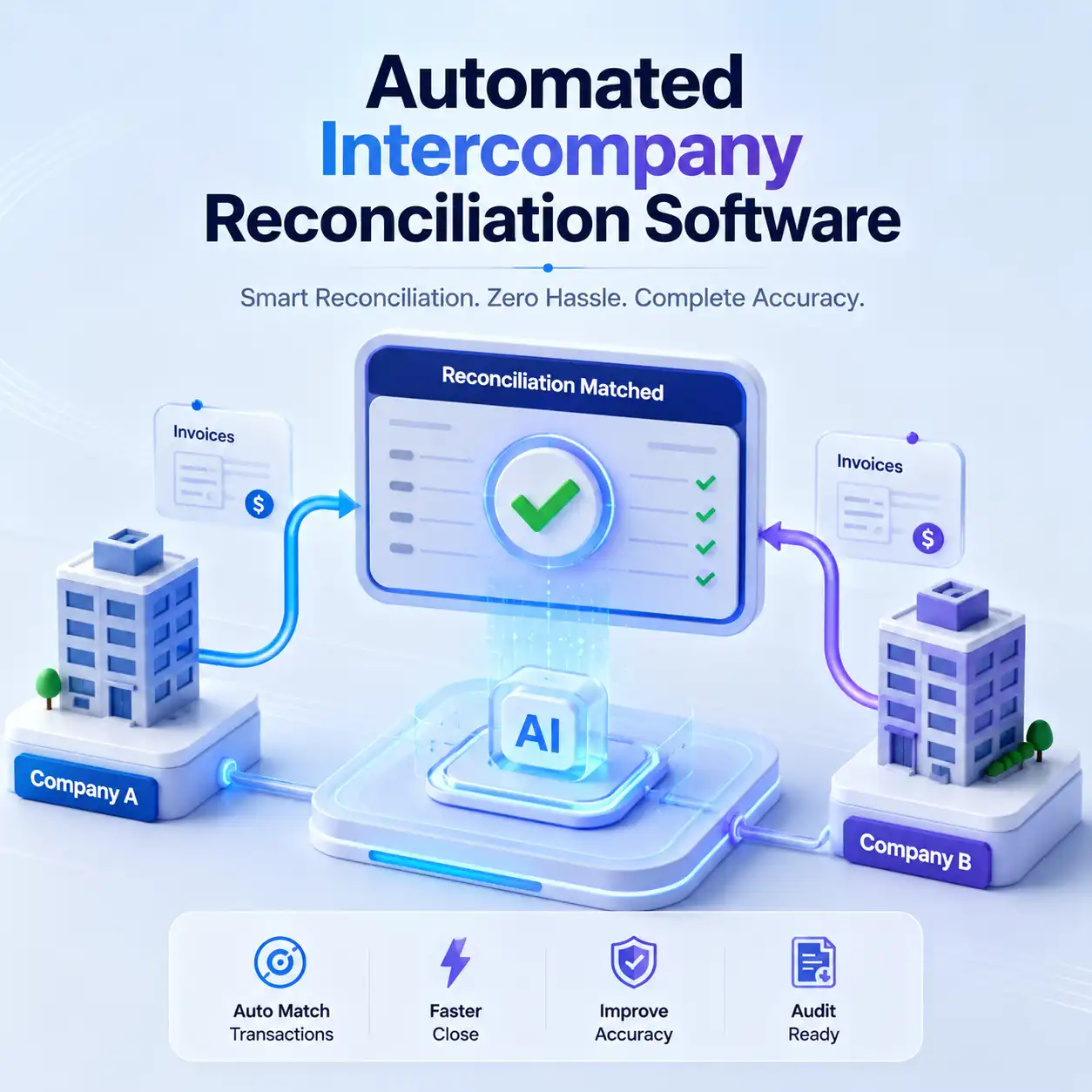
For global enterprises, matching transactions between internal business units is incredibly complex. A robust intercompany reconciliation structure helps catch exceptions caused by varying internal transfer pricing, multi-currency conversions, and different subsidiary accounting calendars. Getting these aligned is essential for publishing clean, consolidated corporate statements.
Best Practices for Building an Efficient Exception Management Workflow
Setting up an efficient exception workflow requires balancing smart software capabilities with the right operational habits.
- Set Clear Discrepancy Thresholds: Avoid triggering red flags for tiny fraction-of-a-cent rounding errors. Build minor, acceptable variance ranges into your matching rules to keep small deviations from clogging your workspace.
- Automate Task Routing: Use smart workflow logic to send specific exceptions to the right team members immediately. For example, send payment gateway exceptions straight to your e-commerce operations group and route large bank variances to senior finance managers.
- Maintain Complete Communication Logs: Store all notes, team conversations, and supporting digital documents directly inside the exception profile. Keeping everything in one place saves your team from digging through endless external emails during an audit.
- Review System Matching Rules Regularly: Treat your automation setup as an evolving process. Carve out time every quarter to look at your most common exceptions and update your system's logic to handle recurring issues automatically.
Also Read: The ROI of Investing in Automated Reconciliation Software
FAQs
What exactly is an exception in automated financial workflows?
An exception is any transaction entry that cannot be automatically matched by a software engine because it fails to satisfy the established matching rules, such as exact matches for transaction codes, dates, or dollar values.
How does exception management lower operational risks?
It isolates problematic data points immediately, which helps companies detect potential fraud, catch dual billing errors, and fix accounting discrepancies early before they turn into costly financial write-offs.
Can an automated reconciliation platform fix exceptions without human help?
Advanced platforms can fix specific common exceptions automatically using machine learning logic and pre-set rules, but highly complex, unusual discrepancies will always require a human specialist to review and sign off on them.
What is a normal auto match rate for a growing business?
While average business operations usually achieve an initial matching rate between 75% and 85%, top-tier automated architectures can push this rate past 95% as their rules engines mature over time.
Why do timing delays cause transaction exceptions?
Timing delays happen because different systems log data on different schedules. An internal system might record a sale today, but the processing bank might not settle the cash transfer until two days later, triggering a date mismatch.
How do clear exception audit logs benefit corporate accounting teams?
They create a transparent, permanent timeline that shows exactly how discrepancies were investigated and resolved, giving external auditors clear proof of strong internal financial controls.
Ready to get started?
Contact us now
Contact us now
* By clicking on Contact Us you are agreeing to our Terms & Conditions and Privacy policy.