How Spreadsheet-Based Reconciliation Is Holding Your Business Back
Kosh.ai
July 7, 2026
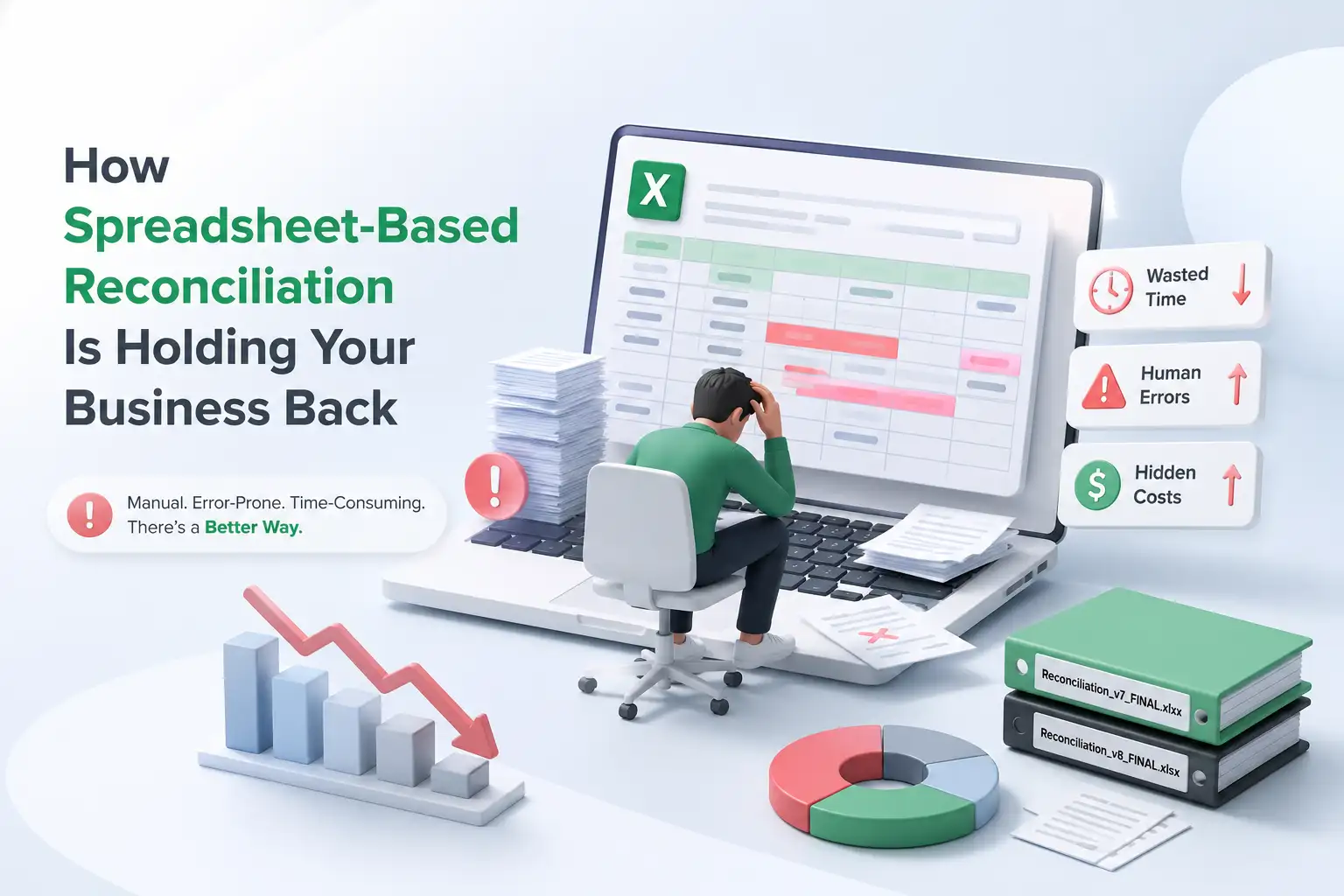
For decades, the humble spreadsheet has been the absolute backbone of corporate finance departments. When transaction volumes were low and business structures were simple, Microsoft Excel or Google Sheets served as the perfect tool to manually check boxes and align the ledger. In today's fast paced transaction environment, relying on manual data entries to handle complex corporate financial tasks is no longer just an administrative bottleneck. It has become a significant liability.
As business models evolve into omnichannel operations, digital platforms handle thousands of micro transactions every single second. Relying on legacy spreadsheets to manually manage your data matching processes limits corporate agility, leads to expensive human errors, and delays strategic insight. If your enterprise finance team is still drowning in endless tabs and broken VLOOKUP formulas during month end close cycles, it is time to face reality. Manual spreadsheet processes are actively holding your business back.
The Hidden Reality of the Spreadsheet Reliance
Many corporate financial leaders experience an illusion of control when looking at a perfectly formatted spreadsheet. The columns look clean, the rows line up, and the final balances appear valid. Academic and industrial financial research consistently reveals that this stability is often just a false front.
According to a comprehensive financial reporting study led by Professor Pak-Lok Poon, an astonishing 94% of business spreadsheets used in strategic corporate decision making contain significant errors. The risk deepens further when we look at the daily operations of financial personnel. A survey conducted by Gartner indicates that 18% of professional accountants make financial errors at least daily, while 59% admit to making multiple financial errors every single month. When your reconciliation process depends entirely on manual human data Entry, copy pasting CSV files, and constructing fragile formulas, mistakes are not just possible. They are statistically guaranteed.
The reason for this high failure rate is simple to understand. Humans are not built to process thousands of transaction rows line by line without losing focus. A single misplaced decimal point, an unintended text character inside a financial field, or a broken formula can instantly throw off an entire balance sheet. Because spreadsheets lack any real time data validation, these mistakes can remain hidden deep within your financial models for months, only coming to light during a painful end of year external audit.
Why Manual Processes Explode Under Modern Transaction Volumes
The mathematical reality of business growth is that as transaction numbers scale linearly, the complexity of manual data matching scales exponentially. What worked perfectly for a startup managing a few hundred client invoices per month completely shatters when a business scales to thousands of modern digital payments.
The Interconnected Nightmare of Multi Channel Data
Modern companies receive cash through an array of digital channels, including credit cards, point of sale terminals, regional bank wires, and alternative digital wallets. Every single payment channel operates on its own unique data format, processing cycle, and reporting schedule.
When your financial analysts are forced to export these disjointed files and manually map them into a master spreadsheet, they run into massive issues with data normalization. Hidden whitespaces, differing date formats, and modified transaction descriptions cause standard lookup functions to fail completely. Teams wind up spending hours cleaning raw data instead of executing actual accounting tasks.
The Breaking Point of Spreadsheets
Spreadsheets have absolute, hard coded infrastructure limits. For instance, an Excel worksheet cannot exceed 1,048,576 rows. While that sounds like an enormous number, high volume enterprises, subscription services, and e-commerce platforms can easily generate millions of transaction rows in a matter of weeks.
When files approach these performance boundaries, software stability degrades significantly. Calculations drag to a complete halt, files crash unexpectedly, and data corruption risks skyrocket. Attempting to manage modern multi channel financial data using tools designed for basic ledger tracking is a recipe for operational failure.
The Direct and Indirect Costs Stifling Your Growth
Many corporate executives view the lengthy time spent on monthly financial tracking as an unalterable cost of doing business. The true cost of manual workflows goes far beyond the basic salaries paid to your accounting team. It represents an ongoing drain on corporate capital and organizational productivity.
Direct Financial Waste and Payment Leakage
When relying on humans to check matches across massive data sets, transactional mistakes slip right through the cracks. Research shows that up to 3% of corporate payments in high volume enterprise environments are duplicate payments or overpayments.
Without specialized payment reconciliation software running automated cross reference validation rules, your business might be routinely overpaying vendors, missing out on contractual volume rebates, or letting valuable early payment discounts expire completely. Research indicates that the average unclaimed vendor credit discovered during deep corporate statement audits sits at a staggering amount, money that directly leaves your operational bottom line due to simple tracking oversights.
The Human Cost: Talent Burnout and Strategic Stagnation
A major report by PwC states that finance teams spend roughly 30% of their total time on basic manual data matching and validation. In lower performing or legacy organizations, financial analysts spend up to 40% of their day simply gathering and cleaning data rather than analyzing business performance metrics.
This creates a highly stressful work environment characterized by frantic late nights during the month end close. Talented financial professionals do not want to spend their careers copy pasting rows across messy spreadsheets. This operational friction leads to severe staff burnout, a drop in overall productivity, and high employee turnover rates. Furthermore, while your team is buried under transactional details, your executive leadership is forced to make critical corporate growth decisions without real time financial insight.
The Compliance and Audit Risks of the Spreadsheet Era
In an era of tightening international regulatory guidelines, corporate data governance is more critical than ever. Relying on an unstructured web of shared desktop spreadsheets introduces severe security risks and leaves your business completely exposed to massive compliance penalties.
Lack of Historical Version Control and Audit Trails
Spreadsheets are fundamentally collaborative blank slates that lack built-in, tamper proof internal tracking controls. Anyone with access to an Excel file can change a formula, alter a historical transaction value, or delete an entire row without leaving any visible trace or explanation of who authorized the edit.
This lack of traceability is an immediate red flag for external financial auditors. When your accounting team cannot produce a clear, chronological data path showing exactly how an internal general ledger entry connects to an external statement line item, your corporate audit costs surge, and your financial statements face a higher risk of material misstatement flags.
Data Security Vulnerabilities
Financial statements contain highly sensitive corporate data, including vendor banking details, internal cash reserves, and client account information. When these data sets are exported into CSV or Excel formats to perform manual matches, they are frequently shared across insecure internal channels, attached to corporate emails, or saved onto local employee hard drives. This fragmented approach drastically increases your vulnerability to severe data breaches, corporate espionage, and malicious internal fraud.
Transforming Finance with Modern Automation
The path forward requires a complete shift in how your business approaches financial data management. Transitioning away from manual workflows toward automated reconciliation platforms completely reshapes the operational capabilities of your enterprise finance department.
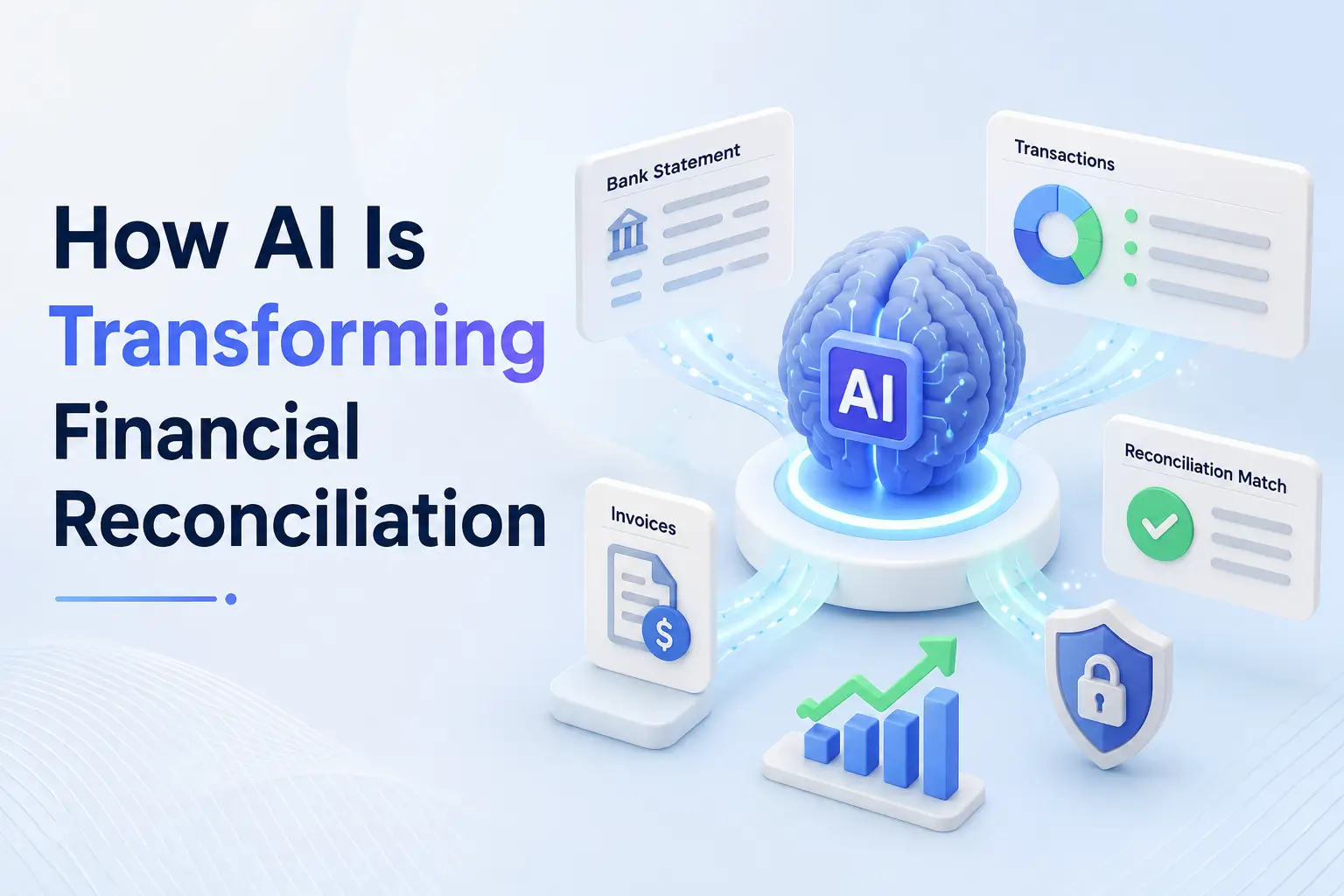
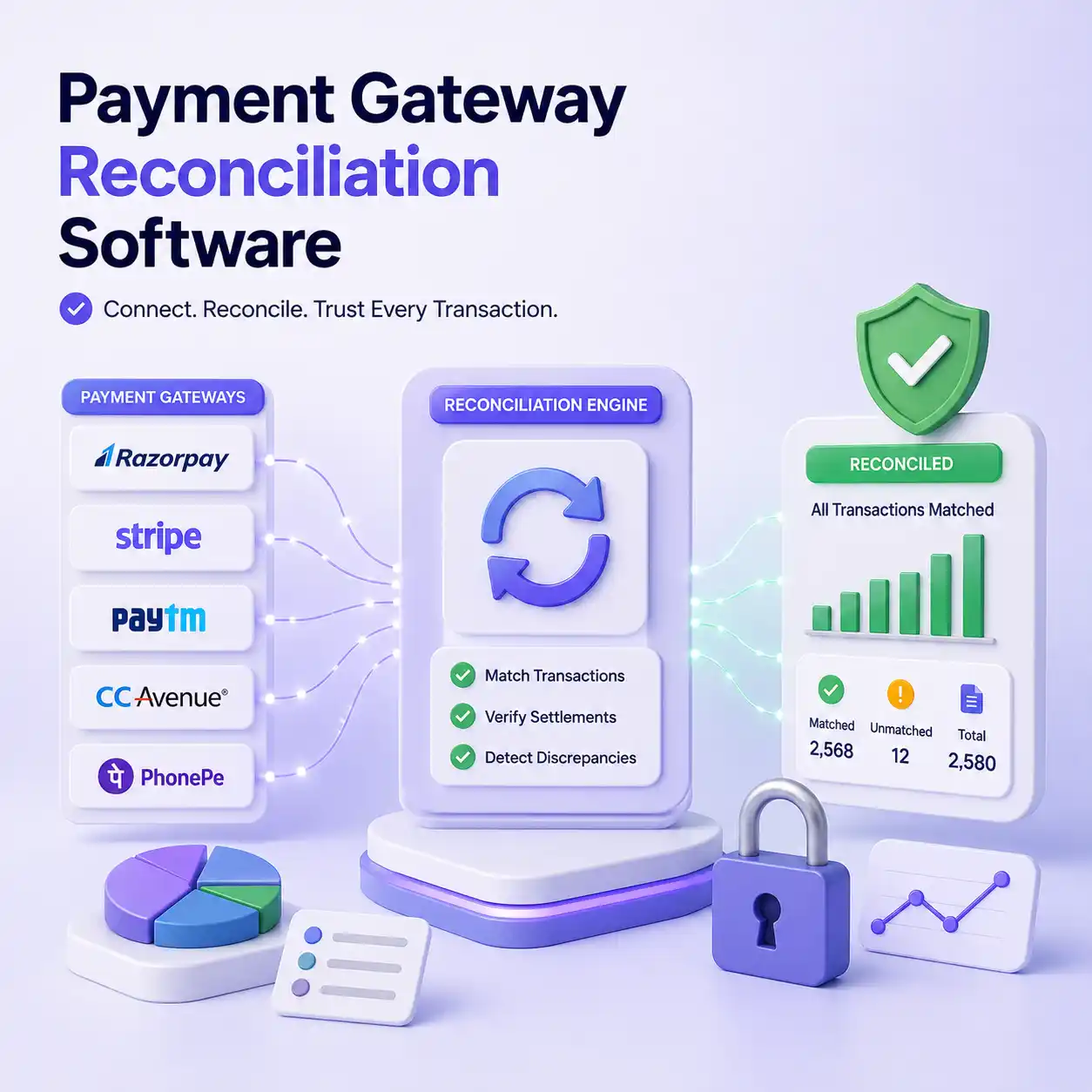
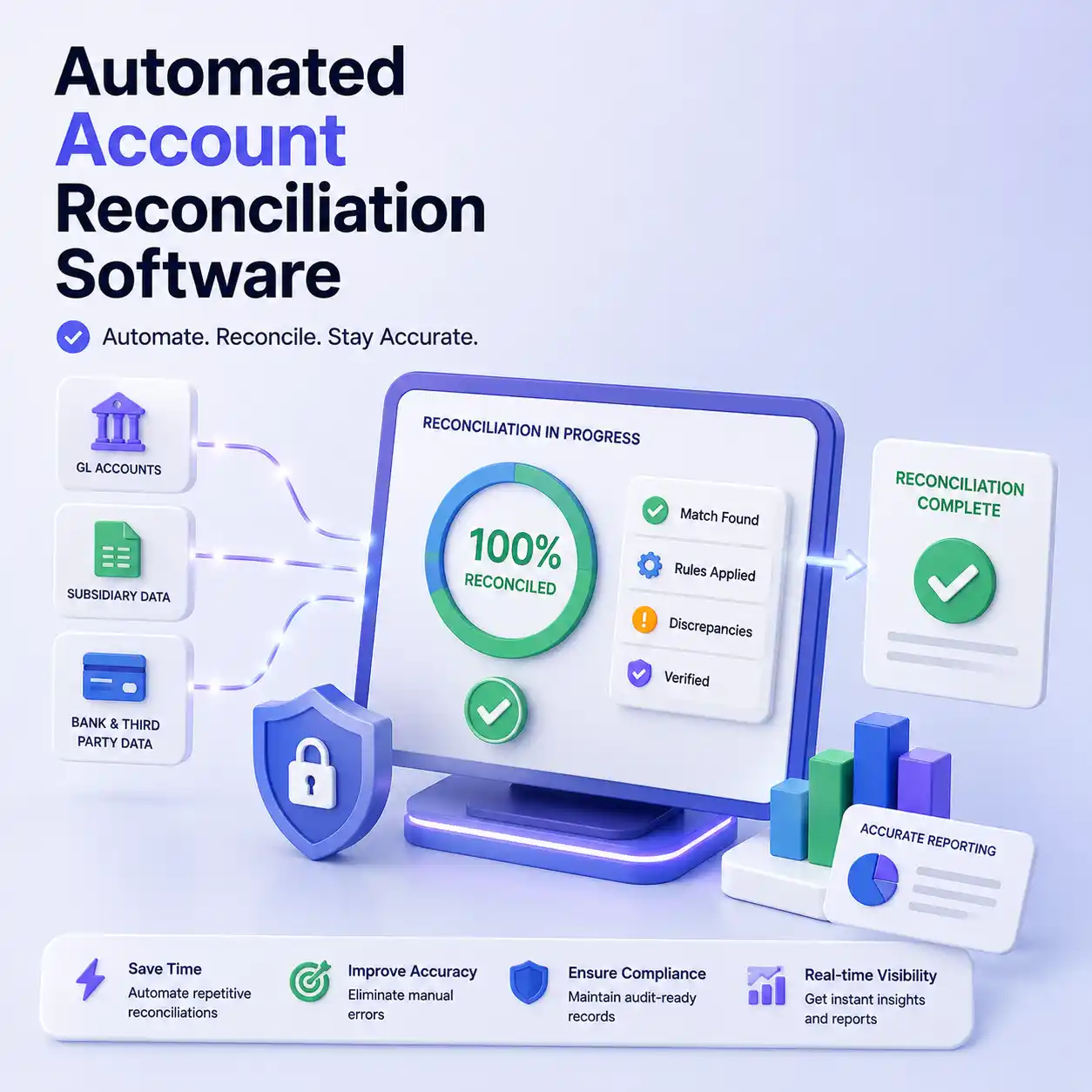
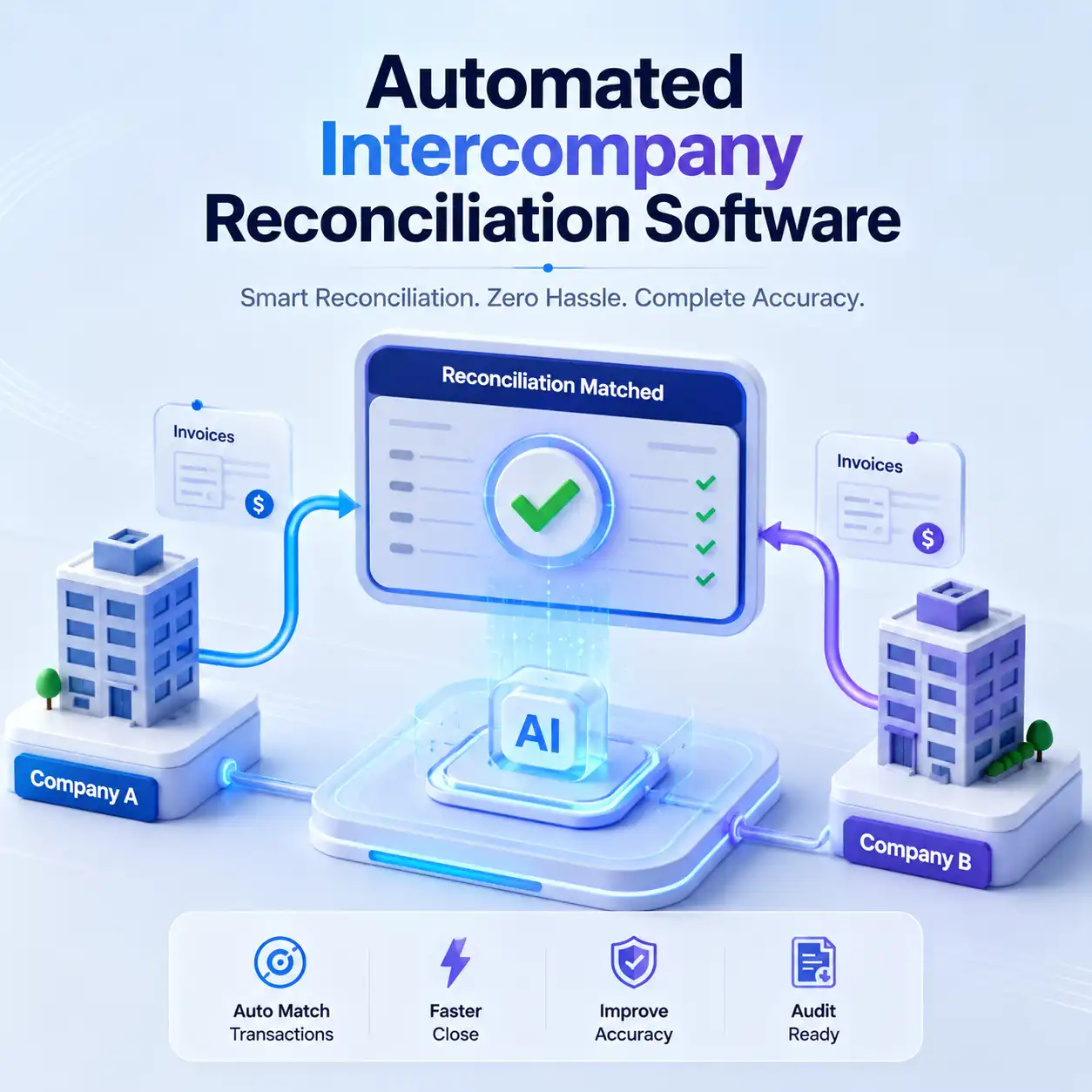
Modern financial platforms replace fragile, human designed Excel models with robust, cloud-based matching engines. Instead of forcing an analyst to run manual lookups, automated systems connect directly to your various banking portals, internal ERP setups, and merchant payment gateways via secure API connections.
The software automatically ingests real time financial data, runs comprehensive multiway matching rules, flags immediate timing exceptions, and resolves thousands of standard transaction items in seconds. This systemic shift protects your company from critical operational risks while drastically shortening your overall closing timeline.
Driving Value Through Target Automation Tools
Automation is not a one size fits all concept. To unlock true financial operational agility, smart businesses deploy specialized digital tools tailored to handle specific operational transaction streams.
Streamlining Ledger Verification
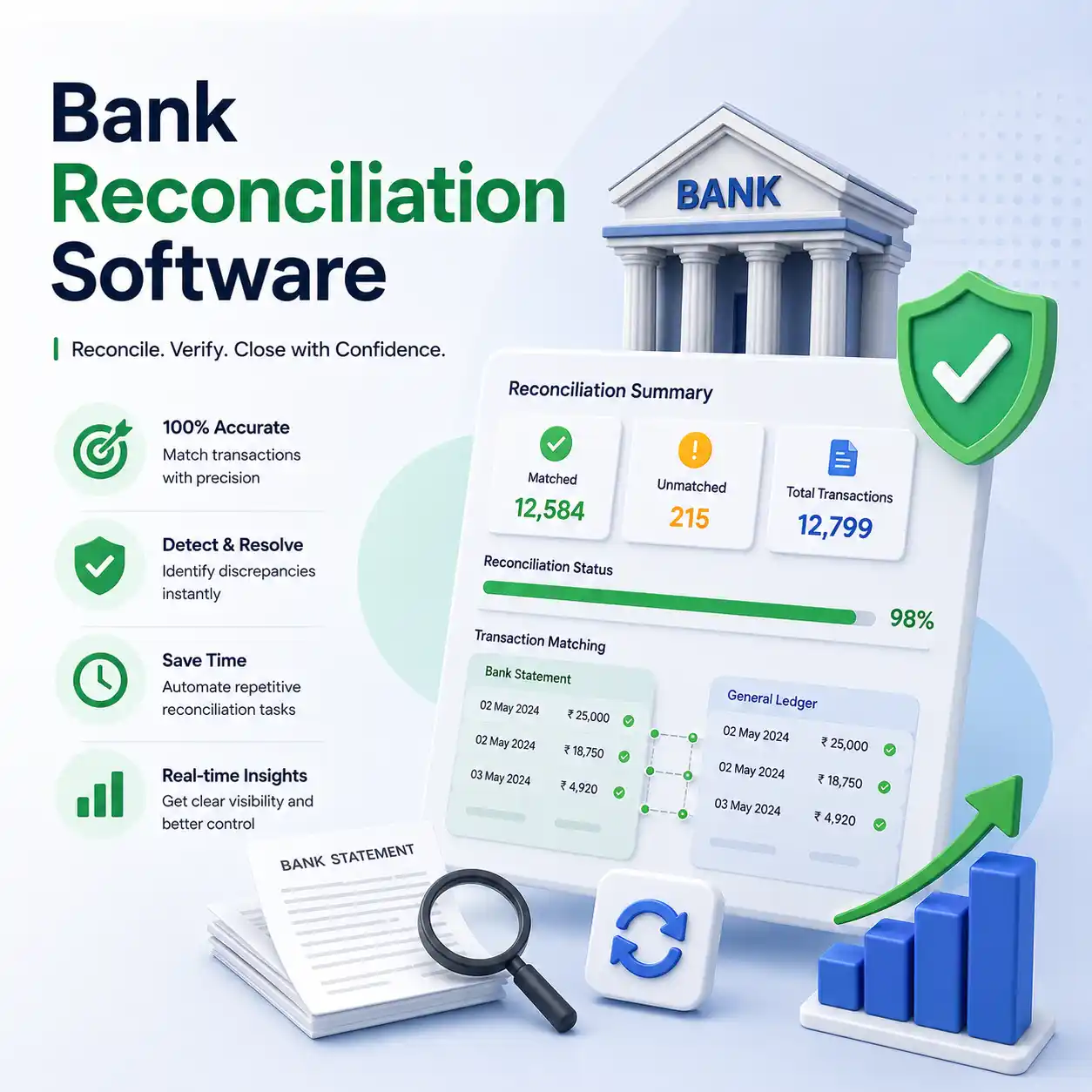
Matching corporate ledger records against monthly bank statements is an absolute accounting requirement for every operating enterprise. Attempting to execute this using basic spreadsheets is incredibly slow.
Transitioning to dedicated bank reconciliation software allows your finance department to automatically pull continuous digital bank statements, immediately isolate unauthorized bank fees, and flag outstanding deposits without requiring any manual effort.
Optimizing Cash Flow Management
For high transaction consumer brands, retail companies, and business models dependent on high frequency cash flows, tracking liquid cash assets is vital for maintaining corporate solvency.
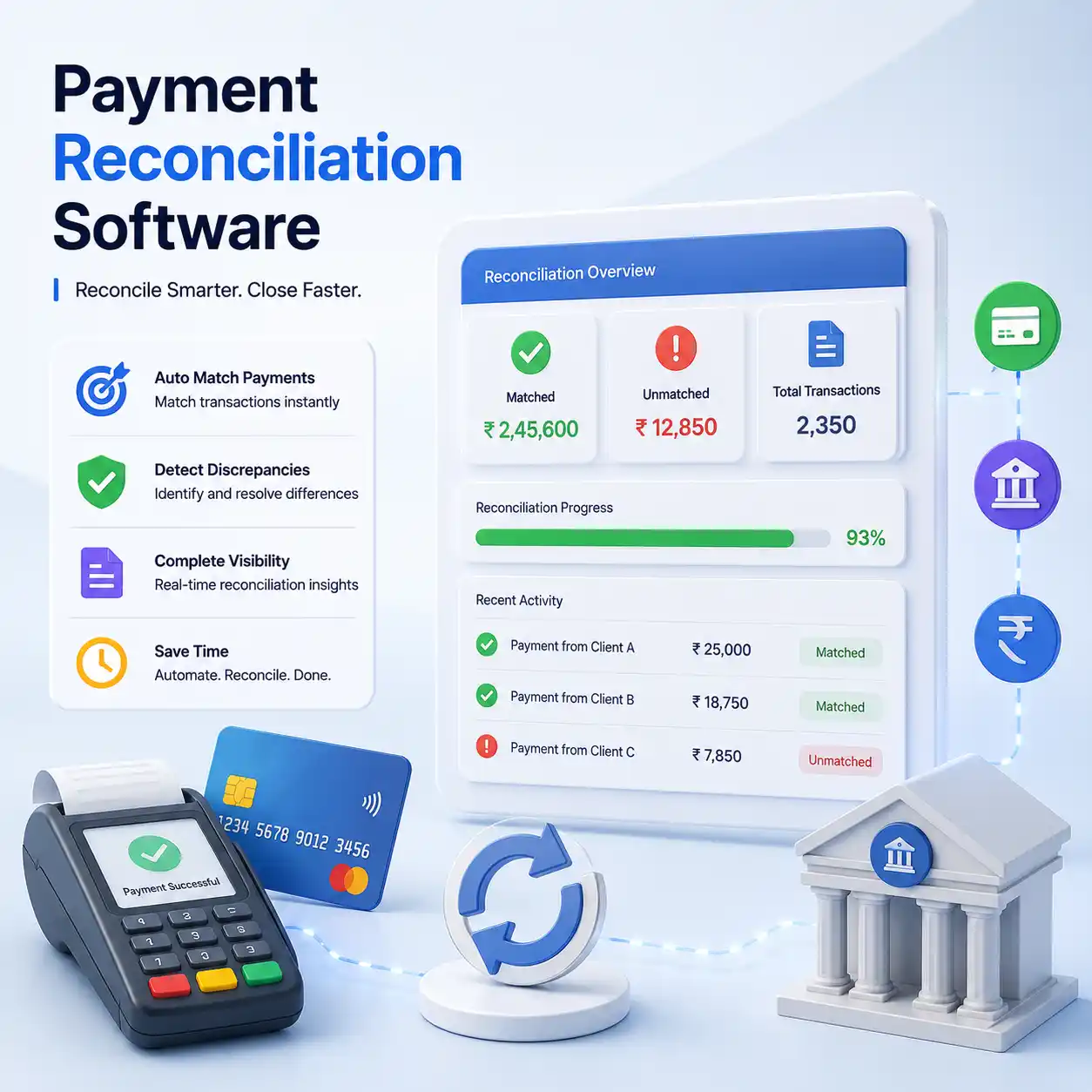
Using dedicated cash reconciliation software gives your corporate treasury department real time visibility over all active liquid balances across multiple regional banking accounts, drastically reducing the risk of internal fraud and optimizing daily liquidity management.
Accelerating the Month End Cycle
The time it takes to completely lock your corporate books each month is a key indicator of organizational efficiency. When this cycle depends on manual spreadsheet verification, the process can easily drag on for weeks.
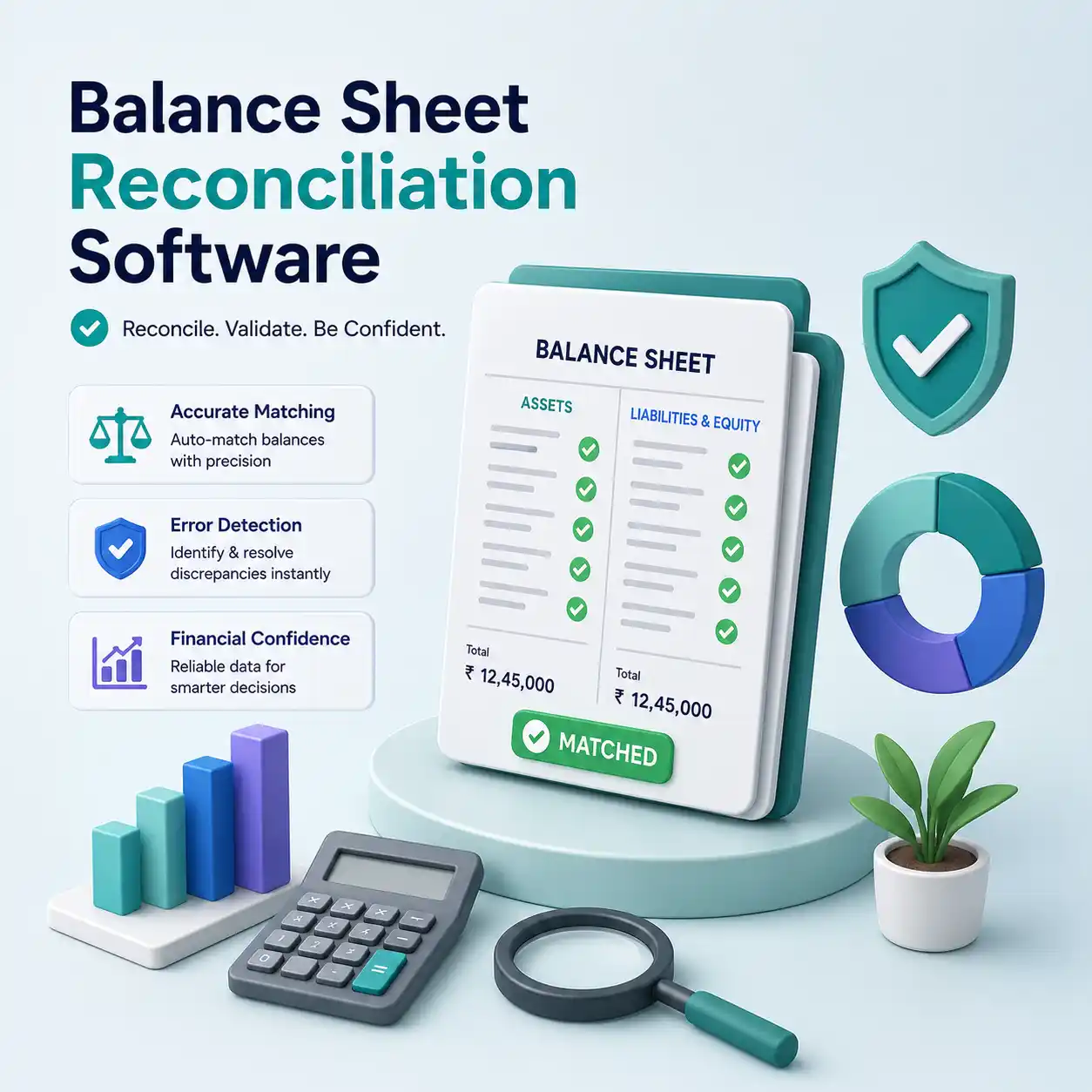
By integrating modern financial close software into your core corporate accounting workflow, your organization can centralize task tracking, automate balance sheet accounts validation, and cut days off your closing cycle. This allows your financial leadership to deliver audited, reliable financial updates to corporate stakeholders right when they matter most.
Frequently Asked Questions
Why are spreadsheets considered a major risk for enterprise accounting?
Spreadsheets are highly prone to human error due to manual data entry, accidental deletions, and fragile formulas. They completely lack built-in audit trails, security controls, and real time validation, making it incredibly difficult to catch errors before they impact your financial reports.
How does manual reconciliation cause financial revenue leakage?
Manual workflows frequently miss duplicate charges, unapplied vendor credits, and pricing errors. Because teams are overwhelmed with high data volumes, these discrepancies slip through undetected, resulting in direct financial overpayments and missed cost recovery opportunities.
Can automated reconciliation platforms handle multiple bank formats?
Yes. Modern automated reconciliation solutions are built to ingest data from various banking formats, payment gateways, and internal ERP systems. They normalize different data structures automatically, removing the need for manual data cleaning.
How does automation help speed up the month end close process?
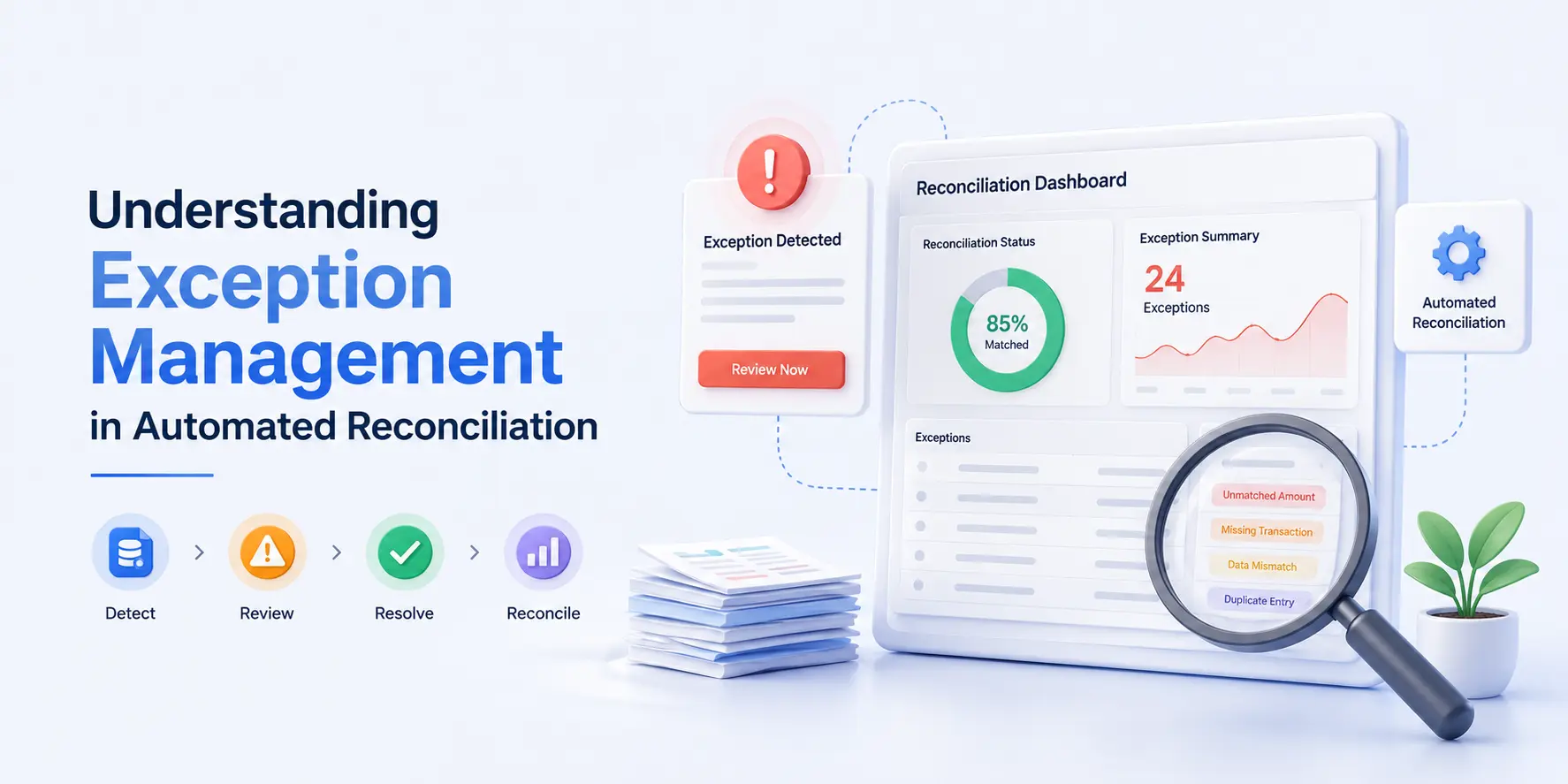
Automation replaces manual data matching with continuous, real time tracking engines. By automatically identifying and resolving standard data matches daily, your finance team only needs to handle minor exceptions, cutting your close cycle down significantly.
Will adopting financial automation software replace our accounting team?
Not at all. Automation eliminates repetitive, low value data entry tasks. This shifts your financial professionals into high value strategic roles, allowing them to focus on deep financial planning, variance analysis, and risk mitigation.
What should we look for when choosing reconciliation software?
Look for a cloud-based solution that offers direct API integrations with your banks and ERP, scalable multiway matching logic, robust data security standards, and comprehensive, tamper proof audit trails.
Ready to get started?
Contact us now
Contact us now
* By clicking on Contact Us you are agreeing to our Terms & Conditions and Privacy policy.