The ROI of Investing in Automated Reconciliation Software
Kosh.ai
July 8, 2026
.webp)
In the fast-moving corporate environment of today, finance leaders face a constant struggle to maintain total control over their data while handling a massive surge in transaction volume. Every single day, a modern business processes payments from multiple avenues such as bank transfers, digital wallets, credit cards, and point of sale systems. Managing this tidal wave of incoming and outgoing cash streams requires constant vigilance.
Unfortunately, many accounting and finance departments are still anchored to traditional, manual workflows that rely entirely on spreadsheet software. While spreadsheets were revolutionary a few decades ago, they are no longer equipped to handle the sheer volume and speed of modern commerce. When transaction records grow exponentially, forcing human eyes to match rows of numbers line by line becomes a massive operational bottleneck. It introduces hidden costs, wastes valuable skilled hours, and exposes the organization to unprecedented levels of risk.
Because of this, switching to digital matching solutions has become a core element of corporate digital transformation. Calculating the true financial return on investment of making this technical shift is vital for finance teams trying to justify the budget to executive leadership. When you break down the numbers, it becomes obvious that replacing slow, manual efforts with automated financial processing turns a historical cost center into a strategic engine of corporate growth.
The Hidden Vulnerabilities and True Costs of Manual Matching
Relying on manual procedures to reconcile corporate financial accounts introduces immediate vulnerabilities to your organizational health. Human teams, no matter how skilled or careful, are simply not built to perform repetitive data verification for hours on end without making mistakes. In fact, major industry research from global consulting firms indicates that a surprising number of corporate accounting mistakes are driven directly by manual keying errors, data transposition, and copy-paste mishaps. When an analyst accidentally swaps two digits or misplaces a decimal point in a master ledger, the resulting discrepancy can take days or even weeks to track down and fix.
The labor costs associated with these manual methods are incredibly high. Studies from top financial associations show that traditional finance personnel spend up to sixty percent of their working hours on basic transactional matching and documentation preparation. This means that highly paid accounting professionals are spending the majority of their time playing data detective rather than performing high-value analysis or helping guide corporate strategy.
Furthermore, companies that maintain low levels of financial automation experience operational expenses within their finance departments that are up to forty percent higher than their highly automated peers. These excessive expenses come from the sheer headcount required to handle expanding transaction volumes, the frequent need for overtime pay during month-end closing cycles, and the expensive write-offs that happen when tiny discrepancies are abandoned because they are too difficult to solve manually.
Understanding Automated Systems and Modern Financial Ingestion
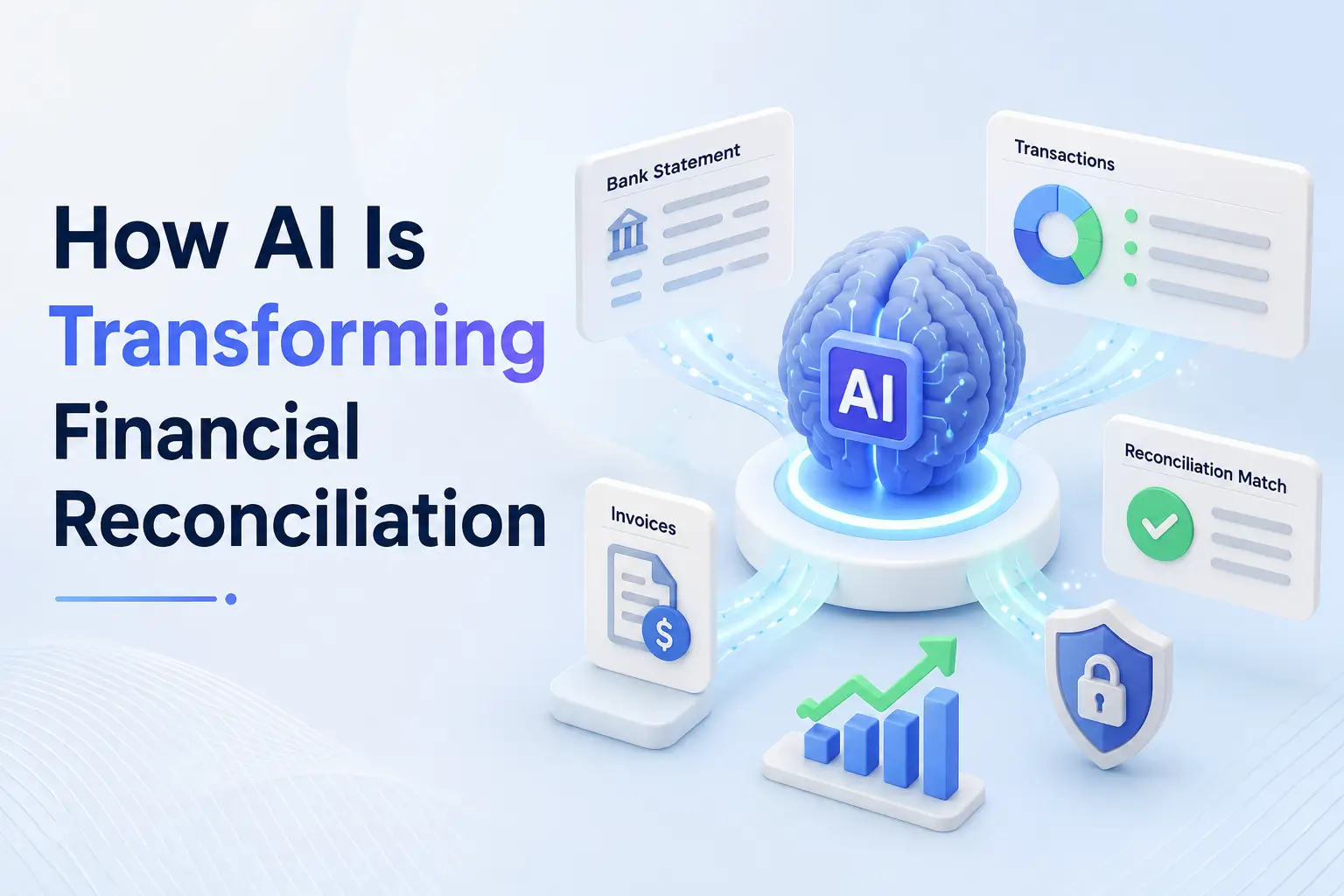
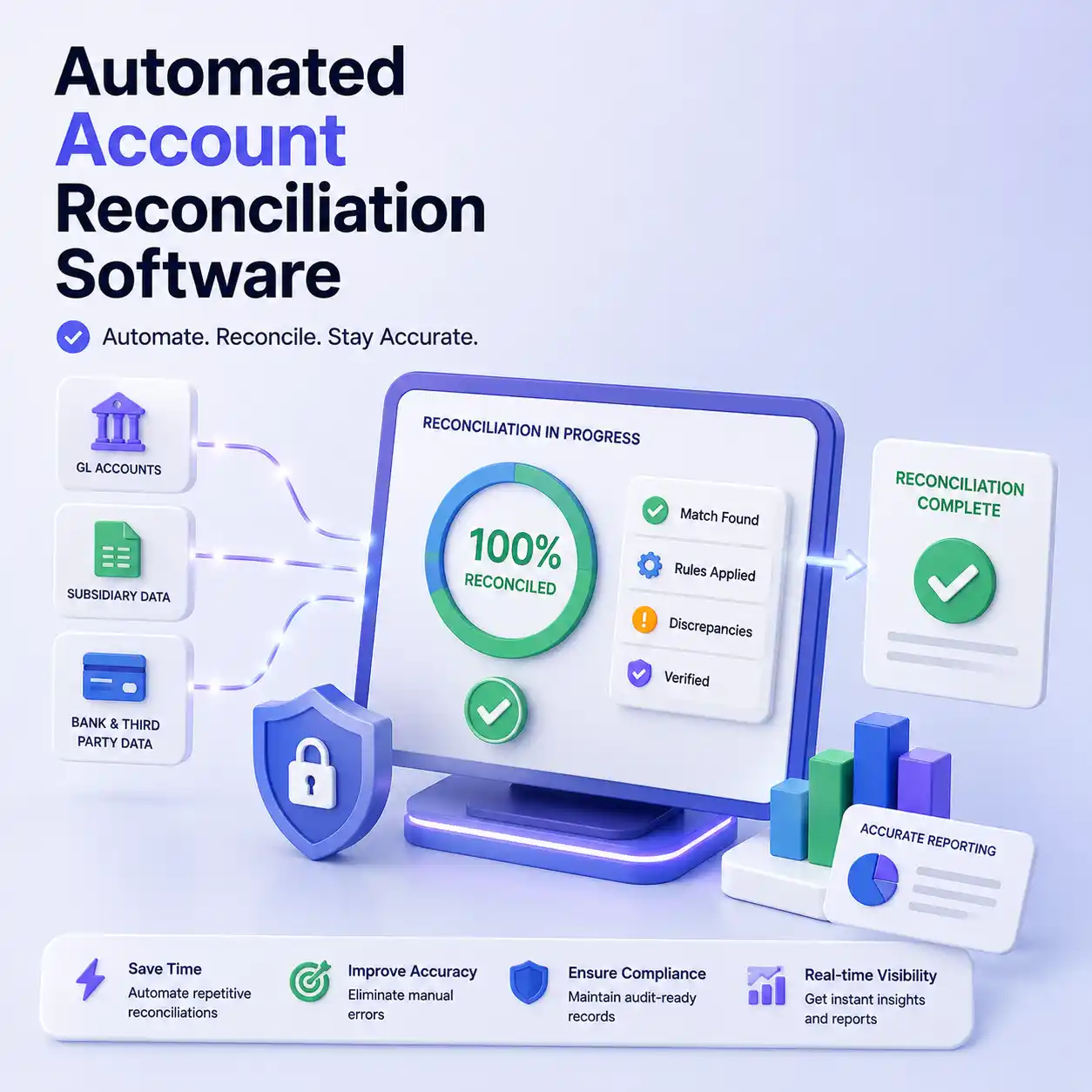
To appreciate how a digital transformation project pays for itself, it is important to look closely at what these platforms actually do. Modern automated reconciliation technology represents a complete shift away from manual interventions. Instead of forcing human workers to download individual CSV files, log into multiple bank portals, and sort through cluttered internal ledgers, the software connects directly with all your external financial platforms. Using cloud connections, secure file transfer protocols, and direct application programming interfaces, the platform automatically ingests financial data streams as soon as they become available.
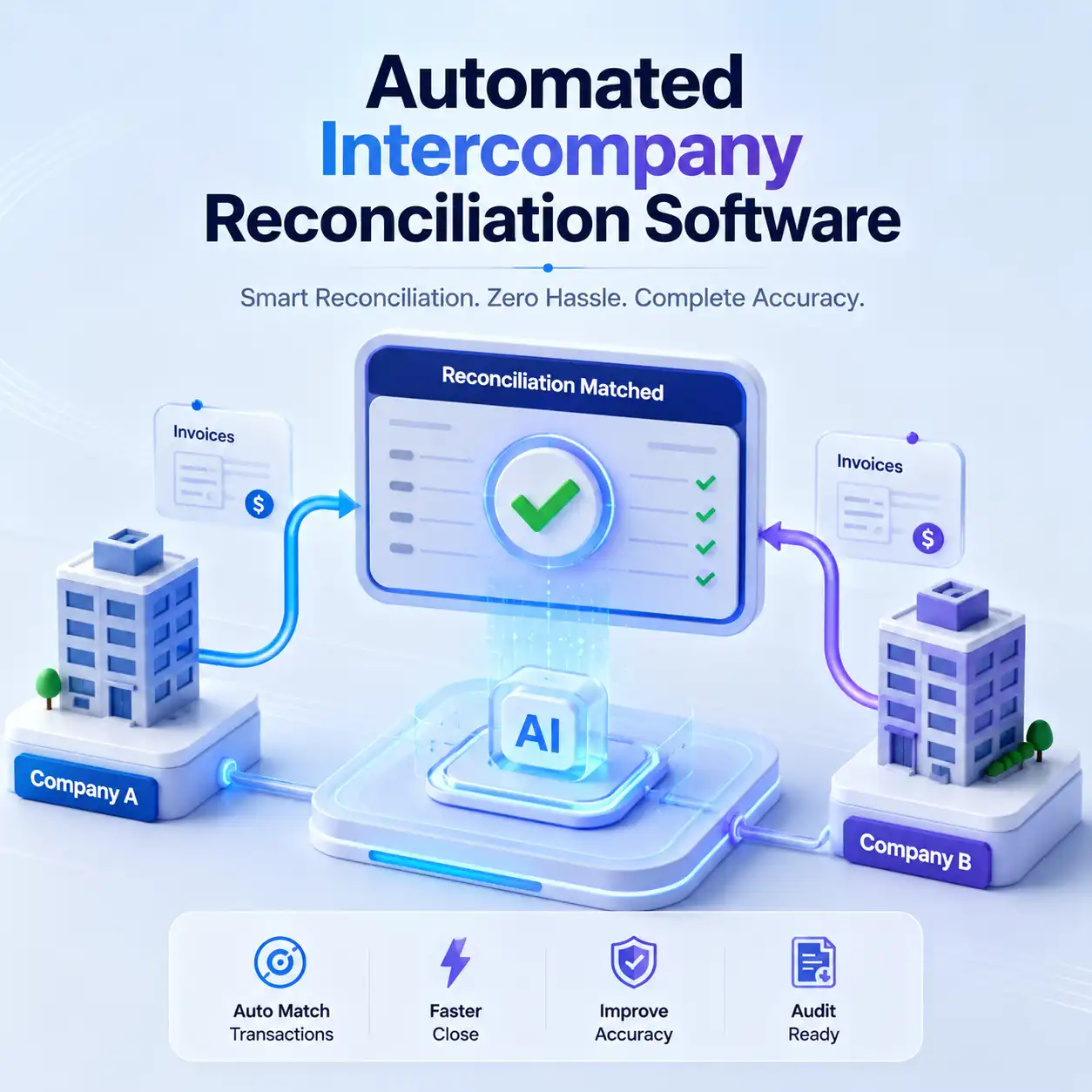
Once the data is inside the system, an advanced, rules-based engine takes over. The software uses customizable criteria to compare internal records against external data feeds completely automatically. For example, it can look at a payment notification from an internal sales log and automatically pair it with a corresponding deposit entry on a bank statement by cross-checking multiple fields such as date, amount, reference numbers, and customer names.
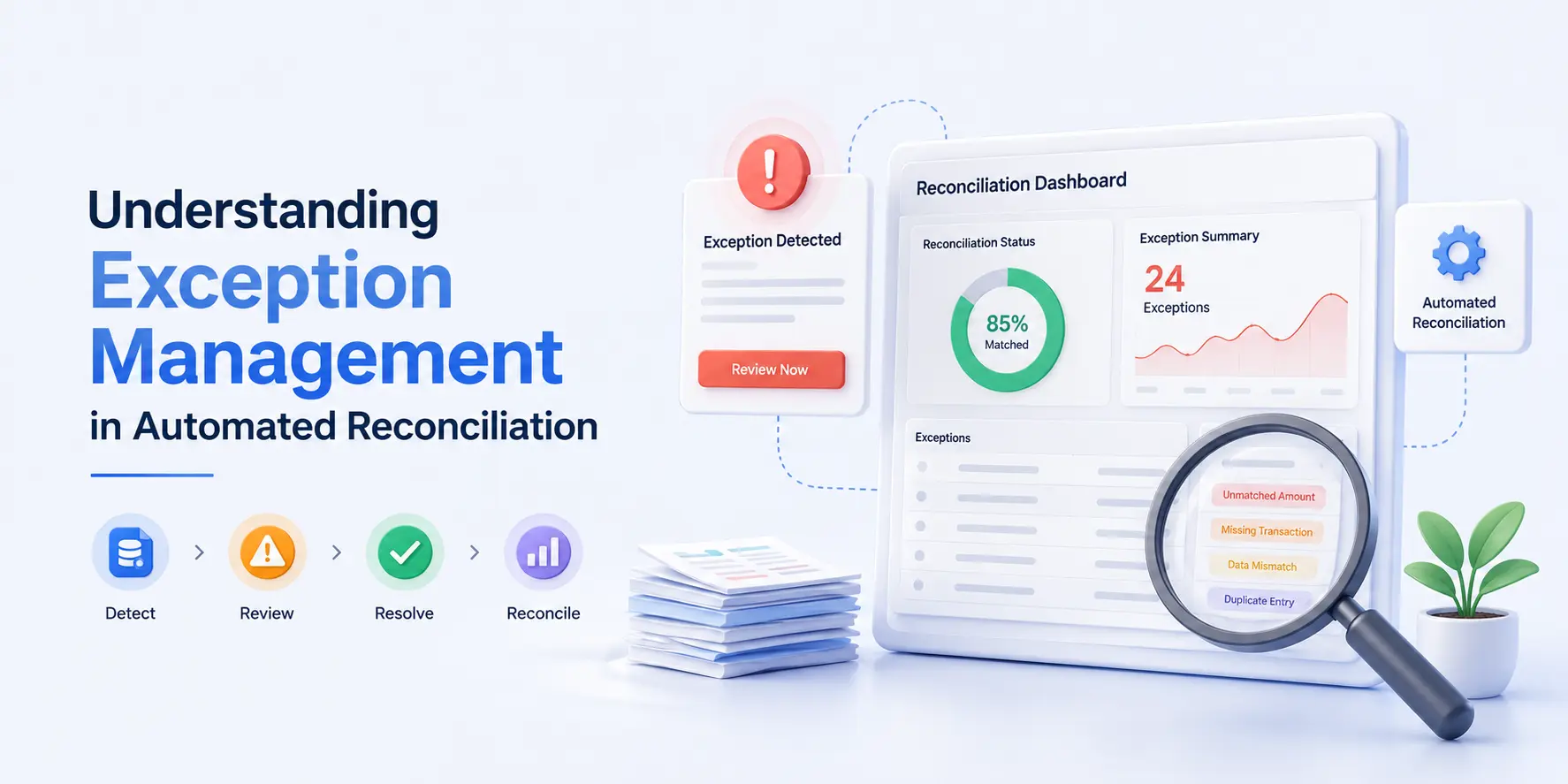
When the software finds a perfect match, it clears the transaction without requiring any human touch. If there is a slight mismatch, like a small bank fee deduction or a slight timing delay, the software applies predefined business rules to resolve the difference or flags it to a human team member for review. This keeps your entire financial records updated continuously.
The Core Metrics of Calculating Financial Return on Investment
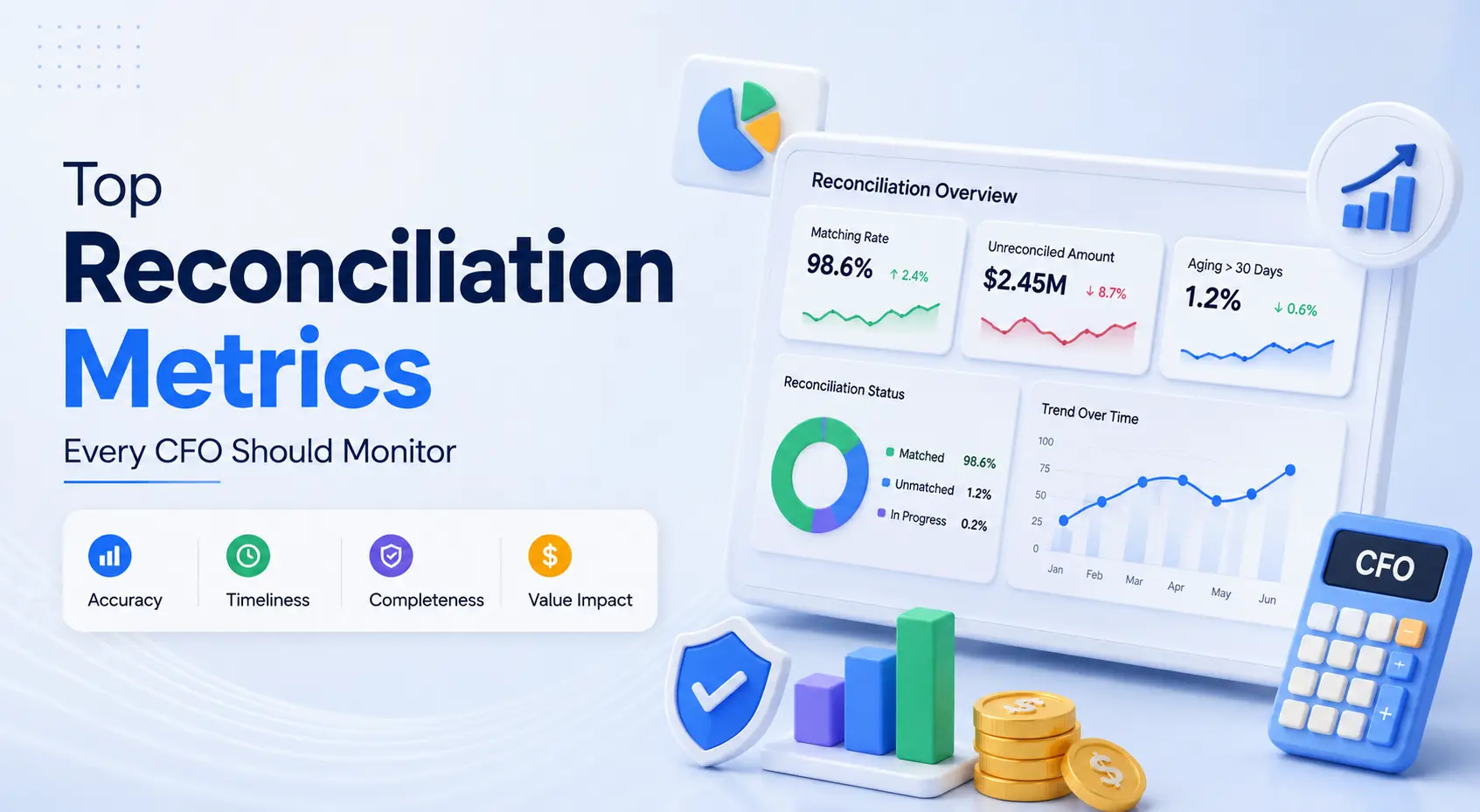
When building a business case for procurement, modern chief financial officers look closely at both direct financial returns and indirect strategic benefits. The most obvious indicator of a high return on investment is the immediate drop in operational overhead. By eliminating manual data entry, corporate finance departments regularly reduce the total time spent on monthly matching routines by up to eighty percent. A process that once required an entire team of professionals working late nights for a week can now be completed successfully in just a fraction of an afternoon.
These massive time savings give organizations the unique ability to scale their business operations without needing to hire more back-office staff. If an e-commerce platform doubles its monthly sales volume, the automated matching tool processes the extra data instantly without any added cost, whereas a manual department would need to hire multiple new employees just to keep pace with the workload. Additionally, catching variances early prevents expensive financial leaks. By cross-checking vendor invoices and payment logs continuously, the system blocks duplicate disbursements, identifies uncollected revenues, and calls out hidden merchant fees before they erode corporate profits.
Deep Dive into Specialized Automation Tools and Financial Channels
A comprehensive automated matching system is not a one-size-fits-all tool. Instead, it features specialized capabilities tailored to specific channels within your corporate finance infrastructure to drive maximum accuracy.
Bank Reconciliation Automation
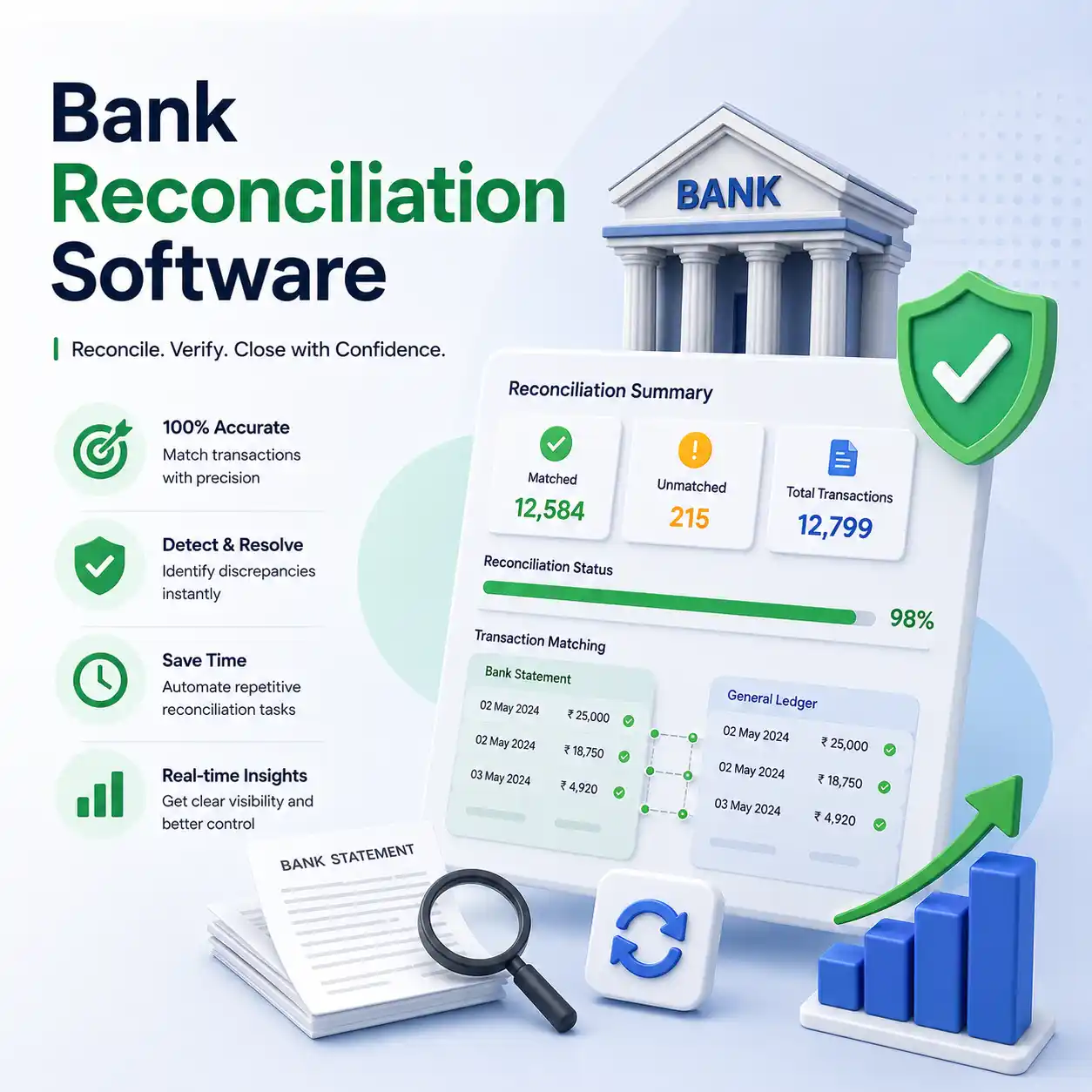
Implementing dedicated bank reconciliation software solves one of the biggest bottlenecks in modern accounting. Instead of waiting for the end of the month to download bank statements and balance the corporate checkbook, the system establishes active connections with your commercial banking partners. It processes transactional data constantly, instantly matching bank clearance logs with internal journal entries. This keeps your general ledger perfectly accurate, allowing your team to complete the monthly closing process in record time.
Streamlining Payment Workflows
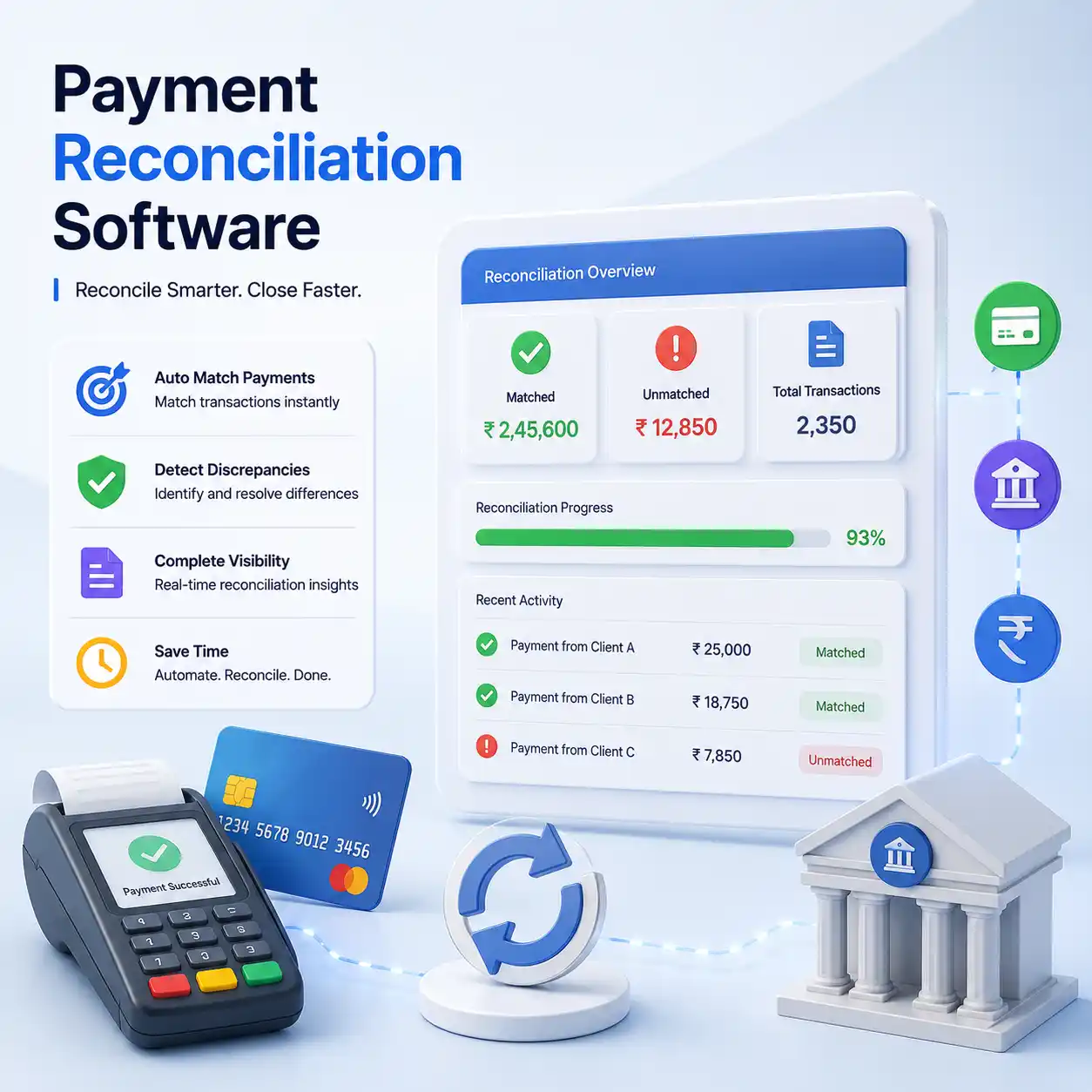
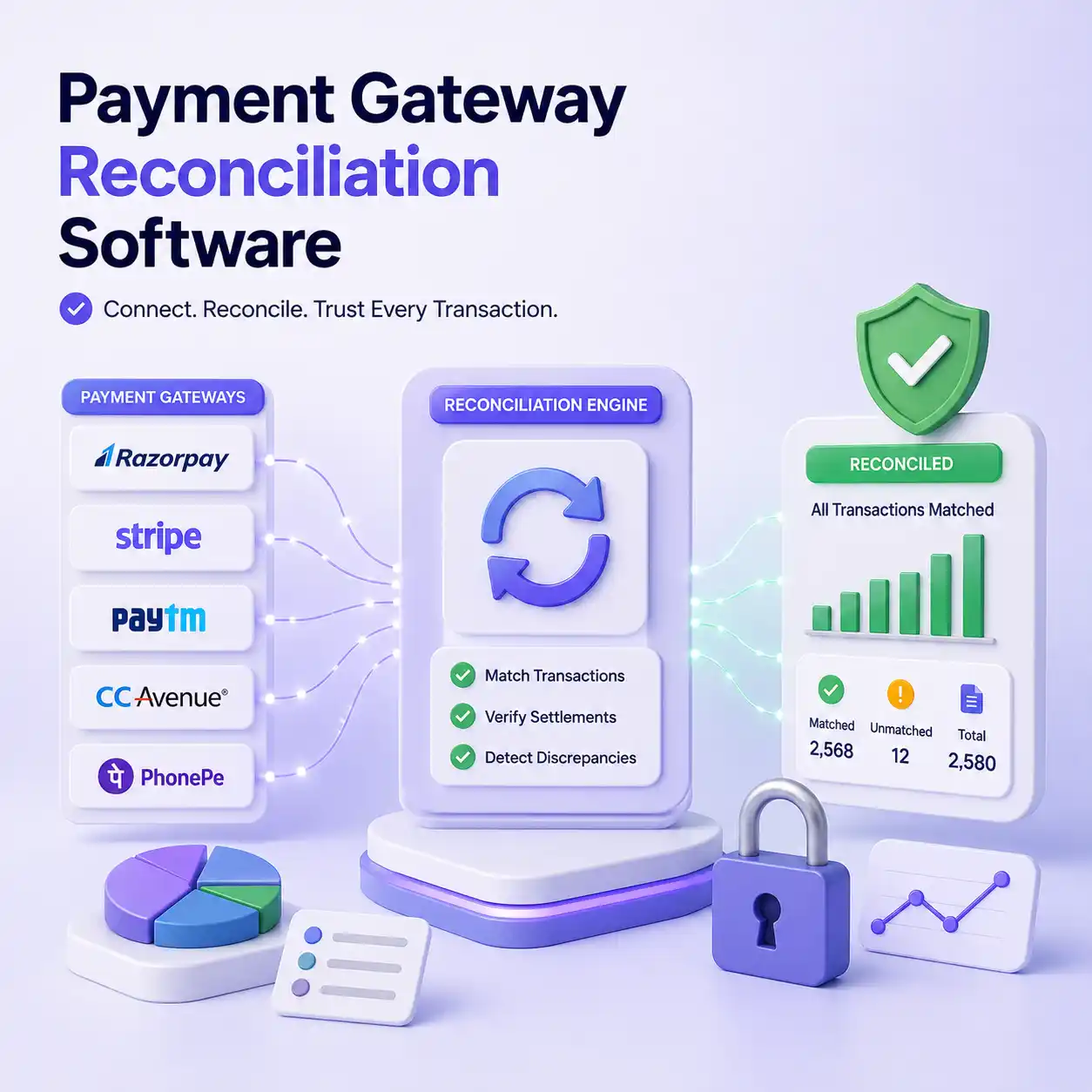
For multi-channel brands, managing consumer payments requires specialized oversight. Utilizing modern payment reconciliation software lets you track and verify credit cards, digital wallet payouts, and complex payment processing systems across every digital touchpoint. The software parses complex settlement reports, separates transaction amounts from processor fees, and confirms that every digital order perfectly matches the net capital deposited into your accounts.
Cash Flow Integrity
Physical retail storefronts, branch networks, and point-of-sale registers present another clear data challenge. Deploying specialized cash reconciliation software connects front-line cash drop reports directly with secure transport documentation and final bank deposits. This end-to-end monitoring ensures that internal discrepancies, register shortages, or cash transit issues are isolated and handled immediately, significantly lowering corporate cash shrinkage.
High-Volume Transactions
Finally, enterprise companies handling massive data scales need a way to process high volumes without creating delays. Employing transaction reconciliation software allows your system to process millions of line items every single hour. This advanced software easily navigates complex multi-legged transactions, such as matching an internal order log with a fulfillment provider report, an inventory record, and a payment gateway clearing statement all at the same time, maintaining a perfectly balanced ledger at scale.
Reducing Regulatory Risk, Compliance Expenses, and Audit Pressures
Preparing for an annual financial audit is traditionally a highly disruptive and expensive ordeal for manual accounting teams. When financial records are scattered across multiple individual spreadsheets and local drives, finding specific invoices to satisfy an external auditor's request wastes valuable corporate time. This disorganized approach increases your risk of filing inaccurate compliance reports, which can result in heavy regulatory fines or negative marks on corporate credit lines.
Automated platforms eliminate this operational stress entirely by establishing a comprehensive, permanent, and tamper-proof electronic audit history for every single item processed. The software logs exactly when data was pulled, how it was matched, which business rules were applied, and precisely who authorized the resolution of any exceptions. When external auditors arrive, you can simply give them limited access to this secure dashboard. They can verify compliance instantly, reducing standard audit times and lowering your external consulting expenses.
Unlocking Strategic Business Value and Forward-Looking Analysis
While cutting costs and improving compliance are great arguments for automation, the biggest strategic benefit is the transformation of your finance department into a proactive asset. When your corporate finance experts are freed from tedious data entry, they can use their skills for high-impact financial planning and deep market analysis. They can focus on optimizing working capital, reviewing the profitability of specific product lines, and negotiating better payment terms with suppliers.
Furthermore, continuous data matching gives your corporate leadership real-time visibility into your true cash position. Instead of relying on backward-looking data from several weeks ago, executive leaders can view fresh, accurate balance reports whenever they want. This immediate insight enables agile capital allocation, letting you grab time-sensitive market opportunities and execute strategic growth choices with complete confidence.
Conclusion
In an era defined by rapid technological change and intense market competition, sticking to manual financial matching is an expensive operational drag that holds your business back. The return on investment of deploying modern software extends far beyond basic time savings, it protects your margins, reduces regulatory risks, and builds a scalable back office ready for future growth. Making the switch to an intelligent financial ecosystem is a highly profitable investment that helps your entire company perform at its absolute best.
Also Read: How Spreadsheet-Based Reconciliation Is Holding Your Business Back
Frequently Asked Questions
How long does it typically take to realize a full return on investment from this software?
Most mid-sized and enterprise-level companies achieve a complete return on their software investment within nine to twelve months of deployment. This fast payback timeline is driven by immediate reductions in back-office labor, fewer manual errors, and a faster close process.
Can this type of software handle international transactions and multiple currencies?
Yes, modern financial automation tools are built to handle global operations. They pull real-time currency conversion rates, match international payments, and isolate foreign exchange gains or losses automatically, keeping multi-entity organizations perfectly accurate.
Will we need to replace our current accounting system to use automation?
No, you will not need to change your existing setup. Professional automation tools are built to work directly with your current technology infrastructure. They connect via secure APIs with legacy systems and modern ERP platforms, enhancing your current tools without requiring an expensive overhaul.
How does automation help protect a business against corporate fraud?
Automation acts as a continuous internal security system. By constantly checking internal records against external bank feeds, the software instantly catches unauthorized changes, duplicate bills, or weird payout patterns, helping you spot internal or external fraud immediately.
What happens to financial entries that do not match perfectly?
Any entries with missing data or price discrepancies are instantly isolated by the system as exceptions. They are sent to a clean dashboard for review, allowing your accounting team to fix specific issues without spending time searching through thousands of correct lines.
Is our sensitive corporate financial data safe in a cloud automation tool?
Yes, enterprise-grade platforms utilize bank-level security features to keep your sensitive data safe. They use strong encryption protocols for data moving or at rest, secure user permissions, and strict access logs, ensuring you stay compliant with global data privacy rules.
Ready to get started?
Contact us now
Contact us now
* By clicking on Contact Us you are agreeing to our Terms & Conditions and Privacy policy.