5 Signs Your Business Needs Reconciliation Automation
Kosh.ai
July 3, 2026
.webp)
Managing business finances demands precision, timing, and strategic clarity. In the early stages of a business, matching sales receipts, bank data, and internal accounting records on standard spreadsheets feels completely manageable. A small team can cross-verify entries, update ledgers, and close the books by the end of the month without breaking a sweat.
As transaction volumes surge, payment methods diversify, and operations expand across different regions, manual bookkeeping methods quickly hit a wall. Financial records can turn into a chaotic web of mismatched entries, missing invoices, and stressful month-end closing sessions.
Relying entirely on human manual effort to manage high-volume transaction matching is no longer sustainable. According to global industry data, accounting mistakes caused by manual entry errors reached a historic high recently, causing 140 major corporations to reissue corrected financial statements in a single year due to balance sheet discrepancies. For any growing enterprise, checking statements line by line is a costly drain on team productivity.
Moving away from manual workflows toward automated reconciliation is a necessary step to secure corporate data integrity and protect operational bottom lines. When internal processes slow down, it is usually a sign that human teams are overwhelmed by data matching.
This guide covers the top five warning signs that your organization has outgrown manual spreadsheets and explains why modern matching systems are essential for sustainable growth.
1. Month-End Closings Are Chronically Delayed
A reliable sign of structural operational strain is a month-end close process that takes weeks instead of days. If your financial team works late into the night well into the second or third week of a new month just to finalize past statements, your process is broken.
The True Cost of Process Bottlenecks
When accounting teams spend days manually downloading CSV data from multiple bank portals, extracting payment gateway statements, and trying to align them with internal ERP entries, delays are inevitable. Industry reports highlight that more than 54% of finance departments struggle with partial automation or entirely manual workflows. These teams are forced to burn hundreds of productive hours validating basic data that should never require human eyes in the first place.
Delayed Reporting Harms Executive Decision-Making
A delayed financial close hurts the entire company, not just the accounting department. Executive leadership relies heavily on precise, up-to-date monthly reports to manage liquidity, approve department budgets, and make quick operational decisions.
When month-end closes drag on for weeks, leadership receives financial statements that are already outdated. This lack of clear visibility makes it difficult to manage capital effectively and leaves the business highly vulnerable to sudden shifts in cash flow.
2. Spreadsheet Errors and Audit Adjustments Are Rising
Human error is an inevitable part of manual data entry. Copying and pasting numbers across rows, typing in values by hand, and using complex spreadsheet macros are risky methods for managing corporate financial data.
Why Manual Spreadsheets Fail to Scale
A single misplaced decimal point, an accidental duplicate row, or a minor rounding error can throw off an entire balance sheet. Finding that one specific error across thousands of transactions requires days of frustrating manual work.
With enterprise business transactions shifting rapidly to digital channels, B2B digital payments now make up over 68% of corporate transactions. Managing this level of volume on static spreadsheets makes it incredibly easy for transaction matching errors to accumulate.
The Negative Consequences of Audit Inaccuracies
Frequent reconciliation errors lead to stressful internal adjustments during year-end audits. Relying on manual systems increases the risk of regulatory fines, missed tax liabilities, and qualified audit opinions that damage investor trust.
Deploying dedicated accounting systems helps companies remove the human element from data intake. Software solutions establish clean, direct connections with banking platforms and internal systems, ensuring that financial data flows securely without any manual tampering.
3. Discrepancies in Multi-Channel Payments Are Piling Up
Modern customer options have made revenue collection highly complex. Businesses no longer rely on simple bank transfers or physical checks. Today, a single company might collect revenue via credit cards, mobile wallets, digital platforms, and buy-now-pay-later services.
Handling Multi-Channel Transaction Volumes
Every payment provider operates on its own schedule, uses different transaction fee models, and delivers data reports in unique formats. Manually cross-checking an internal ledger against multiple external reporting files is incredibly time-consuming.
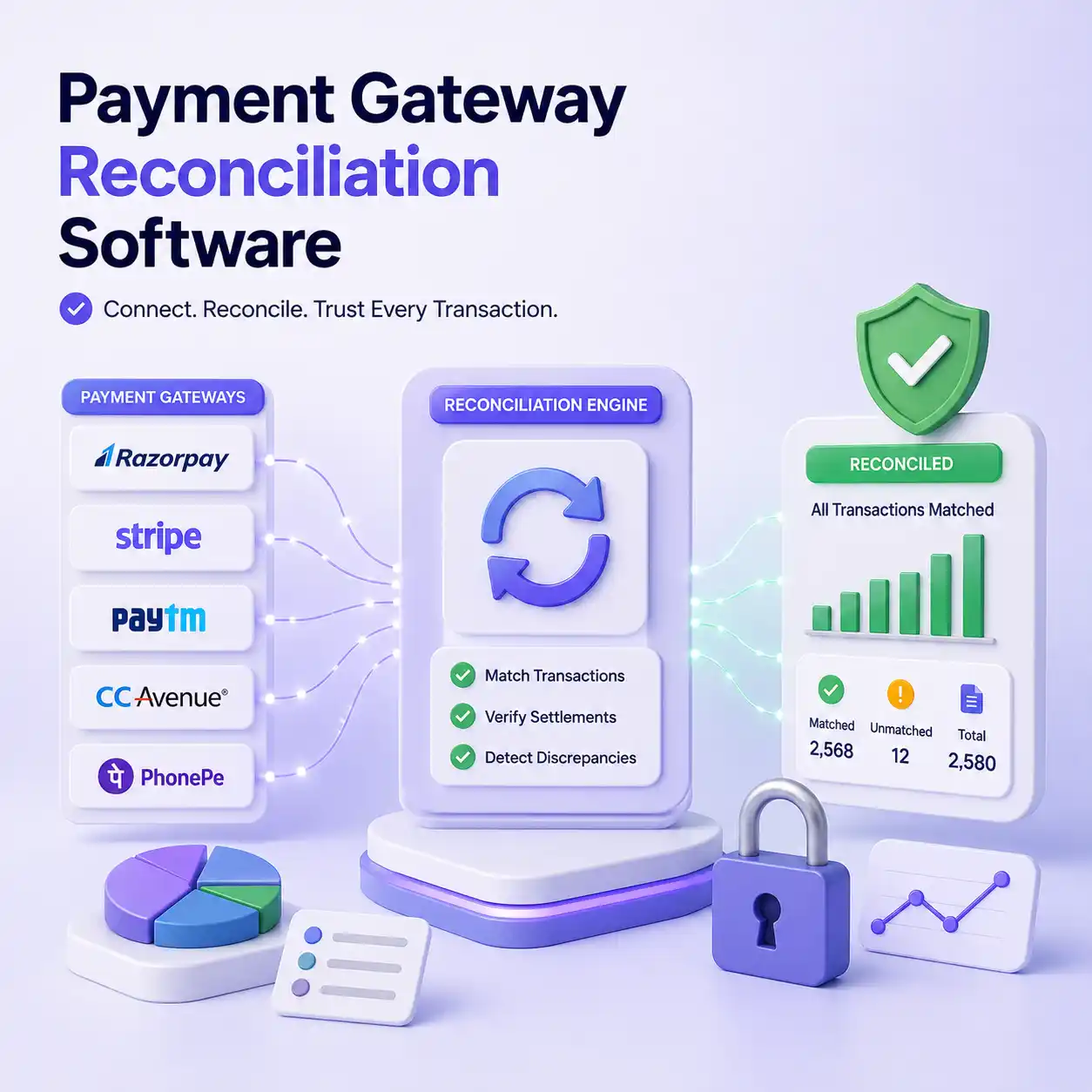
If your team is constantly trying to match batch settlements against individual consumer orders, discrepancies will inevitably build up. Without specialized payment reconciliation software, tracking down missed customer payments or hidden processing fees becomes a major operational challenge.
Spotting External Anomalies and Fraud
High transaction volumes make it easy for small data mismatches to go unnoticed. This creates a perfect environment for payment gateway processing errors, duplicate vendor charges, and external corporate fraud to slip through.
Automated verification tools solve this by applying strict, rule-based logic to check transaction details, processing timelines, and settlement totals across channels. Any discrepancy is flagged for immediate review, allowing the finance team to catch and resolve issues before they become expensive problems.
4. Cash Flow Visibility Is Constantly Delayed
To make confident operational moves, finance leaders must know exactly how much liquid cash is available across all corporate bank accounts at any given second. Relying on manual data compilation means balance sheets are only accurate up to the last manual download date.
Eliminating Cash Capital Blind Spots
Waiting until the end of the month to understand cash positions creates dangerous blind spots. Without daily updates, a business can easily overdraw accounts, miss short-term investment options, or make bad supply chain commitments based on incorrect balance assumptions.
Implementing a modern, responsive cash reconciliation software solves this issue by connecting directly to your bank accounts through secure, real-time data feeds.
Shifting from Reactive to Proactive Cash Management
Continuous, automated transaction matching gives finance departments a clear, real-time look at their cash positions. It allows treasury teams to manage capital with confidence, optimize liquidity, and project upcoming cash needs accurately. This changes the accounting department from a slow, reactive processor into a fast, strategic asset for the company.
5. Growing Corporate Structures Create Complex Internal Balances
As companies grow by opening new subsidiaries, launching specialized brands, or expanding into international markets, internal corporate accounting becomes highly complex. Balancing transactions between these internal entities requires absolute precision.
The Unique Challenges of Internal Balancing
Managing internal accounting involves matching thousands of cross-entity transfers, shared service charges, and centralized asset allocations. Trying to reconcile these balances manually across separate ledger platforms using standard spreadsheets is highly inefficient.
If your core accounting team spends days clearing up internal imbalances every single month, it is an obvious sign that your business needs a dedicated intercompany reconciliation tool.
Streamlining Consolidation for International Growth
Unresolved internal balances can cause major issues during consolidated corporate reporting. They slow down group-level financial reporting and introduce serious compliance risks across different tax jurisdictions.
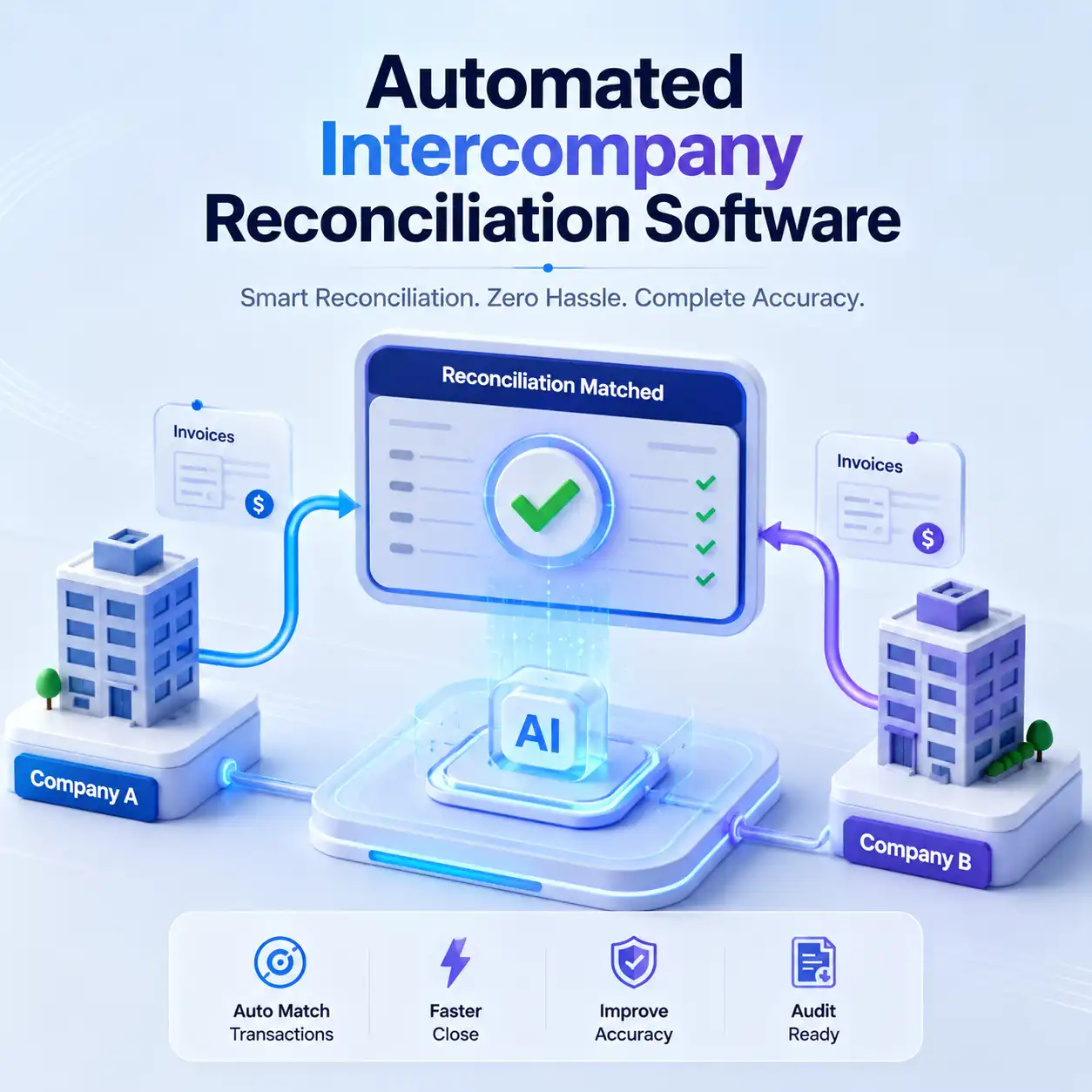
Smart automation software streamlines this entire process by instantly matching internal transactions across entities in real time. It automatically flags mismatched entries and handles currency conversions, allowing your accounting team to focus on resolving actual variances rather than manual data entry.
Strategic Benefits of Moving to Reconciliation Automation
Upgrading from slow, manual processes to an automated financial ecosystem provides immediate operational advantages. It helps companies protect their data, lower overhead expenses, and scale smoothly without needing to constantly add new headcount.
Lowering Overhead and Operational Expenses
Manual accounting is an expensive way to run a business. When experienced financial analysts spend most of their time copy-pasting numbers and fixing spreadsheet errors, companies lose valuable strategic talent.
By automating repetitive transaction matching, businesses can reduce their overall accounting costs by 75% or more. This allows organizations to keep their core finance teams small and efficient, even as transaction volumes grow.
Strengthening Corporate Audits and Compliance
Modern automated systems create a secure, tamper-proof record of every financial transaction. The software logs every data import, auto-matched record, and manual adjustment, along with the user credentials for each action.
This level of detailed tracking makes the external audit process simple and efficient. Auditors can easily verify matching logic and track exception approvals without needing to sift through stacks of paper invoices or disorganized spreadsheet files.
Supporting Scalable Business Expansion
An enterprise cannot scale effectively if its back-office operations are holding it back. Relying on manual processes means that every increase in transaction volume requires hiring more accounting staff.
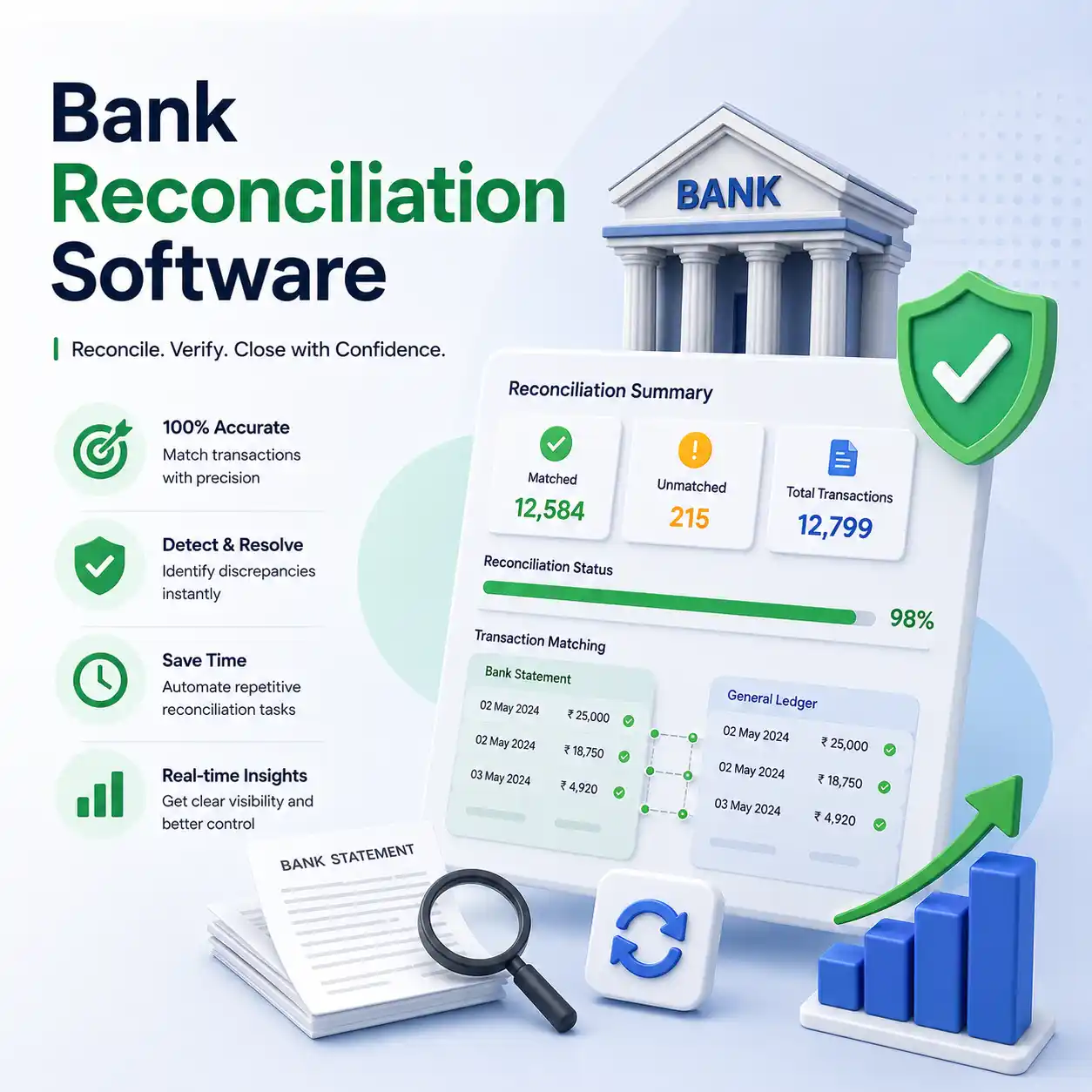
Using a reliable bank reconciliation software allows your operational infrastructure to grow seamlessly alongside your business. Whether your company expands its monthly transaction volume from ten thousand to ten million, an automated platform handles the increased data load effortlessly, ensuring complete accuracy across all records.
Also Read: How Multi-Source Data Integration Improves Financial Reconciliation
Frequently Asked Questions
What does reconciliation automation mean for daily business operations?
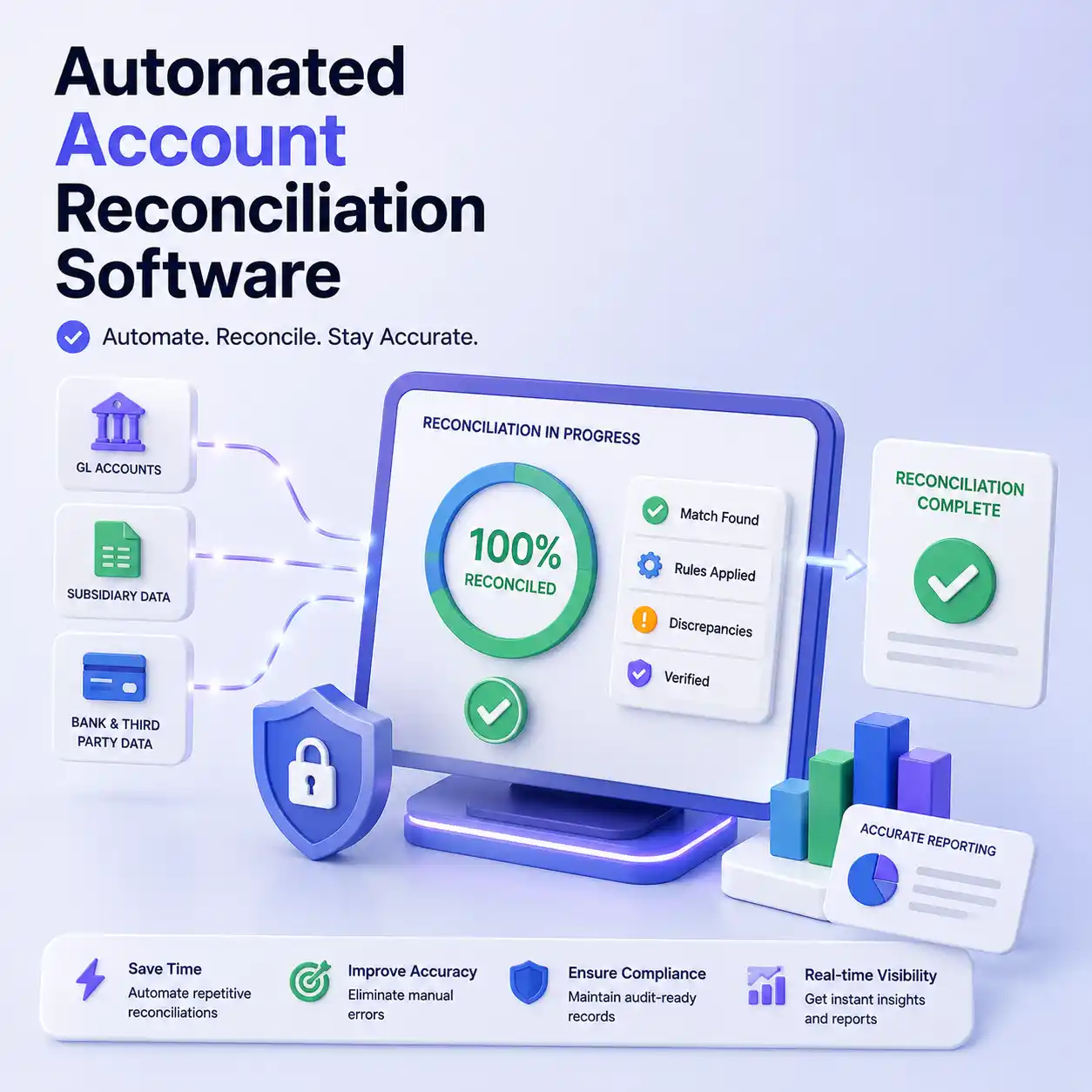
Reconciliation automation uses intelligent software to pull financial data directly from banks, ERP systems, and payment gateways. It automatically matches transactions based on pre-set rules, flags discrepancies, and updates your ledgers without requiring slow, manual data entry.
Can automated reconciliation tools completely replace human accounting teams?
No. Automation does not replace human accountants; instead, it removes the boring, repetitive tasks from their daily routines. The software handles the bulk matching work, allowing human experts to focus on fixing exceptions, analyzing financial data, and driving business strategy.
How does automation help detect and prevent corporate fraud?
Automated software monitors transactions continuously and checks records in real time. It quickly flags duplicate payments, unusual bank fees, and unauthorized alterations to invoices, allowing teams to catch fraudulent activities much faster than traditional manual reviews.
Is automation practical for mid-sized companies with limited IT budgets?
Yes. Modern cloud-based reconciliation platforms are highly scalable and designed to fit businesses of all sizes. They integrate smoothly with standard, off-the-shelf accounting systems, allowing growing companies to deploy them quickly without massive upfront IT costs.
How long does it typically take to see a return on investment after automating?
Most businesses see a clear return on investment within the first few months. By automating their workflows, companies typically cut transaction matching times by 75% to 90%, leading to lower operational costs and faster month-end closings.
Can automation software handle complex multi-currency international transactions?
Yes. Advanced reconciliation tools are built to manage multi-currency environments. They automatically pull live exchange rates, handle currency conversions, and resolve minor rounding differences based on pre-set tolerance rules, keeping international ledgers perfectly balanced.
Ready to get started?
Contact us now
Contact us now
* By clicking on Contact Us you are agreeing to our Terms & Conditions and Privacy policy.