How AI Is Transforming Financial Reconciliation
Kosh.ai
July 17, 2026
The financial world is moving faster than ever before. Every single day, businesses handle millions of digital transactions across multiple platforms, banks, and payment gateways. With this massive explosion of data, traditional methods of balancing the books are no longer sustainable. Matching bank statements with internal ledgers used to be a tedious, spreadsheet-heavy process that consumed countless hours at the end of every month. Human error, missing invoices, and mismatched line items created constant bottlenecks for finance departments.
Artificial intelligence is completely rewriting this playbook. What used to be a reactive, slow, and error-prone monthly chore has become a proactive, real-time strategy. Modern corporate finance teams are abandoning rigid systems and embracing smart automation. By utilizing advanced algorithms, machine learning, and deep data integration, artificial intelligence is turning the financial close from a multi-day marathon into an automated, continuous process.
The global reconciliation market is growing at an incredible speed. The global reconciliation software market size was valued at USD 2.30 billion in 2025 and is projected to skyrocket to USD 8.10 billion by 2034, growing at a compound annual growth rate of 15%. This explosive growth highlights a clear reality that modern enterprises must automate their financial operations to remain competitive and compliant.
The Cost and Friction of Legacy Reconciliation Methods
To understand why artificial intelligence is so revolutionary, we first have to look at the severe limitations of manual processes. Traditional financial reconciliation relies on human eyes and basic spreadsheet rules to verify that two sets of records match perfectly. While this worked decades ago when transaction volumes were low, it creates massive friction in today's digital economy.
Hours Wasted on Manual Data Entry and Sorting
In a traditional setup, accounting teams spend up to 40% of their time simply downloading, formatting, and sorting data from various bank portals and internal platforms. Employees are forced to hop from one portal to another, extract data manually, and copy it into massive spreadsheets. This constant manual handling is a major drain on corporate productivity. Instead of analyzing financial trends or focusing on strategic growth, highly skilled financial professionals are stuck doing basic data entry.
The Inevitable Trap of Human Error
Human brains are not built to scan thousands of rows of numbers without losing focus. Typos, transposed digits, double entries, and skipped lines are inevitable. In fact, industry data shows that manual data entry comes with an error rate of 1% to 3%, whereas intelligent automation brings that number down to between 0.1% and 0.5%. A single minor mistake can take days to track down, causing significant delays and widespread frustration during the month-end close.
Disconnected Systems and Data Silos
Most mid-sized and large enterprises do not use just one system. They utilize an enterprise resource planning platform, multiple corporate bank accounts, e-commerce storefronts, and independent payment processors. Each of these tools generates financial data in completely different formats, such as CSV files, PDFs, or custom bank sheets. Trying to match these disconnected formats without an intelligent system causes massive friction and makes real-time visibility impossible.
What is AI-Powered Financial Reconciliation?
At its core, artificial intelligence in finance replaces rigid, rule-based matching with flexible, adaptive learning. Traditional legacy automation relies entirely on strict rules. For example, a legacy system can match two transactions only if the date, description, and exact amount line up perfectly. If there is even a tiny discrepancy, the system fails and flags it for human review.
AI-driven systems work very differently. They use machine learning and natural language processing to read, interpret, and understand financial data just like a human clerk would, but at lightning speed. These smart platforms look at historical data patterns to understand vendor naming variations, recognize contextual clues, and handle complex multi-currency balances without breaking a sweat.
The cornerstone of modern financial operations is a robust reconciliation software program. This comprehensive solution connects directly to all your external bank accounts and internal general ledgers, serving as a single source of truth for the entire organization. It pulls data continuously and automatically runs matching scripts in the background, giving financial leaders absolute confidence in their numbers.
Key Capabilities of Artificial Intelligence in Accounting
The transformation of financial tasks is driven by several core technological pillars. These capabilities allow smart tools to handle complex accounting data with minimal human intervention.
Smart and Flexible Transaction Matching
Unlike basic rule-based tools, smart matching engines use fuzzy logic and pattern recognition to match transactions even when the data is messy. If a bank statement shows a payment from "AMZN" but the internal invoice lists "Amazon Marketplace," a human easily knows they are the same thing. Traditional software would reject this as a mismatch, but an artificial intelligence engine recognizes the pattern and completes the match instantly. It can also handle complex scenarios like matching one lump-sum bank deposit against dozens of individual customer invoices.
Automated Ingestion and Connection Across Portals
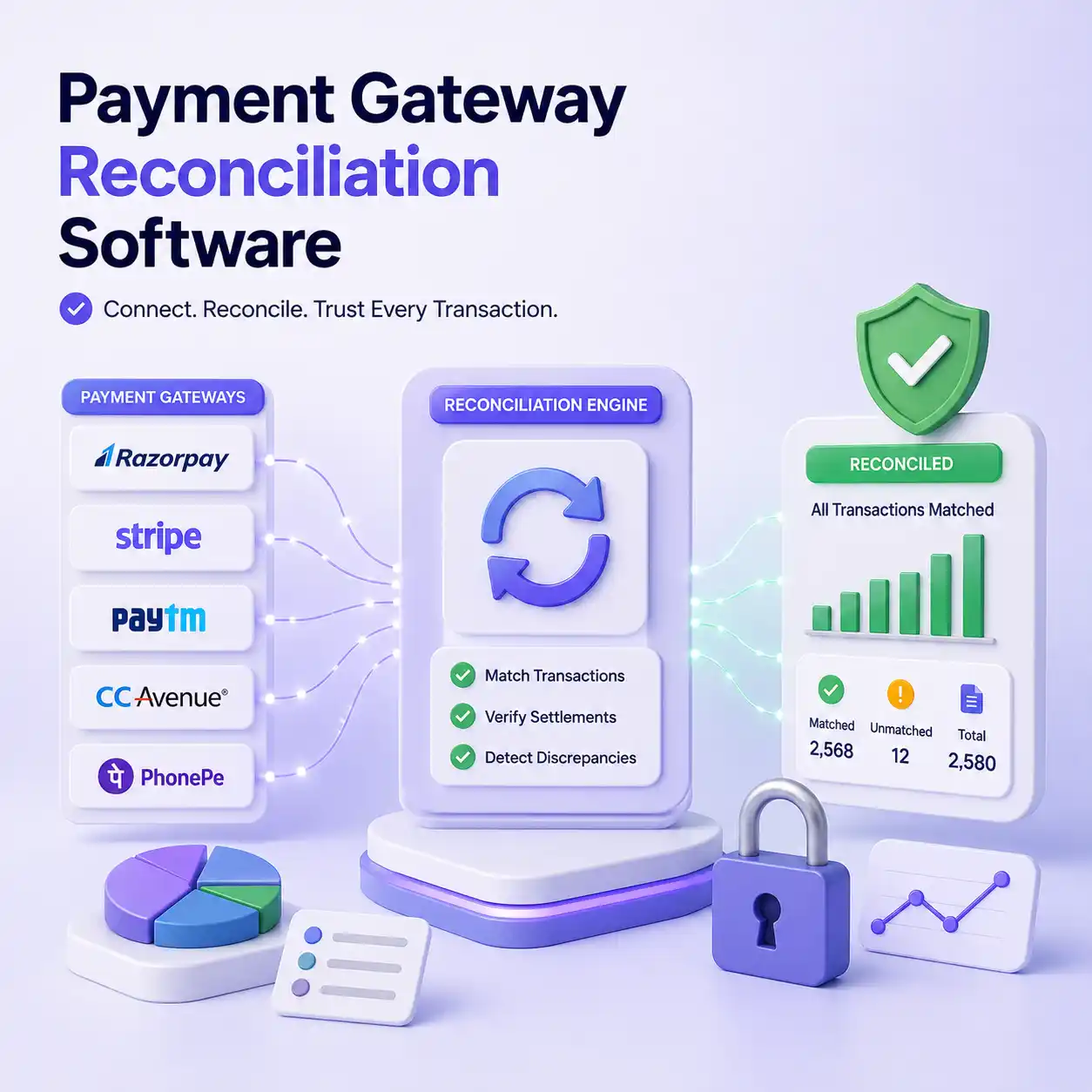
Modern financial tools remove the need for manual file downloads. Through advanced API integrations, the system logs into your various banking portals, payment processing gateways, and accounting ledgers to pull transactional data in real time. It acts as a universal translator, instantly converting different file formats and data fields into a single standardized layout.
Adaptive Rule Suggestions
A standout feature of machine learning is its ability to learn from human behavior over time. When an unmatched transaction occurs, a human operator reviews it and makes a decision. The smart software watches this choice, remembers the context, and creates a brand-new matching rule for the future. Because of this adaptive learning, a company's auto-match rates can start at 70% and naturally climb above 95% within just a few months of use.
Transforming Specific Financial Workflows
The beauty of intelligent automation is that it can be applied across many different areas of corporate finance. Every specific type of financial balancing benefits heavily from smart algorithms.
Bank Reconciliation
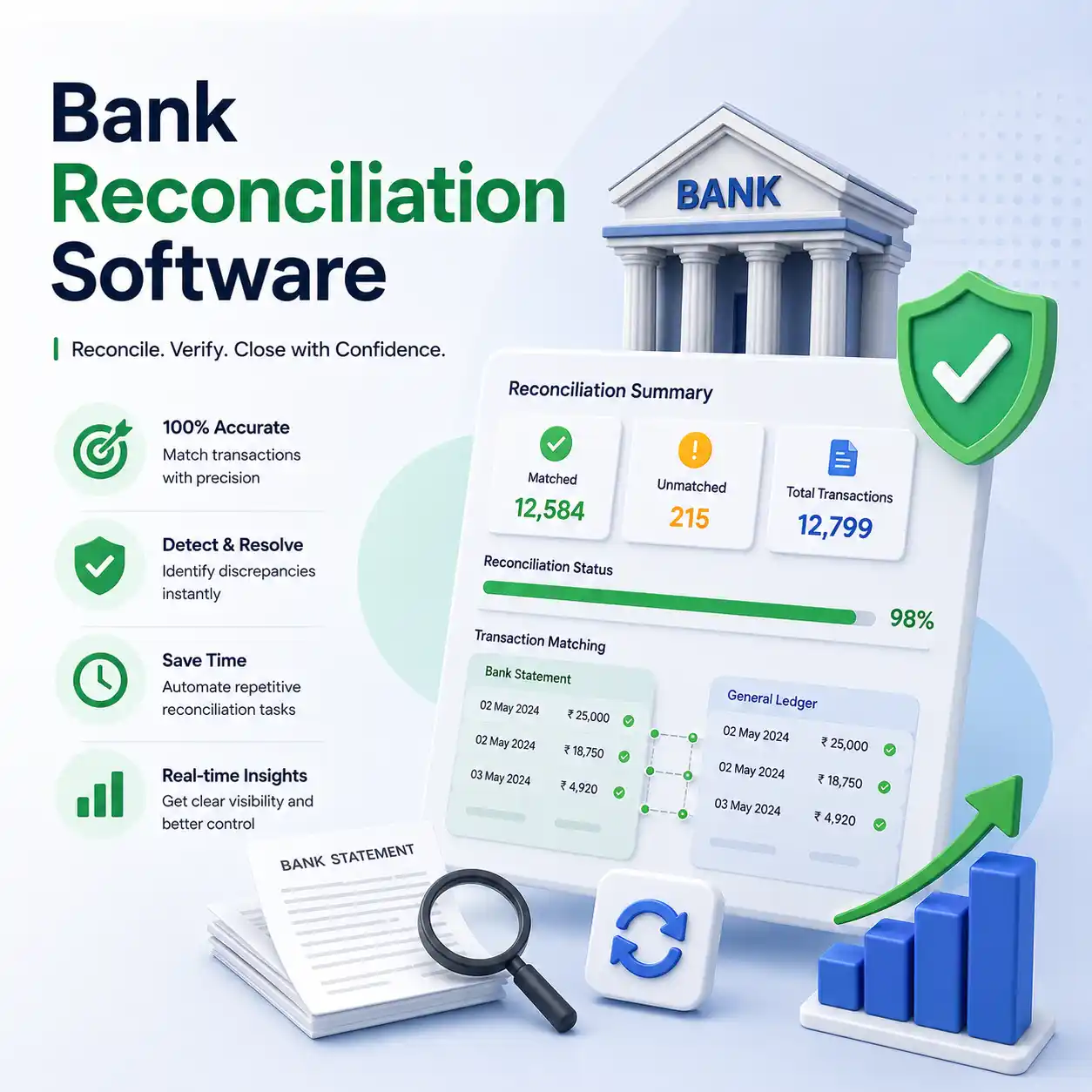
Managing cash positions across multiple corporate bank accounts is highly complex. Finance teams must use a specialized bank reconciliation software tool to maintain strict oversight over cash flow and corporate liquidity.
Instead of waiting for a monthly paper statement, an automated platform pulls bank feeds continuously. It automatically matches deposits, tracks interest charges, notes bank fees, and highlights any discrepancies immediately. This changes bank matching from a stressful monthly rush into a simple, continuous five-minute daily check.
Payment and E-Commerce Reconciliation
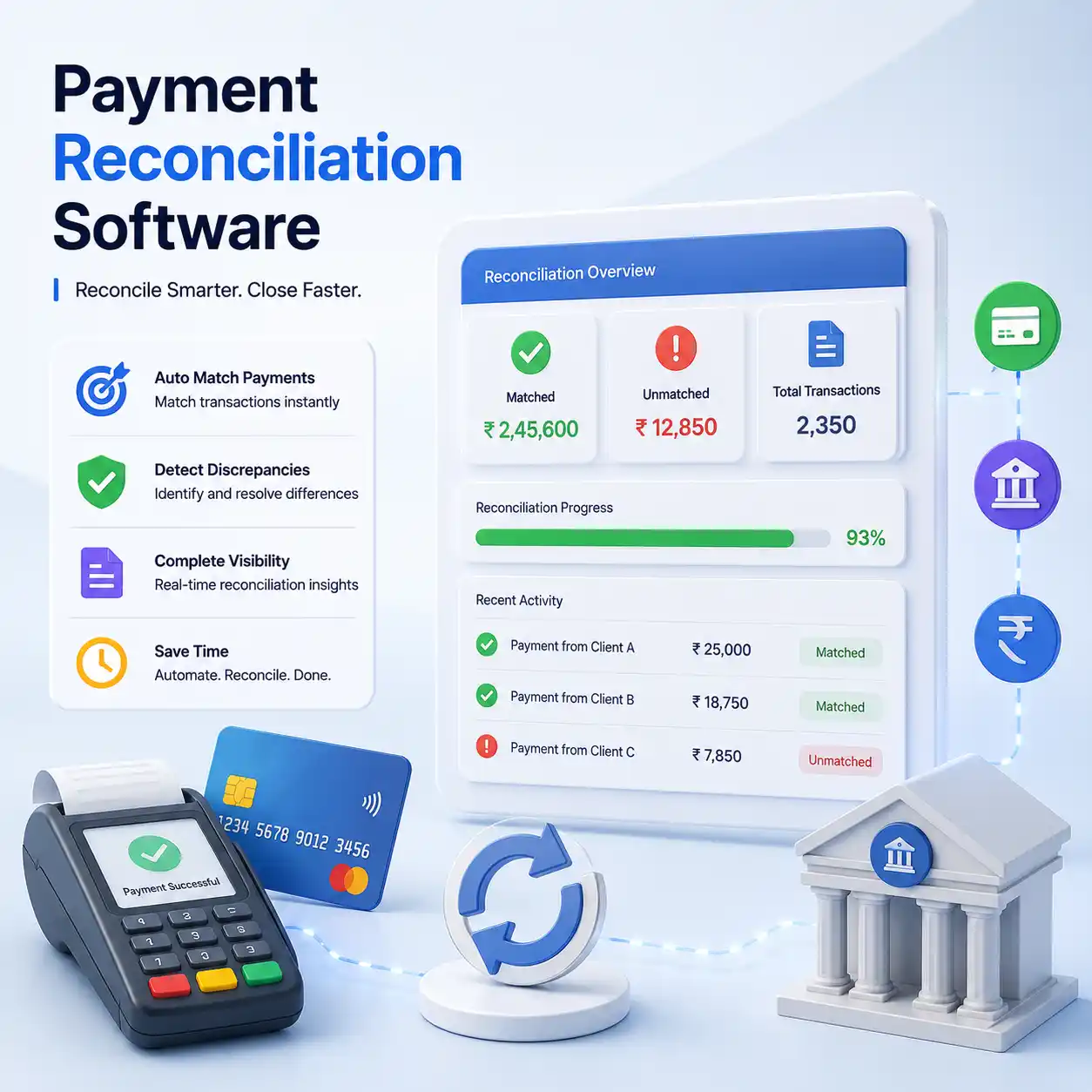
For digital businesses and e-commerce platforms handling thousands of sales every day, tracking cash is extremely challenging. A modern payment reconciliation tool is essential for handling this massive volume.
When a customer buys an item online, the money passes through a payment processor before hitting the corporate bank account days later, minus processing fees. A smart tool tracks the lifecycle of every sale, matches the order ID across systems, isolates the exact processing fee, and ensures that the net amount received matches the ledger perfectly.
General Ledger and Account Balancing
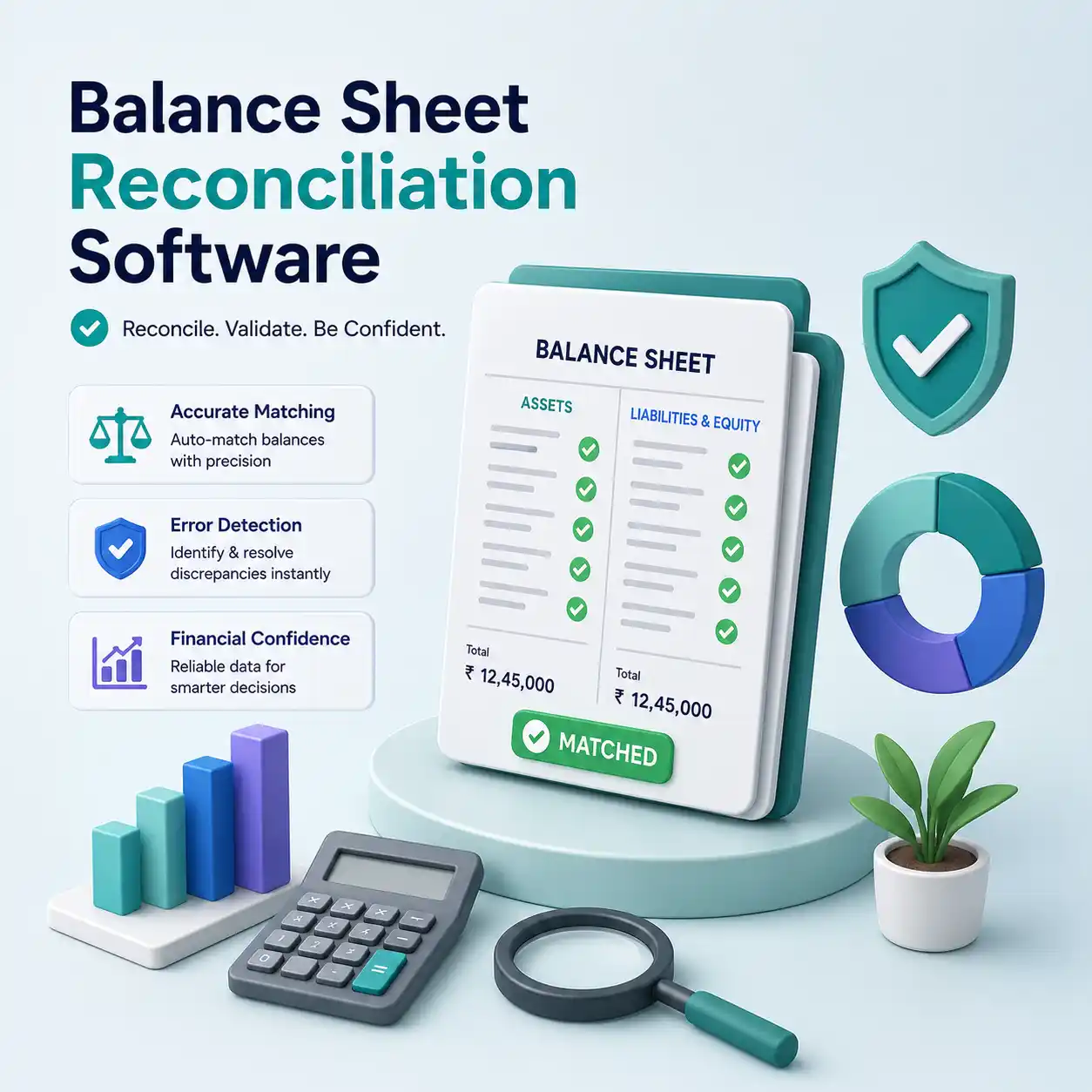
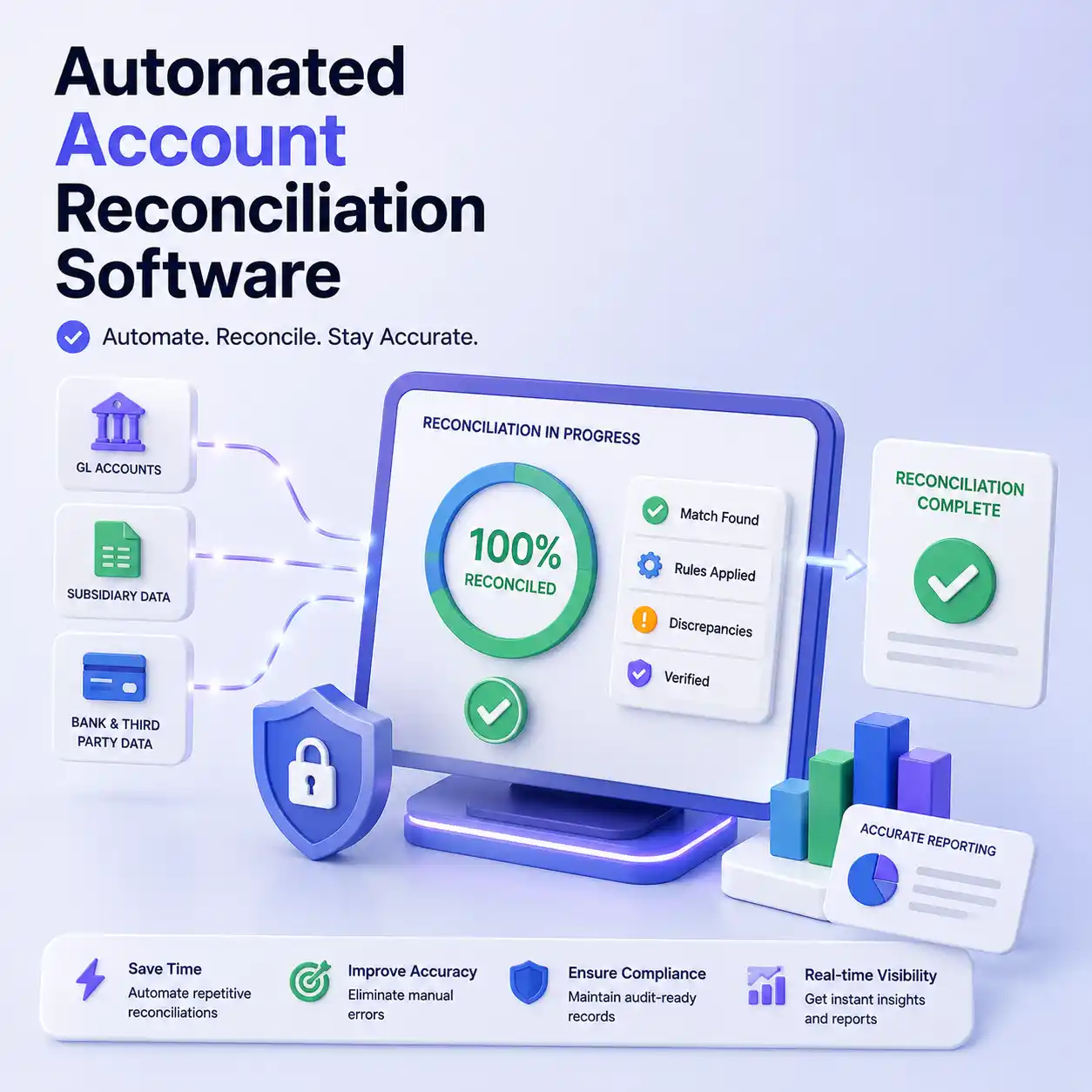
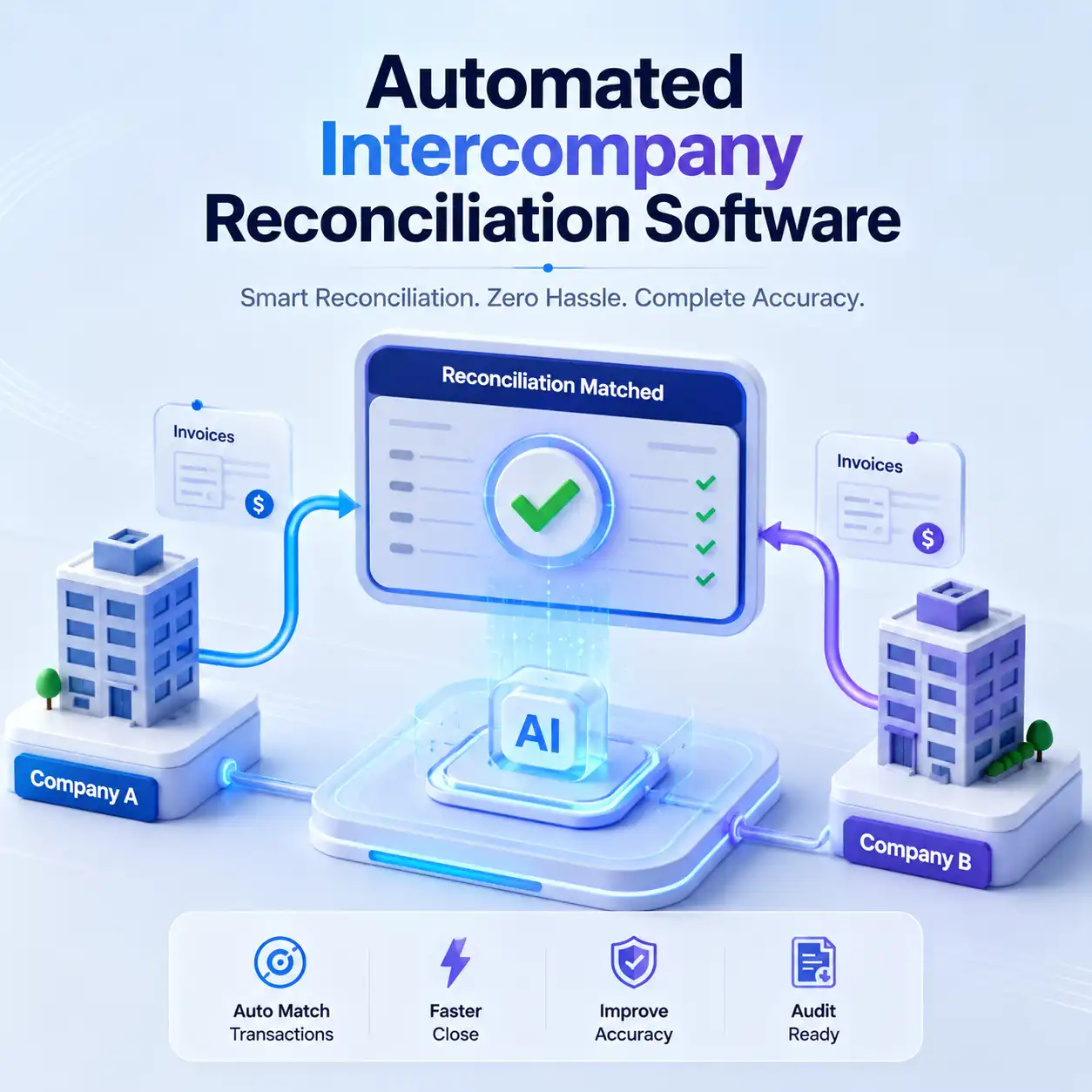
Corporate balance sheets include many non-cash balances, such as prepaid expenses, accounts receivable, inter-company transfers, and accounts payable. Finance leaders rely on specialized account reconciliation software to automate these balance sheet reviews. The platform verifies that the sub-ledger balances match the corporate general ledger, completely removing the need for manual tick-and-tie work.
Granular Transaction Audits
When dealing with massive operational data, companies require a dedicated transaction reconciliation software platform. This tool allows businesses to match millions of individual lines of data, such as internal point-of-sale logs against third-party shipping fulfillments or inventory data. By automating these huge datasets, companies can spot missing line items or duplicate charges before they impact the bottom line.
Real Benefits of Upgrading to Smart Platforms
Moving away from legacy processes to an automated financial system provides immediate, measurable benefits across the entire business.
- Up to 80% Reduction in Processing Times: Tasks that used to take days are completed in seconds, allowing finance teams to close the month-end books much faster.
- Significant Operational Cost Savings: Manual invoice processing can cost over twelve dollars per document due to labor and errors, while automation slashes that cost down to less than three dollars.
- Proactive Fraud Detection: Smart anomaly detection constantly monitors data patterns, instantly flagging duplicate billings, unusual vendor fees, or unexpected cash withdrawals.
- Absolute Compliance and Clean Audits: Automated platforms log every single match, adjustment, and approval with complete, clear audit trails that make regulatory compliance effortless.
- Better Employee Retention: Removing boring, repetitive data matching allows your accounting team to focus on rewarding, strategic financial analysis.
The Future of Financial Operations
Artificial intelligence is not just a temporary tech trend. It represents a fundamental shift in how businesses handle financial data. As machine learning models become even more advanced, the concept of a monthly financial close will disappear completely. It will be replaced by a continuous close model, where books are perfectly balanced and audited every single second.
By automating repetitive transaction matching, corporate finance leaders can transform their departments from basic record-keeping units into forward-looking strategic advisory teams. Embracing intelligent automation is the ultimate way to unlock real-time financial clarity, protect your business against fraud, and build a highly scalable operational foundation for the future.
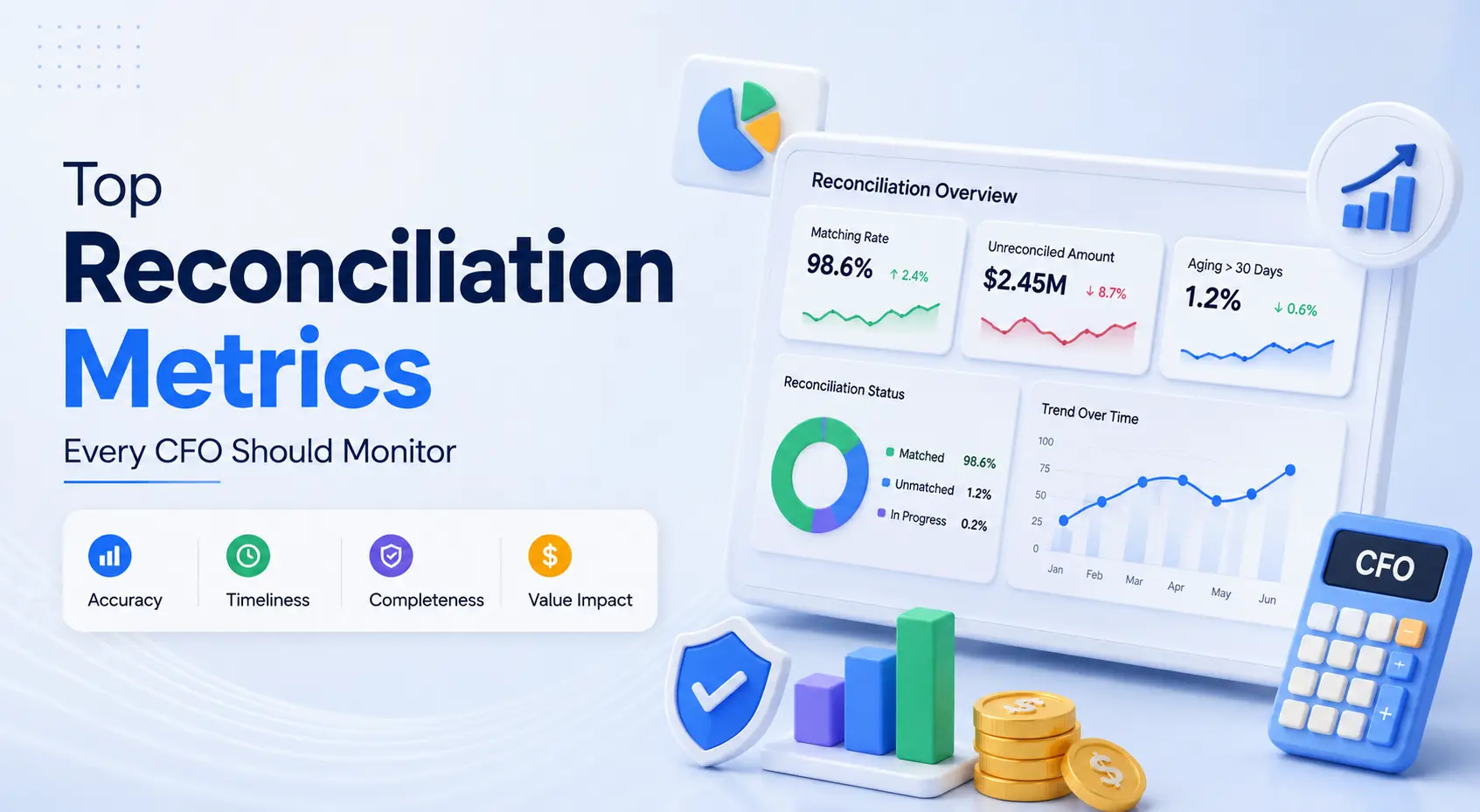
Also Read: Top Reconciliation Metrics Every CFO Should Monitor
Frequently Asked Questions
How does AI reconciliation differ from standard automated matching?
Standard automation uses strict, rigid rules that require an exact text or number match to work. If there is a tiny typo or a minor currency variance, standard automation fails. AI-driven matching uses machine learning and natural language processing to understand context, overlook minor text variations, and learn from human choices to build its own matching rules over time.
Is AI financial software safe and compliant for regulated industries?
Yes. Leading enterprise platforms build their software with top-tier security standards, role-based access permissions, and strong data encryption. They generate precise, automated audit trails that track every single action, making it easy to comply with strict regulatory frameworks like SOC 1, SOC 2, and PCI-DSS.
Will implementing an AI financial tool replace human accountants?
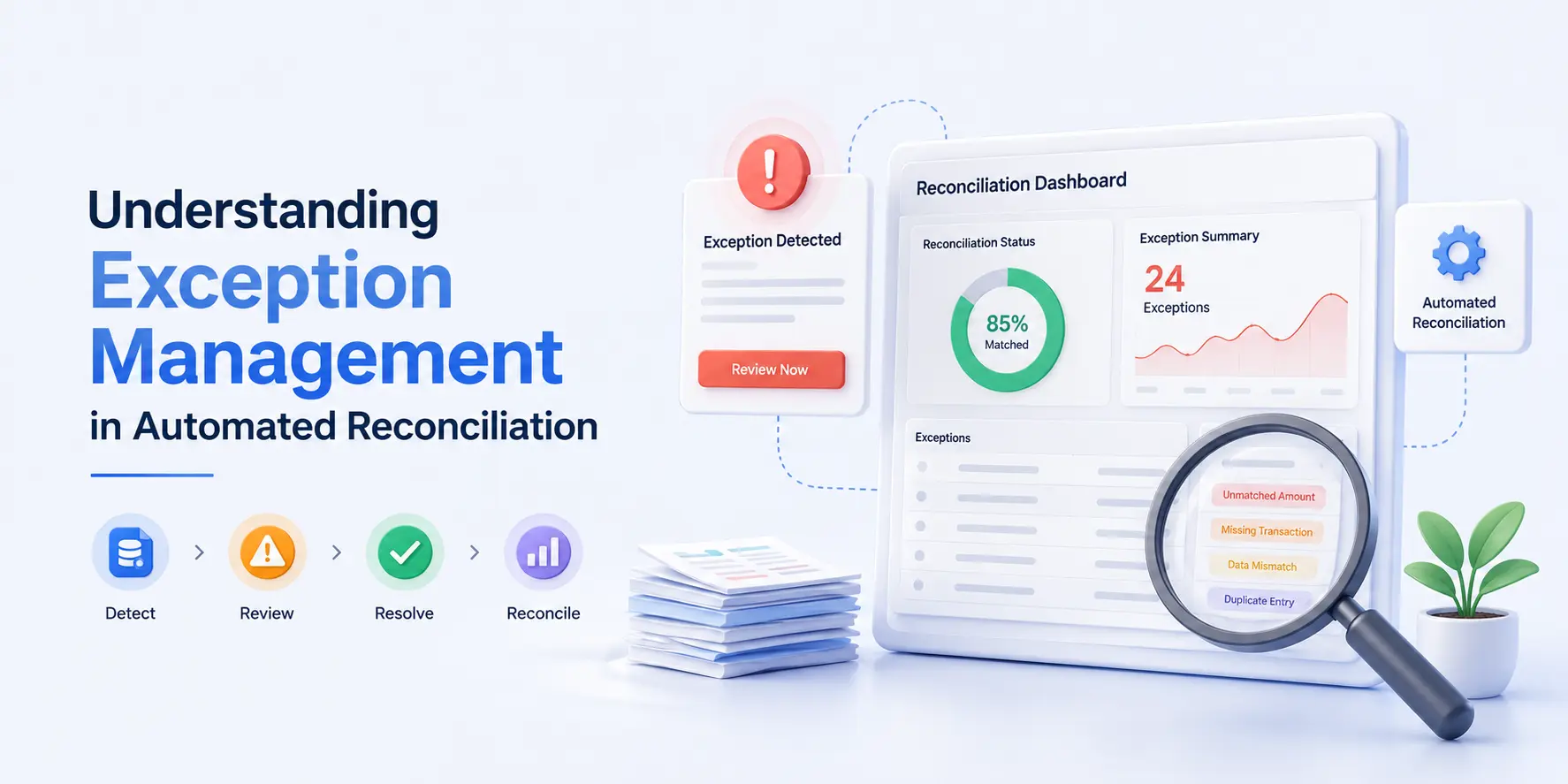
No. Instead of replacing people, smart software acts as an intelligent assistant. It automates the boring, repetitive tasks of sorting data and matching lines, which frees up human accountants to focus on complex exception handling, deep data analysis, tax strategy, and forward-looking financial planning.
Can smart reconciliation software handle data from multiple different banks?
Yes. Modern platforms use secure APIs and automated data connectors to link directly with multiple banks and payment providers worldwide. The software automatically extracts the data, normalizes the varying file formats, and matches the transactions inside a single unified dashboard.
How long does it take for a machine learning matching engine to become accurate?
Many systems deliver immediate improvements by using pre-built matching templates and basic business logic. As your finance team manages exceptions, the underlying machine learning models learn from those choices daily. Within a few weeks to a few months, the system adapts fully to your business patterns, often driving auto-match rates well past 90%.
Ready to get started?
Contact us now
Contact us now
* By clicking on Contact Us you are agreeing to our Terms & Conditions and Privacy policy.