How Automated Reconciliation Prevents Revenue Leakage
Kosh.ai
July 6, 2026
.webp)
Revenue leakage is the silent erosion of a company's profits. It happens when a business delivers products or services but fails to collect the full payment due to system errors, human mistakes, or operational gaps. Unlike sudden market changes or customer churn, revenue leakage is completely internal and often goes unnoticed for long periods.
Industry studies show that large enterprises lose between 2% and 9% of their annual revenue to various forms of leakage. For a mid-sized or large corporation, this represents millions of dollars disappearing directly from the bottom line. Because these leaks hide deep inside complex financial processes, tracking them manually is nearly impossible.
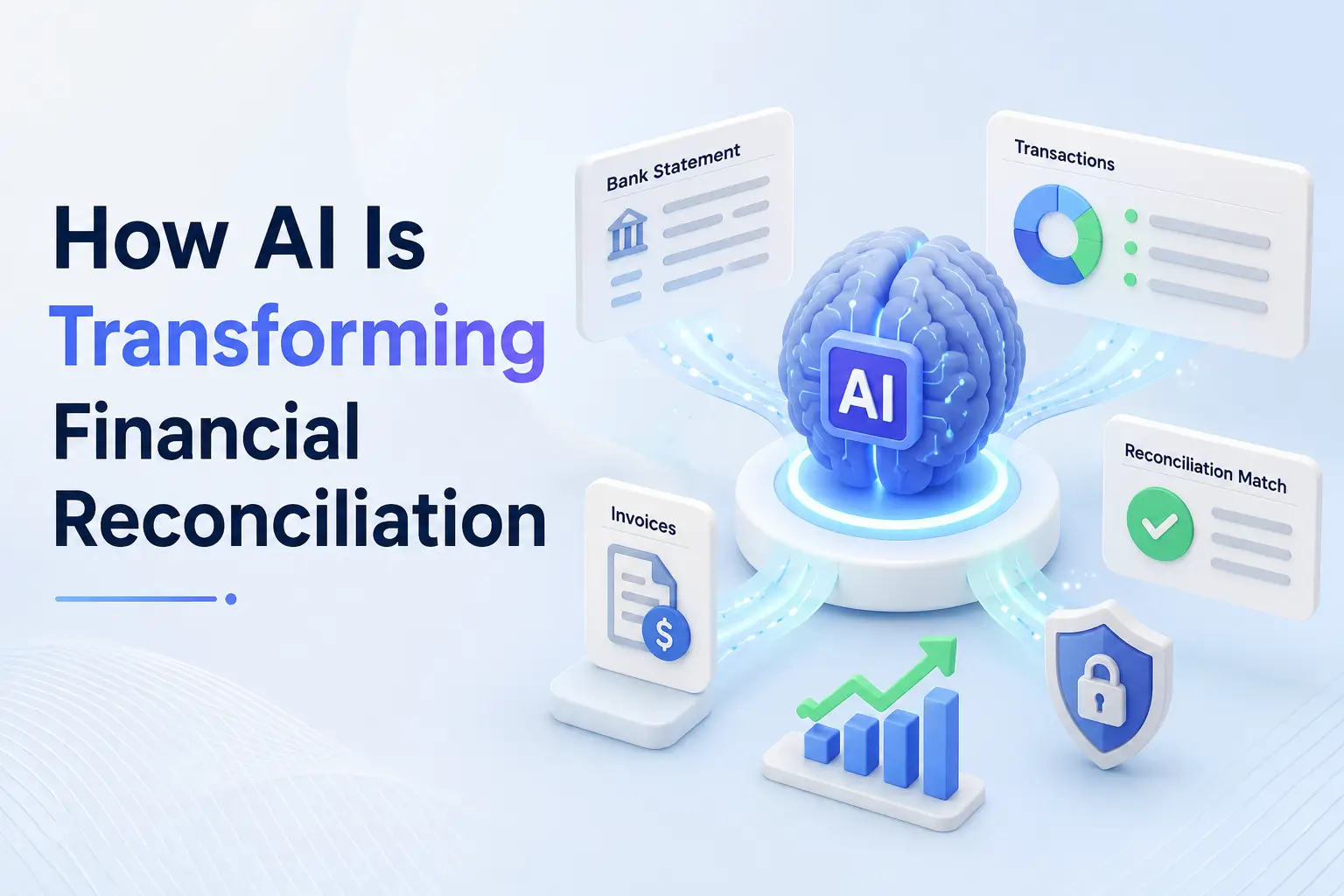
The primary reason behind this continuous loss is the reliance on manual workflows. When finance teams use basic tools to track thousands of daily transactions, critical details get missed. This is where automated reconciliation plays a vital role. By replacing manual data entry with intelligent system matching, businesses can identify discrepancies instantly and stop financial leakage before it damages their profit margins.
The Root Causes of Revenue Leakage in Financial Workflows
To prevent revenue from slipping through the cracks, it is important to understand where the breakdowns happen. Revenue operations involve multiple handoffs between sales, billing, and accounting teams. Each handoff creates a potential risk for data mismatch.
Human Errors in Data Entry
Manual bookkeeping relies heavily on data entry, which is always prone to human error. A misplaced decimal point, an overlooked zero, or an incorrect invoice number can lead to severe financial discrepancies. Even the most dedicated finance professional can make mistakes when processing high volumes of transactions on spreadsheets. These small clerical errors accumulate over time, turning into significant financial losses that are difficult to trace during year-end audits.
Disconnected Legacy Systems
Most growing enterprises use several software platforms to run their operations. They might use a customer relationship management system for sales, an independent billing system for invoices, and a legacy enterprise resource planning system for accounting. When these systems cannot communicate with each other effectively, data silos emerge. A contract modification or discount applied in one platform might never update in the billing system, causing the company to underbill customers without realizing it.
Processing Fees and Chargeback Overlooks
Modern businesses accept a wide variety of payment methods, including credit cards, digital wallets, and bank transfers. Every payment gateway charges a unique transaction fee. If your internal systems cannot cross-reference the exact amount deposited into your bank account against the original invoice and the processing fee, tracking leakage becomes a challenge. Additionally, hidden chargebacks, unresolved payment disputes, and failed payment retries can slowly drain corporate cash reserves if they are not consistently monitored.
How Automated Reconciliation Protects Your Bottom Line
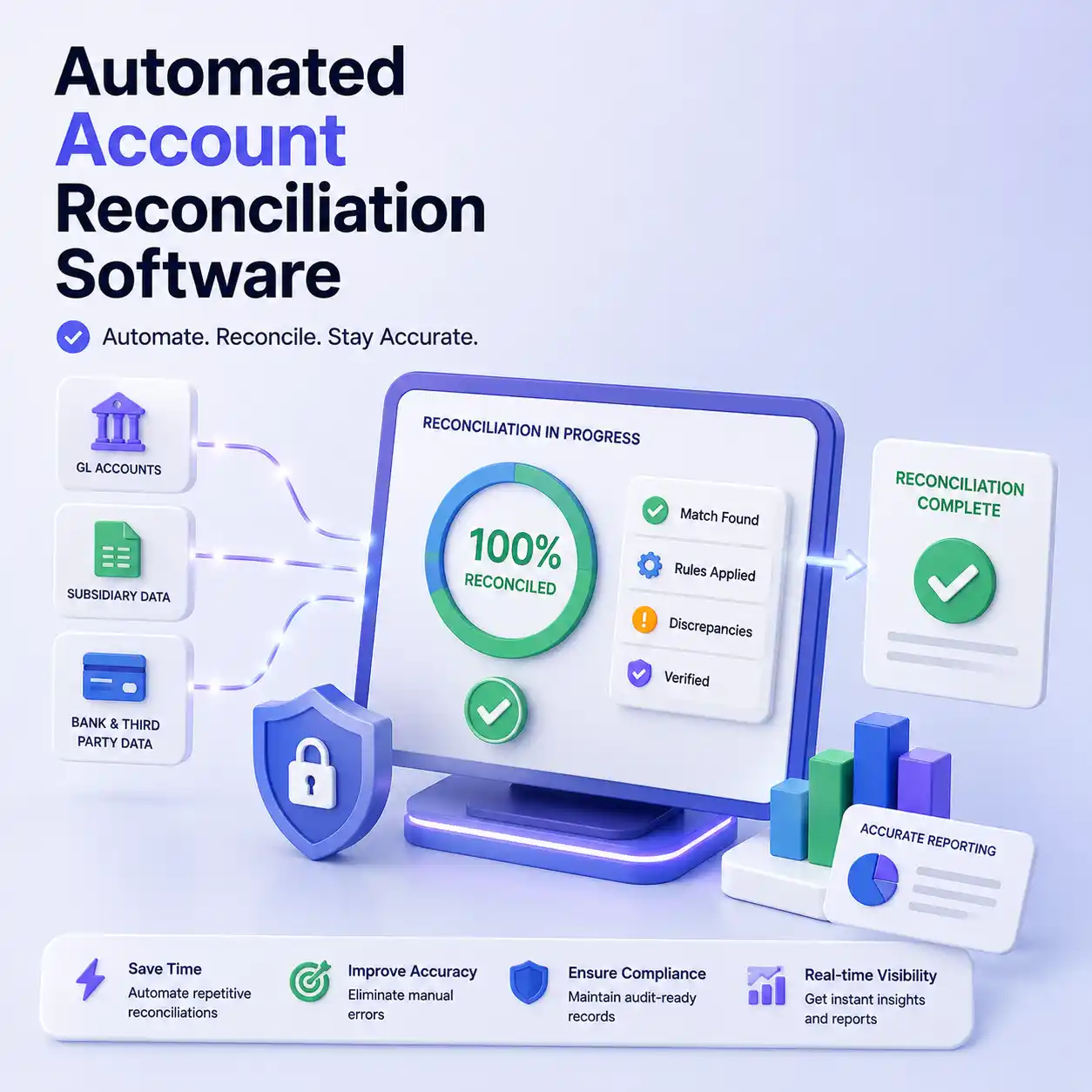
Transitioning from manual verification to an automated framework is the most reliable way to protect your business profits. Automated systems work continuously to analyze incoming data streams, leaving no room for operational oversight.
Continuous Real-Time Transaction Matching
Manual bookkeeping forces teams to wait until the end of the week or month to compare financial records. Automated systems, on the other hand, operate continuously. They pull data streams directly from bank accounts, point-of-sale systems, and internal ledgers to match transactions in real time. If an invoice amount does not match the actual payment received, the system flags the variance immediately, allowing teams to resolve the issue right away.
Algorithmic Exception Handling
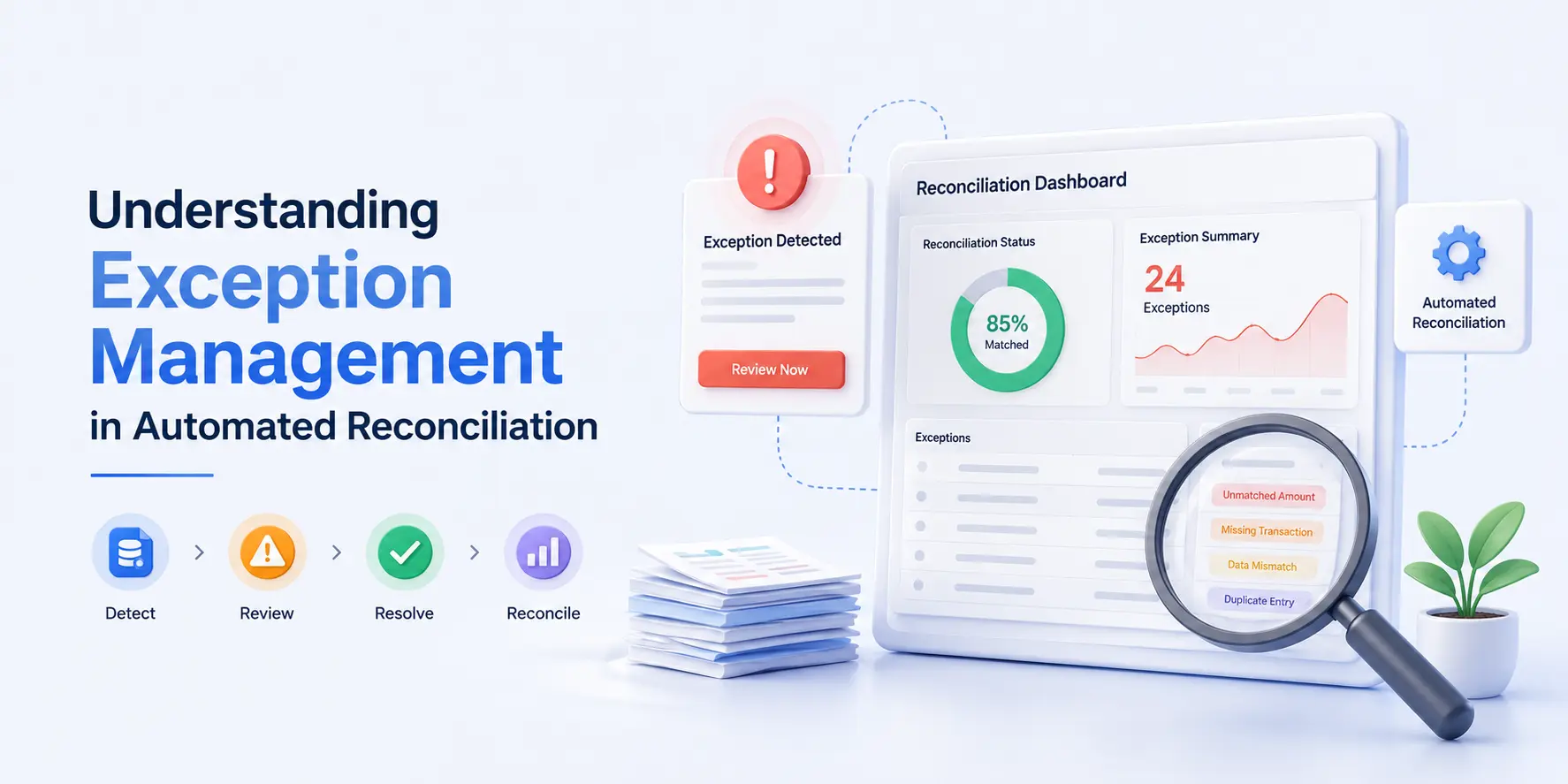
Instead of forcing accounting teams to look through thousands of successful transactions to find a few errors, automation isolates the problem areas. Advanced algorithms use predefined business logic to verify dates, reference numbers, and transaction amounts. When the system detects an unapplied credit or a duplicated deduction, it creates an exception alert. This allows financial analysts to spend their energy resolving active errors rather than searching for hidden data mismatches.
Comprehensive Audit Trails
Maintaining clean and accurate financial records is essential for regulatory compliance. Automated platforms log every single action taken, from data ingestion to finalized exception resolutions. This creates a permanent, tamper-proof audit trail. When internal or external auditors review your financial records, they can easily verify every transaction path, reducing compliance risks and ensuring long-term financial transparency.
Key Areas Where Automation Stops the Leakage
Financial management involves several distinct operations, and revenue can leak from any of them. Implementing targeted automation across these specific areas ensures total revenue protection.
Eliminating Processing Gaps with Bank Reconciliation
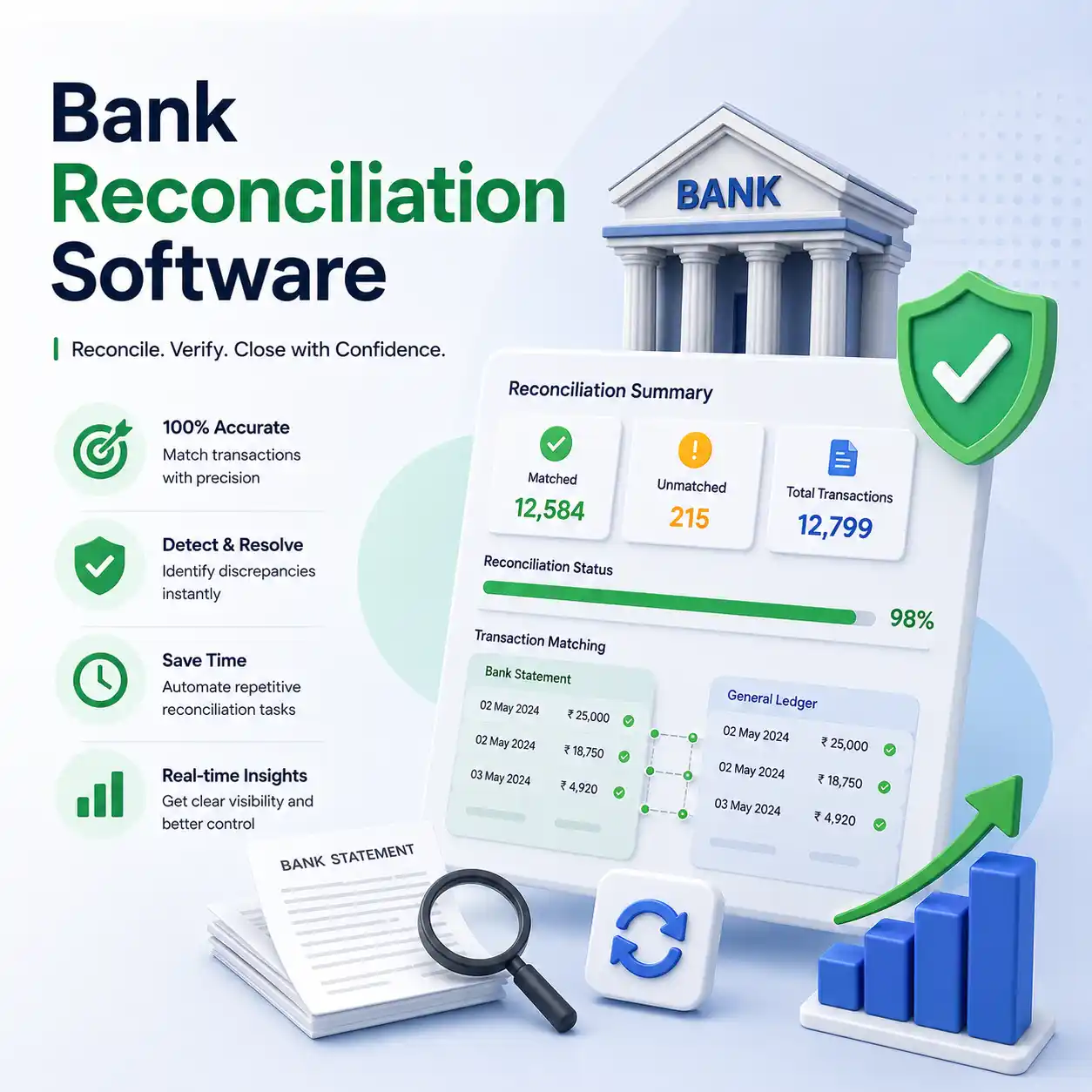
Every company must balance its internal books with its external bank statements. Performing a traditional bank reconciliation manually requires downloading multiple bank statements and checking individual items against general ledger entries. This slow process makes it easy to overlook minor bank fees or missed deposits. Modern software automates this connection by using direct API integrations to match bank statement lines with internal sales entries instantly, identifying any missing funds or unexpected bank charges.
Securing Digital Transactions via Payment Reconciliation Software
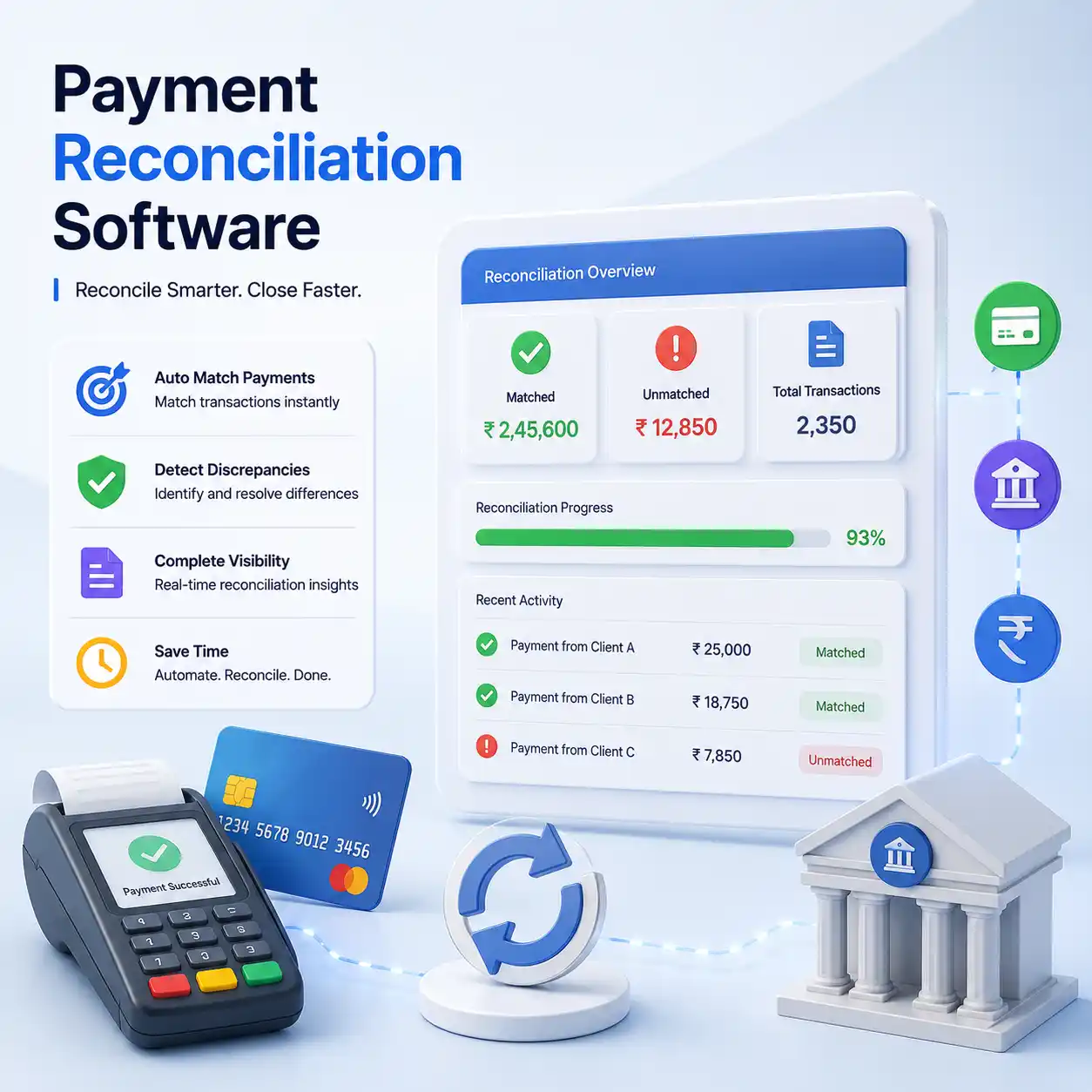
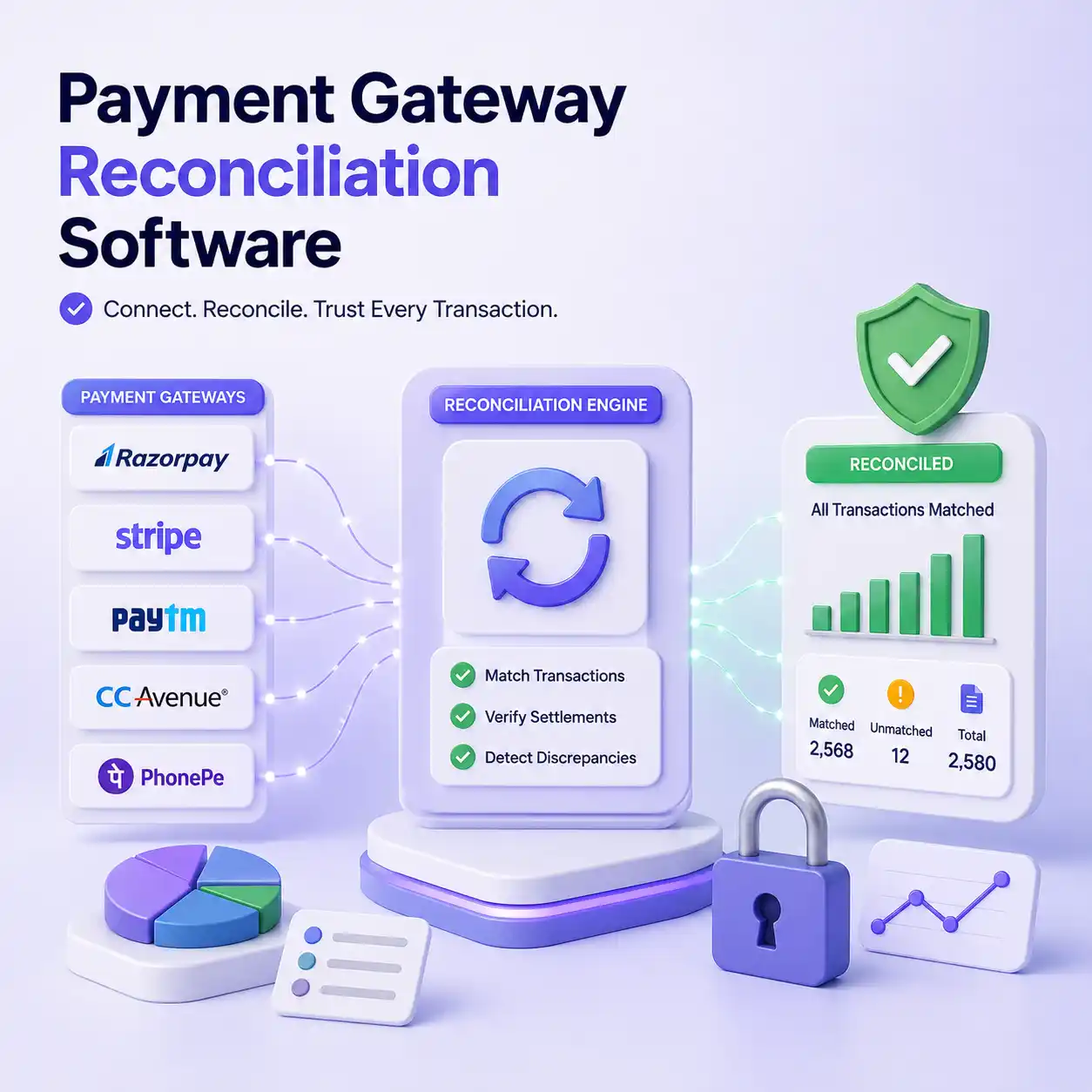
As digital commerce grows, companies manage thousands of micro-transactions daily across different payment gateways. Utilizing specialized payment reconciliation software allows businesses to verify that every digital transaction successfully moves from the customer's wallet to the corporate bank account. The system cross-checks the gross sale amount, subtracts the precise gateway fee, and flags any processing anomalies or uncollected failed payments that would otherwise turn into leaked revenue.
Enhancing Liquidity Management with Cash Reconciliation Software
Tracking physical cash, retail deposits, and point-of-sale distributions requires strict control. A robust cash reconciliation software platform simplifies this process by matching cash register receipts, armored car transport logs, and bank deposit notifications. This automated oversight eliminates cash drawer discrepancies, protects against internal fraud, and gives leadership full visibility into daily cash positions.
Streamlining the Accounting Cycle with Financial Close Software
The end of a fiscal period is often highly stressful for finance teams. Using financial close software simplifies the entire period-end process by consolidating all sub-ledgers, intercompany transactions, and balance sheets into a single automated workflow. Studies show that shifting to automated frameworks can reduce total account reconciliation time by 75% to 90%. This massive time saving allows companies to close their books faster, avoid costly write-offs, and generate reliable financial forecasts based on accurate real-time data.
Business Benefits Beyond Revenue Protection
While stopping revenue leakage is the main reason to adopt automation, the operational advantages extend far beyond immediate cost savings.
Better Capital Management
To make confident day-to-day operational decisions, leadership must have a clear understanding of cash availability. Automated tools eliminate the blind spots caused by delayed manual reporting. With real-time visibility into account balances, corporate treasurers can manage working capital more effectively, optimize short-term investments, and prevent accidental overdraft fees.
Seamless Operational Scalability
As a business expands, its transaction volume grows rapidly. Relying on manual workflows means you must hire more accounting staff just to handle the paperwork. Automation solves this issue by allowing software to handle growing amounts of data easily. Your business can double its transaction volume without experiencing operational delays or increasing administrative overhead.
Improved Focus for Finance Teams
Manually cross-checking numbers on spreadsheets is tedious and drains employee energy. Automating repetitive data matching tasks frees your finance team from mundane work. This shift allows financial analysts to focus on high-impact strategic projects, such as analyzing cost structures, optimizing pricing models, and driving corporate growth.
Best Practices for Transitioning to Automated Financial Reconciliation
Moving away from legacy processes requires a clear, well-structured strategy. Follow these core steps to ensure a smooth transition to an automated framework.
- Audit Current Workflows: Document all your existing financial touchpoints, data sources, and manual spreadsheet routines to discover your biggest leakage risks.
- Prioritize Data Quality: Ensure that your internal databases, customer billing profiles, and inventory systems use standardized data formats before connecting them to automation tools.
- Establish Clear Tolerance Rules: Define clear rules for handling acceptable variances, such as minor currency rounding or fixed transaction fees, so the software can resolve minor differences without requiring human intervention.
- Train Your Team: Teach your accounting team how to manage system exceptions, analyze automated dashboards, and use the platform's insights for strategic planning.
- Monitor Performance Regularly: Review exception trends and system performance metrics frequently to fine-tune your automation rules and improve matching accuracy over time.
Also Read: 5 Signs Your Business Needs Reconciliation Automation
Frequently Asked Questions
What exactly is revenue leakage?
Revenue leakage is the unintended loss of earned revenue within a business. It happens when a company provides services or sells goods but fails to collect the correct payment due to internal operational issues, billing inaccuracies, manual entry errors, or disconnected systems.
How does automated reconciliation find financial errors better than manual methods?
Automated systems connect directly to your banks, payment gateways, and accounting software to match every transaction using advanced algorithms. They check every transaction line by line continuously, instantly flagging errors and discrepancies that human eyes might miss on a spreadsheet.
Can small businesses benefit from automated financial matching software?
Yes, businesses of all sizes benefit from automation. While large enterprises save millions of dollars, smaller companies benefit by saving valuable time, reducing manual accounting mistakes, and maintaining healthy cash flow to support business growth.
Will implementing automation software disrupt our existing accounting workflows?
Modern reconciliation software is designed to integrate smoothly with your existing ERPs, billing platforms, and bank accounts through secure APIs. This minimizes workflow disruptions and allows your team to transition away from manual spreadsheets without operational downtime.
How does automation help speed up the month-end close process?
Because automated systems ingest and match transactions daily, errors are caught and fixed immediately throughout the month. This changes the month-end close from a frantic rush to find missing data into a simple, stress-free validation process, saving days of work.
What is an exception in financial reconciliation?
An exception is any transaction where the data from two sources does not match perfectly. For instance, if an invoice states $500 but the bank deposit shows $480, the system flags it as an exception. This allows your finance team to investigate and resolve the specific variance quickly.
Ready to get started?
Contact us now
Contact us now
* By clicking on Contact Us you are agreeing to our Terms & Conditions and Privacy policy.