Financial Close Software for a Faster, More Controlled Month-End

Let Kosh AI Orchestrate Your Close While Your Team Focuses on What Actually Needs a Decision

  • Brings Close Tasks, Reconciliation, and Flux Analysis Into One Place
  • Tracks Every Close Task to a Clear Owner and Deadline
  • Flags Close Risks Before They Delay Your Reporting Date
  • Builds an Audit Trail Without Extra Manual Work
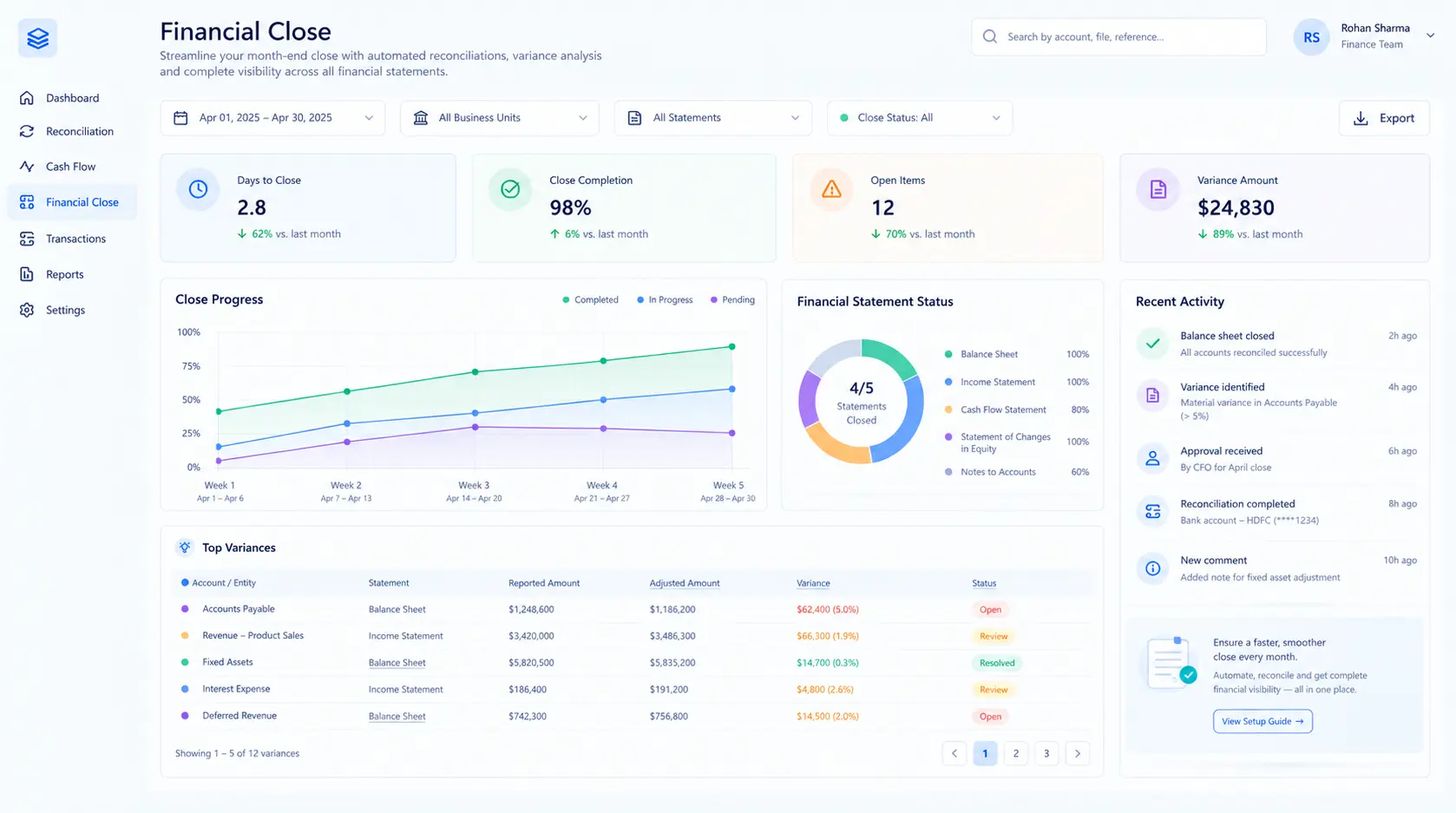
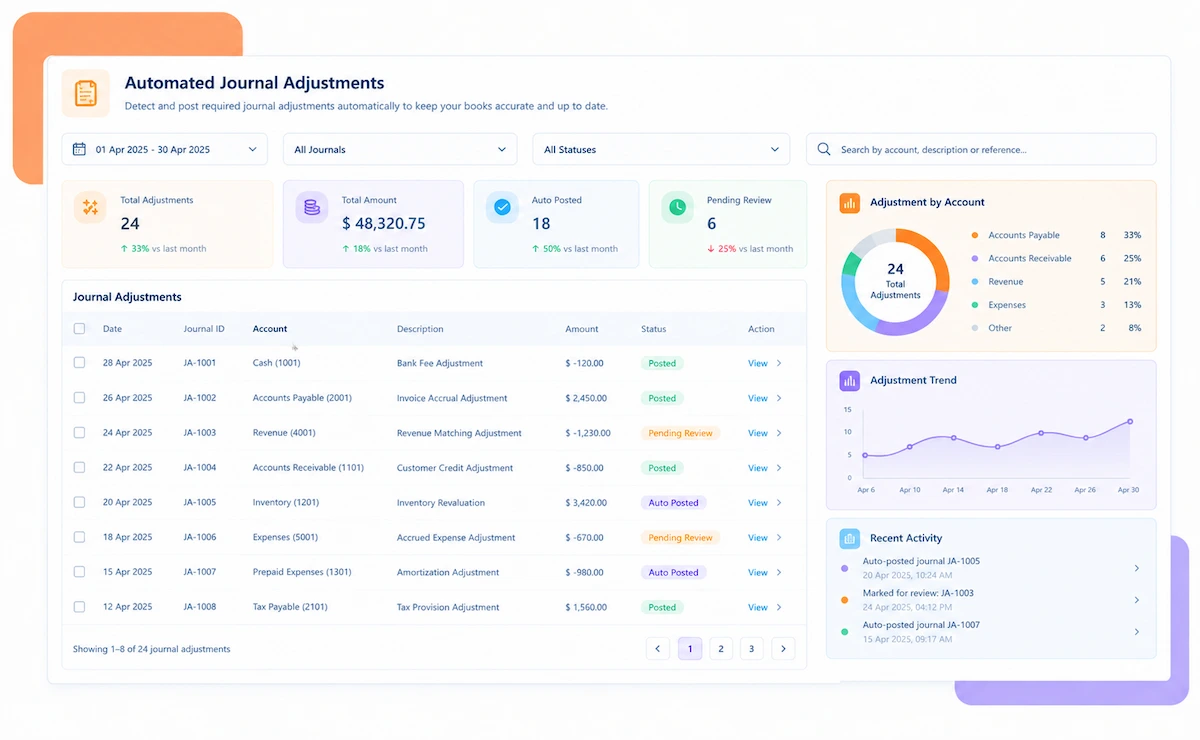
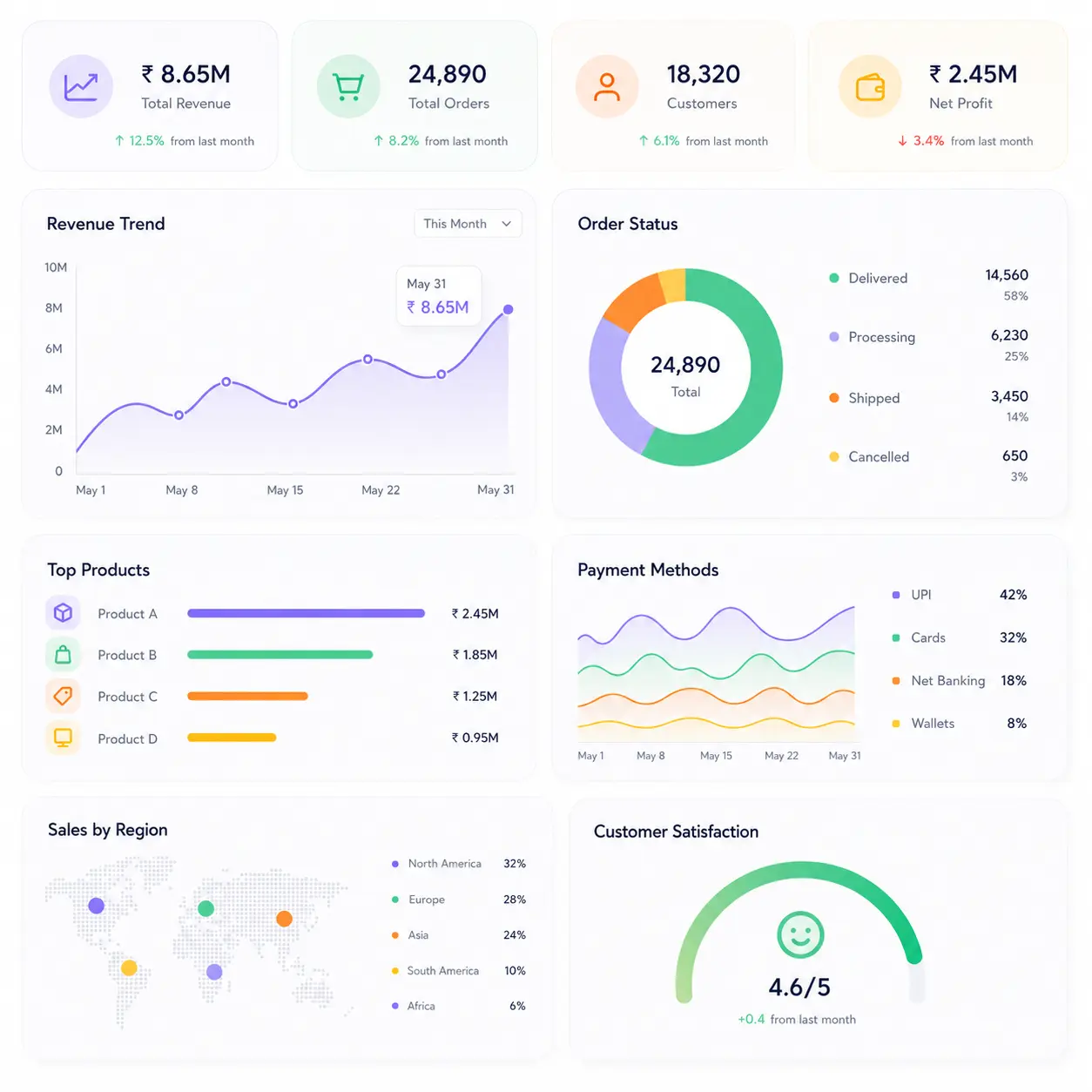
Kosh AI Financial Close Software Dashboard

NEW 2026 Financial Close Tool

Financial Close Software Built for Teams Closing Against a Hard Deadline

See which close tasks are on track, which ones keep slipping the same way every month, and how Kosh AI tightens your close calendar before the next reporting date.

How Financial Close Software Brings the Whole Close Together

Most finance teams run their close across a patchwork of spreadsheets, email threads, and separate reconciliation files, with status living in whoever remembers to update it. Kosh AI replaces that patchwork. It brings close tasks, account reconciliation, and variance analysis into one platform, so your team always knows where the close actually stands.

Proven Results From Automated Financial Close

Konica Minolta Business Solutions, U.S.A., Inc.
Ring Container
Conference Direct

How Financial Close Software Works in Four Steps

You don't need to redesign your close calendar or change your ERP. Kosh AI reads what's already there and handles the task tracking, the reconciliation, and the reporting.

  • Mirrors Your Existing Process: Kosh AI maps your current close calendar and task list instead of forcing a new structure.
  • No Manual Scheduling Emails: There's no need to send a close schedule around at the start of every period.
  • Every Task and Owner Together: Tasks, owners, and deadlines across every entity show up in one calendar.
  • Ready Before Day One of Close: The calendar is set up before the period even closes, not scrambled together after.
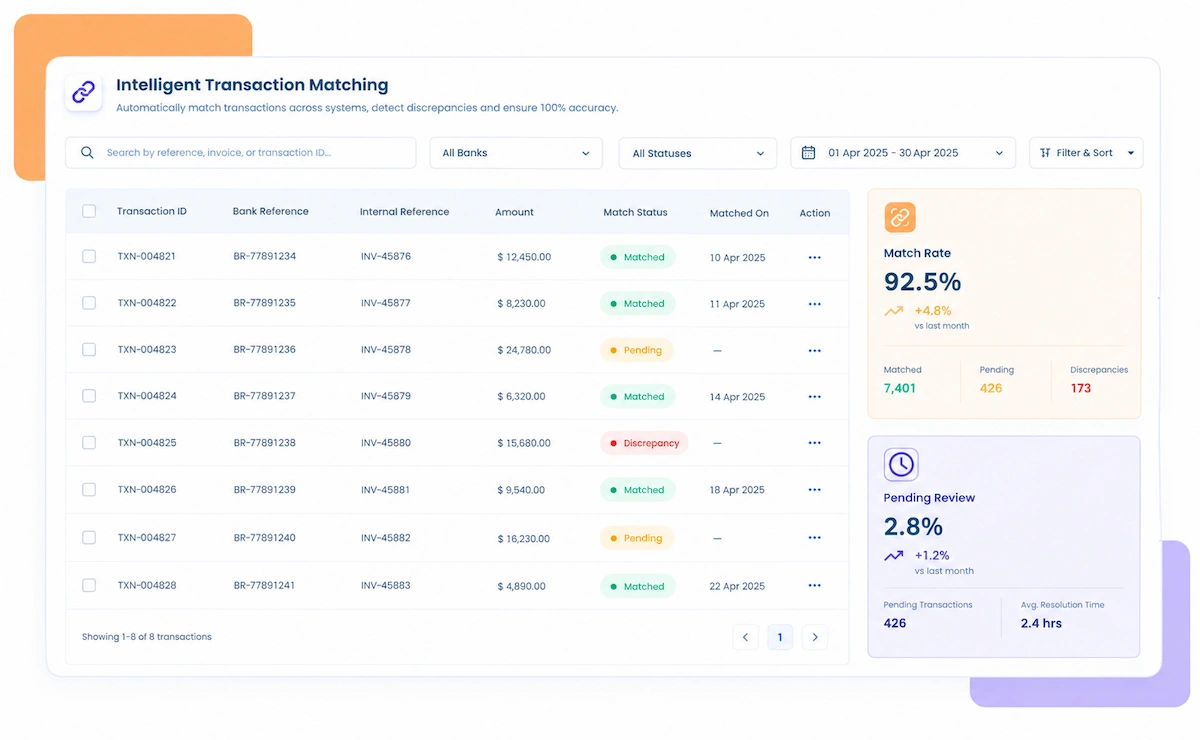
  • Done Automatically: Kosh AI reconciles accounts against supporting records as part of the same close process.
  • Your Policy, Not a Generic Template: Certification rules follow the close policy your team already uses.
  • Tasks Stay Linked: A close task can't close out while its reconciliation is still open.
  • Improves With Use: Matching accuracy gets sharper the longer Kosh AI works with your accounts.
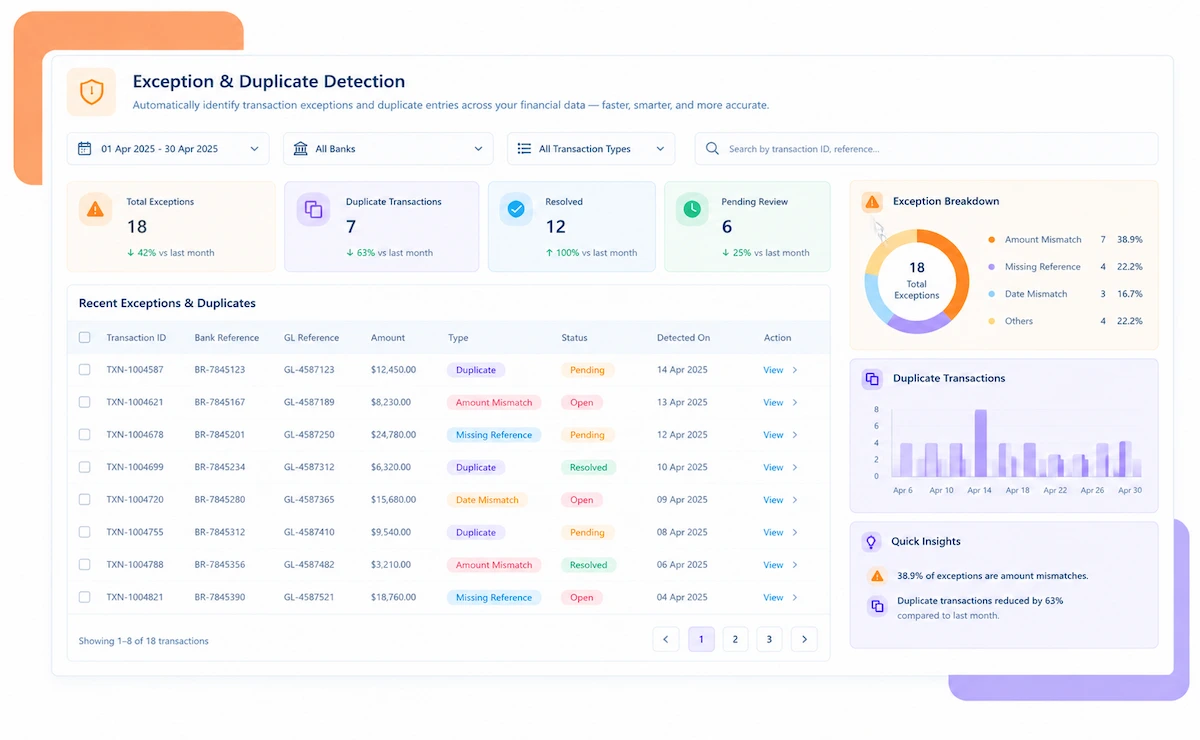
  • Flagged Right Away: Unusual account movements and open tasks are surfaced immediately, not during the final review.
  • A Reason Attached: Each flagged variance comes with a likely cause, not just a percentage change.
  • Sorted by Risk: Higher-risk accounts and overdue tasks rise to the top of the review list.
  • Resolved Before the Deadline: Issues get worked with enough runway left in the close calendar.
  • Sign-Off Built In: Completed close tasks and certified reconciliations roll up into a final close sign-off.
  • Reports for Any Audience: Pull a close status report for leadership or a full support file for an auditor.
  • A Trail for the Whole Close: Task history, reconciliations, and sign-offs stay attached to every period.
  • Close Status at a Glance: Always know which tasks are complete, which are open, and which need escalation.

Financial Close Software That Fits Your Close Process

No two finance teams run the same close calendar. Kosh AI fits the close activities you manage, the industry you work in, and how your close team is structured.

Close Task and Calendar Management

Every task has a clear owner, deadline, and dependency, so the close runs on a schedule instead of tribal knowledge.

Flux and Variance Analysis

Period-over-period account movements are reviewed automatically, catching what a manual scan would miss.

Account Certification

Accounts are certified against supporting records as part of the close, not as a separate downstream process.

Journal Entry Review

Manual journal entries are tracked and reviewed alongside the rest of the close for a complete picture.

Manufacturing

Close calendars spanning plants, inventory, and corporate accounting are coordinated from a single platform.

Software & SaaS

Fast-growing companies keep their close process consistent even as entities and complexity increase.

Retail & Distribution

High-volume, high-velocity closes stay on schedule even with tight reporting deadlines.

Healthcare

Close tasks across facilities and entities are tracked with the documentation rigor healthcare finance requires.

Enterprise Financial Close at Scale

Kosh AI centralizes the close for large finance organizations, giving real-time visibility and built-in controls across every entity.

  • Coordinate close tasks and reconciliations across 100+ entities.
  • Spot close risks early with 15+ ML-driven variance models.
  • Keep a fully documented, auditor-ready trail behind every period.
  • Financial Close Software for Growing Finance Teams

    Kosh AI gives mid-market finance teams a structured close process without the headcount a manual close usually needs.

  • Replace spreadsheet-based close checklists with a managed workflow.
  • Handle a growing close scope without adding staff.
  • Go live in weeks with ready-made ERP connectors.
  • The Business Impact of Automated Financial Close Software

    Running a close across scattered spreadsheets and email threads ties up your team every single period, and the pressure to hit a reporting deadline makes it easy to miss something. Kosh AI takes that load off your team and gives you a close you can trust.

    1

    Close Faster, Every Period

    Tasks and reconciliations that used to run in sequence across separate tools now move in parallel, cutting real days off the close.

    2

    Catch Close Risks Earlier

    Overdue tasks and unusual account movements are flagged as they happen, not discovered during the final review.

    3

    Let Controllers Manage by Exception, Not by Chasing Status

    Instead of emailing the team for updates, your controller sees close progress in real time.

    4

    Reduce Close-Period Stress on Your Team

    A structured calendar with clear ownership means less last-minute scrambling to finish on time.

    5

    Get Real-Time Visibility Into Close Progress

    See which tasks are complete, which are open, and which need escalation, without a status meeting.

    6

    Maintain a Complete Audit Trail for Every Period

    Every close keeps its full task and reconciliation history attached, so audit requests get answered in minutes.

    The Results of Automating Financial Close Software

    60%Faster Month-End Close
    80%Of Close Tasks Completed Without Escalation
    90%Fewer Manually Re-Keyed Entries

    Integrate Seamlessly with Your Existing ERP Systems

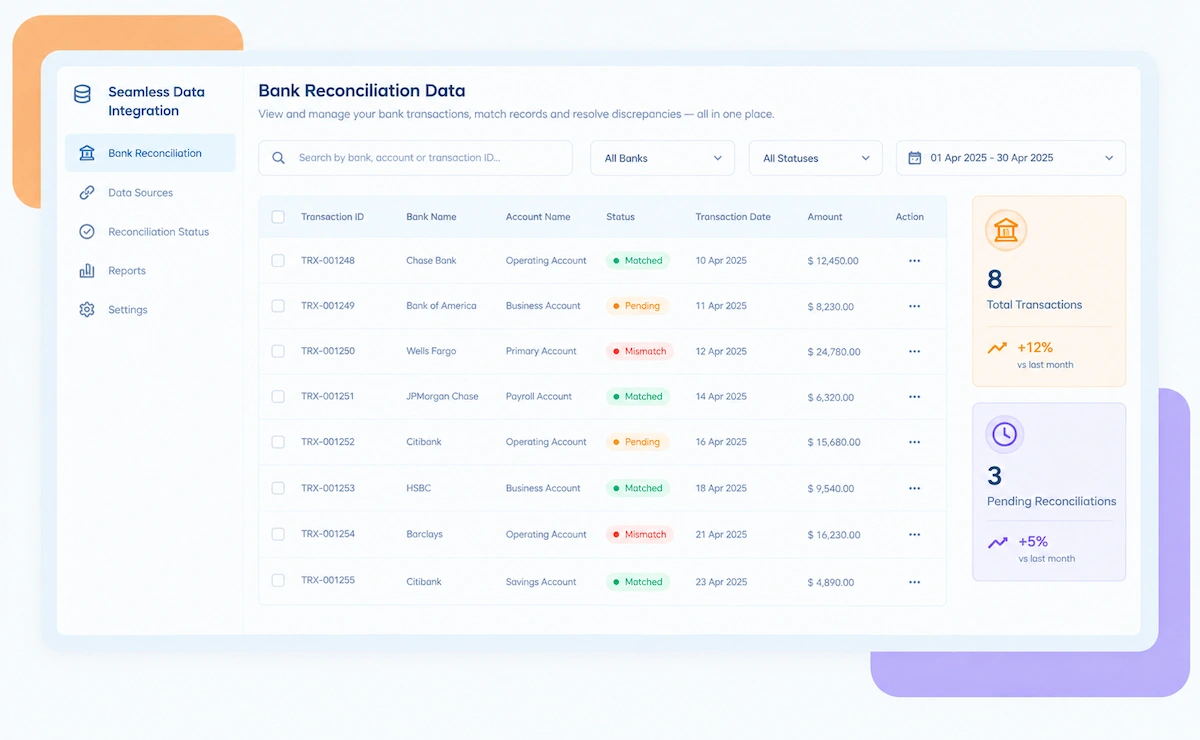
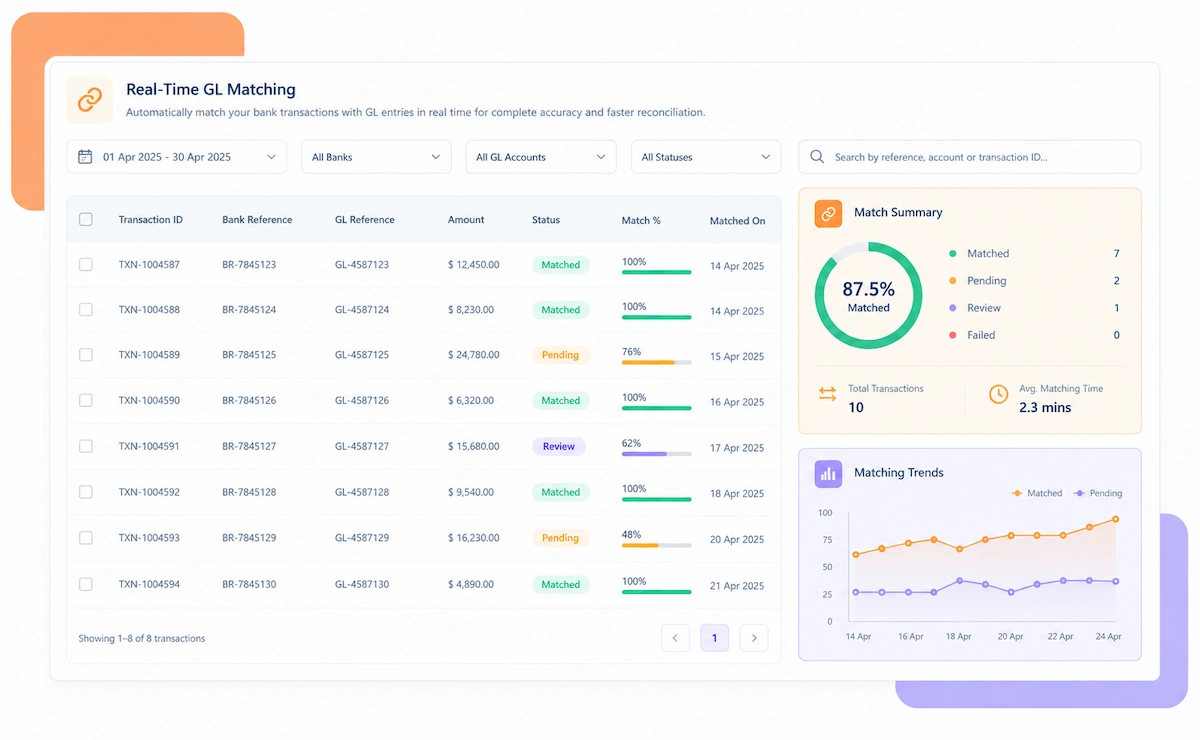
    Kosh AI connects directly with all major banks and ERPs, enabling real-time data sync for faster, more accurate reconciliations—no manual uploads, no delays.

    Why a Unified Close Platform Beats Scattered Spreadsheets

    A close run across separate spreadsheets, emails, and reconciliation files breaks down the moment someone goes on leave or forgets to update a status. Kosh AI is built for how a close team actually needs to work together.

    Smart matching icon

    Reconciliation Built Into the Close, Not Bolted On

    Kosh AI ties account certification directly to close task completion, not a separate file to track in parallel.

    Exception handling icon

    Turn Close Risks Into Actionable Tasks

    An overdue task or a flagged variance comes with an owner and next step, not just a red flag on a dashboard.

    Learning system icon

    Improve the Close Calendar With Every Period

    Patterns in what slips each period feed back into a tighter, more realistic close calendar over time.

    Flexible matching icon

    Handle Every Close Complexity, Not Just the Simple Ones

    From a single-entity close to a multi-entity consolidation, Kosh AI handles the workflow logic each one needs.

    What Is Financial Close Software and How Does It Work?

    Financial close software brings together the tasks, reconciliations, and reviews that make up a company's month-end or period-end close into one managed workflow, instead of leaving them spread across spreadsheets, emails, and separate reconciliation files. It tracks every close task to a clear owner and deadline, ties account reconciliation status directly to task completion, and flags unusual account movements before they reach final reporting. Kosh AI takes it further by automating reconciliation within the close, surfacing flux variances automatically, and keeping a complete audit trail behind every period. The result is a close your finance team can run on a predictable schedule and defend with confidence.

    Financial close concept illustration

    Manual vs. Automated Financial Close: What Changes?

    Here's what actually changes when the close moves off scattered spreadsheets and onto a dedicated close platform.

    What You're Comparing Automated Financial Close Doing It Manually
    How Long the Close TakesTasks and reconciliations run in parallel, often finishing in days.Tasks run in sequence across separate tools, often taking a week or more.
    Visibility Into Close StatusA live view of every task and reconciliation across the close.Status usually means checking in with each team member individually.
    Catching Close RisksOverdue tasks and unusual variances are flagged automatically.Risks are often caught only during a final, manual review.
    Handling More EntitiesNew entities are added to the close calendar without extra headcount.A growing close scope usually means more people needed to manage it.
    Cost Over TimeLess manual coordination keeps the ongoing cost of the close down.Relies on hours of staff time across spreadsheets and email every period.
    Audit ReadinessA documented trail is built automatically as the close happens.Documentation is usually assembled under pressure after the fact.

    See the Value of Financial Close Automation Within Weeks

    Set up Kosh AI, run your close on one platform, and walk into your next reporting deadline with a close you already trust.

    Schedule a Quick Demo
    Loreal Touchless

    What Happens When a Close Runs on Spreadsheets and Memory

    As a finance team grows, adds entities, or simply takes on more reporting complexity, running the close across separate spreadsheets, email threads, and standalone reconciliation files becomes a real strain. A controller who could once track every task personally ends up relying on whoever remembers to send a status update, and that's exactly where problems creep in—a task that quietly slips past its deadline, a reconciliation marked complete that was never actually certified, a flux variance nobody noticed until the numbers were already reported. Financial close software exists to close that gap before it turns into a missed reporting deadline or a restatement.

    The case for using it isn't just about speed, though closing faster is part of it. It's about control: every task has a clear owner and deadline, every reconciliation ties directly to close completion, and every unusual account movement gets flagged automatically instead of depending on someone noticing it during a manual scan. That control is what lets a controller sign off on a close with actual confidence instead of hoping nothing fell through the cracks across a dozen different files. It also means your team spends its time on judgment calls—why did this account move, does this variance need explaining—rather than on chasing status updates.

    There's a growth angle too. A small finance team with a simple close can often manage with a shared checklist and good discipline. The moment that close spans multiple entities, more complex reconciliations, and tighter reporting deadlines, a spreadsheet-based process starts breaking down in ways that are hard to see until something is already late. Financial close software is built to scale with that complexity instead of forcing your team to manage it through sheer effort, which is why finance leaders bring it in well before a missed deadline forces the decision.

    Teams That Get the Most Out of Financial Close Software

    It's not only for the largest finance organizations. Here's who tends to get the most value from it.

    Controller icon

    For Controllers and Close Teams

    Anyone responsible for running the close benefits from a single source of truth for task status and reconciliation progress.

    Growing business icon

    For Businesses Outgrowing a Spreadsheet-Based Close

    Once the close spans enough tasks and people that a shared checklist stops being enough, it's time to automate.

    Multi-entity icon

    For Multi-Entity Organizations

    Coordinating close tasks and reconciliations across many entities is exactly the repetitive work automation handles best.

    Audit preparation icon

    For Finance Teams Preparing for Audits

    If audit season means reconstructing close documentation after the fact, automated close management builds that trail as you go.

    Fast-growing company icon

    For Fast-Growing Companies Adding Reporting Complexity

    As a company adds entities, investors, or reporting requirements, a structured close process becomes essential, not optional.

    Finance leadership icon

    For CFOs Accountable for Close Predictability

    Finance leaders under pressure to report on a predictable schedule need a close process that doesn't depend on heroics.

    Financial Close Software: Weighing the Trade-Offs

    No tool is a perfect fit for every finance team. Here's an honest look at what financial close software gets right, and what's worth planning around before you adopt it.

    • Full Close Visibility: Every task and reconciliation is visible in one place, removing the guesswork of checking multiple spreadsheets and inboxes.
    • Faster, More Predictable Close: Tasks and reconciliations running in parallel, on a managed calendar, meaningfully shorten the close.
    • Built-In Audit Trail: Task history, sign-offs, and reconciliation detail are captured automatically, instead of being assembled under pressure.
    • Scales With Organizational Complexity: A growing number of entities or close tasks doesn't automatically mean hiring more people to coordinate them.
    • Earlier Visibility Into Close Risk: Overdue tasks and unusual variances are flagged as they happen, rather than discovered during a final review.
    • Upfront Setup Time: Mapping your existing close calendar and connecting your ERP and reconciliation data takes real effort before the software starts paying off.
    • Data Quality Matters: If source systems have inconsistent data, that inconsistency carries into reconciliations and flux analysis unless it's cleaned up first.
    • Change Management: A close team used to spreadsheets and email needs time and training to trust a new, centralized workflow.
    • Not a Fix for an Undefined Close Process: If close ownership or policy is unclear today, software can surface that gap, but it won't define the process for you.
    • Ongoing Maintenance: The close calendar and task templates need periodic review as the business and reporting requirements evolve, not a one-time setup.

    Financial Close Software FAQs

    What is financial close software?

    Financial close software brings close tasks, account reconciliation, and variance analysis into one managed workflow, instead of spreading them across spreadsheets, emails, and separate files. Kosh AI does this automatically, tracking every task to completion and flagging risks along the way.

    How does financial close software work?

    It maps your existing close calendar into a structured workflow, ties account reconciliation status directly to task completion, and flags unusual account movements automatically. Tasks move through the calendar with clear owners and deadlines, and the close is certified once everything ties out.

    Why is financial close software important for finance teams?

    A close that depends on scattered spreadsheets and status emails gets slower and riskier as the organization grows. Financial close software keeps the process consistent and visible regardless of complexity, which matters for closing on schedule, catching issues early, and having a clean audit trail.

    What activities does financial close software typically cover?

    In practice, it covers close task and calendar management, account reconciliation, flux and variance analysis, and journal entry review. Kosh AI brings all of these into one platform rather than requiring separate tools for each.

    How is financial close software different from account reconciliation software?

    Account reconciliation software focuses specifically on matching account balances to supporting records. Financial close software is broader, managing the entire close process, including reconciliation as one piece alongside task tracking, flux analysis, and sign-off. Kosh AI provides both under one system.

    Can financial close software connect to ERPs like SAP, Oracle, or NetSuite?

    Yes, most financial close software is built to pull trial balances and transaction data directly from common ERPs. Kosh AI connects to SAP, Oracle, NetSuite, Sage, QuickBooks, and Xero, so close data flows in without manual exports.

    Does financial close software replace the need for a controller?

    No, but it gives the controller a clear, real-time view of the close instead of requiring them to chase status manually. Kosh AI handles the tracking and flagging, so controllers can focus on reviewing exceptions and signing off on a close they can trust.

    What happens when a close task is overdue?

    It's flagged automatically and escalated according to your close policy, usually to the task owner's manager if it remains open past a certain point. The goal is to surface a slipping task while there's still time to recover, not after it's already delayed the close.

    How long does it take to set up financial close software?

    Most finance teams can have their core close calendar and reconciliations running on the platform within a few weeks, since the software connects to an ERP you already use. Kosh AI follows a similar timeline, with more complex, multi-entity rollouts typically taking 3 to 6 months to fully configure.

    How do I choose the right financial close software for my organization?

    Start with how many entities and close tasks you manage and how much of your current process still runs through spreadsheets and email. From there, compare options on task management, reconciliation integration, flux analysis, and ERP connectivity. Kosh AI is built around exactly that checklist, but it applies to any software you're comparing.

    Ready to Accelerate Financial Close?

    Book a demo and watch Kosh AI reconcile your own close checklist and account data.

    Book a Demo