Manual vs Automated Reconciliation: Which Is Better in 2026?
Kosh.ai
June 30, 2026
Operating a business requires navigating an intricate network of guidelines, legal boundaries, and corporate rules. Regulatory demands shift constantly, making a passive approach to corporate rules a major operational hazard. This is where compliance monitoring comes into play.
Rather than treating regulatory health as an annual checklist, progressive companies rely on systematic tracking to catch vulnerabilities before they morph into institutional disasters. By maintaining constant oversight of operational protocols, financial pipelines, and digital frameworks, companies establish long-term market stability. Let us examine the mechanics of compliance tracking, its functional stages, and the strategies that ensure structural integrity.
Understanding Compliance Monitoring
Compliance monitoring is the active, internal practice of tracking, reviewing, and evaluating an organization's regular procedures to confirm alignment with government laws, industry frameworks, and corporate policies. This continuous supervisory function serves as an operational security net, assuring executives and external regulators that daily routines map precisely to legislative dictates.
Historically, many operations treated regulatory health as a static milestone. An annual audit would review legacy records, point out errors, and leave management to scramble for fixes. In contrast, modern dynamic oversight provides real-time visibility into transactions, operational records, and processing loops.
Internal vs External Compliance
To grasp the full scope of this mechanism, it helps to distinguish internal rules from external regulations:
- Internal Compliance: This centers on corporate governance, employee conduct standards, operational manuals, and proprietary security policies designed to preserve workplace culture and asset safety.
- External Compliance: This involves keeping pace with external legal mandates, such as the General Data Protection Regulation (GDPR), the Digital Operational Resilience Act (DORA), the Sarbanes-Oxley Act (SOX), and regional financial laws.
The Financial Cost of Neglect
Ignoring these parameters carries high stakes. Modern research highlights that the cost of non-compliance averages around $14.82 million, nearly three times the expense of maintaining a proactive governance ecosystem.
Furthermore, data breach repercussions tied to regulatory failures reached a cross-industry high in recent years, with financial sector breaches alone averaging $5.56 million per incident. Systematic monitoring transforms compliance from an expensive penalty center into a strategic protective asset.
The Pillars of Compliance Monitoring
A resilient tracking infrastructure rests on distinct operational pillars. Without these core elements, monitoring attempts turn into uncoordinated reactions rather than structured security.
Clear Risk Identification
Organizations must regularly map out their operational risks. A company cannot monitor what it does not understand. Risk frameworks must evaluate data pathways, cross-border transactional lanes, and systemic processing structures to identify exactly where operational vulnerabilities sit.
Targeted Control Design
Once risks are mapped, specific controls must be deployed to mitigate them. These controls include access restrictions, automated software checkpoints, and regular operational reviews. For corporate finance operations, integrating a reliable reconciliation software acts as a foundational control, ensuring transactional logs match actual bank movements without human error.
Independent Data Validation
Monitoring must remain independent from daily processing tasks. Those who create operational outputs should not be sole judges of their accuracy. Utilizing external systems, automated cross-checks, and impartial compliance officers guarantees that data verification remains objective and reliable.
The Compliance Monitoring Process
Building a sustainable tracking mechanism requires a repeatable, multi-stage lifecycle. Skipping steps can leave dangerous gaps in oversight.
Step 1: Framework Establishment and Policy Definition
The process begins by defining the regulatory baselines that apply to your industry. Compliance teams translate complex legal texts into simple, actionable corporate mandates. These boundaries clarify what needs to be tracked, the required data formats, and who owns specific operational workflows.
Step 2: Risk Assessment and Mapping
With guidelines established, teams execute deep-dive risk assessments. Every operational process is weighed based on its likelihood to breach rules and the financial or legal fallout of such an event. High-risk processes receive extensive real-time oversight, while lower-risk sectors rely on periodic checks.
Step 3: Deployment of Continuous Testing
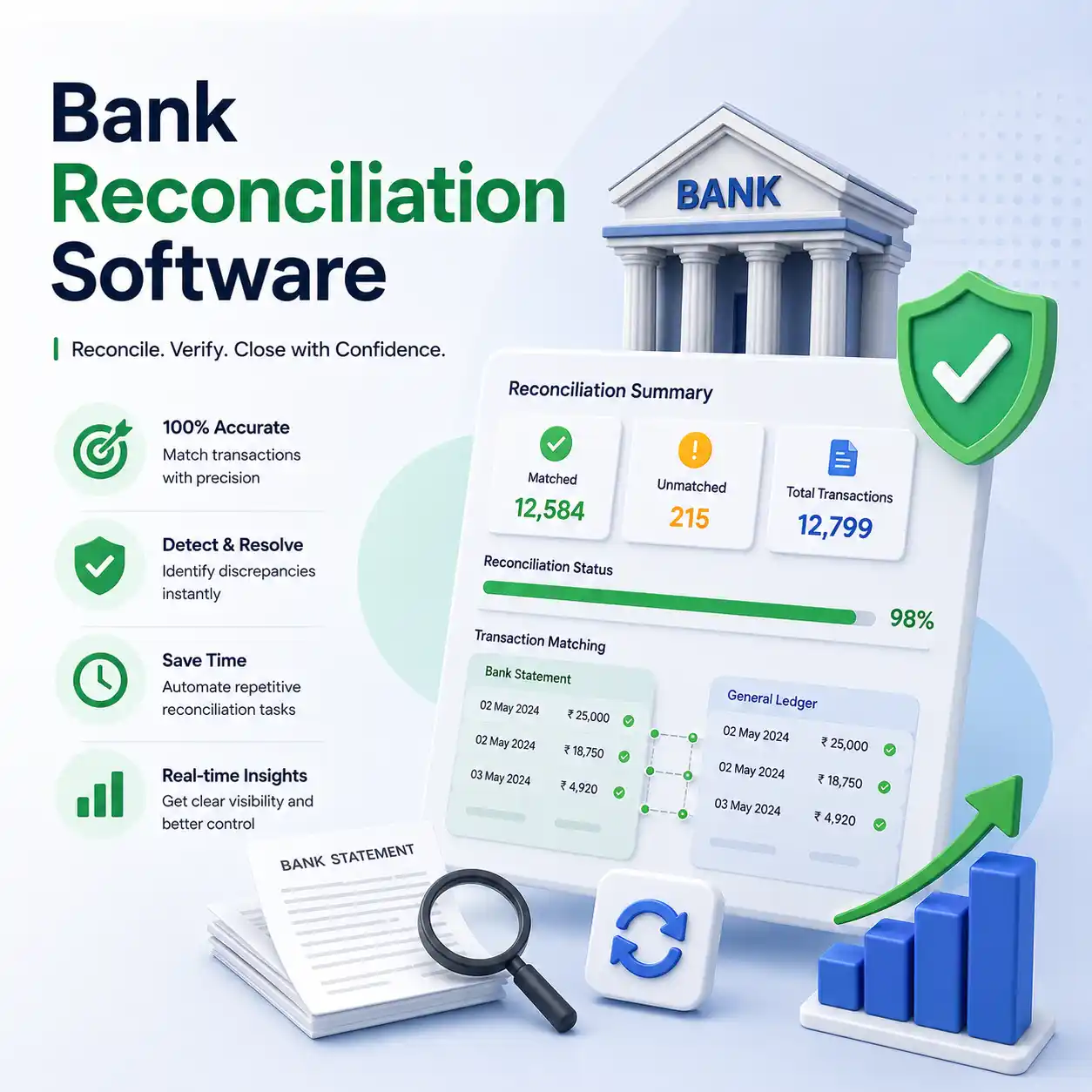
Continuous testing translates policies into daily action. Rather than waiting for quarterly reports, organizations use automated tools to monitor data feeds, systems, and ledger balances. For institutions processing high transaction volumes, running specialized bank reconciliation software lets teams monitor ledger entries and bank records simultaneously, flagging mismatched records instantly.
Step 4: Discrepancy Reporting and Remediation
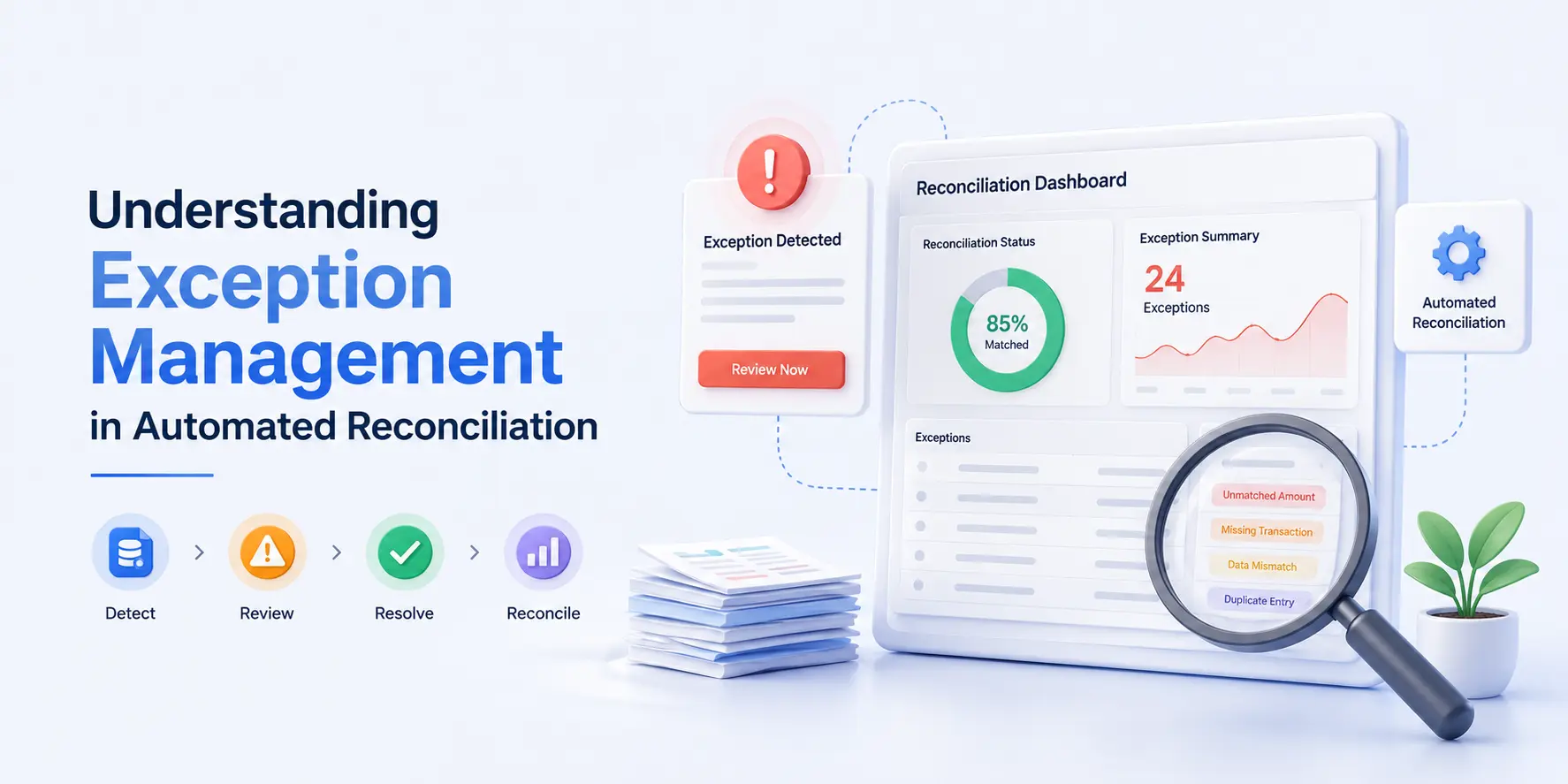
When a control flags a variance or abnormal transaction pattern, the system issues an immediate alert. Compliance teams then investigate the root cause, fix the operational issue, and record the solution. Prompt correction stops small operational bugs from escalating into systemic compliance breaches.
Step 5: Continuous Review and Iteration
Regulatory demands change constantly. Laws update, corporate scales shift, and new technology introduces unfamiliar risks. Compliance programs must regularly re-evaluate their tracking tools, refine operational thresholds, and update control parameters to stay effective long-term.
Best Practices for Compliance Monitoring
Executing a monitoring plan effectively requires practical, modern strategies. Industry leaders use these core techniques to maintain clear oversight and avoid common operational traps.
Shift from Periodic Audits to Continuous Automation
Manual sampling of data ledger lines is no longer enough to satisfy modern audit demands. Regulatory agencies expect continuous data proof. Embracing automation reduces reliance on human data compilation, lowers manual error risks, and delivers constant visibility into company processes.
Unify Segmented Financial Data
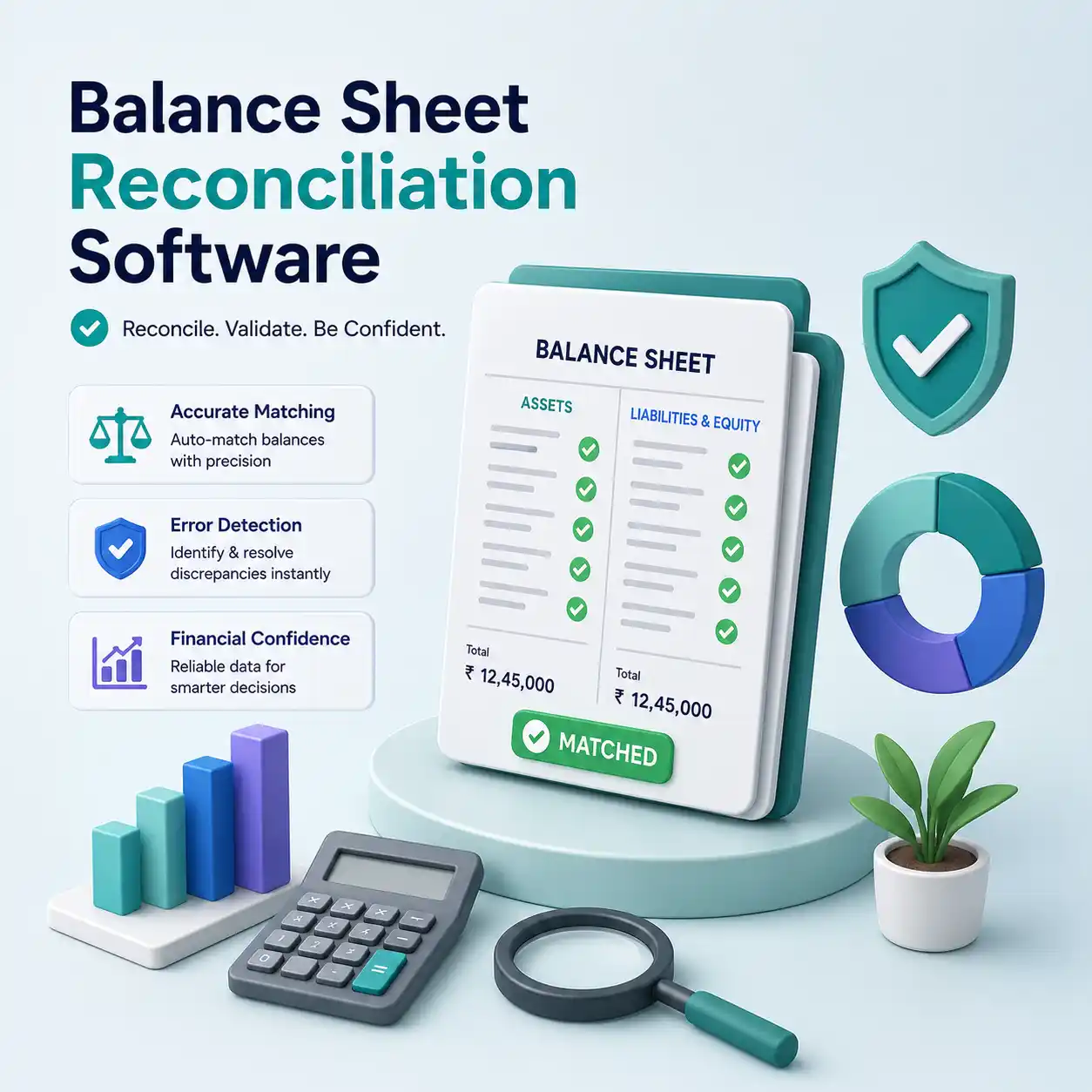
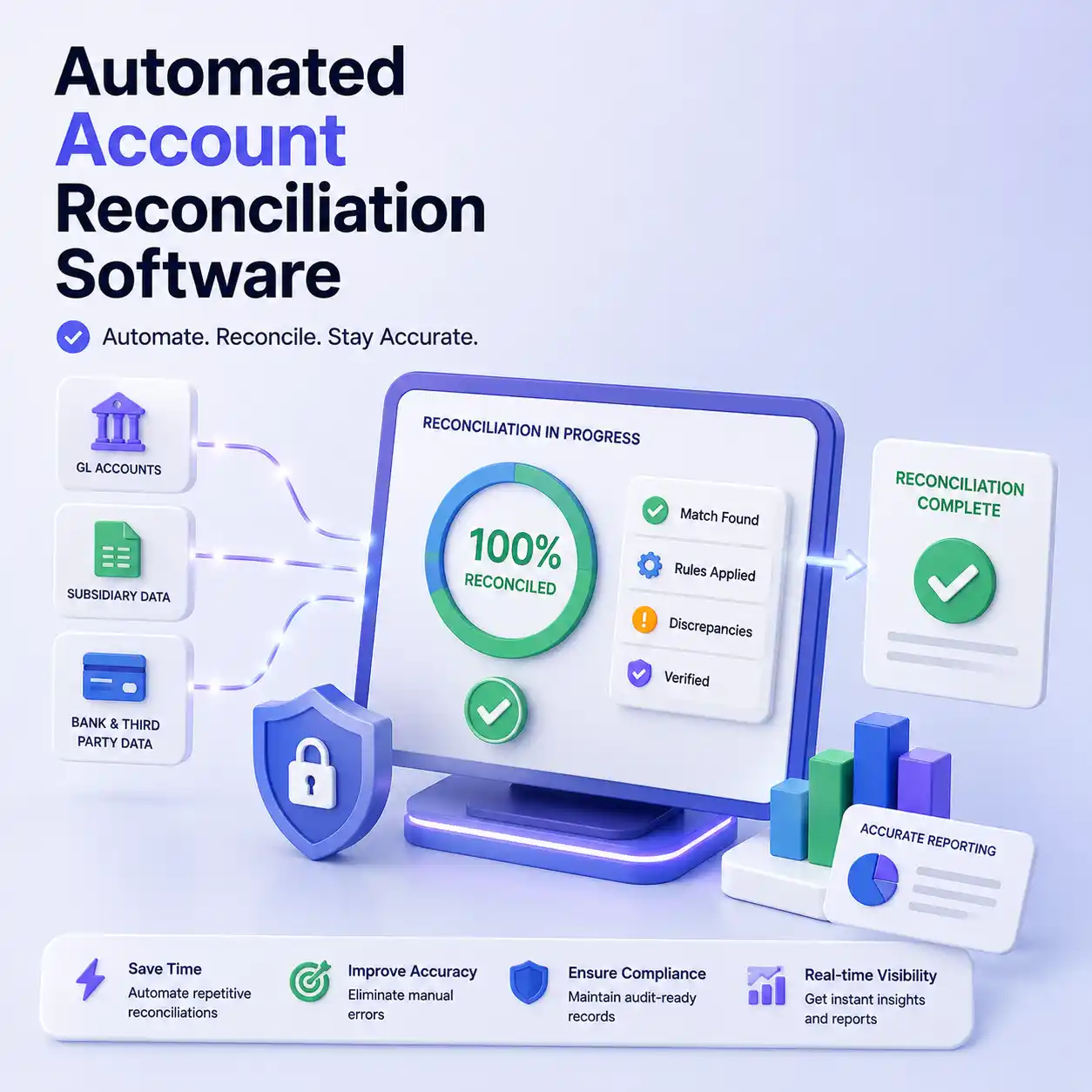
Mismatched data silos are a frequent source of compliance risk. When financial ledgers, balance statements, and internal logs live in isolated systems, errors easily slip through unnoticed. Centralizing accounting data through professional account reconciliation software gives compliance teams a single, verified source of truth, making audits simple and highly accurate.
Cultivate a Culture of Transparent Accountability
Software solutions are only as strong as the teams using them. Companies must build transparent cultures where workers feel safe reporting mistakes. Regular training, straightforward whistleblower avenues, and clear manager buy-in ensure that compliance is seen as a collective priority rather than a bureaucratic hurdle.
Enforce Strict Third-Party Vendor Tracking
Modern operational boundaries extend past internal systems. Companies share data and clear payments through external suppliers, tech providers, and contract networks. Because third-party system failures cause 30% of modern corporate data breaches, compliance teams must screen vendor data paths with the same strictness applied to internal operations.
Optimize Liquidity and Ledger Controls
Maintaining exact control over payment execution and cash positions is critical under global anti-money laundering and corporate rules. Implementing automated cash reconciliation software allows companies to trace liquid capital pathways in real time, validating that every cash movement matches a legitimate operational event.
Overcoming Compliance Monitoring Challenges
Setting up a tracking program comes with practical hurdles. Recognizing these problems early allows teams to build smarter, more resilient systems.
Dealing with False Positives and Alert Fatigue
When monitoring systems use poorly calibrated rule logic, they often flood dashboards with harmless alerts. This creates alert fatigue, making busy teams ignore notifications and accidentally overlook real threats. Compliance leaders solve this by regularly tuning alert rules and using smart systems that isolate genuine anomalies.
Balancing System Scales and Data Volume
As corporate transaction volumes grow, manual tracking methods collapse under the weight of massive datasets. Systems must be designed to process large amounts of data without dropping performance. Scalable cloud architectures and automated matching tools allow compliance tools to grow alongside the company's operational footprint.
Managing Global Regulatory Variations
For businesses operating across international borders, keeping up with contradictory local laws is a major headache. What is perfectly legal in one region might trigger severe penalties in another. To handle this, teams must use localized regulatory engines that adapt system controls based on the specific market context of the transaction.
The Strategic Advantage of Proactive Compliance
Effective compliance monitoring is far more than a defensive insurance policy. While its immediate purpose is shielding an enterprise from heavy fines and legal liabilities, the structural benefits extend much deeper into daily operations.
Automated data cross-checks give companies deep clarity into their operational pipelines, highlighting hidden process delays and clearing out unnecessary work. This level of data accuracy builds strong market trust, making it easier to attract institutional partners, secure credit lines, and win long-term customer loyalty.
By choosing proactive automation over slow, reactive fixes, businesses protect their brand equity and build resilient foundations for long-term growth. True compliance means designing a business that runs smoothly, handles marketplace changes easily, and operates with complete transparency.
Also Read: 10 Benefits of Automated Reconciliation Software for Modern Businesses
Frequently Asked Questions
What is the main difference between compliance monitoring and a compliance audit?
Compliance monitoring is a continuous internal practice that evaluates systems and workflows in real time to spot and fix errors immediately. A compliance audit is typically a formal, retrospective review performed by independent internal or external auditors to judge past compliance status at a specific point in time.
Why is automation crucial for modern compliance monitoring?
Automation removes human data-entry errors, speeds up transaction checks, and monitors data around the clock. Given the massive scale of modern business data, automated systems ensure that nothing is missed, allowing compliance teams to focus on fixing risks rather than manually looking for data bugs.
How does compliance monitoring support data security and privacy?
It continuously checks that access controls, data storage, and transfer lines match privacy rules like GDPR or HIPAA. By tracking these pathways constantly, monitoring systems detect unauthorized access or data leaks early, helping teams stop breaches before they spread.
How often should an organization update its compliance monitoring processes?
Organizations should review their compliance monitoring frameworks at least once a year. However, immediate updates should occur whenever regional laws change, new corporate tech systems launch, or internal risk audits identify new operational vulnerabilities.
What industries benefit most from structured compliance monitoring?
While every industry needs proper oversight, highly regulated fields like banking, insurance, healthcare, energy, and e-commerce require structured compliance monitoring. These sectors face constant regulatory changes and heavy financial penalties for process failures.
What role does financial reconciliation play in corporate compliance?
Reconciliation ensures that internal corporate accounting ledgers match independent external bank records perfectly. Automated financial reconciliation prevents accounting fraud, simplifies tax reporting, and provides the transparent ledger tracking demanded by global financial regulators.
Ready to get started?
Contact us now
Contact us now
* By clicking on Contact Us you are agreeing to our Terms & Conditions and Privacy policy.