Ledger Reconciliation Software to Automate Financial Reconciliation

Let Kosh AI Trace Every Ledger Entry Back to Its Source

  • Ties General Ledger Entries to Sub-Ledgers and Journals
  • Flags Out-of-Balance Entries the Day They Post
  • Cuts Down the Time Spent Tracing a Discrepancy
  • Keeps a Full Trail From Journal to Financial Statement
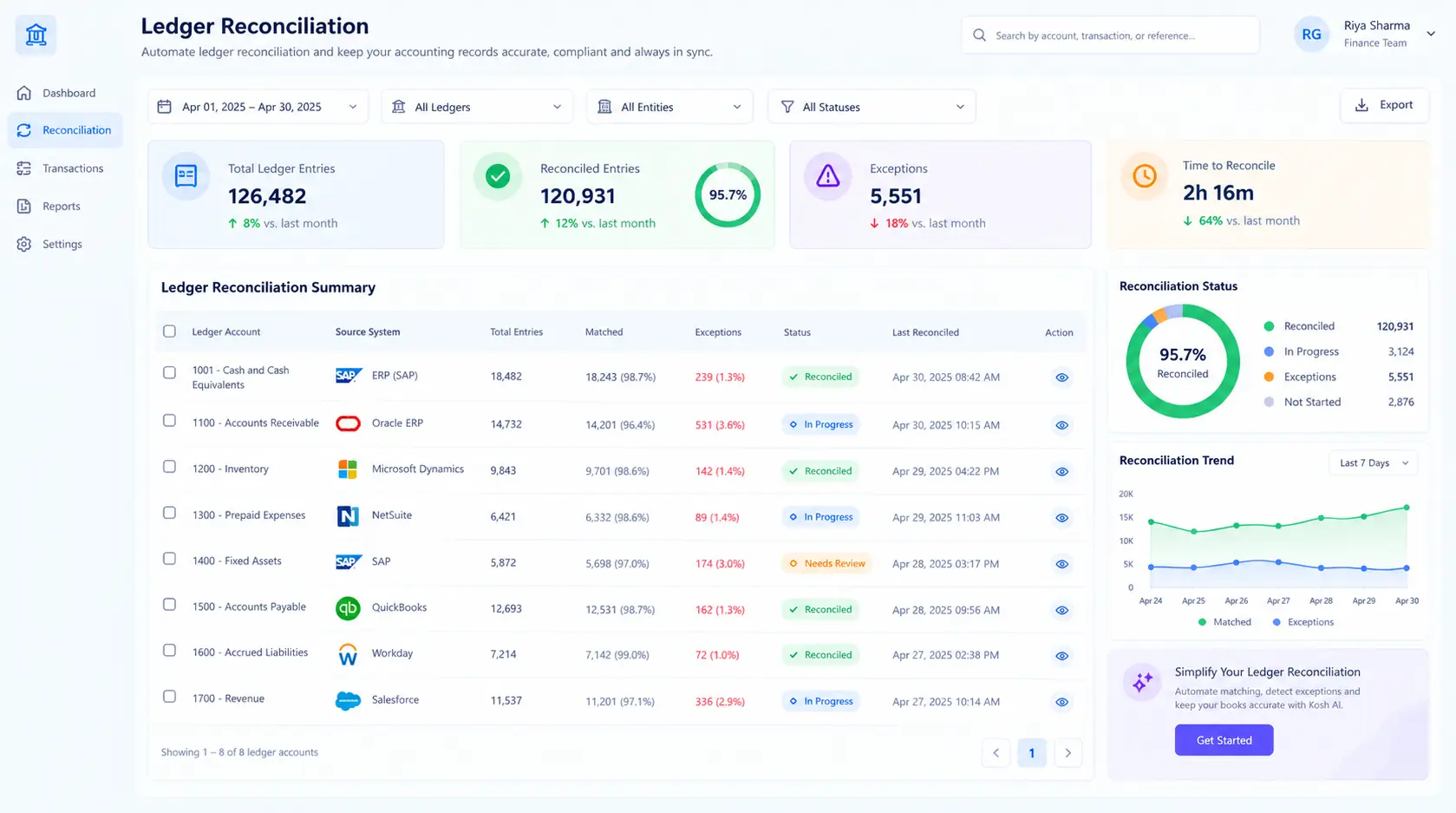
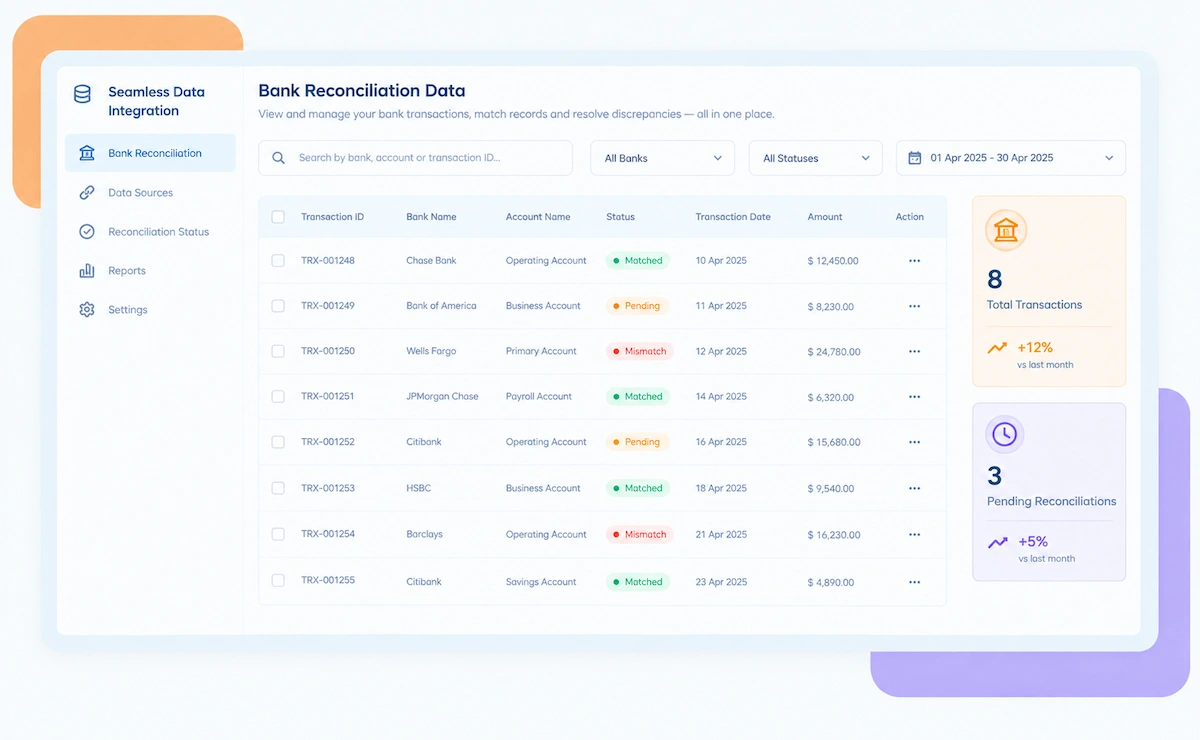
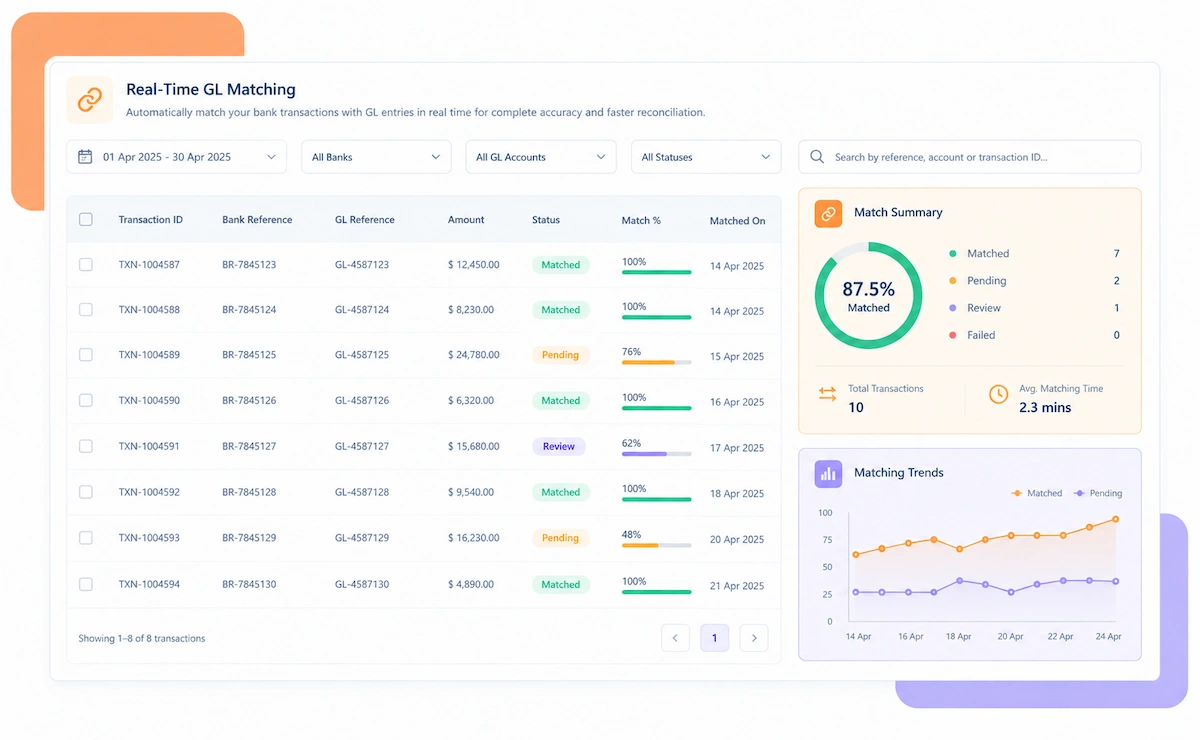
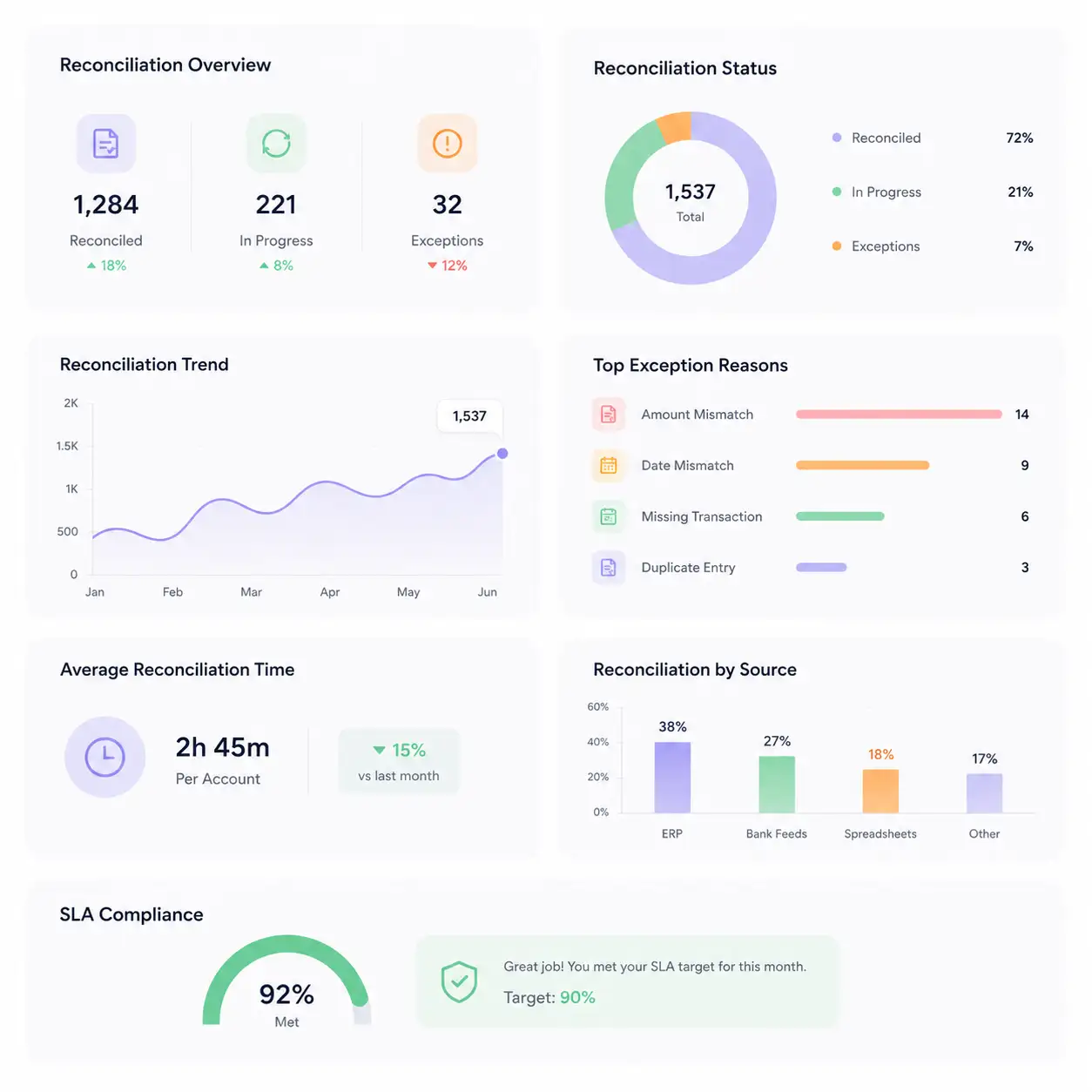
Kosh AI Ledger Reconciliation Software Dashboard

NEW 2026 Ledger Reconciliation Tool

Ledger Reconciliation Software Built to Catch Every Untraced Entry

See where journal entries and sub-ledger postings have drifted apart, and find out how Kosh AI closes that gap before it shows up on a financial statement.

How Ledger Reconciliation Software Simplifies Journal Tracing

Most accounting teams still trace ledger entries back to their source one at a time, cross-referencing a journal number against a sub-ledger report in a separate window. Kosh AI changes that. It reads entries straight from your general ledger, lines each one up against the sub-ledger or journal it came from, and tells you exactly where the two don't agree.

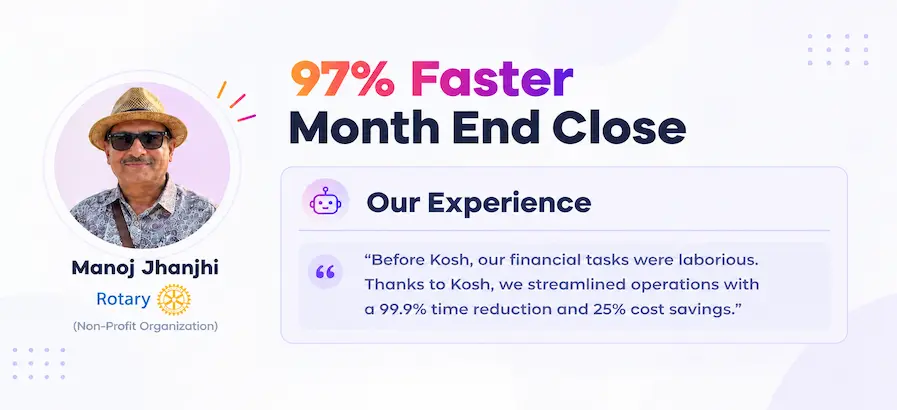
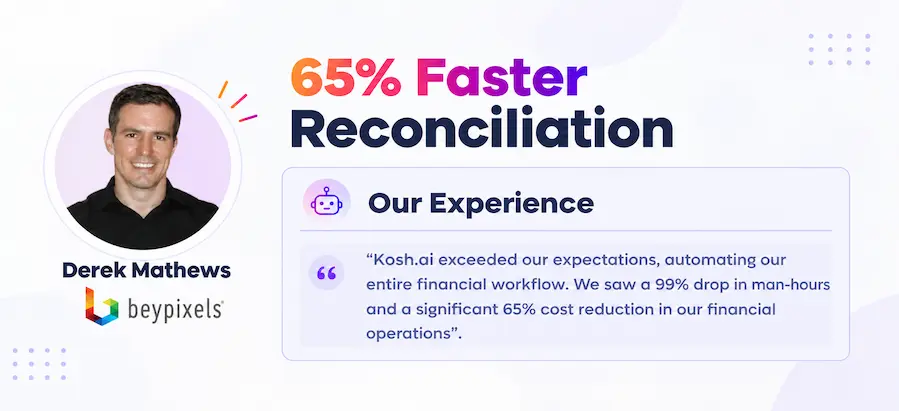
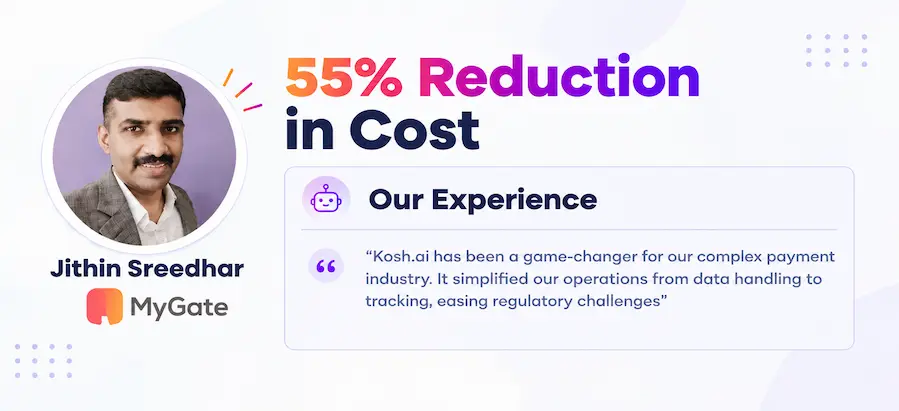
Proven Results From Automated Ledger Reconciliation

Konica Minolta Business Solutions, U.S.A., Inc.
Ring Container
Conference Direct

How Ledger Reconciliation Software Works in Four Steps

You don't need to change your chart of accounts or your posting structure. Kosh AI reads your general ledger and sub-ledgers as they stand and handles the tracing, the checking, and the sign-off.

  • Straight From the Source: Kosh AI pulls entries directly from your general ledger and every connected sub-ledger.
  • No Side Exports: There's no need to download journal reports and line them up in a spreadsheet.
  • One Timeline: GL and sub-ledger postings show up together, in the order they happened.
  • Available as Entries Post: New journal entries are ready to trace the moment they're recorded.
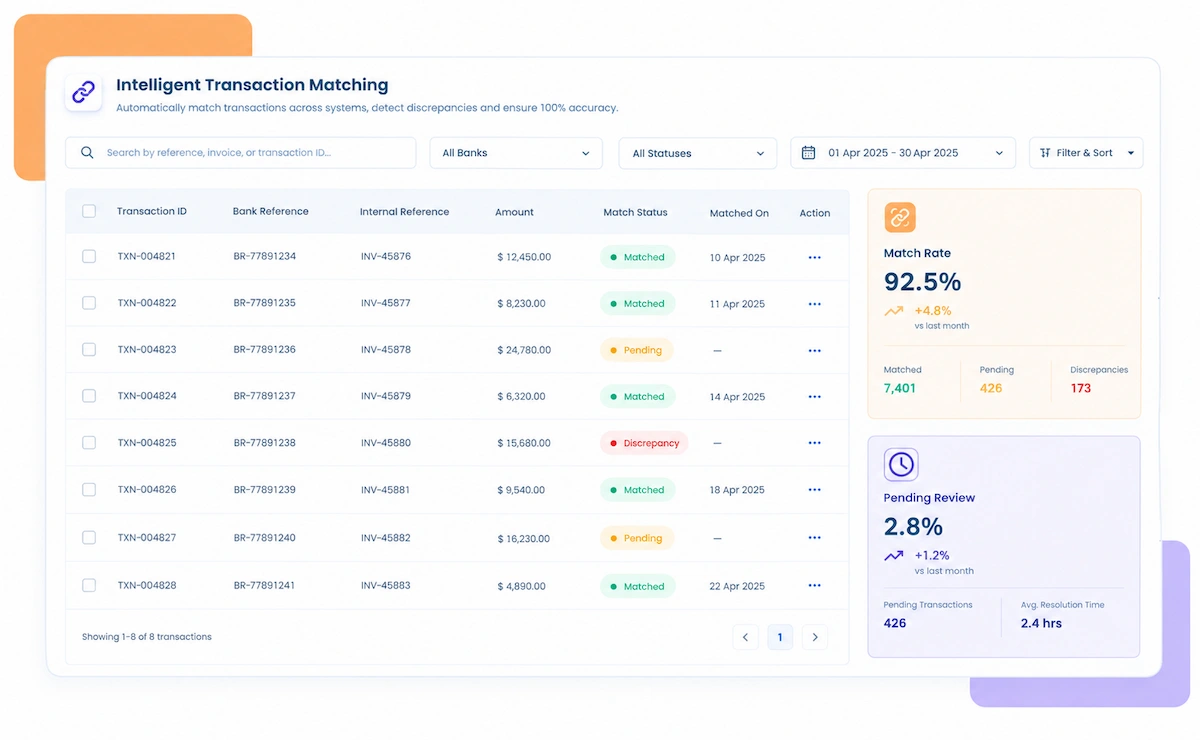
  • Done Automatically: Kosh AI links each GL entry back to the sub-ledger transaction or batch behind it.
  • Follows Your Posting Logic: Matching respects how your business actually summarizes and posts entries.
  • Handles Manual Entries Too: Entries posted directly to the GL are still traced and checked, not skipped.
  • Gets More Precise Over Time: Tracing accuracy improves the more Kosh AI sees how your ledgers are structured.
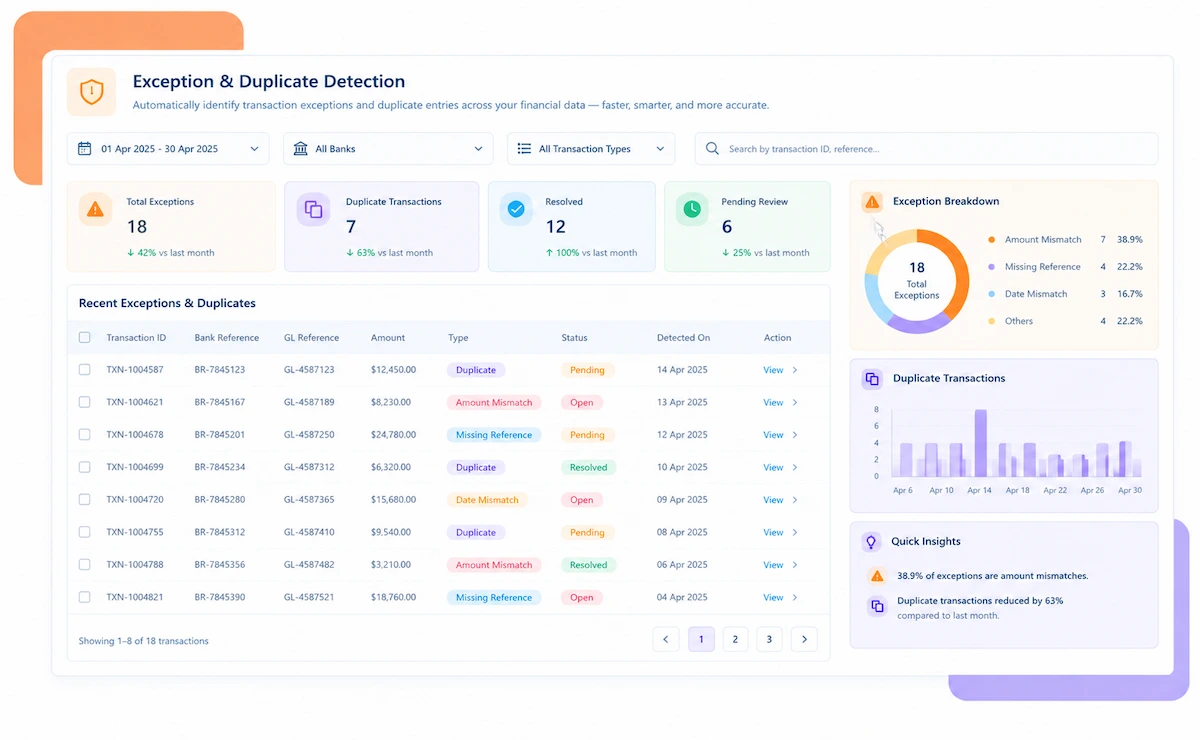
  • Caught the Day It Happens: Out-of-balance entries are surfaced immediately, not at period close.
  • A Likely Cause, Not Just a Number: Each flag comes with a probable reason, like a missing reference or a timing gap.
  • Prioritized by Impact: Larger or higher-risk discrepancies rise to the top of the review list.
  • Fixed Before It Spreads: Entries get corrected before an error carries into the next period.
  • Approvals Built In: Reconciled ledgers move through sign-off automatically.
  • Reports That Fit the Reader: Pull a reconciliation summary for your controller or a full trail for an auditor.
  • Every Entry Documented: Supporting detail and sign-off stay attached to every reconciled journal.
  • Close Status, Always Visible: Know which ledgers are reconciled, which are open, and which need review.

Ledger Reconciliation That Fits Your Business Structure

Every business structures its ledgers differently. Kosh AI fits the sub-ledgers you run, the industry you work in, and the size of your accounting team.

General Ledger & Journals

Manual and system-generated journal entries are traced back to their source documentation automatically.

AP & AR Sub-Ledgers

Payable and receivable sub-ledger totals are checked against the GL every period, not just at year-end.

Fixed Asset Ledgers

Asset registers are reconciled to the GL so depreciation, additions, and disposals always match what's recorded.

Intercompany Ledgers

Entries posted between entities are matched on both sides so consolidation doesn't surface unexplained differences.

Manufacturing

High-volume inventory and WIP journal postings are traced to sub-ledger detail daily instead of batched at month-end.

Software & SaaS

Revenue recognition journals are reconciled against billing and subscription sub-ledgers without a manual tie-out.

Retail & Distribution

Daily sales and cost-of-goods journals are checked against point-of-sale and inventory sub-ledgers every day.

Healthcare

Claims and billing journal entries are traced to payer and patient sub-ledgers, with a trail clean enough for audit.

Enterprise Ledger Reconciliation at Scale

Kosh AI reconciles ledgers across complex, multi-entity environments, giving controllers real-time visibility into every journal.

  • Trace millions of journal lines across 100+ entities and ledgers.
  • Catch out-of-balance entries with 15+ ML-driven detection models.
  • Maintain a fully documented, auditor-ready trail for every ledger.
  • Ledger Reconciliation for Growing Accounting Teams

    Kosh AI gives mid-market accounting teams automated ledger tracing without hiring more staff to keep up with growth.

  • Replace manual journal tie-outs with automatic sub-ledger matching.
  • Scale as transaction volume and entity count increase.
  • Go live in weeks with pre-built GL and sub-ledger connectors.
  • The Business Impact of Automated Ledger Reconciliation

    Tracing ledger entries by hand means jumping between the GL and a half-dozen sub-ledger reports, and it's easy for a discrepancy to slip through when you're under deadline pressure. Kosh AI takes that tracing off your plate.

    1

    Catch Discrepancies Earlier

    Out-of-balance entries are flagged the day they post instead of surfacing weeks later during the close.

    2

    Spend Less Time Tracing Entries by Hand

    Journal entries are matched to their source automatically, so your team isn't cross-referencing reports by hand.

    3

    Build a Ledger You Can Trust

    With every entry tied to a source, your reported numbers are backed by something more than a reviewer's sign-off.

    4

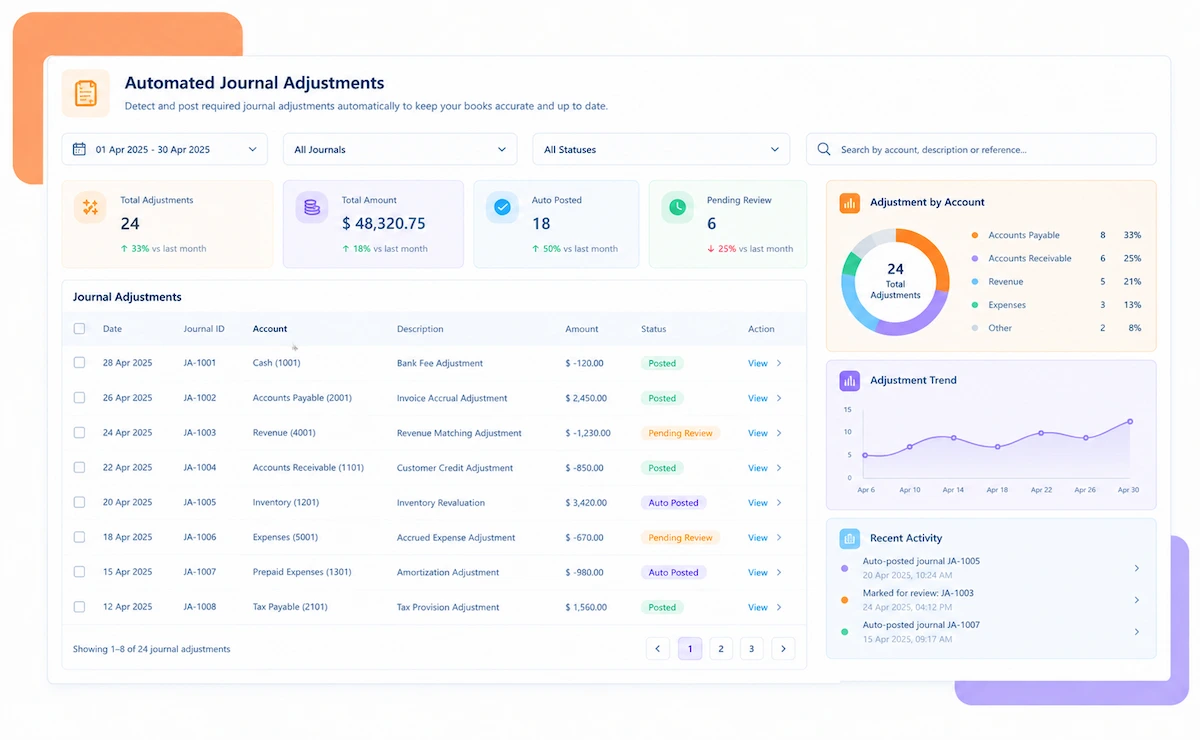
    Correct Entries Faster

    Adjusting entries are drafted automatically, so fixing an issue takes minutes instead of a full afternoon.

    5

    Get a Clear View of What's Still Open

    See which ledgers and sub-ledgers are reconciled and which still need attention, at any point in the period.

    6

    Maintain an Audit Trail That's Already Built

    Every traced entry keeps its supporting detail attached, so audit requests get answered without a scramble.

    The Results of Automating Ledger Reconciliation

    55%Faster Ledger Tie-Outs
    75%Fewer Unexplained Variances
    85%Of Entries Traced Without Help

    Integrate Seamlessly with Your Existing ERP Systems

    Kosh AI connects directly with all major banks and ERPs, enabling real-time data sync for faster, more accurate reconciliations—no manual uploads, no delays.

    Why Automated Ledger Reconciliation Beats Manual Tracing

    Manual tracing depends on someone remembering which report to pull and which filter to apply. Kosh AI is built to do that tracing consistently, every single period.

    Smart matching icon

    Tracing That Understands Your Posting Logic

    Kosh AI learns how your business summarizes and posts entries, instead of assuming every journal looks the same.

    Exception handling icon

    Turn Broken Trails Into Actionable Exceptions

    An entry that can't be traced to its source is surfaced with a likely reason, not left for someone to stumble on later.

    Learning system icon

    Improve Tracing With Every Correction

    Each adjustment your team makes helps Kosh AI trace similar entries more accurately next period.

    Flexible matching icon

    Handle Simple and Complex Ledgers Alike

    From a single journal entry to a multi-entity intercompany posting, Kosh AI traces it back to where it belongs.

    What Is Ledger Reconciliation Software and How Does It Work?

    Ledger reconciliation software checks that every entry posted to your general ledger ties back to the sub-ledger, journal, or supporting document it came from. It connects directly to your GL and your AP, AR, fixed asset, and intercompany sub-ledgers, so your team can see at a glance which entries are traced and which ones don't line up. Kosh AI goes further by tracing entries automatically, flagging out-of-balance postings the day they happen, and preparing correcting entries for review instead of leaving your team to chase them down. The result is a ledger your finance team can close and defend with confidence.

    Ledger reconciliation concept illustration

    Manual vs. Automated Ledger Reconciliation: What Changes?

    Here's what actually changes when tracing ledger entries moves off spreadsheets and onto software built for it.

    What You're Comparing Automated Ledger Reconciliation Doing It Manually
    How Fast Entries Get TracedEntries are traced back to source the same day they post.Tracing usually waits until someone has time to dig through reports.
    Room for ErrorEvery entry is matched the same consistent way.Cross-referencing reports by hand leaves room for missed lines.
    Handling More LedgersNew sub-ledgers and entities are added without extra effort.More ledgers usually means more hours spent tracing by hand.
    Getting the Data InPulls directly from your GL and connected sub-ledgers.Someone has to export journal and sub-ledger reports separately.
    Cost Over TimeLess manual tracing keeps the ongoing cost of the close down.Relies on recurring staff hours every single period.
    Seeing What's OpenA live view of which ledgers are reconciled and which aren't.Status is usually only known once someone checks each report.

    See the Value of Ledger Reconciliation Automation Within Weeks

    Set up Kosh AI, start tracing ledger entries automatically, and close with a trail that's already documented.

    Schedule a Quick Demo
    Loreal Touchless

    Why Ledger Reconciliation Belongs on Autopilot

    A lot of businesses treat ledger-level checking as something that happens automatically just because a journal entry balanced when it was posted. But a balanced entry only tells you the debits and credits match—it doesn't tell you whether that entry actually ties back to a real sub-ledger transaction, or whether someone posted a manual adjustment that never got documented. Ledger reconciliation closes that specific gap: it's less about whether the books balance on paper and more about whether every number on the GL can be traced to something real underneath it.

    This matters most in businesses where manual journal entries are common—reclassifications, accruals, corrections made outside the normal transaction flow. Those are exactly the entries most likely to go unreconciled, since they don't come from an automated sub-ledger feed with built-in checks. Left unchecked over several periods, small discrepancies in these entries compound, and by the time someone notices, the fix touches multiple periods instead of one.

    There's also a simple efficiency argument. An accounting team that traces entries only when something looks wrong is working reactively, often under time pressure, and often without the context they'd have had if they'd caught the issue the day it happened. Ledger reconciliation software turns that reactive scramble into routine, ongoing verification, so when something does go wrong, it's caught early and the fix is small.

    Teams That Get the Most Out of Ledger Reconciliation Software

    It's especially valuable for accounting functions where manual entries and multiple sub-ledgers are part of daily life.

    General ledger accountants icon

    For General Ledger Accountants

    Anyone responsible for journal entries benefits from an automatic check that every posting ties to something real underneath it.

    Multiple sub-ledgers icon

    For Businesses Running Several Sub-Ledgers

    Companies juggling AP, AR, fixed assets, and intercompany sub-ledgers need a way to check all of them against the GL consistently.

    Frequent manual entries icon

    For Teams With Frequent Manual Journal Entries

    Manual postings are the most likely place for untraced entries to hide, so teams that rely on them benefit most from automated tracing.

    Multi-entity icon

    For Multi-Entity Accounting Groups

    Tracing entries across several entities and ledgers by hand becomes impractical fast, which is exactly where automation adds the most value.

    Internal audit icon

    For Internal Audit and Controls Teams

    A documented trail from journal entry to sub-ledger source is exactly the kind of evidence internal controls testing relies on.

    ERP migration icon

    For Teams Migrating or Upgrading ERPs

    A ledger migration is a common place for entries to lose their sub-ledger link, which makes reconciliation software useful during the transition.

    Weighing the Pros and Cons of Ledger Reconciliation Software

    It's worth weighing both sides honestly before deciding how deep to automate your ledger tracing.

    • Catches What Balance Checks Miss: An entry can balance on its own and still not tie to a real sub-ledger transaction. Tracing software catches that gap specifically.
    • Less Manual Cross-Referencing: Entries are matched to their source automatically instead of someone opening multiple reports side by side.
    • Faster Root-Cause Analysis: When something doesn't tie out, the likely cause is surfaced immediately rather than requiring a manual investigation.
    • Keeps Pace With Manual Entries: Reclassifications and manual adjustments are traced the same way as system-generated postings, not treated as exceptions.
    • Documentation Builds Itself: Every reconciled entry keeps its supporting link, so audit and controls testing has evidence ready without extra work.
    • Requires Clean Sub-Ledger Connections: If your sub-ledgers aren't well integrated with your GL to begin with, the software needs that connection set up first.
    • Initial Rule-Building Takes Time: Teaching the system how your business summarizes and posts journal entries isn't instant, especially with complex posting logic.
    • Historical Entries May Not Be Covered: Most tools reconcile going forward; tracing older, already-posted entries often needs a separate cleanup effort.
    • Still Needs Human Judgment: Software flags what doesn't tie out, but deciding the right correcting entry still depends on an accountant's judgment.
    • Periodic Rule Reviews Needed: As your chart of accounts or ERP setup changes, matching logic needs the occasional update to stay accurate.

    Ledger Reconciliation Software FAQs

    What is ledger reconciliation software?

    Ledger reconciliation software checks that every entry posted to your general ledger ties back to the sub-ledger, journal, or document it came from, instead of someone tracing that by hand. Kosh AI does this automatically, flagging entries that don't tie out and preparing corrections for review.

    How does ledger reconciliation software work?

    It connects to your general ledger and your sub-ledgers—AP, AR, fixed assets, and others—then matches each GL entry back to the transaction or batch that created it. Entries that tie out cleanly are marked reconciled, and anything that doesn't gets flagged with a likely cause for someone to review.

    Why is ledger reconciliation software important for accounting teams?

    As the number of journal entries and sub-ledgers grows, tracing them by hand gets slower and more prone to missed discrepancies. Ledger reconciliation software keeps that tracing accurate regardless of volume, which matters for catching errors before they reach a financial statement and for closing the books on schedule.

    What's the difference between ledger reconciliation and account reconciliation?

    Account reconciliation checks a balance sheet account's ending balance against its supporting schedule. Ledger reconciliation goes one level deeper—it traces the individual journal entries that make up that balance back to the sub-ledger or document that created them. Kosh AI supports both as part of the same close process.

    Can ledger reconciliation software handle manual journal entries?

    Yes, manual entries are often where discrepancies are most likely to hide, so Kosh AI traces them the same way it traces system-generated postings, checking for a supporting reference and flagging entries that don't have one.

    Can ledger reconciliation software connect to ERPs like SAP, Oracle, or NetSuite?

    Yes, most ledger reconciliation software connects directly to common ERPs and their sub-ledger modules. Kosh AI integrates with SAP, Oracle, NetSuite, Sage, QuickBooks, and Xero, pulling GL and sub-ledger data without manual exports.

    Does ledger reconciliation software work across multiple entities and currencies?

    Yes, Kosh AI traces ledger entries across entities, currencies, and intercompany postings, matching both sides of a cross-entity transaction so consolidation doesn't surface unexplained differences later.

    What happens when a ledger entry doesn't tie out?

    It's flagged the day it's detected, usually with a probable reason, such as a missing reference or a timing gap between when the sub-ledger and GL were updated. It's then routed to the right reviewer with the supporting detail already attached, so it doesn't wait until period close to get resolved.

    How long does it take to set up ledger reconciliation software?

    Most teams can have their core ledgers reconciling automatically within a few weeks, since the software connects to the GL and sub-ledgers you already use. Kosh AI follows a similar timeline, with larger, multi-entity environments typically taking 3 to 6 months to fully configure.

    How do I choose the right ledger reconciliation software for my business?

    Start with how many sub-ledgers and entities you reconcile against and how much of that tracing is still manual. From there, compare options on matching accuracy, ERP connectivity, and how clearly they document the trail from journal entry to source. Kosh AI is one option built around that exact checklist, but it applies to any software you're evaluating.


    Ready to Automate Ledger Reconciliation?

    Book a demo and watch Kosh AI reconcile your own general ledger entries and supporting records.

    Book a Demo