Multi-Entity Reconciliation Software for a Faster Consolidated Close

Let Kosh AI Reconcile Every Entity in Parallel While Your Team Manages the Consolidation

  • Reconciles Every Entity in Your Organization Simultaneously
  • Standardizes Reconciliation Across Different ERPs and Charts of Accounts
  • Flags Entity-Level Variances Before They Hit the Consolidation
  • Gives Group Finance One View Across Every Subsidiary
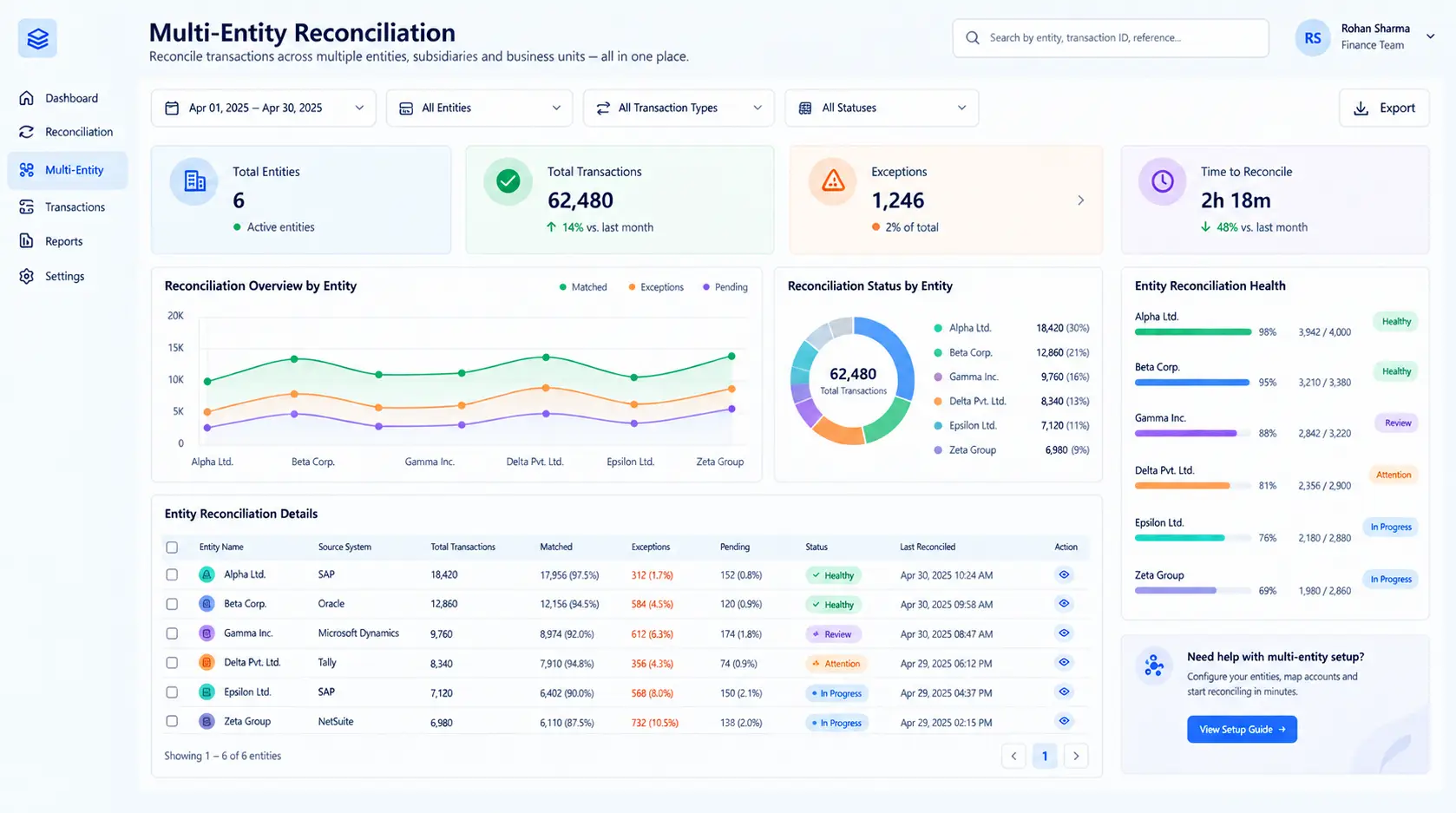
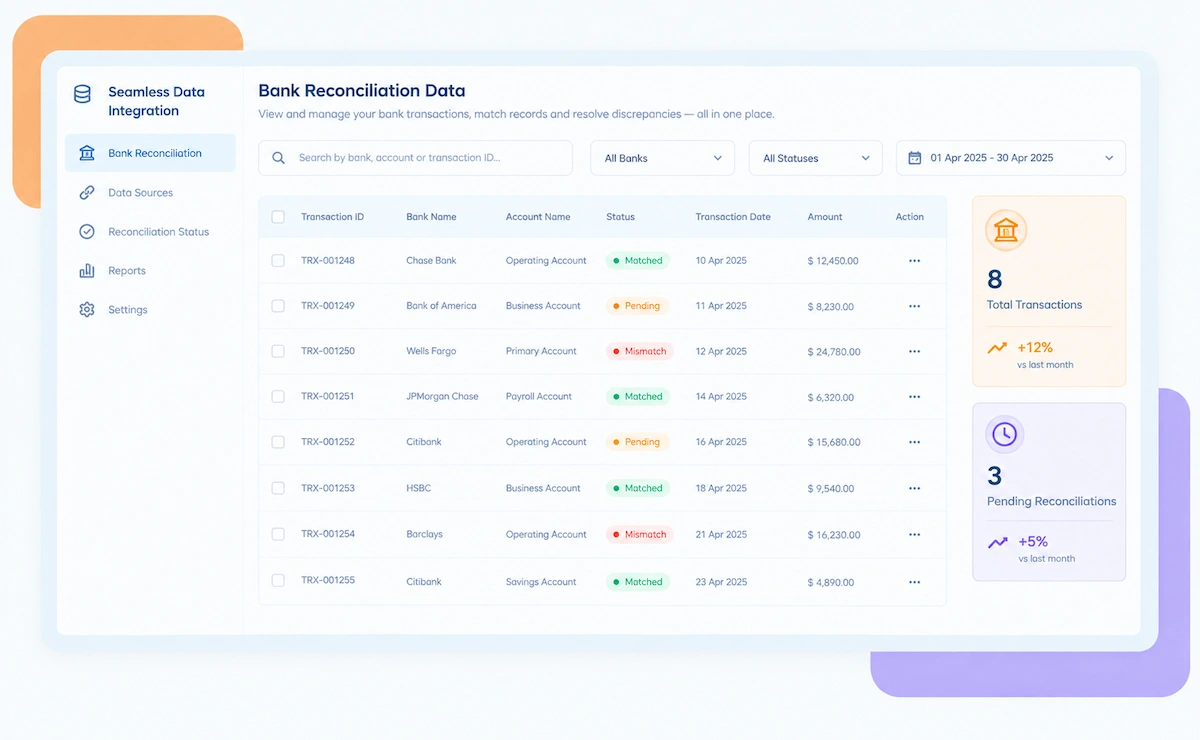
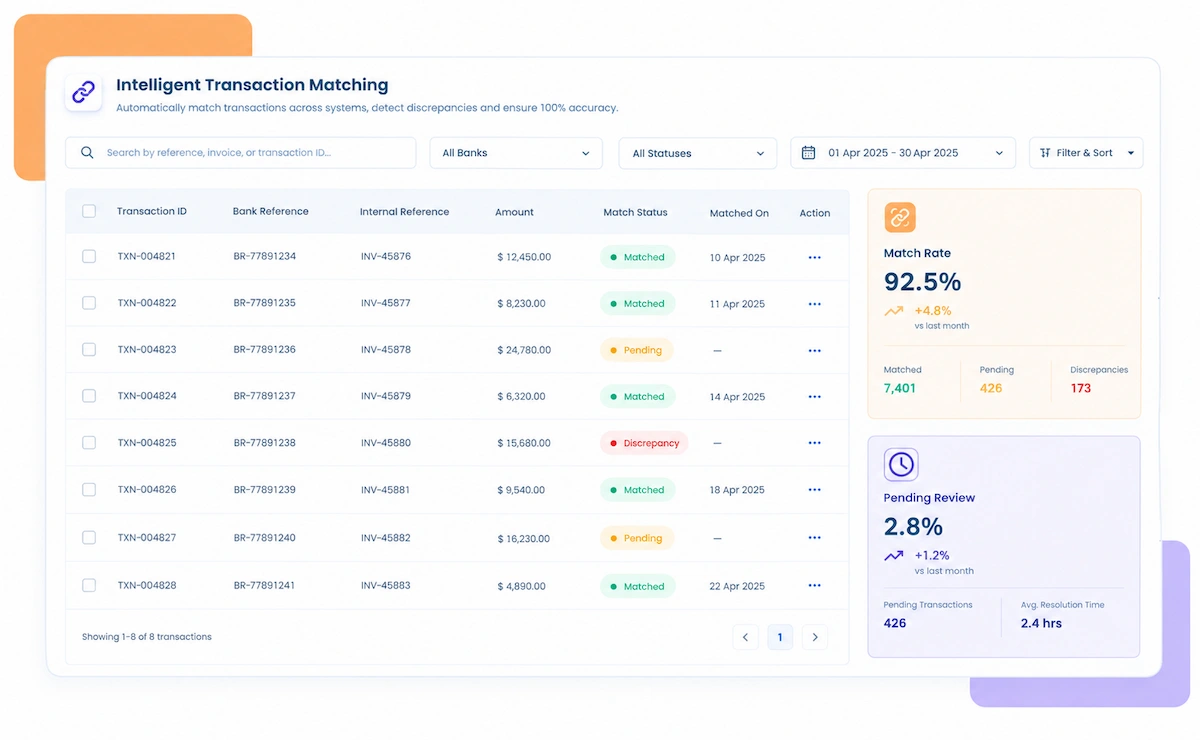
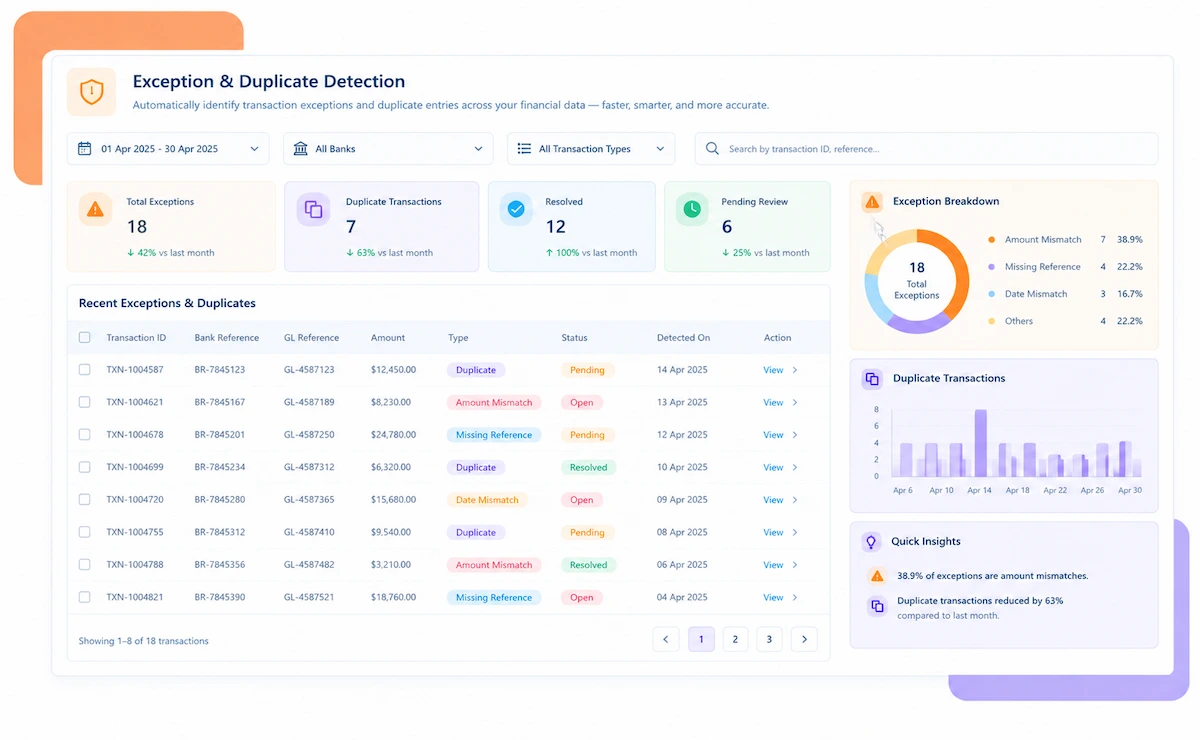
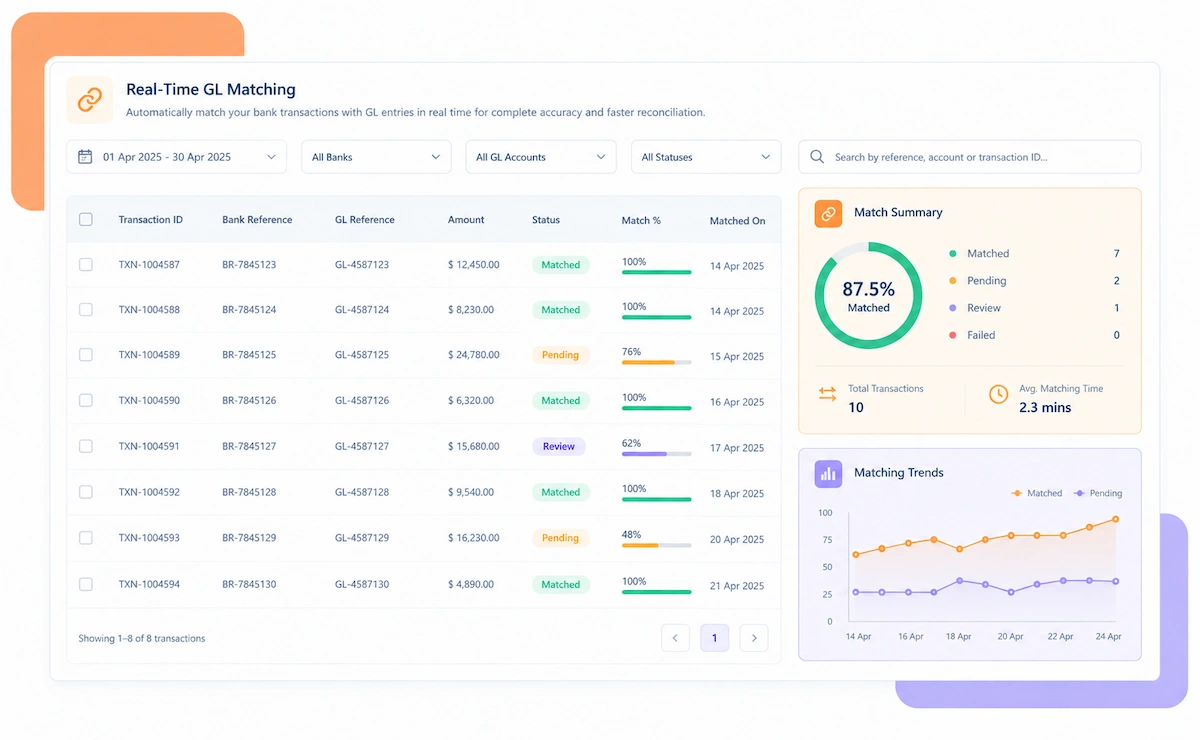
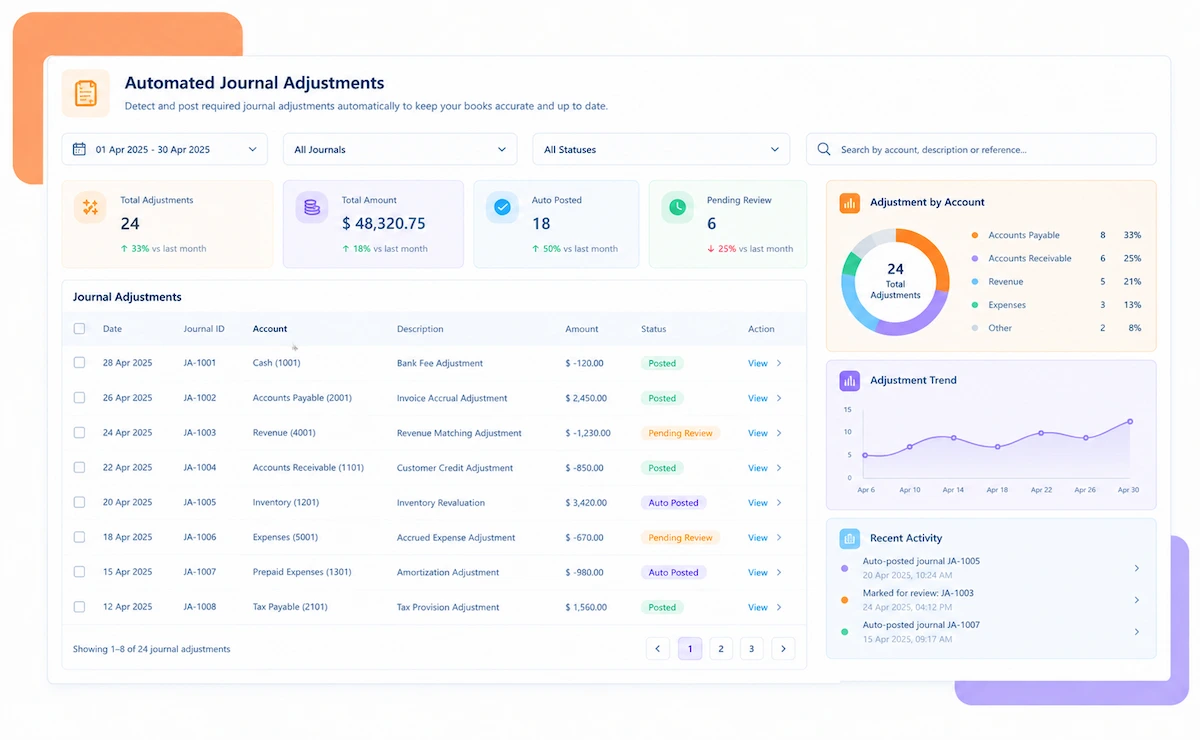
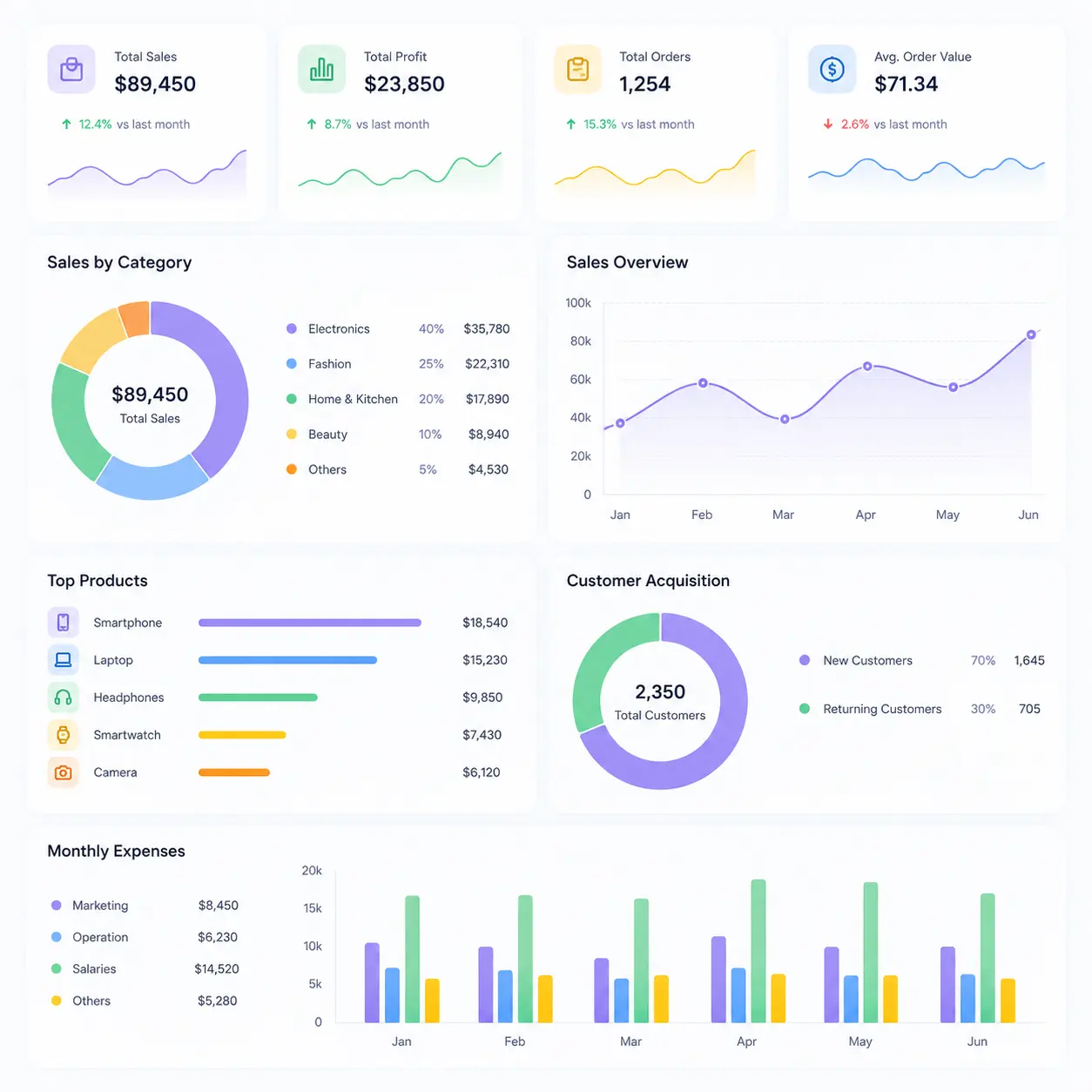
Kosh AI Multi-Entity Reconciliation Software Dashboard

NEW 2026 Multi-Entity Reconciliation Tool

Multi-Entity Reconciliation Software Built for Groups Closing Dozens of Entities at Once

See which entities are fully reconciled, which subsidiaries keep missing the same close deadline, and how Kosh AI brings every entity to the same standard before consolidation.

How Multi-Entity Reconciliation Software Simplifies the Group Close

Most group finance teams still reconcile entity by entity, chasing local controllers for status updates and reconciling each subsidiary's quirks separately. Kosh AI replaces that routine. It pulls data from every entity's ERP, applies a consistent reconciliation standard across all of them, and tells you exactly which entities need attention before the consolidation runs.

Proven Results From Automated Multi-Entity Reconciliation

Konica Minolta Business Solutions, U.S.A., Inc.
Ring Container
Conference Direct

How Multi-Entity Reconciliation Software Works in Four Steps

You don't need every entity on the same ERP or chart of accounts. Kosh AI reads what each subsidiary already has and handles the standardizing, the matching, and the group-level reporting.
  • Works Across Different ERPs: Kosh AI connects to each subsidiary's own ERP, even when entities run different systems.
  • No Manual Consolidation of Reports: There's no need to collect spreadsheets from each local controller every period.
  • Every Entity Together: Data from every subsidiary shows up in one group-wide platform.
  • Ready as Local Books Close: Entity data is available to reconcile the moment local books are updated.
  • Done Automatically: Kosh AI applies the group's certification and matching standard to every entity's accounts.
  • Your Policy, Not a Generic Template: The standard follows the close policy your group finance team already defines.
  • Handles Local Differences: Chart-of-accounts mapping and local currency differences are handled automatically.
  • Improves With Use: Matching accuracy gets sharper for every entity the longer Kosh AI works with your group.
  • Flagged at the Source: Variances are surfaced at the entity level, not discovered later in the group total.
  • A Reason Attached: Each flagged item comes with a likely cause, specific to that entity.
  • Sorted by Entity Risk: Entities with more open items or higher-risk accounts rise to the top of the review list.
  • Resolved Locally, Visible Centrally: Local teams fix what's theirs, while group finance keeps visibility into every entity.
  • Group View Built In: Certified entities roll up into a consolidated close status automatically.
  • Reports for Any Audience: Pull a group close status report for leadership or an entity-level file for a local audit.
  • A Trail for Every Entity: Supporting detail and sign-off stay attached at both the entity and group level.
  • Close Status at a Glance: Always know which entities are certified, which are behind, and which need escalation.

Multi-Entity Reconciliation That Fits Your Group Structure

No two corporate groups are structured the same way. Kosh AI fits the entity structure you manage, the industry you work in, and how your group finance team operates.

Wholly Owned Subsidiaries

Each subsidiary's accounts are reconciled to the same group standard, with results rolling up for consolidation automatically.

Joint Ventures and Partial Ownership

Entities with shared ownership are reconciled separately while still feeding into group-level reporting correctly.

Multi-Currency Entities

Entities reporting in different currencies are reconciled locally, with translation handled cleanly at the group level.

Entities With Heavy Intercompany Activity

High-volume intercompany relationships between entities are reconciled alongside each entity's own accounts.

Manufacturing Groups

Entities spanning plants, distribution, and holding companies are reconciled on a single group-wide standard.

Software & SaaS Groups

Entities acquired through M&A are brought onto one reconciliation standard without forcing an ERP migration first.

Retail & Distribution Groups

Regional entities with their own local systems are reconciled consistently, without waiting on local close calendars.

Healthcare Groups

Entities across facilities and regions are reconciled with records clean enough to satisfy group-level audit requirements.

Enterprise Multi-Entity Reconciliation at Scale

Kosh AI centralizes reconciliation for groups spanning 100+ entities, giving real-time visibility and built-in controls across every subsidiary.

  • Reconcile accounts across 100+ entities and currencies from one platform.
  • Spot unusual entity-level activity with 15+ ML-driven risk models.
  • Keep a fully documented, auditor-ready trail behind every entity.
  • Multi-Entity Reconciliation for Growing Groups

    Kosh AI gives expanding groups a standardized reconciliation process without the headcount a manual, entity-by-entity close usually needs.

  • Replace entity-by-entity spreadsheet reconciliation with one standard.
  • Onboard newly acquired entities without a full ERP migration first.
  • Go live in weeks with ready-made connectors across common ERPs.
  • The Business Impact of Automated Multi-Entity Reconciliation

    Reconciling a group of entities by hand means chasing a dozen local teams every period, and the pressure to consolidate on time makes it easy to miss an entity-level issue. Kosh AI takes that load off your group finance team and gives you a consolidation you can trust.

    1

    Close the Group Faster

    Entities that used to reconcile on their own schedule now close in parallel, cutting days off the group close.

    2

    Catch Entity-Level Variances Earlier

    Every entity is checked against the same standard, so a weak subsidiary close stops slipping through to consolidation.

    3

    Let Group Finance Focus on Consolidation, Not Chasing Status

    Instead of emailing local controllers for updates, your team sees close status across every entity in real time.

    4

    Standardize Reconciliation Across Different ERPs

    Entities on different systems still follow one certification standard, instead of each developing its own process.

    5

    Get Real-Time Visibility Across the Whole Group

    See which entities are certified, which are behind, and which need escalation, without waiting for a status call.

    6

    Maintain a Consistent Audit Trail Group-Wide

    Every entity's certification follows the same documentation standard, so group audits move faster.

    The Results of Automating Multi-Entity Reconciliation

    60%Faster Group-Wide Close
    80%Of Entity Accounts Certified Without Help
    90%Fewer Manually Re-Keyed Entries

    Integrate Seamlessly with Your Existing ERP Systems

    Kosh AI connects directly with all major banks and ERPs, enabling real-time data sync for faster, more accurate reconciliations—no manual uploads, no delays.

    Why Automated Multi-Entity Reconciliation Beats Spreadsheets

    A shared spreadsheet breaks down fast across a dozen entities with different systems and different habits. Kosh AI is built for how a group finance team actually manages a multi-entity close.

    Smart matching icon

    Entity-Aware Matching for More Accurate Reconciliation

    Kosh AI applies logic suited to each entity's chart of accounts and systems, not one rigid template forced on every subsidiary.

    Exception handling icon

    Turn Entity-Level Issues Into Actionable Exceptions

    A variance comes with a likely reason specific to that entity, not just a flag buried in a group total.

    Learning system icon

    Improve Reconciliation With Every Entity and Every Period

    Every correction made at one entity feeds back into how Kosh AI reconciles similar accounts group-wide.

    Flexible matching icon

    Handle Every Entity Structure and Reconciliation Scenario

    From a simple wholly owned subsidiary to a joint venture with shared ownership, Kosh AI handles the reconciliation logic each one needs.

    What Is Multi-Entity Reconciliation Software and How Does It Work?

    Multi-entity reconciliation software checks the accounts of every subsidiary or legal entity in a corporate group against their supporting records, applying one consistent standard across the whole organization instead of leaving each entity to reconcile on its own. It pulls data from every entity's own ERP, even when systems and charts of accounts differ, so group finance sees which entities tie out and which don't, without collecting separate spreadsheets from every local controller. Kosh AI takes it further by certifying clean entity accounts automatically, flagging entity-level variances with a likely cause, and rolling certified results up into a consolidated close status. The result is a group close your finance team can complete faster and defend with confidence, entity by entity and as a whole.

    Multi-entity reconciliation concept illustration

    Manual vs. Automated Multi-Entity Reconciliation: What Changes?

    Here's what actually changes when multi-entity reconciliation moves off spreadsheets and onto software built for group finance teams.

    What You're Comparing Automated Multi-Entity Reconciliation Doing It Manually
    How Long the Group Close TakesEntities reconcile in parallel, often certifying within hours of local books closing.Entities close one at a time or on staggered schedules, often over a week or more.
    Consistency Across EntitiesThe same certification standard applies to every entity, regardless of local system.Each entity often develops its own process, making group comparisons unreliable.
    Handling More EntitiesNew entities, including those from M&A, are onboarded without extra headcount.A growing group usually means more people needed to manage each new entity's close.
    Getting the Data InPulls trial balances directly from every entity's own ERP.Someone has to collect, format, and consolidate spreadsheets from each local team.
    Cost Over TimeLess manual coordination keeps the ongoing cost of the group close down.Relies on hours of staff time across every entity, every single period.
    Seeing Group-Wide StatusA live, consolidated view of every entity's close progress.Status usually means chasing each local controller individually.

    See the Value of Multi-Entity Reconciliation Automation Within Weeks

    Set up Kosh AI, start certifying entities in parallel, and walk into your next consolidation with a group close you already trust.

    Schedule a Quick Demo
    Loreal Touchless

    The Real Cost of Reconciling Entities One at a Time

    As a corporate group adds more subsidiaries, more regions, or simply more entities through acquisition, keeping every entity's books reconciled to the same standard becomes a real strain on group finance. A group controller who could once personally check in on a handful of entities ends up relying on a patchwork of local processes, and that's exactly where inconsistency creeps in—one entity certifies accounts thoroughly, another barely checks them, and nobody at the group level can tell the difference until consolidation exposes it. Multi-entity reconciliation software exists to close that gap before it turns into a consolidation delay or a group-level audit finding.

    The case for using it isn't just about saving time, though that's part of it. It's about consistency across an organization that often doesn't run on one system: every entity gets reconciled against the same standard, whether it's on SAP, NetSuite, or a legacy system from an acquisition. That consistency is what lets group finance sign off on a consolidation with actual confidence instead of trusting that every subsidiary did its part correctly. It also means local finance teams spend their time on entity-specific judgment calls rather than reinventing a reconciliation process that group finance already expects.

    There's a growth angle too. A group with three or four entities can often manage with each one reconciling independently and group finance checking in periodically. The moment that grows to dozens of entities across multiple regions and currencies, that approach breaks down fast, and manual coordination simply can't keep pace without adding headcount at both the local and group level. Multi-entity reconciliation software is built to scale with that growth instead of forcing you to hire your way through it, which is a large part of why finance teams bring it in well before an acquisition or expansion forces the decision.

    Organizations That Benefit Most From Multi-Entity Reconciliation Software

    It's not only for the largest multinational groups. Here's who tends to get the most value from it.

    Group finance icon

    For Group Finance and Controllership Teams

    Anyone responsible for the consolidated close benefits from a standardized view of every entity's reconciliation status.

    Acquisitive business icon

    For Organizations Growing Through Acquisition

    Newly acquired entities can be brought onto a consistent reconciliation standard without a disruptive ERP migration first.

    Multi-system icon

    For Groups Running Different ERPs Across Entities

    Standardizing reconciliation across disparate systems is exactly the problem multi-entity software is built to solve.

    Audit preparation icon

    For Finance Teams Preparing for Group Audits

    If a group audit means reconciling documentation standards across entities after the fact, automation builds that consistency in from the start.

    Shared services icon

    For Shared Services Centers Managing Multiple Entities

    Teams reconciling on behalf of many business units need one consistent process rather than learning each entity's own habits.

    Finance leadership icon

    For CFOs Accountable for a Clean Consolidation

    Finance leaders under pressure to report group numbers with confidence need every entity held to the same standard.

    Multi-Entity Reconciliation Software: A Balanced Look

    No tool is a perfect fit for every organization. Here's an honest look at what multi-entity reconciliation software gets right, and what's worth planning around before you adopt it.

    • Consistent Standards Group-Wide: Every entity is reconciled against the same policy, removing the variation that comes from entities developing their own processes.
    • Faster Consolidation: Entities reconciling in parallel rather than in sequence cuts meaningful time off the group close.
    • Built-In Audit Trail: Supporting detail and sign-off history are captured the same way across every entity, instead of varying by local practice.
    • Scales With Growth and M&A: New entities can be onboarded onto the group standard without a full system migration first.
    • Earlier Visibility Into Entity Issues: Variances are flagged at the entity level as they happen, rather than surfacing only once consolidation is underway.
    • Upfront Setup Time: Connecting every entity's systems and mapping differing charts of accounts takes real coordination before the software starts paying off.
    • Data Quality Varies by Entity: If some entities have messier source data than others, that gap carries into the reconciliation until it's addressed locally.
    • Change Management Across Many Teams: Getting every local finance team to trust and adopt one standard takes more coordination than rolling out change at a single entity.
    • Not a Fix for Governance Gaps: If entity-level ownership or close policy is unclear, software can surface that gap, but it won't resolve it on its own.
    • Ongoing Maintenance Across the Group: Mapping and matching rules need periodic review as entities are added, restructured, or retired, not a one-time setup.

    Multi-Entity Reconciliation Software FAQs

    What is multi-entity reconciliation software?

    Multi-entity reconciliation software checks the accounts of every subsidiary or legal entity in a corporate group against their supporting records, applying one standard across the whole organization. Kosh AI does this automatically, certifying entities that tie out and flagging anything that doesn't.

    How does multi-entity reconciliation software work?

    It connects to every entity's own ERP, maps differing charts of accounts where needed, and applies the group's certification standard to each entity's accounts. Entities that tie out cleanly get certified automatically, and anything that doesn't gets flagged with a likely reason for review.

    Why is multi-entity reconciliation software important for group finance teams?

    A consolidation that depends on each entity reconciling independently is only as reliable as the weakest entity's process. Multi-entity reconciliation software keeps every entity to the same standard, which matters for closing on schedule, catching entity-level issues before consolidation, and having a consistent trail ready for group auditors.

    Can multi-entity reconciliation software handle entities on different ERPs?

    Yes, this is one of its core jobs. Kosh AI connects to each entity's own ERP, even when they differ across SAP, Oracle, NetSuite, Sage, QuickBooks, and Xero, and maps local charts of accounts to a consistent group structure for reconciliation.

    How is multi-entity reconciliation software different from intercompany reconciliation software?

    Intercompany reconciliation software focuses specifically on matching balances between related entities. Multi-entity reconciliation software is broader, standardizing the reconciliation of each entity's own accounts across the group, including but not limited to intercompany balances. Kosh AI handles both under one system.

    Can newly acquired entities be onboarded without migrating their ERP first?

    Yes, Kosh AI is built to connect to an acquired entity's existing systems and bring it onto the group's reconciliation standard without requiring a disruptive ERP migration as a first step.

    Does multi-entity reconciliation software replace local finance teams?

    No, but it gives local teams a consistent process to follow and gives group finance visibility without chasing status updates. Local teams still own their entity's accounts, but within a standard that Kosh AI applies and monitors group-wide.

    What happens when one entity's close is behind schedule?

    It's flagged at the group level immediately, with visibility into exactly which accounts are holding up that entity's certification. Group finance can escalate or support that entity without waiting for the consolidation deadline to reveal the problem.

    How long does it take to set up multi-entity reconciliation software?

    Timelines vary with the number of entities and how different their systems are. Kosh AI typically onboards a first wave of entities within a few weeks, with a full group rollout across dozens of entities usually taking 3 to 9 months depending on complexity.

    How do I choose the right multi-entity reconciliation software for my group?

    Start with how many entities and ERPs you need to connect and how standardized your current reconciliation process is across the group. From there, compare options on cross-ERP connectivity, chart-of-accounts mapping, consolidated reporting, and how well the software fits your group's close calendar. Kosh AI is built around exactly that checklist, but it applies to any software you're comparing.

    Ready to Automate Multi-Entity Reconciliation?

    Book a demo and watch Kosh AI reconcile your own multi-entity account data.

    Book a Demo