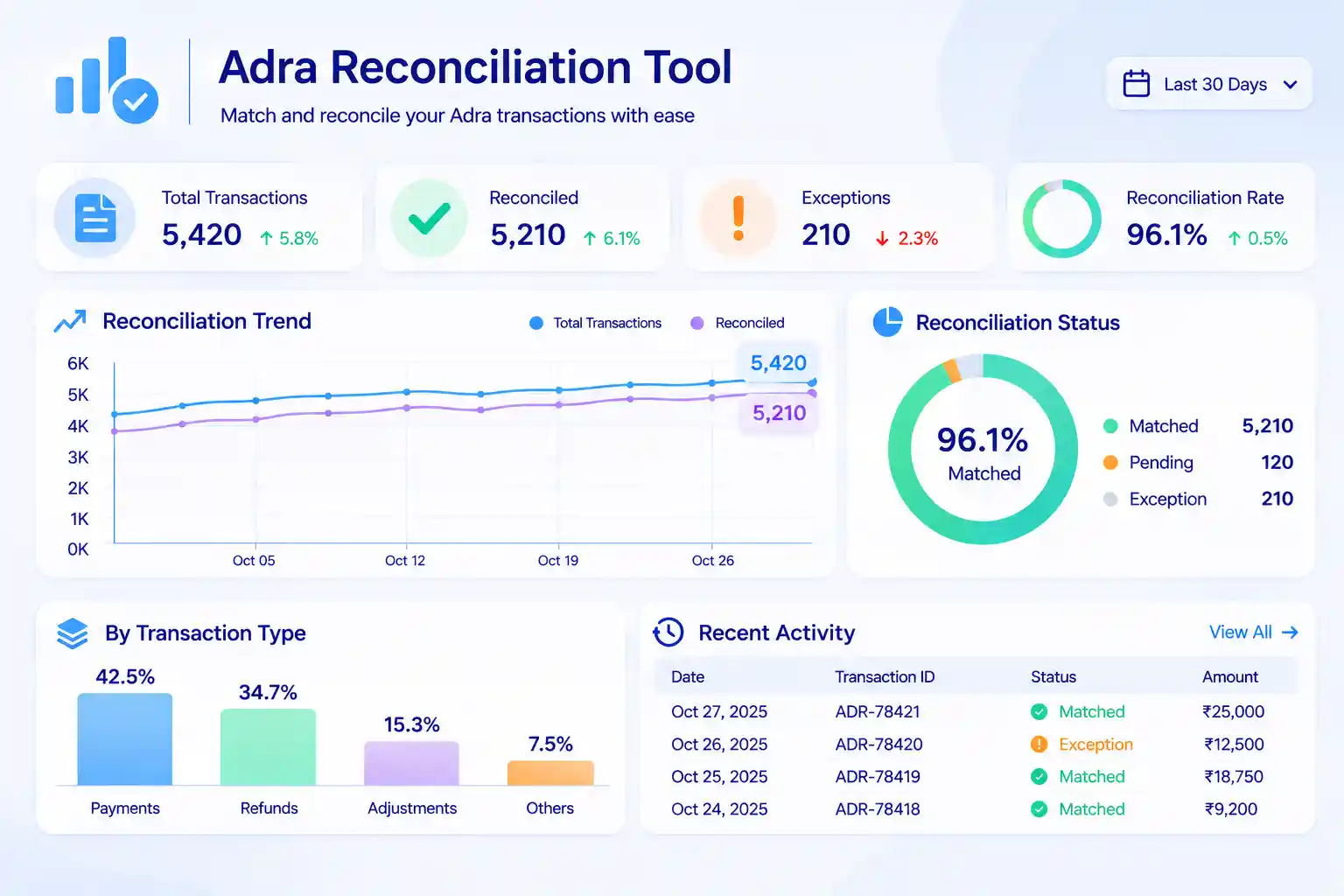
See How Kosh AI Compares to Adra by Trintech on Setup Time, AI Matching & Analytics
Not every reconciliation platform solves the same problem the same way. Here's where Kosh AI takes a different approach than Adra.
Four steps that get you reconciling faster than a traditional close-platform rollout.
Teams evaluating a move away from Adra typically fall into a few common situations.
Teams who can't justify a multi-month implementation timeline before seeing any benefit.
Teams whose exception volume hasn't dropped because matching logic is still largely rule-based.
Teams tired of exporting reconciliation data elsewhere just to build a management report.
Organizations that need strong reconciliation automation without an enterprise-scale implementation budget.
Teams whose reconciliation volume is growing faster than their current tool's matching logic can keep up with.
Organizations that want reconciliation and reporting in one platform instead of several connected tools.
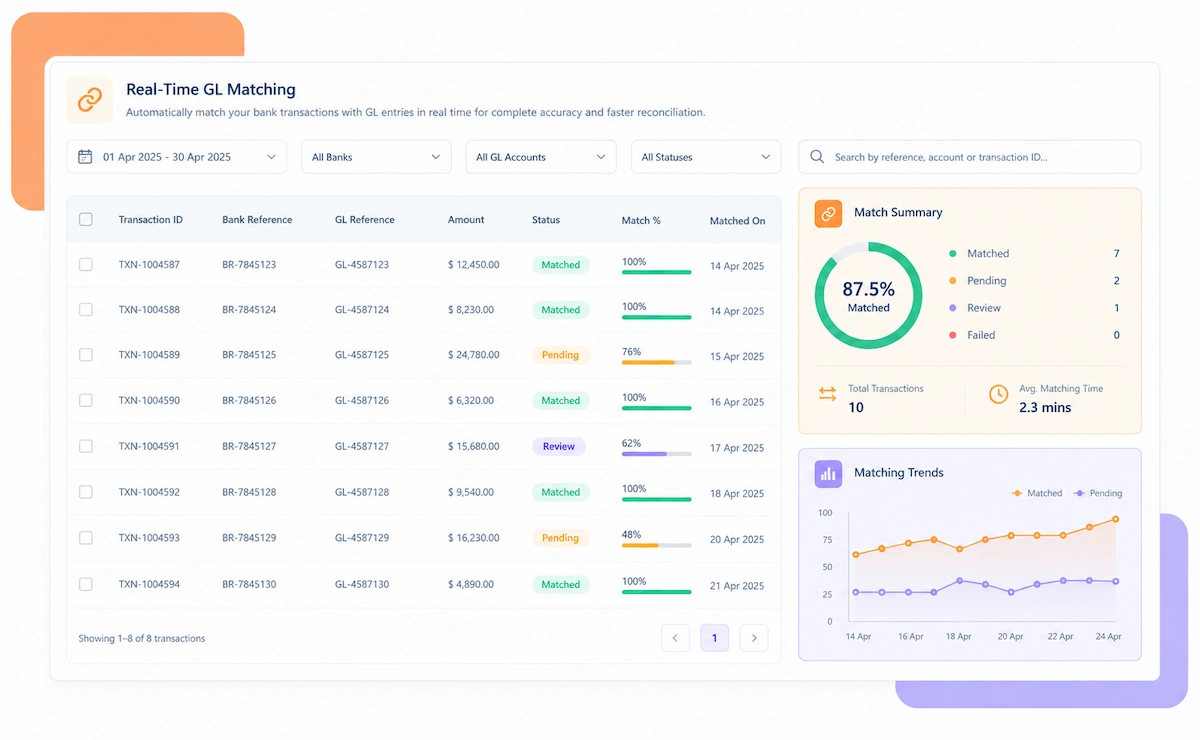
Ongoing matching across banks, gateways, and ledgers, not just a period-end close checklist.
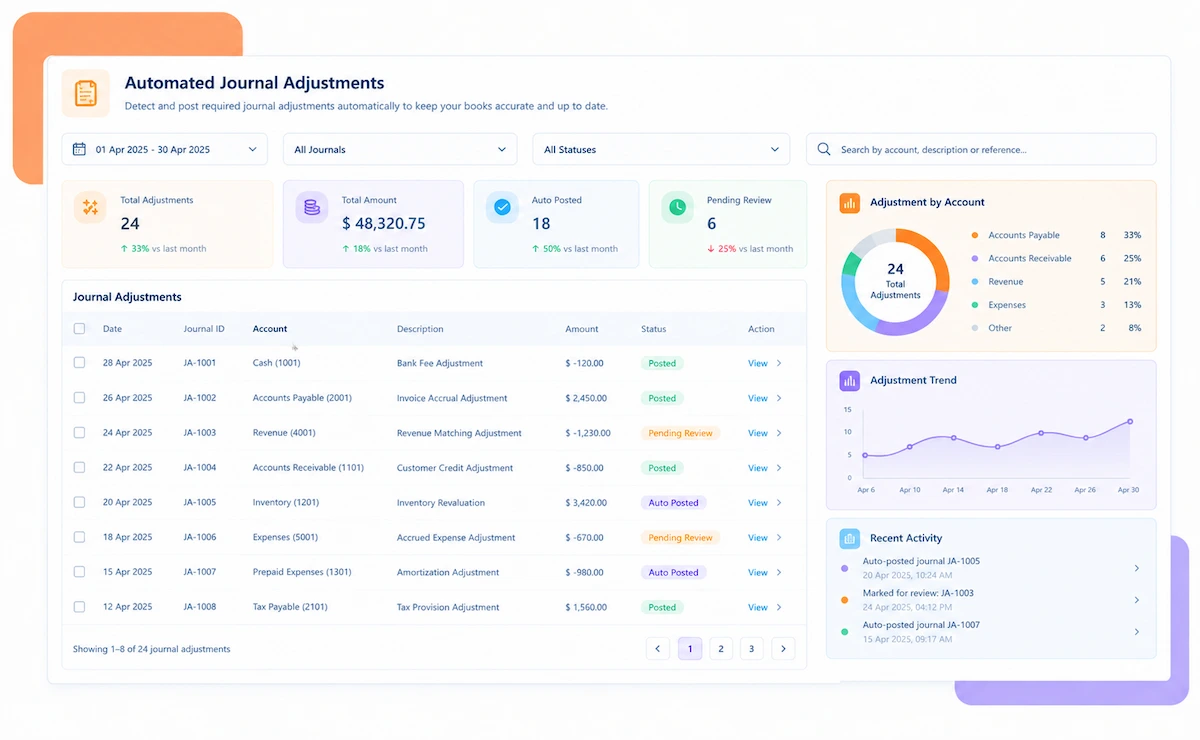
Reconciliation that feeds directly into a faster, better-documented close.
Teams that need a clear, exportable audit trail without building it manually each cycle.
Pre-built connectors and standard templates mean reconciling within weeks, not months.
Matching improves from real transaction patterns instead of relying only on configured rules.
No separate reporting module or add-on license needed to see reconciliation trends.
PDF and email-based statements get matched without manual templating work.
Direct integrations that don't rely on custom middleware to keep working.
Transaction-level matching across banks, gateways, and ledgers, not just close-task tracking.
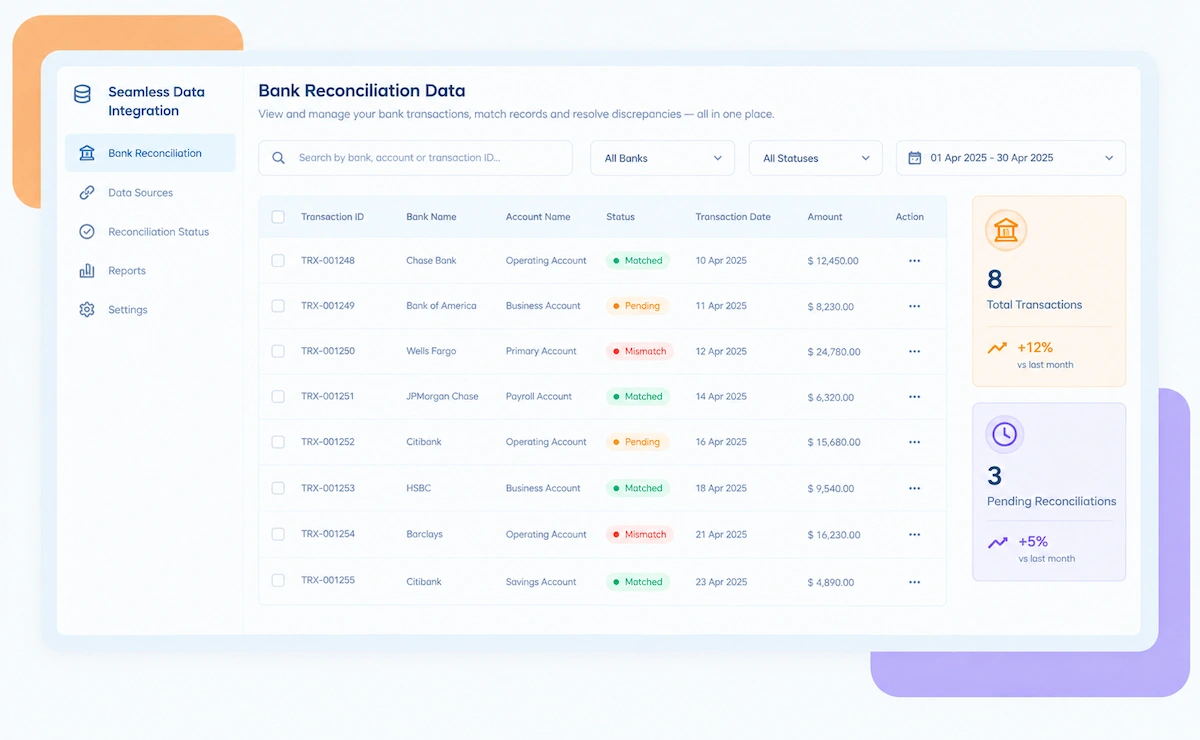
Kosh AI connects directly with all major banks and ERPs, enabling real-time data sync for faster, more accurate reconciliations—no manual uploads, no delays.


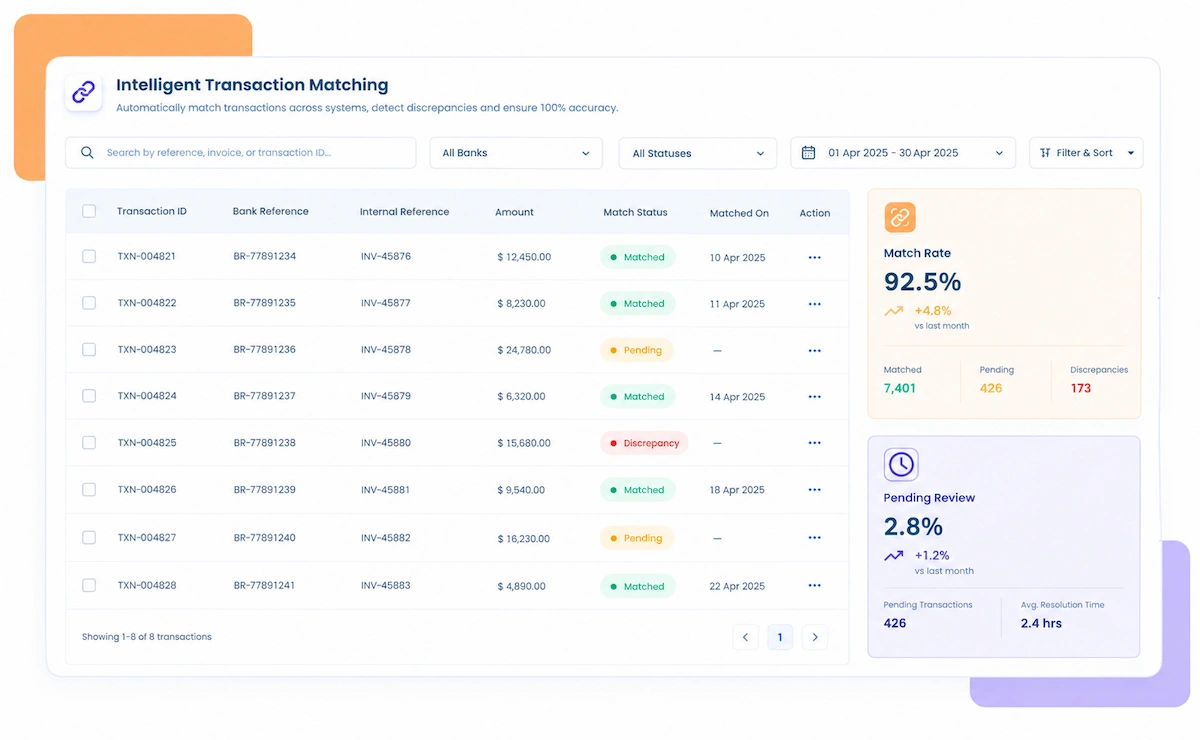
A rule-based engine does exactly what it's told. An AI-driven one gets better at telling the difference between a real exception and a known pattern.
Recognizes recurring transaction patterns and applies that learning to new, similar items automatically.
Extracts usable data from PDF and email-based statements without a manual templating project.
Each resolved exception feeds back into the matching logic, so fewer similar items need review next cycle.
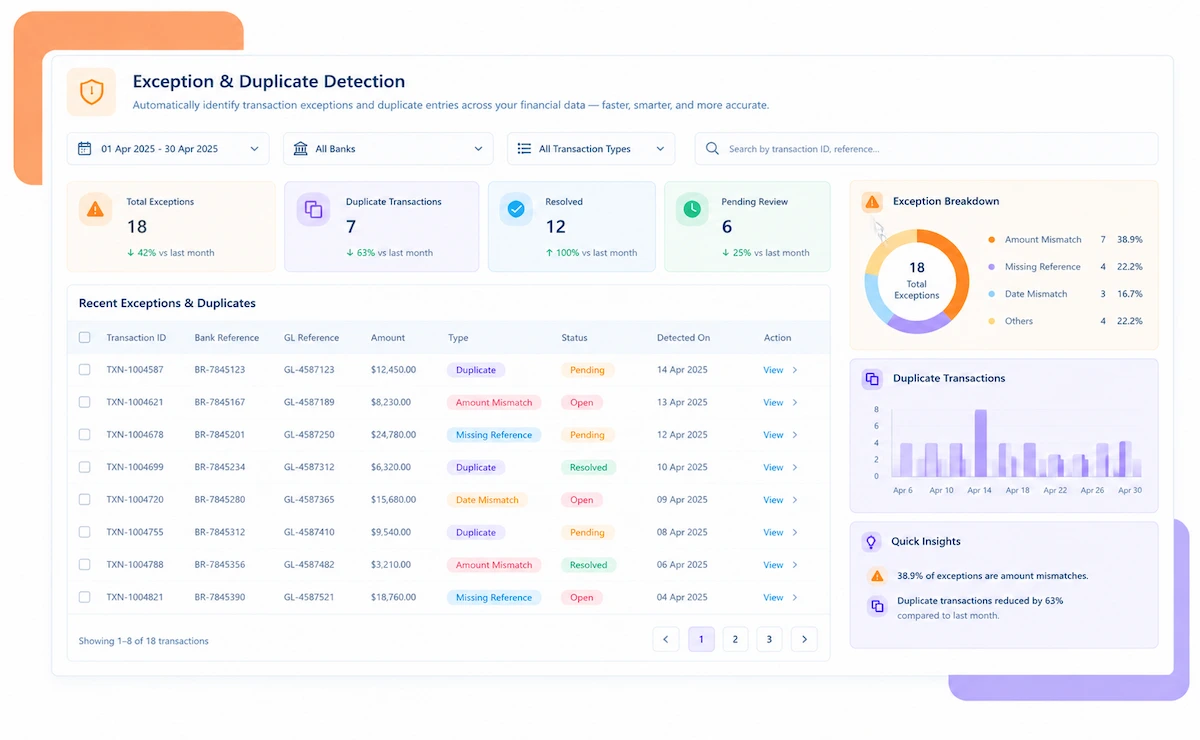
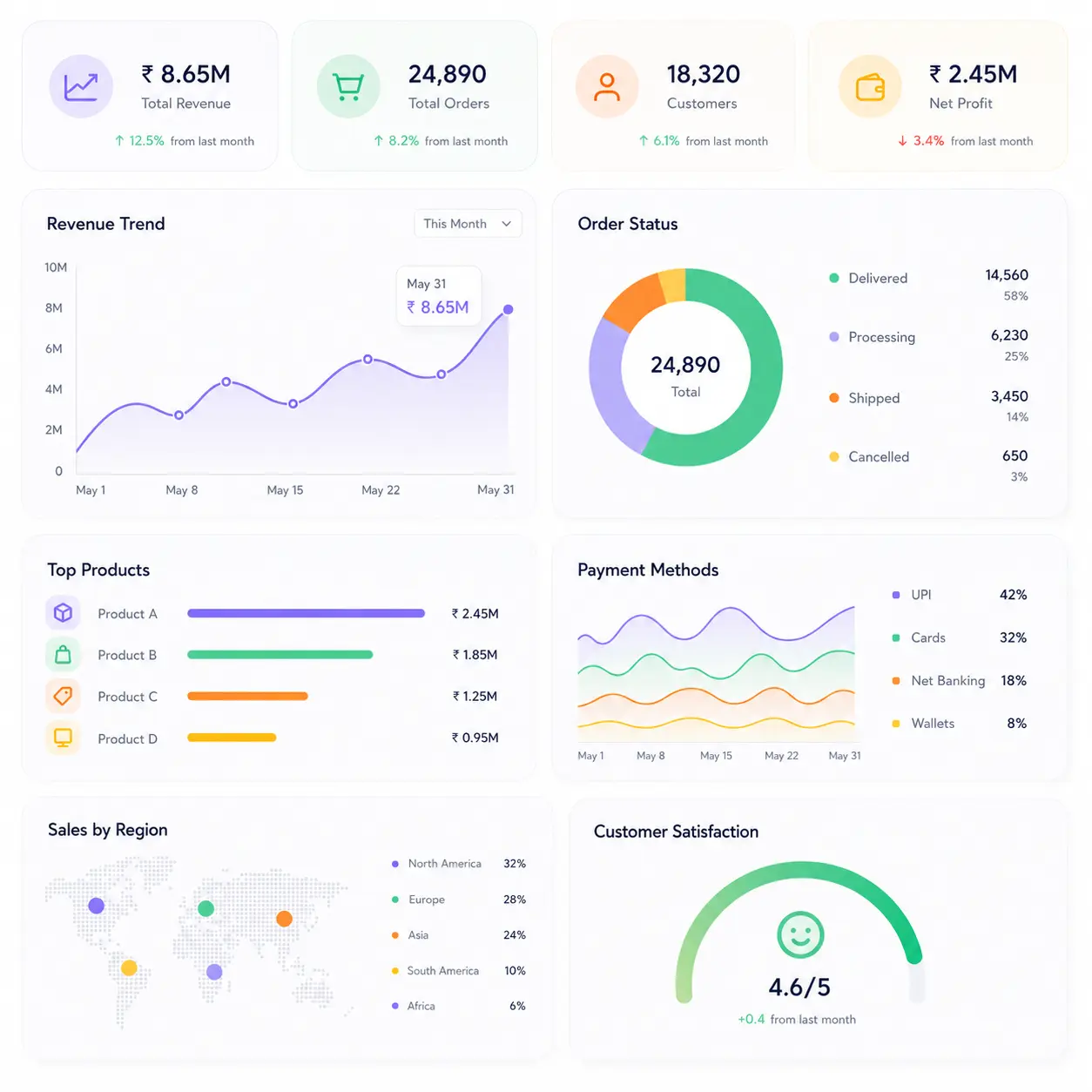
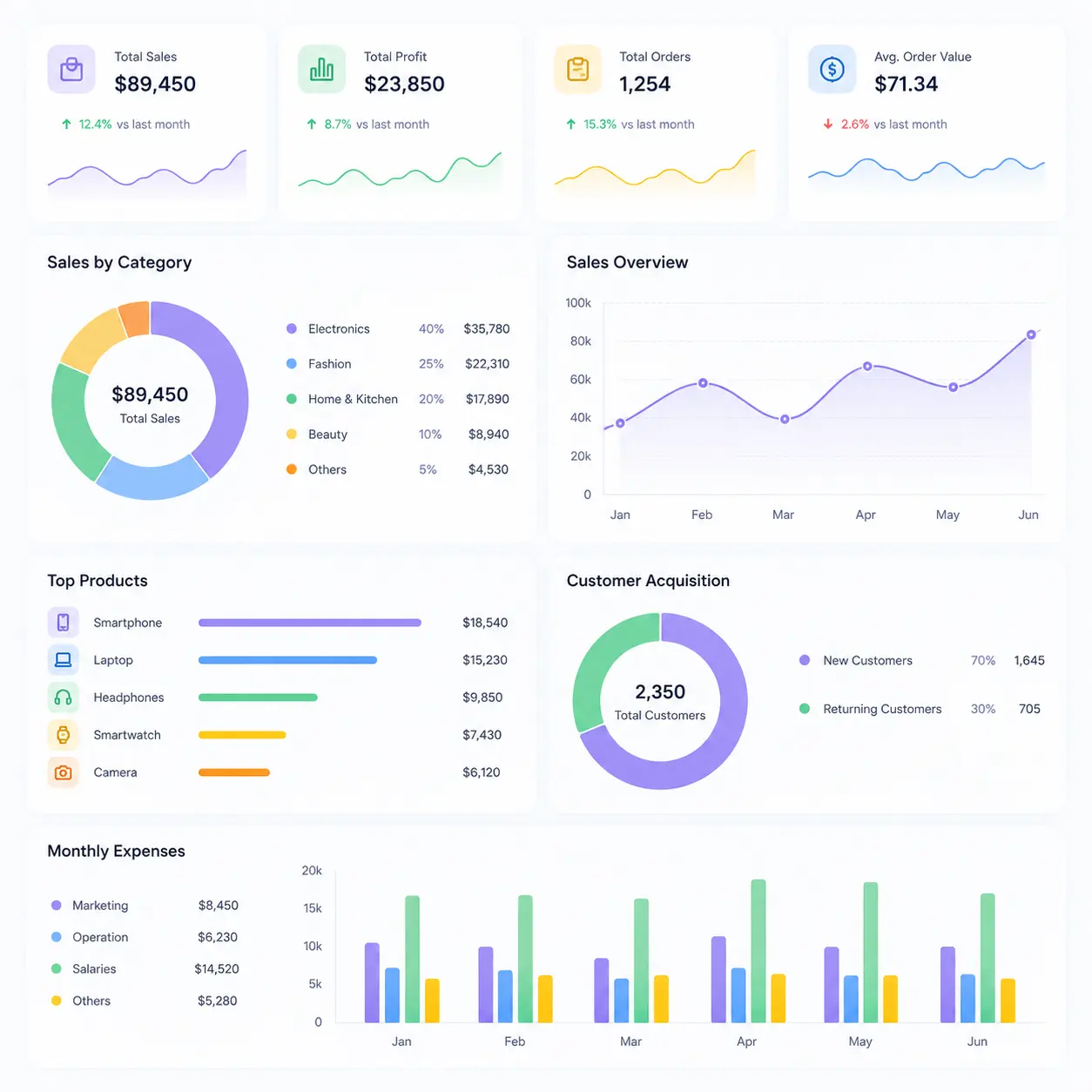
Analytics are part of the core platform, not a module you have to license and configure separately.
Adra by Trintech is a well-established financial close and reconciliation platform, known for strong task and workflow management across the close process. For teams whose primary need is structured close checklists and task assignment, it's a genuinely capable tool, and plenty of finance teams use it successfully.
Where the comparison gets more interesting is in automation depth and time to value. Adra's reconciliation matching leans heavily on configured rules, which means exception volume stays fairly constant unless someone keeps refining the rule set. Implementation also tends to follow a traditional, multi-month enterprise-software timeline, and analytics beyond basic close reporting often require a separate module.
Kosh AI takes a different approach: AI-driven matching that improves from real transaction data, implementation measured in weeks rather than months, and analytics built into the core platform from day one. It's not that Adra does these things badly, it's that Kosh AI was built around automation depth and speed to value as the starting point rather than an add-on.

Both platforms support close and reconciliation work. Here's where they genuinely differ.
| Feature | Kosh AI | Adra by Trintech |
|---|---|---|
| Matching Approach | AI-driven, learns from transaction patterns over time. | Primarily rule-based configuration. |
| Implementation Time | Typically weeks, using pre-built connectors. | Often a multi-month enterprise rollout. |
| Unstructured Data | Matches PDF and email-based statements directly. | Generally needs structured, templated inputs. |
| Analytics | Built into the core platform. | Often requires a separate reporting module. |
| Primary Strength | Deep, automated transaction-level reconciliation. | Close task and workflow management. |
| ERP Integration | Direct, ERP-native connections. | Can rely on middleware for some integrations. |
A few questions worth answering honestly before deciding which platform actually fits your team.

If a multi-month implementation doesn't fit your timeline, a faster rollout matters more than extra configurability.
If exceptions keep piling up despite configured rules, AI-driven matching that learns over time can actually reduce the backlog.
If reporting needs to come built in rather than licensed separately, that's where Kosh AI's approach helps most.
If a meaningful share of your reconciliation data arrives as PDFs or emails, matching that handles it directly saves real manual work.
A few things worth checking carefully during any reconciliation platform evaluation.
A demo with clean sample data looks good everywhere. Ask to see matching performance on your actual, messy statements.
A vague 'it depends' answer is worth pushing on. Ask for a specific week-by-week plan to go live.
Ask directly whether reporting is included or a separate line item before comparing total cost.
The people reconciling transactions every day will notice workflow friction that a leadership-level demo won't surface.
Bring a recent reconciliation batch. We'll show you how Kosh AI's matching and reporting handle it, side by side with what you're using today.
Book a Demo