Automated Trade Reconciliation Software That Catches Breaks Before Settlement

Match Every Trade Against Custodian and Broker Records Automatically

  • Trade-Level Matching Against Custodian & Broker Statements
  • Breaks Flagged With the Likely Cause Attached
  • Built for Rolling, Snapshot & Multiway Matching
  • Full Audit Trail From Execution to Settlement
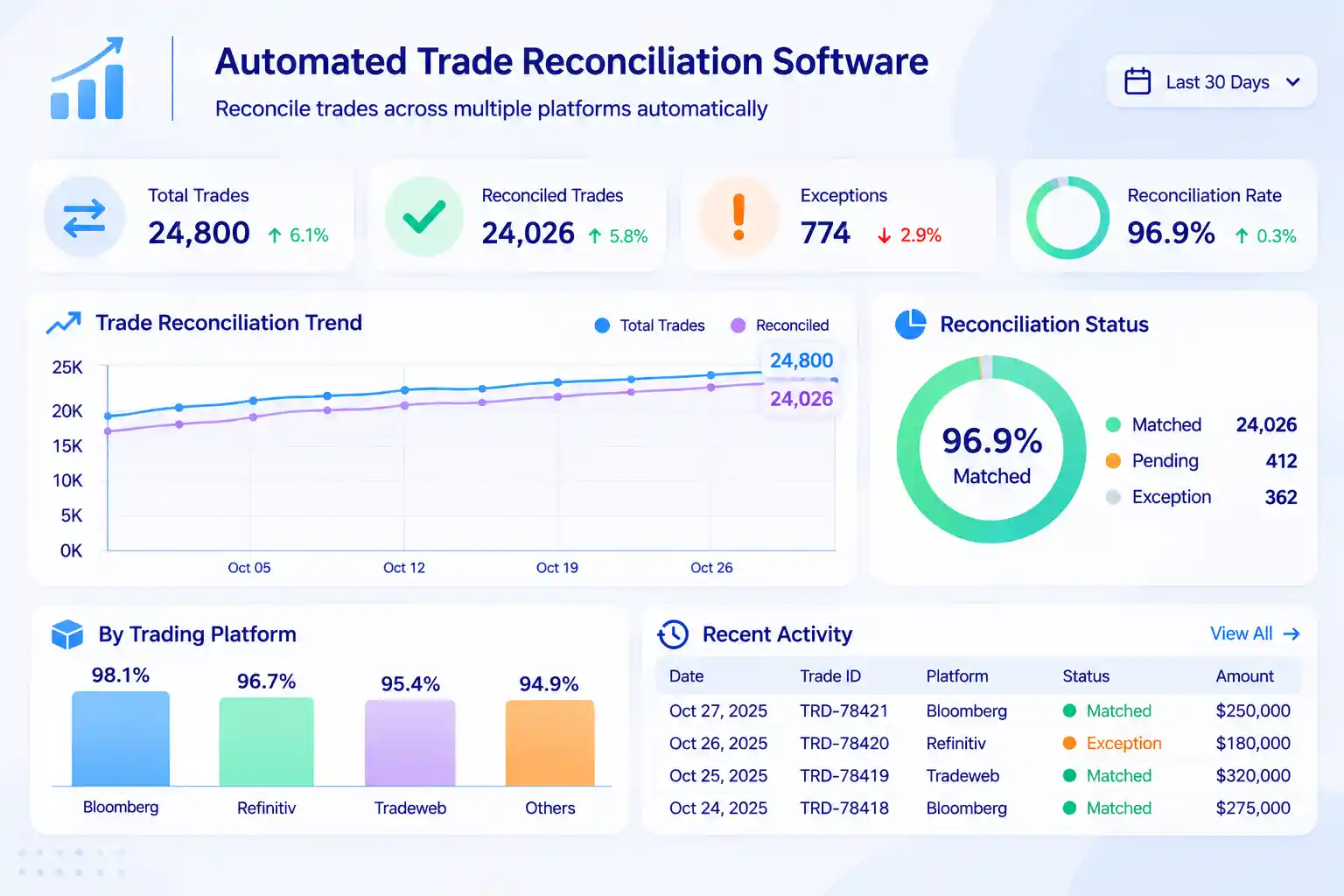
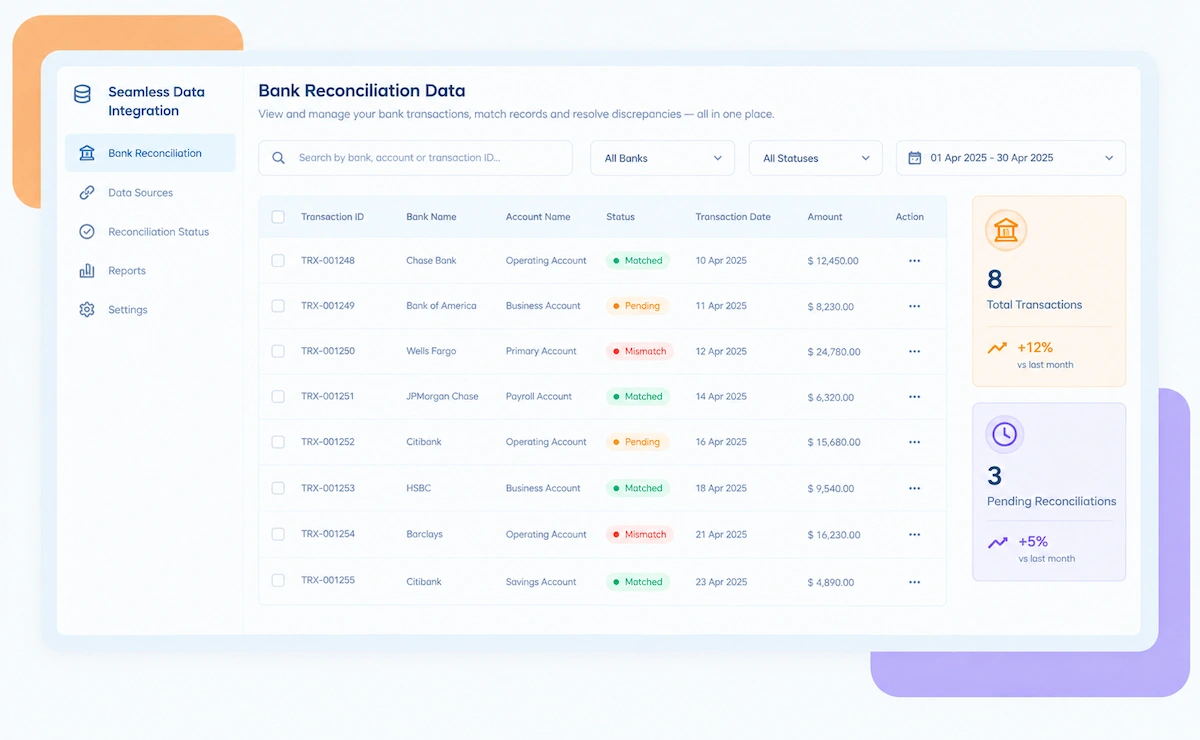
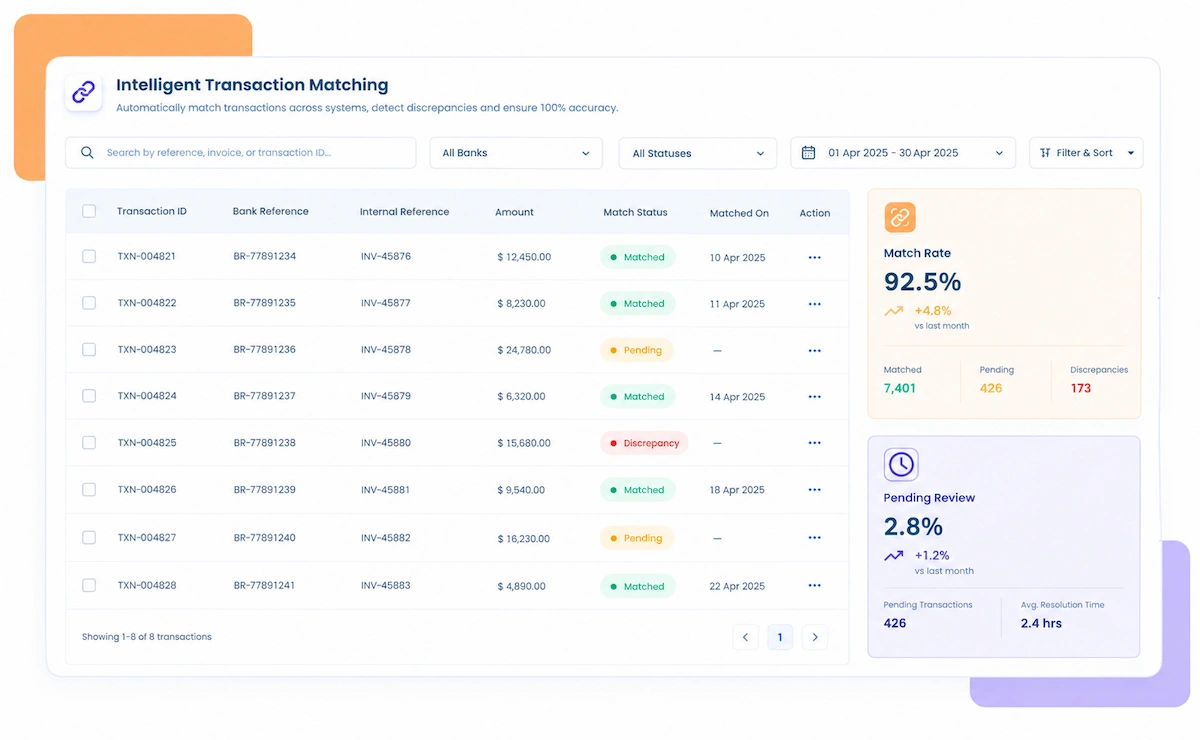
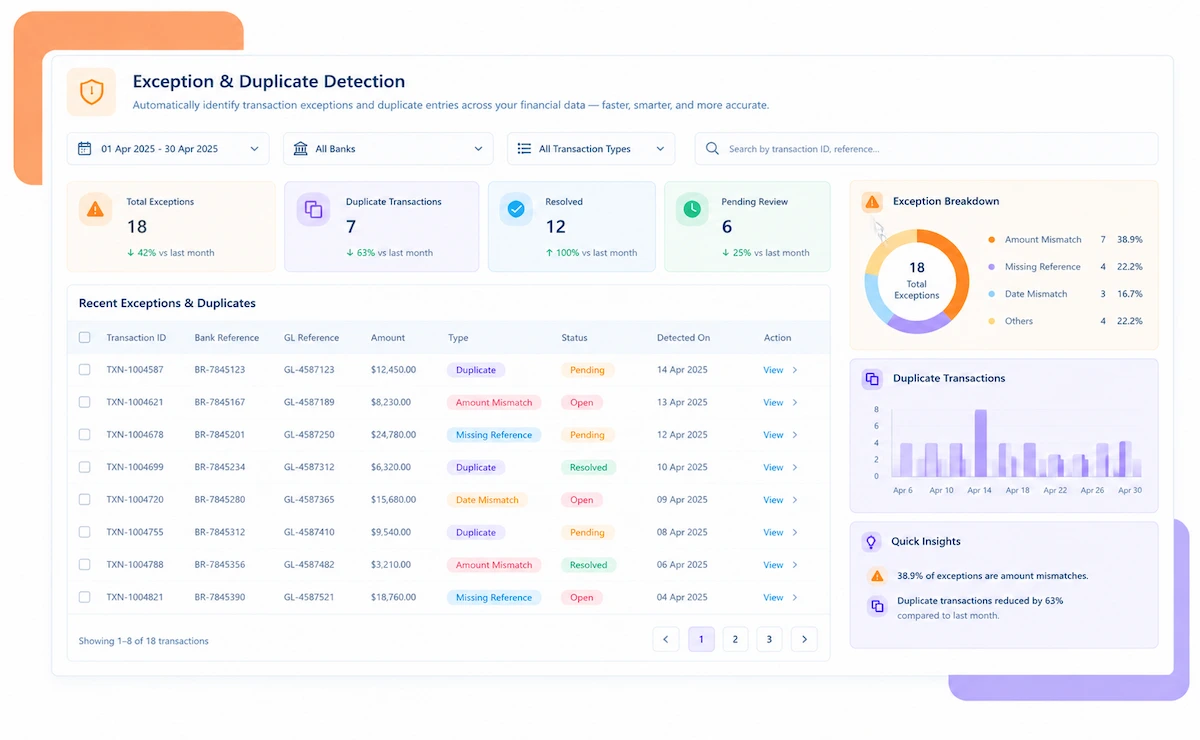
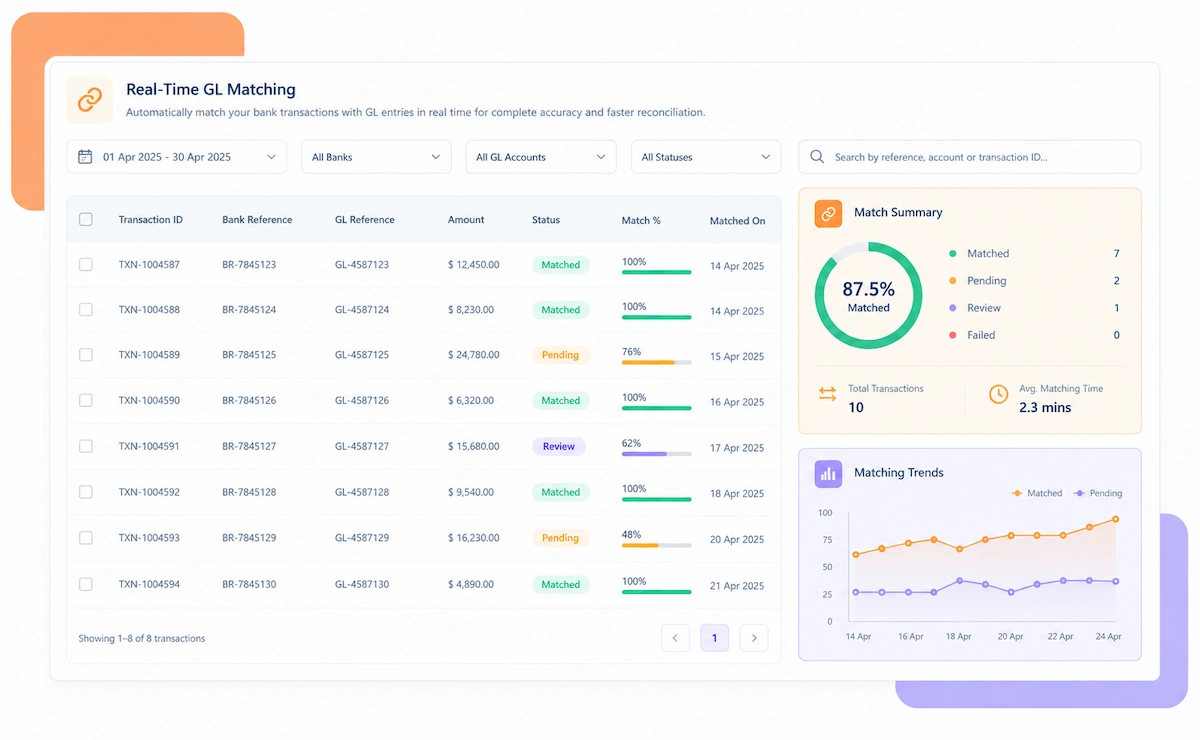
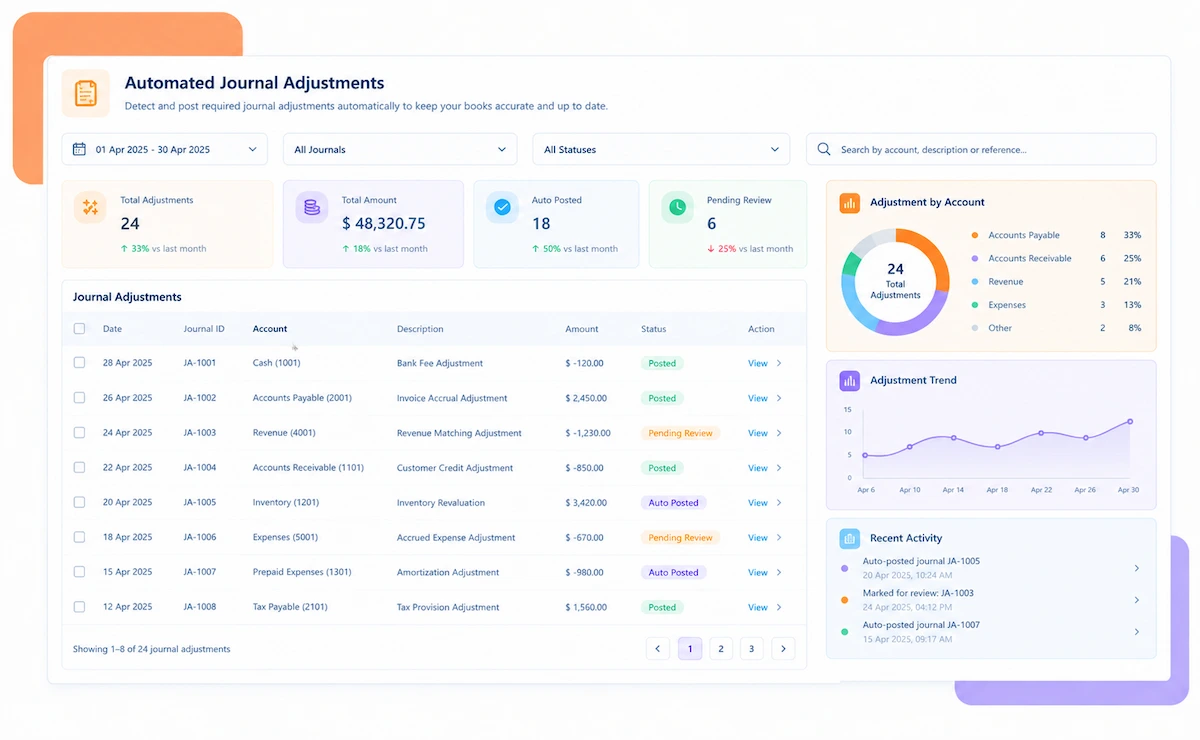
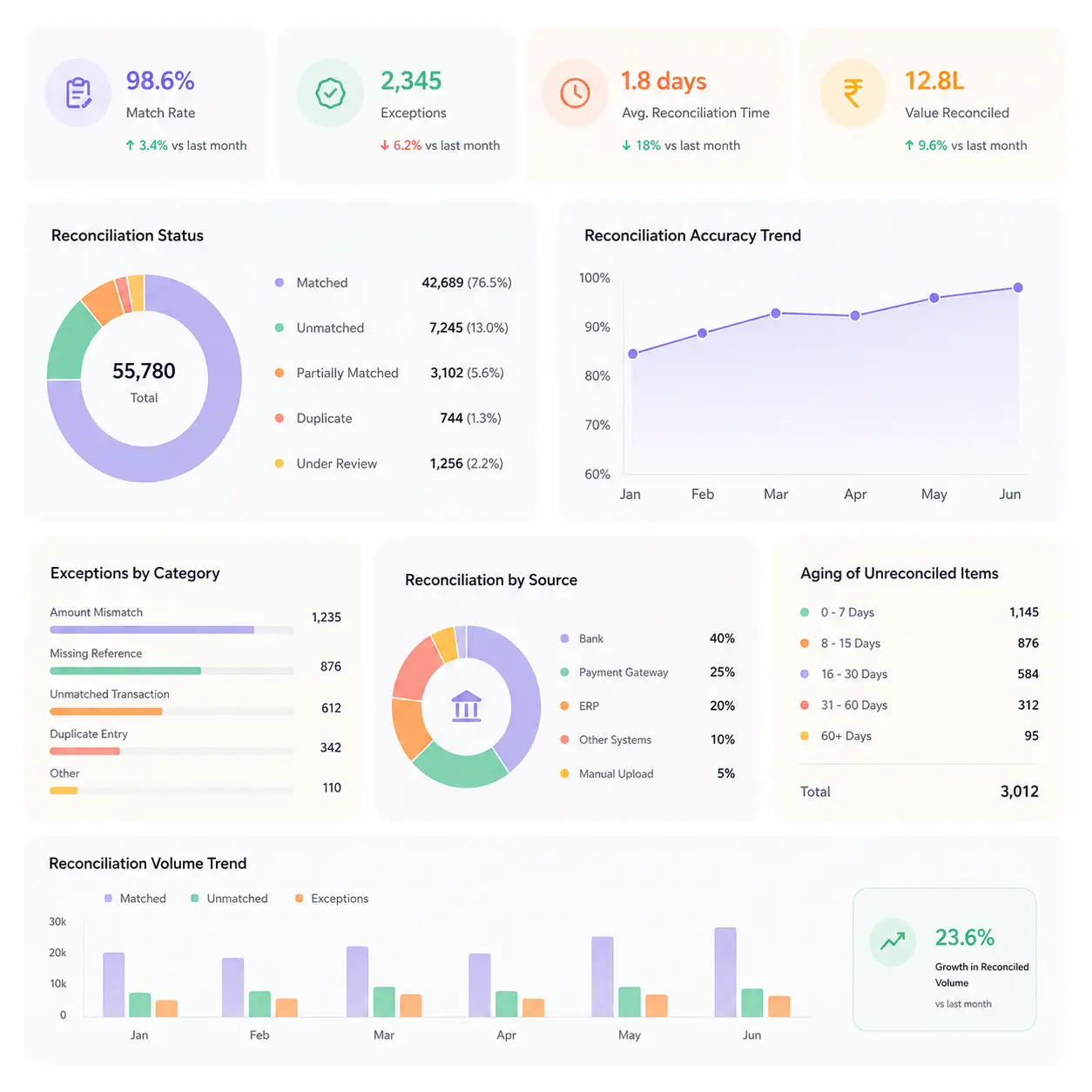
Kosh AI Automated Trade Reconciliation Software Dashboard

A 2026 Automated Trade Reconciliation Tool

Still Chasing Trade Reconciliation Breaks the Day Before Settlement?

A trade executes, the custodian reports it one way, your books show another, and nobody notices until settlement is a day away. Kosh AI matches every trade against custodian and broker records as the data arrives, not after the fact.

What Automated Trade Reconciliation Software Automates

Trade reconciliation isn't just checking two numbers against each other. Kosh AI checks the full chain, from execution to settlement.

How Kosh AI's Automated Trade Reconciliation Software Works

Four stages that run continuously from trade execution through settlement.

  • Data pulled from every source, structured or not: Order systems, custodian feeds, and broker statements, including PDFs and emails, are all ingested automatically.
  • Normalized into a consistent format: Different sources format trade data differently. Kosh AI reconciles that difference before matching even starts.
  • The right matching style applied by trade type: Rolling, snapshot, multiway, or throw-away matching runs depending on what the instrument and desk actually need.
  • Tolerances applied by formula: Small, explainable differences clear automatically instead of generating noise.
  • Each break categorized by likely cause: Timing, price, quantity, and missing-counterpart breaks are each labeled differently so resolution starts with a lead.
  • Aging flags the riskiest breaks first: A break close to settlement gets priority over one with more time to resolve.
  • Every match and resolution logged automatically: The audit trail builds itself as reconciliation happens, not as a separate task afterward.
  • Reports available on demand or on schedule: Ops, compliance, and desk heads each get the view they need without a separate request.

Automated Trade Reconciliation Software Use Cases Across Capital Markets

Trade reconciliation needs differ by asset class, desk structure, and settlement timeline.

Equities

High trade volume with tight settlement windows that leave little room for a break to sit unresolved.

Fixed Income

Settlement conventions and accrued interest calculations that need matching logic built for the asset class.

Derivatives

Multi-leg trades and collateral movements that need reconciliation across more than one counterparty record.

Front Office Trading Desks

Trade confirmations checked quickly enough to catch an error before it affects same-day settlement.

Middle Office Operations

The team responsible for resolving breaks between front-office trades and back-office settlement records.

Compliance & Risk

Oversight teams that need a complete, auditable record of every trade's reconciliation history.

T+1 Settlement Environments

Compressed settlement windows that leave almost no time for a manual break investigation.

Cross-Border Trades

Different settlement conventions across markets that need to reconcile against a single internal record.

High-Frequency Trading Desks

Trade volumes too high for manual reconciliation to keep pace with, regardless of settlement timeline.

Why Finance and Operations Teams Choose Kosh AI's Automated Trade Reconciliation Software

1

Fewer Breaks at Settlement

Catching a break days earlier means it's resolved long before settlement is at risk.

2

Faster Break Resolution

A break flagged with its likely cause gets resolved faster than one that just says 'unmatched.'

3

Supports Compressed Settlement Cycles

T+1 environments leave no time for manual reconciliation delays.

4

Consistent Matching Across Asset Classes

Equities, fixed income, and derivatives each get matching logic suited to how they actually trade.

5

Audit-Ready by Default

Every match and resolution is logged automatically, not reconstructed after the fact.

6

Scales With Trade Volume

A busier trading day doesn't mean a manual reconciliation backlog the next morning.

With Kosh AI's Automated Trade Reconciliation Software, You Can Achieve

75%Fewer Unresolved Breaks at Settlement
50%Faster Break Resolution Time
95%Of Trades Matched Without Manual Review

Integrate Seamlessly with Your Existing ERP Systems

Kosh AI connects directly with all major banks and ERPs, enabling real-time data sync for faster, more accurate reconciliations—no manual uploads, no delays.

Smarter Automated Trade Reconciliation Software Starts with AI

Matching a trade correctly means understanding why it might not match, not just flagging that it doesn't.

Pattern matching icon

Pattern-Based Break Classification

Learns the typical signature of a timing break versus a genuine pricing error, speeding up triage.

Risk scoring icon

Settlement-Risk Aware Prioritization

Surfaces the breaks most likely to affect settlement first, instead of a flat, chronological queue.

Adaptive tolerance icon

Adaptive Tolerance Tuning

Adjusts matching tolerances over time based on which thresholds actually reduce false breaks without hiding real ones.

Straight through icon

Straight-Through Processing Expansion

Identifies more trade types that can safely skip manual review as confidence in the matching pattern grows.

What Is Automated Trade Reconciliation Software?

Automated trade reconciliation software checks that a trade, as your firm's own systems recorded it, matches what the custodian, broker, or counterparty reports for that same trade. It covers everything from the moment a trade executes through to final settlement, catching mismatches in price, quantity, timing, or counterparty detail along the way.

The stakes here aren't abstract. A break that isn't caught and resolved before settlement can delay the trade, trigger a failed settlement, or create regulatory reporting problems, especially in markets that have moved to compressed settlement cycles like T+1. Manual reconciliation, built around spreadsheets and end-of-day checks, often doesn't leave enough time to catch and fix a break before it becomes a settlement problem.

Kosh AI's automated trade reconciliation software matches trades against custodian and broker records continuously, not just at end of day, and categorizes every break by its likely cause, so operations and compliance teams can resolve what's actually wrong instead of starting an investigation from a blank comparison.

What is automated trade reconciliation software

Manual vs. Automated Trade Reconciliation Software – Why Make the Switch?

Reconcile a day's trades by hand, then compare that to continuous, automated matching. In a T+1 settlement environment, the gap matters more than ever.

Feature Automated Trade Reconciliation Manual Trade Reconciliation
Matching FrequencyContinuous, as trade and custodian data arrives.Usually a single end-of-day batch check.
Break CategorizationEach break labeled by likely cause automatically.An analyst has to manually investigate each unmatched item.
Settlement RiskAging models flag breaks closest to settlement first.Breaks are typically worked in the order they're found, not by urgency.
Multiple Asset ClassesMatching logic configured per instrument type.Different asset classes often need separate manual processes.
T+1 ReadinessFast enough to resolve breaks within compressed settlement windows.Manual investigation often can't keep pace with same-day resolution needs.
Audit TrailBuilt automatically as part of the matching process.Assembled after the fact from trade blotters and email threads.

Why Operations Teams Switch to Kosh AI's Automated Trade Reconciliation Software

The move to T+1 settlement in major markets changed the math on trade reconciliation. A process built around end-of-day batch checks used to leave a comfortable window to catch and fix a break before settlement. That window has shrunk, and in some cases disappeared entirely, which means a break caught a day late isn't just inconvenient anymore, it's a real settlement risk.

Manual reconciliation also struggles with scale in a way that becomes obvious during a busy trading period. An operations analyst who can comfortably work through a normal day's breaks gets overwhelmed the moment volume spikes, and that's exactly when the risk of a missed break is highest.

Kosh AI's automated trade reconciliation software matches trades against custodian and broker data continuously rather than in a single daily batch, which means breaks surface with hours to resolve them instead of minutes. Combined with automatic break categorization, operations teams spend their time fixing problems instead of finding them.

Why operations teams switch to automated trade reconciliation

What Your Automated Trade Reconciliation Software Needs to Handle

Trade reconciliation gets harder in a few specific, predictable ways as a trading operation grows.

High trade volume icon

High Daily Trade Volume

Past a certain volume, manually checking every trade against custodian records stops being realistic within a single trading day.

Compressed settlement icon

Compressed Settlement Windows

A T+1 environment leaves little room for a break discovered at end-of-day batch processing to be resolved in time.

Multiple asset classes icon

Multiple Asset Classes on the Same Desk

Equities, fixed income, and derivatives each need matching logic suited to how they settle, not one generic process.

Multi-counterparty icon

Trading Across Multiple Counterparties

Different custodians and brokers format their statements differently, and matching logic needs to handle that variation.

Best Practices for Using Automated Trade Reconciliation Software

A few habits keep trade reconciliation fast enough to matter in a compressed settlement environment.

Match continuously icon

Match Continuously, Not Just at End of Day

Waiting for a single daily batch check means every break gets discovered with less time to fix than it needs.

Prioritize by risk icon

Prioritize Breaks by Settlement Risk, Not Discovery Order

A break close to settlement deserves attention before one with days of runway left, regardless of which was found first.

Tune tolerances icon

Review Matching Tolerances Regularly

A tolerance set once and never revisited either lets real errors through or buries the team in false breaks.

Document resolution icon

Document Every Break Resolution as It Happens

An audit trail built during resolution is far more reliable than one reconstructed from memory weeks later.

FAQs: Automated Trade Reconciliation Software

What is automated trade reconciliation software?

It's software that automatically matches a firm's own trade records against custodian, broker, and counterparty statements, flagging any mismatches as breaks before they affect settlement.

What's the difference between a break and a regular exception?

A break specifically refers to an unmatched or mismatched trade in the reconciliation process. It's the term the industry uses, and Kosh AI categorizes each one by likely cause, whether that's timing, price, quantity, or a missing counterparty record.

Can it handle T+1 settlement timelines?

Yes. Kosh AI matches trades continuously rather than in a single end-of-day batch, which gives operations teams more time to resolve a break within a compressed settlement window.

What matching styles does it support?

Rolling, snapshot, multiway, and throw-away matching are all supported, and can be configured by instrument type or trading desk.

Does it work across different asset classes?

Yes. Equities, fixed income, and derivatives can each use matching logic suited to how that asset class actually settles.

How are tolerances handled for small discrepancies?

Tolerances can be set by formula and by instrument, so small, explainable differences clear automatically instead of generating unnecessary breaks.

Can it support regulatory and audit reporting?

Yes. Every match, break, and resolution is logged automatically, giving compliance and audit teams a complete, traceable record.

How quickly can a trading operation get this set up?

Most desks see their highest-volume trade flows reconciling automatically within two to three weeks of connecting custodian and broker feeds.

Ready to Try Kosh AI's Automated Trade Reconciliation Software?

Bring a recent batch of trade breaks to the call. We'll show you how Kosh AI would have caught and categorized them automatically.

Book a Demo