Claims Reconciliation Tool That Catches Underpayments Before the Deadline

Match Submitted Claims Against EOBs, Remittances, and Contracted Rates Automatically

  • Claims Matched to Remittances by Claim Number and Procedure Code
  • Underpayments Flagged Against the Contracted Fee Schedule
  • Denials and Bundled Codes Routed for Appeal Automatically
  • Timely-Filing Deadlines Tracked So Nothing Expires Unnoticed
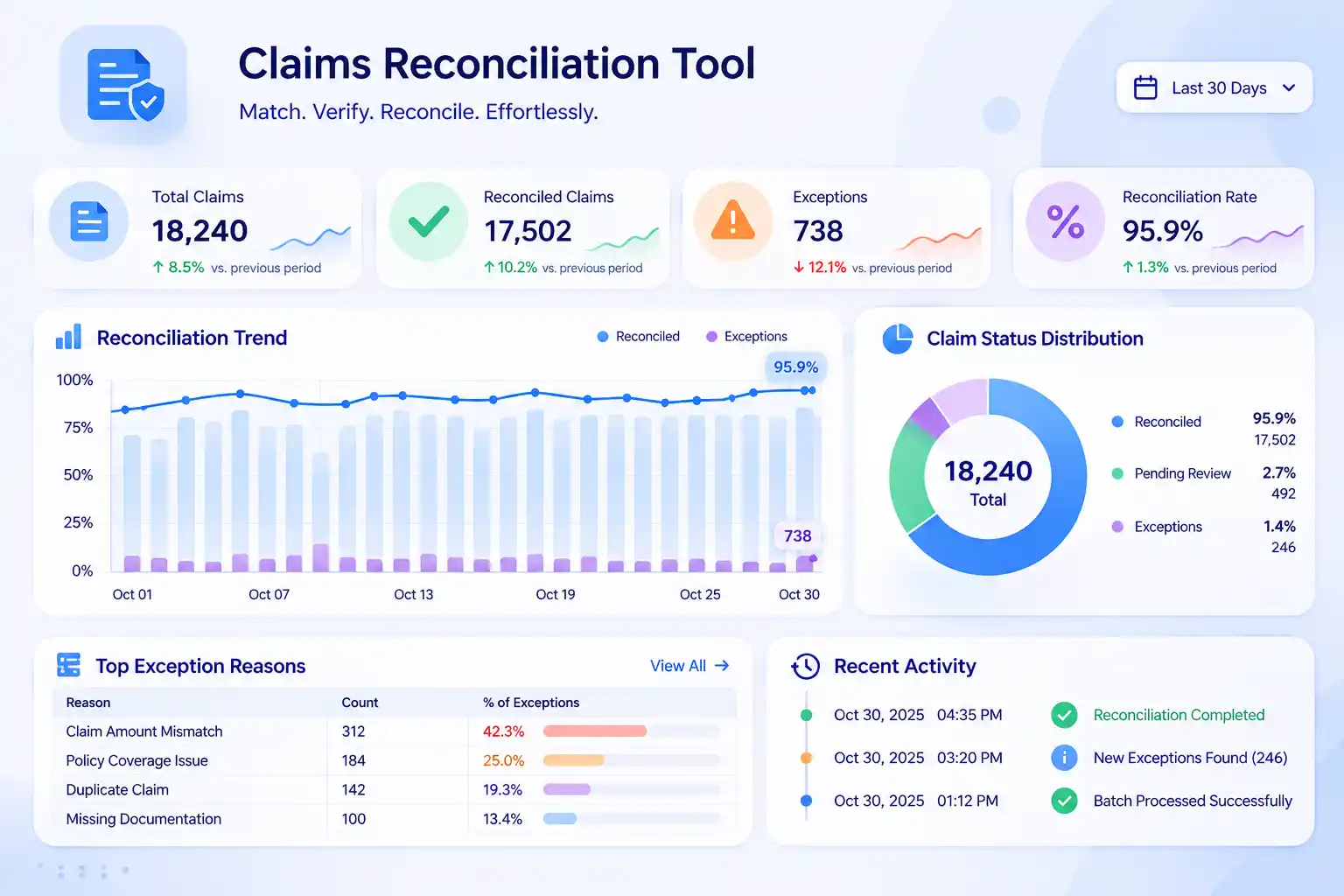
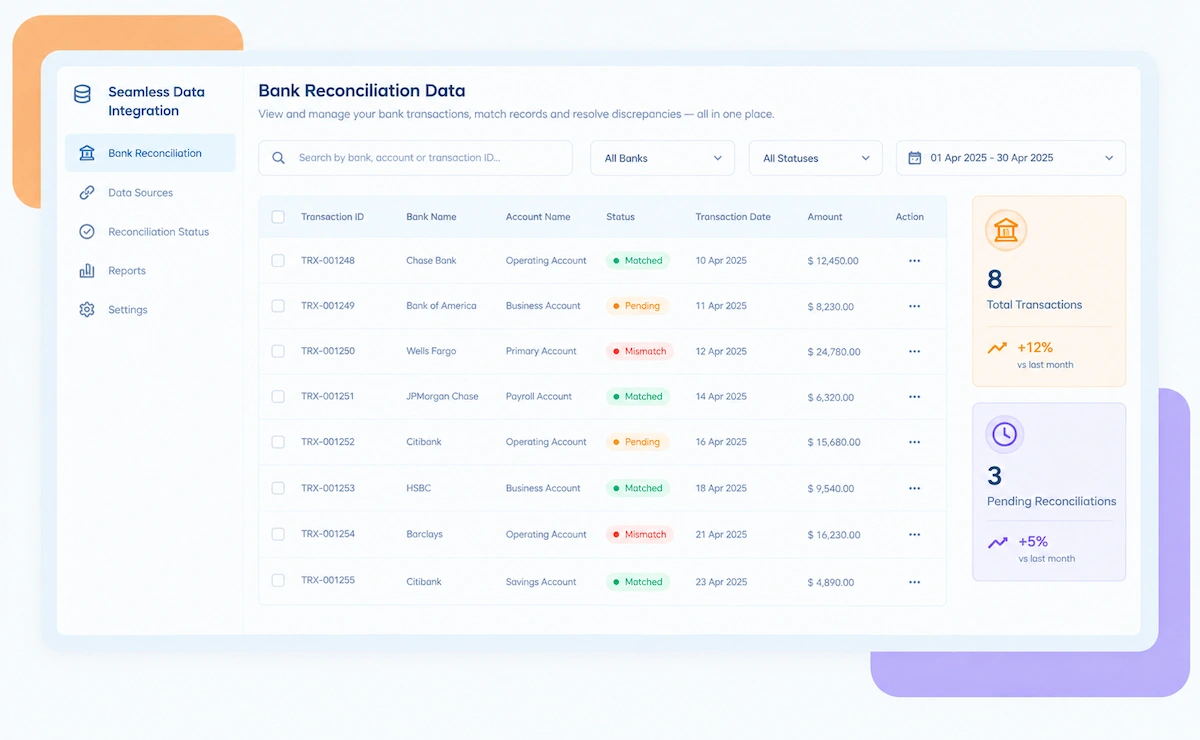
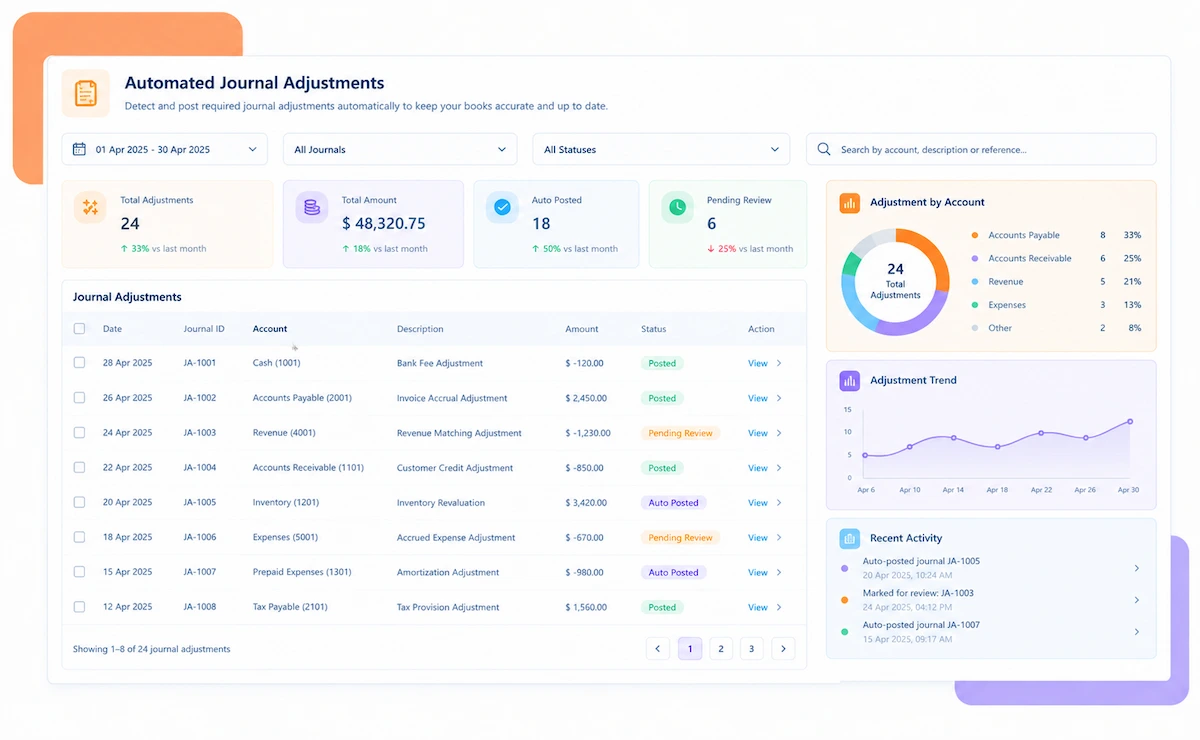
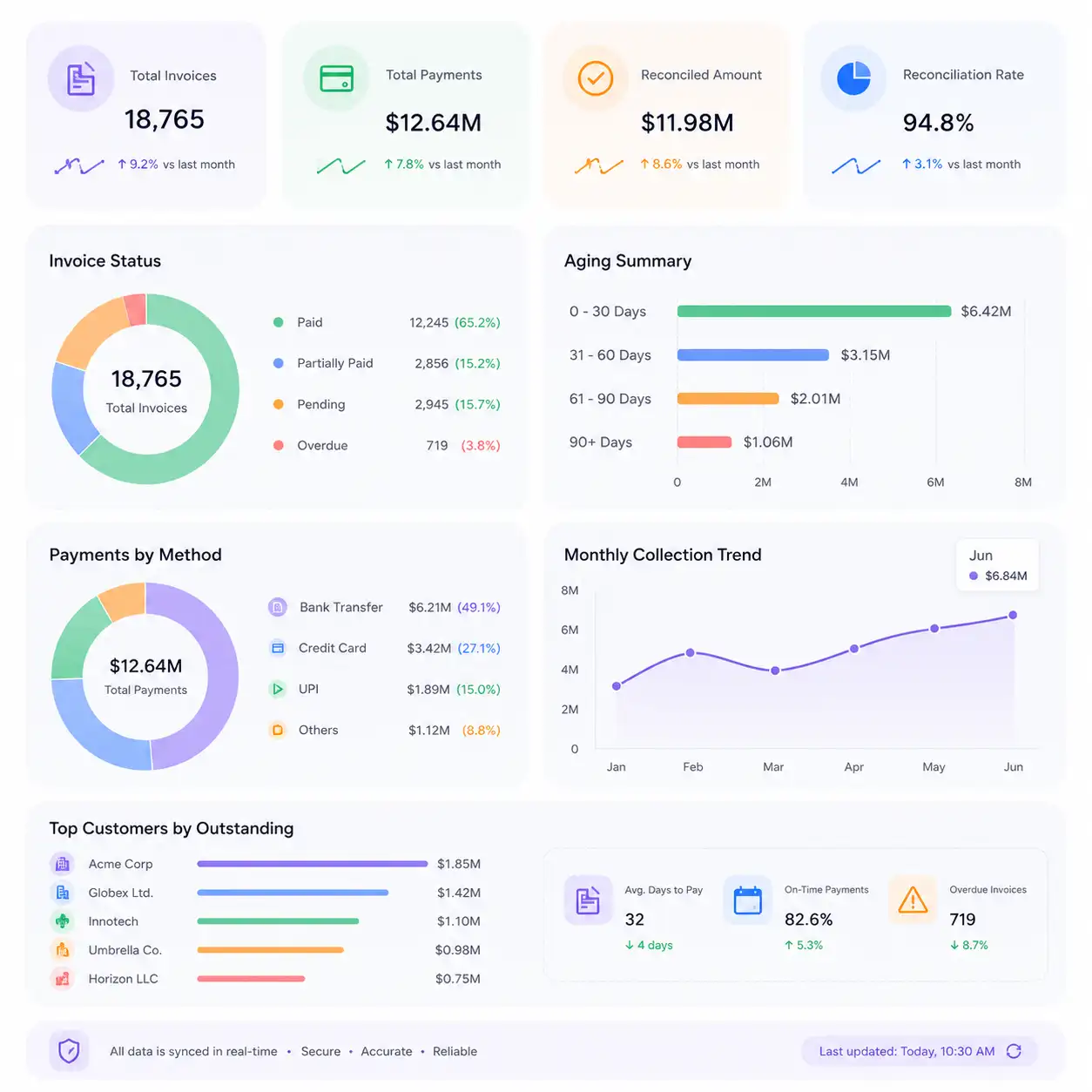
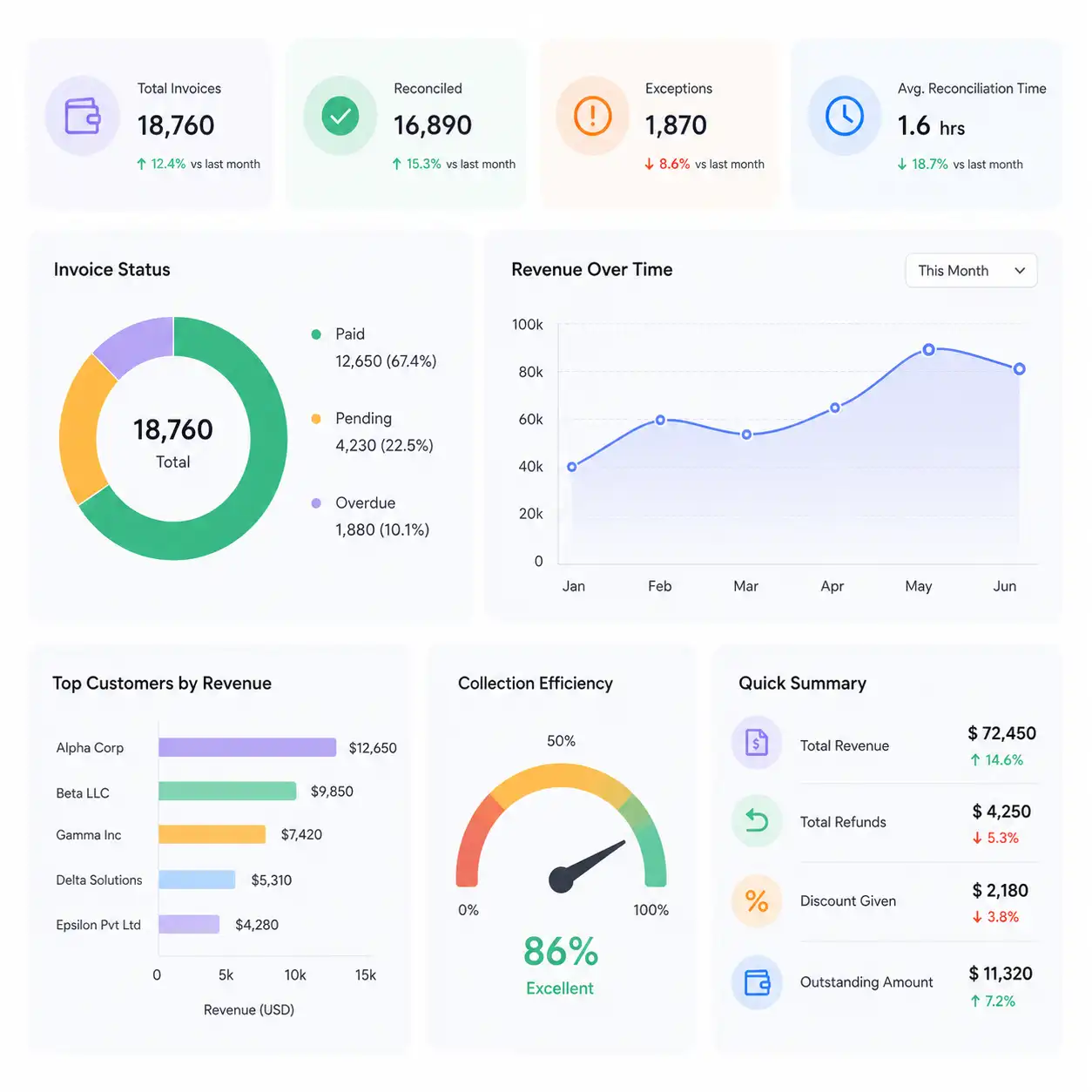
Kosh AI Claims Reconciliation Tool Dashboard

A 2026 Claims Reconciliation Tool

Still Running Claims Reconciliation One EOB at a Time?

Every claim submitted should match what the payer actually reimburses, line by line, against the contracted rate. Kosh AI checks that automatically as remittances arrive, so an underpayment surfaces while there's still time to appeal it.

What a Claims Reconciliation Tool Automates

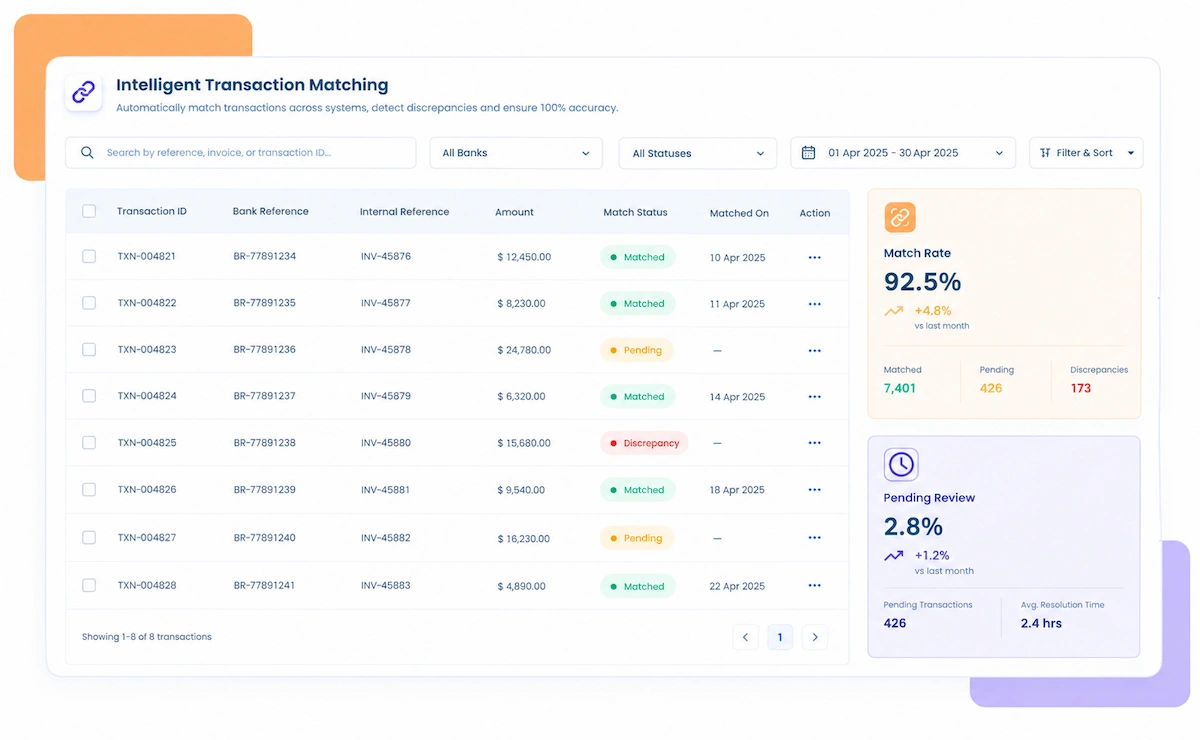
Reconciling claims means checking what was billed against what was paid, line by line, against the contract. Kosh AI handles all of it as remittances come in.

How Kosh AI's Claims Reconciliation Tool Works

Four steps that take a remittance from arrival to a fully reconciled, actioned claim.

  • ERA 835 files and EOBs pulled in automatically: Remittance data is ingested on a schedule, whether it arrives electronically or as a scanned EOB.
  • Submitted claims connected to their contract terms: Every open claim is linked to the payer's contracted rate for the correct procedure and date of service.
  • Remittance lines matched to open claims: Claim number, procedure code, date of service, and patient ID are checked before anything is posted.
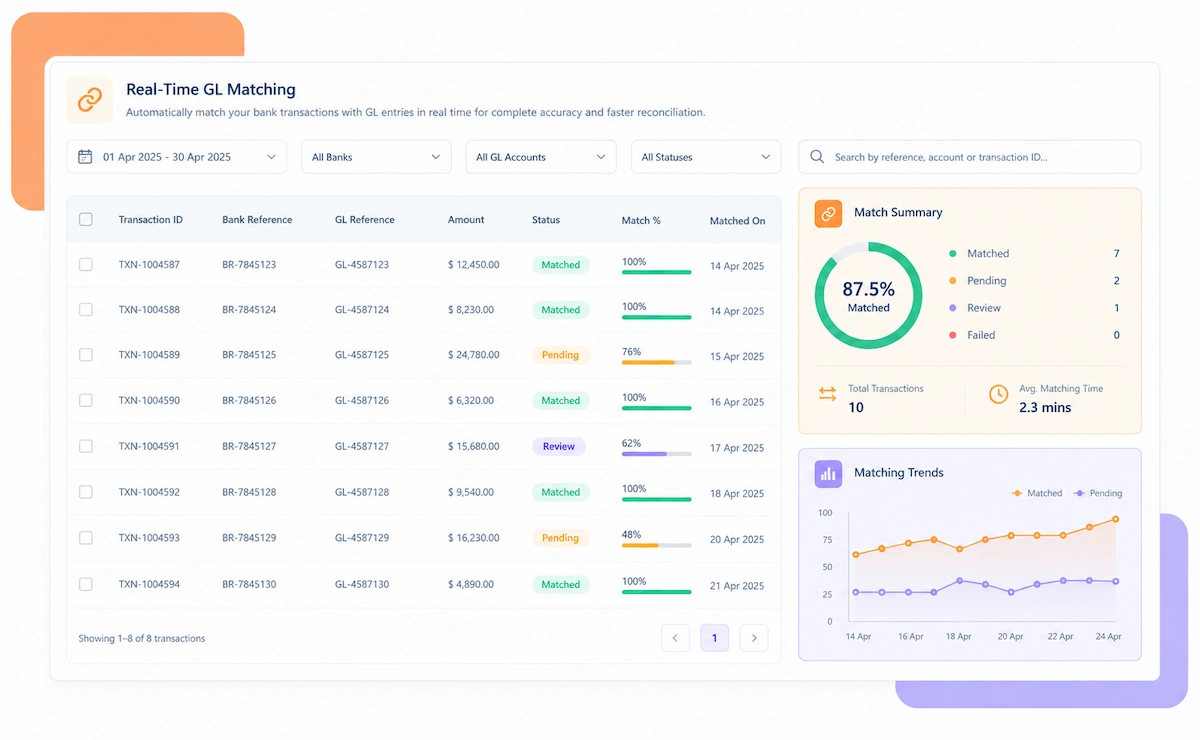
  • Paid amount compared against the contracted rate: Allowed amount, patient responsibility, and net payment are all checked against what the contract actually says.
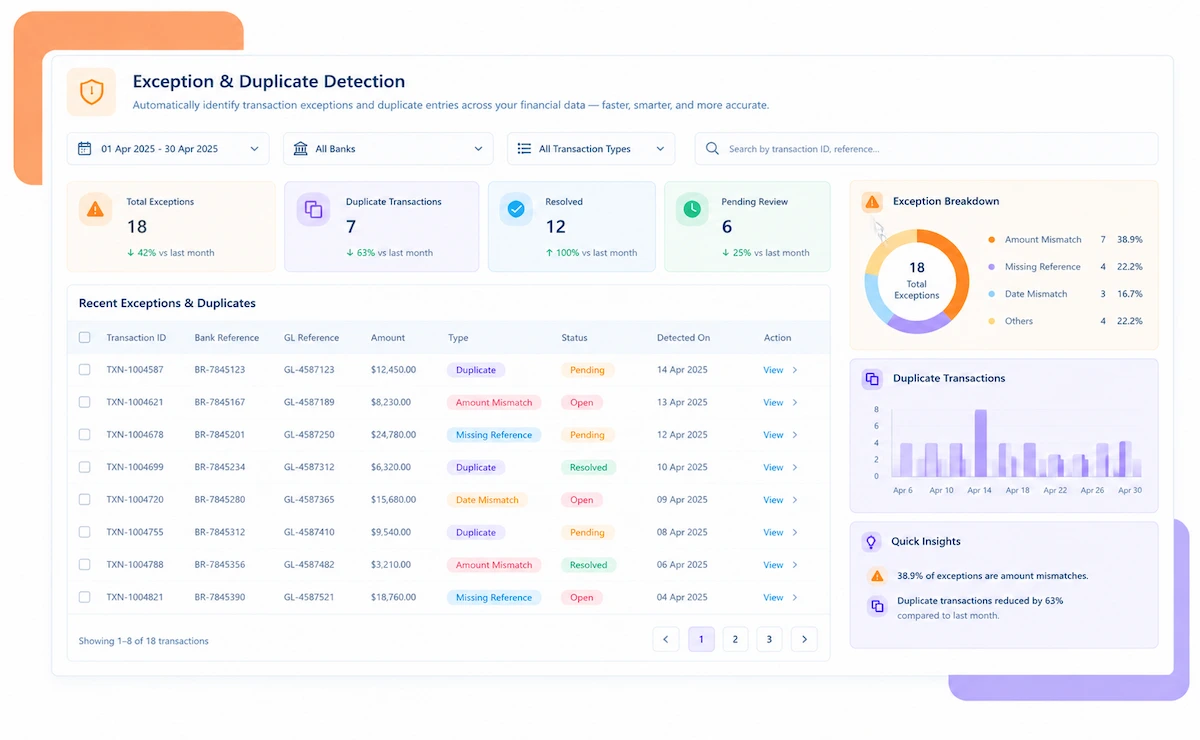
  • Underpayments, denials, and bundling flagged by type: Each kind of variance gets routed to the biller with the claim, remittance line, and contract rate already side by side.
  • Duplicate remittances caught before posting: A paper EOB and an ERA for the same claim don't both inflate the receivable.
  • Deadlines tracked against every flagged item: Appeal and timely-filing windows are visible, so nothing expires simply because no one noticed.
  • Resolution logged for audit and reporting: Every appeal, resubmission, and write-off decision is recorded as it happens.

Claims Reconciliation Tool Use Cases Across Healthcare Billing

Claims reconciliation needs differ by practice size, specialty, and how claims are actually billed.

Medical & Dental Practices

Checking paid amounts against contracted fee schedules across every payer the practice bills.

Multi-Location Groups

Keeping reconciliation consistent across locations that may bill under different contracts.

Billing Services & RCM Companies

Reconciling claims across many client practices without a separate manual process for each one.

Billing & Revenue Cycle Teams

Catching underpayments and denials in time to appeal before filing deadlines close.

Finance & Practice Management

Confirming that posted receivables actually reflect contracted reimbursement, not assumed payment.

Payer Relations

Spotting recurring underpayment or denial patterns worth raising directly with a specific payer.

Lower-Volume Practices

Practices where a manual check still mostly works, but misses the small, repeated underpayments.

High-Volume Billing Operations

Claim volumes where manual line-by-line review simply isn't realistic anymore.

Growing Practices

Teams scaling past the point where a spreadsheet-based reconciliation process keeps up.

Why Billing Teams Choose Kosh AI's Claims Reconciliation Tool

1

Fewer Missed Underpayments

Every remittance is checked against the contracted rate, not just the ones that look obviously wrong.

2

Faster Appeals

Variances surface while there's still time left in the filing window, not after it closes.

3

No Duplicate Receivables

A paper EOB and an ERA for the same claim never both inflate the books.

4

Clear Denial Patterns

Recurring denials or bundling by a specific payer become visible instead of handled one claim at a time.

5

Less Manual Posting

Remittances match to claims automatically, so billers spend time on variances, not routine posting.

6

Audit-Ready Records

Every match, variance, and resolution is logged as it happens, not rebuilt from memory later.

With Kosh AI's Claims Reconciliation Tool, You Can Achieve

90%Of Remittances Matched Without Manual Review
70%Faster Underpayment Detection
0Missed Appeal Deadlines

Integrate Seamlessly with Your Existing ERP Systems

Kosh AI connects directly with all major banks and ERPs, enabling real-time data sync for faster, more accurate reconciliations—no manual uploads, no delays.

Smarter Claims Reconciliation Starts with AI

Spotting a real underpayment takes more than a line-item comparison. Kosh AI understands which variances are routine and which ones are worth appealing.

Pattern matching icon

Underpayment Pattern Detection

Learns which payers and procedure codes generate recurring underpayments, surfacing the pattern instead of one claim at a time.

Bundling detection icon

Bundling & Substitution Recognition

Identifies when a payer has substituted or bundled billed codes, even when the remittance doesn't say so directly.

Deadline prioritization icon

Deadline-Aware Prioritization

Surfaces the variances closest to their filing deadline first, so nothing expires simply because it was found late.

Duplicate detection icon

Duplicate Remittance Detection

Catches a paper EOB and ERA for the same claim before both get posted and inflate receivables.

What Is a Claims Reconciliation Tool?

A claims reconciliation tool checks that what a practice billed matches what the payer actually paid, using the EOB or electronic remittance advice (ERA, often delivered as an 835 file) as the source of truth. It matches each remittance line to its open claim by claim number, procedure code, date of service, and patient ID, then compares the paid amount against the contracted rate.

Done manually, this means a biller cross-referencing EOBs against claims one at a time, usually catching only the underpayments that look obviously wrong. A $70 gap on a single procedure is easy to miss, but across a month of claim volume, those small gaps compound into real lost revenue, especially when the appeal window closes before anyone notices.

Kosh AI's claims reconciliation tool matches remittances to claims automatically as they arrive, flags underpayments, denials, and bundling against the contracted rate, and tracks filing deadlines so a flagged variance gets appealed in time instead of written off by default.

What is a claims reconciliation tool

Manual vs. Automated Claims Reconciliation Tool – Why Make the Switch?

Checking EOBs against claims one at a time can work for a small practice. See what changes once reconciliation runs automatically.

Feature Automated Claims Reconciliation Manual Claims Reconciliation
Remittance MatchingMatched automatically by claim number and procedure code.Cross-referenced by hand, claim by claim.

Underpayment DetectionChecked against the contracted rate for every line.Usually only catches gaps that look obviously wrong.
Duplicate RemittancesFlagged before posting.Can be posted twice, inflating receivables.
Denial & Bundling ReviewIdentified and routed automatically.Often requires a biller to notice the pattern manually.
Deadline TrackingFiling windows tracked against every flagged item.Easy to miss once a variance sits unresolved.
Audit TrailBuilt automatically as claims are reconciled.Reconstructed from EOBs and notes before a review.

Why Billing Teams Switch to Kosh AI's Claims Reconciliation Tool

Manual claims reconciliation tends to catch only what's obviously wrong. A biller scanning an EOB can spot a flat denial easily enough, but a $70 underpayment on a single crown, buried in a line item, is the kind of gap that gets missed every time, and missed gaps don't stay small. Across a month of claim volume, they compound into real, recoverable revenue that never gets recovered.

The bigger risk isn't any single underpayment, it's the filing deadline attached to it. Once the appeal window closes, that revenue is written off by default, whether or not anyone actually decided to accept the loss. A reconciliation process that only catches variances during a monthly batch review is working against its own clock.

Kosh AI's claims reconciliation tool checks every remittance against the contracted rate as it arrives, not in a periodic sweep, and tracks the filing deadline attached to each flagged variance. That means underpayments, denials, and bundling surface with enough time left to actually do something about them.

Why billing teams switch to a claims reconciliation tool

What Your Claims Reconciliation Tool Needs to Handle

Claims reconciliation stops being a quick manual task in a few common scenarios.

High claim volume icon

High Claim Volume

Past a certain volume, checking each remittance against the contracted rate by hand stops being realistic.

Multiple payers icon

Multiple Payer Contracts

Different contracted rates across payers make manual comparison error-prone at any real scale.

Billing service icon

Billing Services Managing Multiple Clients

Reconciling several practices' claims manually every cycle doesn't scale past a handful of clients.

Recurring underpayment icon

Recurring Underpayment Patterns

Any practice that keeps finding the same payer underpaying needs a tool that surfaces the pattern automatically.

Best Practices for Using a Claims Reconciliation Tool

A few habits keep claims reconciliation fast enough to matter before filing deadlines close.

  • A remittance checked the day it posts leaves the most time to appeal: Waiting for a weekly or monthly batch review shortens the window before a filing deadline.
  • Early detection also makes the pattern easier to spot: A recurring underpayment is easier to catch when each remittance is checked as it comes in.
  • Grouping by payer reveals patterns a single claim won't show: A payer that consistently bundles certain codes is worth raising directly, not re-fighting claim by claim.
  • Classify each variance clearly: Underpayment, denial, and bundling each need a different response, so they shouldn't all land in one generic queue.
  • An unresolved variance isn't neutral, it's a default write-off: Once the filing window closes, the revenue is gone whether or not anyone decided to accept that.
  • Assign clear ownership to every flagged item: A variance with no assigned biller is the one most likely to miss its deadline.

FAQs: Claims Reconciliation Tool

What is a claims reconciliation tool?

It's software that automatically matches submitted claims against EOBs or ERA 835 remittance files, checking the paid amount against the contracted rate and flagging underpayments, denials, or bundling.

What's the difference between an EOB and an ERA?

An EOB (Explanation of Benefits) is the payer's record of how a claim was adjudicated, often delivered on paper. An ERA (Electronic Remittance Advice), usually in the 835 file format, is the electronic equivalent.

How does it detect underpayments?

Kosh AI compares the paid amount on each remittance line against the contracted fee-schedule rate for that payer and procedure, flagging any gap automatically.

Can it catch duplicate remittances?

Yes. If a paper EOB and an ERA for the same claim both arrive, Kosh AI flags the duplicate before it gets posted twice to receivables.

Does it help with denial management?

Yes. Denied claims and lines are flagged for appeal, resubmission, or write-off, and bundling or code substitutions are identified against what was actually billed.

How does deadline tracking work?

Every flagged variance is tracked against its appeal or timely-filing window, with items nearing their deadline surfaced before the window closes.

Can billing services use this for multiple clients?

Yes. Kosh AI can reconcile claims across multiple practices or clients without a separate manual process for each one.

How long does it take to get set up?

Most billing teams see their first claims reconciling automatically within two to three weeks of connecting remittance and claims data.

Ready to Try Kosh AI's Claims Reconciliation Tool?

Bring a recent batch of remittances to the call. We'll show you how Kosh AI would have flagged the underpayments automatically.

Book a Demo