Reconcile Issued, Used, Voided, and Returned Labels Against Every Production Run
Reconciling labels means tracking what was issued against what was used, voided, destroyed, and returned. Kosh AI keeps all four counts tied together.
Four steps that take a production run from label issuance to a fully reconciled, audit-ready record.
Label reconciliation requirements differ by industry, but the core discipline of tracking issued against used labeling stays the same.
GMP-regulated label reconciliation required under 21 CFR 211.125, with documented investigation for any out-of-tolerance gap.
Label accuracy tied to allergen, net weight, and nutritional labeling compliance at every changeover.
Private-label and contract packaging runs that need clean reconciliation across multiple SKUs.
Logging label counts in real time instead of reconstructing them at the end of a shift.
Reviewing discrepancies against tolerance limits and signing off on changeover documentation.
Maintaining the audit trail that an inspection or recall investigation will need.
Lines switching between SKUs often, where a missed label change poses the highest mislabeling risk.
Keeping label reconciliation consistent across plants with different line setups and label types.
Products where a labeling error could trigger a costly withdrawal if not caught before distribution.
A changeover without a matching label change gets caught before the batch ships, not after.
Out-of-tolerance discrepancies come with the batch and changeover details already attached.
Reconciliation and investigation records are logged as they happen, not reconstructed from paper.
Every batch is measured against the same preset limits, not a supervisor's judgment call.
Excess labeling bearing lot or control numbers is documented as destroyed, with no gaps.
The same reconciliation discipline applies whether it's one line or a multi-site operation.
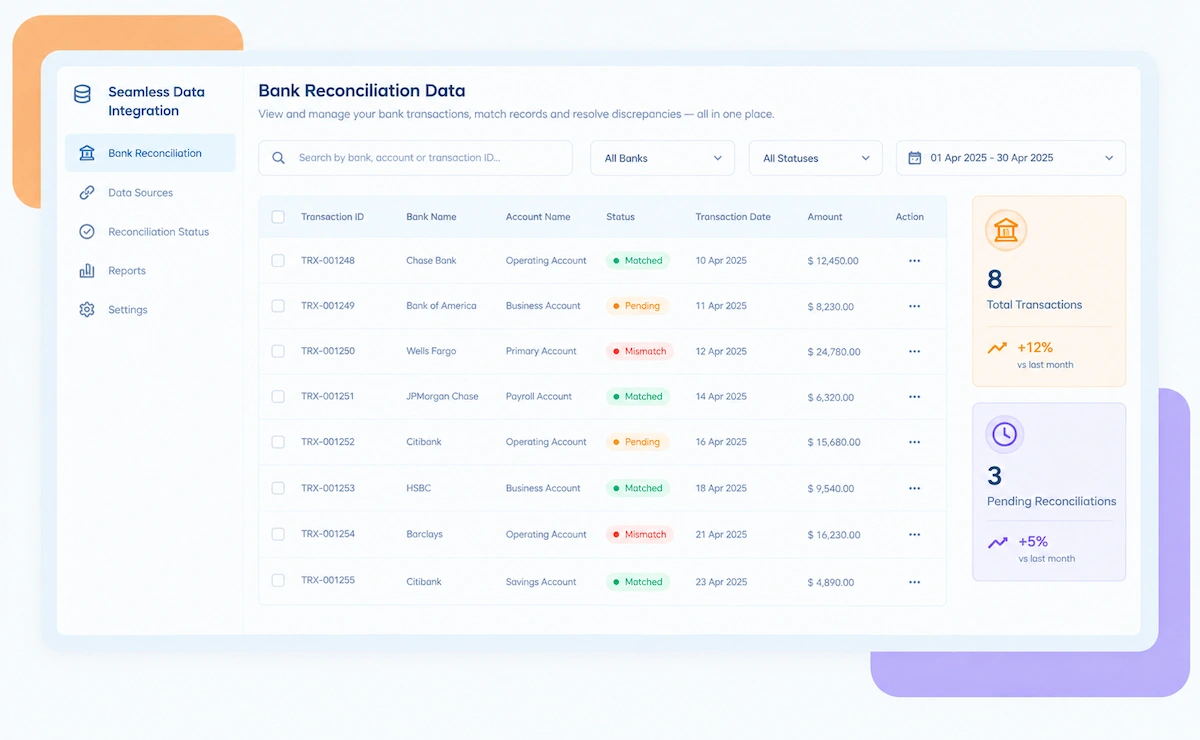
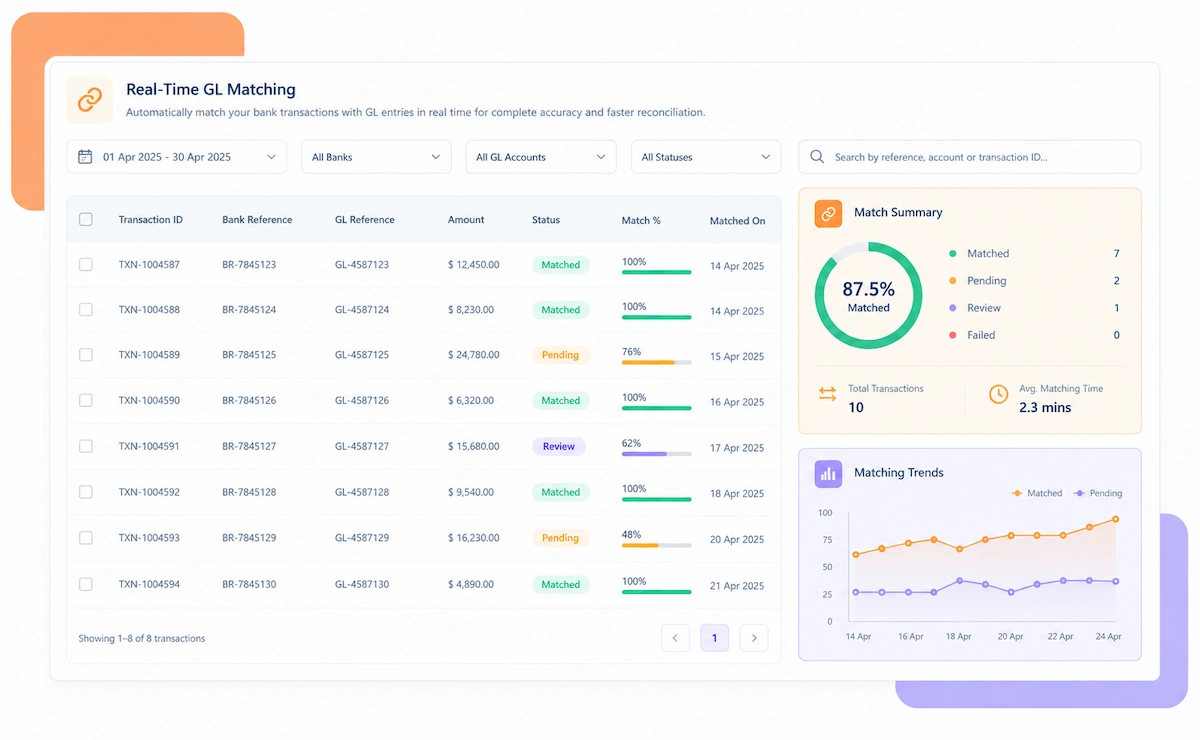
Kosh AI connects directly with all major banks and ERPs, enabling real-time data sync for faster, more accurate reconciliations—no manual uploads, no delays.


A tolerance limit set once doesn't account for how a line actually runs. Kosh AI learns what's normal for each product and changeover.
Builds tolerance ranges from each line's actual historical operating data instead of one blanket limit for every product.
Identifies which changeovers have historically produced the most discrepancies, so QA can watch them more closely.
Groups similar past discrepancies together to suggest a likely cause before the investigation even starts.
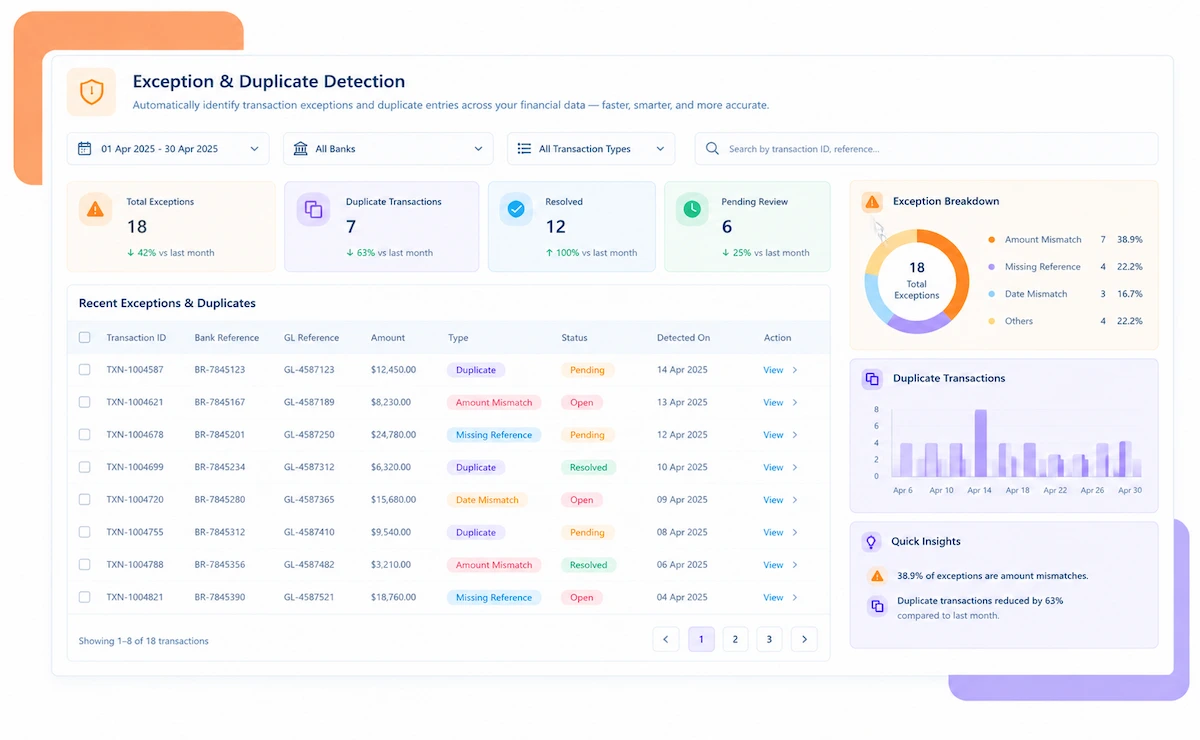
Builds the investigation record from the batch, changeover, and personnel data already on file, instead of starting from a blank form.
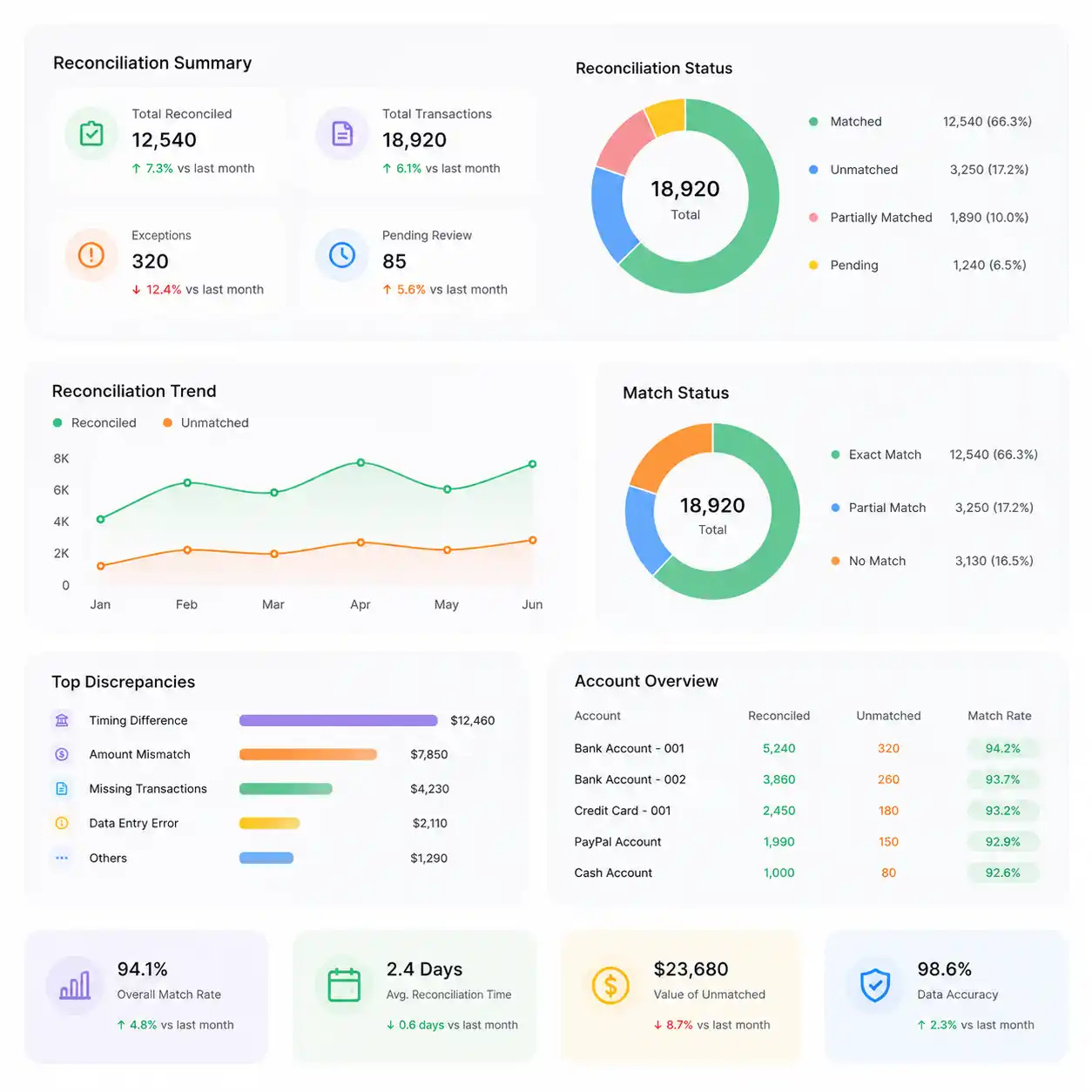
Label reconciliation software checks that the quantity of labeling issued for a production run matches the quantity actually used, voided, destroyed, and returned. In regulated industries like pharmaceutical manufacturing, this isn't optional bookkeeping, it's a documented requirement, with discrepancies outside preset tolerance limits requiring a formal investigation.
Done manually, label reconciliation usually means a packaging line operator counting labels at the end of a shift and a QA reviewer checking that count against the batch record by hand. It works for a slow, simple line, but gets harder fast with frequent changeovers, multiple SKUs, or a multi-site operation, where a missed discrepancy can mean a mislabeled product reaching distribution.
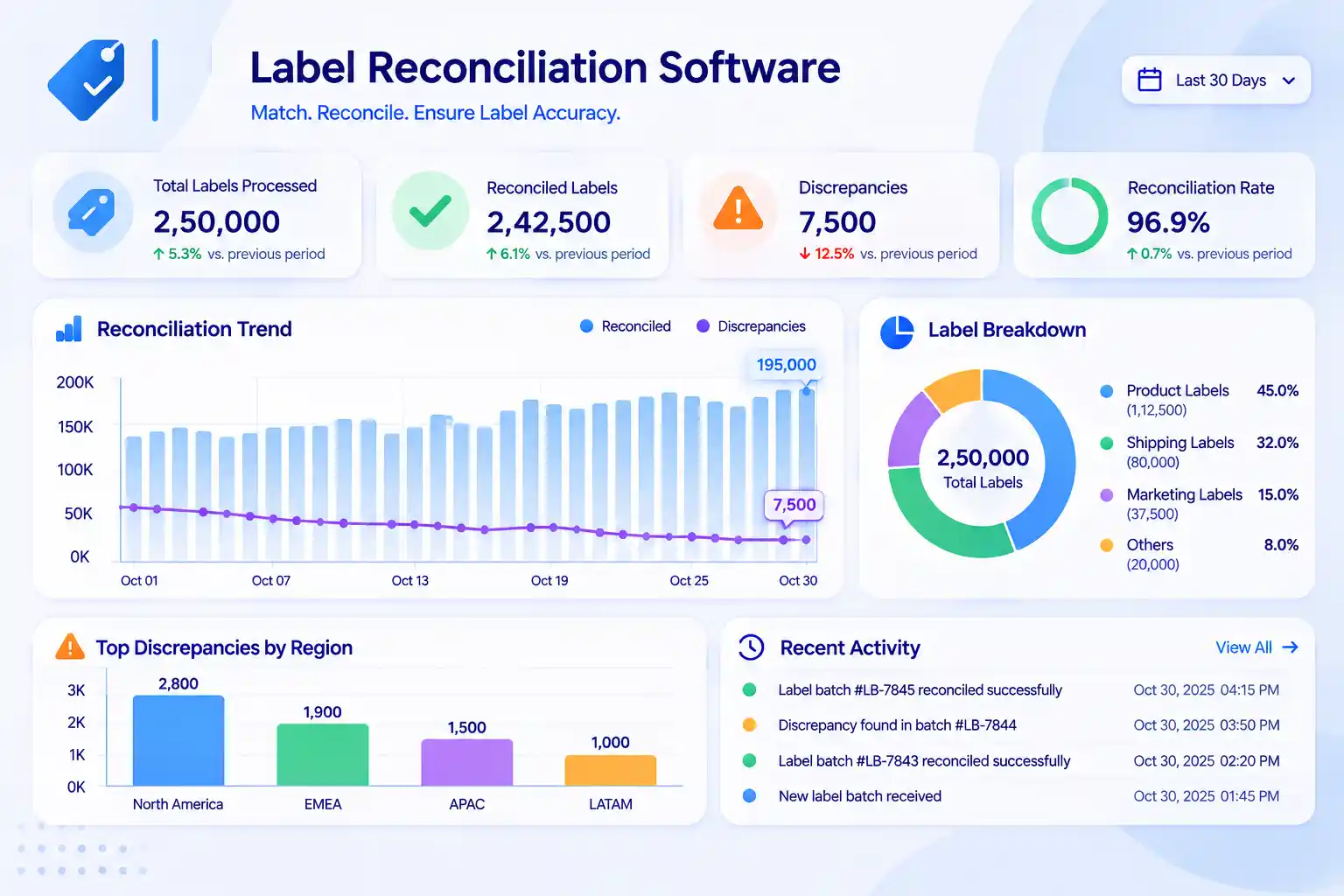
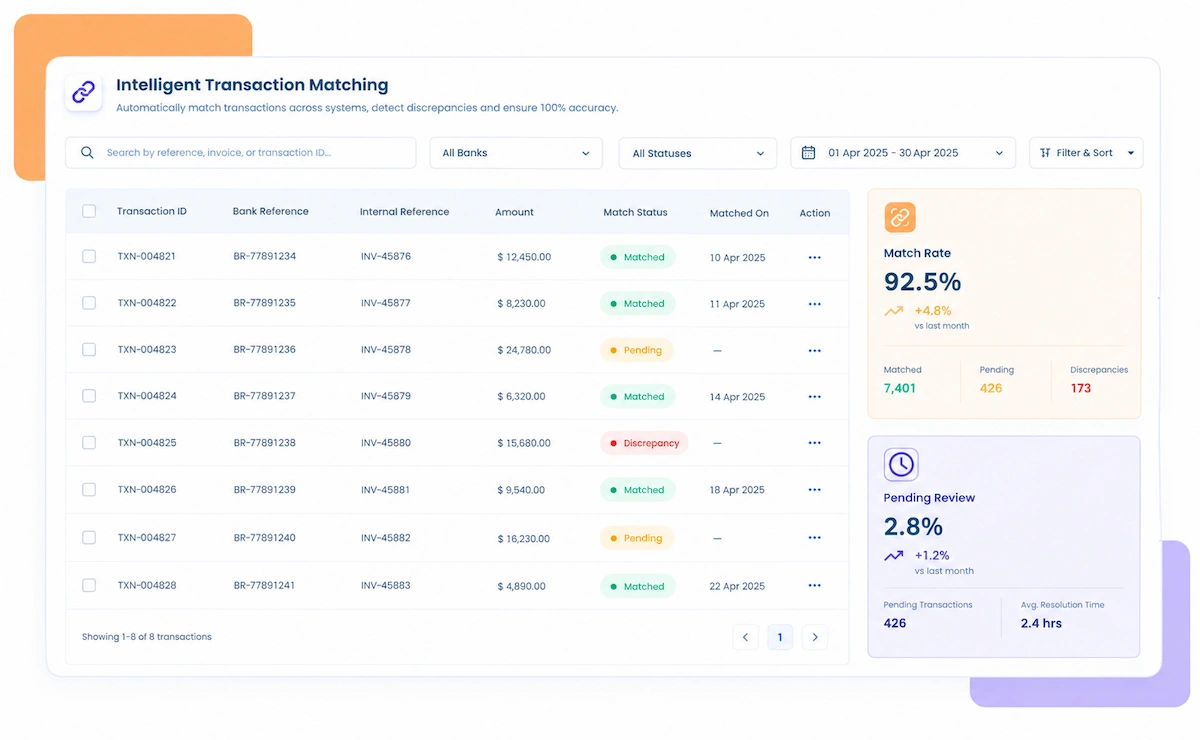
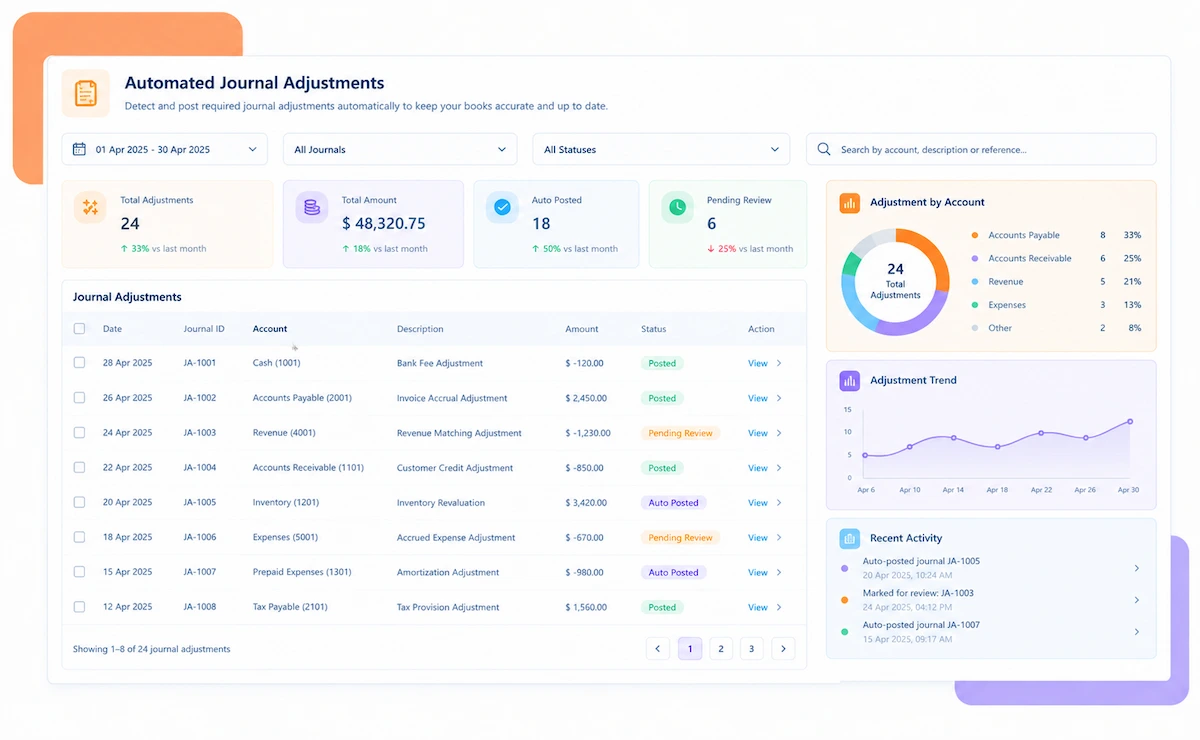
Kosh AI's label reconciliation software tracks issued, used, voided, destroyed, and returned labels automatically against every batch, flags anything outside tolerance, and builds the investigation documentation before anyone has to assemble it from a paper log.

Counting labels by hand at the end of a shift can work for a single line. See what changes once reconciliation runs automatically.
| Feature | Automated Label Reconciliation | Manual Label Reconciliation |
|---|---|---|
| Issuance Matching | Logged and matched to the batch automatically. | Counted and recorded by hand, often at shift end. |
| Void & Destruction Records | Logged with reason and operator automatically. | Tracked on paper logs that can go missing. |
| Tolerance Enforcement | Every batch checked against consistent preset limits. | Often judged case by case by whoever is reviewing. |
| Discrepancy Investigation | Batch and changeover details attached automatically. | Assembled manually from several separate records. |
| Changeover Documentation | Built automatically at every changeover. | Depends on the operator remembering every step. |
| Audit Readiness | Complete record available on demand. | Reconstructed from paper logs before an inspection. |
Not every packaging tool actually reconciles labels the way regulated production requires. These are the capabilities worth checking for.

Manual label reconciliation tends to break down in the same handful of situations.
Lines that switch SKUs often carry the highest risk of a missed label change going unnoticed.
Pharmaceutical and other regulated manufacturers need documented reconciliation, not an informal count.
Keeping reconciliation consistent across plants with different line setups is hard to do by hand.
Products where a labeling error could trigger a costly withdrawal need the fastest possible discrepancy detection.
A few habits keep label reconciliation reliable, especially on lines with frequent changeovers.
Bring a changeover where the label count came up short. We'll show you how Kosh AI would have flagged and documented it.

Book a Demo